Landstraße mit einer roten Kutsche — History & Analysis
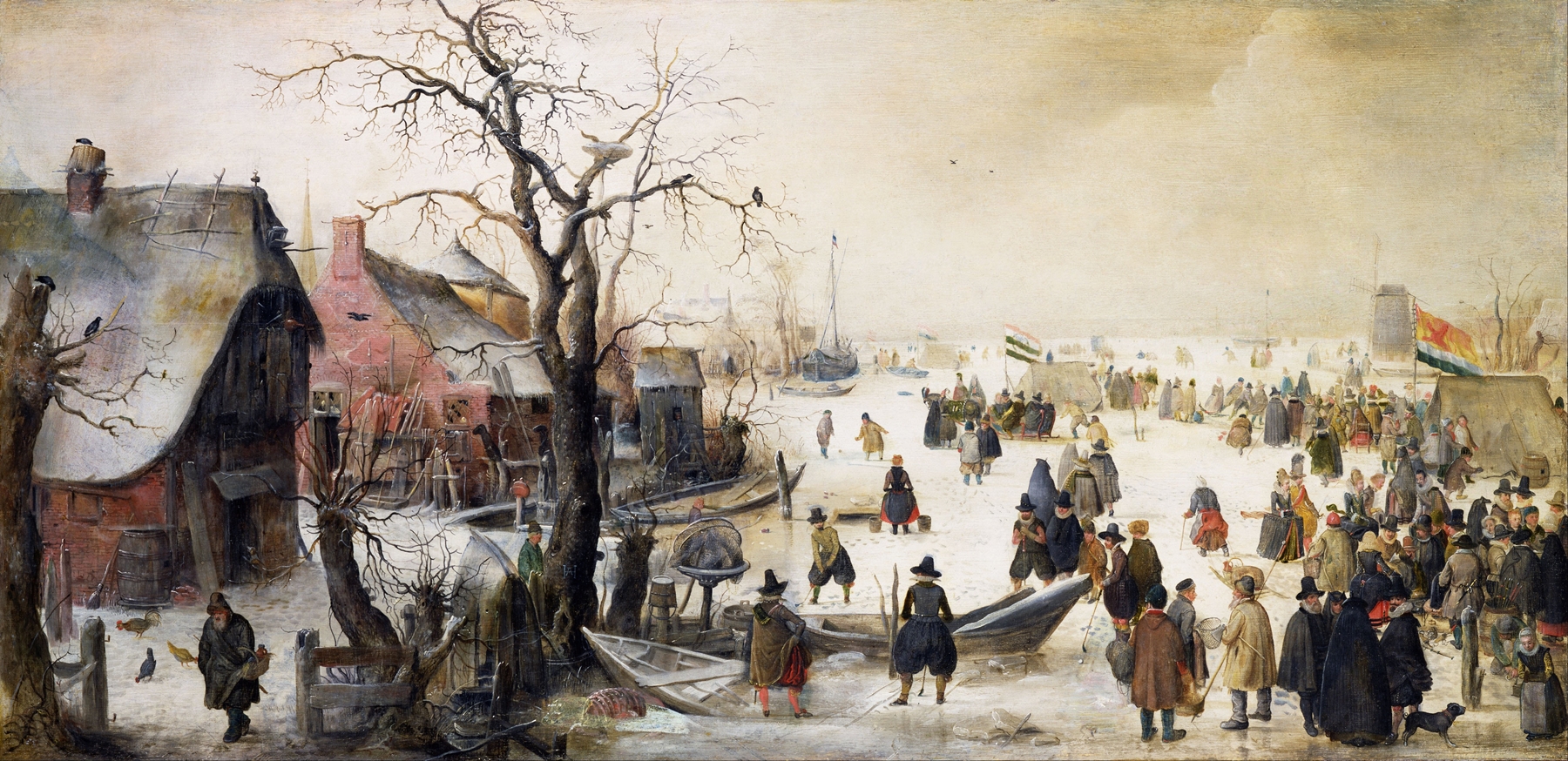
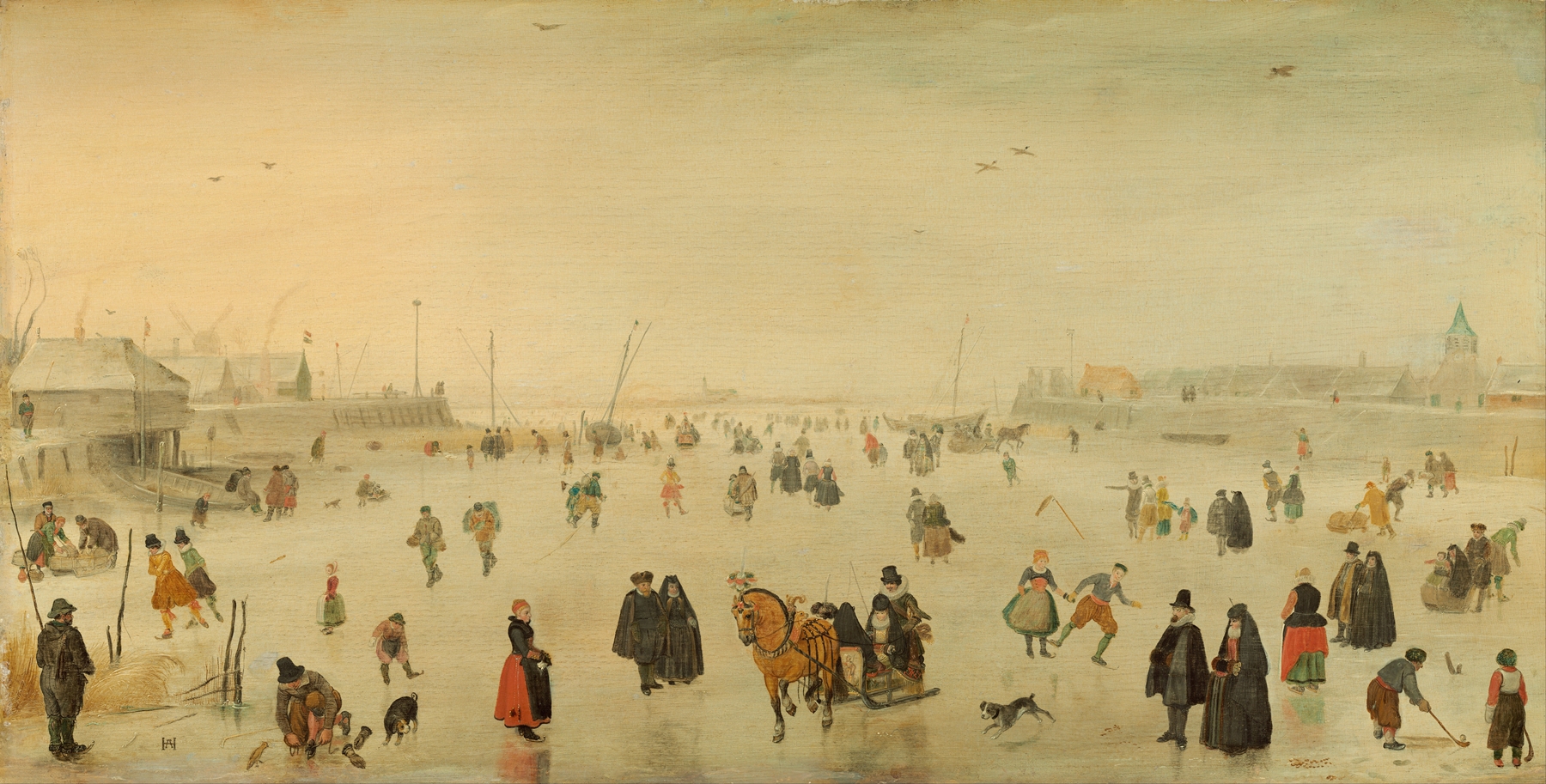
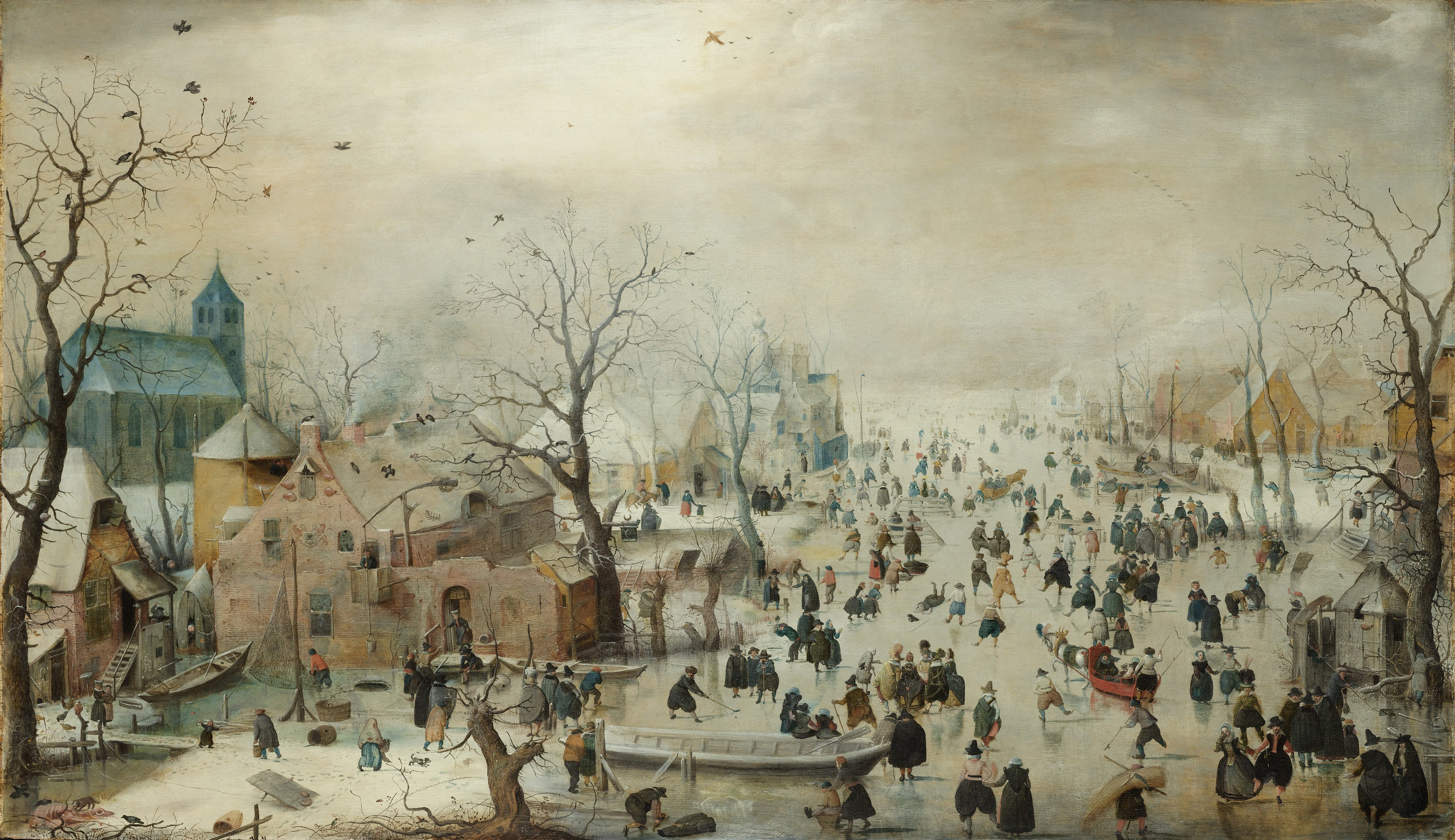
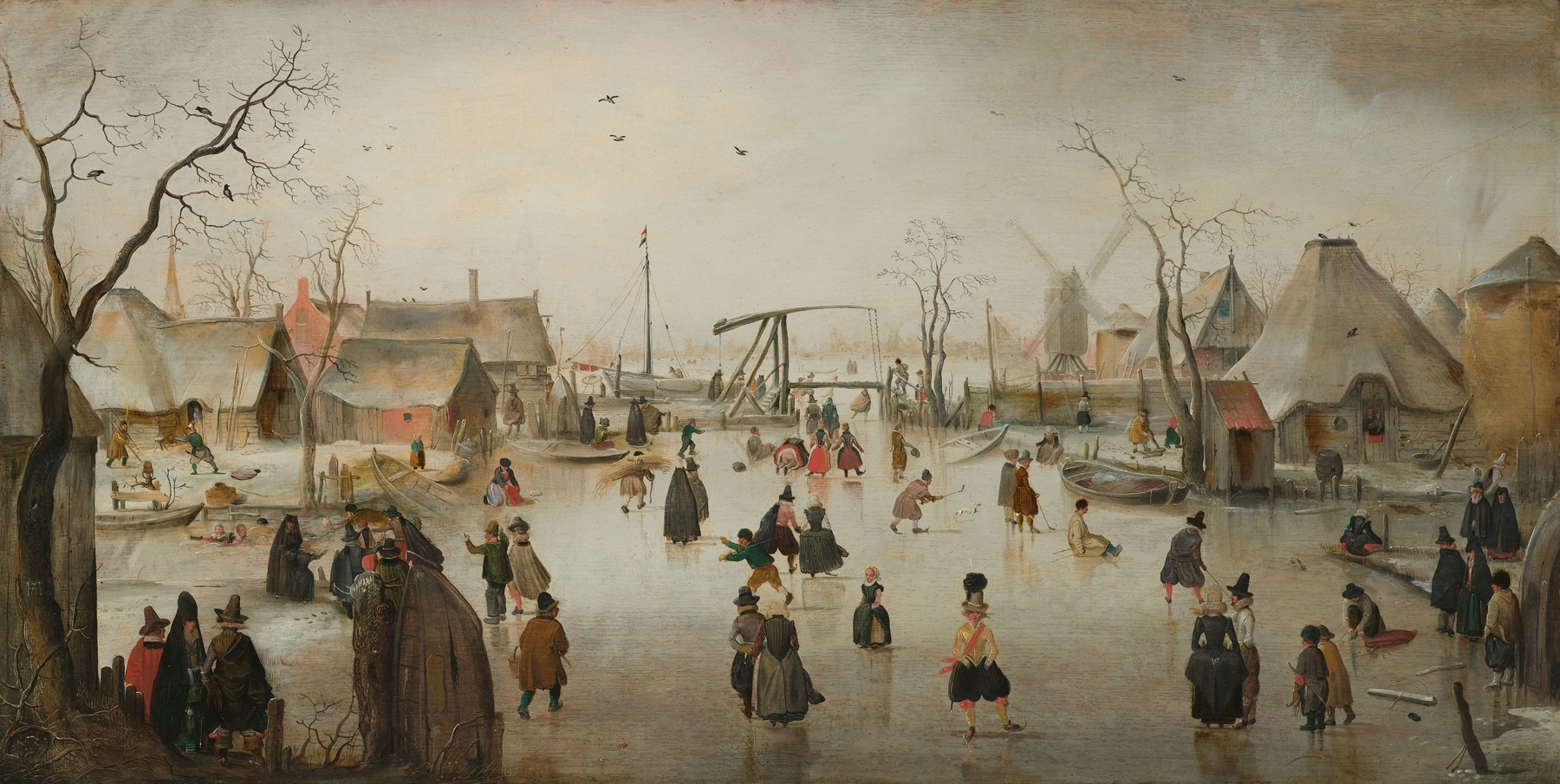
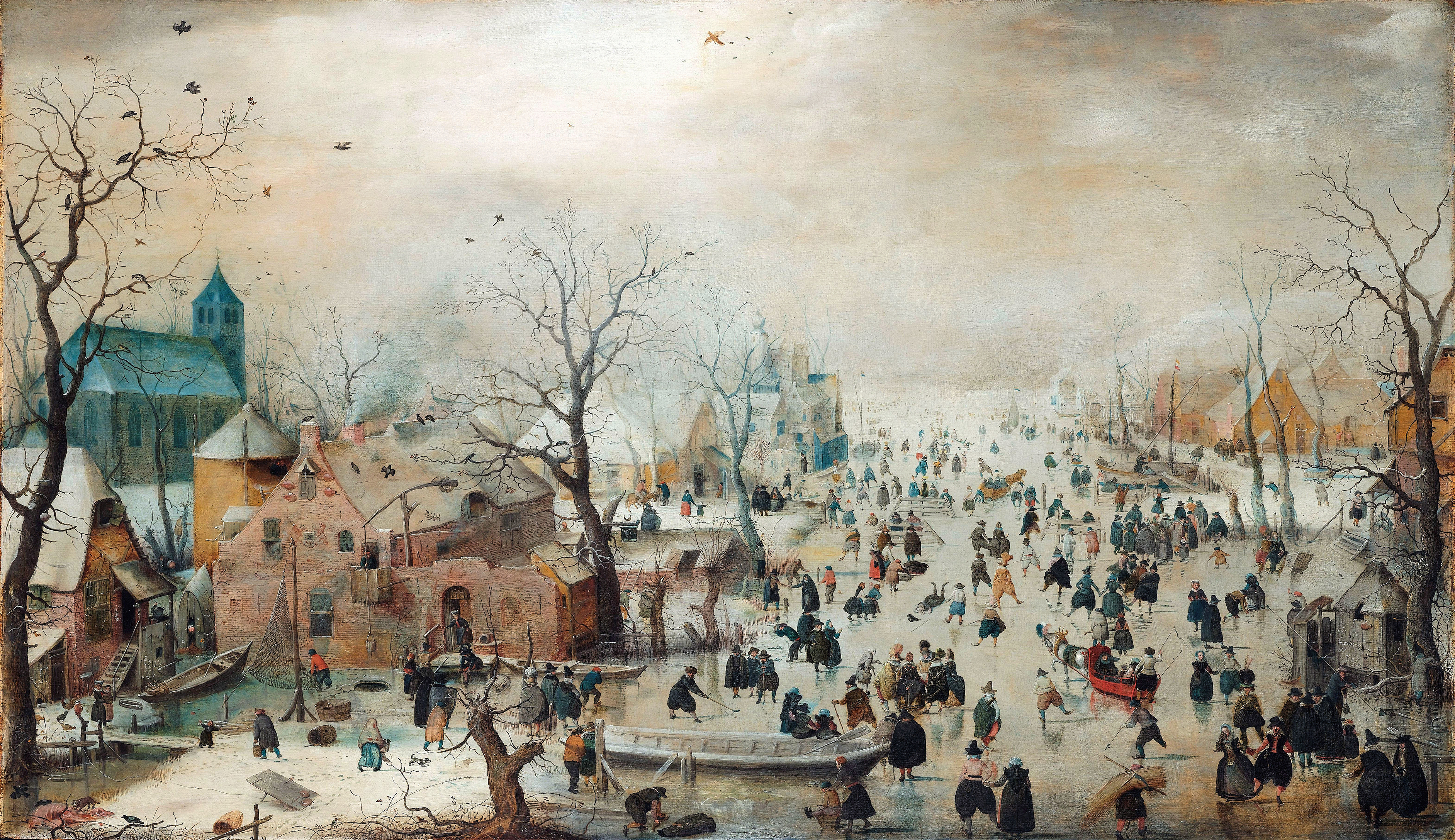
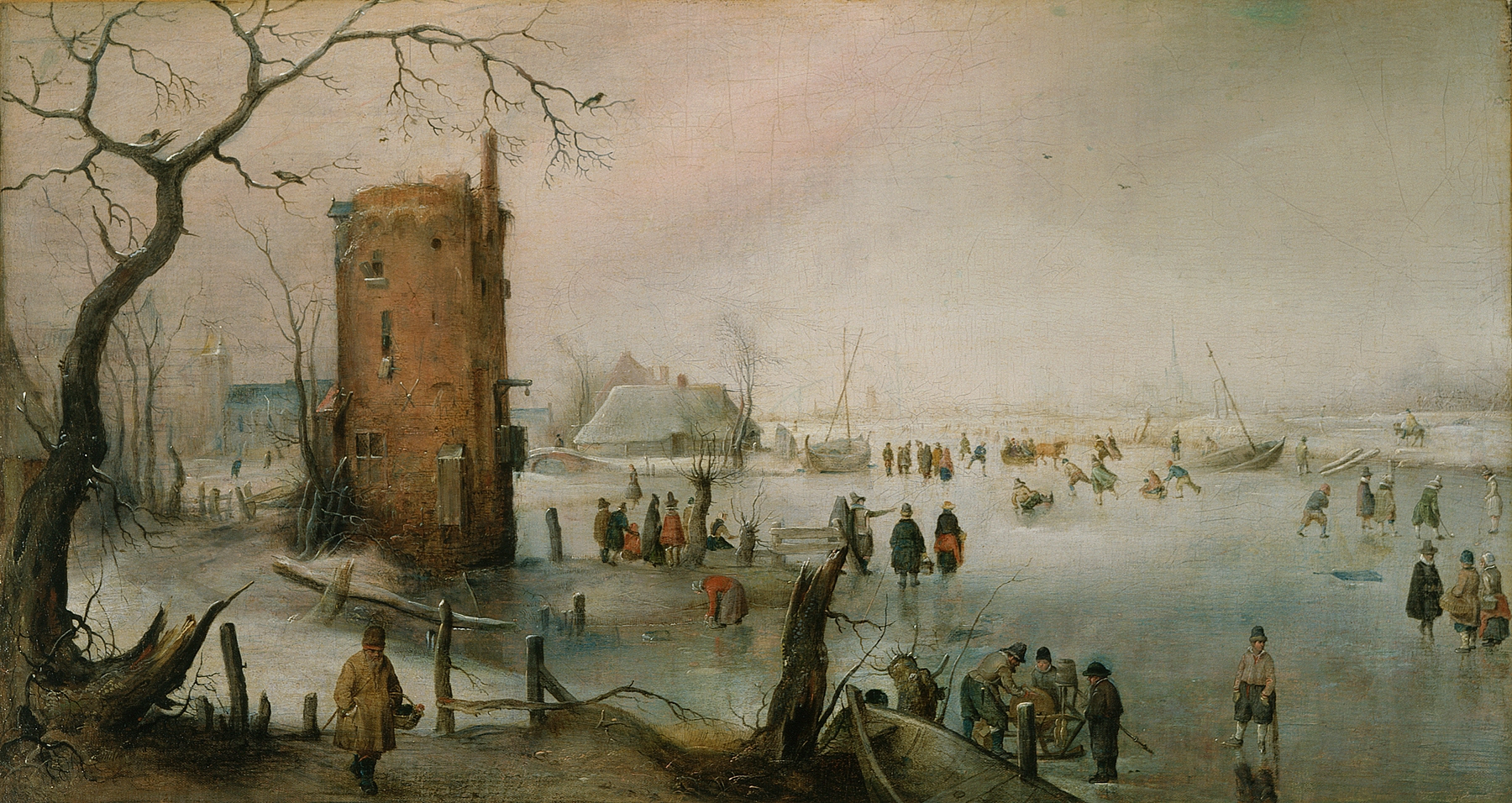
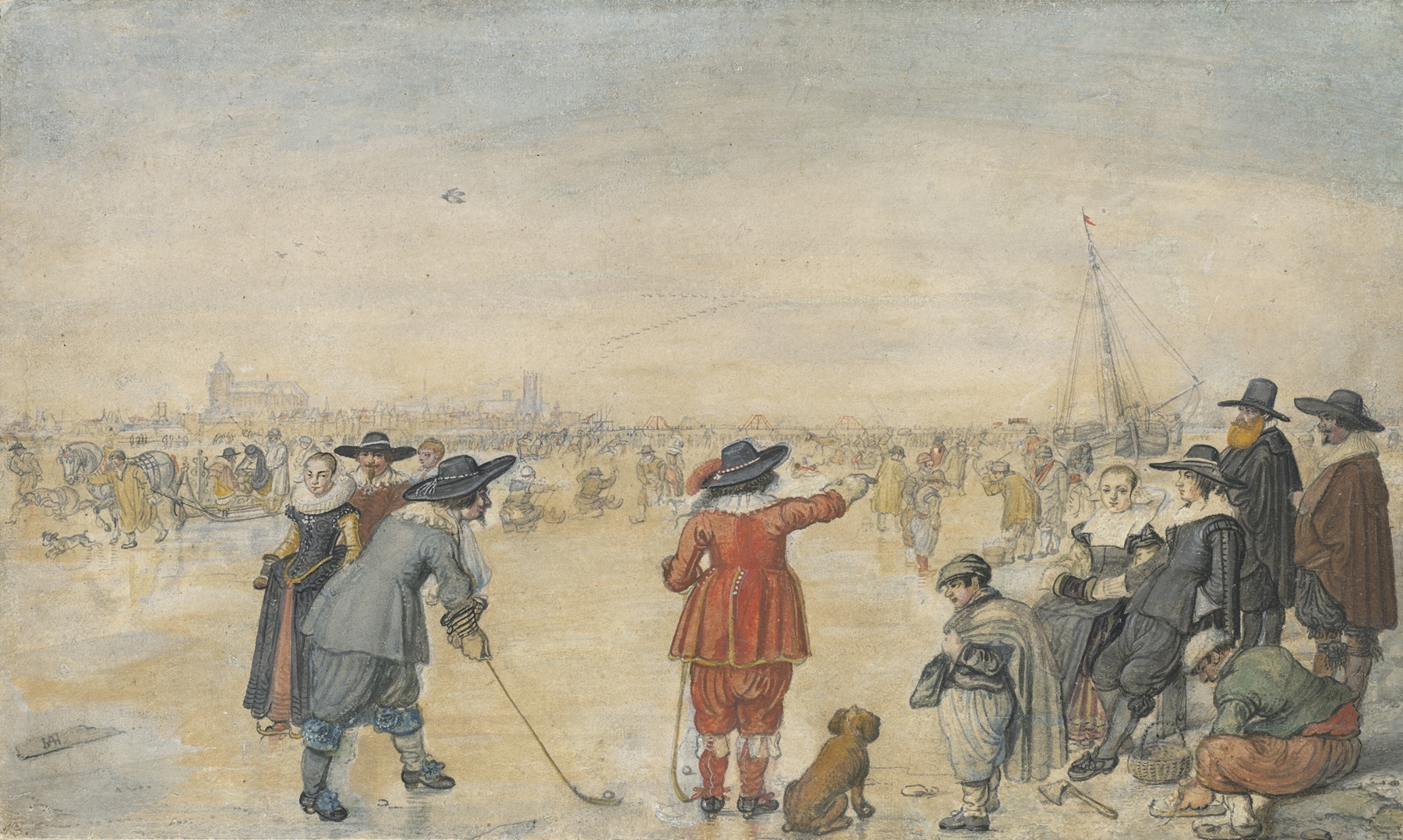
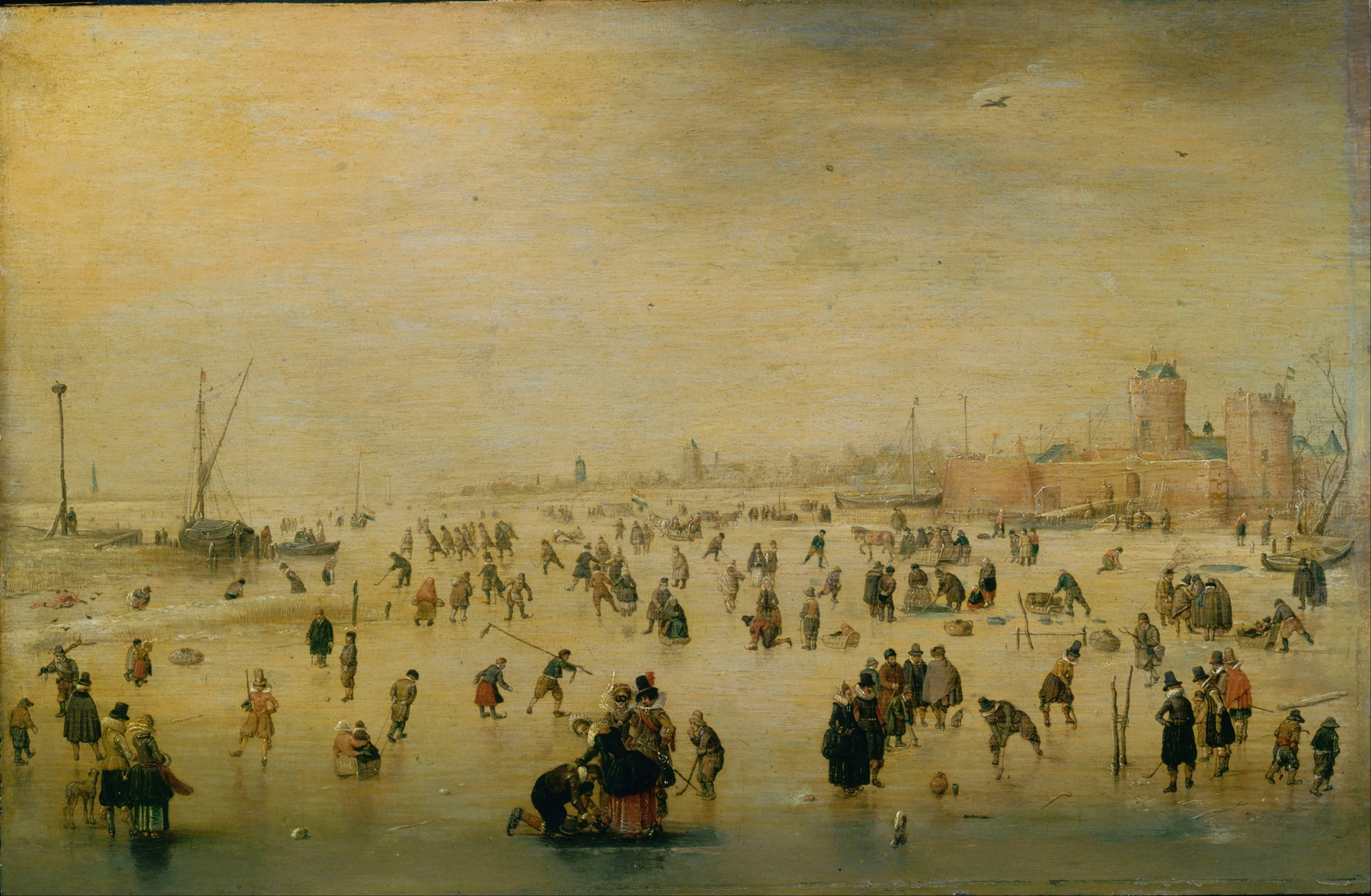
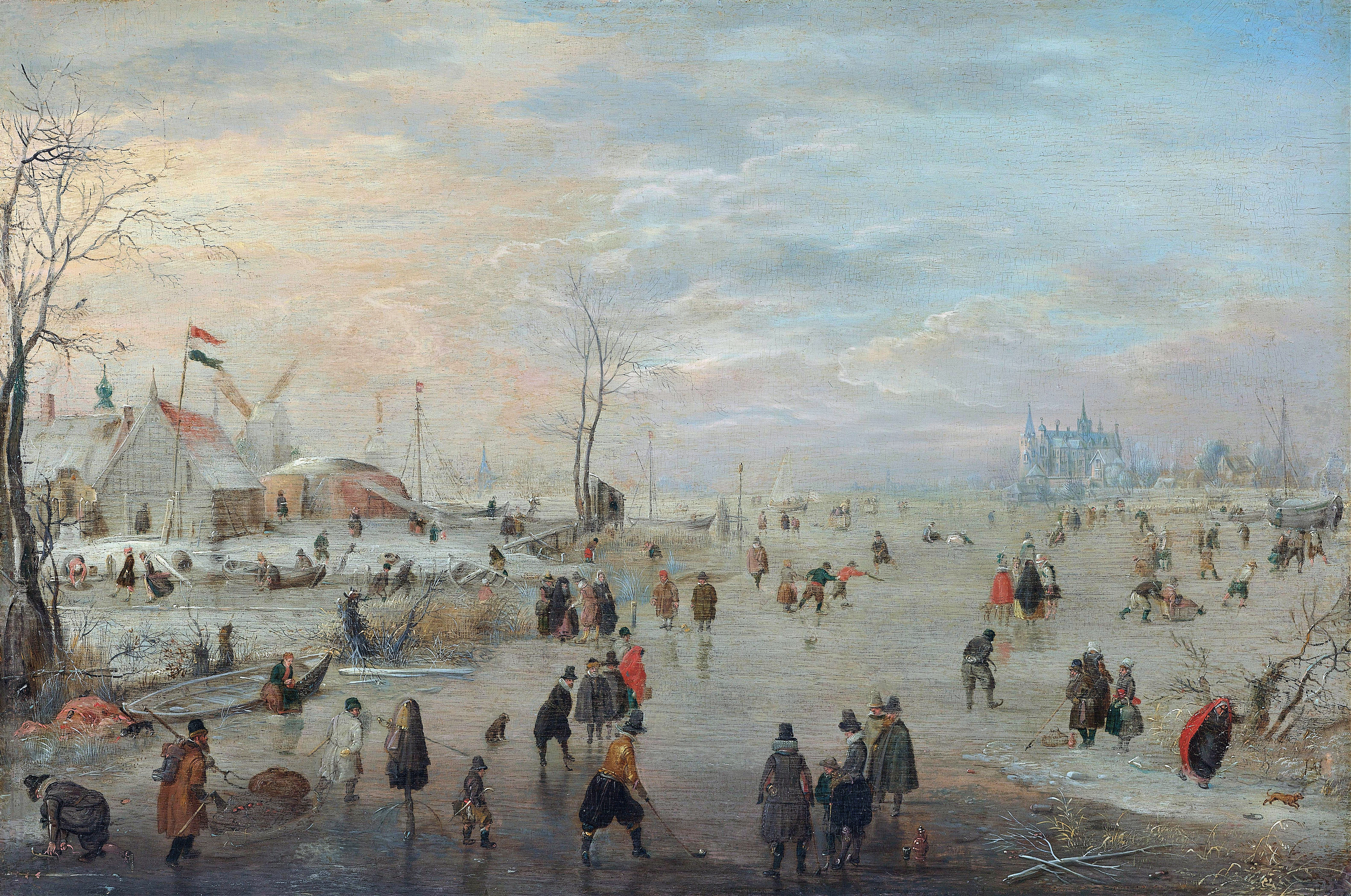
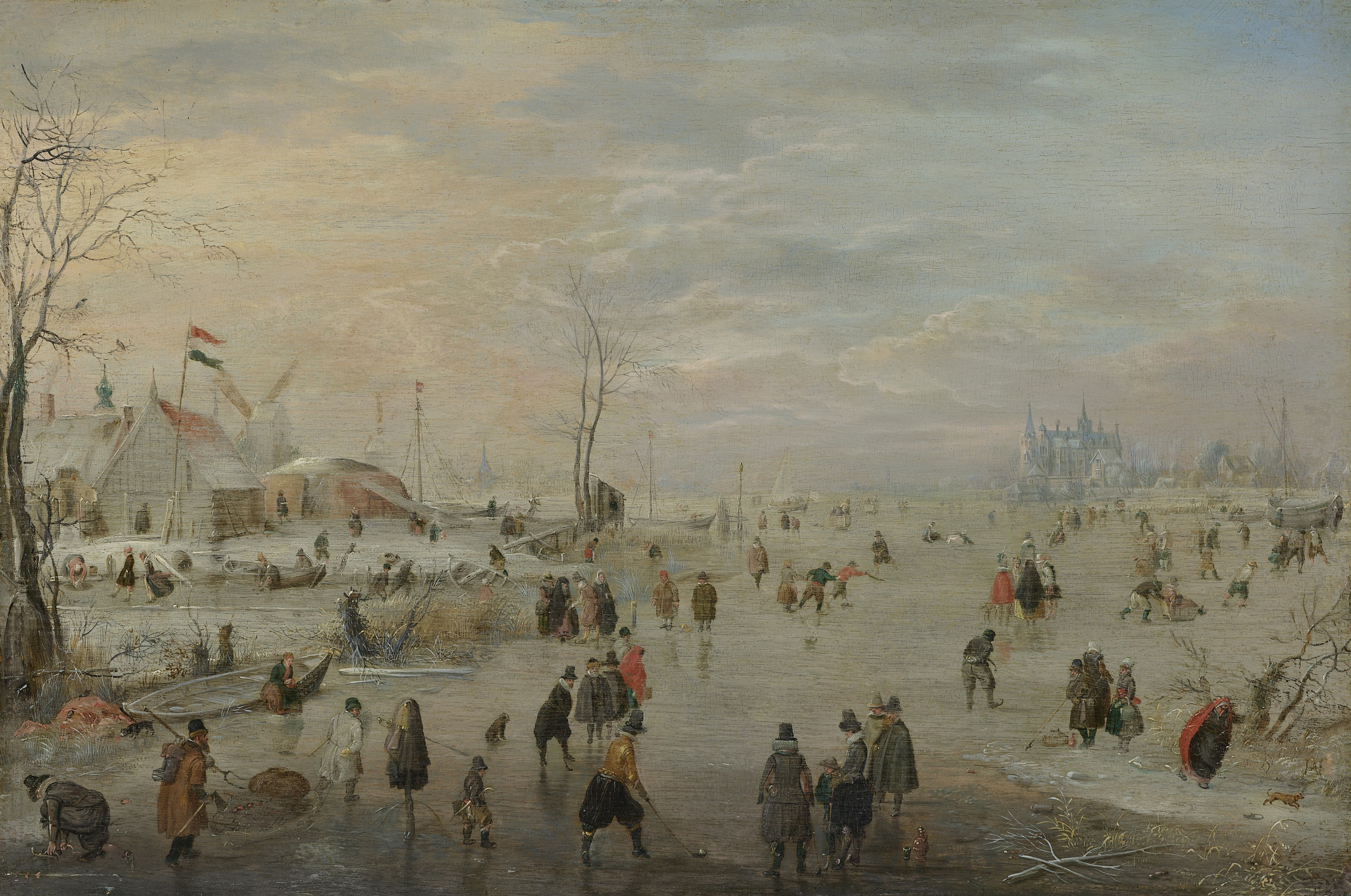
“The canvas doesn’t lie — it simply waits.” In a world overflowing with haste, the stillness of art invites us to pause and reflect on the subtle movement encased within. Focus on the bustling road that stretches across the canvas, where a vibrant red carriage captures the eye with its vivid hue. The careful brushstrokes create a sense of dynamism, as figures appear to converse and interact, their gestures animated despite the static nature of the medium.
Notice how the soft pastels of the sky contrast with the rich earth tones of the landscape, establishing a harmonious balance that invites the viewer deeper into the scene. Hidden within the layers of paint is the tension between movement and stillness. The figures in the background, engaged in various daily activities, embody the vibrancy of life, while the carriage stands in stark contrast, a symbol of both progress and a moment frozen in time.
The gentle play of light highlights the carriage’s wheels, hinting at the momentum that propels it forward, while the trees lining the road seem to sway in an unseen breeze, reinforcing the connection between nature and human endeavor. Hendrick Avercamp painted this work during the early 17th century in the Northern Netherlands, a time characterized by a burgeoning interest in genre scenes and landscapes within the context of the Dutch Golden Age. As Avercamp sought to capture the essence of everyday life, he also reflected a culture in transition—where bustling trade and travel began to dominate the social landscape, forever altering the rhythm of existence.