Winter Scene on a Canal — History & Analysis
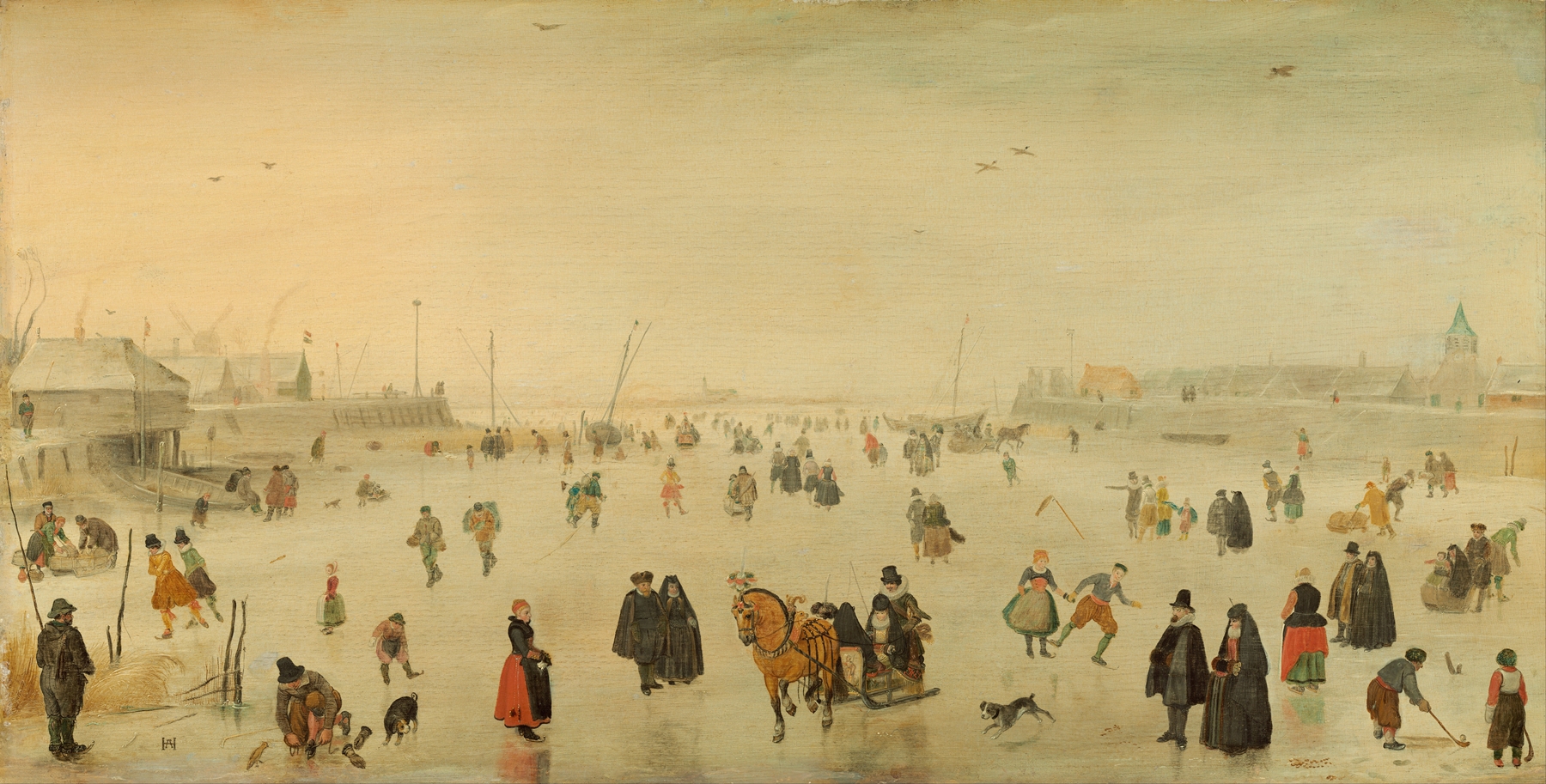
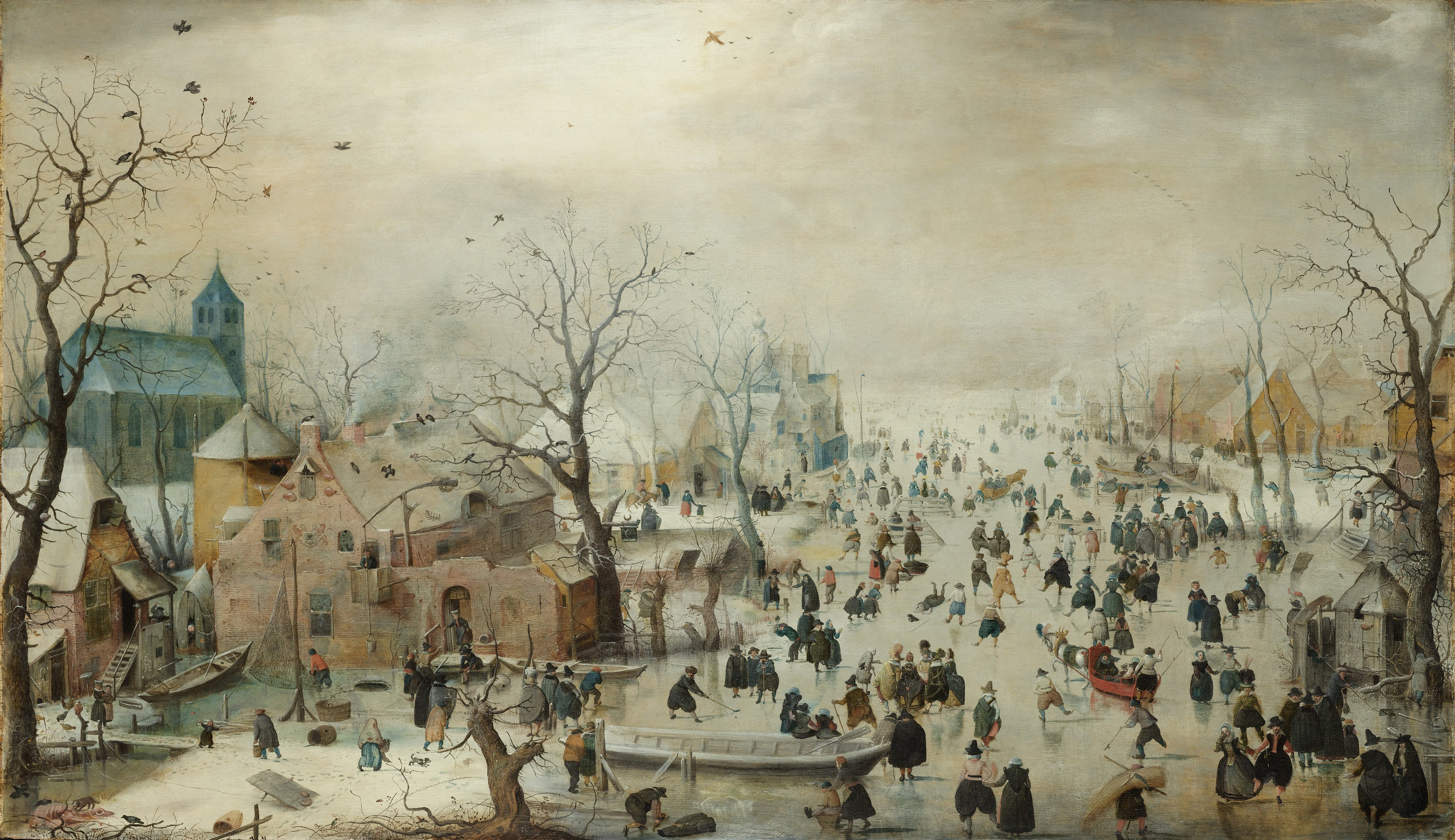
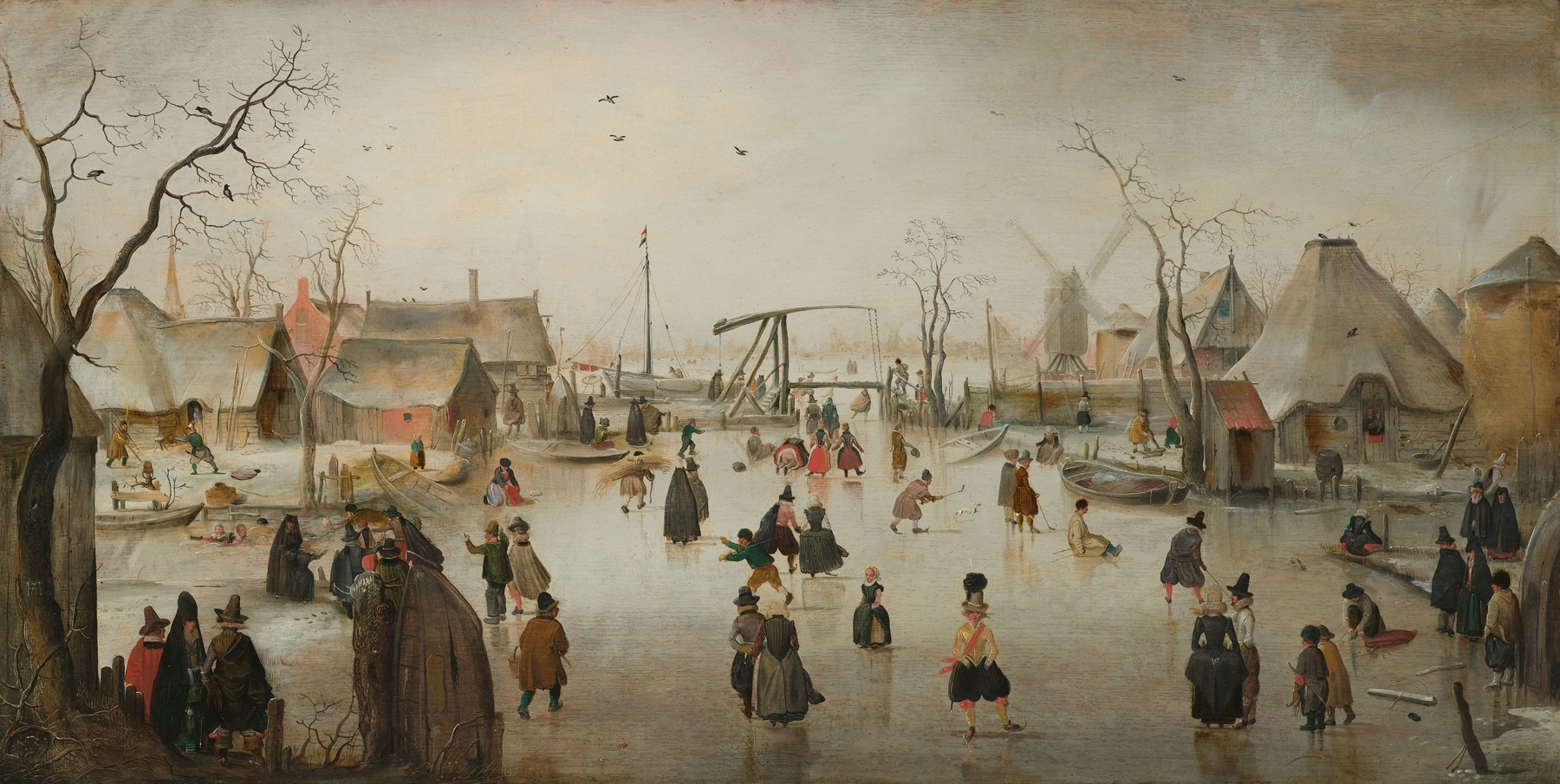
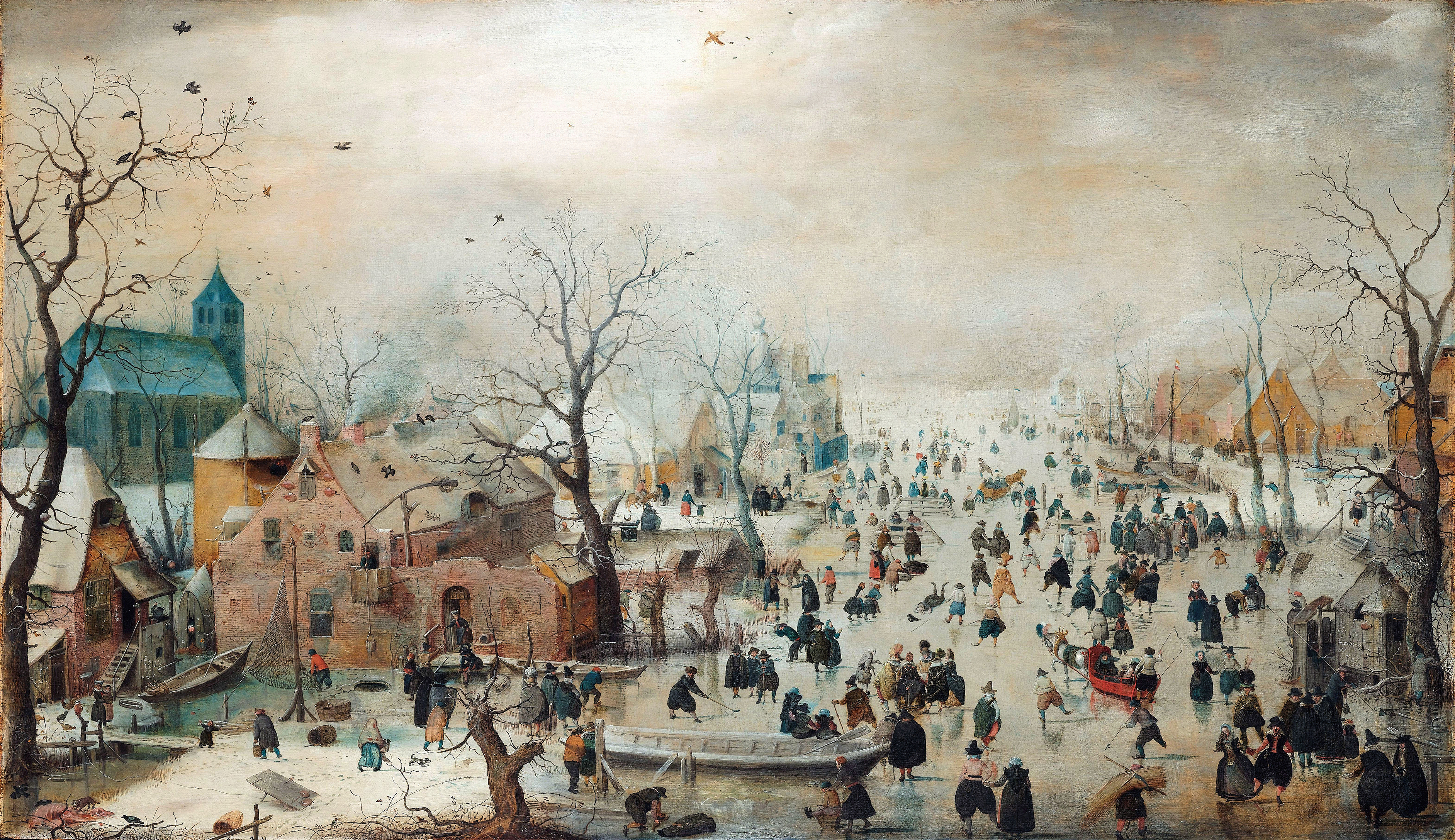
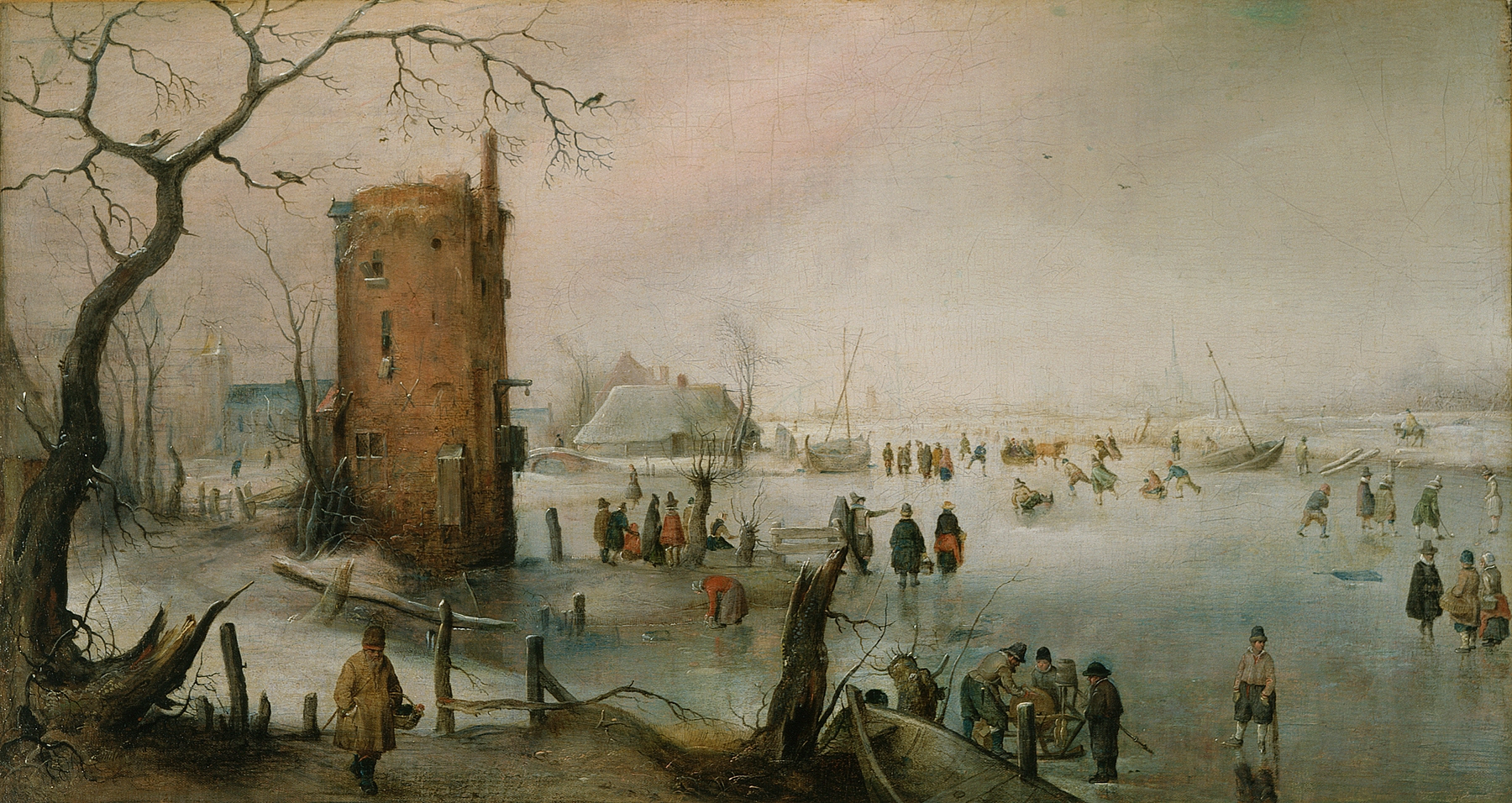
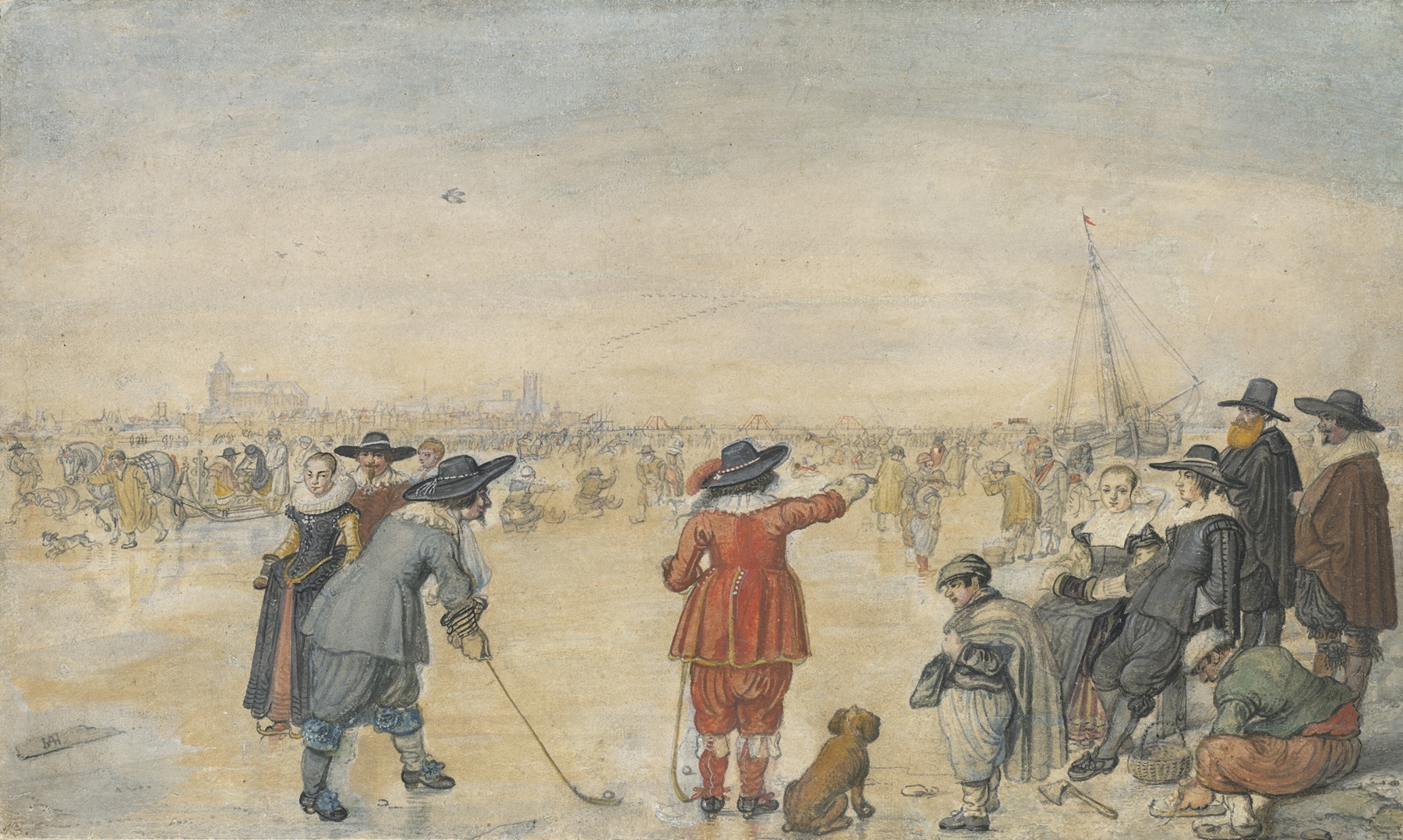
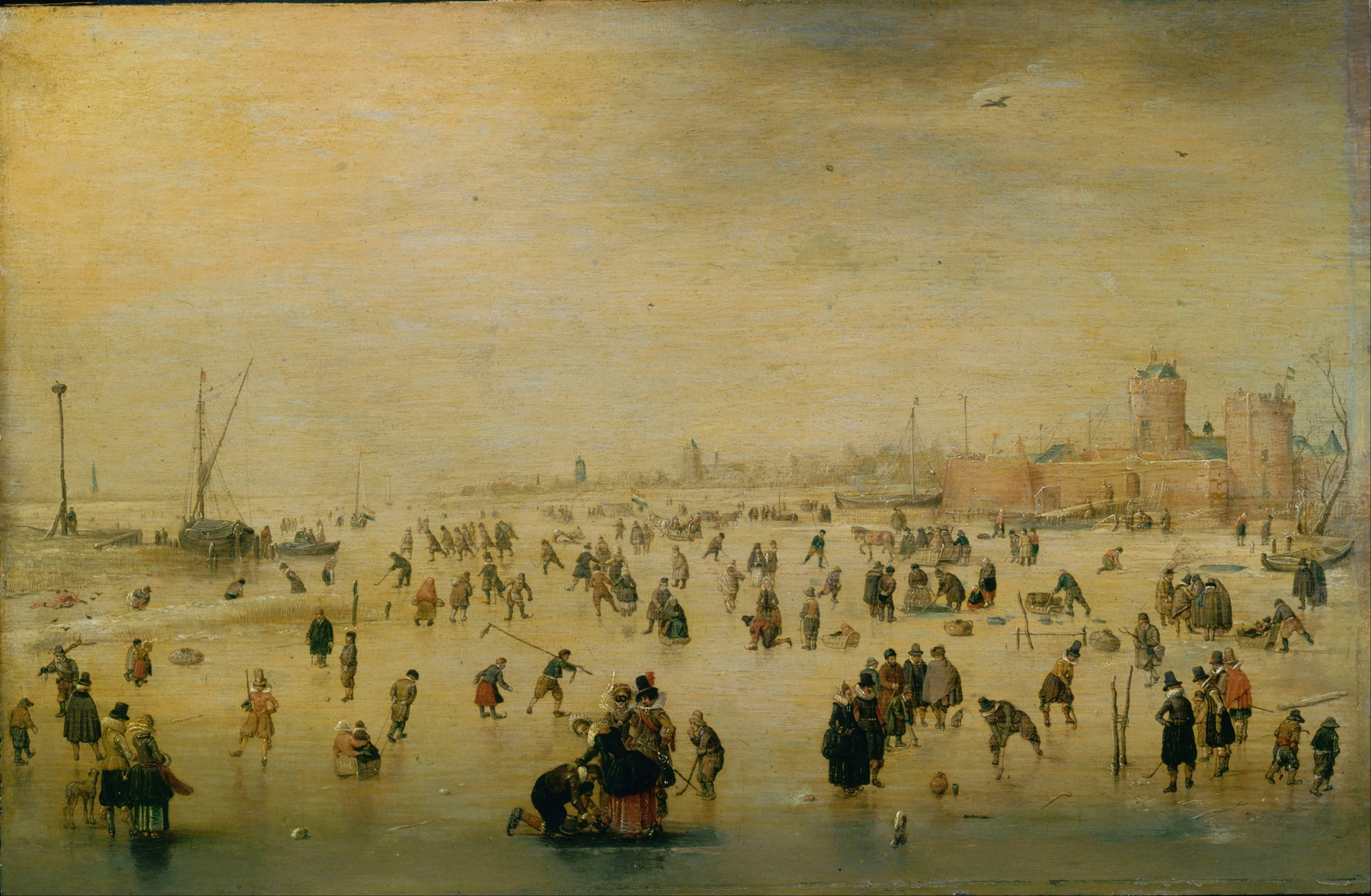
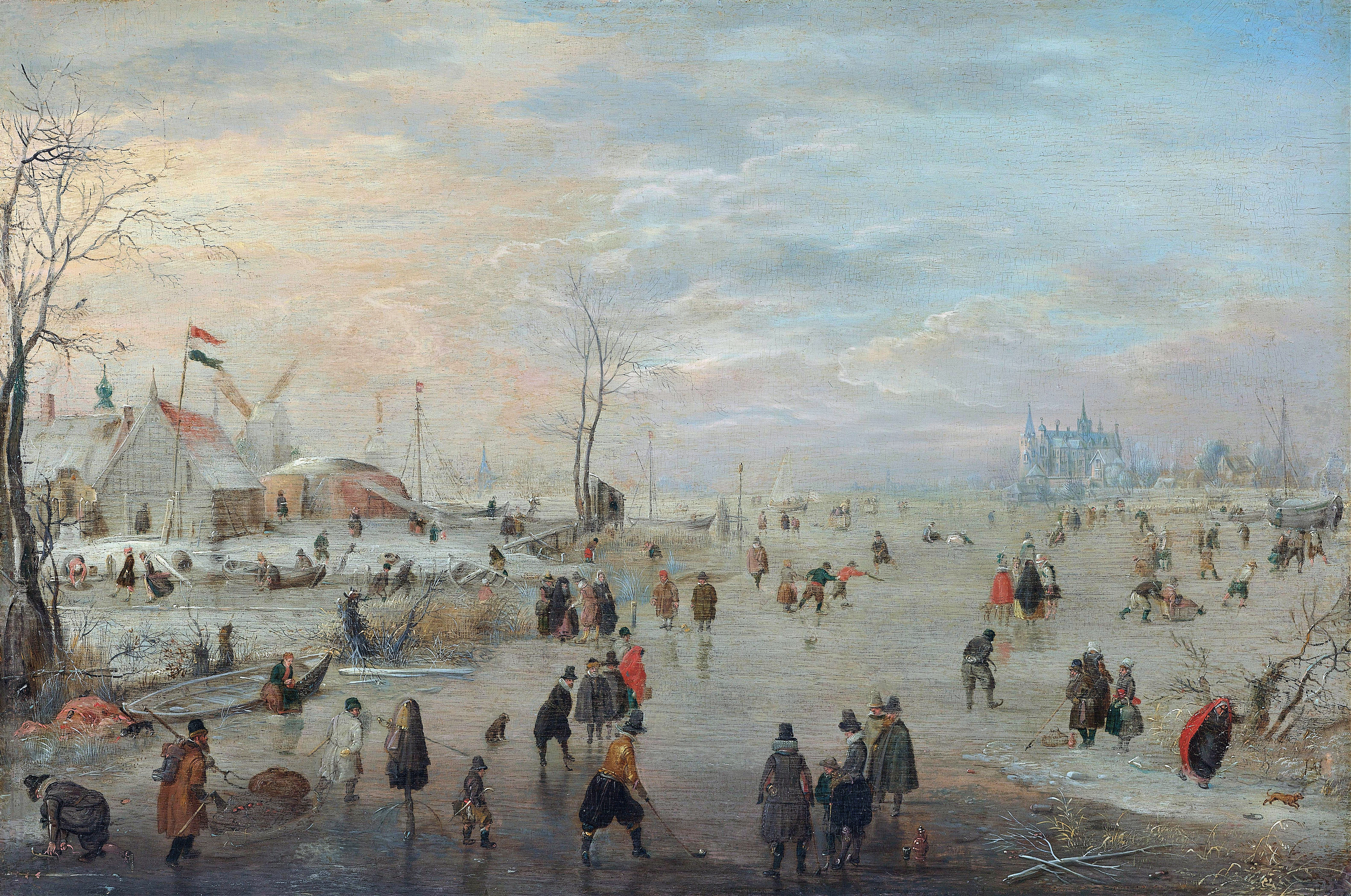
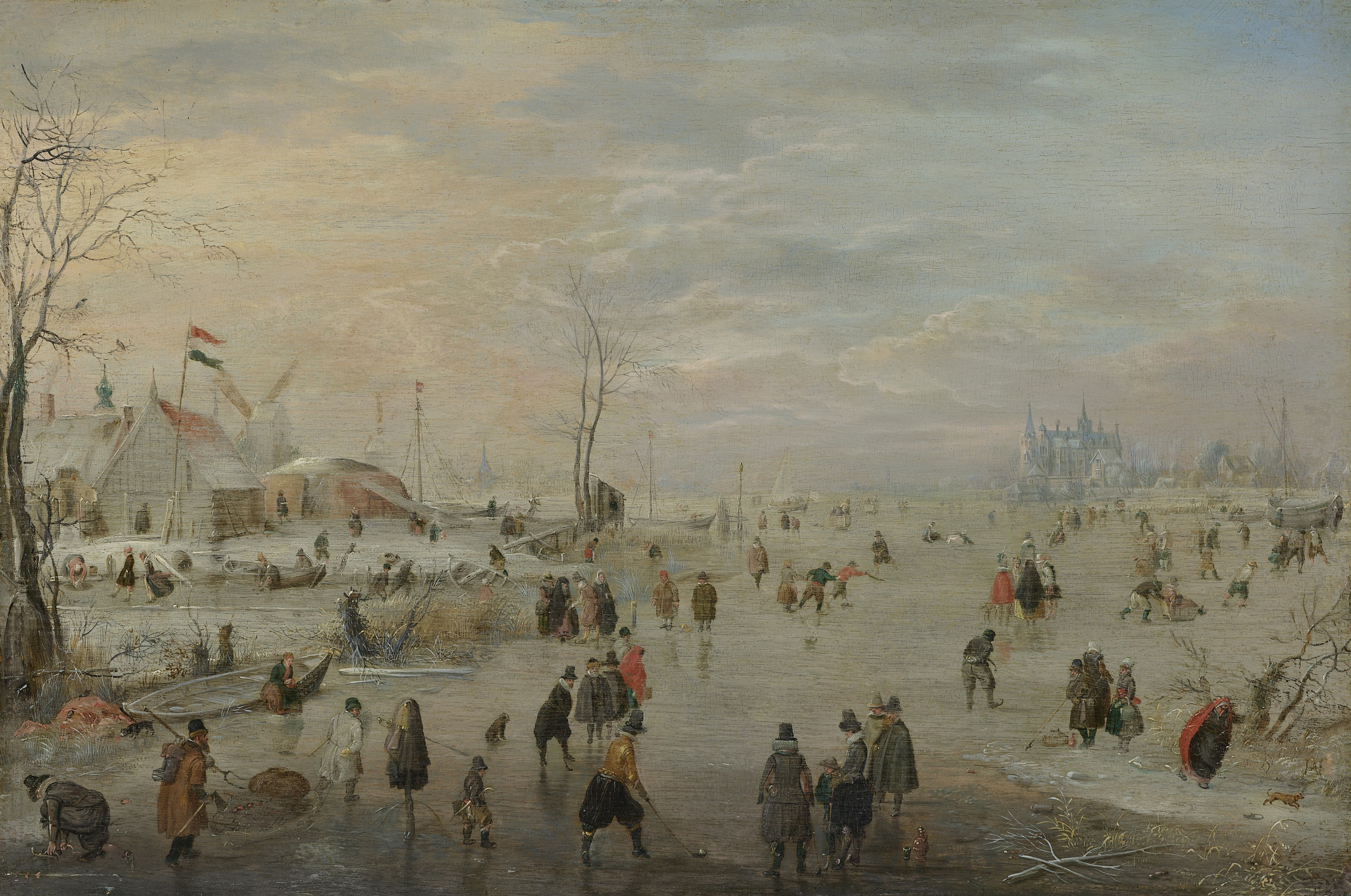
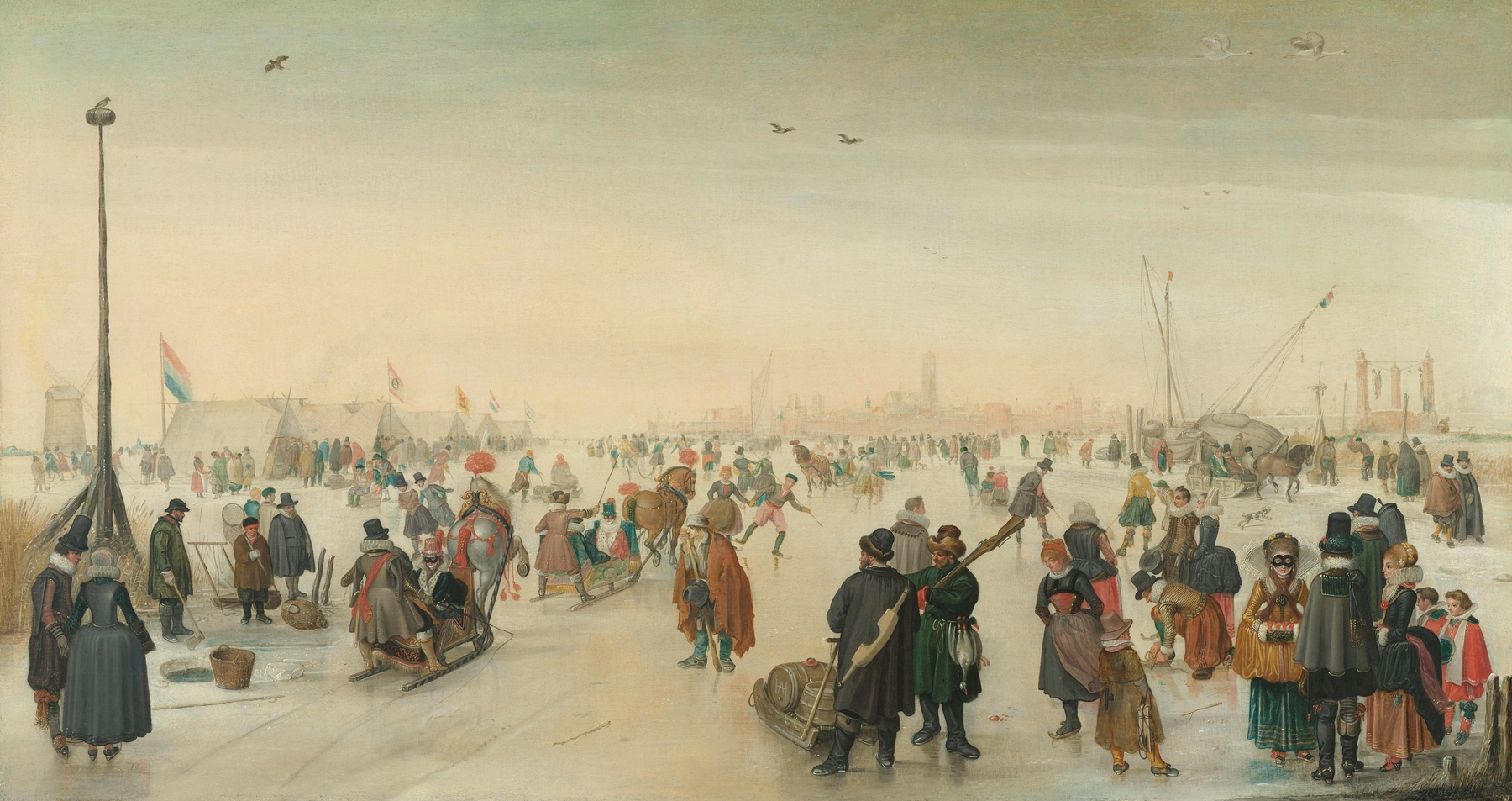
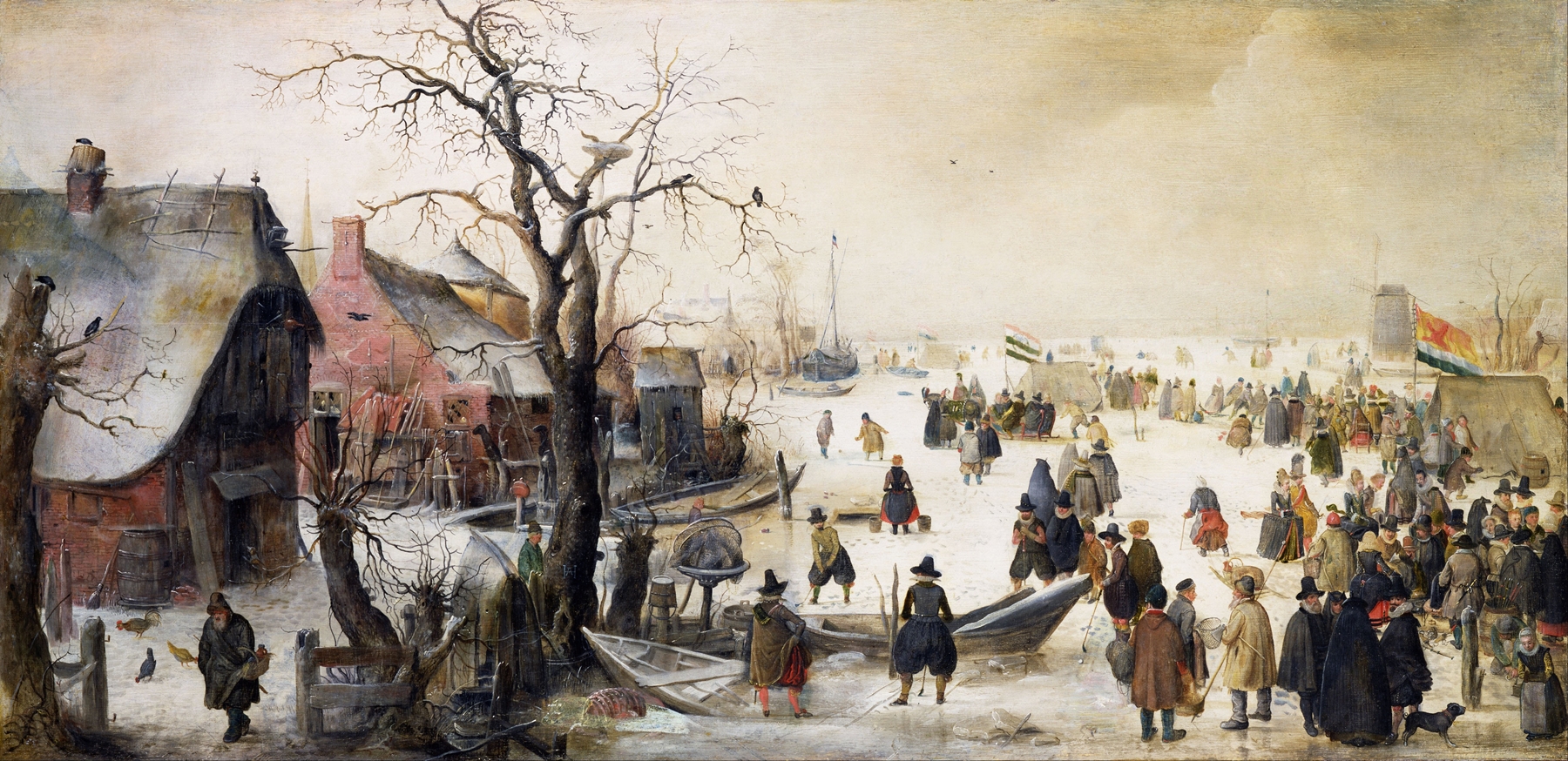
What if silence could speak through light? In Winter Scene on a Canal, the whisper of snowflakes blankets a tranquil world, encapsulating fleeting moments of memory and reflection. Look to the left, where figures clad in muted tones glide gracefully over the ice, their laughter almost audible through the cool, crisp air. The icy expanse stretches toward the horizon, dappled with sunlight that glistens like diamonds on the surface.
Notice how Avercamp uses soft brushstrokes to create the frosted landscape, contrasting brisk blues and whites with the warmth of earthy tones in the skaters’ attire, which enriches the scene with life and vibrancy. Delve deeper into the painting's nuances, where a subtle tension lies in the juxtaposition of joyful activity against the stillness of winter. The gathering of villagers in the background hints at community and togetherness, yet the vastness of the frozen canal evokes a sense of solitude and introspection.
Each figure, while engaged in their own merriment, is framed against a backdrop of snow-laden trees, suggesting the passage of time and the bittersweet nature of memory that lingers like the chill in the air. Hendrick Avercamp painted this work during the early 17th century while residing in the Netherlands, a period marked by an increasing fascination with genre scenes. The icy landscapes resonated with the Dutch spirit, capturing everyday life against a backdrop of winter's stark beauty, reflecting the social dynamics of his time amid the flourishing art movement that celebrated realism and the experience of the common man.