Enjoying the Ice — History & Analysis
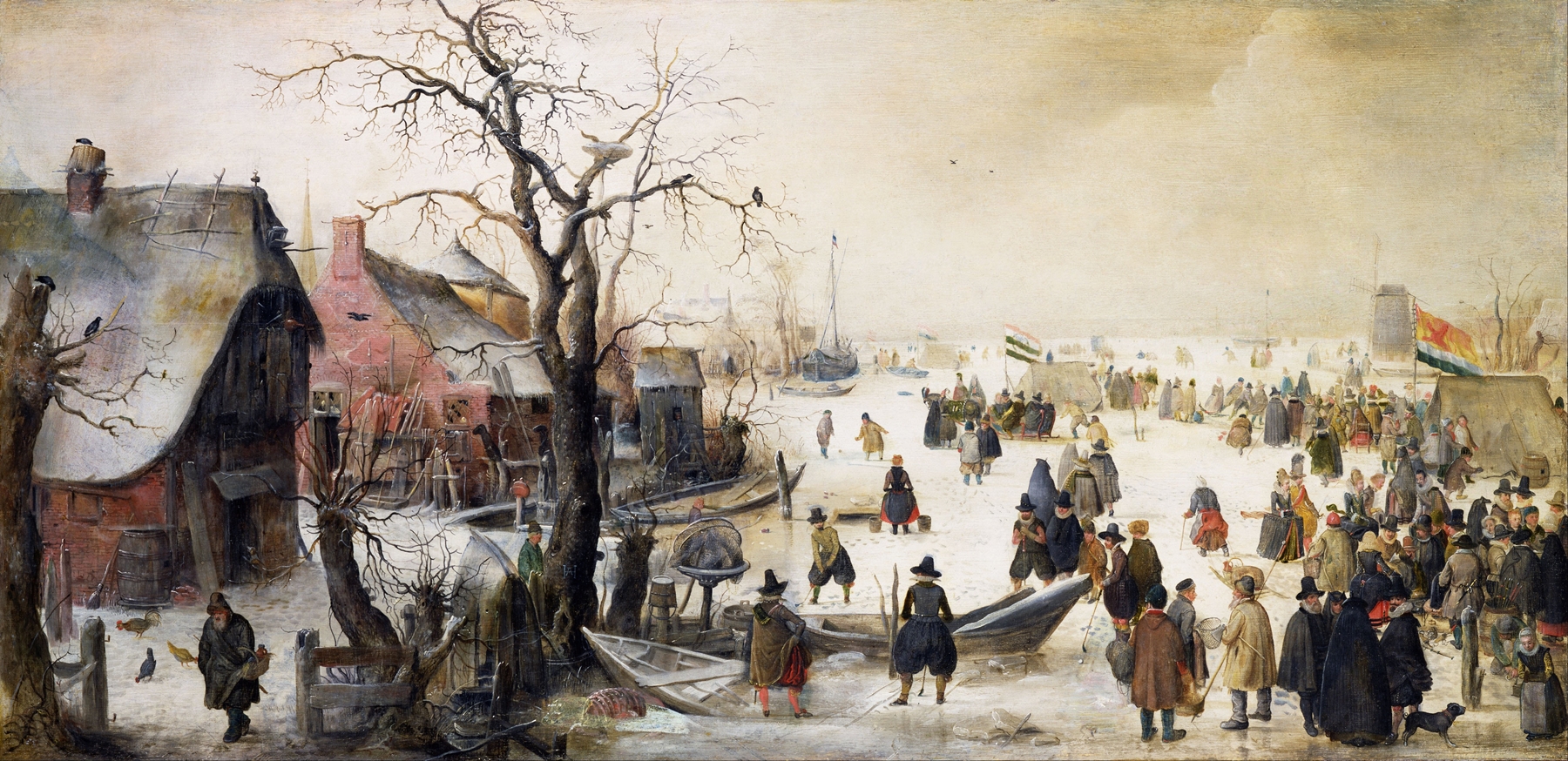
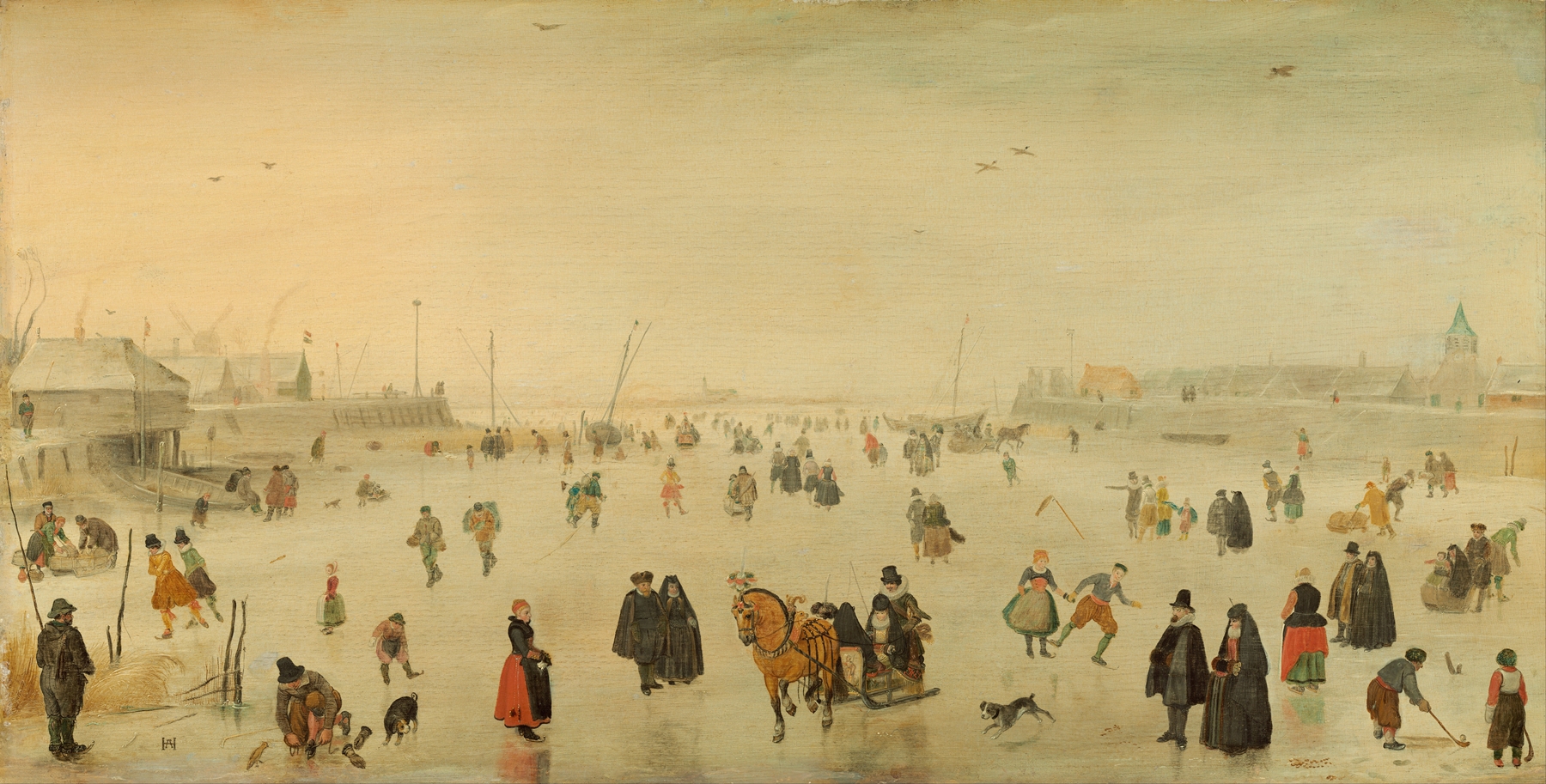
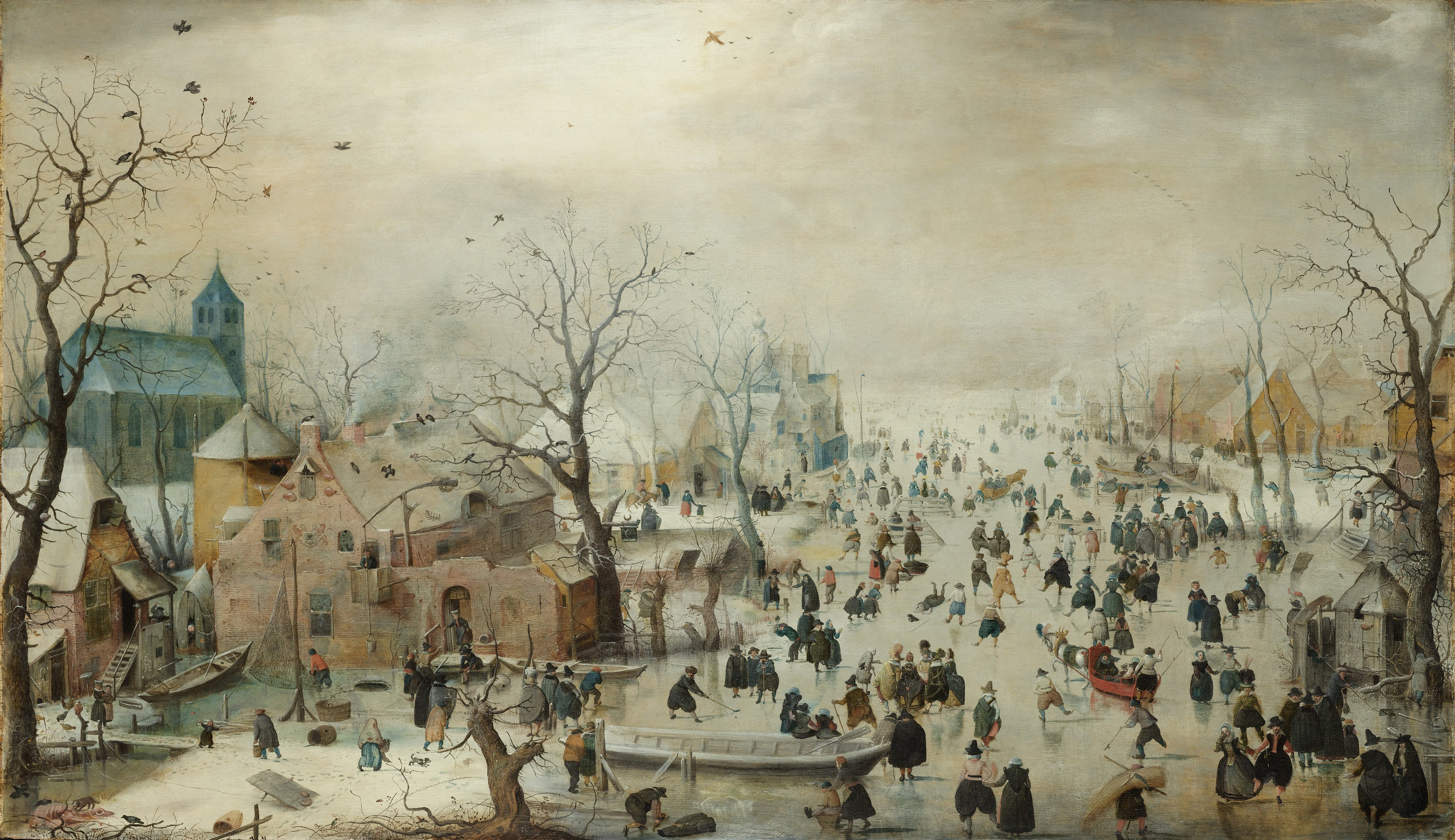
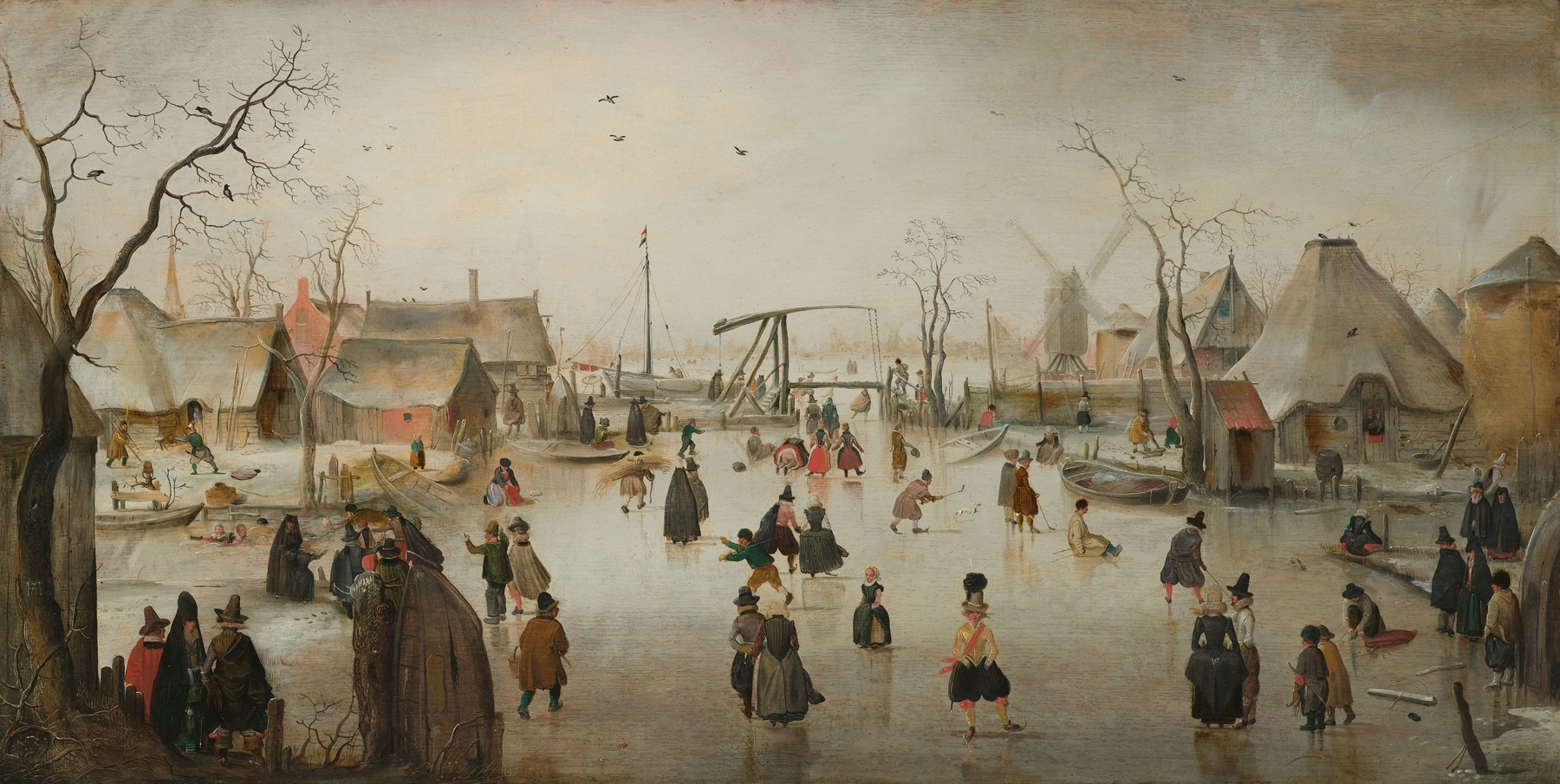
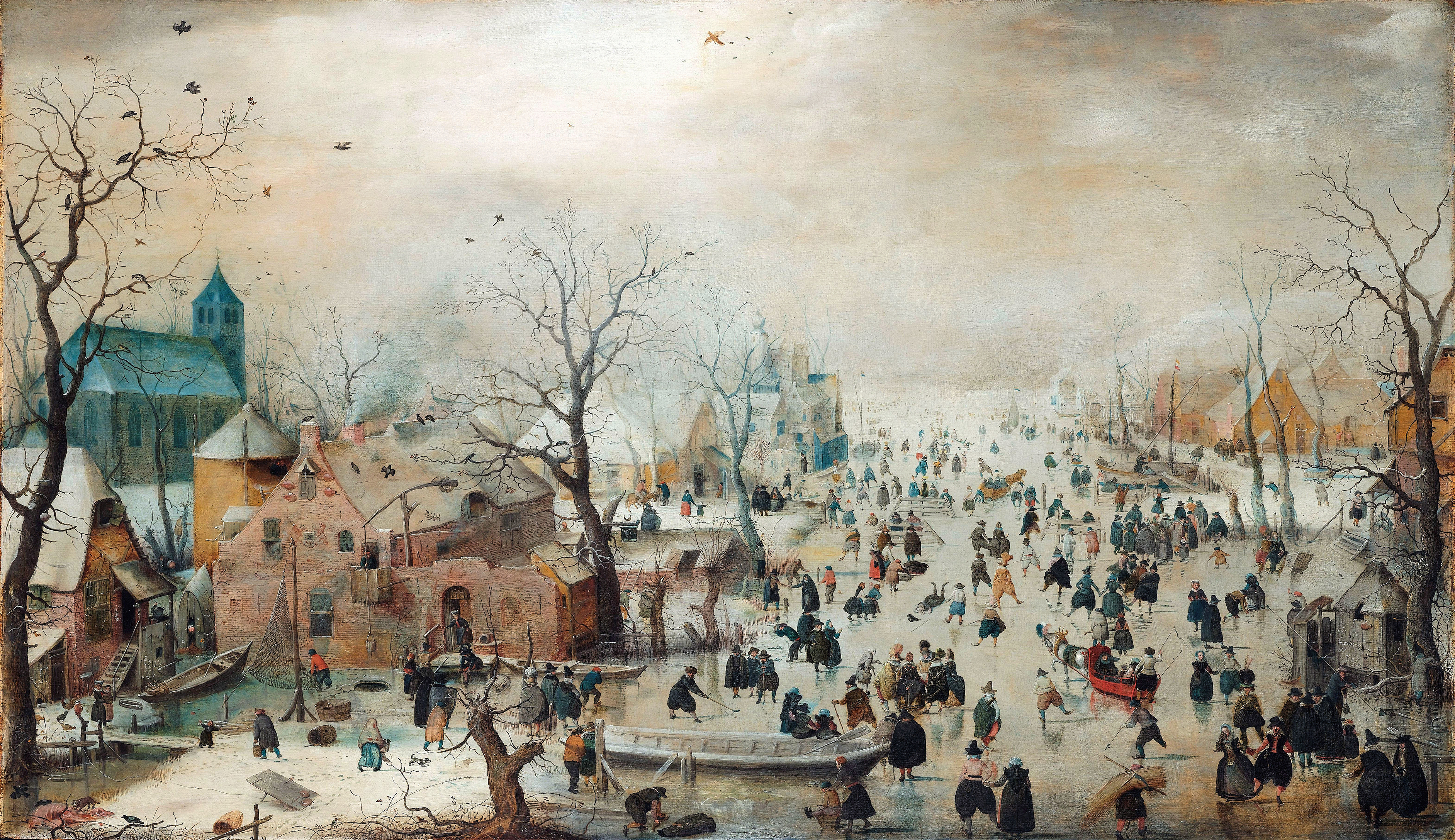
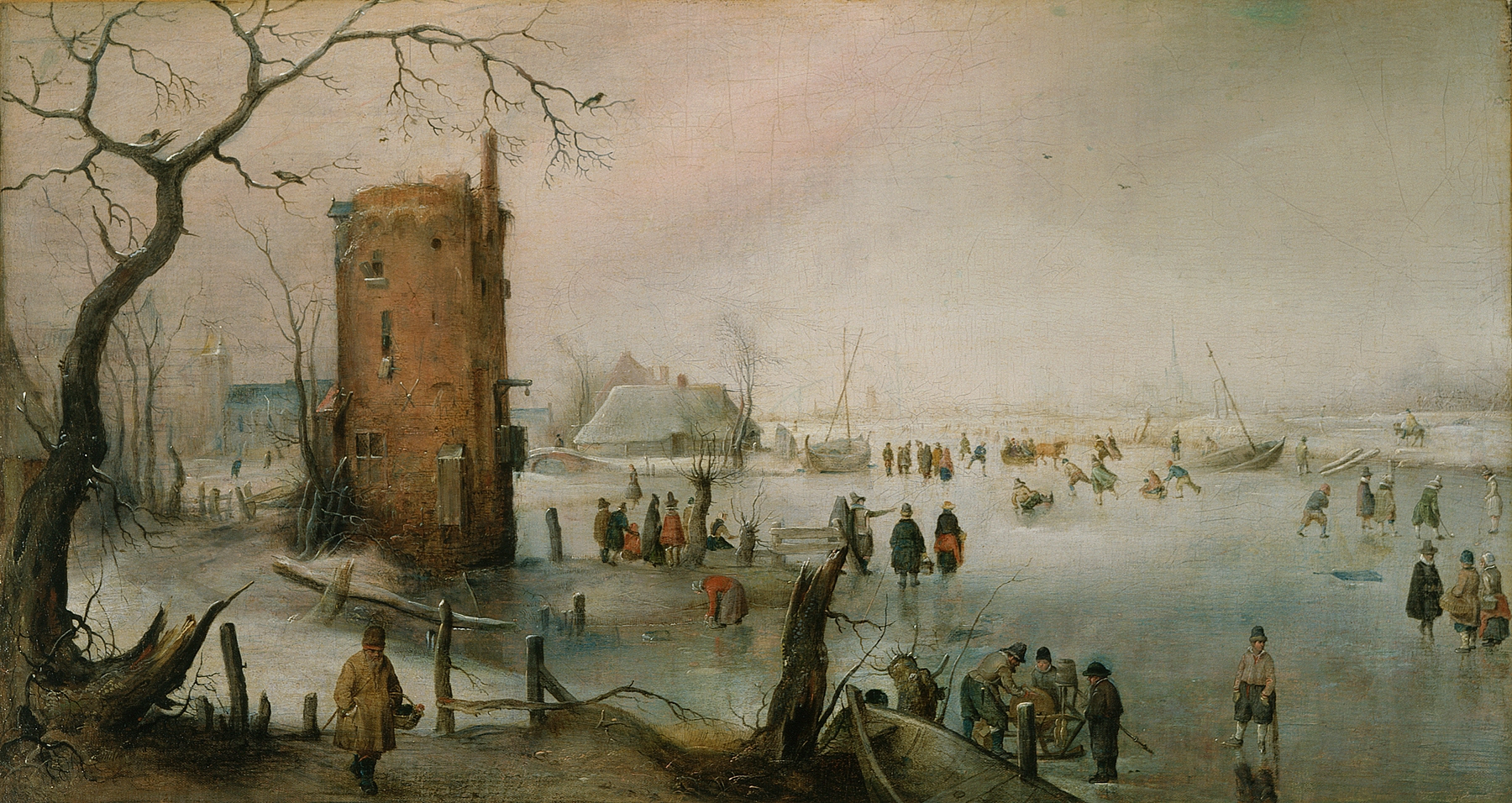
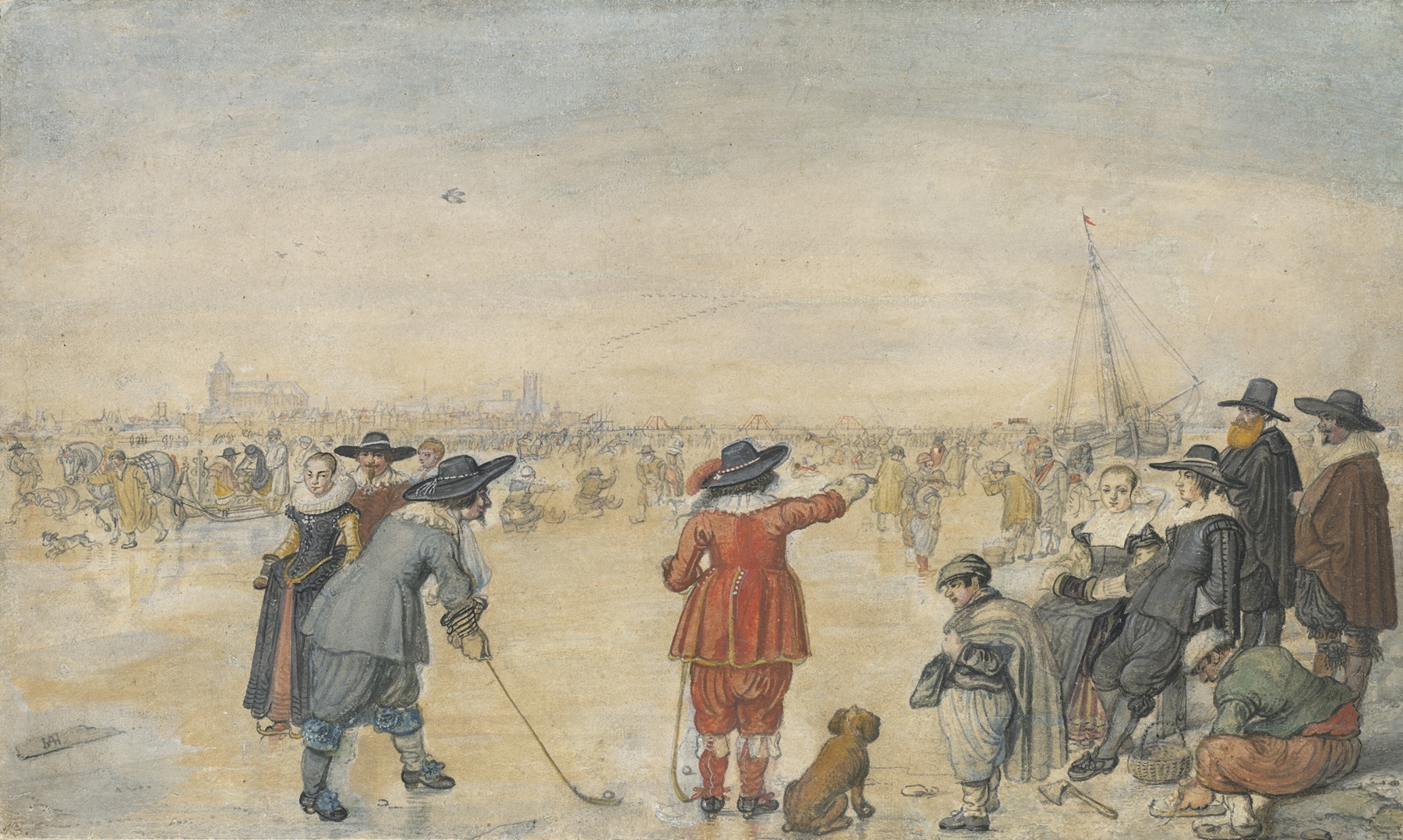
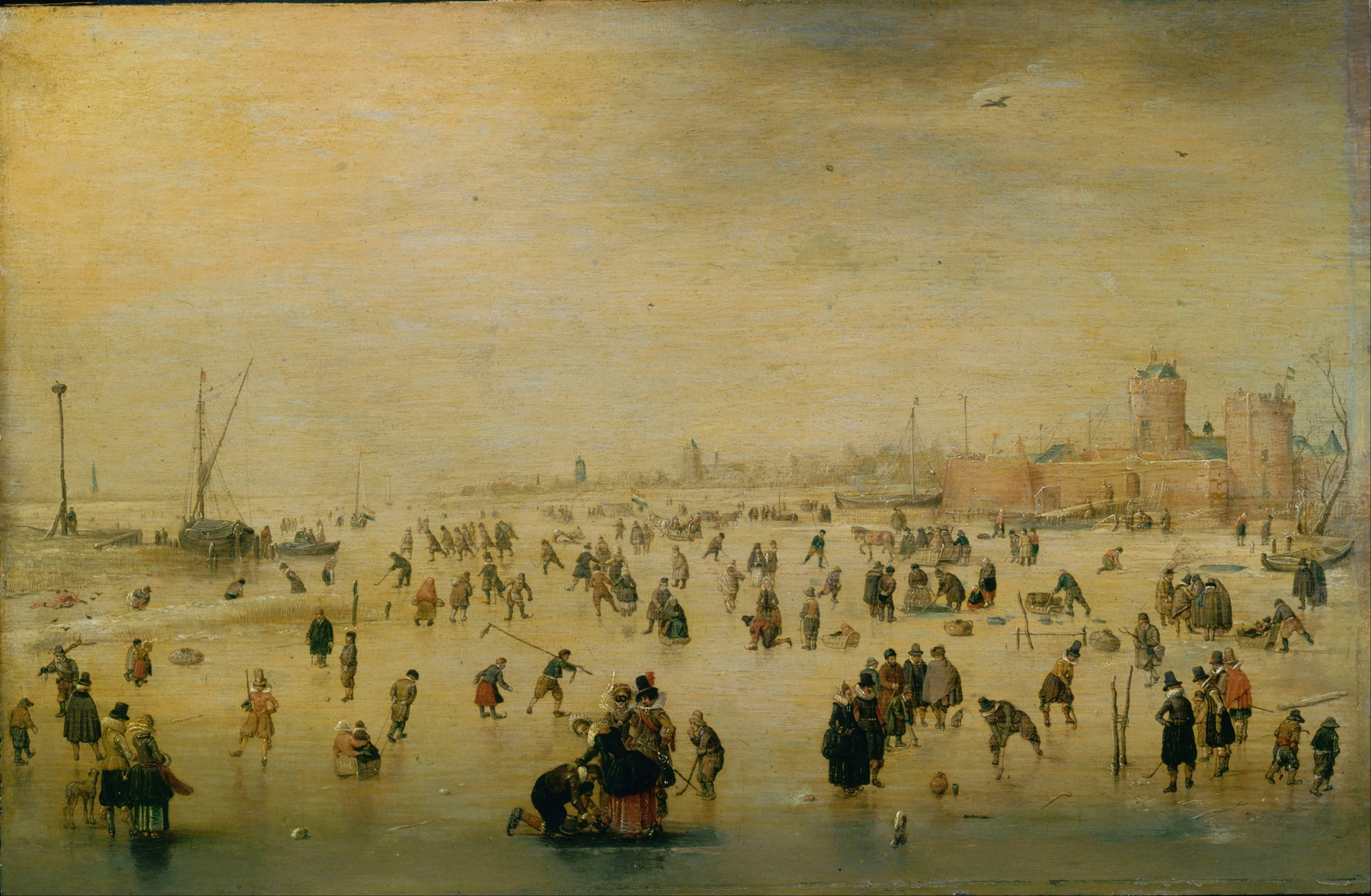
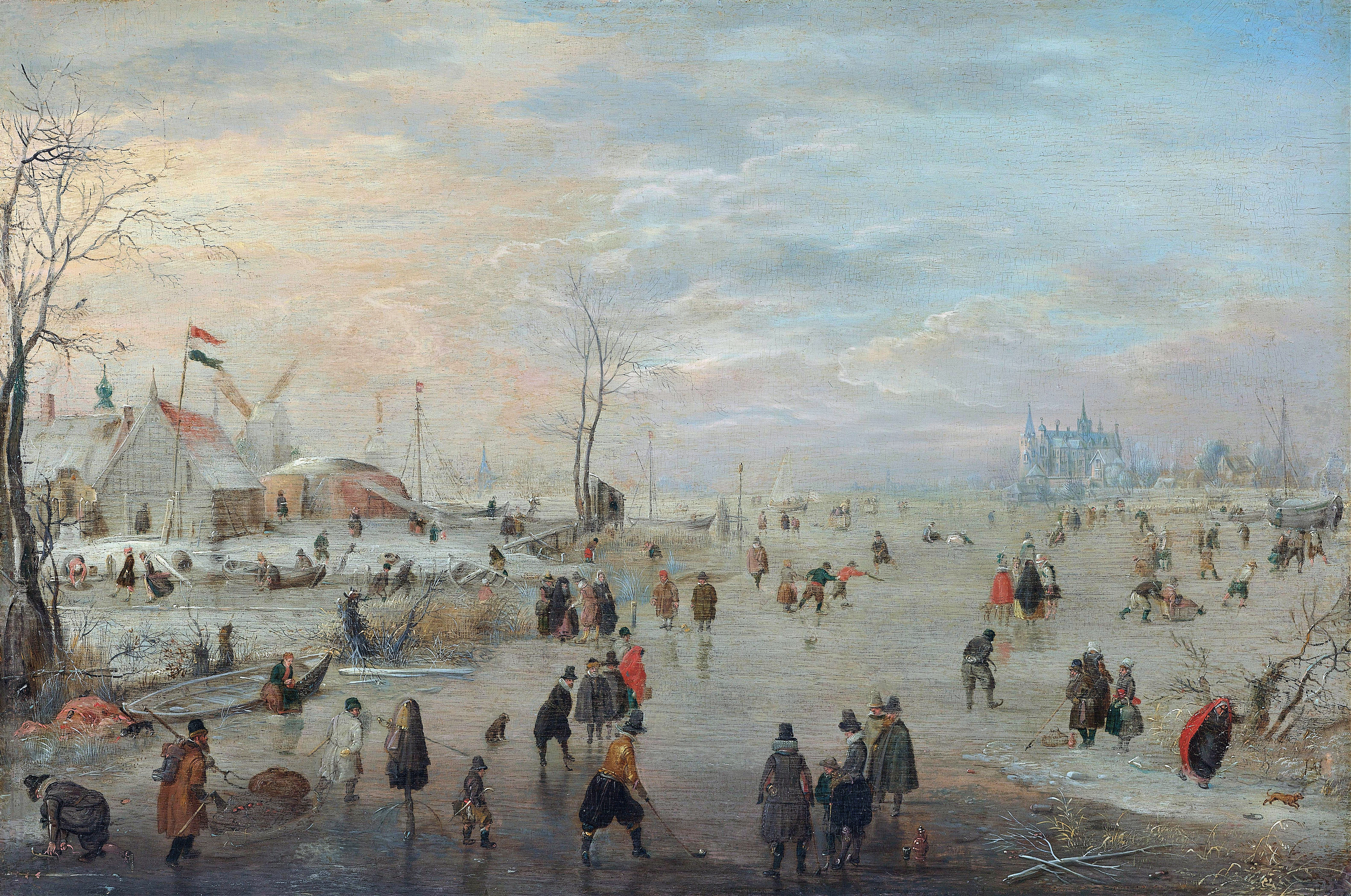
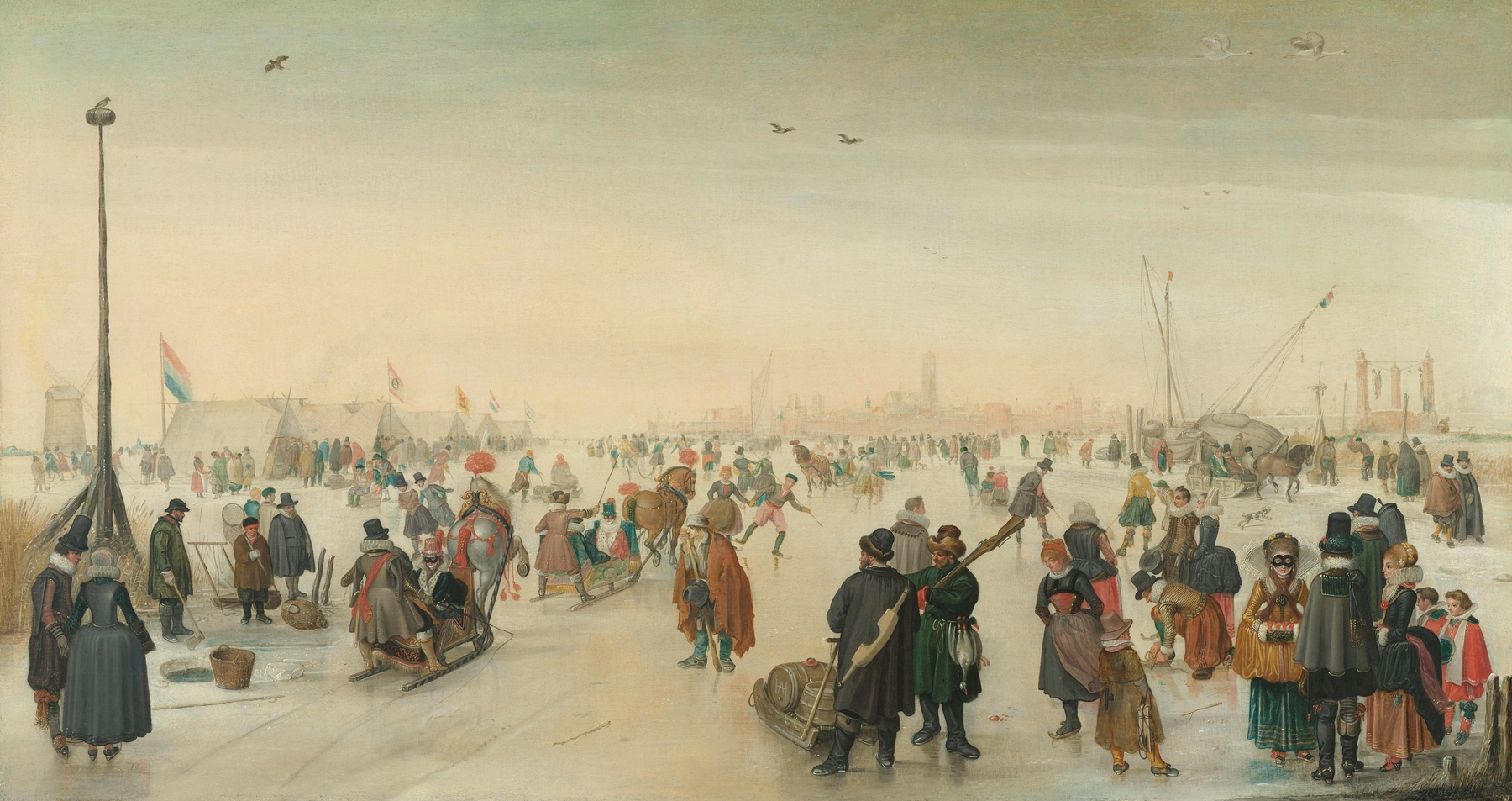
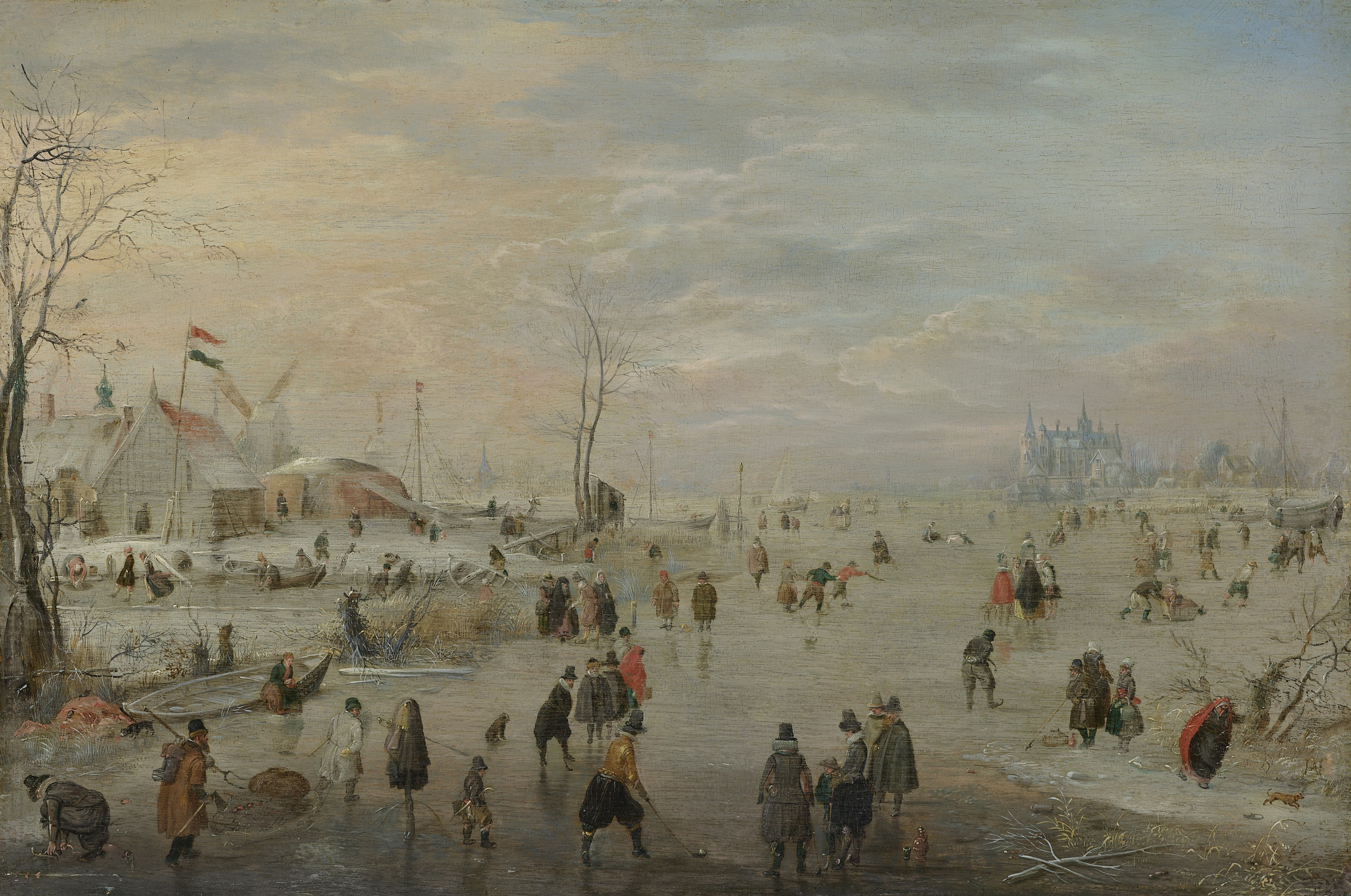
“Art reveals the soul when the world turns away.” In every brushstroke lies a whisper of nostalgia, a memory that beckons us to recall our own ephemeral joys. Look closely at the center of the canvas, where figures clad in vibrant garments skate and glide across the ice, their movements a dance of life against the stark white ground. The blues and greens of their attire contrast sharply with the soft browns of the winter landscape. Notice how the light dances across the surface, reflecting the sun's rays and bringing an ethereal glow to the scene, accentuating the laughter and exuberance of the figures as they revel in the cold.
The horizon is a muted gray, suggesting the chill of winter, yet the warmth of human interaction is palpable. Hidden within the joviality is a subtle tension; the joy of the moment is tinged with an awareness of its fleeting nature. The figures seem to embody a collective memory, a shared experience that can only be savored in the present. The children’s faces are bright with delight, while a solitary skater in the background appears lost in thought, hinting at the complexity of human emotions.
The trees, stripped bare of leaves, stand sentinel, serving as a reminder of life's transience, contrasting the vibrant activity below with the stillness of nature. In the early 17th century, during the height of the Dutch Golden Age, the artist painted this piece between 1615 and 1620. Avercamp was deeply influenced by the cultural shift toward enjoying leisure activities, particularly winter pastimes, and his work reflects a society finding joy in the simplicity of life. While he resided in Amsterdam, the art world was flourishing, and his unique perspective on ice skating captured both the spirit of the age and the human experience.