Skating Near a Town — History & Analysis
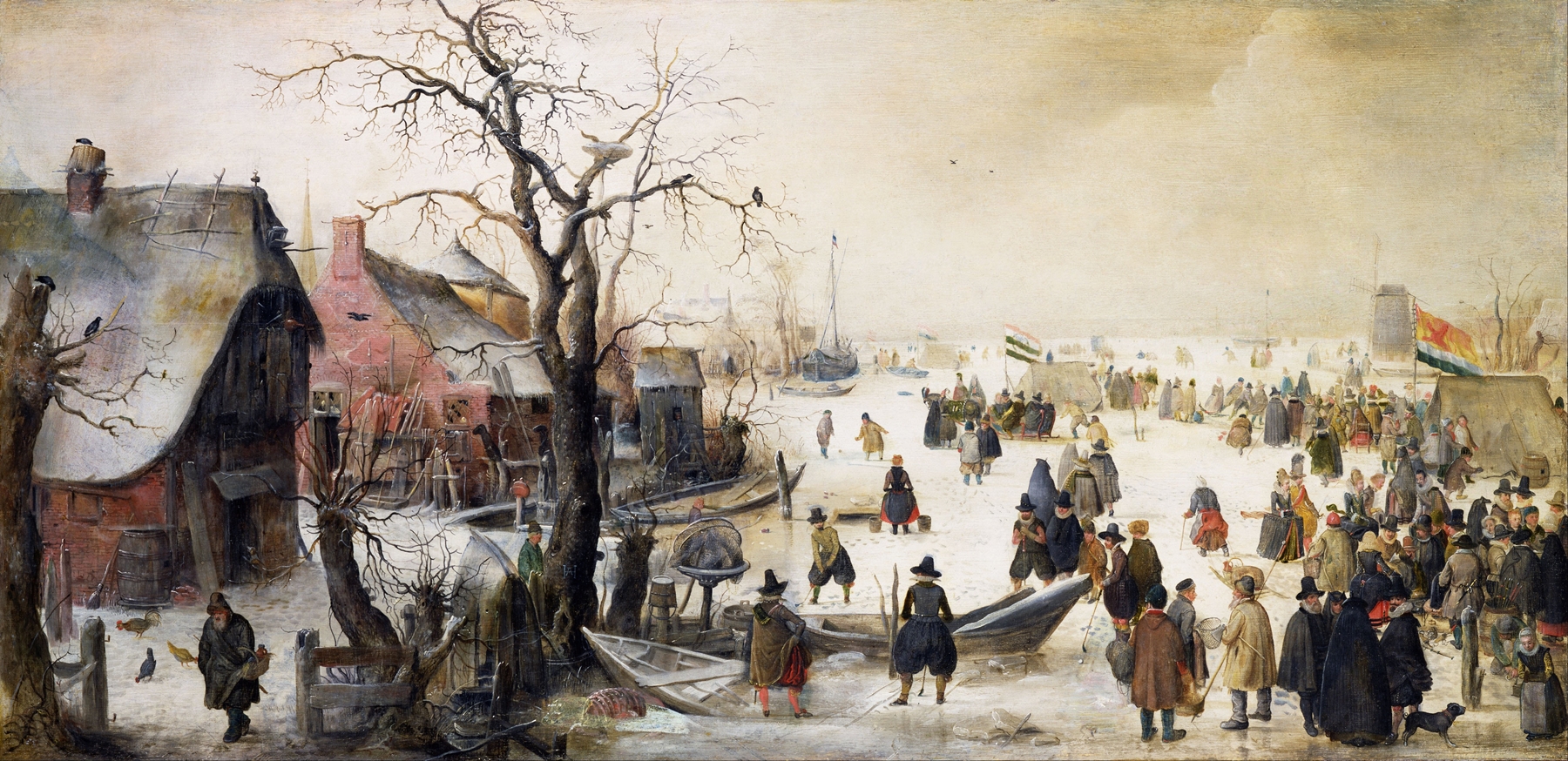
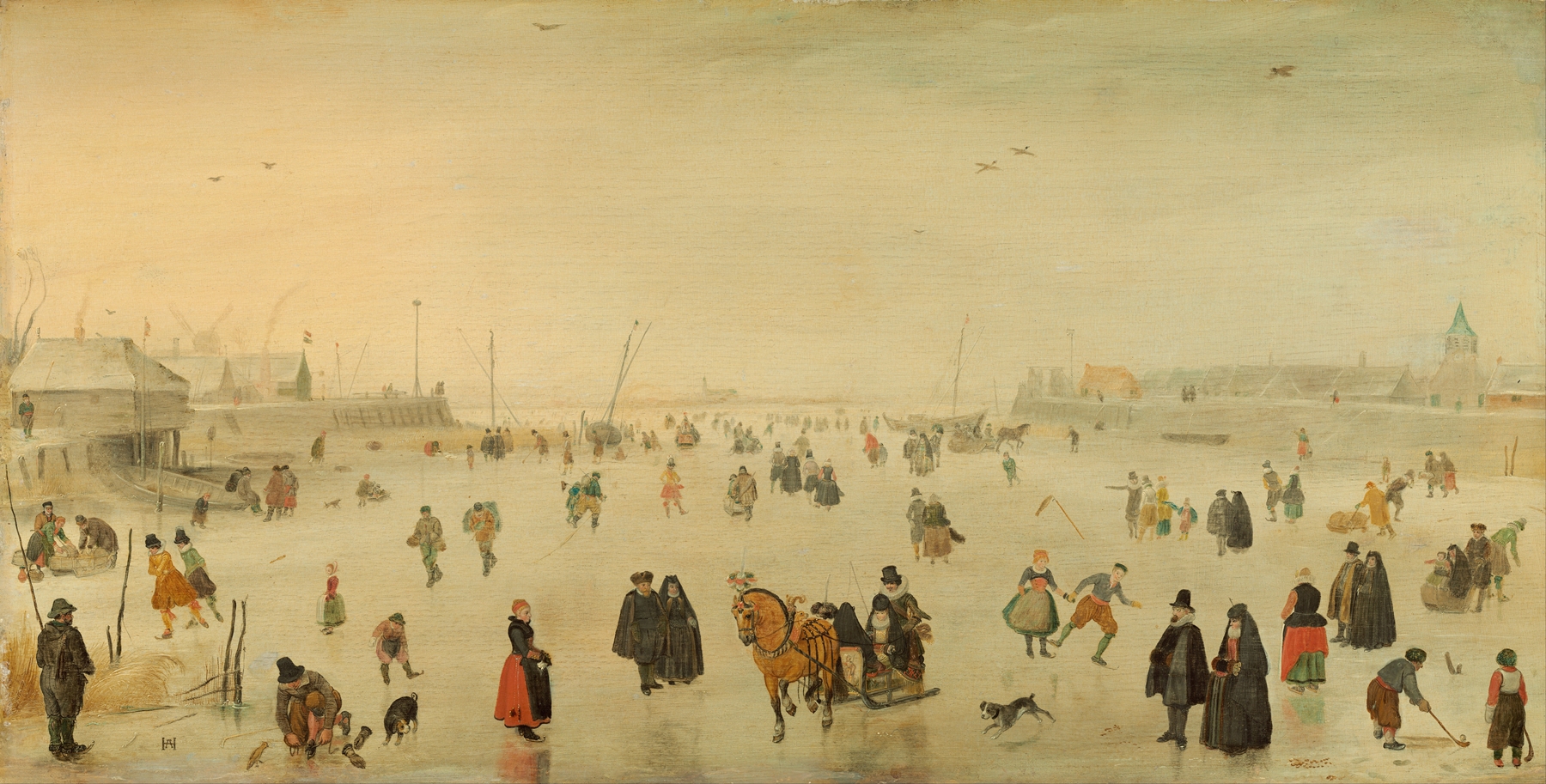
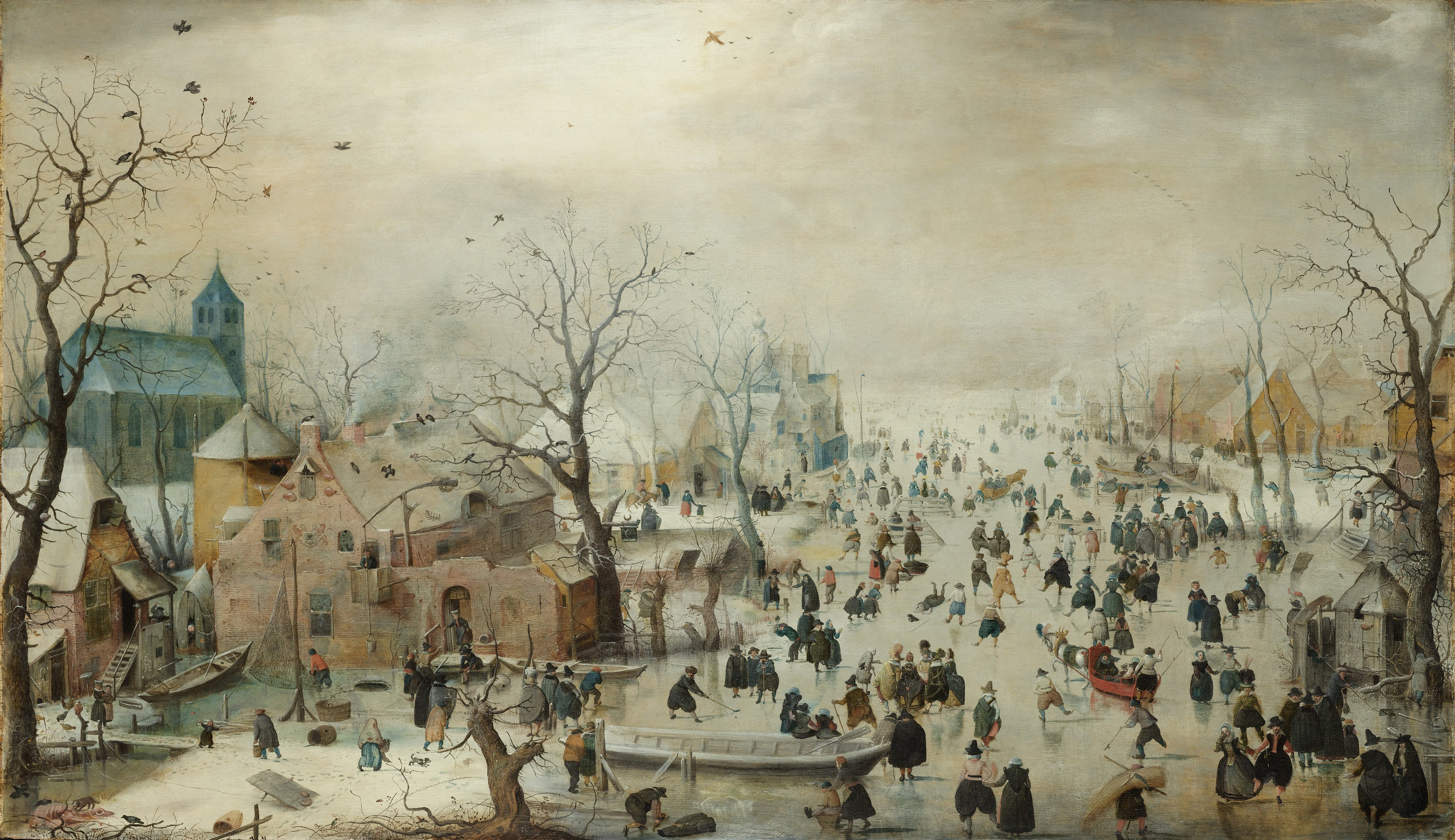
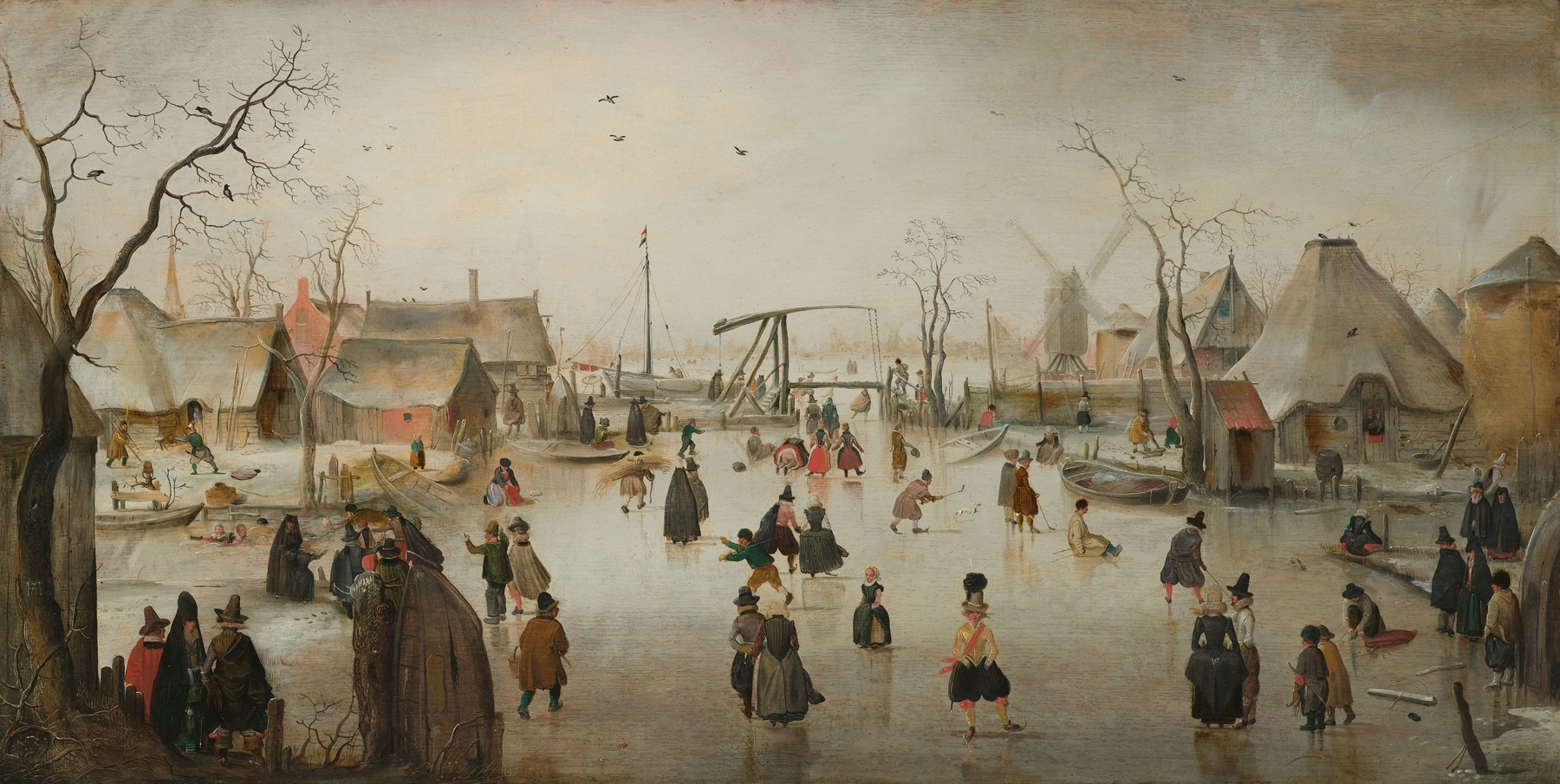
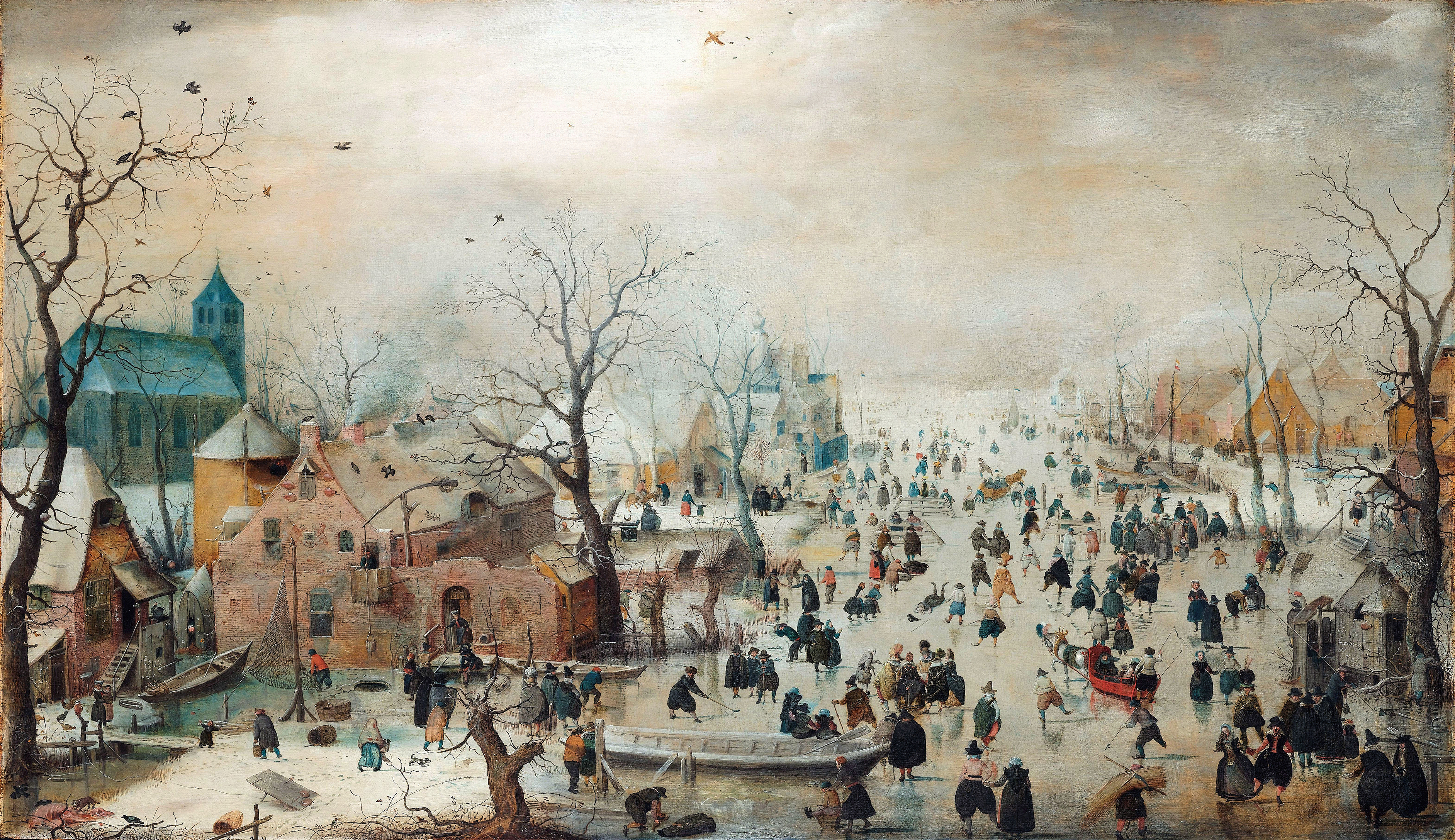
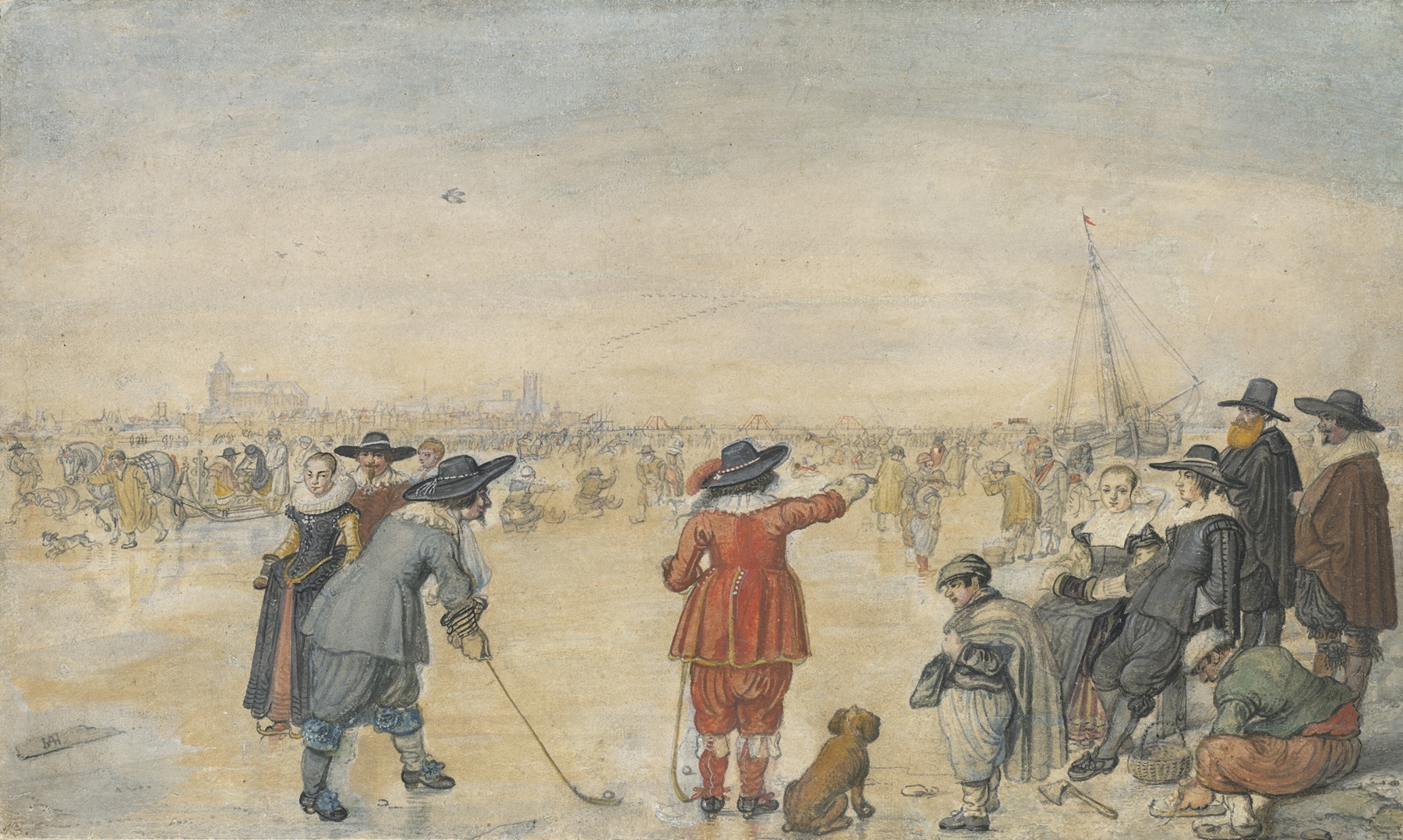
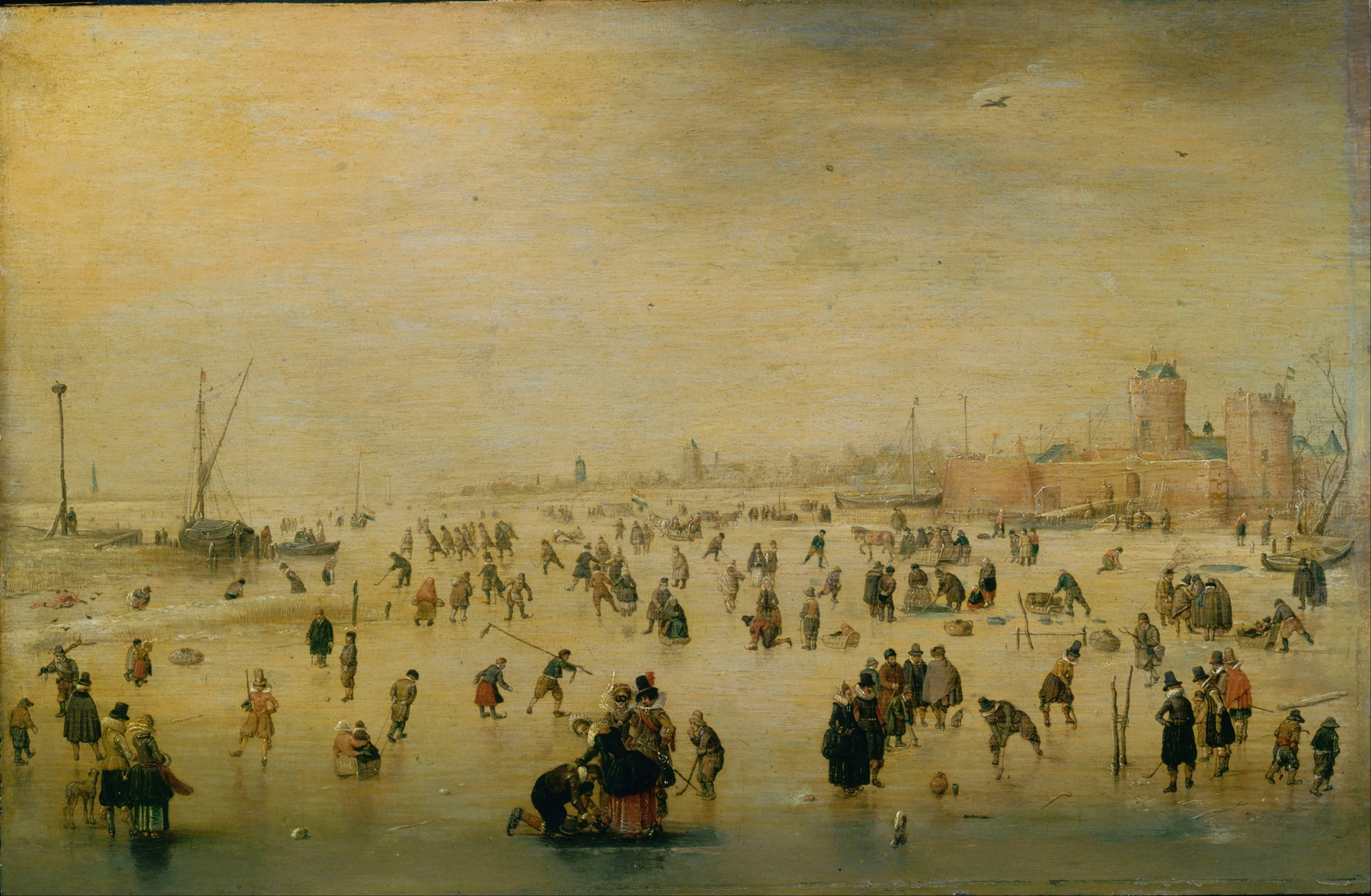
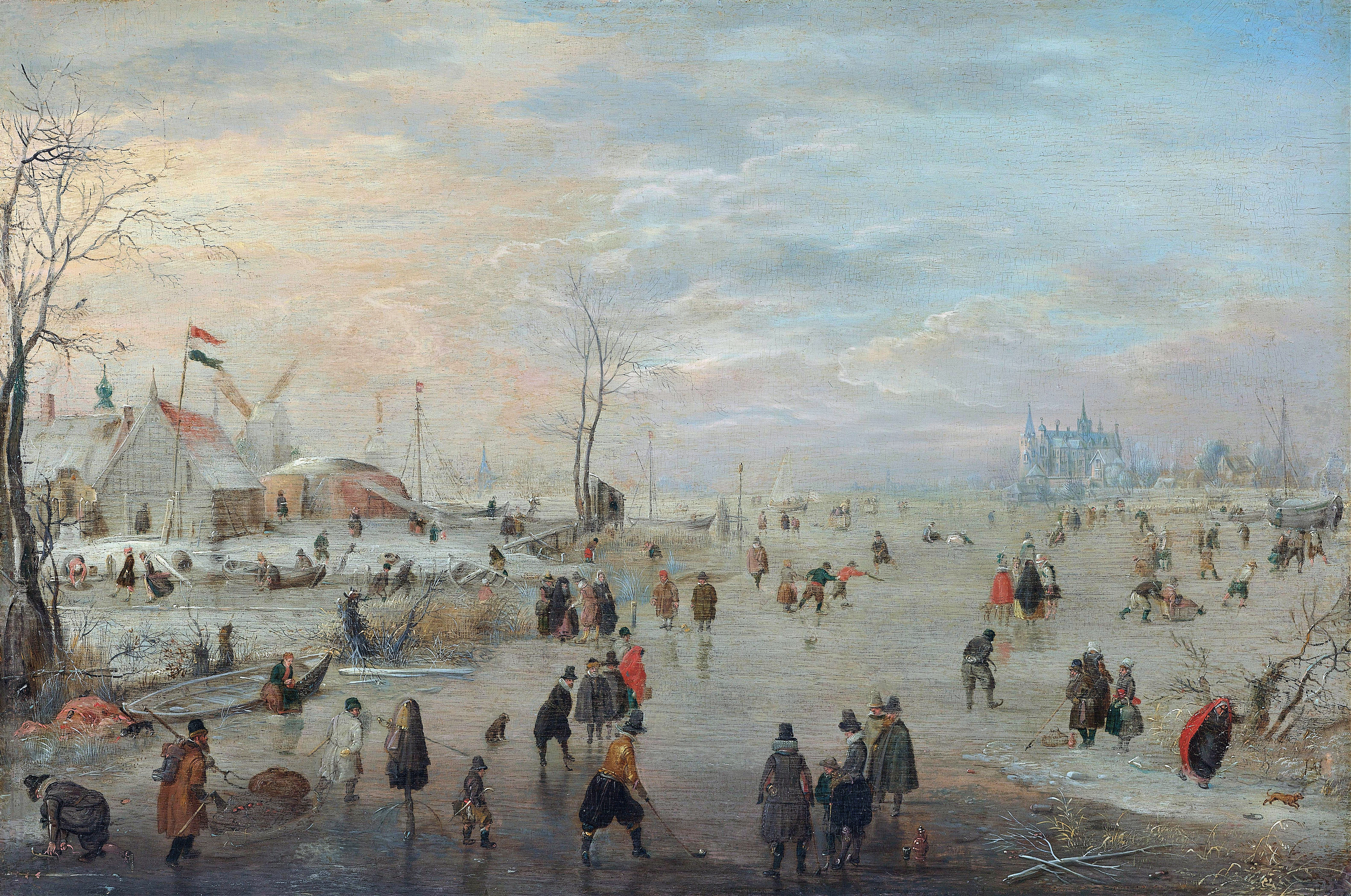
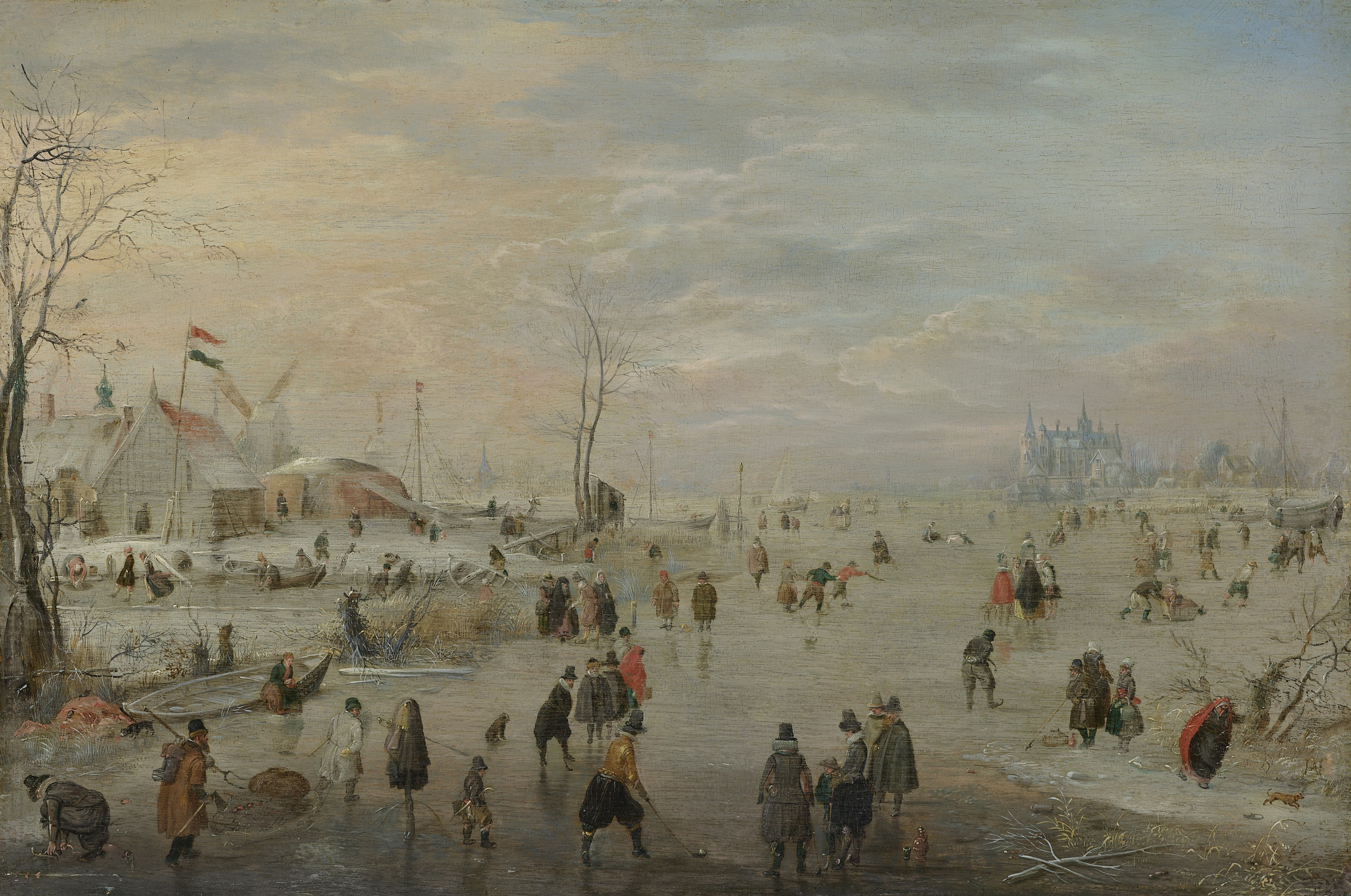
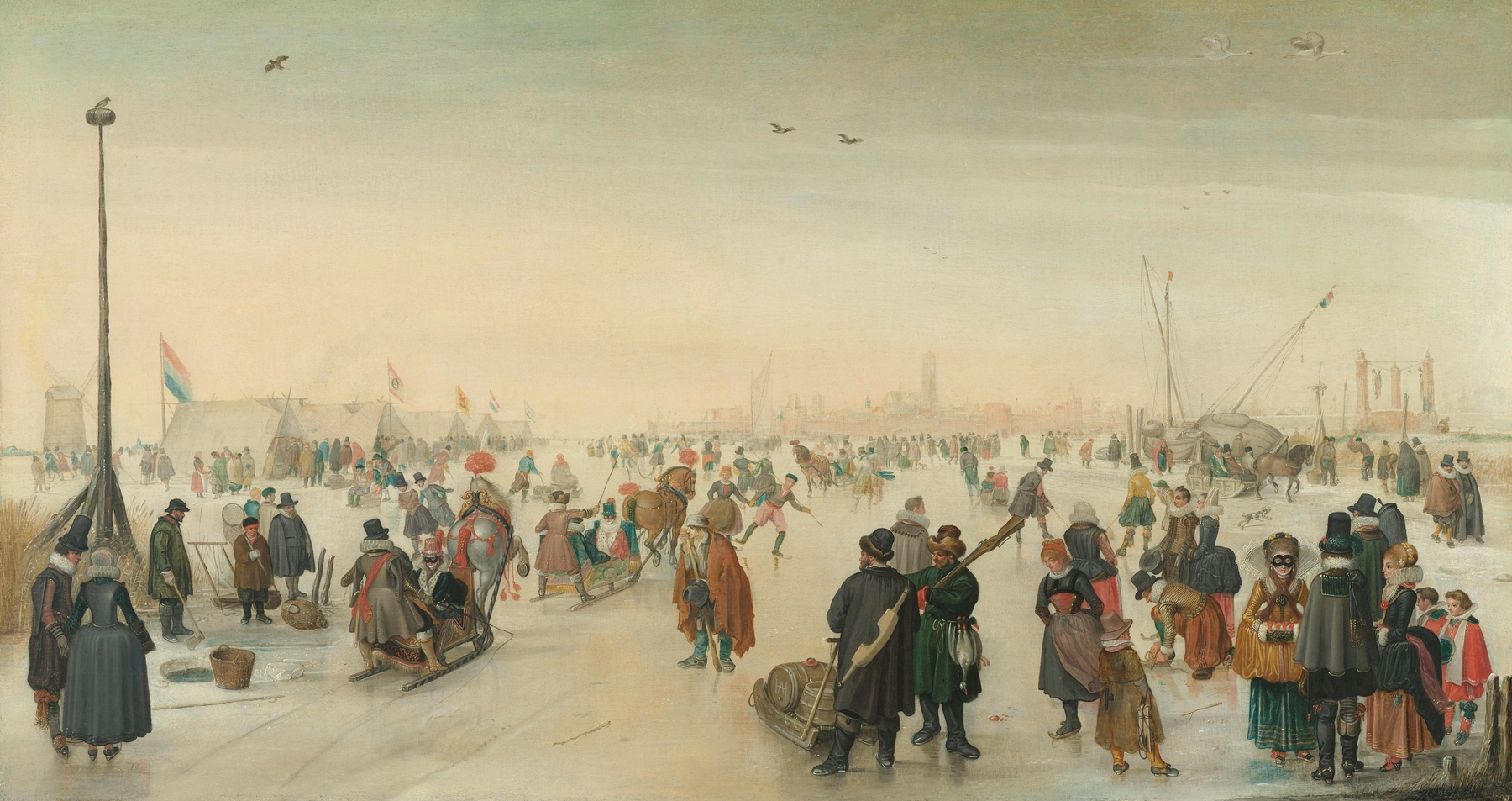
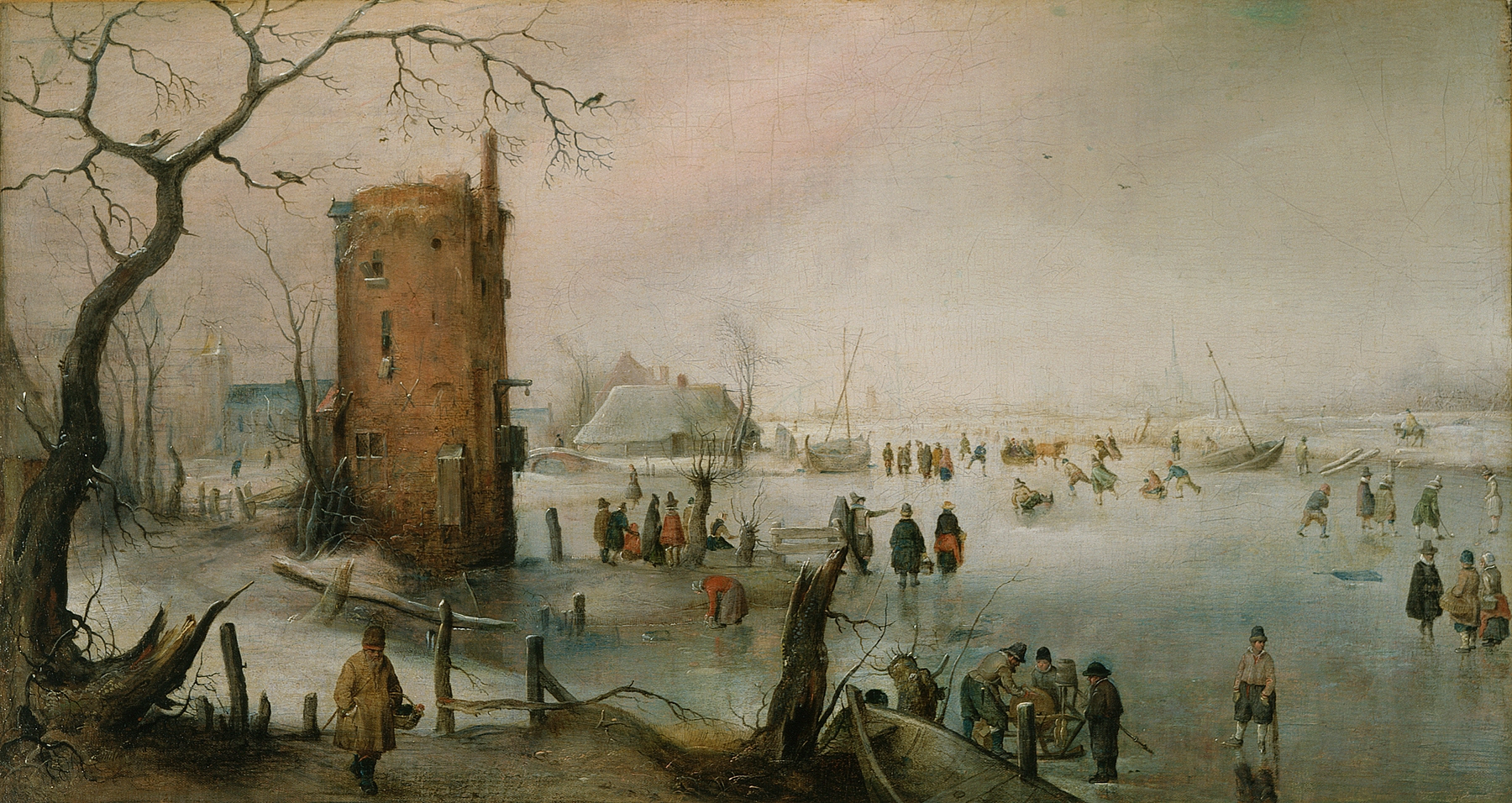
“Under the brush, chaos becomes grace.” In a world teetering on the edge of winter’s chill, fleeting moments of joy emerge amidst the cold. The essence of life is captured in vibrant strokes, a reminder that each breath is both a celebration and a prelude to the inevitable. Look to the lower left of the canvas, where the ice sparkles under the light. The figures of skaters, clad in colorful attire, glide gracefully across the frozen surface, their movements harmonizing with the gentle curves of the landscape.
Notice how Avercamp employs a palette of cool blues and warm earth tones, creating a balance that invites the viewer into the scene, while the lively brushwork brings an infectious energy to the air. Beneath this joyful display lies an undercurrent of mortality. The starkness of winter serves as a reminder of life’s transience, contrasting the spirited activity of the skaters with the stillness of the frozen pond. The distant town, with its quaint buildings framed by trees, is both a backdrop and a silent witness to the passage of time, inviting reflections on the fleeting nature of happiness against the tapestry of existence.
Created between 1610 and 1620 in the Netherlands, this work reflects Avercamp's mastery during a time when winter scenes were gaining popularity. The artist, known for his detailed depictions of ice skaters, found inspiration in the bustling life of his community and the seasonal changes that marked their days. Amidst a backdrop of political and social upheaval, he focused on capturing the fleeting moments of joy shared by ordinary people, preserving the warmth of human connection against the cold expanse of winter.