Ice-skating in a Village — History & Analysis
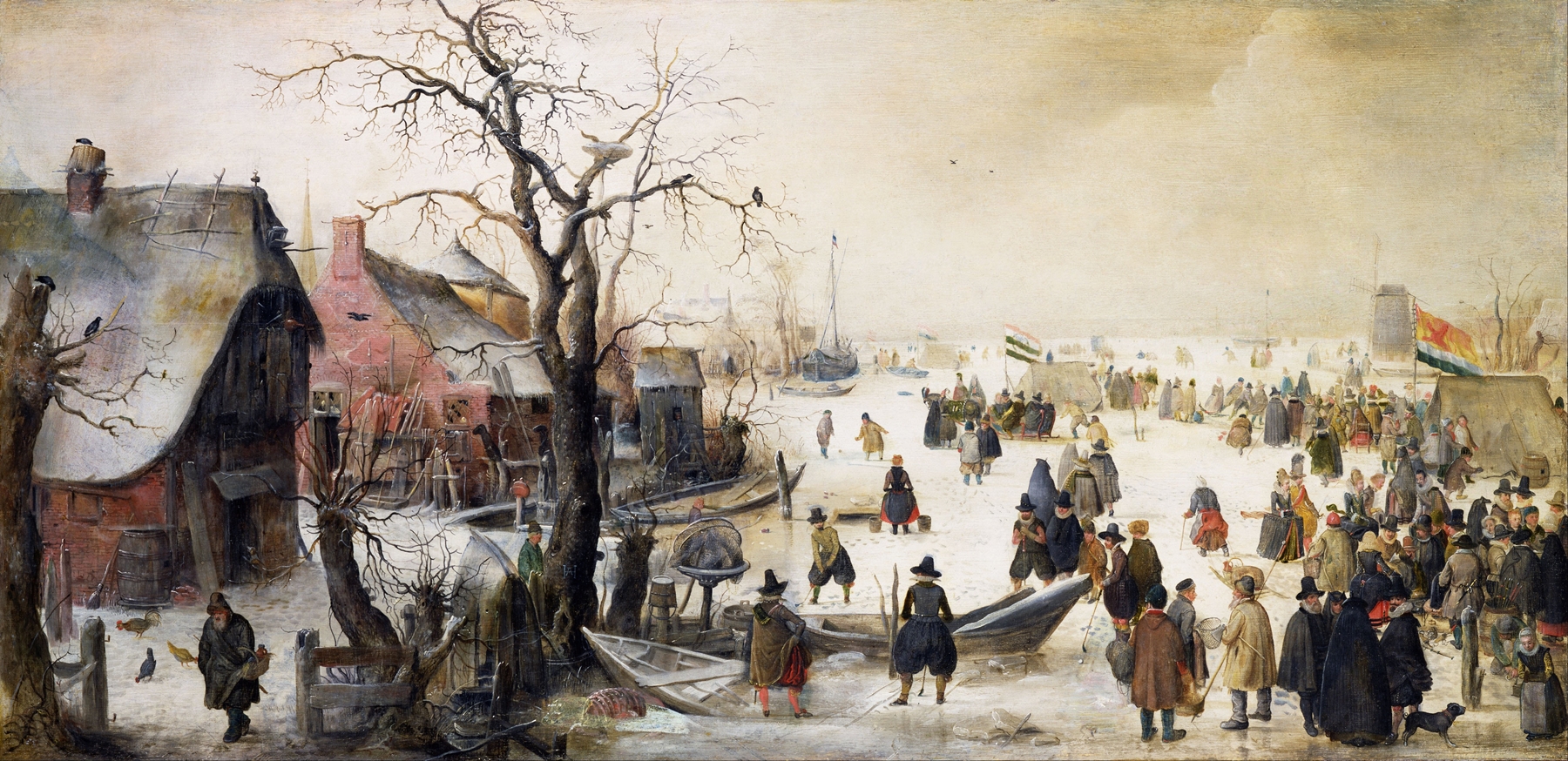
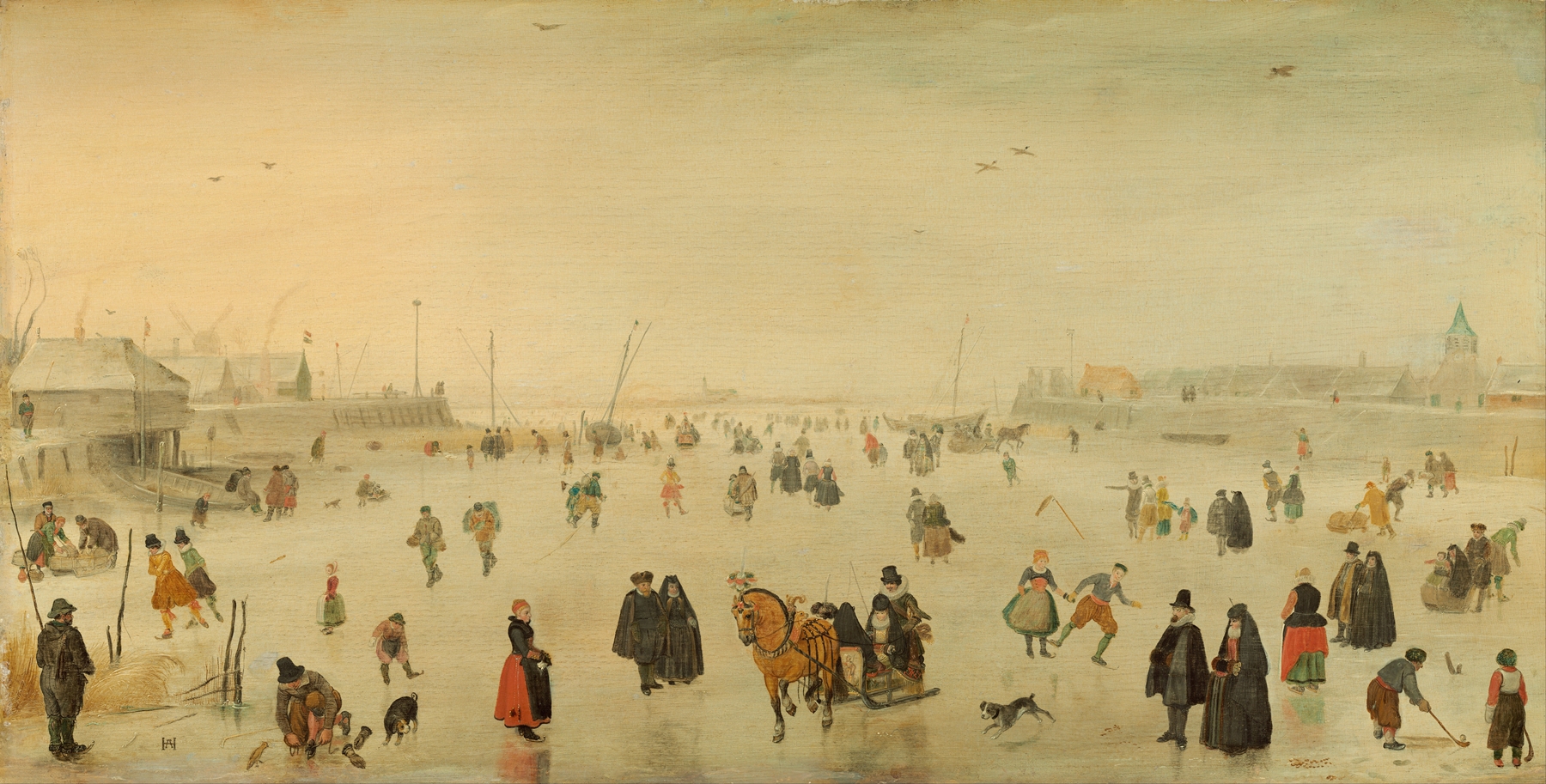
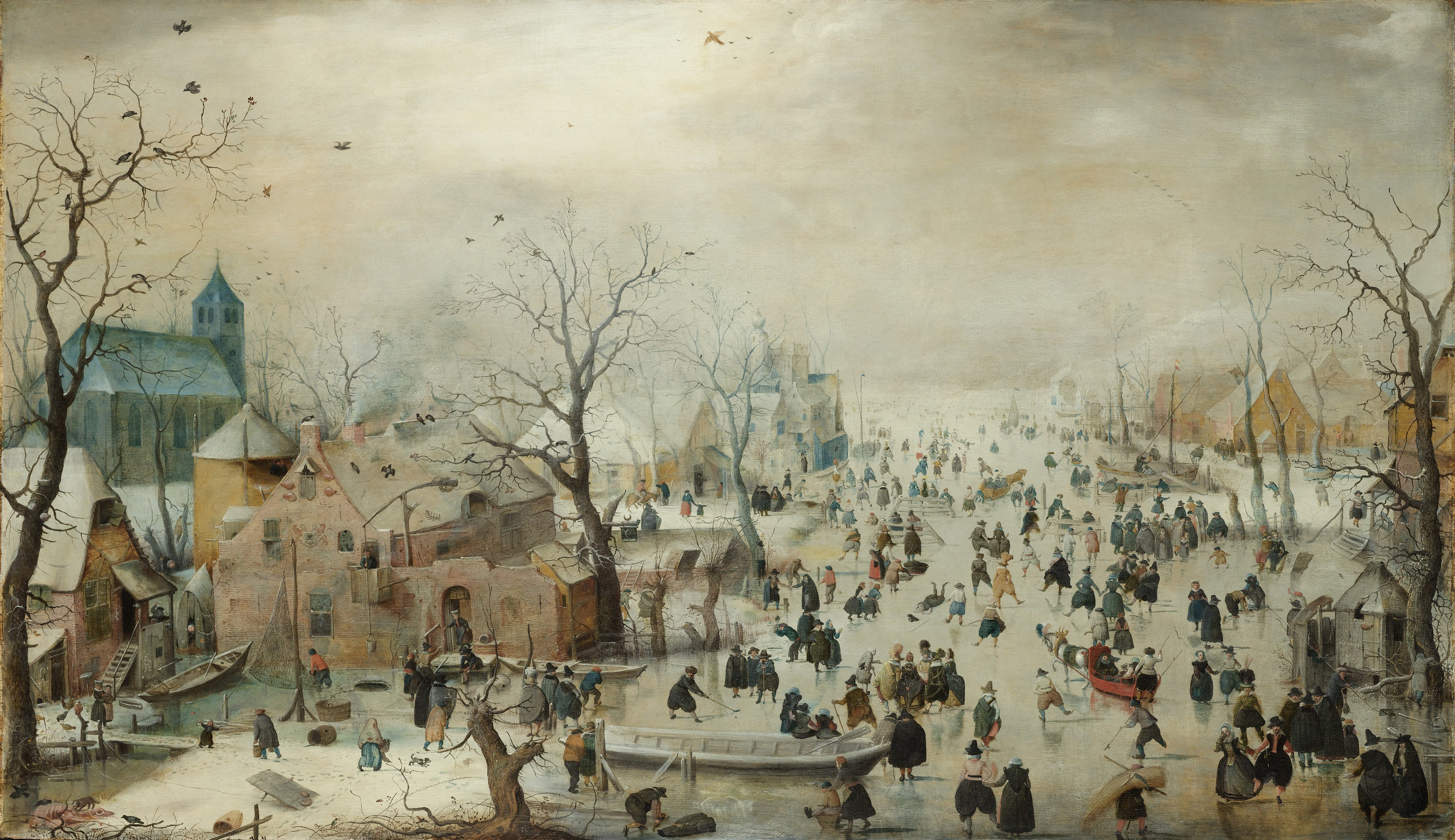
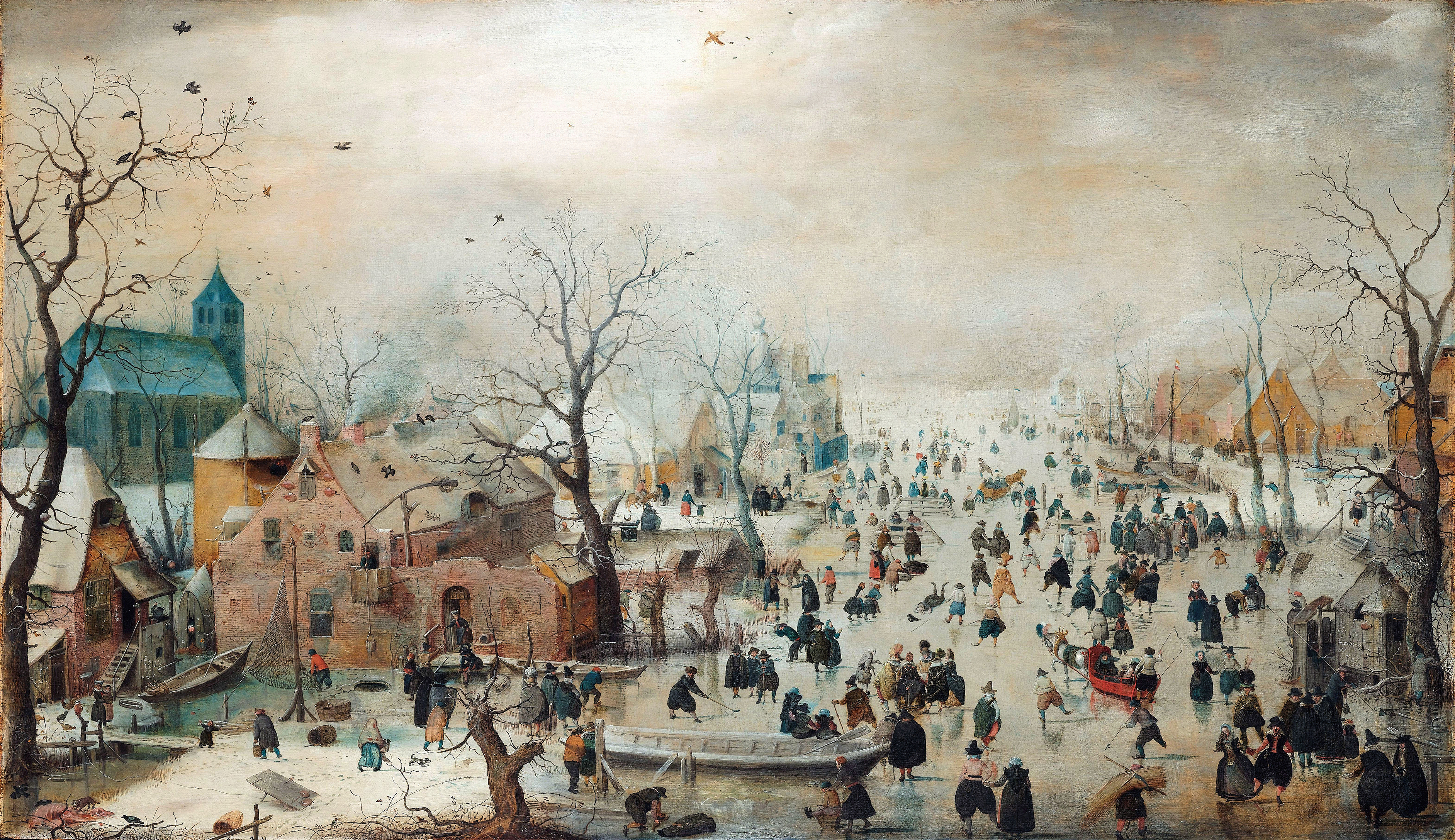
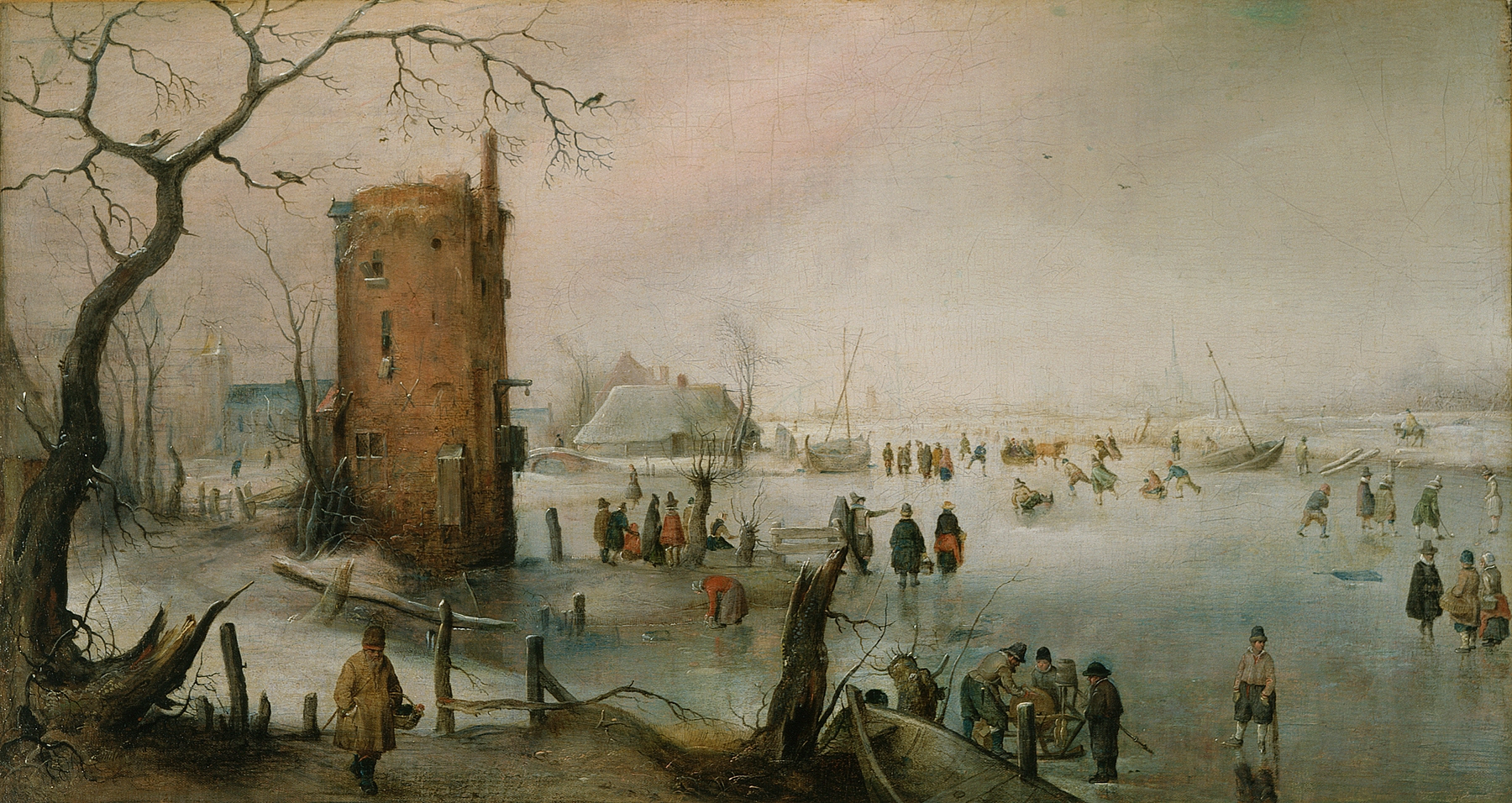
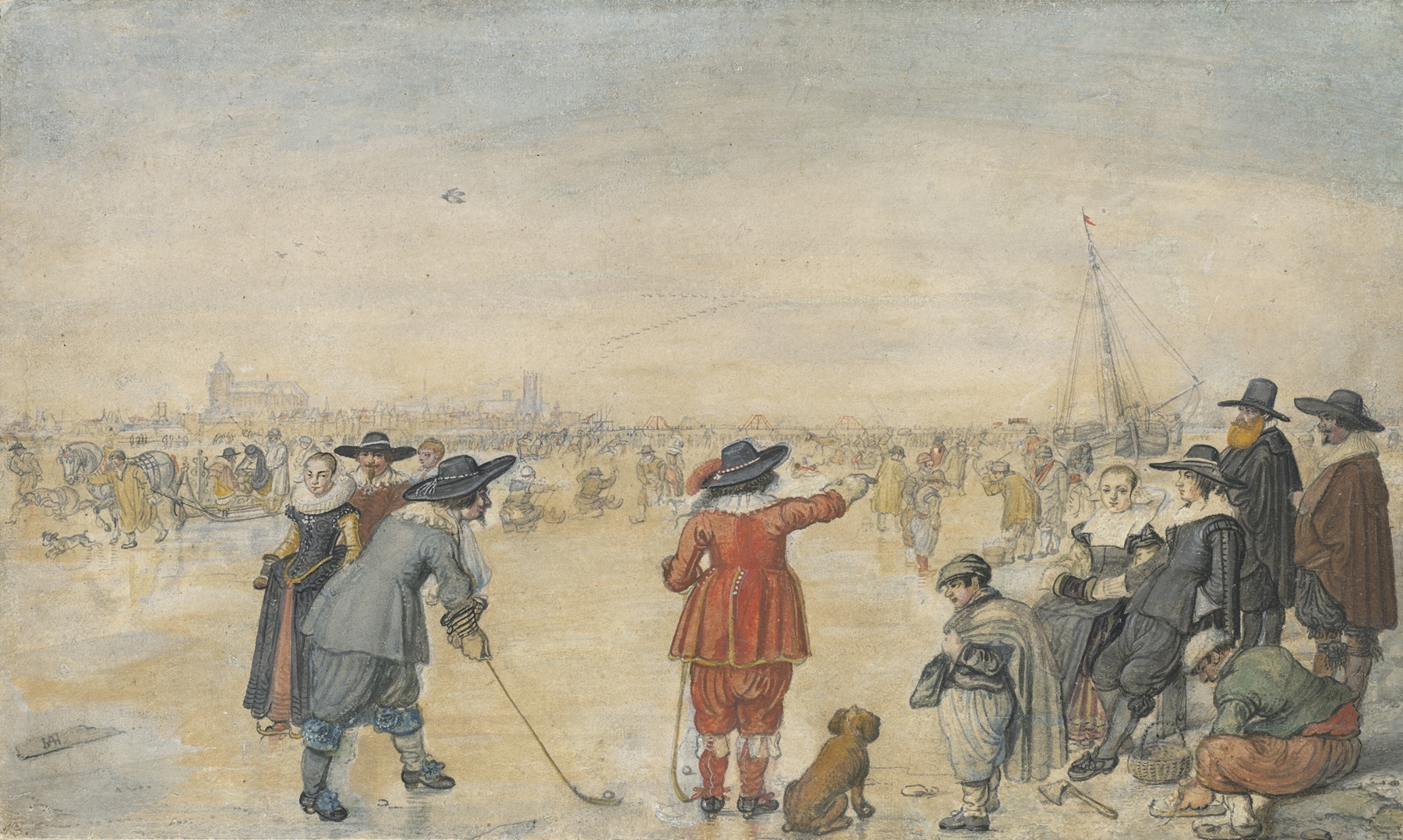
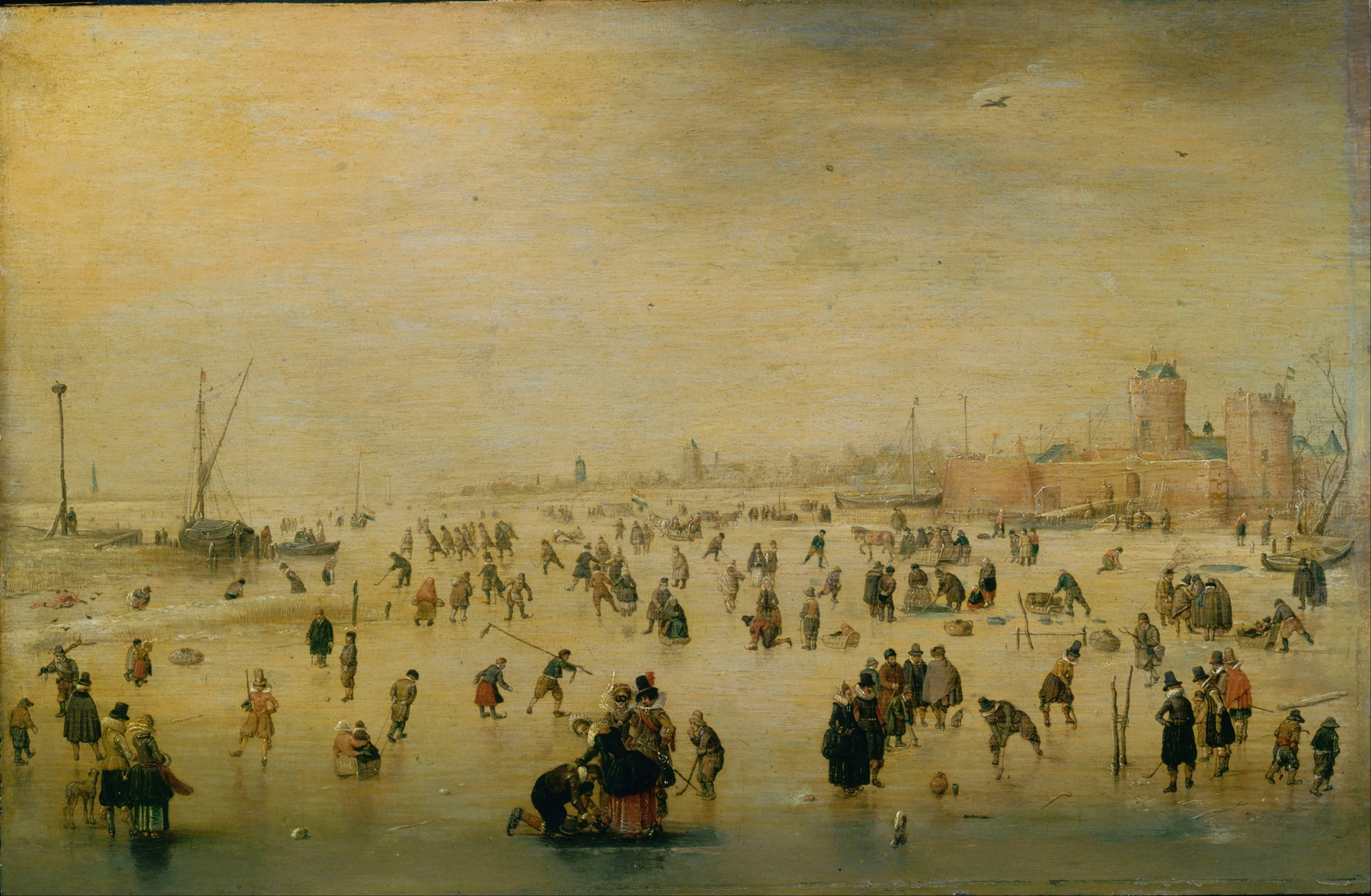
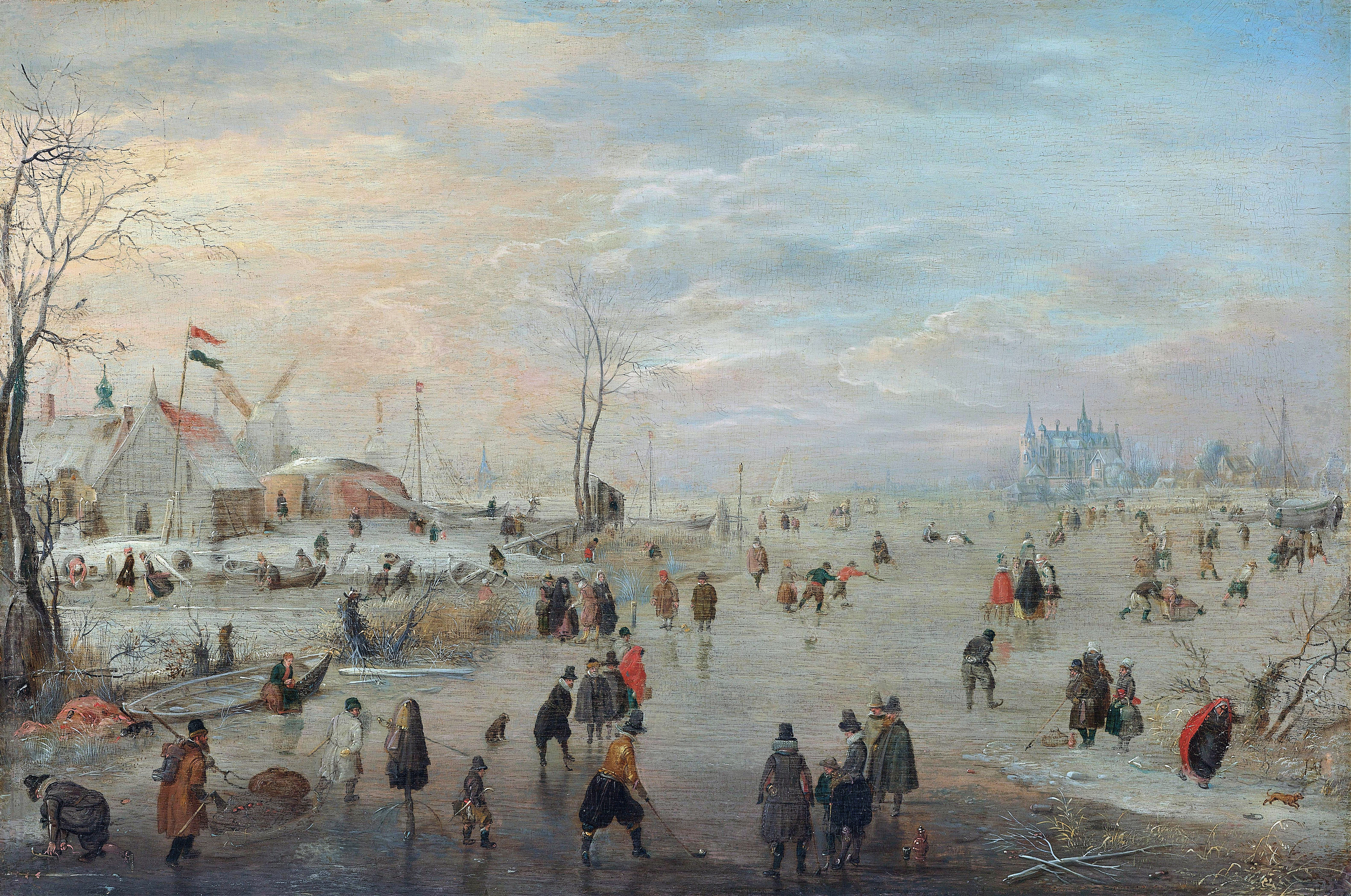
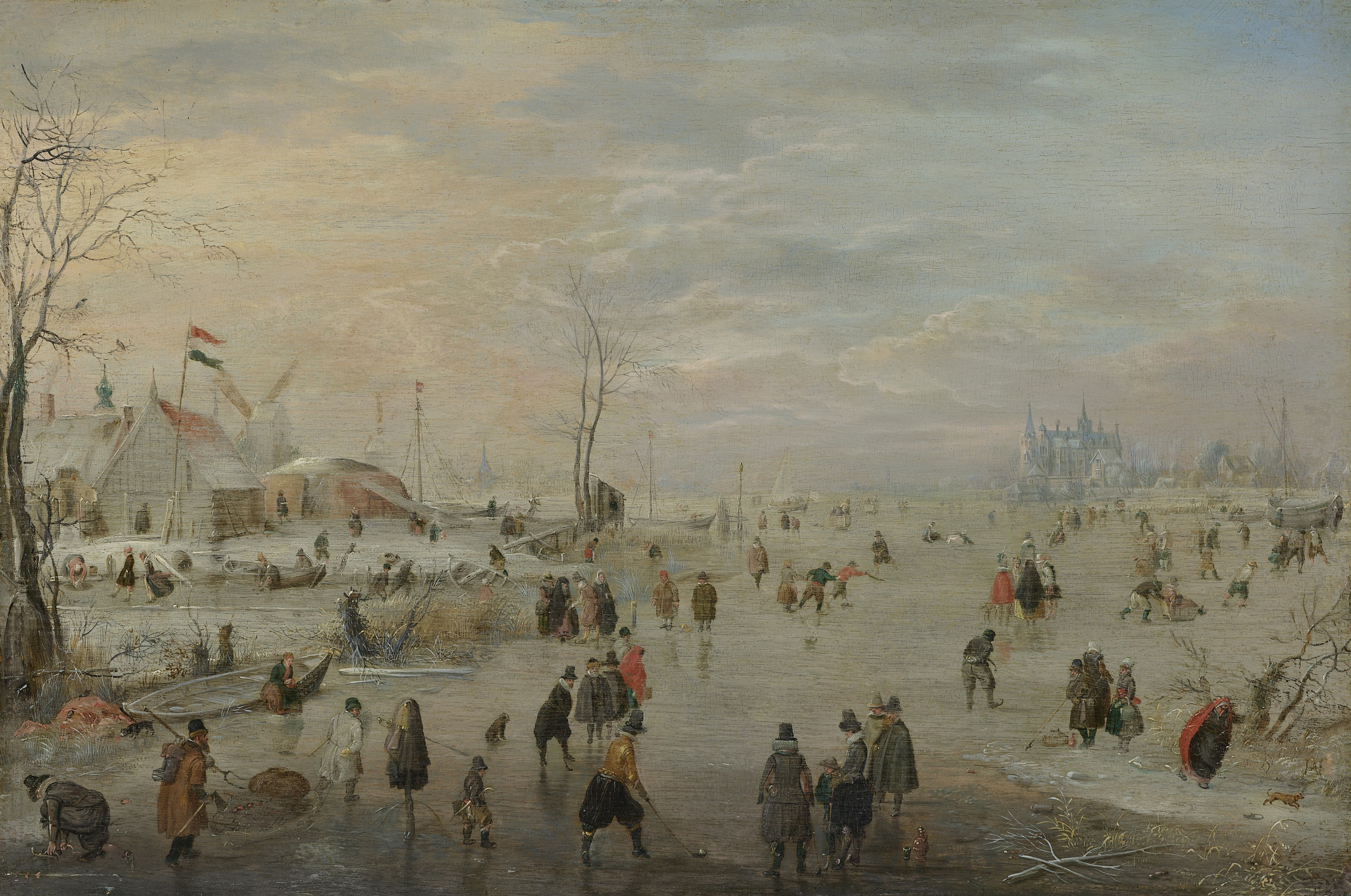
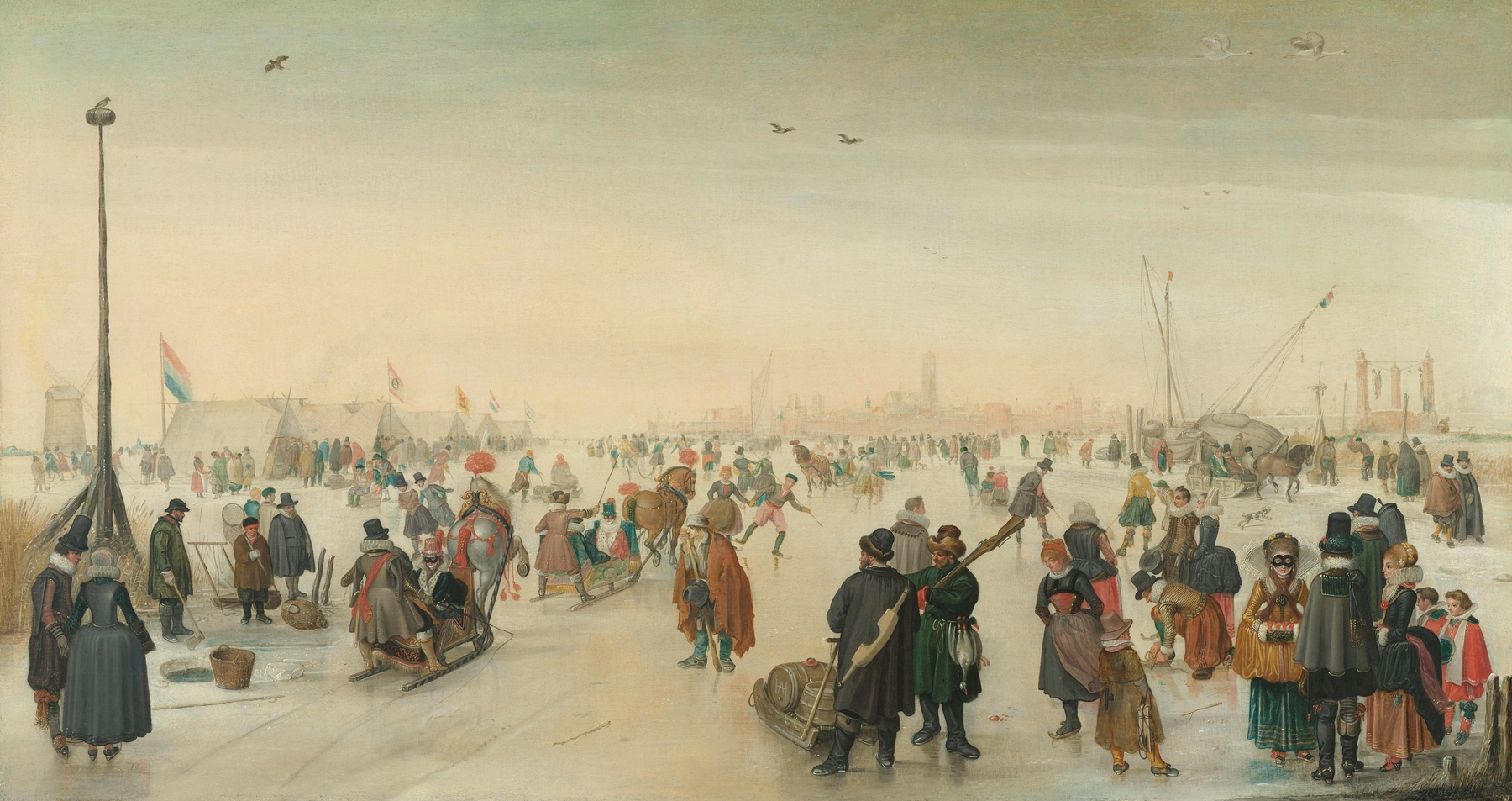
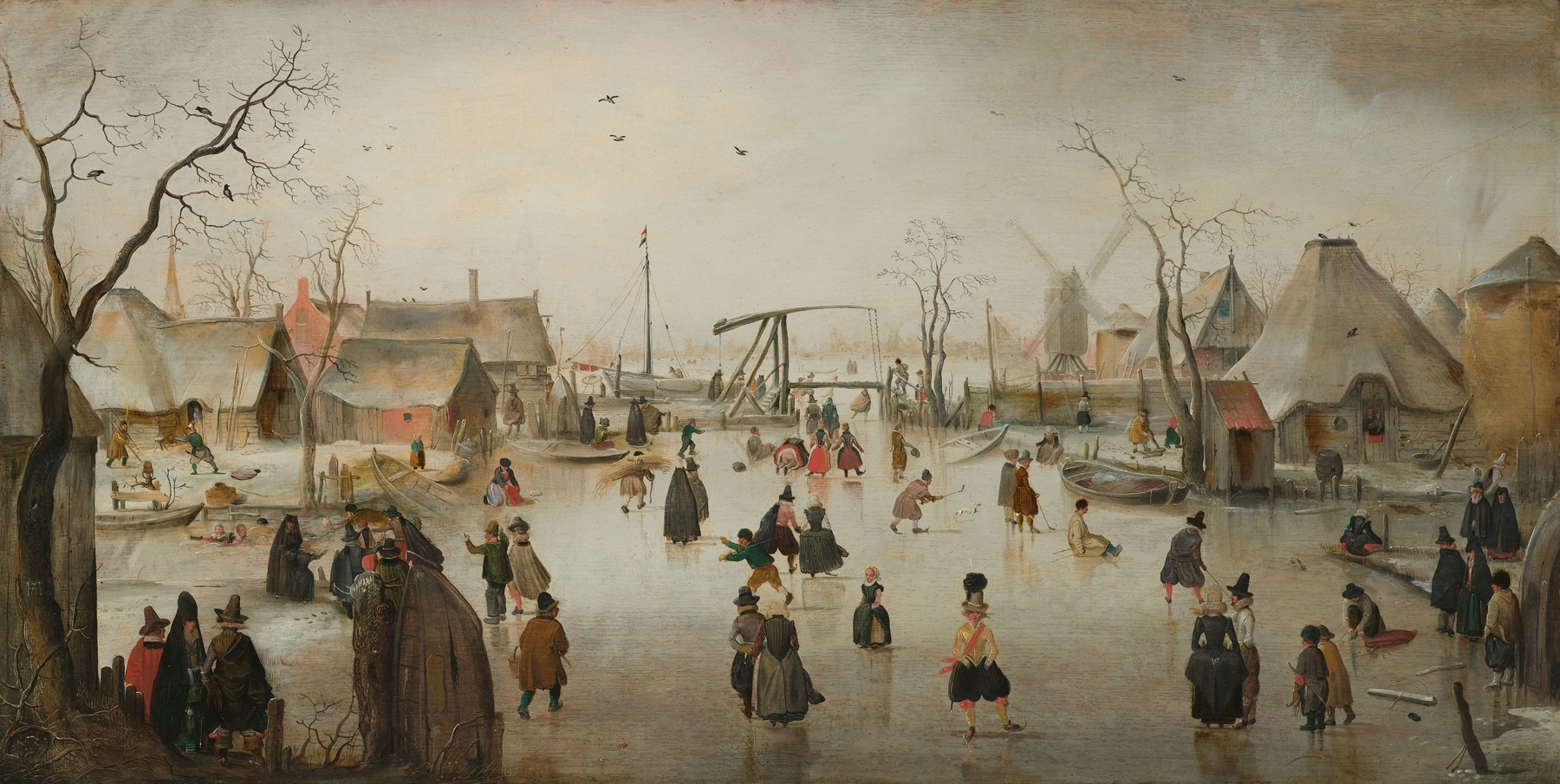
Did the painter know this moment would outlive them? In Ice-skating in a Village, the serene joy of a cold winter's day lingers, inviting viewers to step into a world both enchanting and ephemeral. Look to the center of the canvas, where figures glide gracefully across the glistening ice, their movements a dance of joy amid the frosty air. Notice the cool blues and whites that dominate the palette, evoking the chill of winter while punctuated by warm reds and browns of the villagers’ attire.
The composition leads your eye through a bustling scene, from the frozen pond to the quaint village in the background, framed by snow-laden trees and soft, radiant light filtering through a pale sky. Yet, beneath this idyllic portrayal lies a delicate tension. The joyous skaters are juxtaposed with solitary figures wrapped in furs, their expressions hinting at a deeper narrative of isolation in the midst of communal celebration. The distant smoke rising from chimneys suggests warmth and comfort inside homes, contrasting the briskness outside.
Each detail, whether the playful dogs or the snowflakes falling softly, adds layers of meaning, capturing both exuberance and the fragility of life in winter. In the early 17th century, Avercamp painted this work while living in Amsterdam, a period when winter scenes gained popularity among Dutch artists. The winter of 1609-1610 was particularly harsh, providing ample opportunity for ice skating—an activity that became a social highlight in the Netherlands. This painting reflects not only his personal observations but also a cultural moment, celebrating the simple pleasures found in nature and community against the backdrop of a changing world.