Lauperswyl — History & Analysis
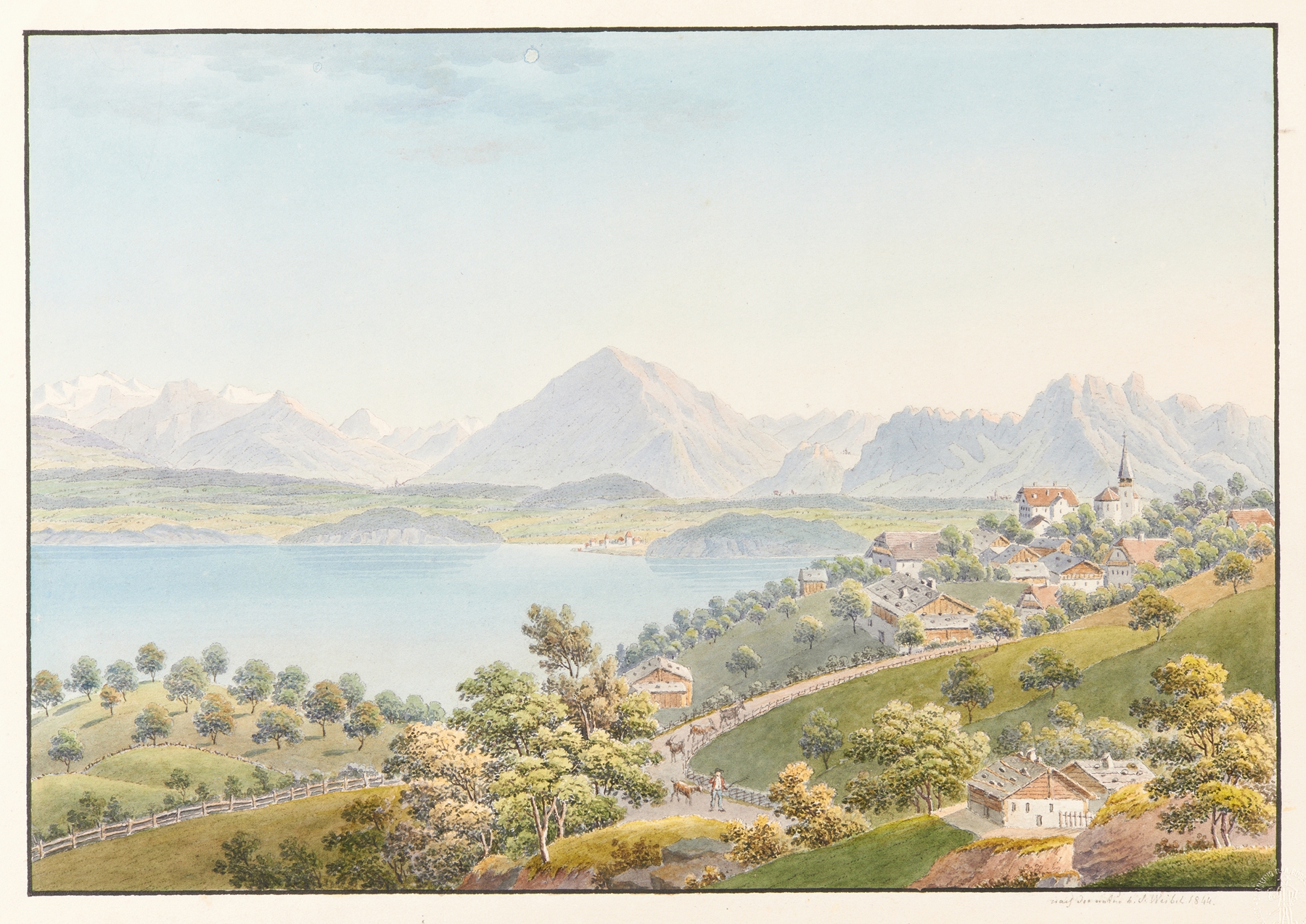
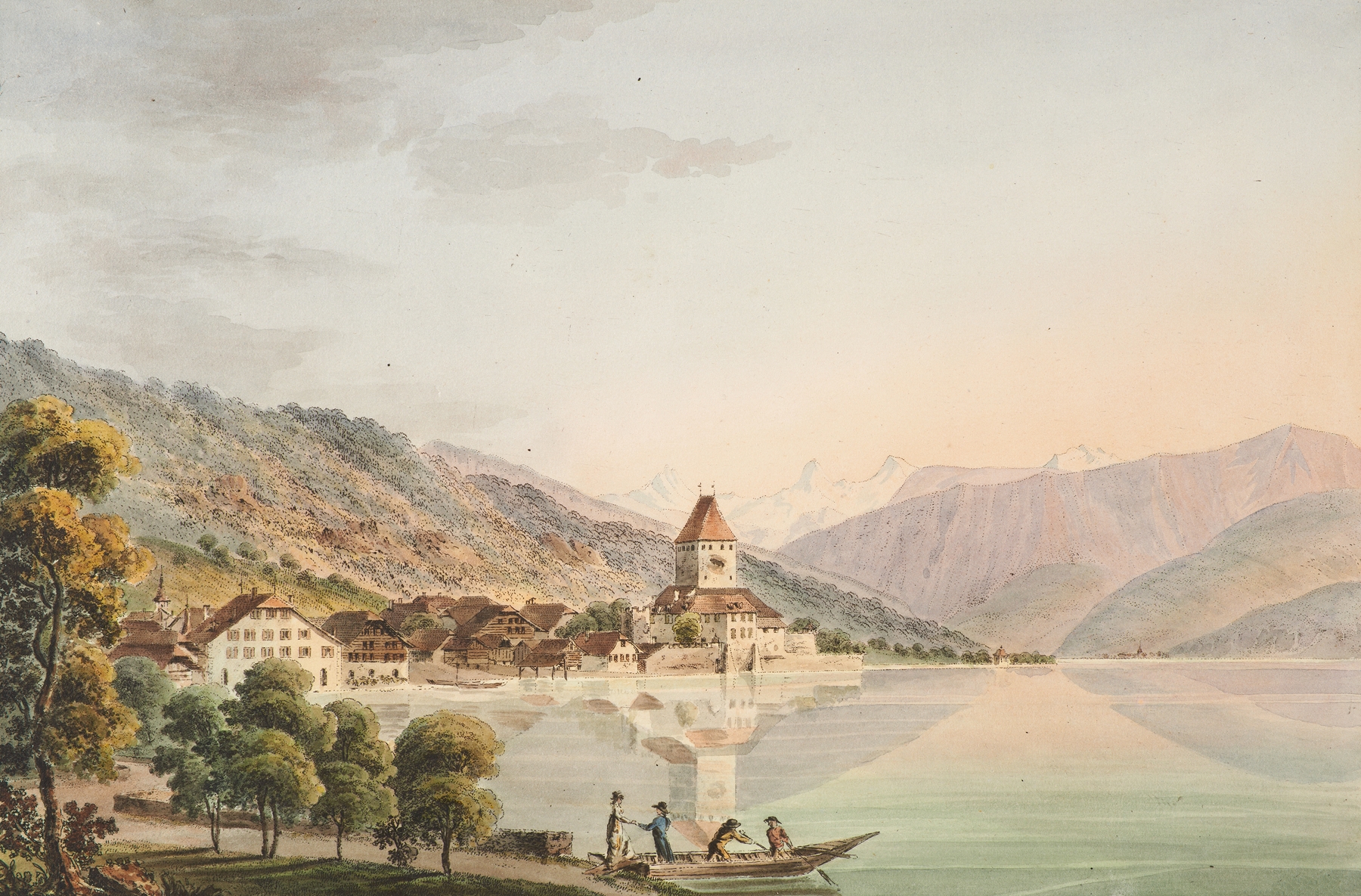
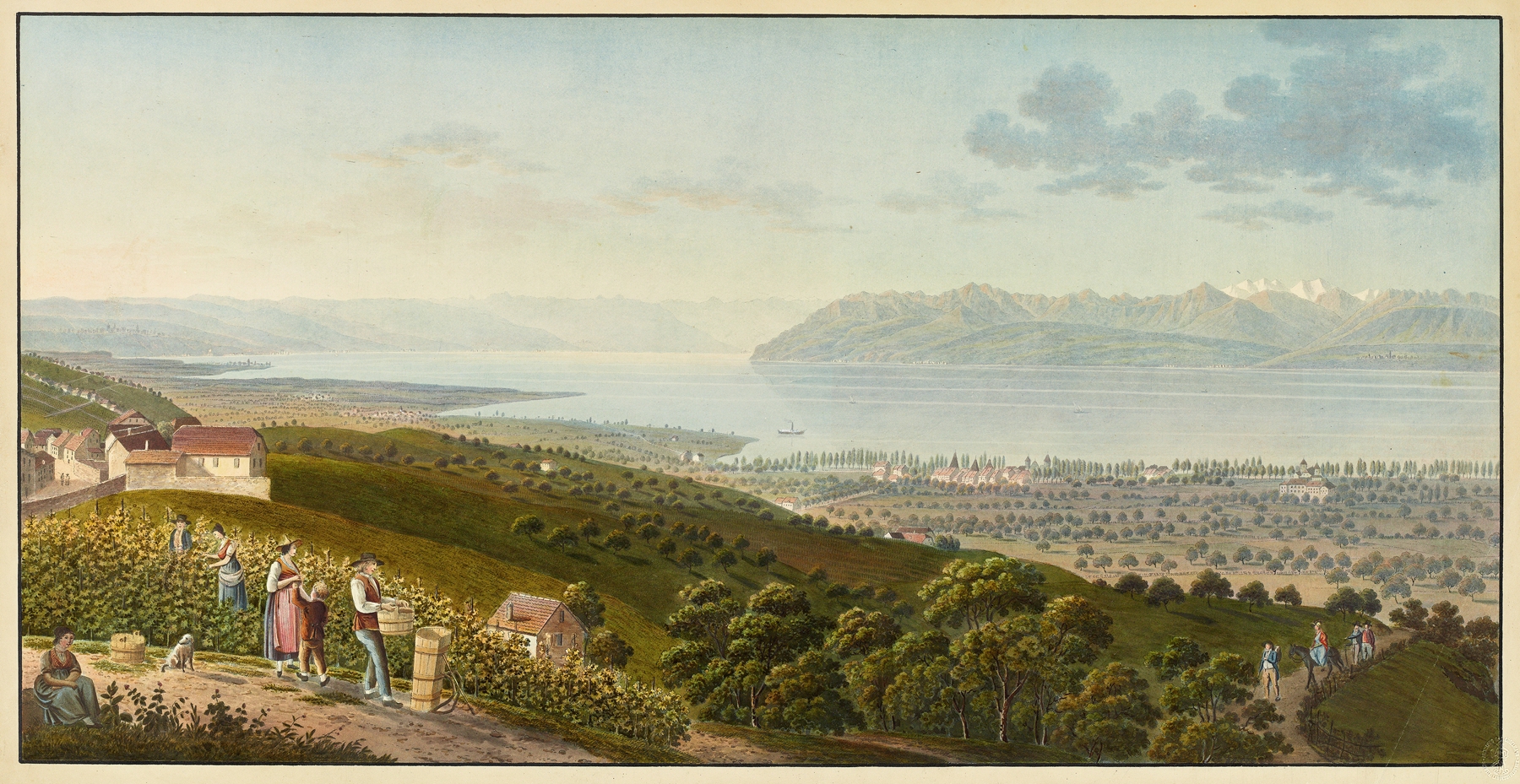
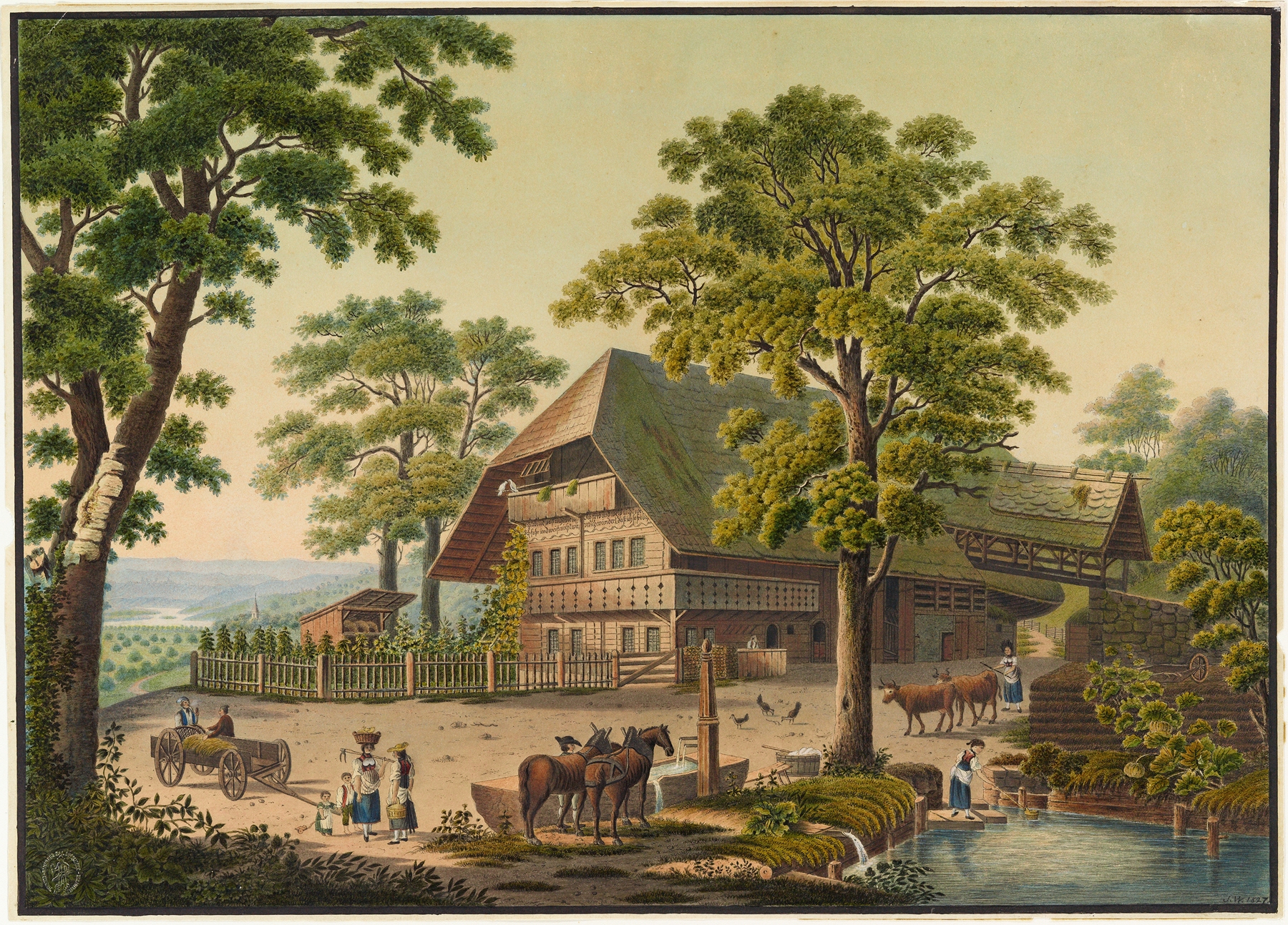
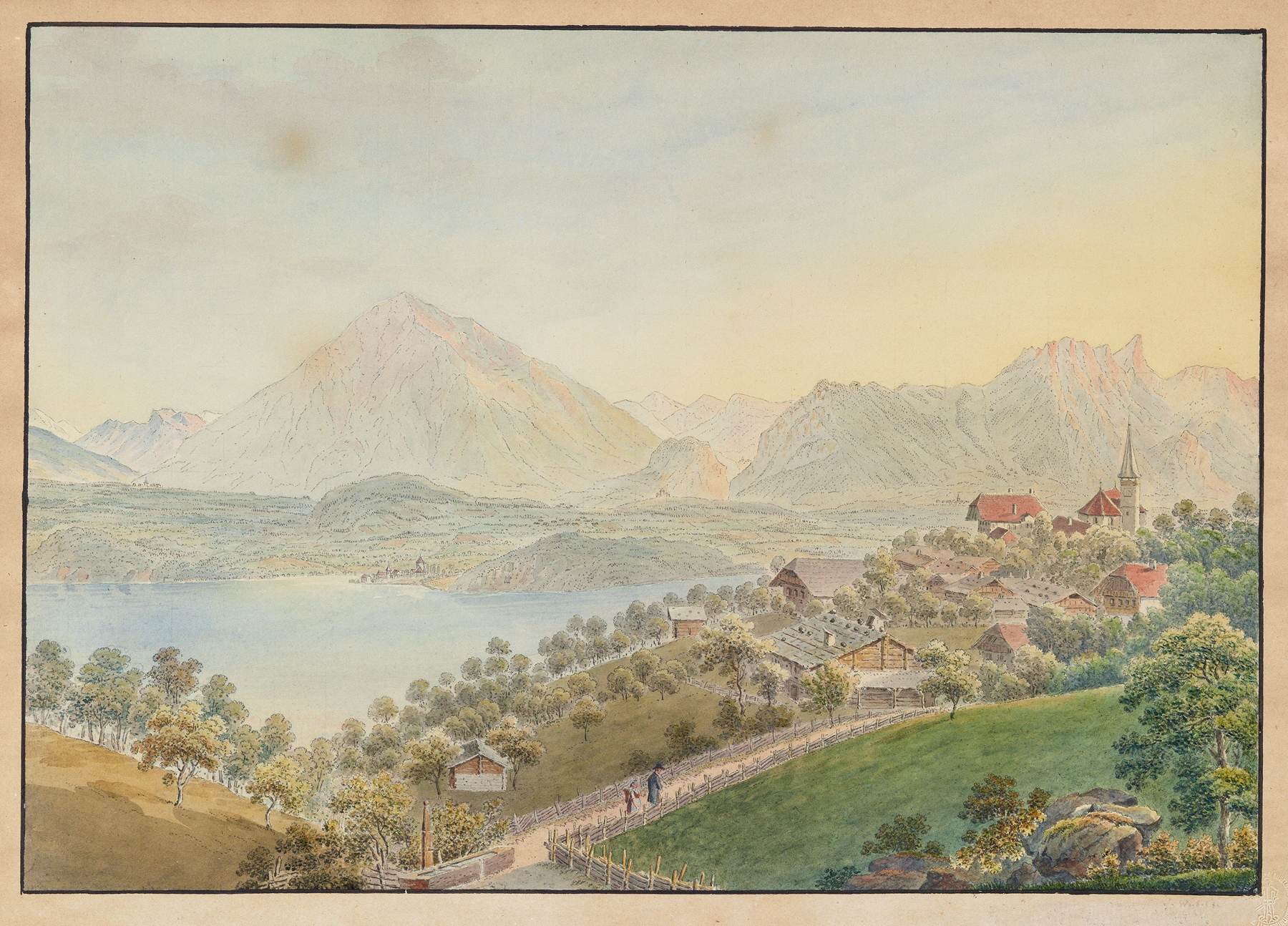
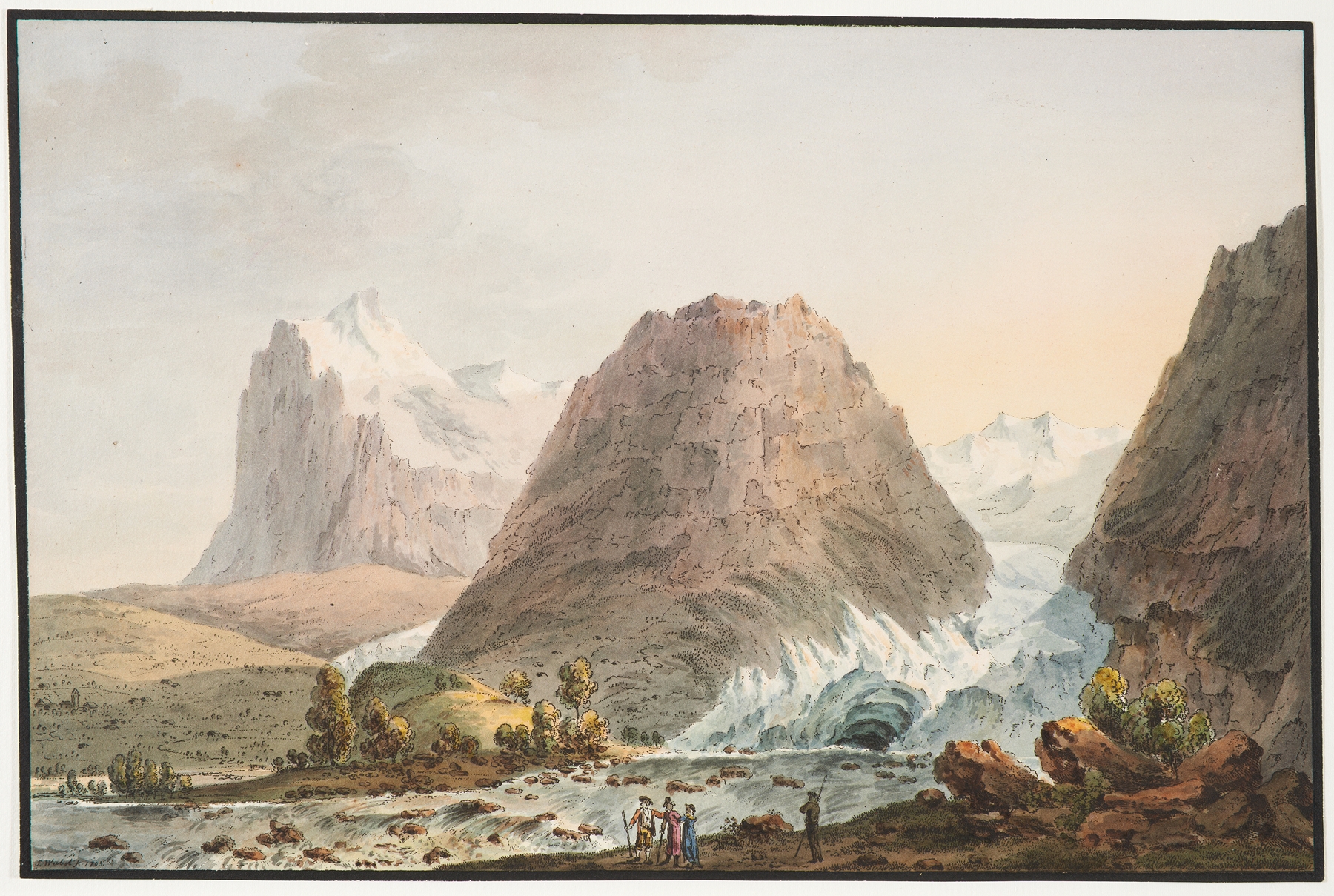
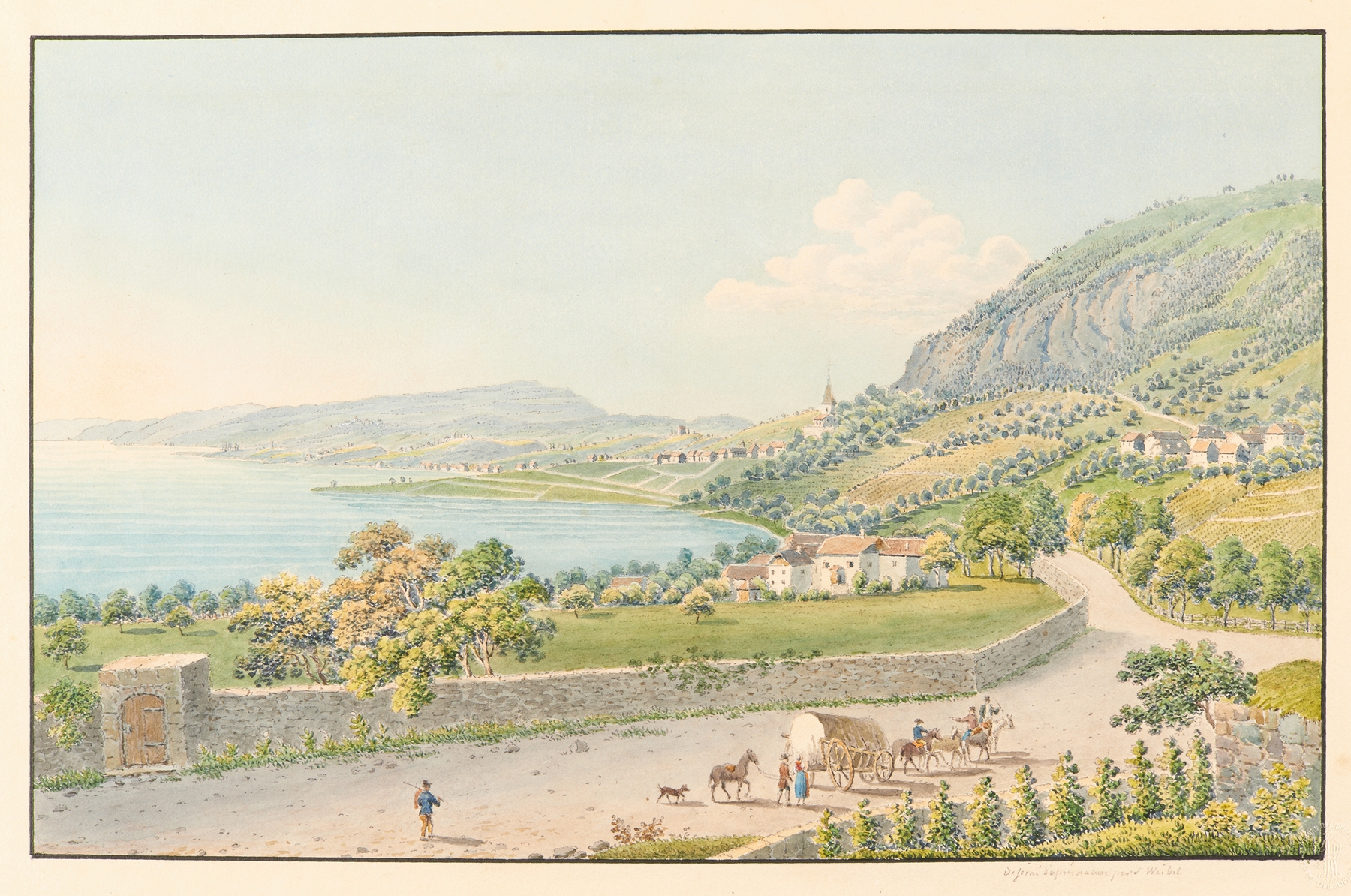
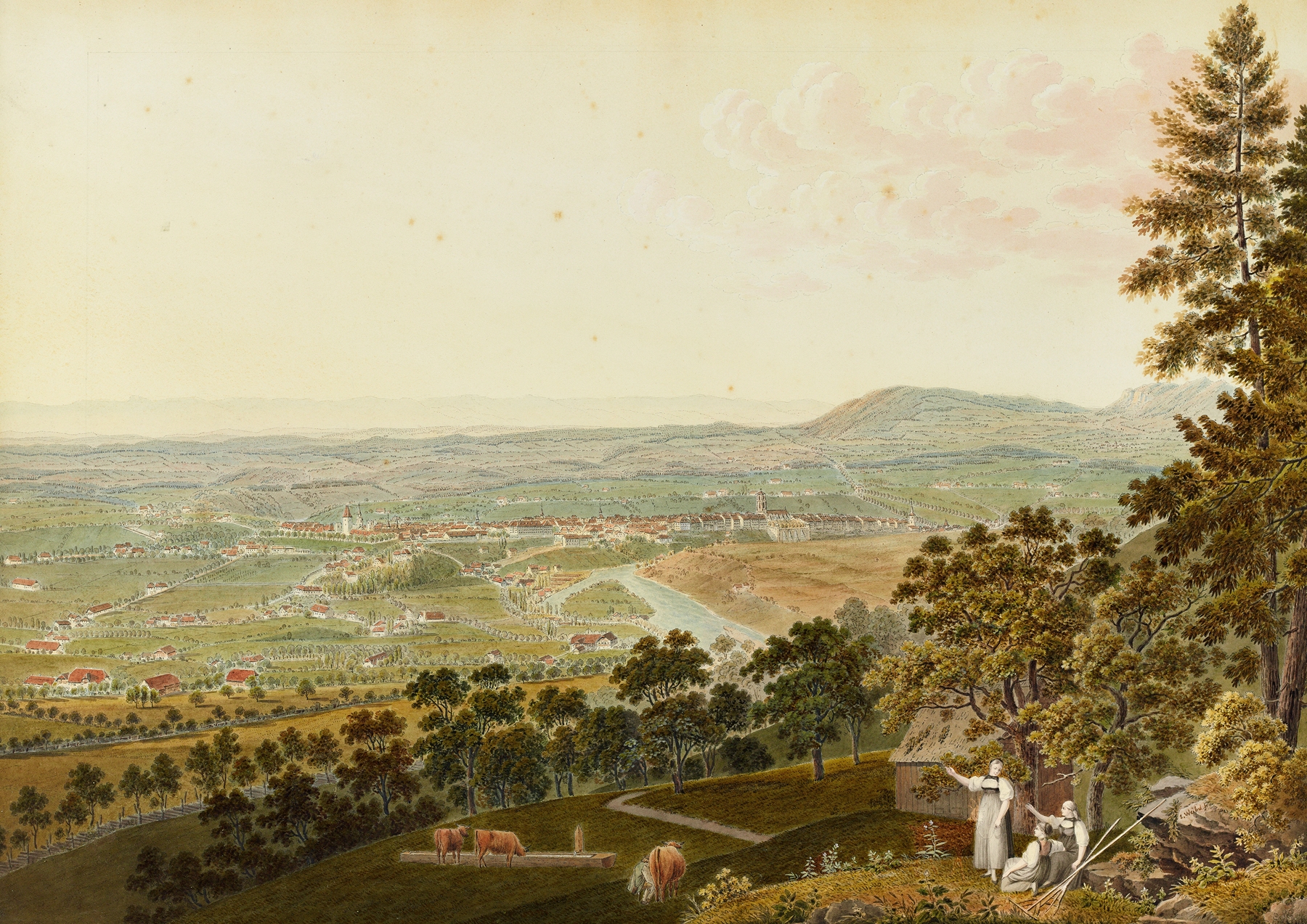
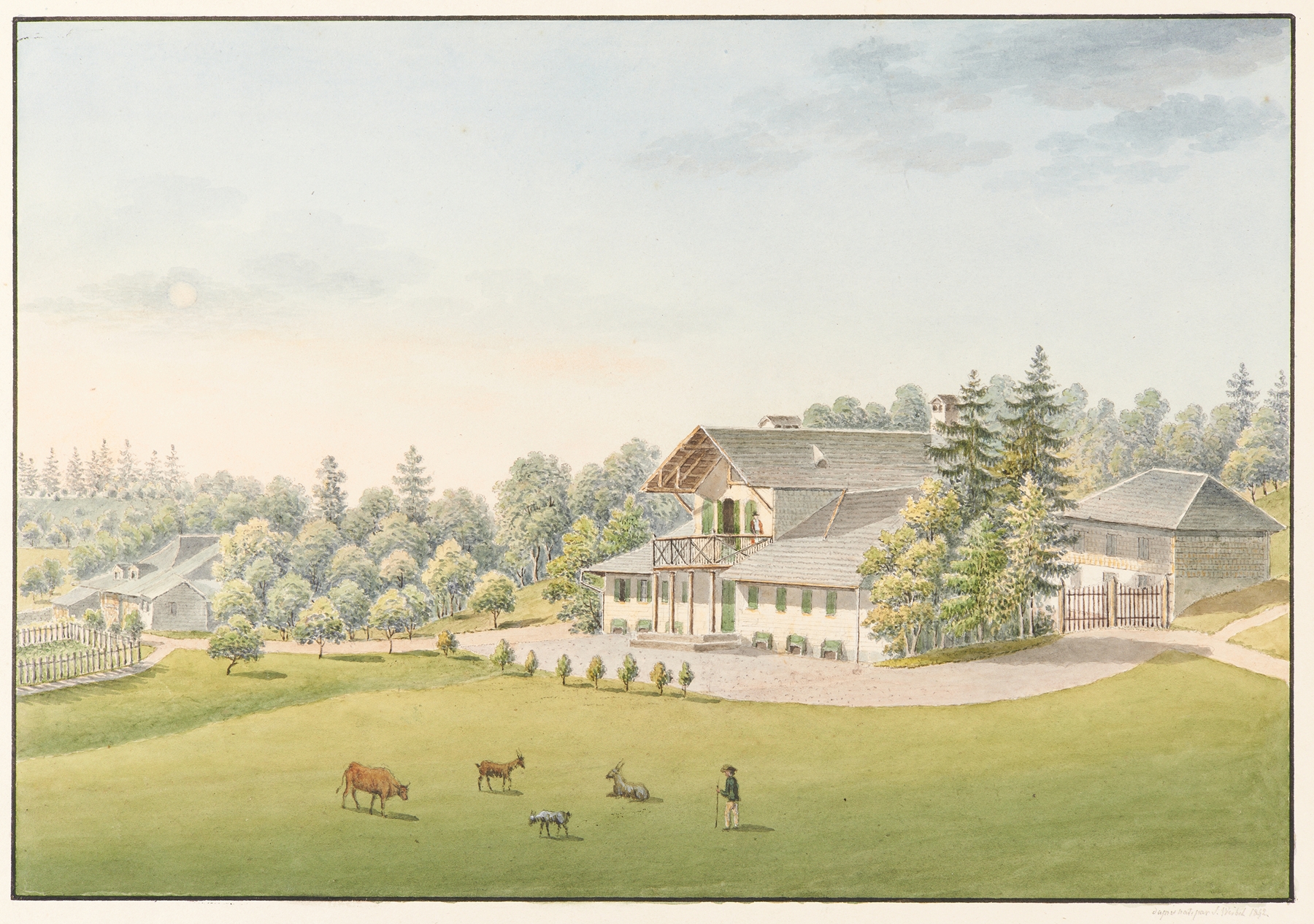
What secret hides in the quiet of the canvas? In the stillness of *Lauperswyl*, faith whispers through serene landscapes, compelling the viewer to pause and reflect. Look to the center where a gentle expanse of water mirrors the sky, its surface shimmering with delicate hues of blue and green. The soft, muted colors blend seamlessly, drawing your eye to the horizon where the soft mist embraces the distant mountains. Notice how the tranquil water contrasts with the textured strokes of greenery framing the scene, inviting contemplation in every brushstroke, every nuance of light. Delve deeper and you’ll find the emotional tensions that reside in the subtle interplay of shadow and light. The calmness of the water evokes peace, yet the encroaching shadows hint at mysteries lurking just beyond the visible. This duality prompts a reflection on the nature of faith itself—how it can provide serenity, even as uncertainty looms. Each detail, from the gentle ripples to the looming mountains, suggests a journey of discovery intertwined with quiet belief. Created during a time of introspection, *Lauperswyl* emerged from the hands of Jakob Samuel Weibel, although the exact date remains unknown. Working in Switzerland, Weibel was part of a movement that sought to capture the essence of nature and spirituality on canvas. The context of his life, rife with cultural shifts and artistic exploration, served as a fertile ground for his deep engagement with themes of faith and tranquility in his art.