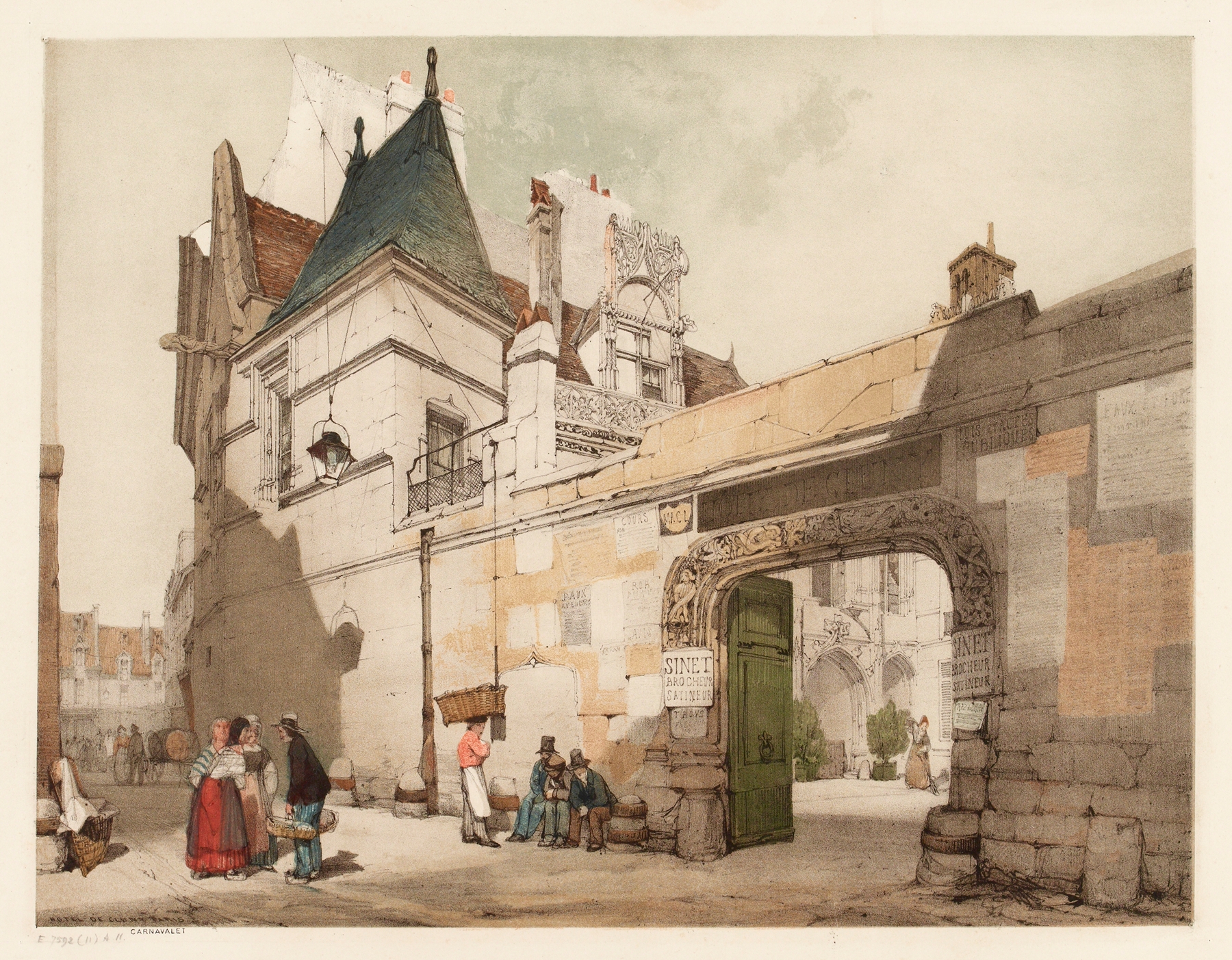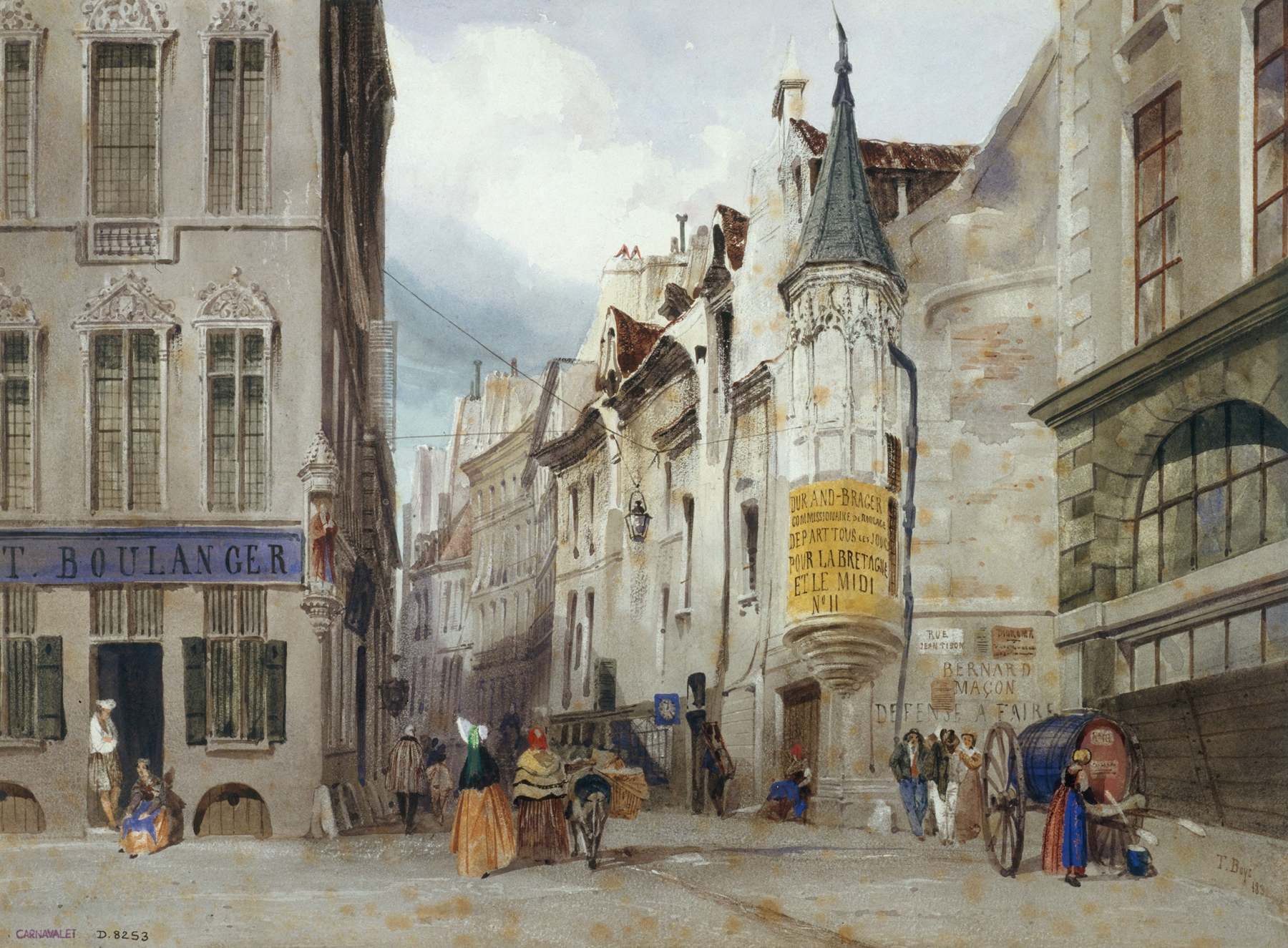
Le carrefour des rue Bailleul et Jean Tison, actuel 1er arrondissement, Paris. — History & Analysis
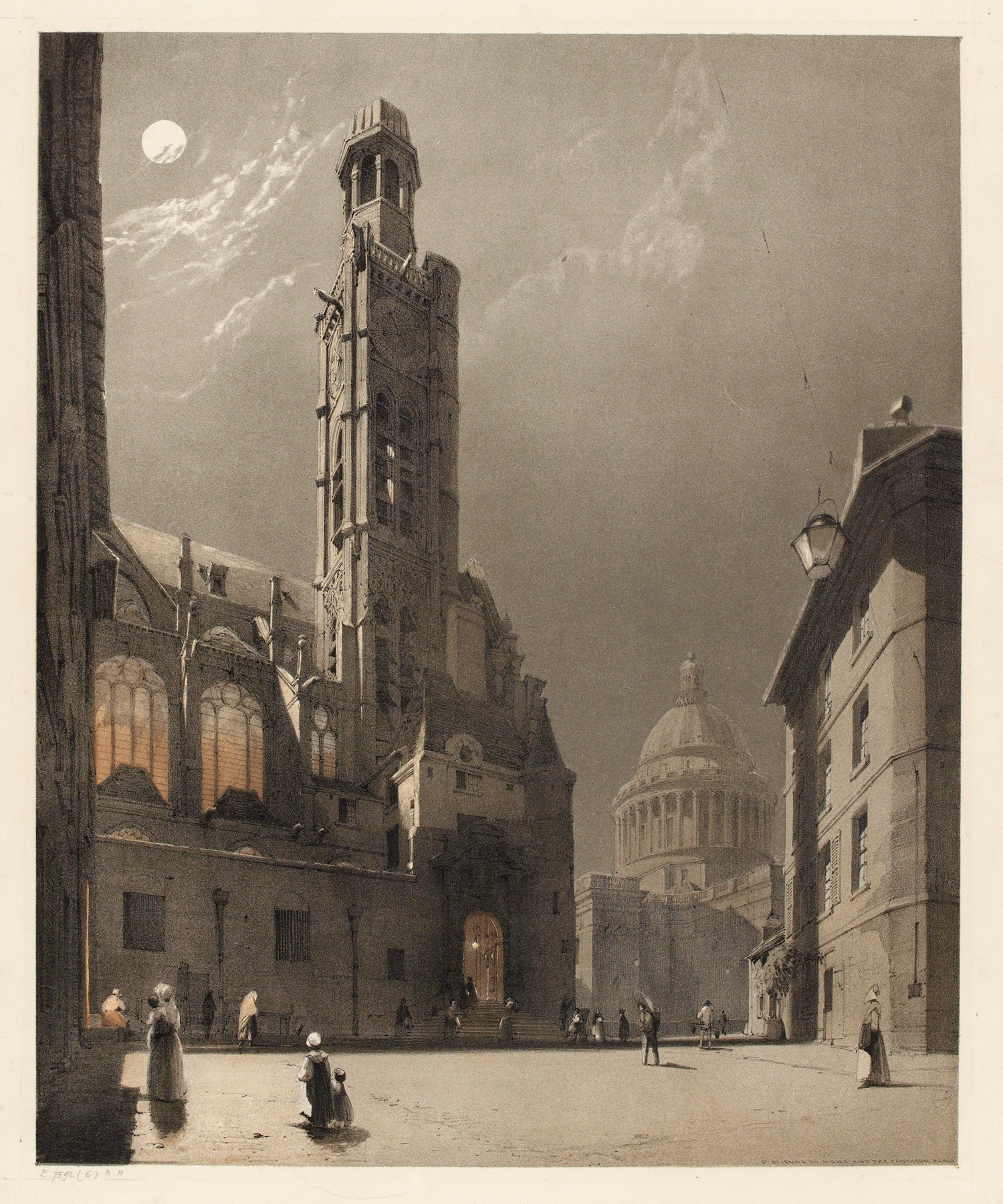
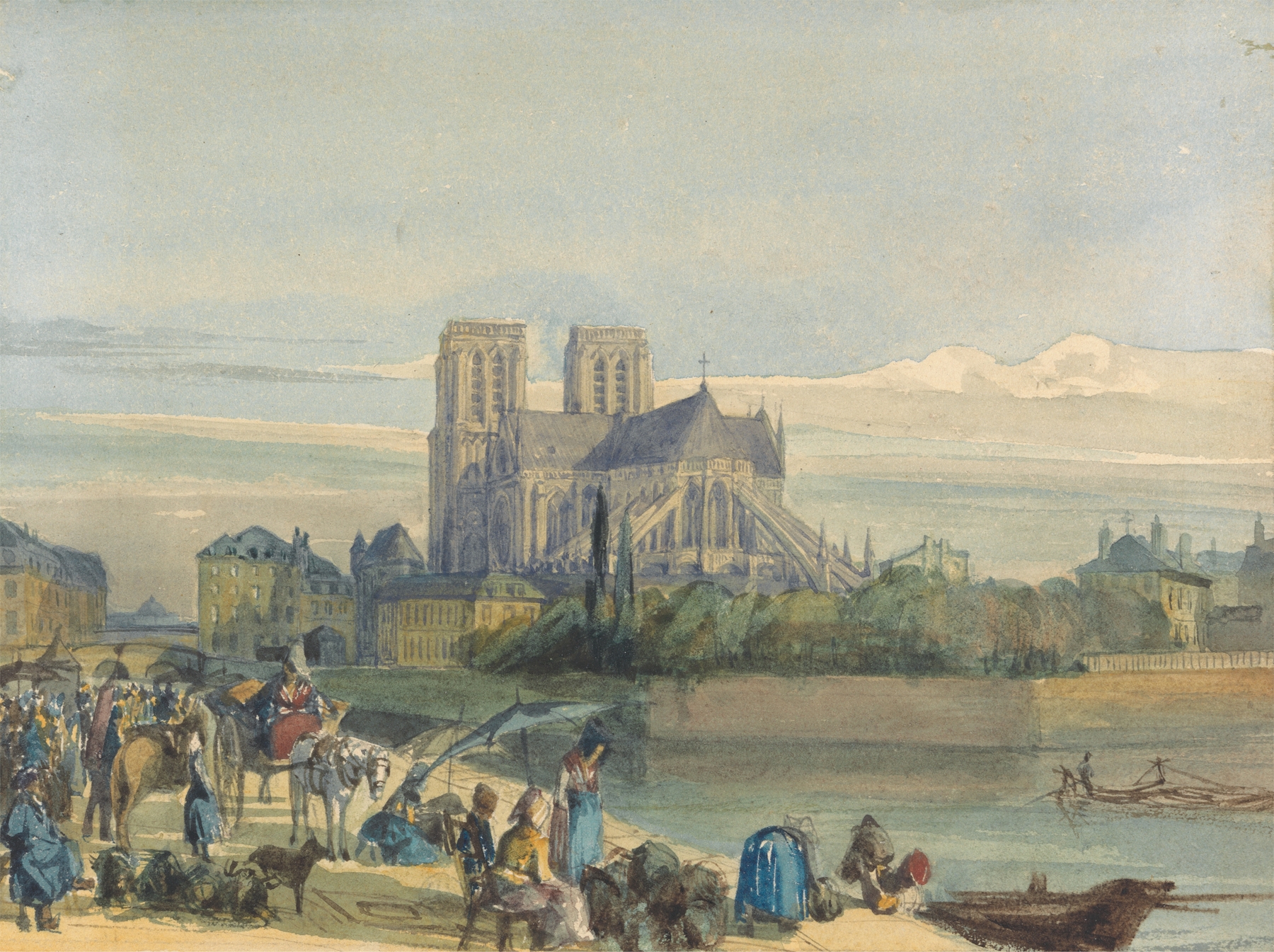
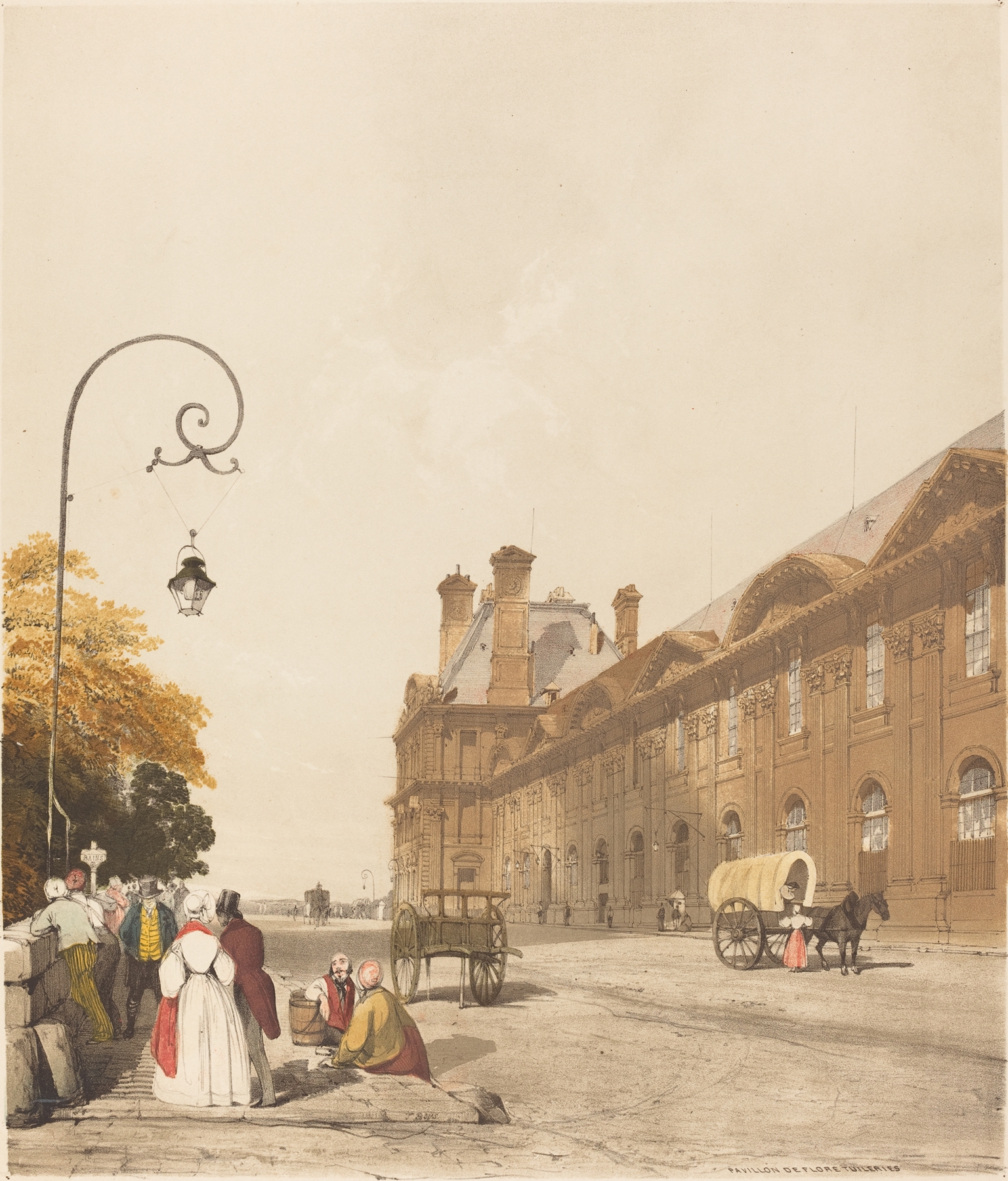
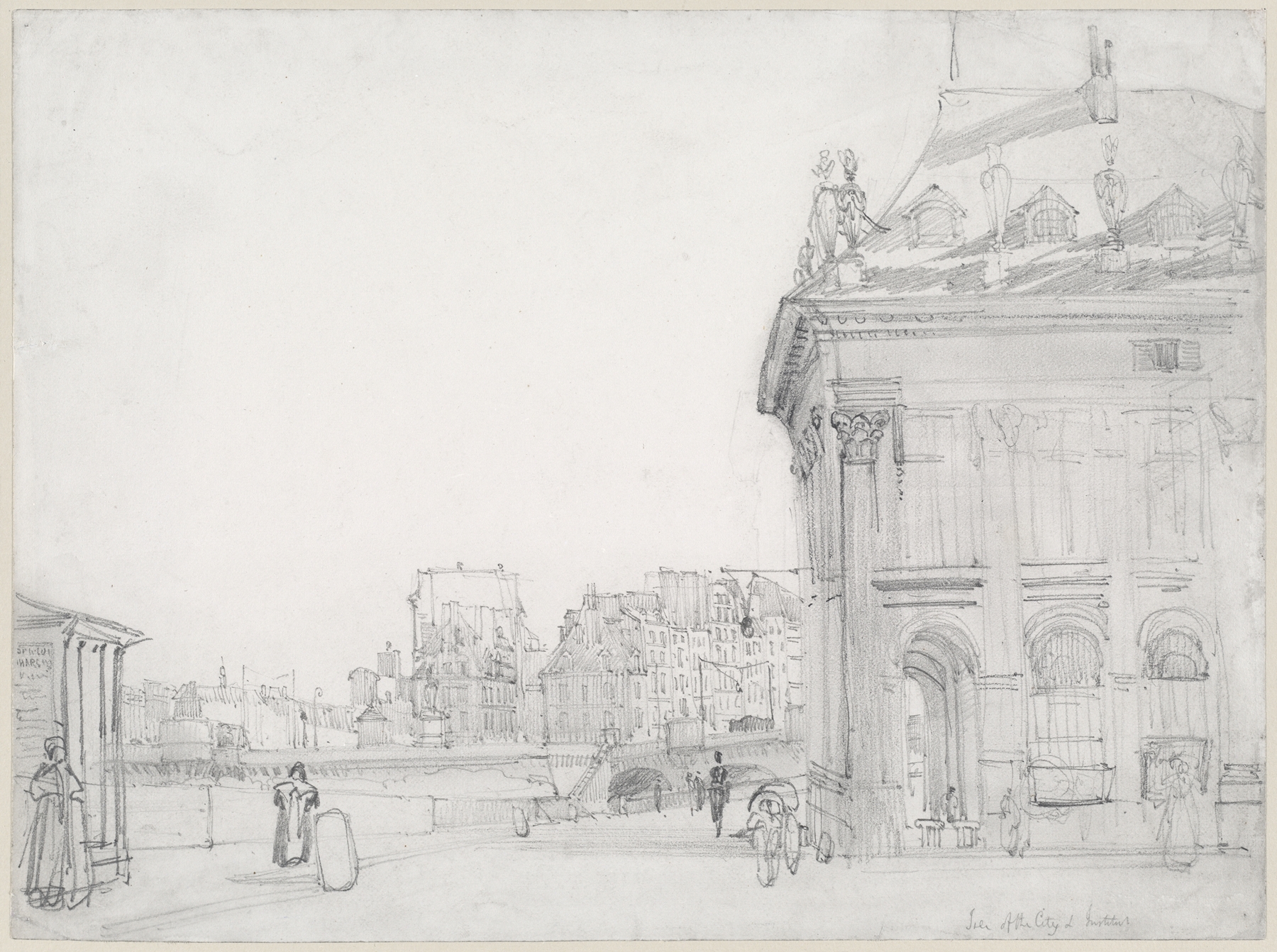
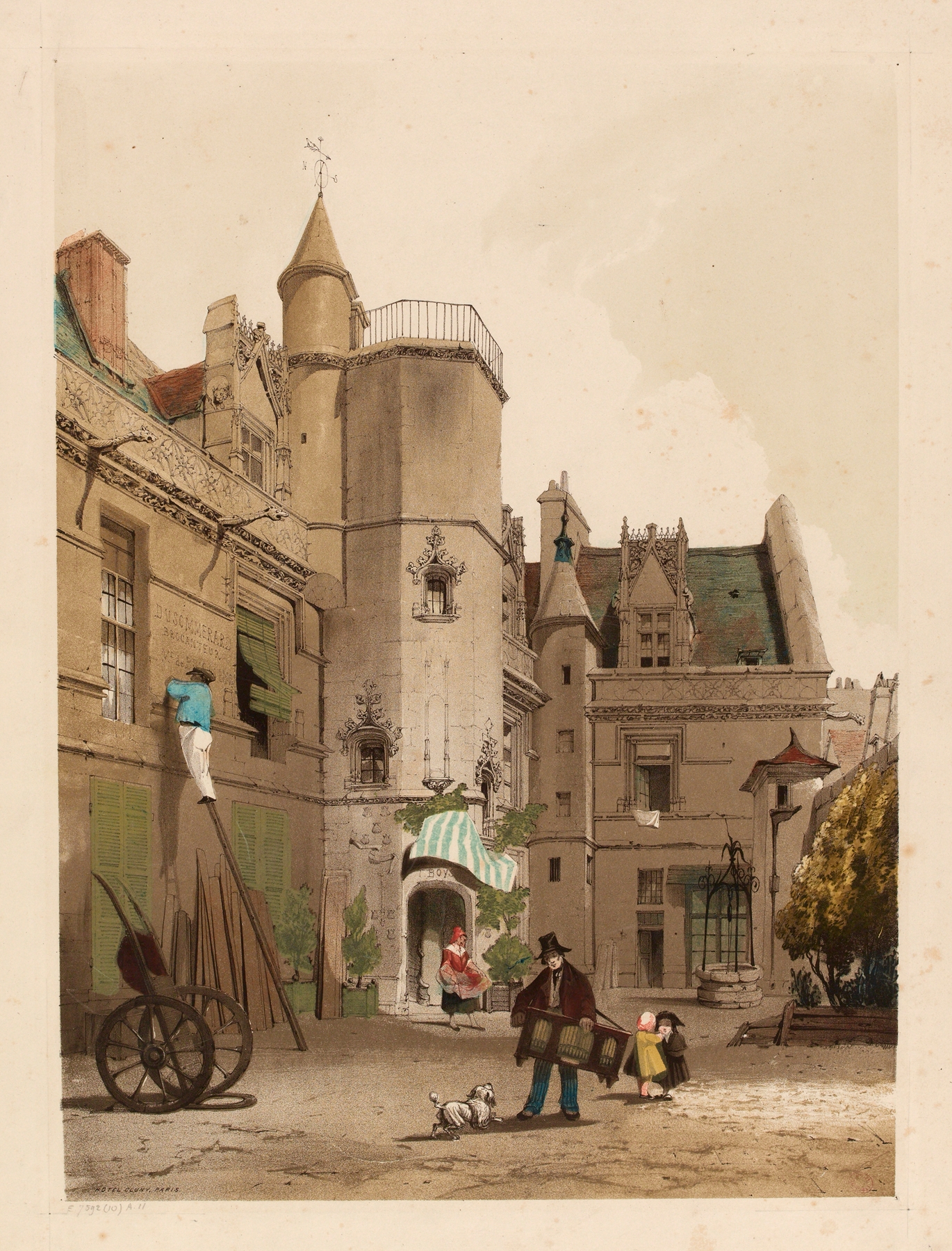
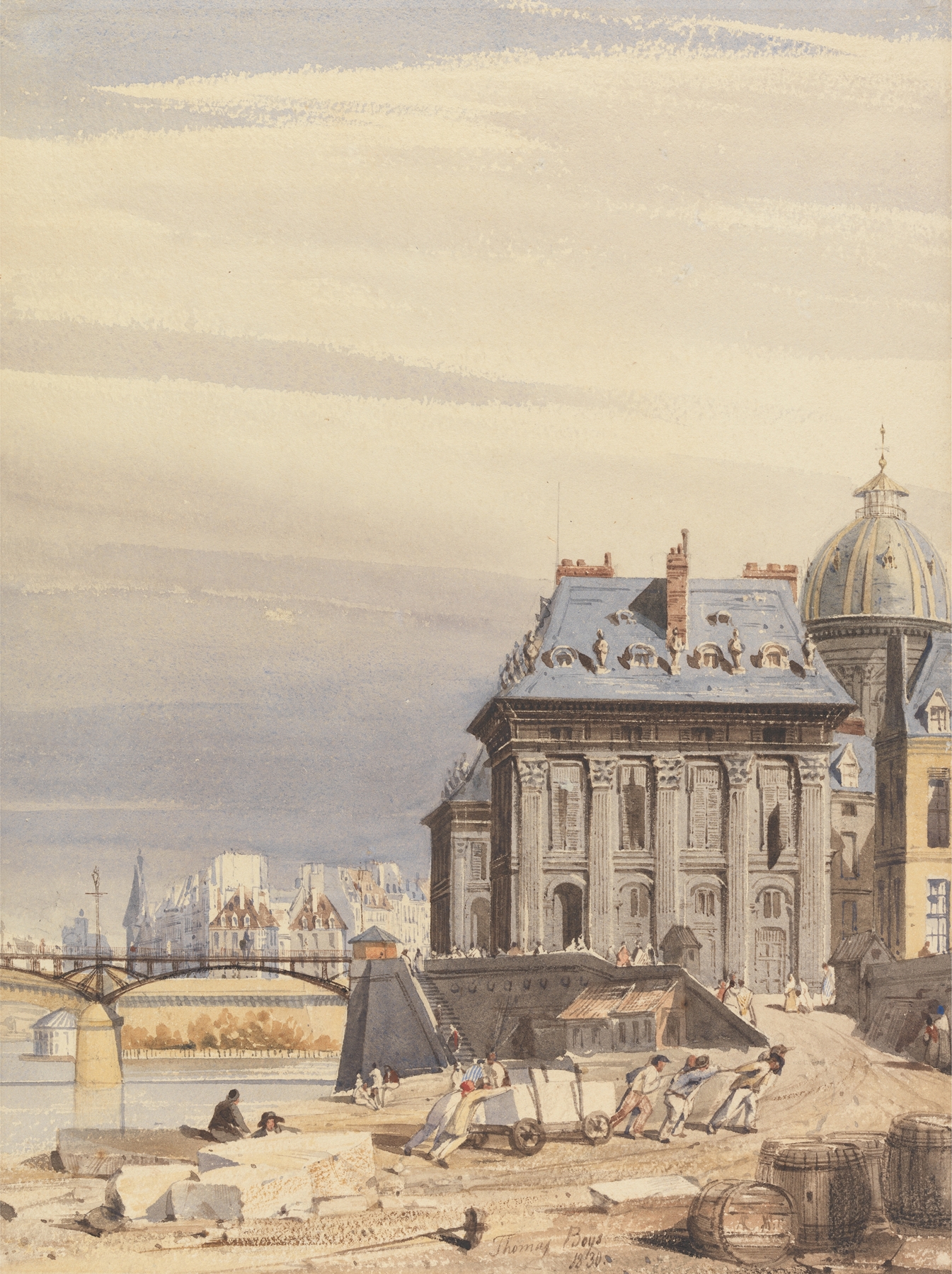
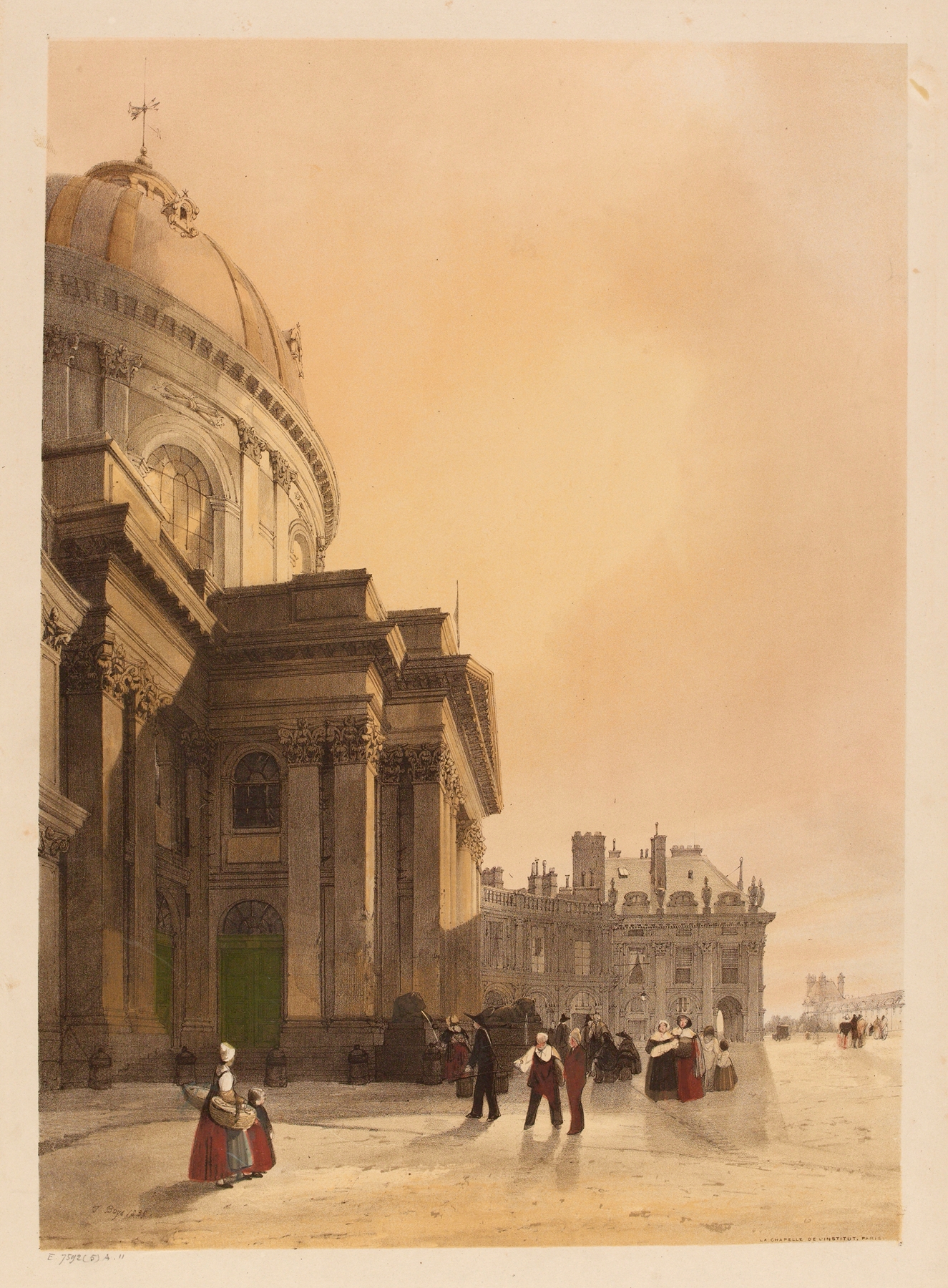
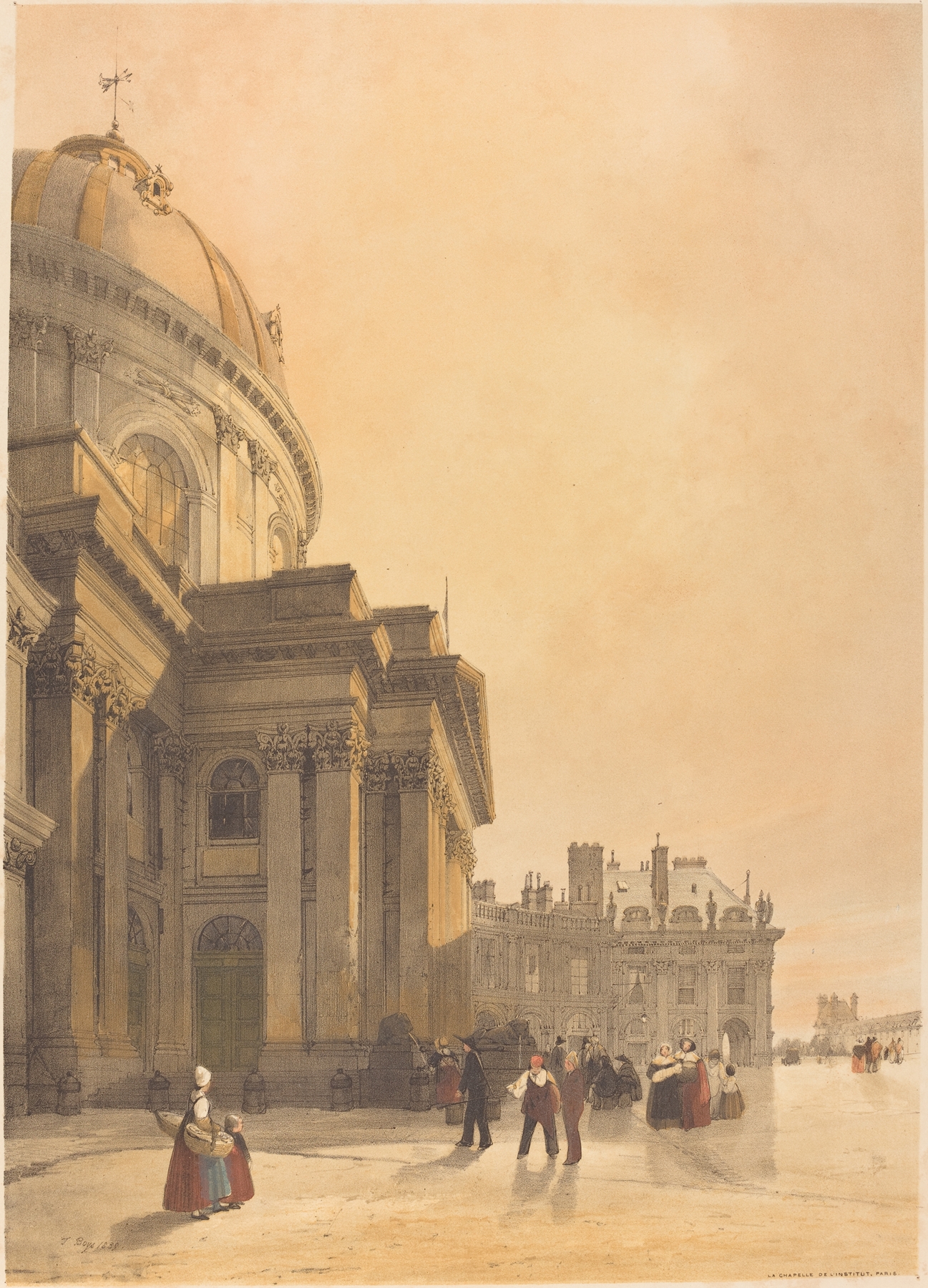
Is this a mirror — or a memory? A scene where the past intertwines with the present, a fleeting moment captured on the canvas that echoes the inevitable passage of time. Focus on the bustling intersection of rue Bailleul and Jean Tison. Here, the artist employs a delicate balance of light and shadow, illuminating the cobblestones while casting deeper hues into the corners where the figures linger. Notice how the soft, golden light bathes the scene, highlighting the flurry of pedestrians and horse-drawn carriages that animate the streets, drawing your eye toward the architecturally rich buildings that stand sentinel over this lively tableau. The palette is vibrant yet tempered, a reflection of both the energy of urban life and the tranquil beauty of the Parisian architecture. Beneath the bustling surface lies a poignant meditation on mortality and transience. The figures, absorbed in their daily routines, appear both significant and ephemeral, embodying the fleeting nature of human experience. The juxtaposition of the lively scenes against the timeless backdrop of Paris suggests a relationship between urban life and the inevitability of change—each moment is both vibrant and fleeting. The detailed depictions of the buildings, which have weathered centuries, serve as a silent witness to the passage of time, posing the question of what remains when the beings within this scene are gone. In 1831, Thomas Shotter Boys painted this work during a time of social and political upheaval in France, just after the July Revolution. Having settled in Paris, he focused on capturing the vibrancy of urban life, reflecting the transformations in society that accompanied industrialism and modernization. This piece exemplifies his interest in documenting the city’s changing landscape while simultaneously exploring themes of memory and mortality in his art.