Ile de la Cité from the Institut, Paris — History & Analysis
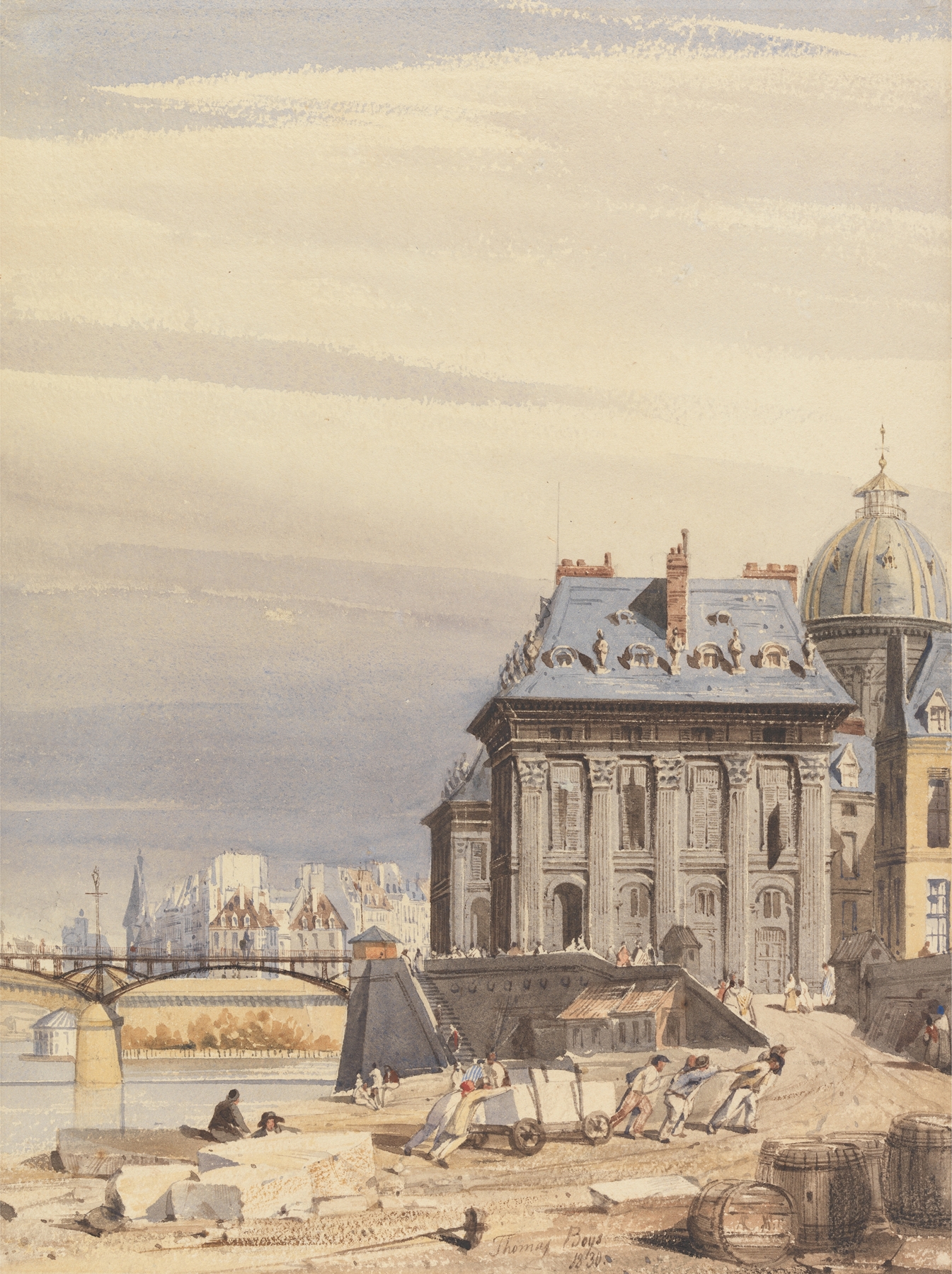
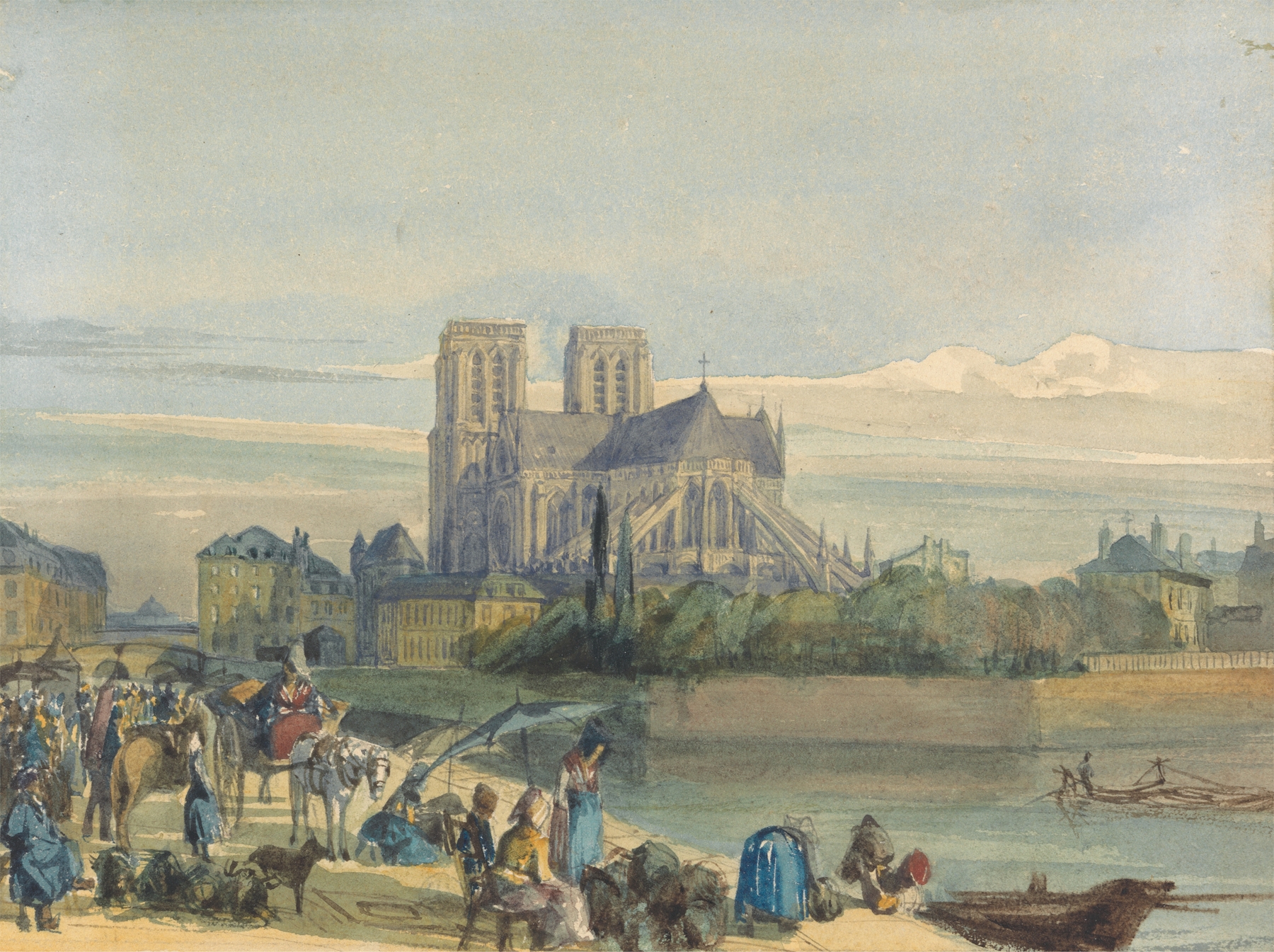
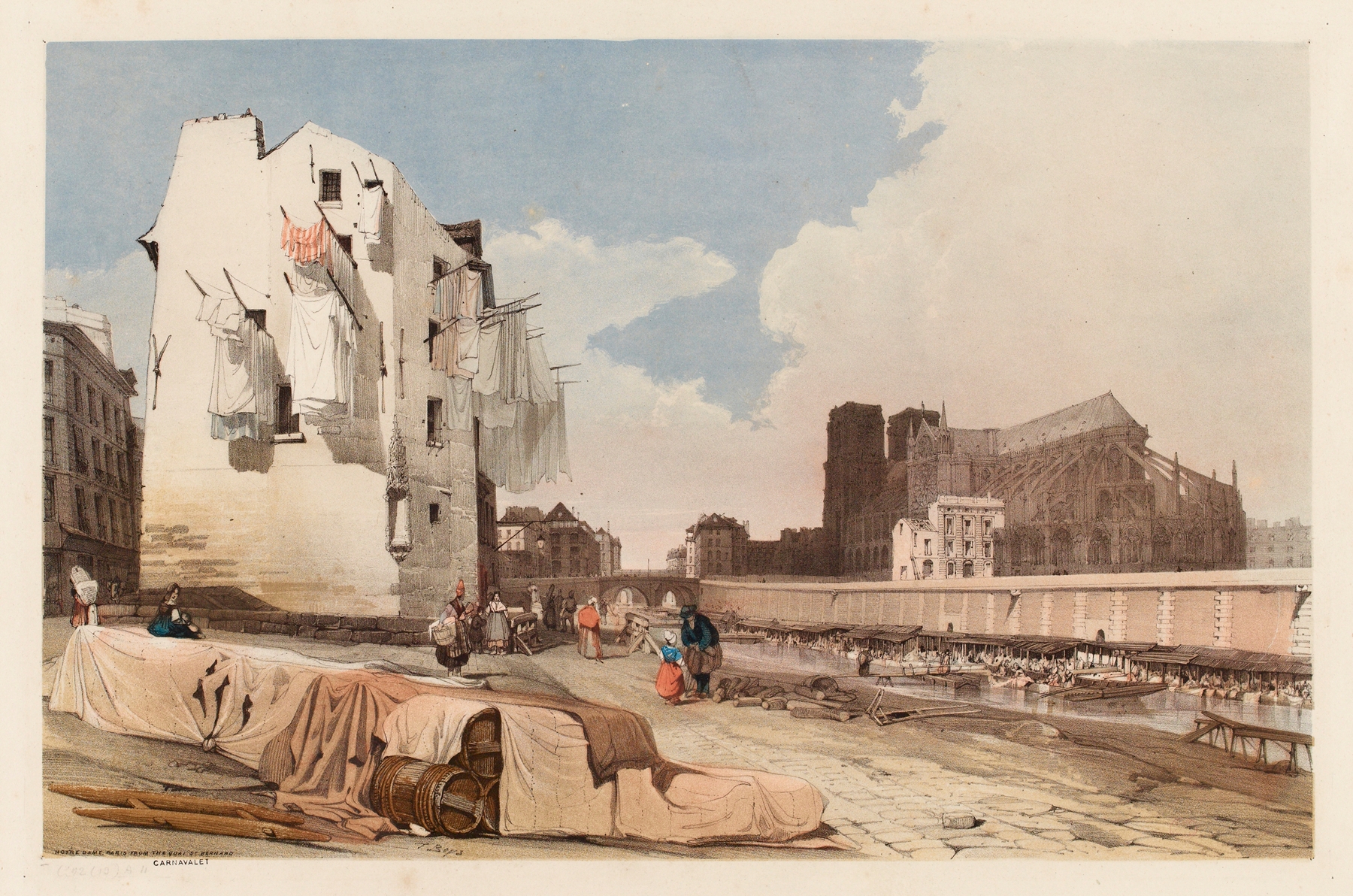
Who listens when art speaks of silence? In Ile de la Cité from the Institut, Paris, a quietude envelops the scene, inviting contemplation and reflection as the city breathes beneath a soft veil of watercolor. Look to the left at the delicate strokes defining the majestic silhouette of Notre-Dame, its towers piercing the cloudy sky. The gentle hues of blue and gray meld into a tranquil backdrop, while the river glistens with subtle reflections of the surroundings.
Note how the artist employs light to guide your gaze across the composition, leading you from the grandeur of the cathedral to the serene waters that cradle it. Beneath the tranquil surface lies a profound emotional resonance. The river, often a symbol of time's passage, contrasts the historic permanence of the buildings, suggesting a dialogue between the enduring and the ephemeral.
Each brushstroke captures not just the essence of a moment in Paris, but also the stillness that transcends the chaos of urban life, evoking a sense of peace amidst the ever-flowing current of time. In 1832, Boys painted this masterpiece during a period of significant artistic transformation in Europe, as Romanticism was giving way to Realism. Living in London, Boys was immersed in the burgeoning effects of the industrial revolution, yet he turned his gaze towards the timeless beauty of Paris, embodying a quest for transcendence through the mastery of light and form.