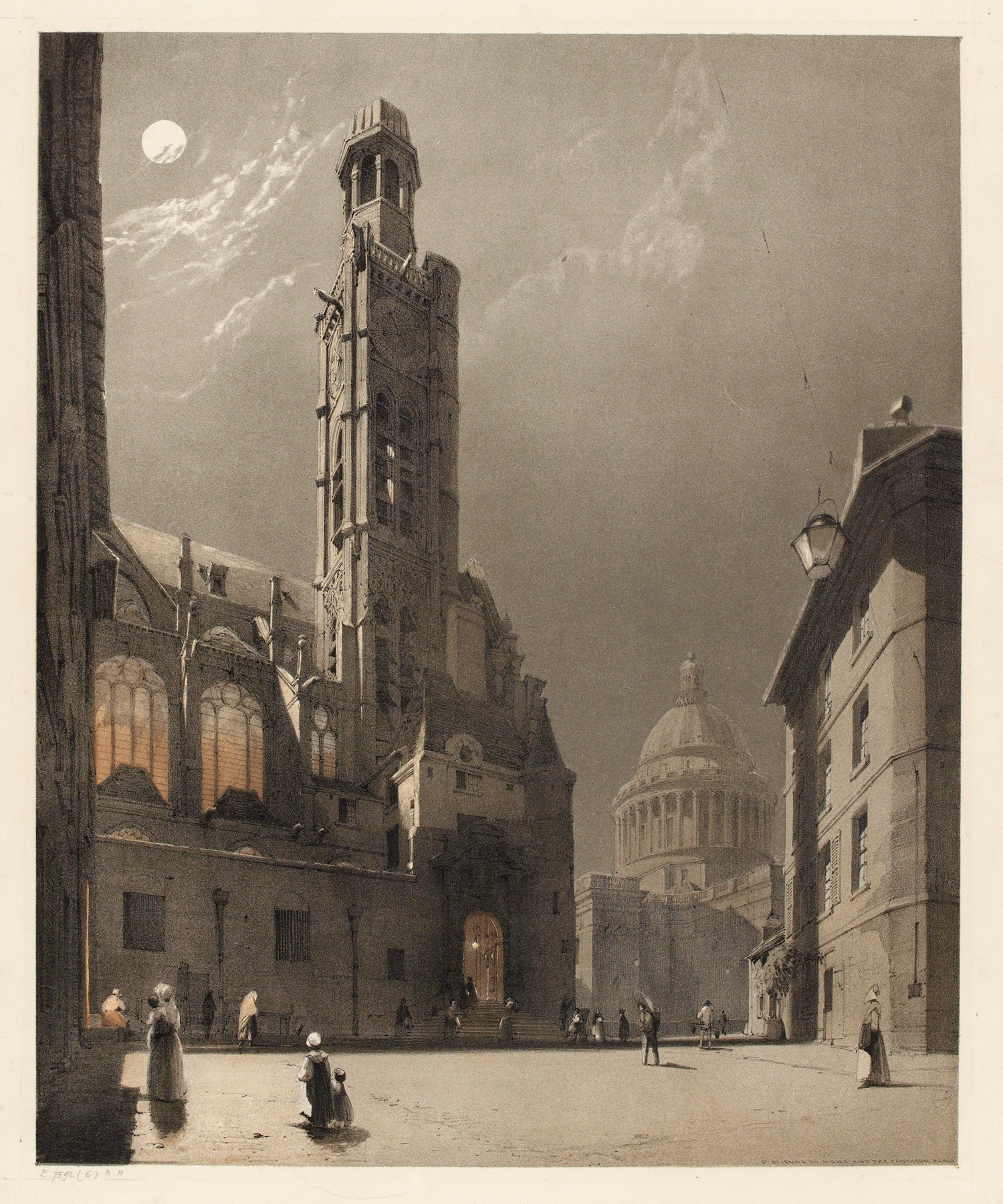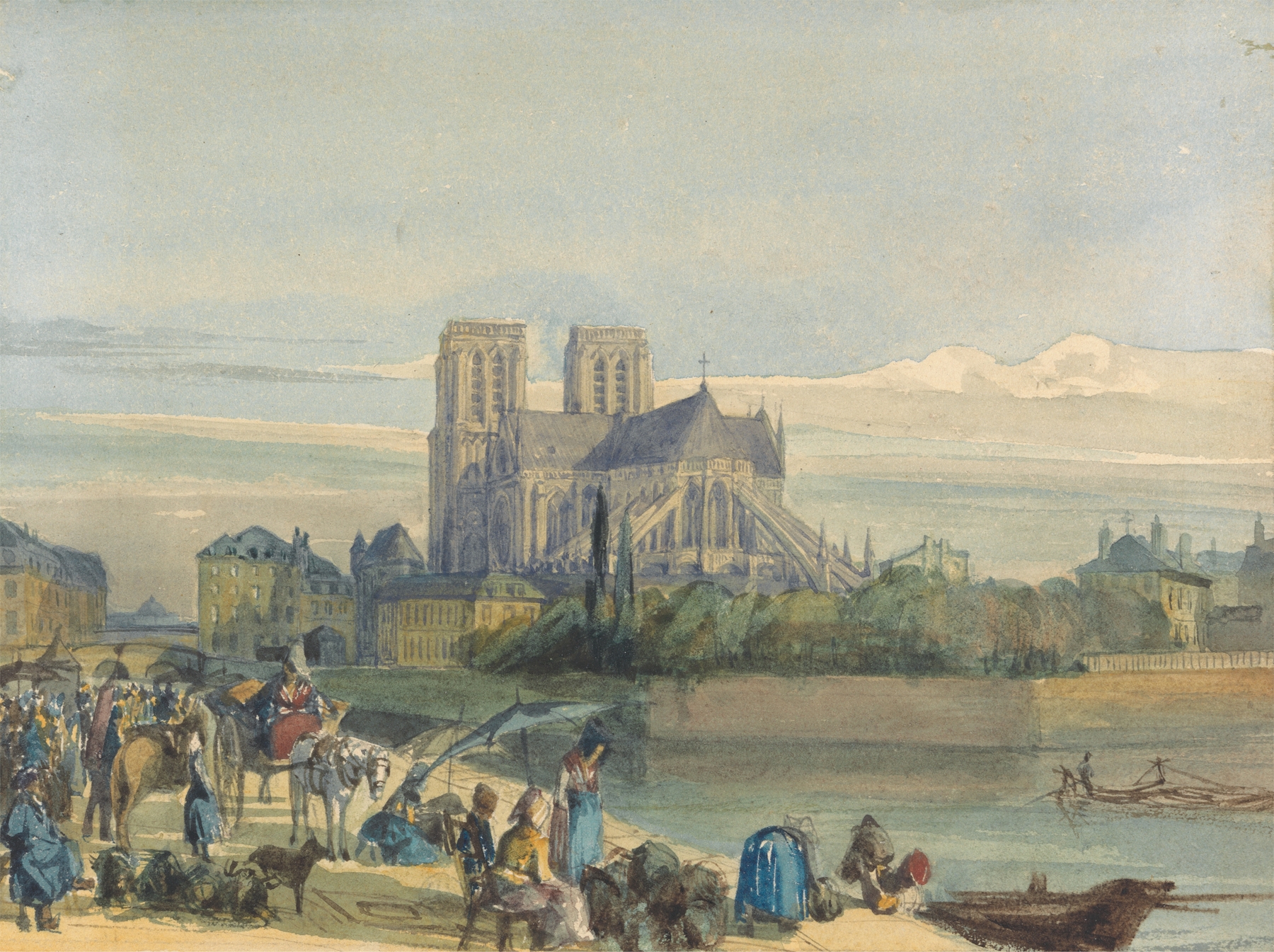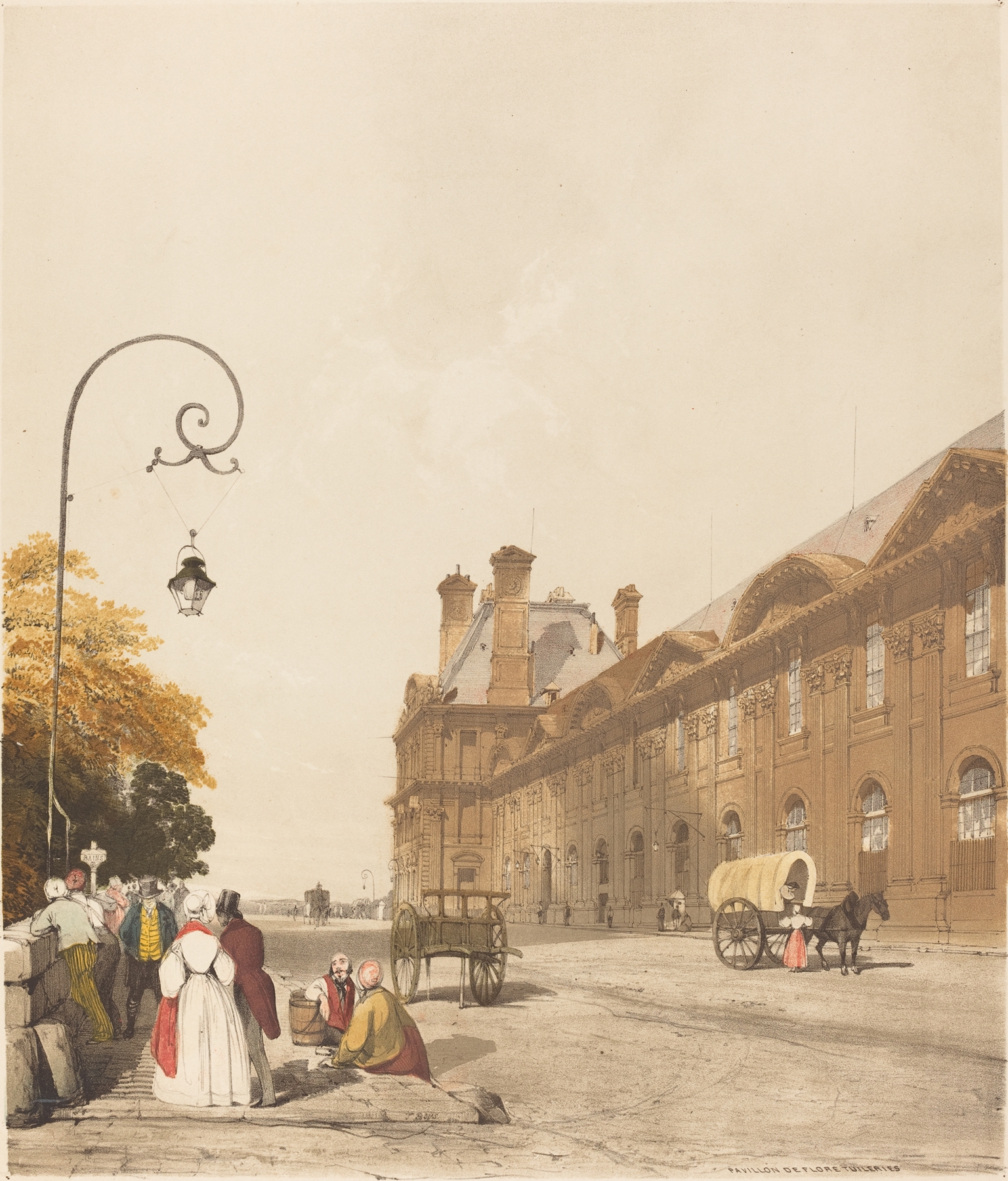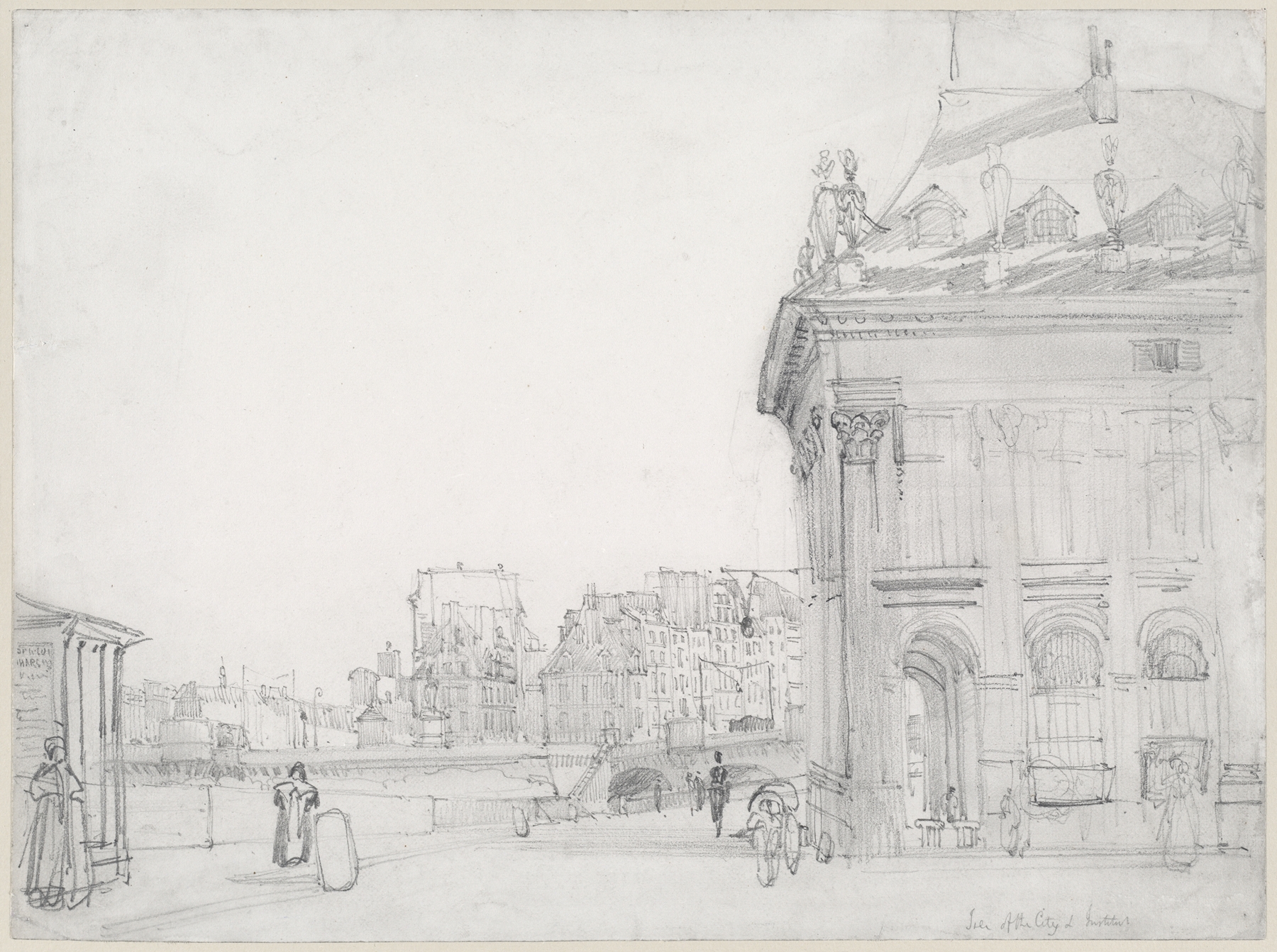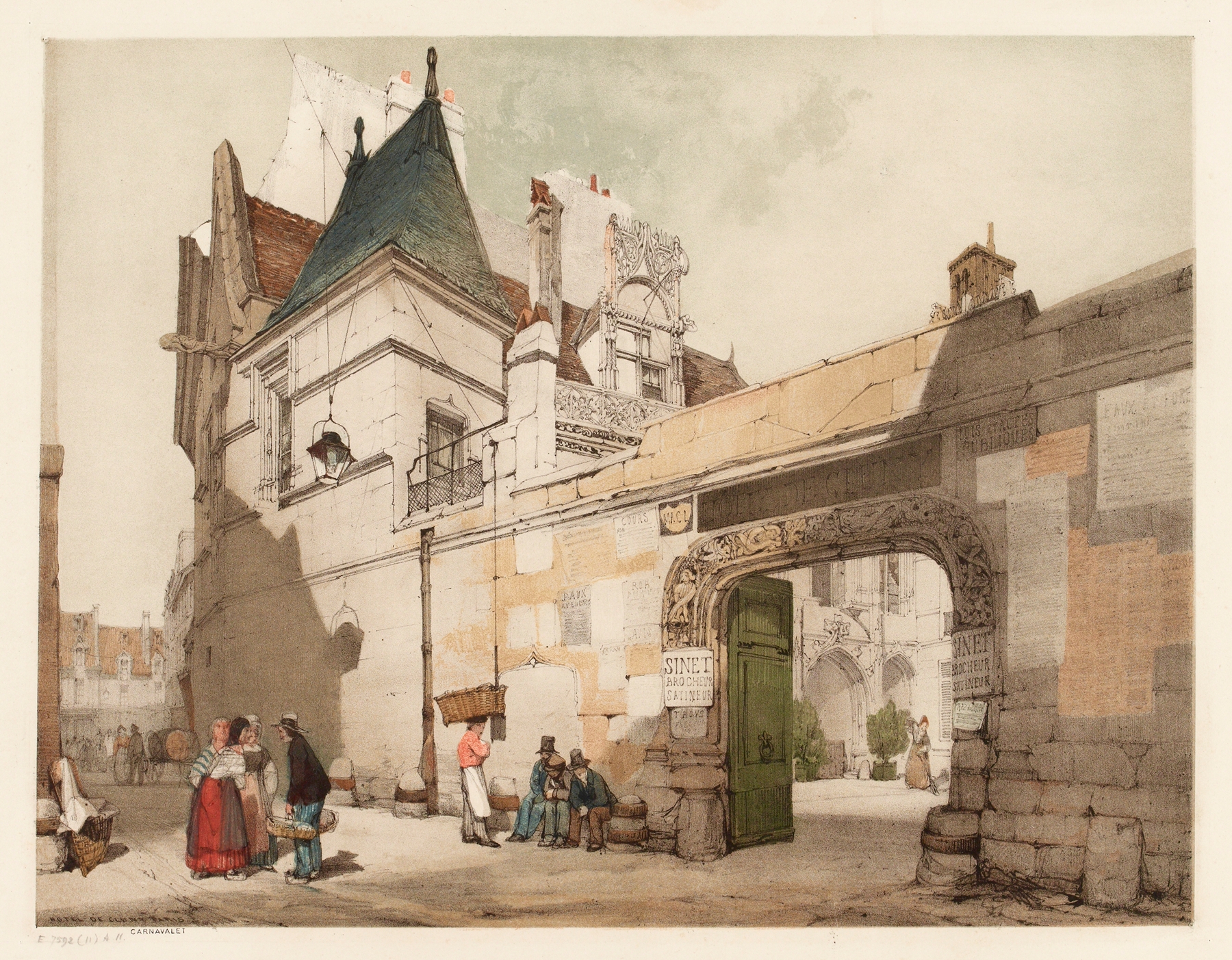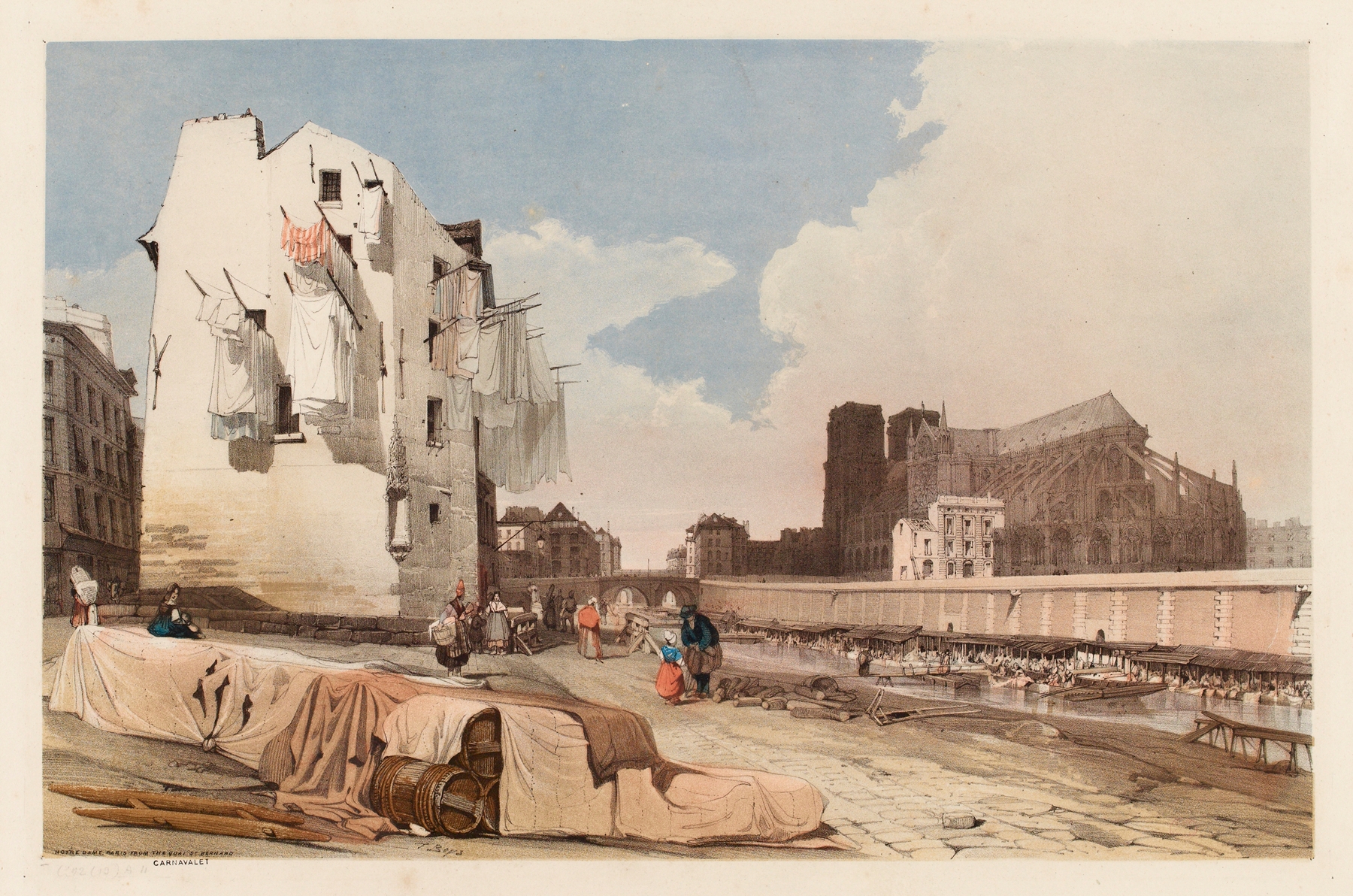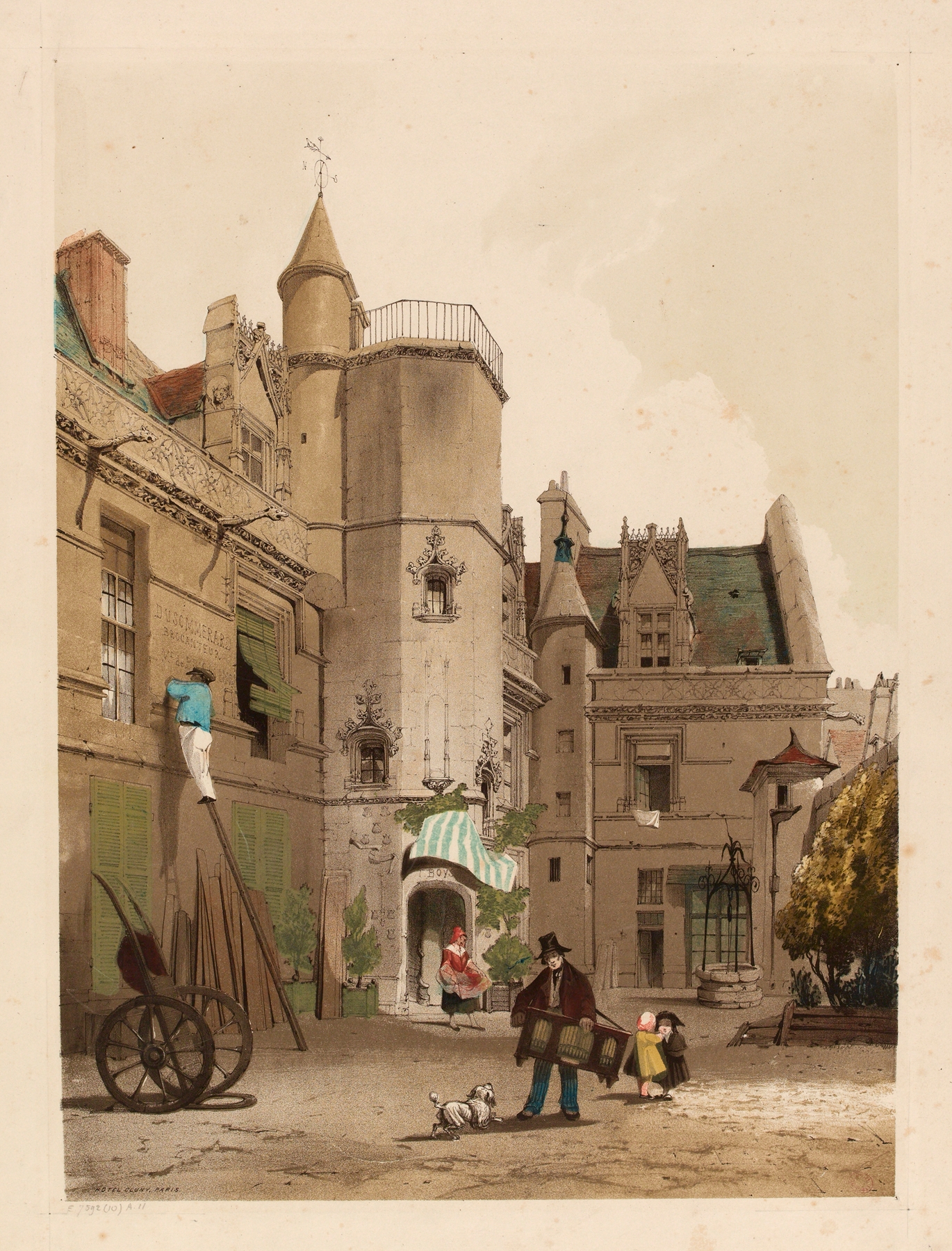
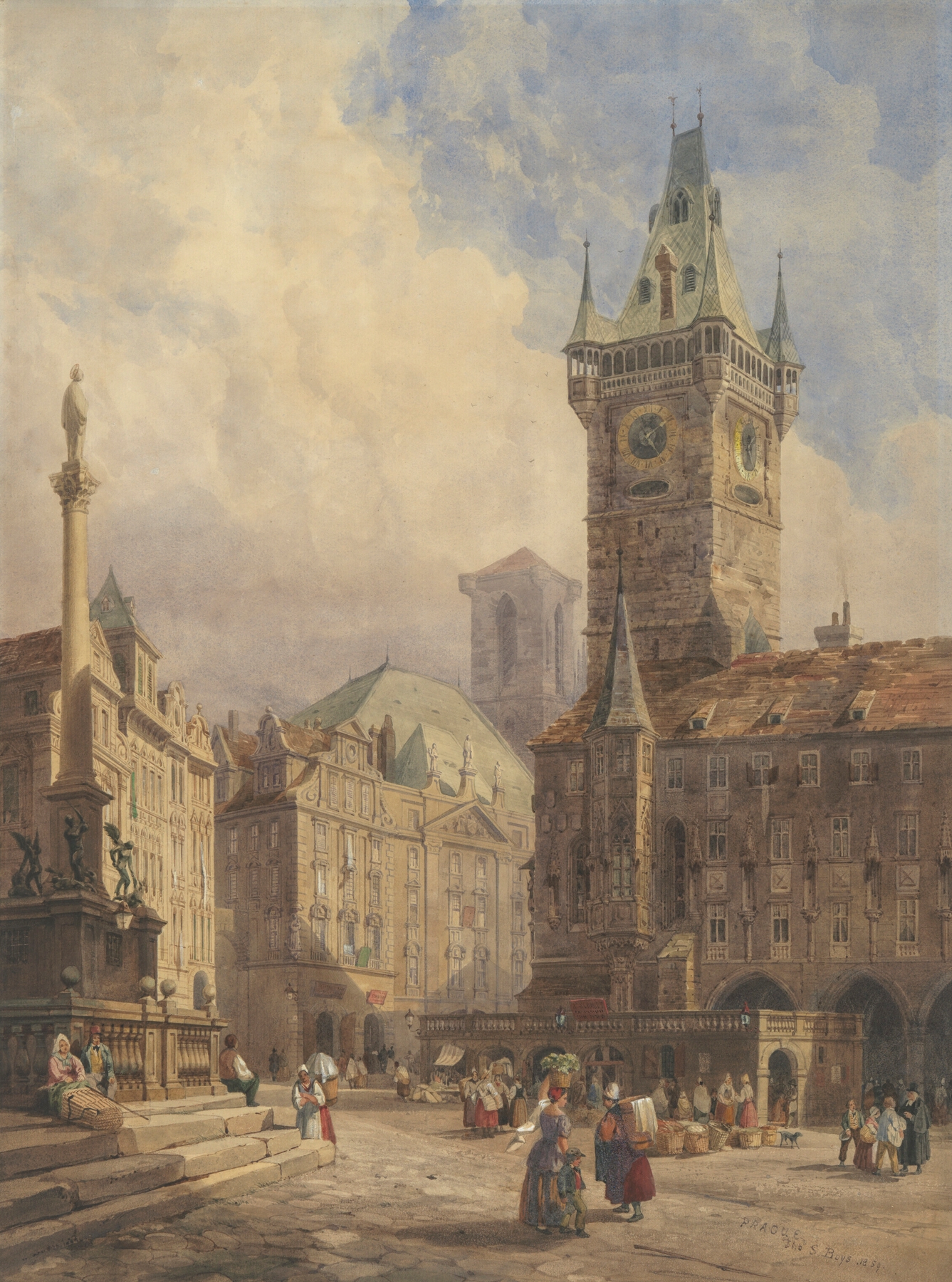
“Under the brush, chaos becomes grace.” How does the divine emerge from the everyday wall of bustling streets and historic facades? Look closely at the intricately detailed architecture that dominates the canvas. The Hôtel Cluny stands proud in the foreground, its intricate stonework carved with elegance and precision. Notice how the light bathes the structure, casting soft shadows that play around its arches, inviting our gaze to dance along the contours of its grand entrance. The subtle transitions in color—from warm earth tones to cooler blues—create an atmospheric depth, echoing the whispers of history that linger in the air. Amidst the picturesque scene, there’s a juxtaposition of serenity and movement. On one side, a silent observer—perhaps a traveler lost in thought—contrasts sharply with the animated figures bustling around the monument. This subtle tension between stillness and action pulls us into the heart of Paris, a city where the sacred often intertwines with the mundane. Look for the small details, like the floral motifs adorning the wrought-iron gates, symbolizing the fleeting nature of beauty and life itself. Thomas Shotter Boys painted this work during a time of significant change in the art world, likely in the mid-19th century while residing in London. It was an era marked by the rise of realism and a shift towards capturing everyday moments with honesty and precision. Boys, often recognized for his architectural landscapes, sought to bridge the gap between the classical beauty of structures and the vibrant life that envelops them, reflecting the dynamic spirit of his time.