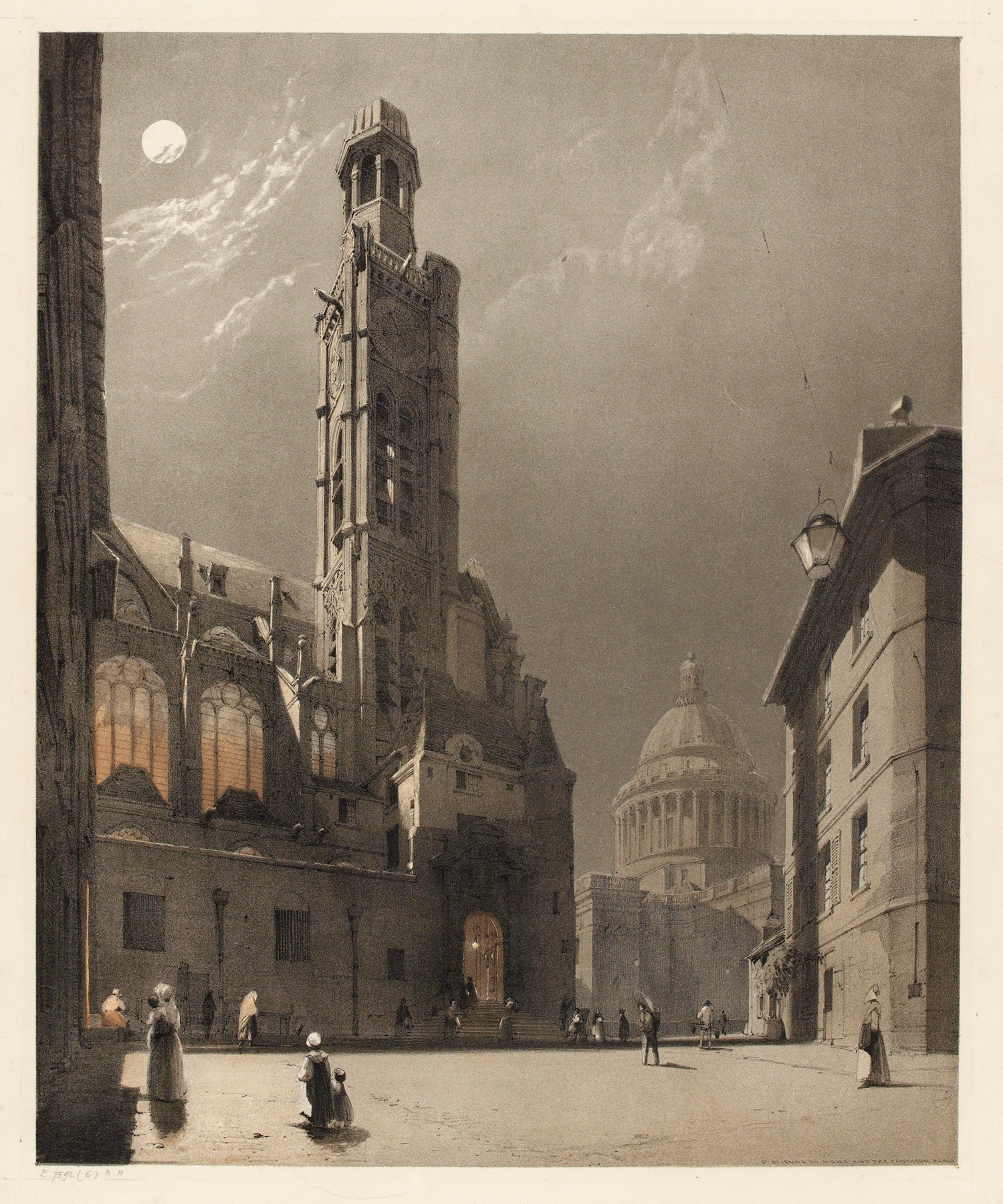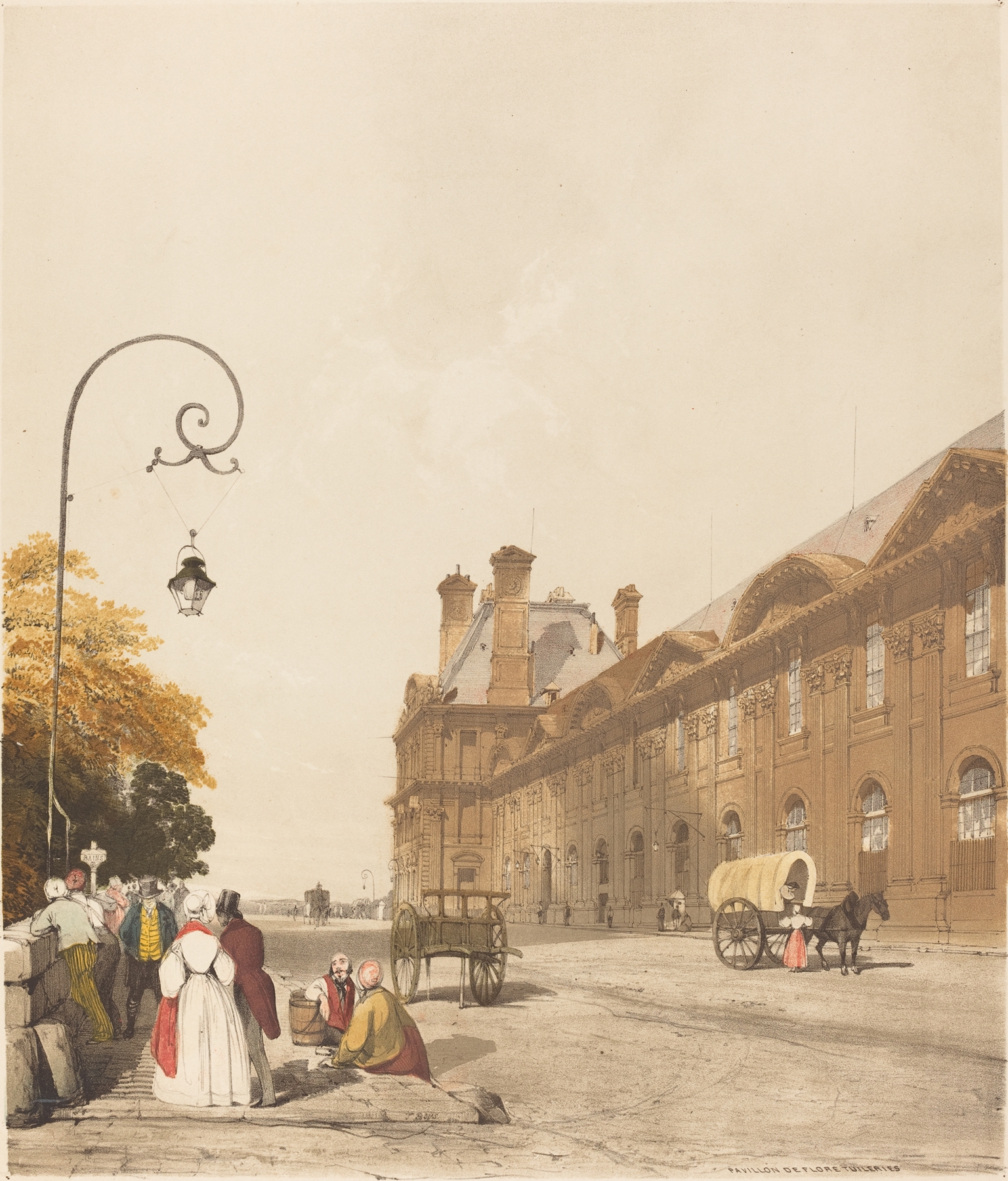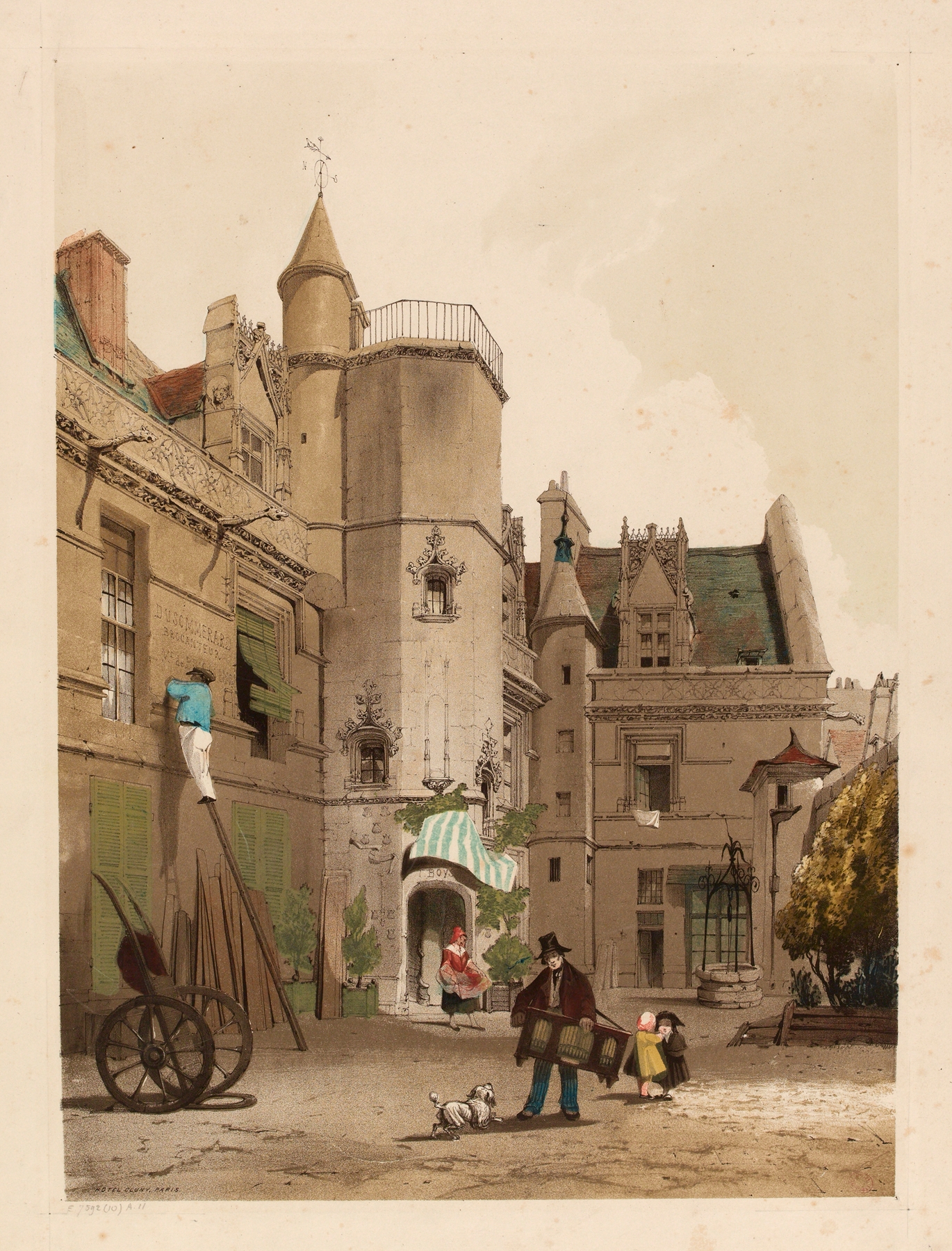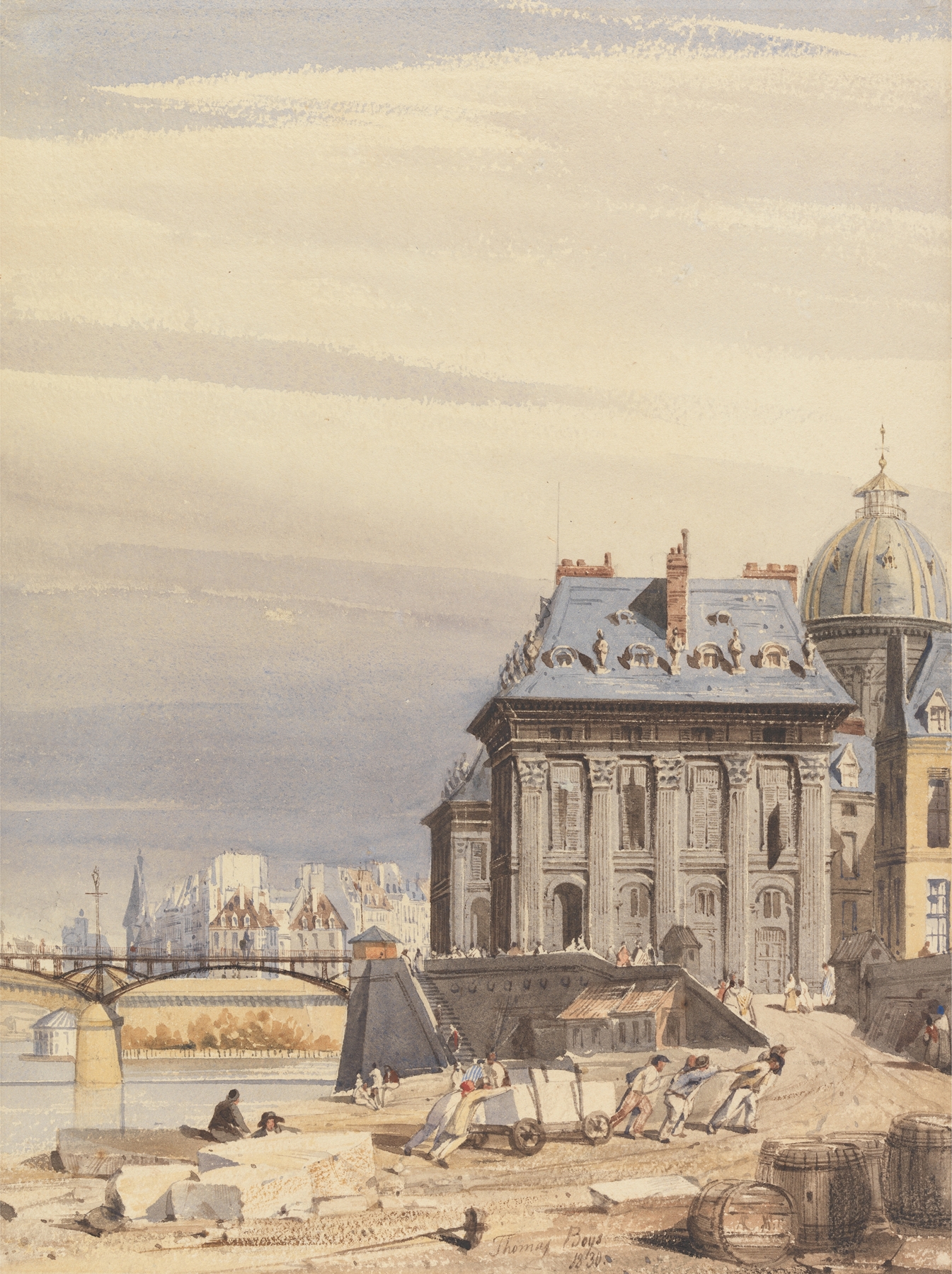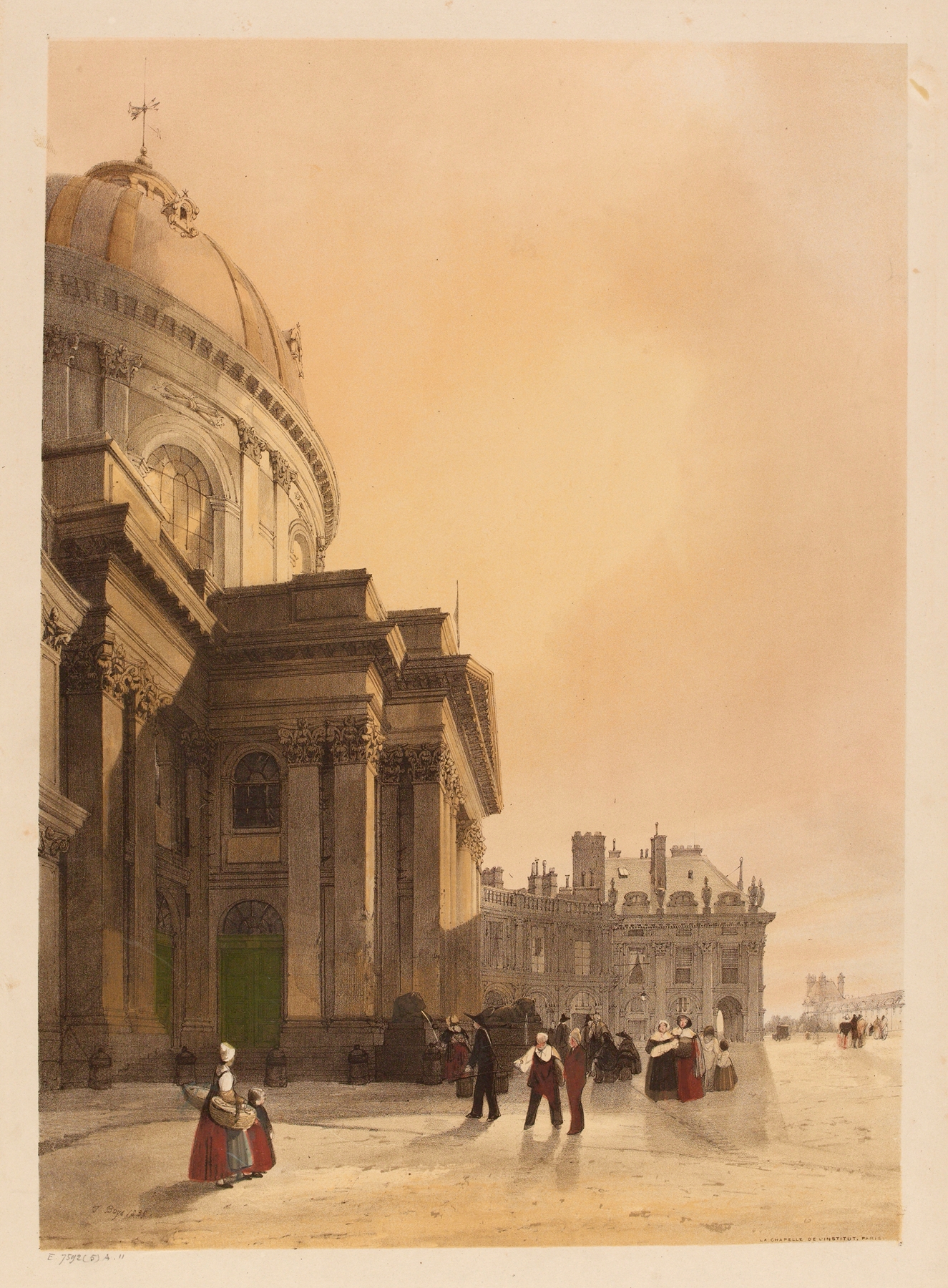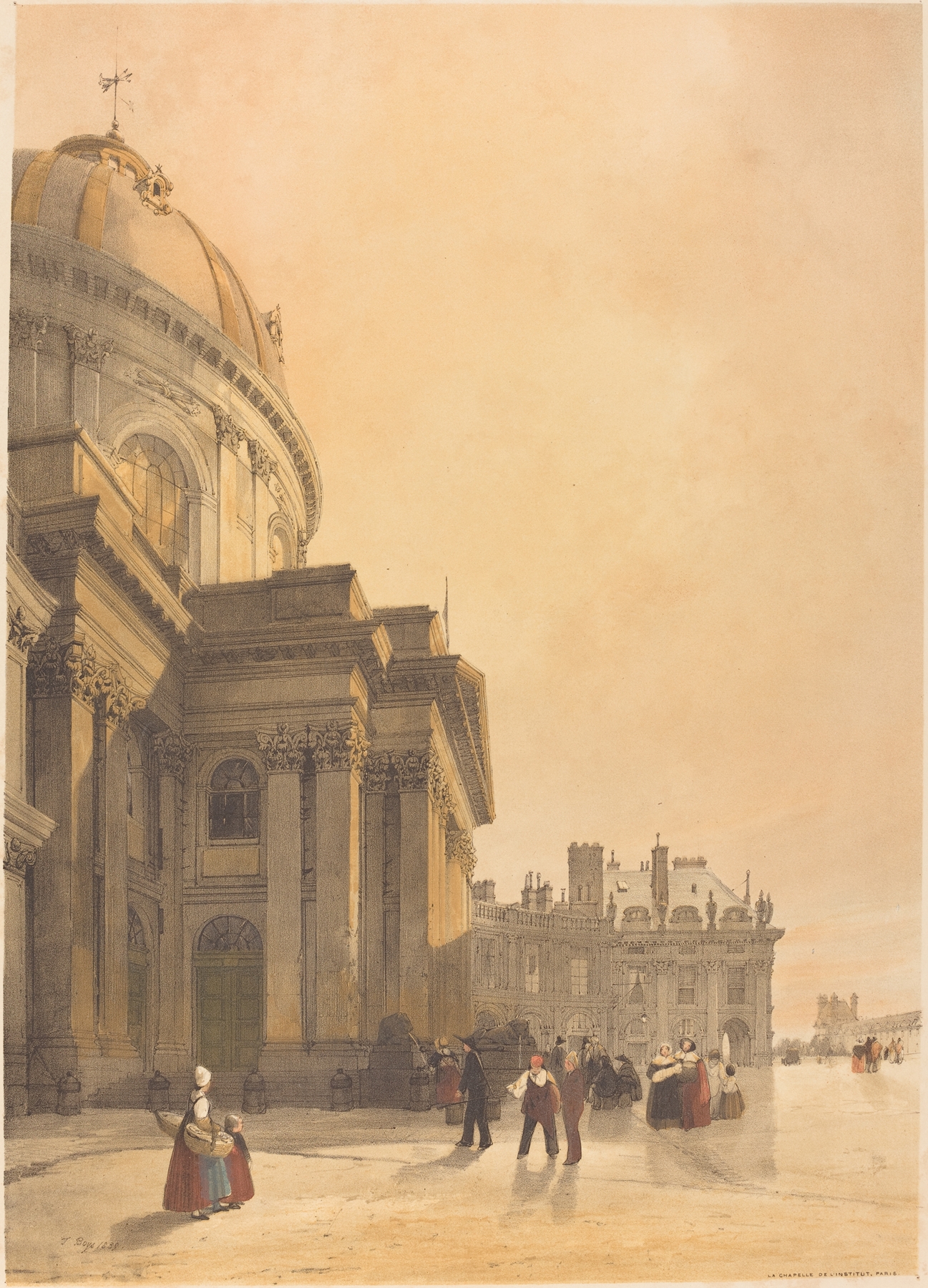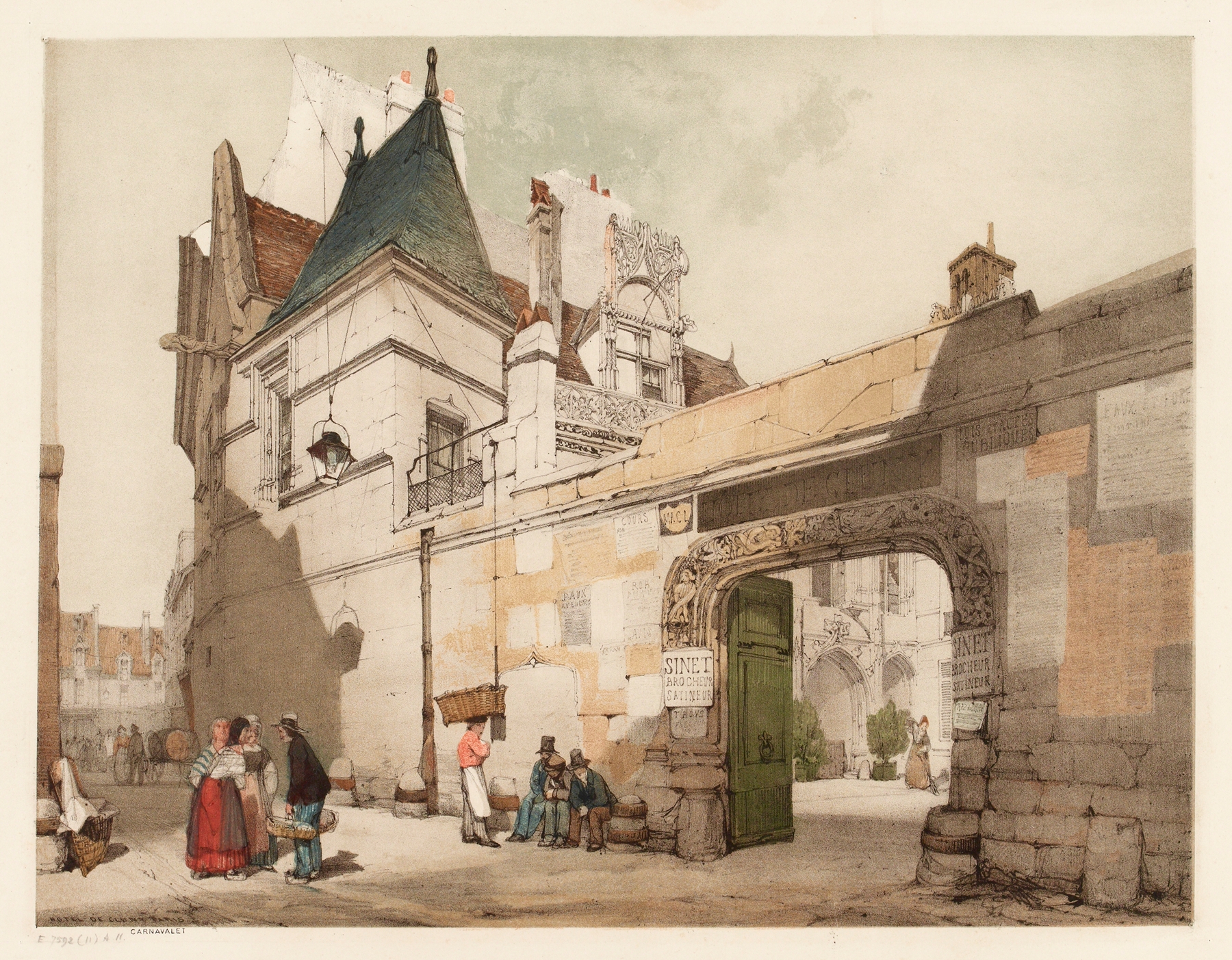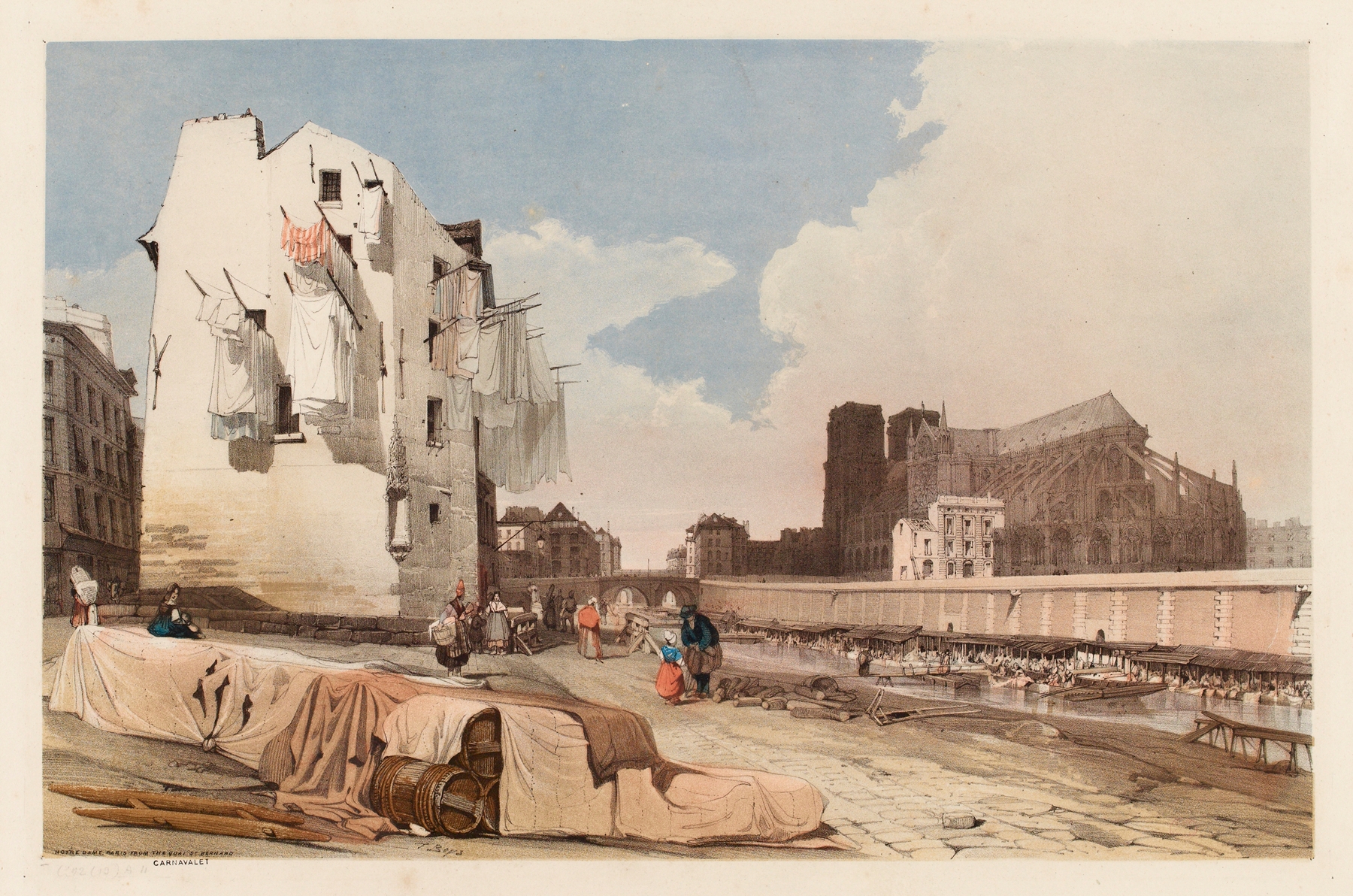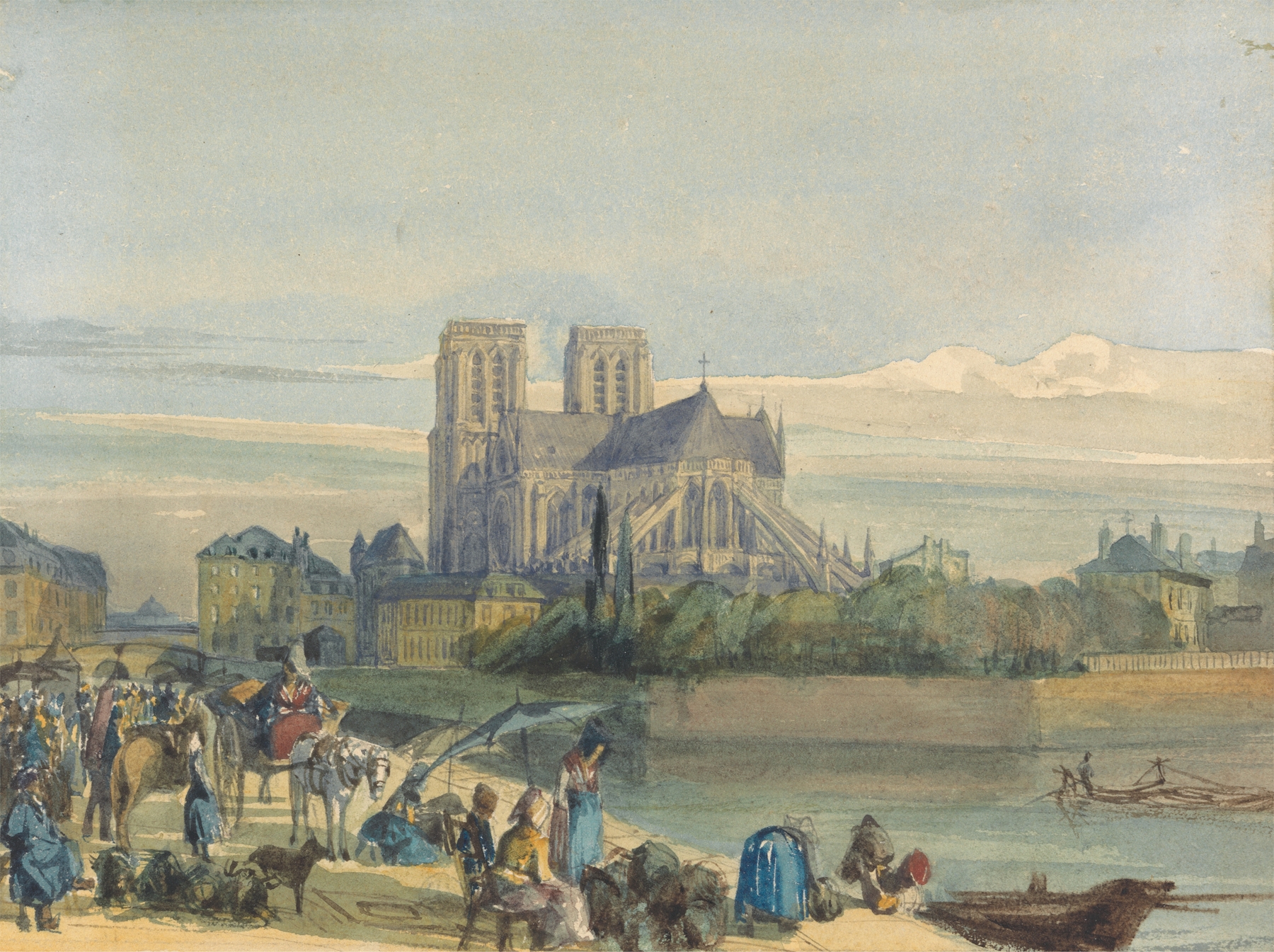
“Sometimes beauty is just pain, disguised in gold.” The striking allure of *Notre Dame, Paris* serves as a haunting reminder of how grandeur often masks deeper truths beneath its surface. Look to the intricate details of the cathedral’s facade, where each arch and spire draws the eye with a graceful yet imposing presence. Notice how the warm sunlight bathes the stone in a golden hue, casting long shadows that hint at the passage of time. The rich blues and soft grays in the sky create a stunning backdrop, breathing life into the scene while simultaneously evoking a sense of melancholy, as if the very stones hold whispers of past sorrows. Beneath the surface, the juxtaposition of light and shadow reveals an emotional landscape shaped by history. The majestic structure, a symbol of faith and endurance, stands resilient amidst the impermanence of life. The bustling figures in the foreground, seemingly lost in their daily routines, are dwarfed by the cathedral’s magnificence, prompting reflection on humanity's fragile existence against the backdrop of timeless beauty. Created during a period of personal and artistic tumult for the painter, this work emerged between 1831 and 1845, a time when the world was witnessing a rapid transformation in art and society. Shotter Boys was deeply influenced by the Romantic movement, capturing the essence of both architectural heritage and the emotional resonance of urban landscapes. His portrayal of Notre Dame encapsulates not only his artistic vision but also the collective memory of a city in flux, as Paris itself was evolving through revolutions and a burgeoning modernity.