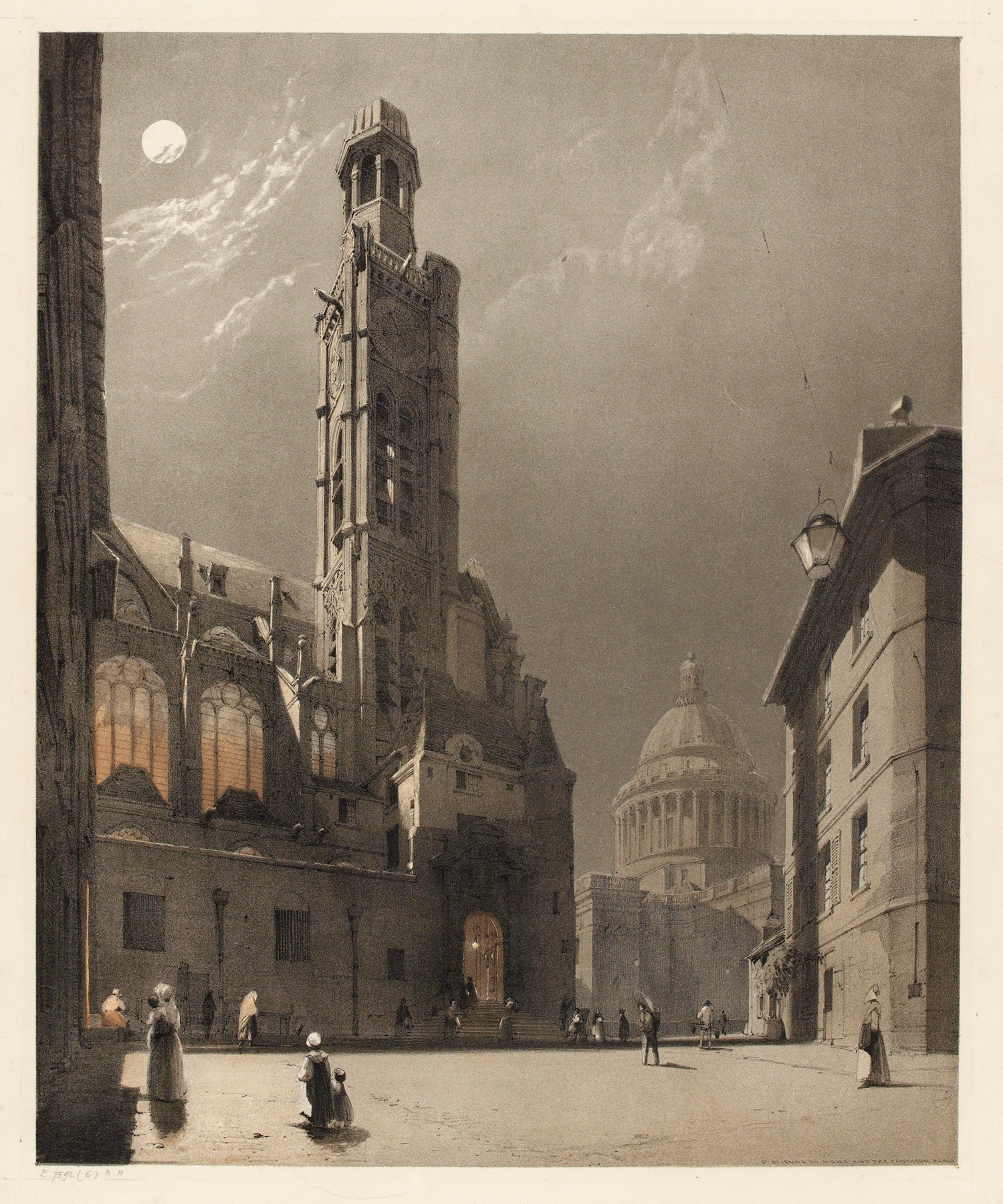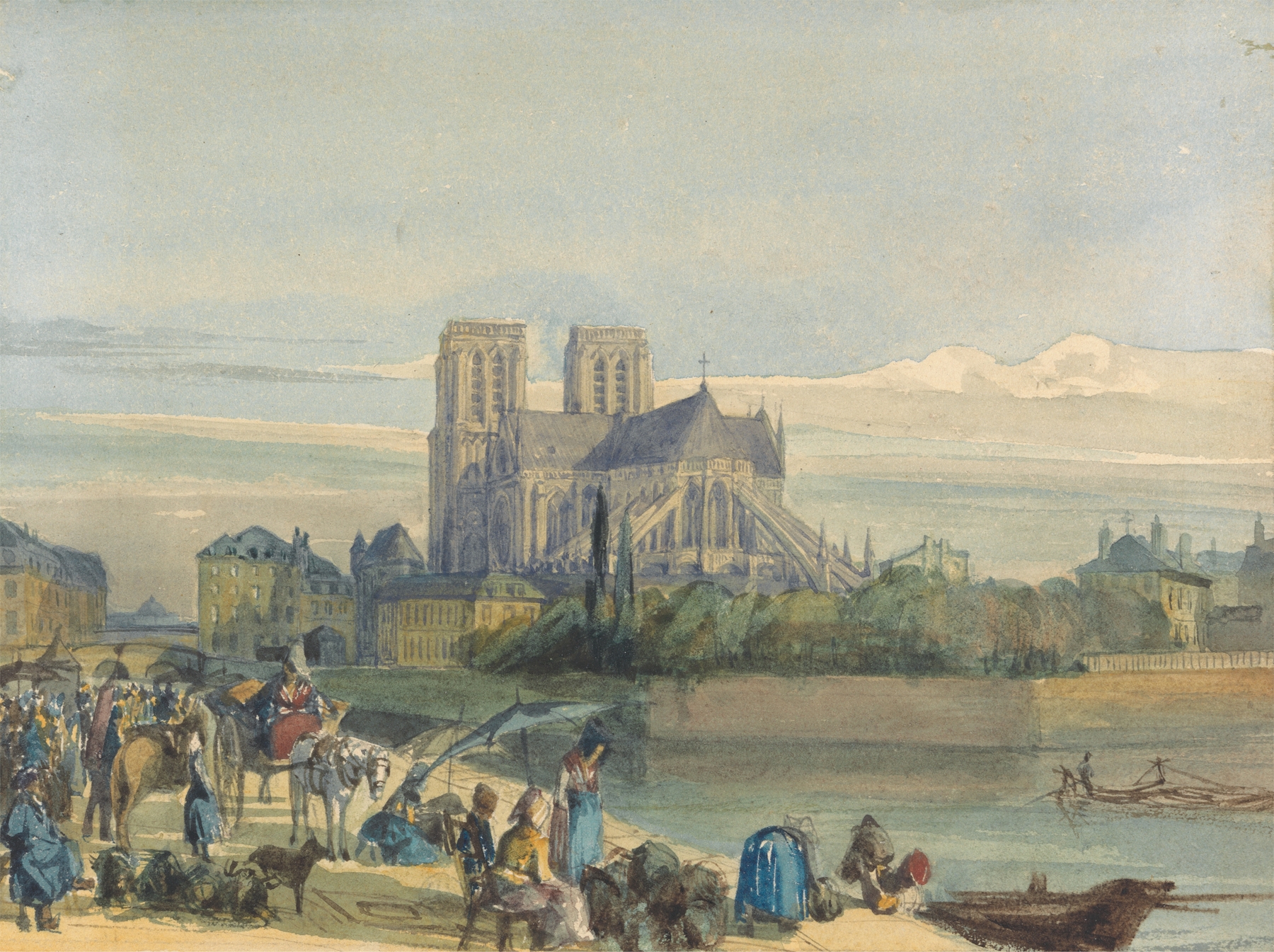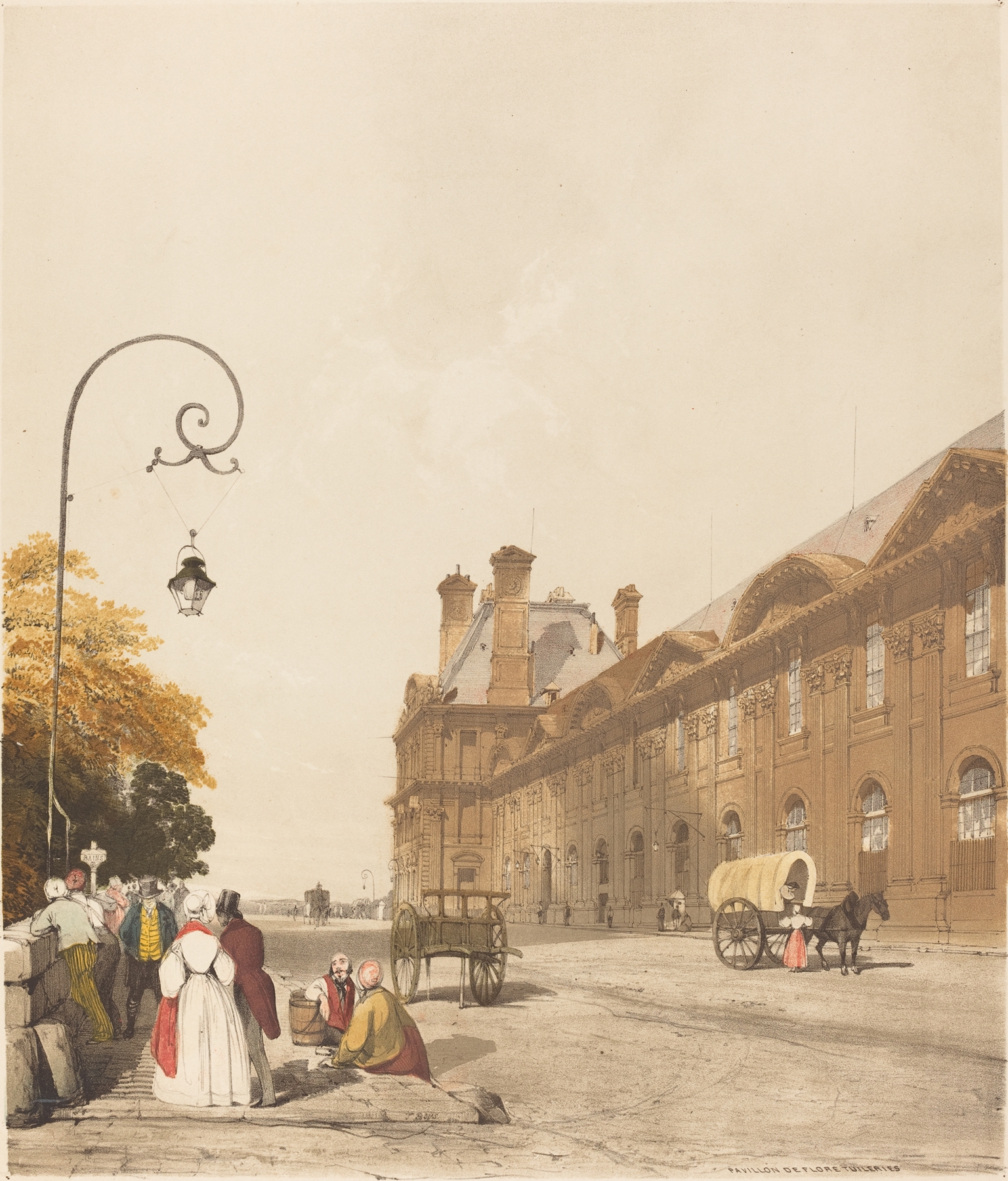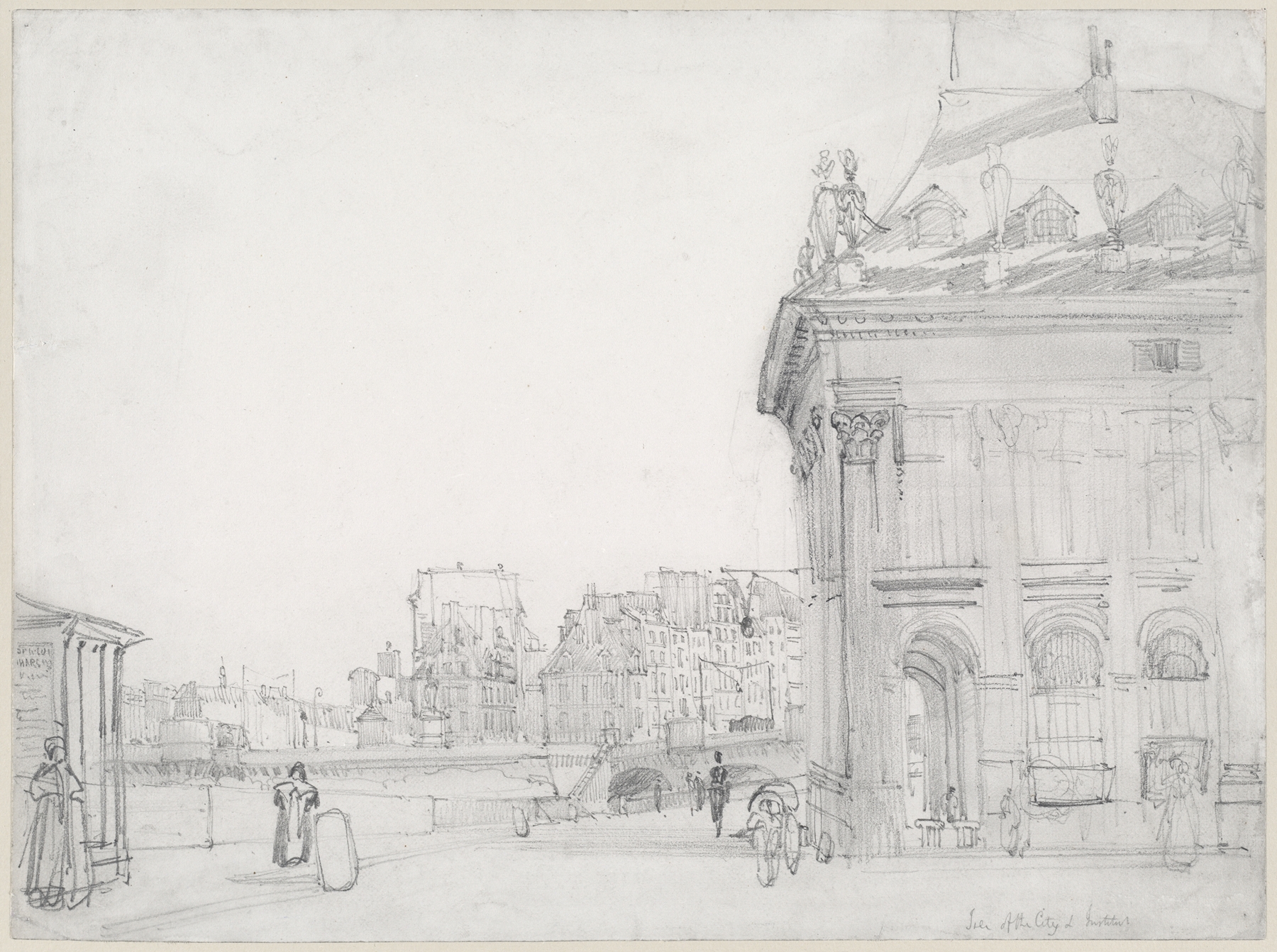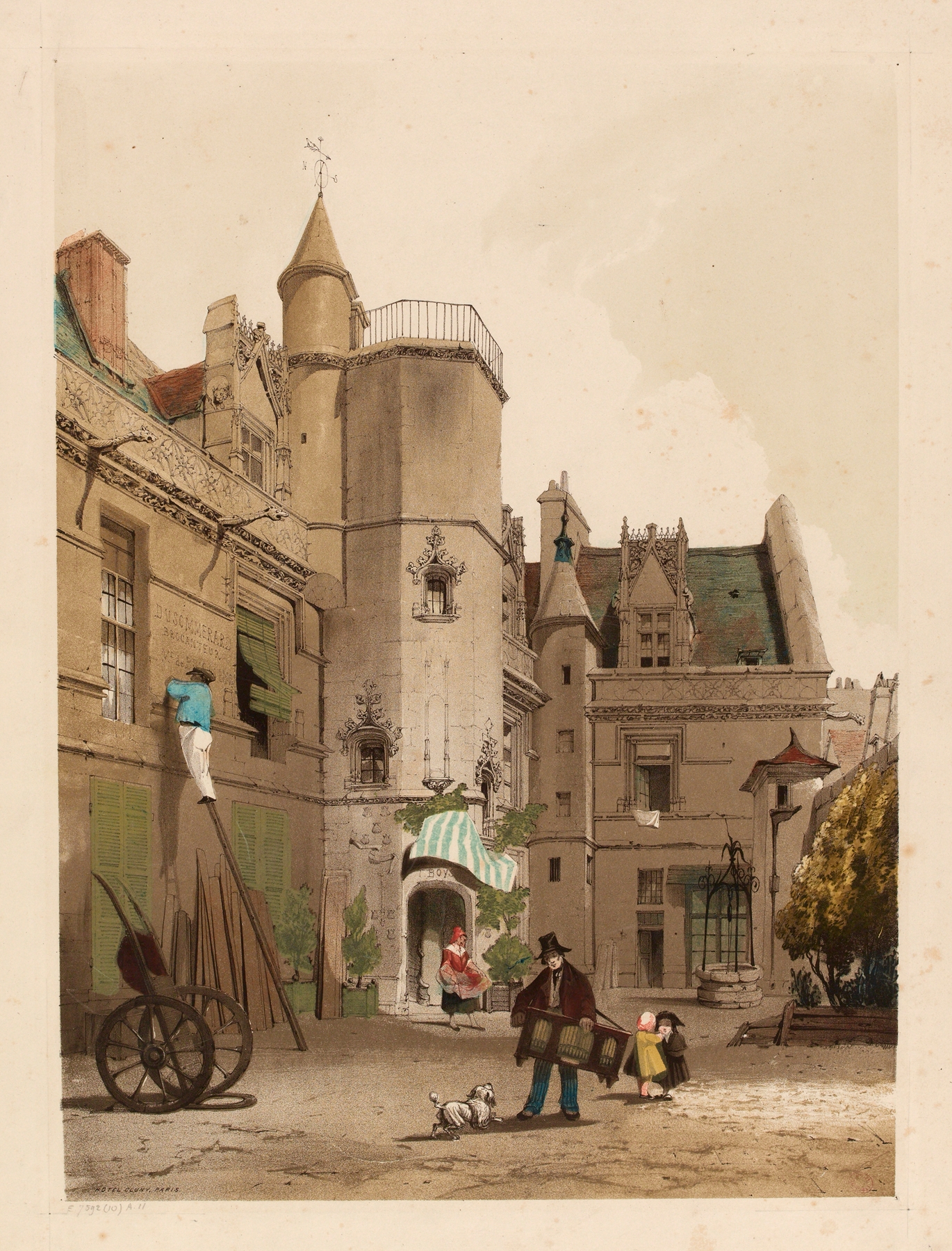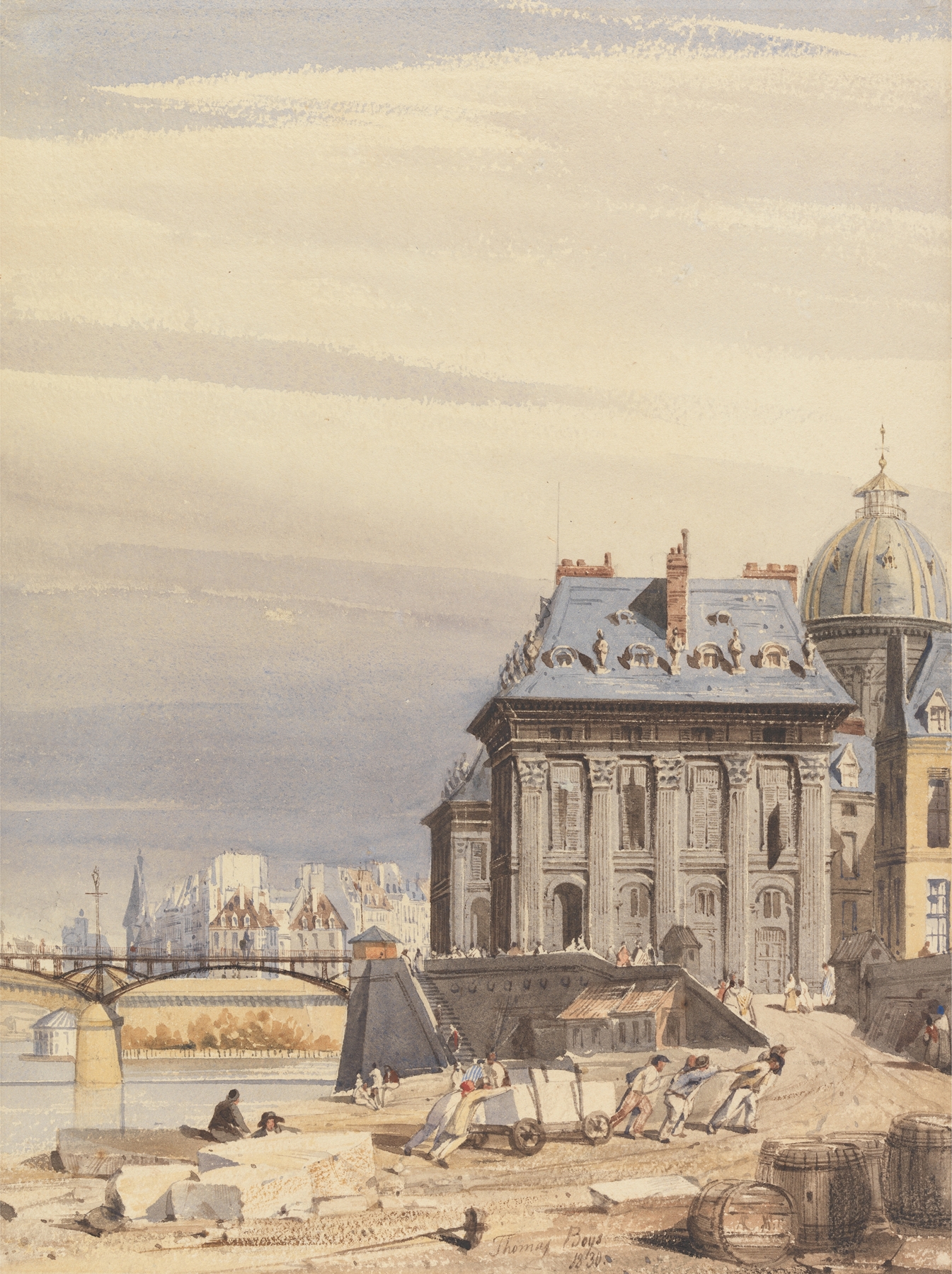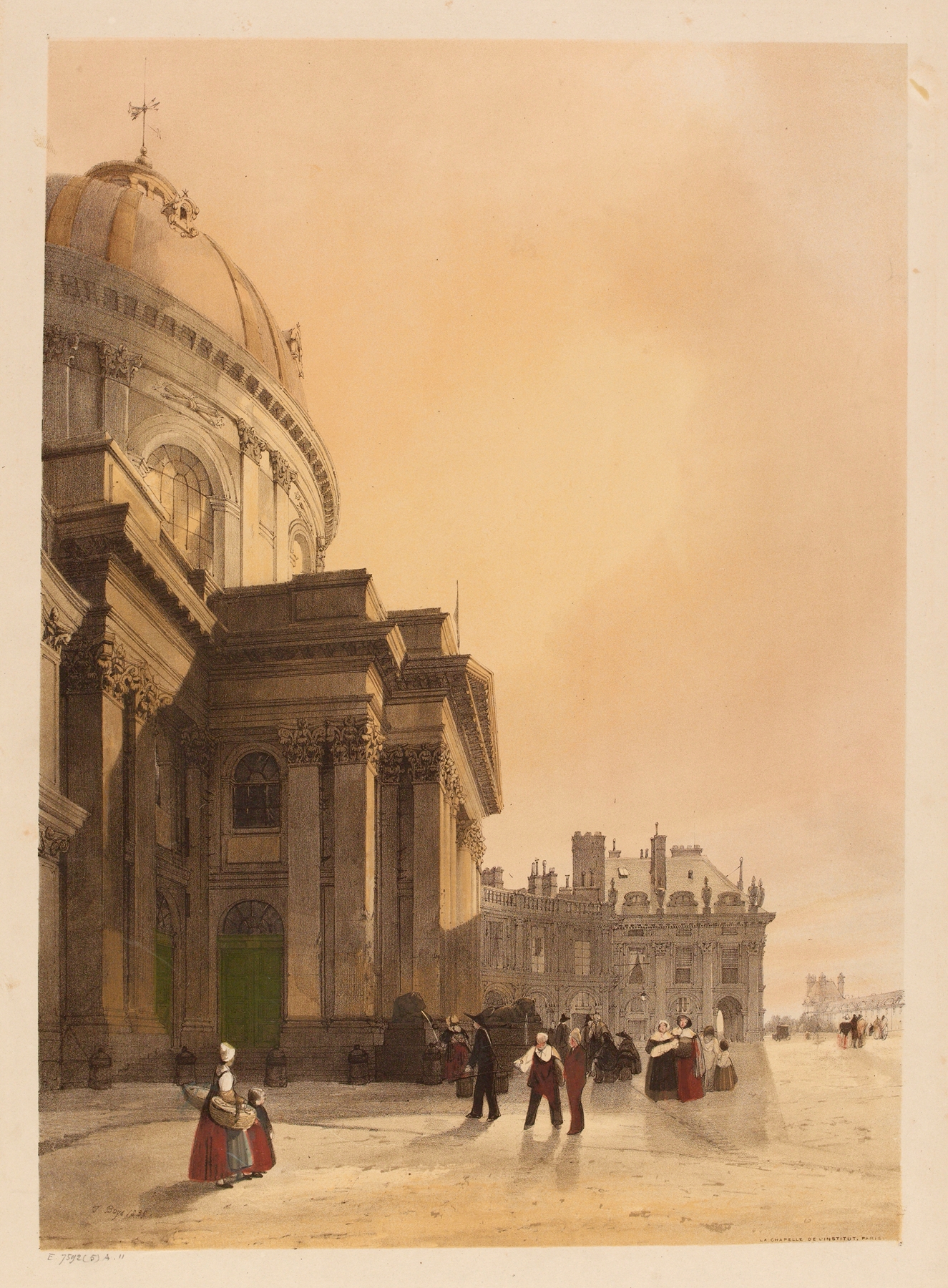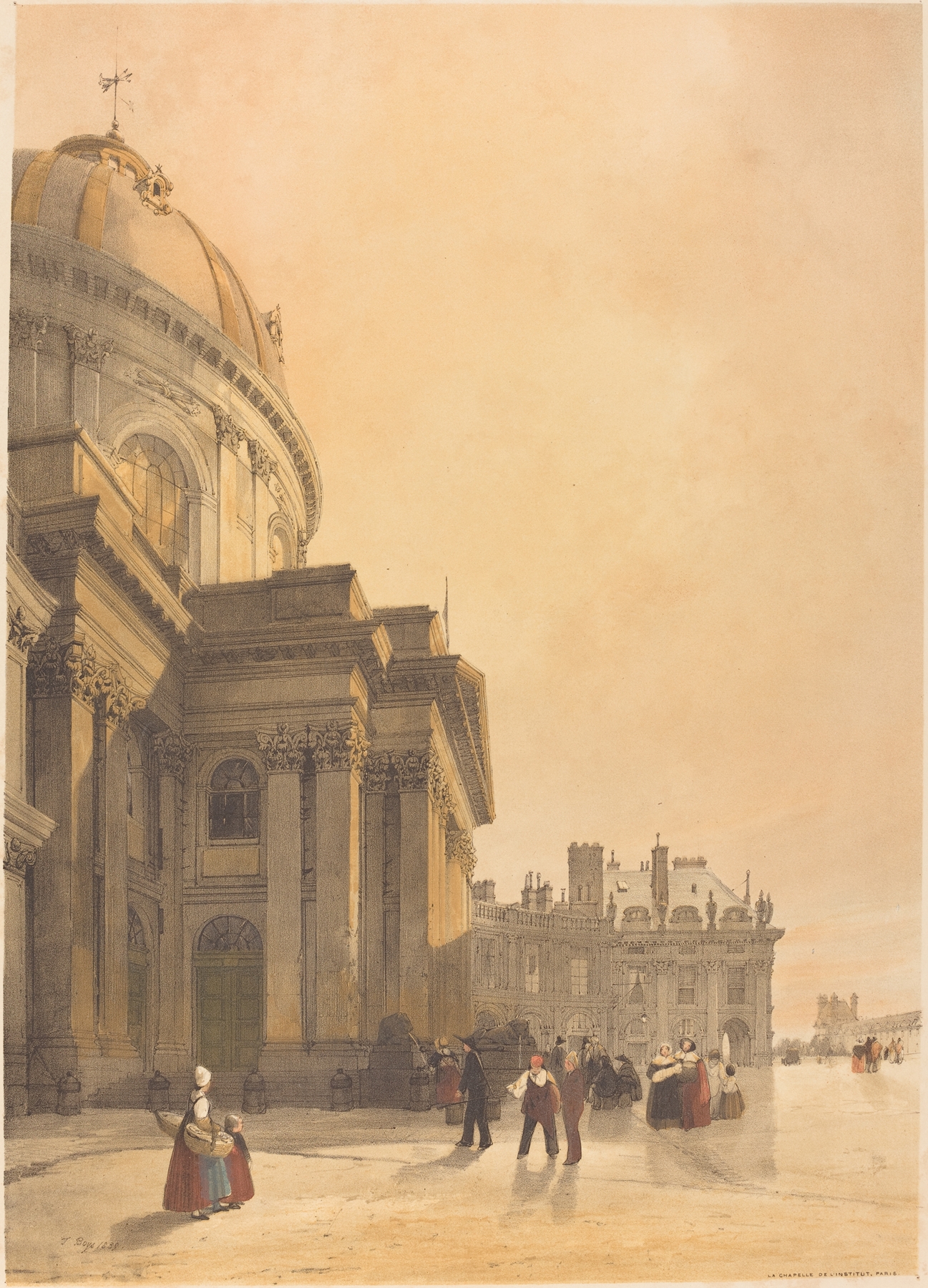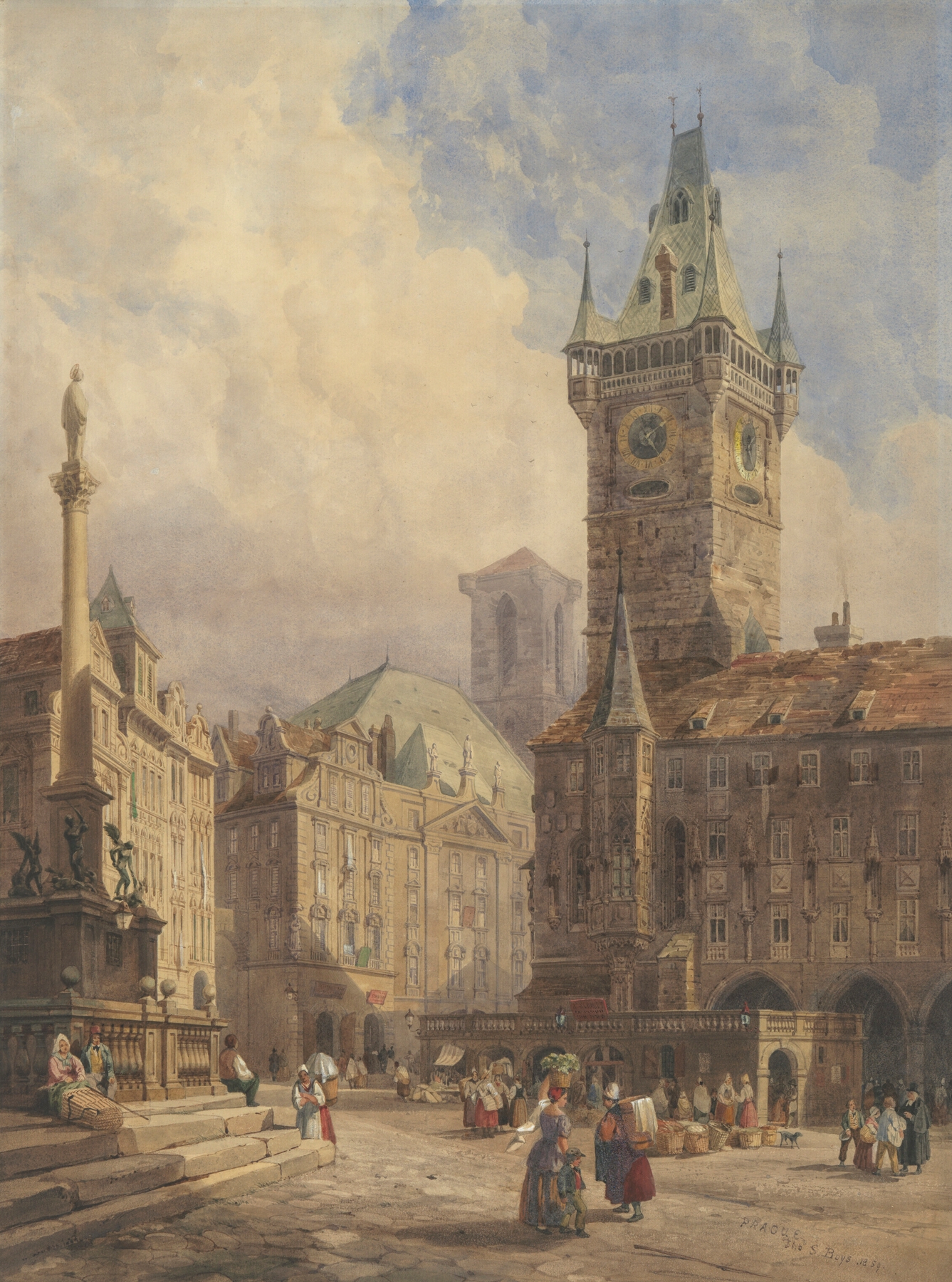
“To paint is to remember what time wants us to forget.” In this delicate dreamscape of Prague, the ephemeral nature of memory coalesces into a vivid tableau, inviting a deeper exploration of the past. Look to the center where the Rathaus, the ornate town hall, stands majestically against the soft wash of cerulean sky. The intricate details of its Gothic architecture are rendered with a tender brush, capturing the play of light and shadow that dances across its façade. The colorful palette infused with hues of ochre and sienna mirrors the warmth of a late afternoon, while the unobtrusive figures below remind us of the lives that pulse through this historic square. Yet, hidden within the gentle contours of the scene lies a profound contrast between permanence and transience. The grandeur of the building speaks to the resilience of history, while the fleeting moments of the pedestrians hint at the fragility of individual experience. Each figure, small and indistinct, represents a story half-remembered, lost to the passage of time—a reminder that every dream has its awakening. In 1859, while residing in the vibrant art scene of London, Thomas Shotter Boys turned his attention to capturing the essence of European cities, particularly Prague. This era was defined by a growing appreciation for Romanticism and a fascination with capturing landscapes that evoke emotion. Boys’ brushwork and attention to detail reflect the artistic transitions of his time, marking a moment in which memory and reality intertwined through vibrant imagery.