Le casino à Nice — History & Analysis
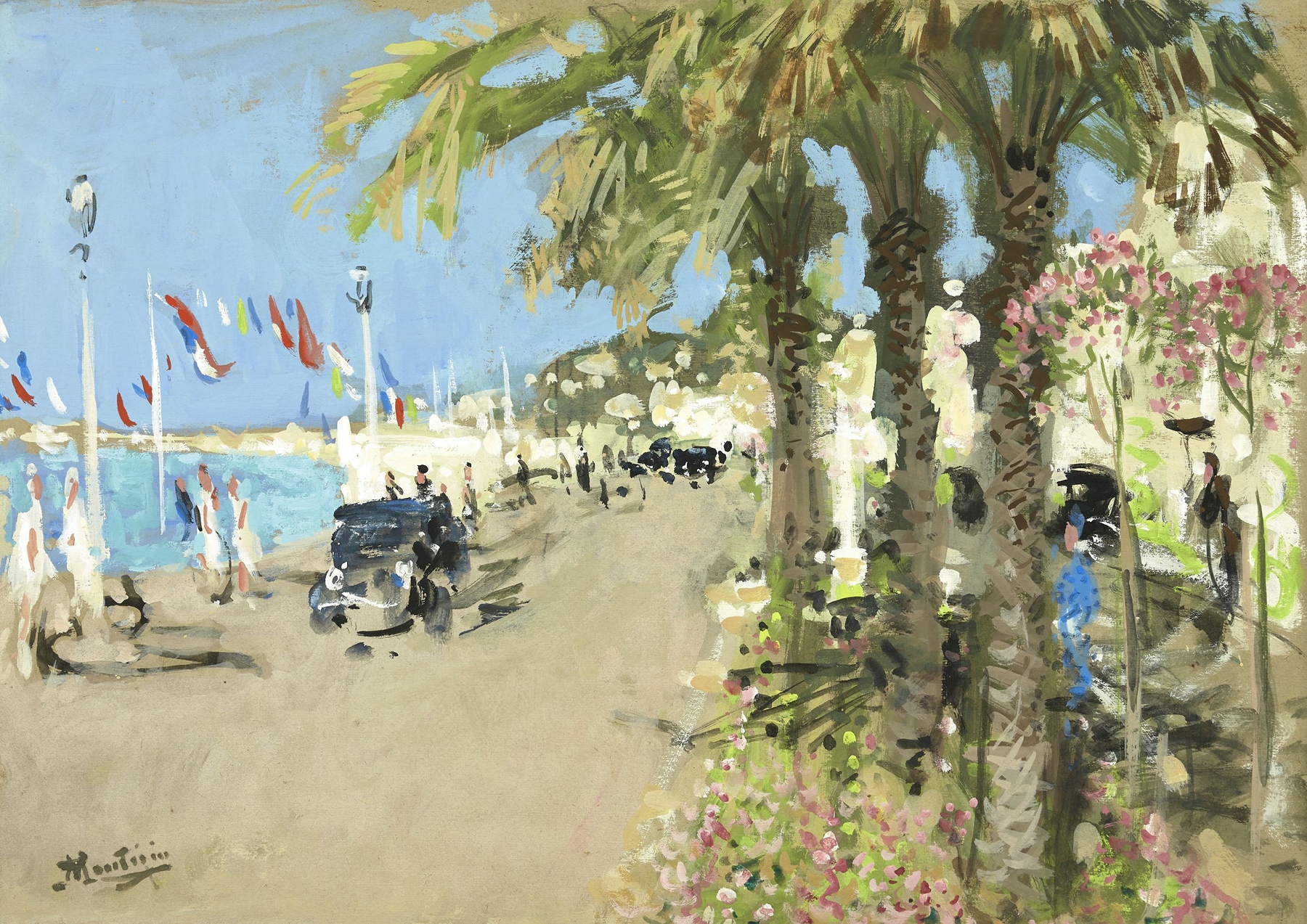
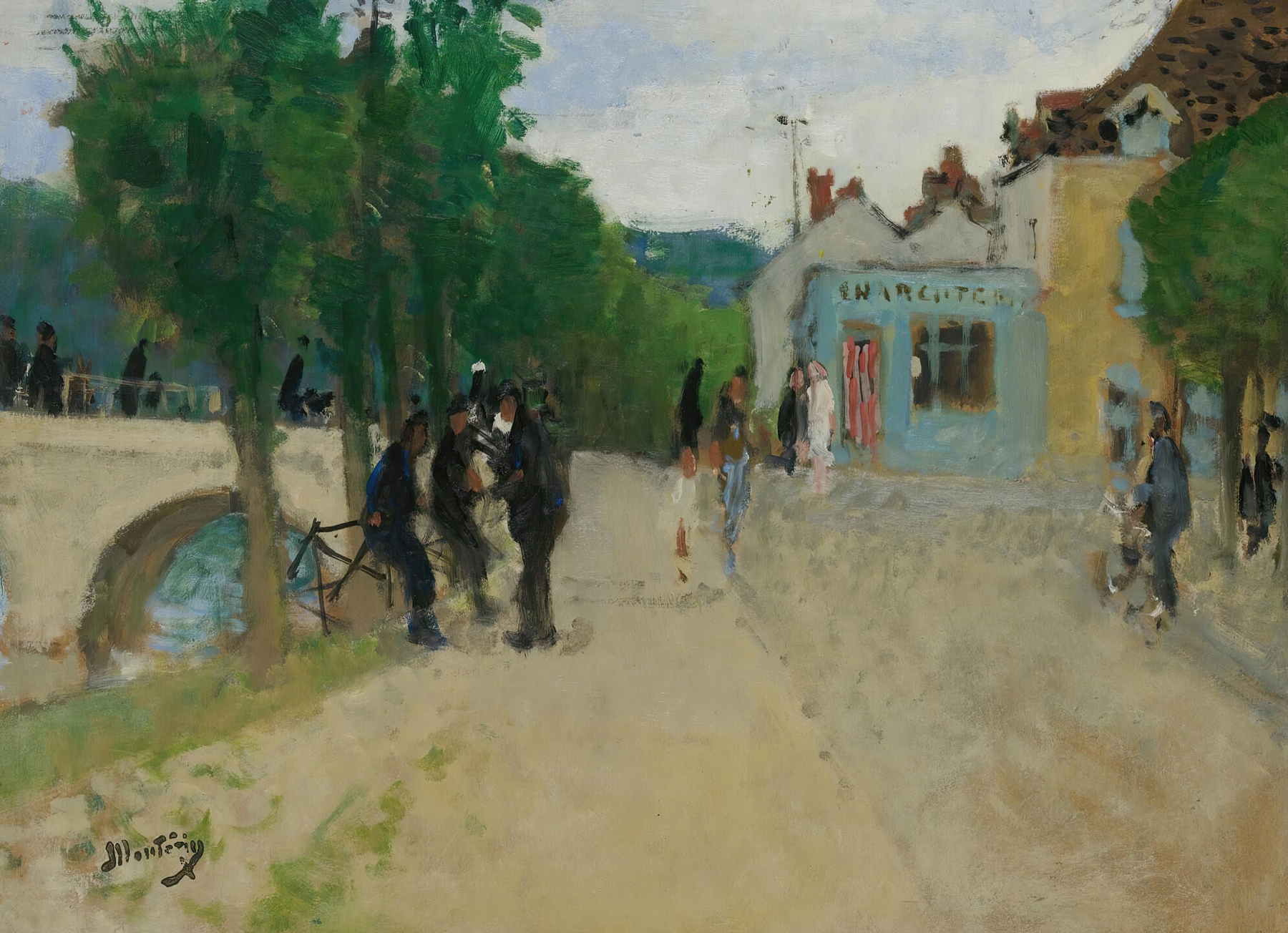
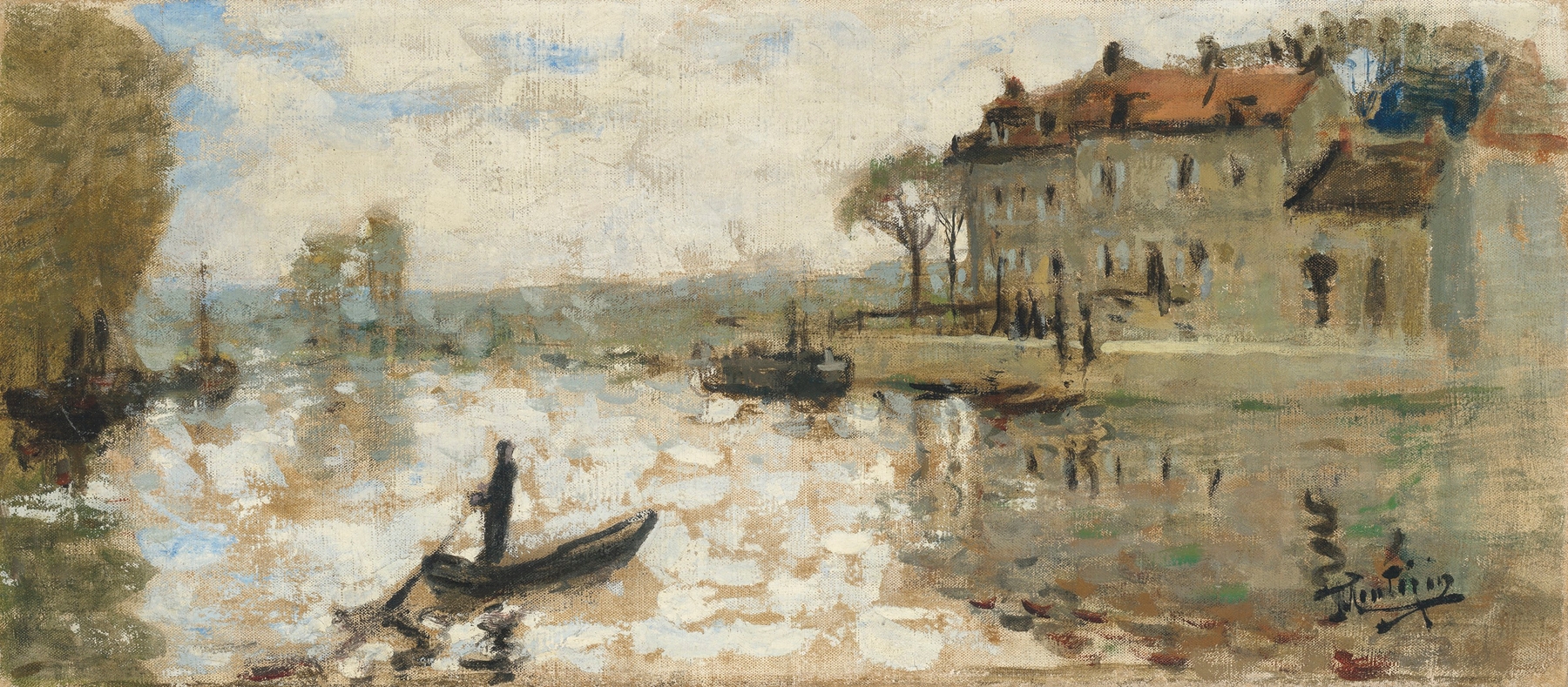
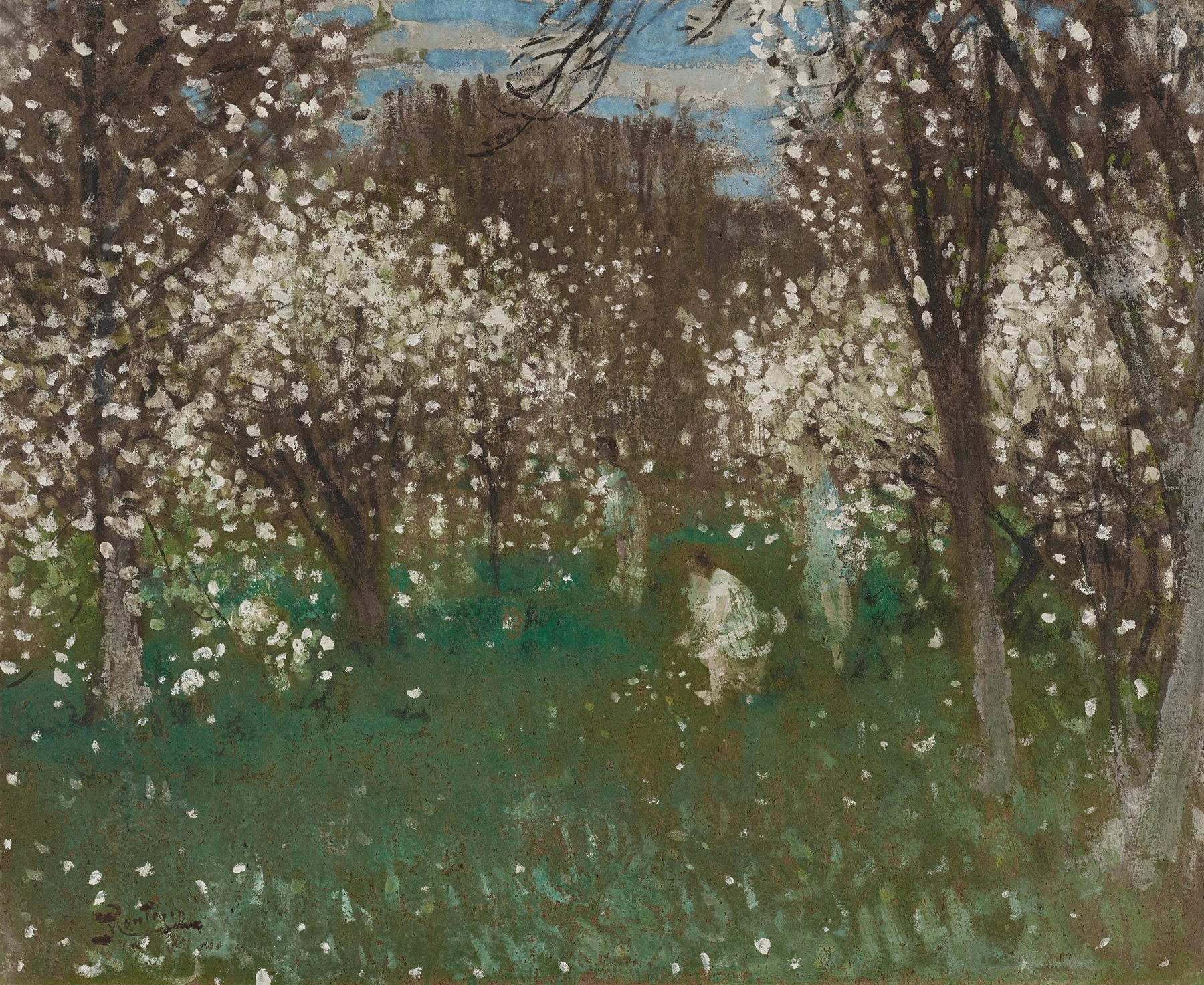
Who listens when art speaks of silence? In the stillness of Le casino à Nice, a world unfolds where truth rests beneath layers of color and form. Focus your attention on the vibrant hues of the palm trees, their lush greens contrasting against the warm, inviting glow of the casino's facade. The architecture stands proud in the background, a monument of sophisticated leisure, while light dances off the surface of a nearby fountain, inviting your gaze to linger on its serene reflections.
Notice the subtle interplay of shadows and illuminated spaces that suggest an evening breeze, encapsulating the gentle rhythm of life in this seaside haven. Beneath the surface, the painting reveals a deeper narrative. The scattered figures, absorbed in their own worlds, reflect a collective solitude amidst the vibrancy of their surroundings. Each person, though part of the lively scene, appears disconnected, evoking a poignant tension between the exuberance of the casino and the isolation of individual experience.
This contrast invites the viewer to ponder the truths hidden in the bustling chaos of social life. Created during the early 20th century, Le casino à Nice emerged from Montézin's explorations of color and light in the realm of Impressionism. At this time, he was living in France, capturing the essence of leisure and the shifting dynamics of society as it began to embrace modernity. The artist's work reflects not only his personal vision but also a broader cultural moment, as the world sought beauty in both joy and solitude.