La maison nº24 de la rue Vieille-du-Temple — History & Analysis
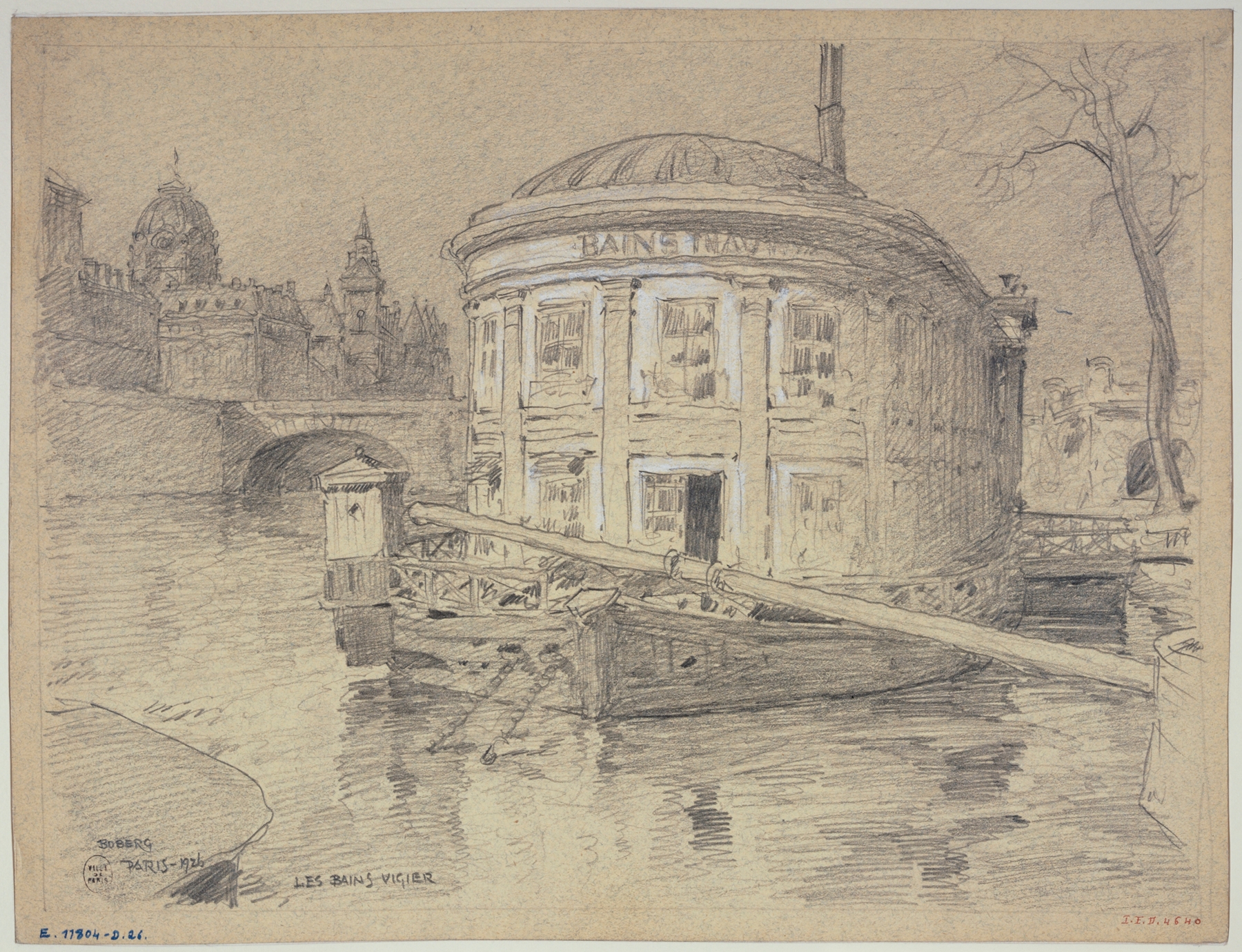
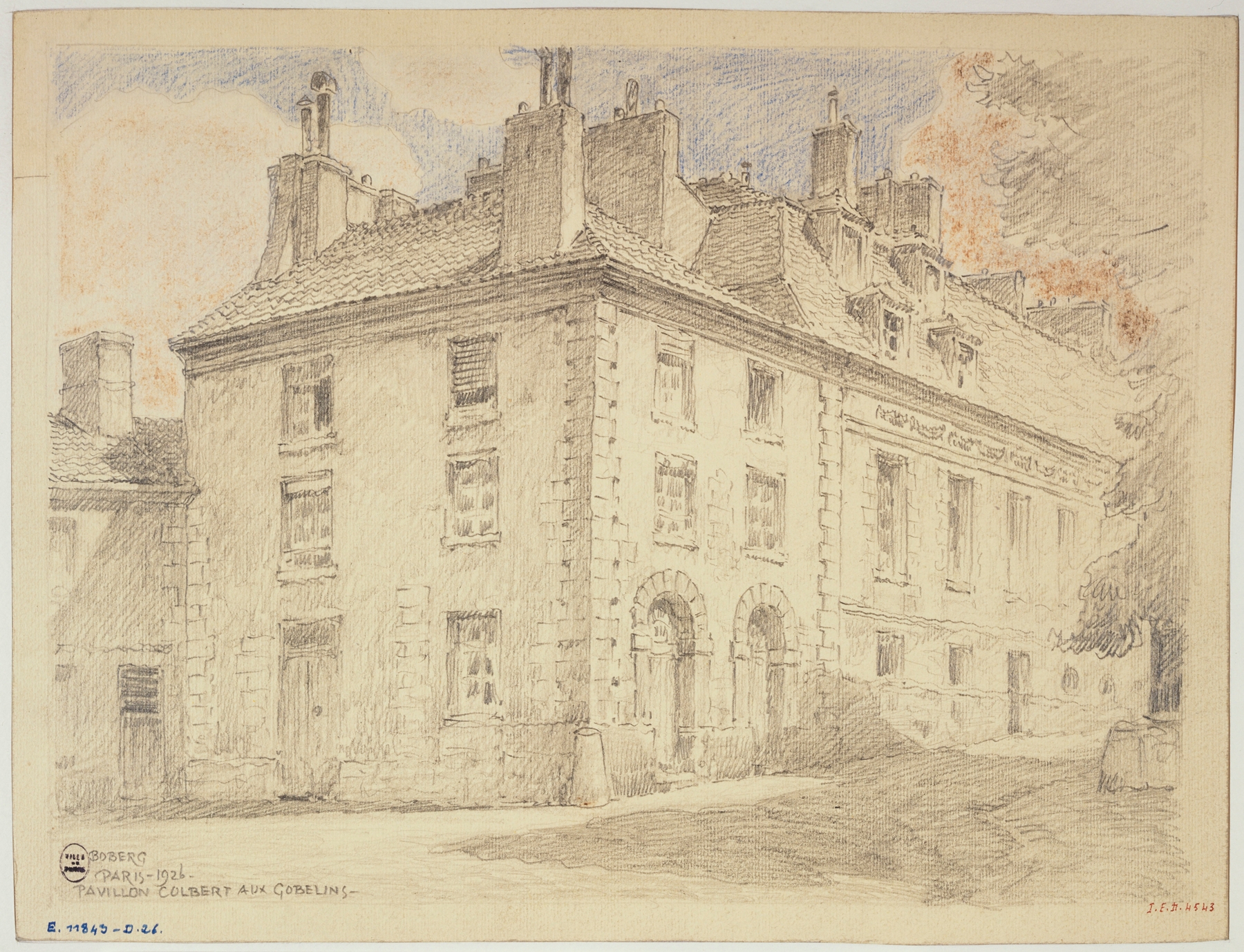
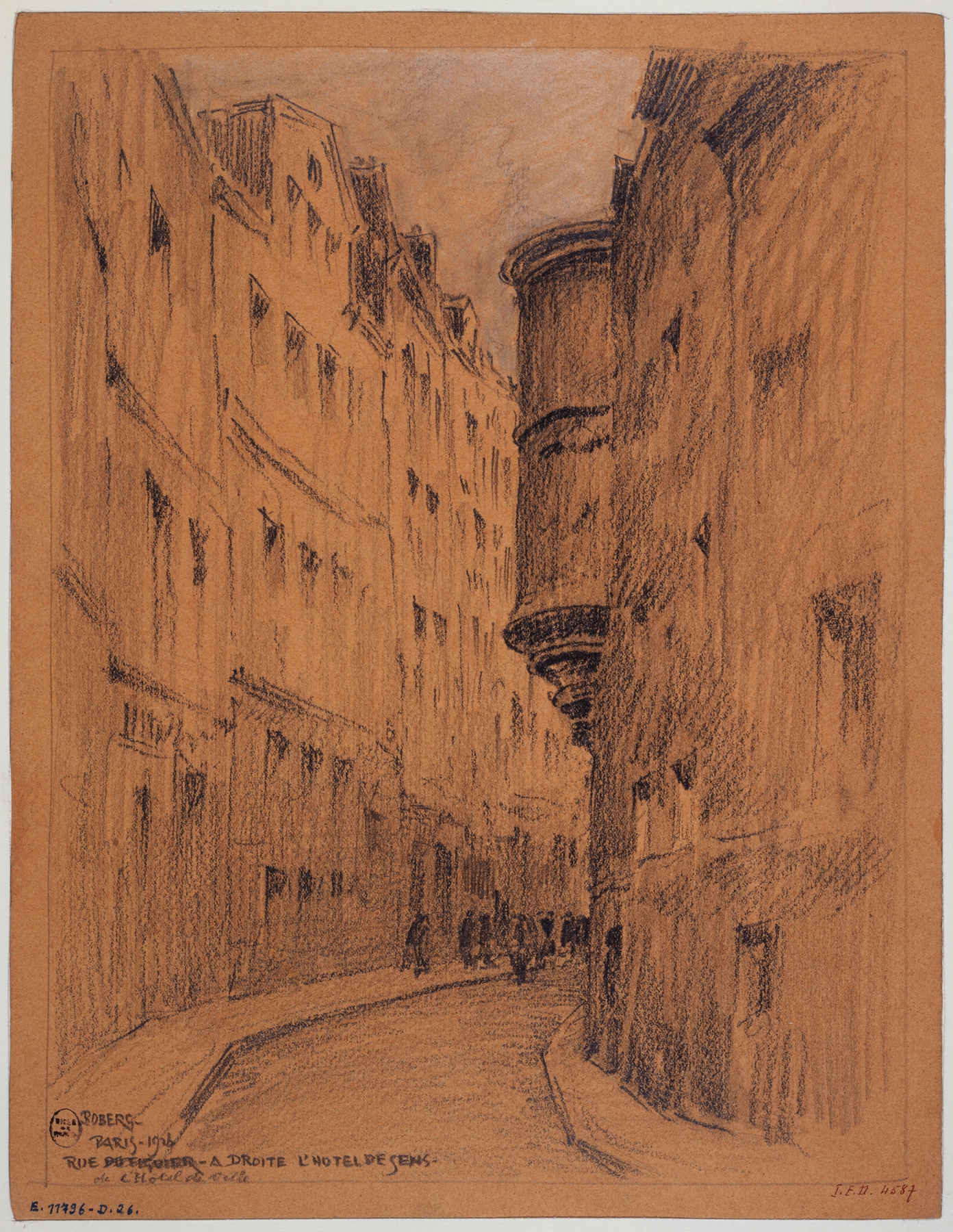
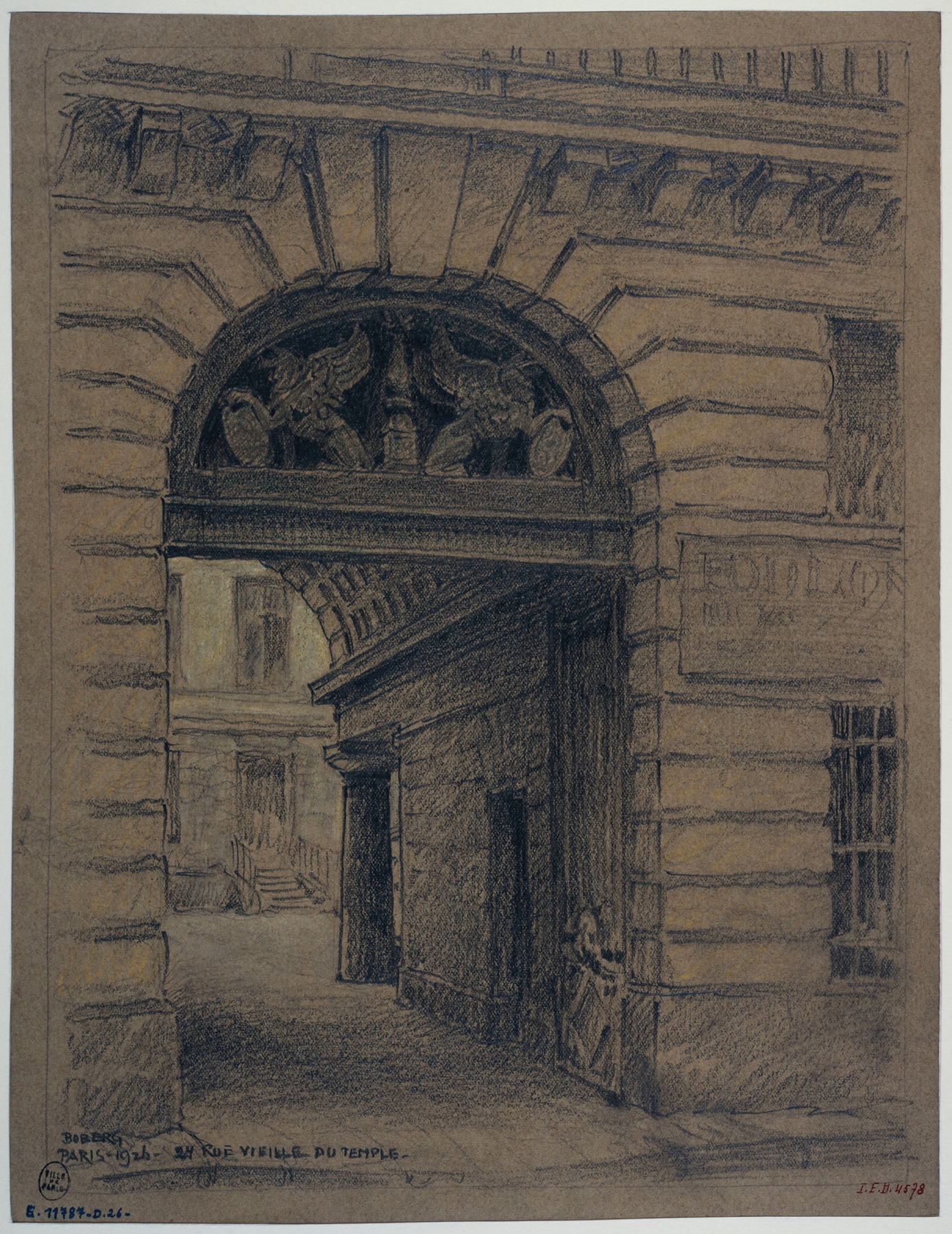
Could a single brushstroke hold eternity? In the stillness of *La maison nº24 de la rue Vieille-du-Temple*, a profound loneliness seeps through the walls of a solitary structure, standing quietly amid the bustling Parisian life. Look to the left at the muted ochres and grays, where the sun softly kisses the facade, illuminating the delicate textures of the aged building. Notice how the shadows play along the doorway, inviting yet foreboding, as if whispering secrets of those who have tread there before. The composition creates an intimate focus, allowing the viewer to feel the passage of time, while the remarkable precision of Boberg's technique reveals a masterful control over light that renders the ordinary extraordinary. Within this solitary scene, contrasts abound. The warm glow emanating from the windows speaks to life inside, but the stark emptiness of the street hints at an isolation that looms large. The balance between warmth and desolation evokes a bittersweet nostalgia, allowing us to ponder the stories hidden within these walls. Each brushstroke seems to echo the unresolved tension between human connection and solitude, inviting reflection on our own experiences. In 1926, Ferdinand Boberg was immersed in the vibrant art scene of Paris, a city that was both alive with creativity and fraught with personal challenges. At this time, he was refining his unique style, blending traditional realism with newer, more emotional interpretations. This piece encapsulates a moment in his career where he explored the nuances of architectural space and its emotional resonance, weaving together the personal and the universal in a profound way.