Le pont Corneille à Rouen — History & Analysis
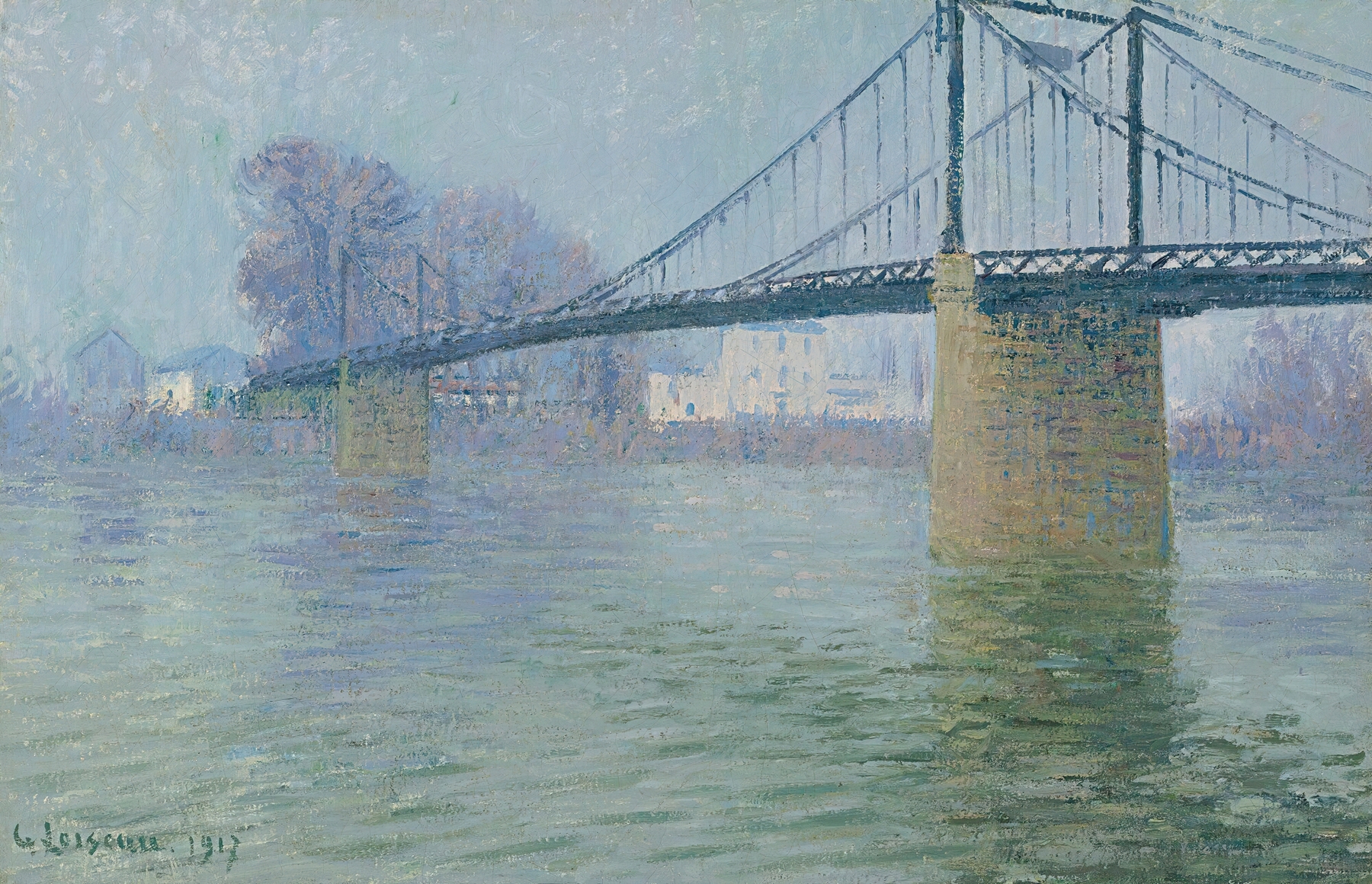
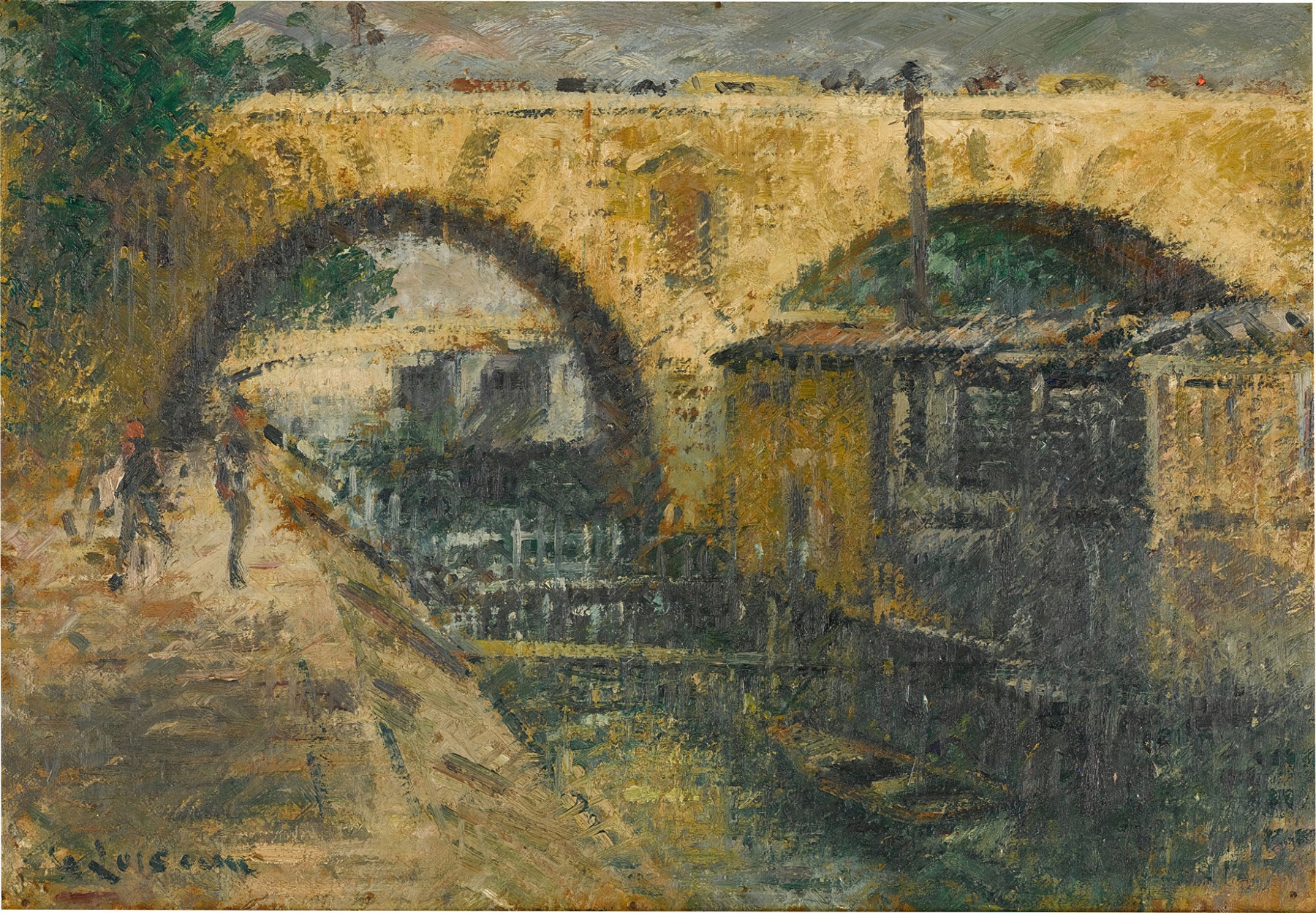
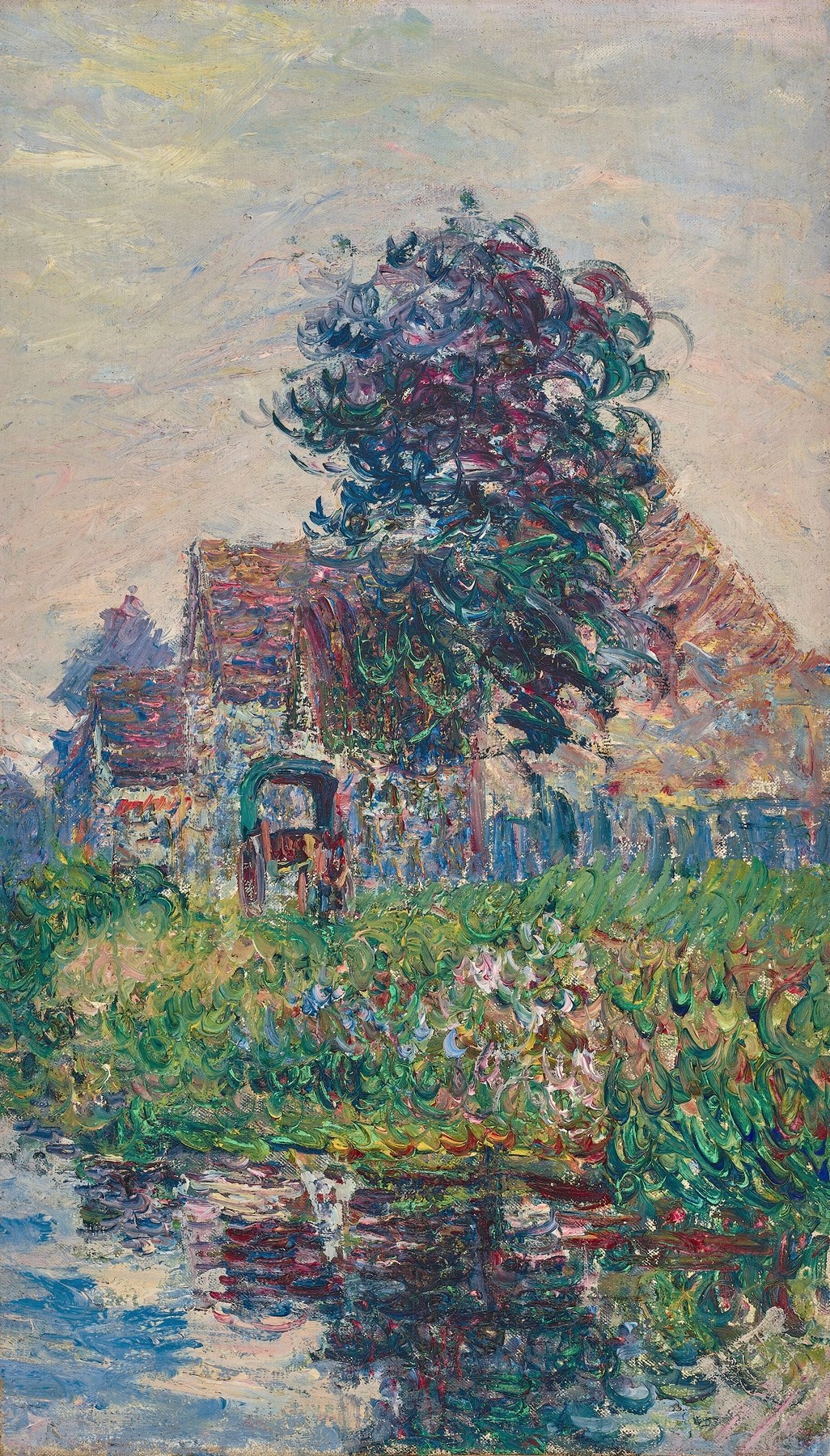
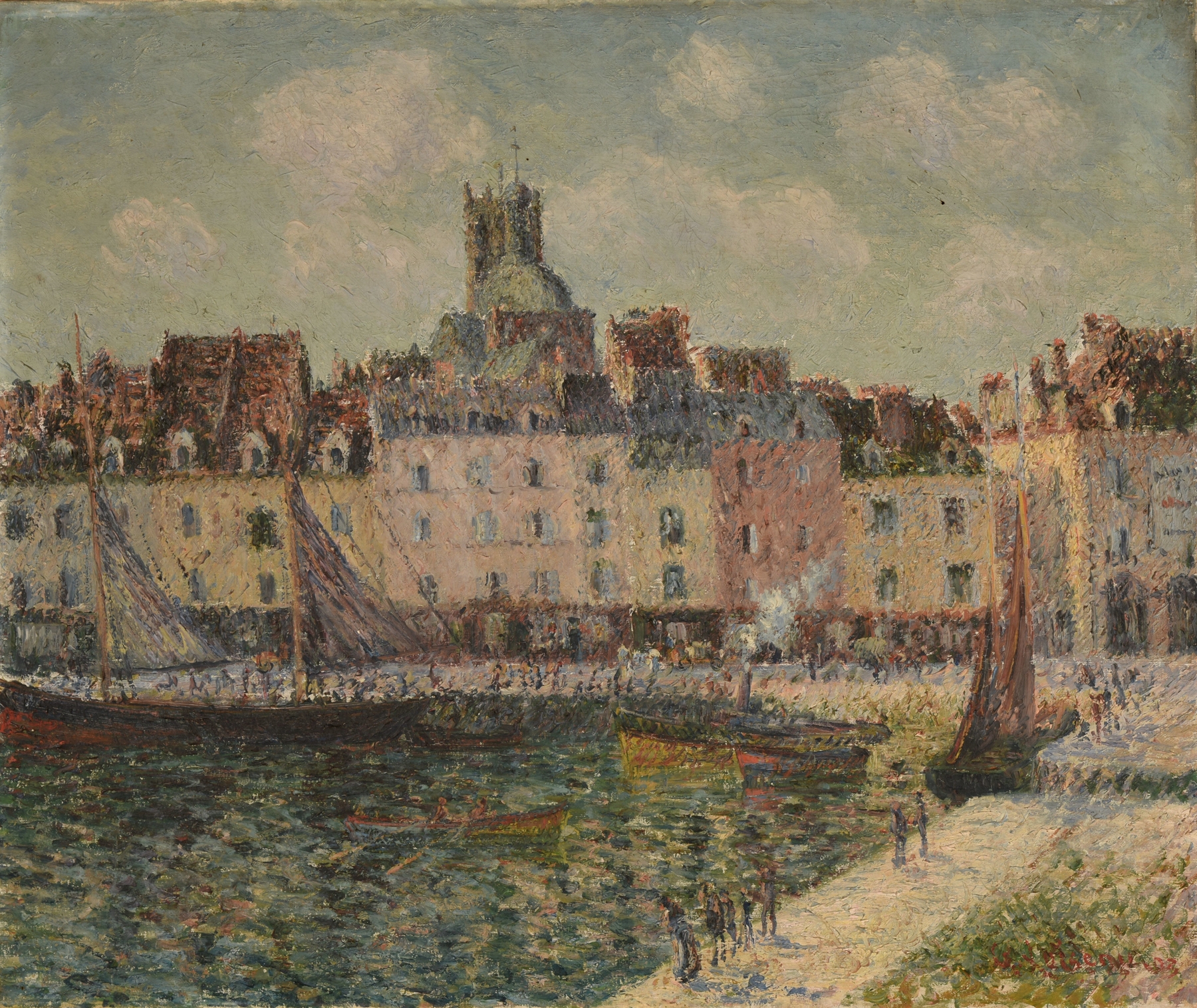
Did the painter know this moment would outlive them? In Le pont Corneille à Rouen, a bridge stands resilient against the passage of time, capturing fleeting vitality in its strokes of color and light. Look to the right at the vibrant brushwork that renders the sky—a symphony of blues and whites swirling together, hinting at an impending change in weather. The bridge itself, a central figure, stretches across the canvas, drawing the viewer's eye forth with its dynamic lines.
Notice how the light dances upon the water's surface, reflecting the scene's movement and stirring a sense of anticipation for what lies beyond the frame. The artist's choice of palette infuses the landscape with a liveliness, making the ordinary extraordinary. Within the composition, a contrast emerges between the stillness of the bridge and the fluidity of the river, symbolizing the balance between human endeavor and nature’s relentless flow. The subtle interplay of shadows and light tells a story of transience, capturing a moment that feels both personal and universal.
Each brushstroke pulses with life, suggesting that while structures may stand firm, everything around them is in constant motion. In 1927, Gustave Loiseau was deeply engaged in the Impressionist revival, painting in the picturesque town of Rouen, where his connection to the landscape grew stronger. This period marked a time of reflection in the art world, where artists were increasingly interested in exploring the interplay of light and atmosphere. Capturing the essence of a moment in nature while experimenting with color and technique, he solidified his legacy within a tradition that sought to immortalize the ephemeral.