Le Printemps (Le bassin aux nymphéas à Giverny) — History & Analysis
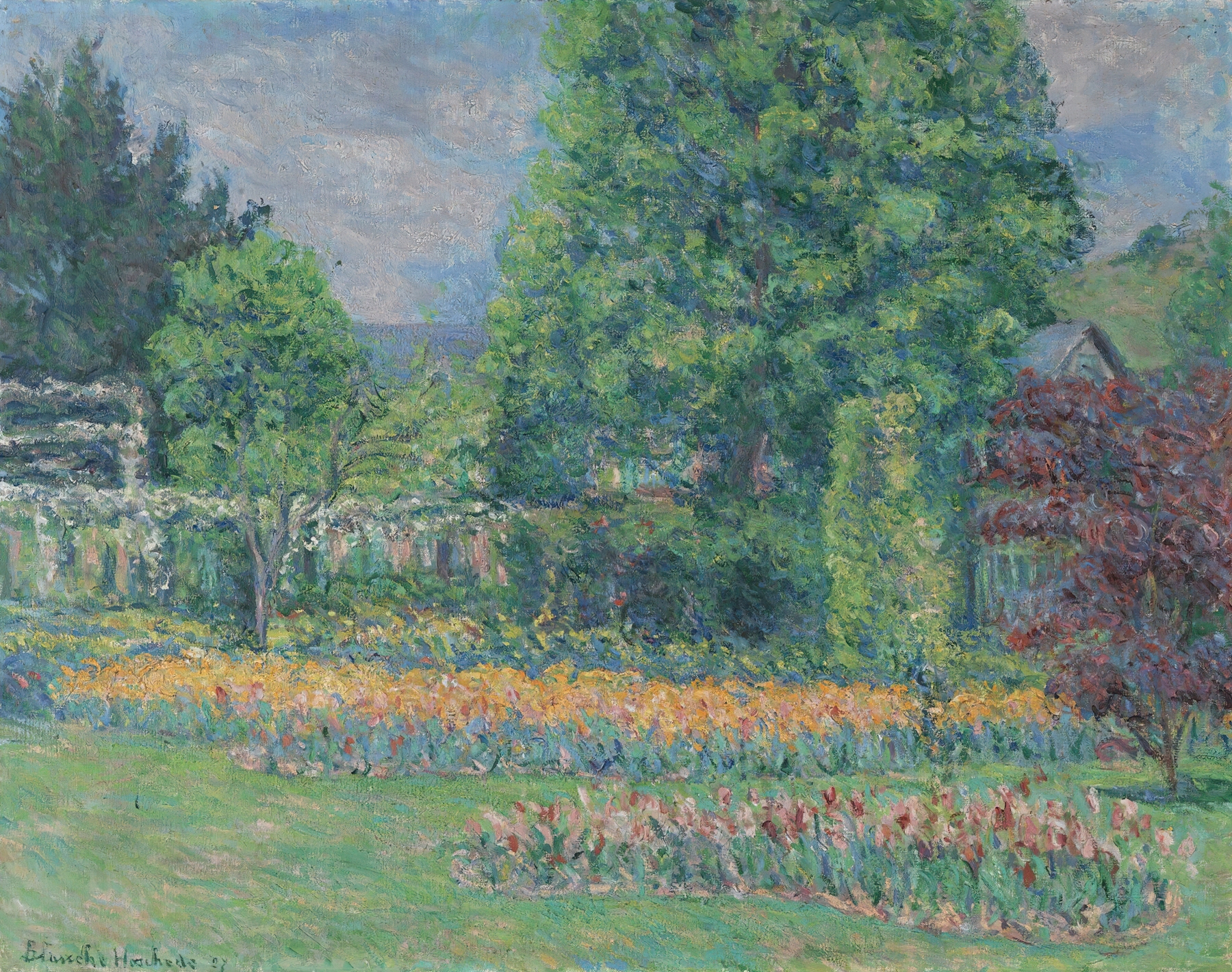
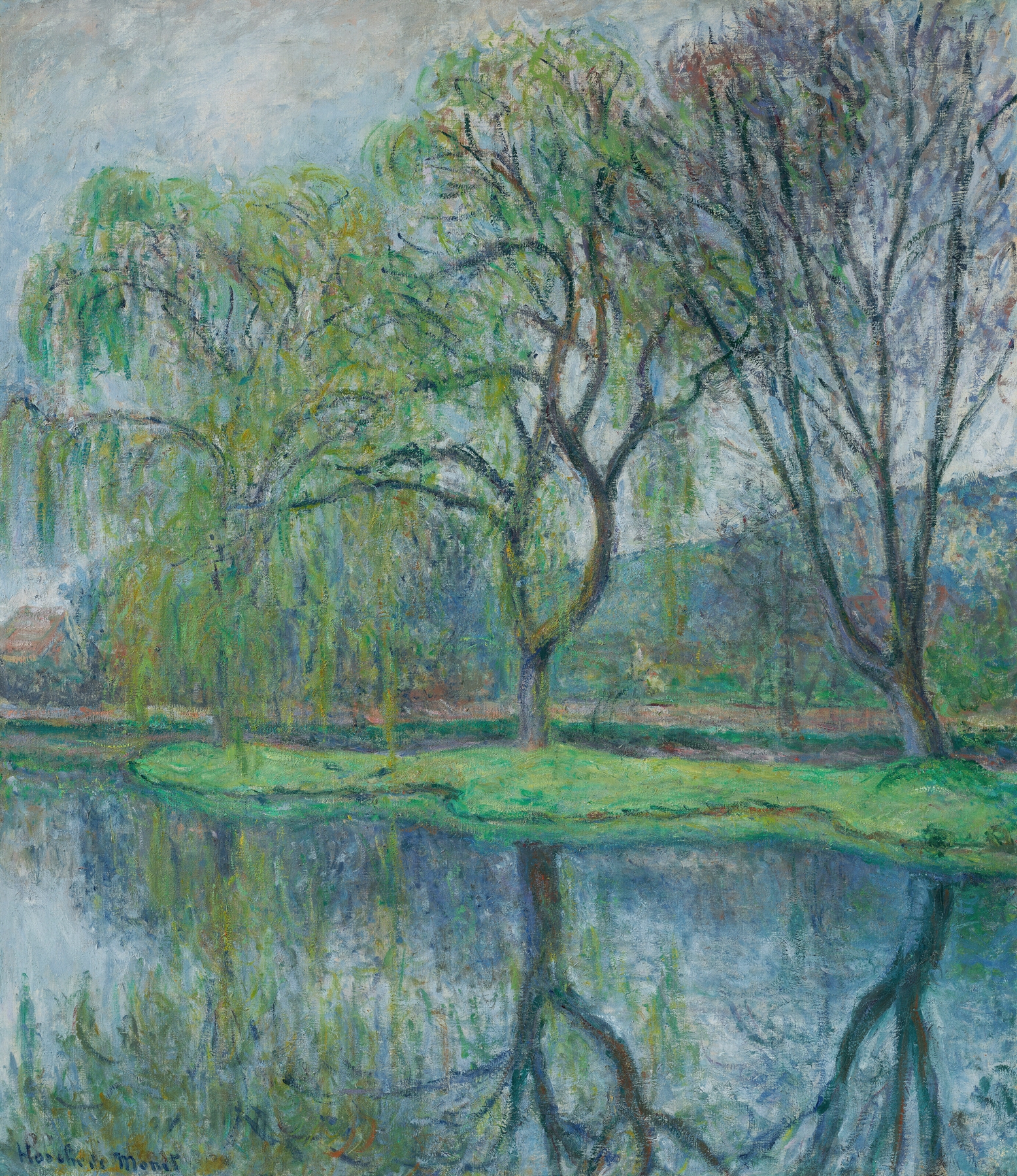
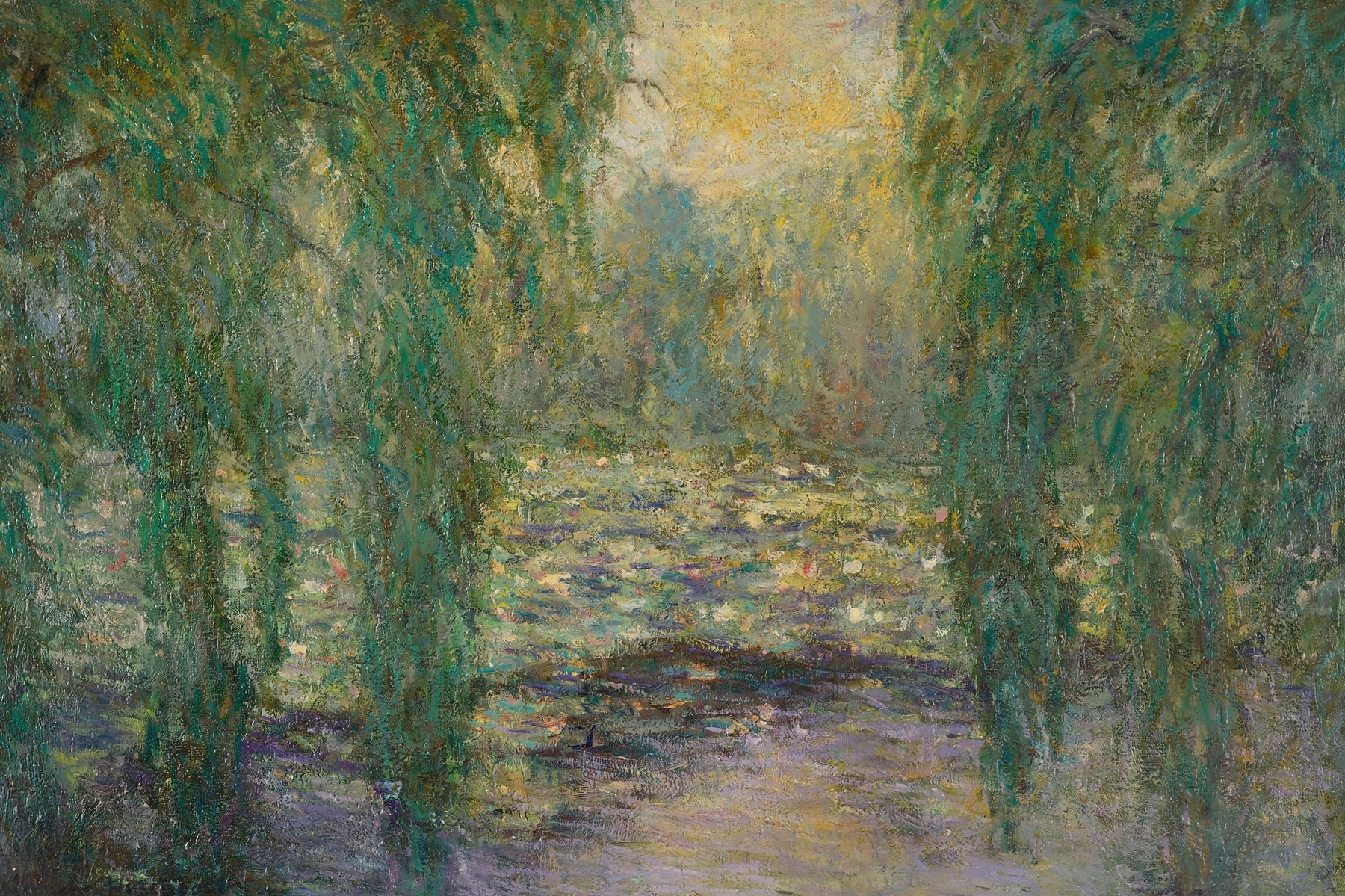
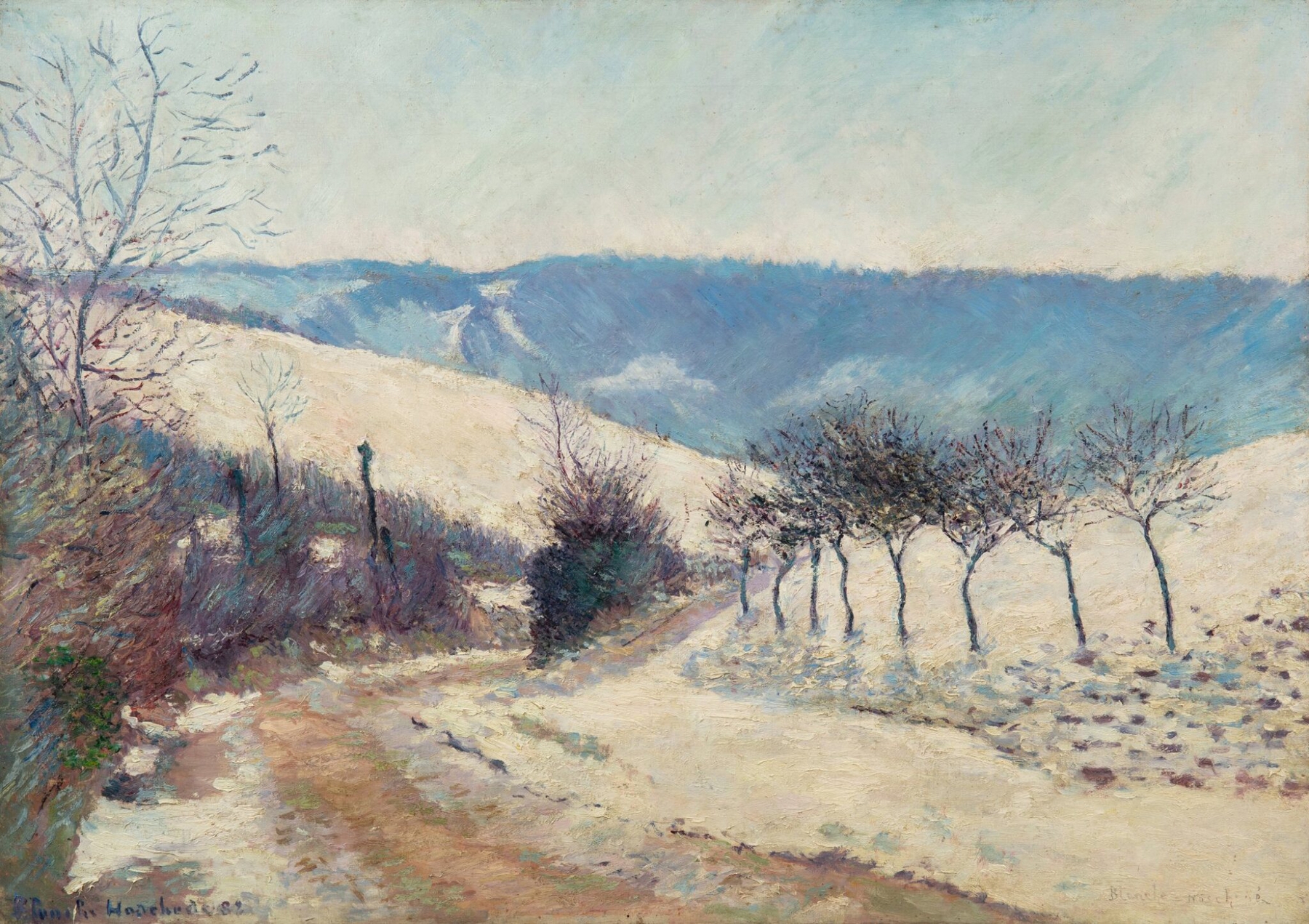
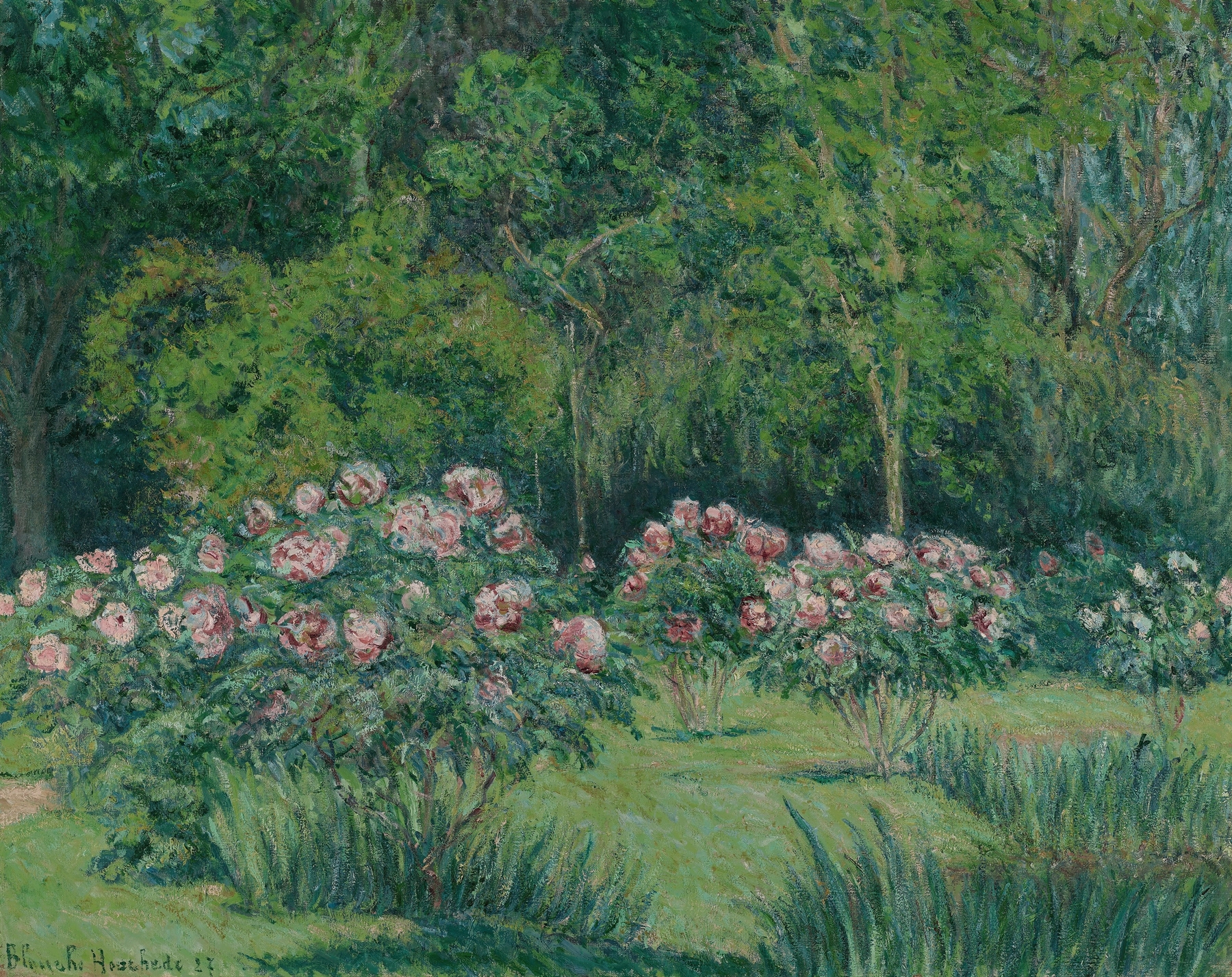
Can paint confess what words never could? In Le Printemps, the artist captures a fleeting moment in nature, laying bare an intimate dialogue between water and foliage, a silence laden with unspoken emotions. Look to the center of the canvas, where delicate water lilies float serenely, their soft hues of white and pale pink dancing upon the glassy surface of the pond. Notice how the light filters through the surrounding greenery, creating dappled reflections that shimmer with an almost ethereal quality. The brushwork is both confident and gentle, suggesting movement while maintaining a tranquil stillness.
Each stroke feels deliberate, allowing colors to meld seamlessly, inviting the viewer to sink into the serene depths of the composition. Yet, beneath the surface beauty lies a profound tension. The juxtaposition of the vibrant blossoms against the dark waters hints at a deeper narrative of longing and emptiness, an echo of nature’s quiet resilience. The composition evokes a longing for connection, as if the water and plants are locked in a silent exchange, yearning to reveal more than mere beauty.
It captures a moment of stillness that paradoxically speaks volumes about the fragility of existence and the weight of unexpressed thoughts. Blanche Hoschedé-Monet painted Le Printemps in 1928 while living in Giverny, a serene refuge where she became immersed in the world of Impressionism. It was a time of personal reflection, as she balanced her creative pursuits with the legacy of her father-in-law, Claude Monet. The art world was evolving rapidly, and her work stood at the intersection of tradition and innovation, quietly asserting her own voice amidst the whispers of artistic history.