Le vallon au cavalier — History & Analysis
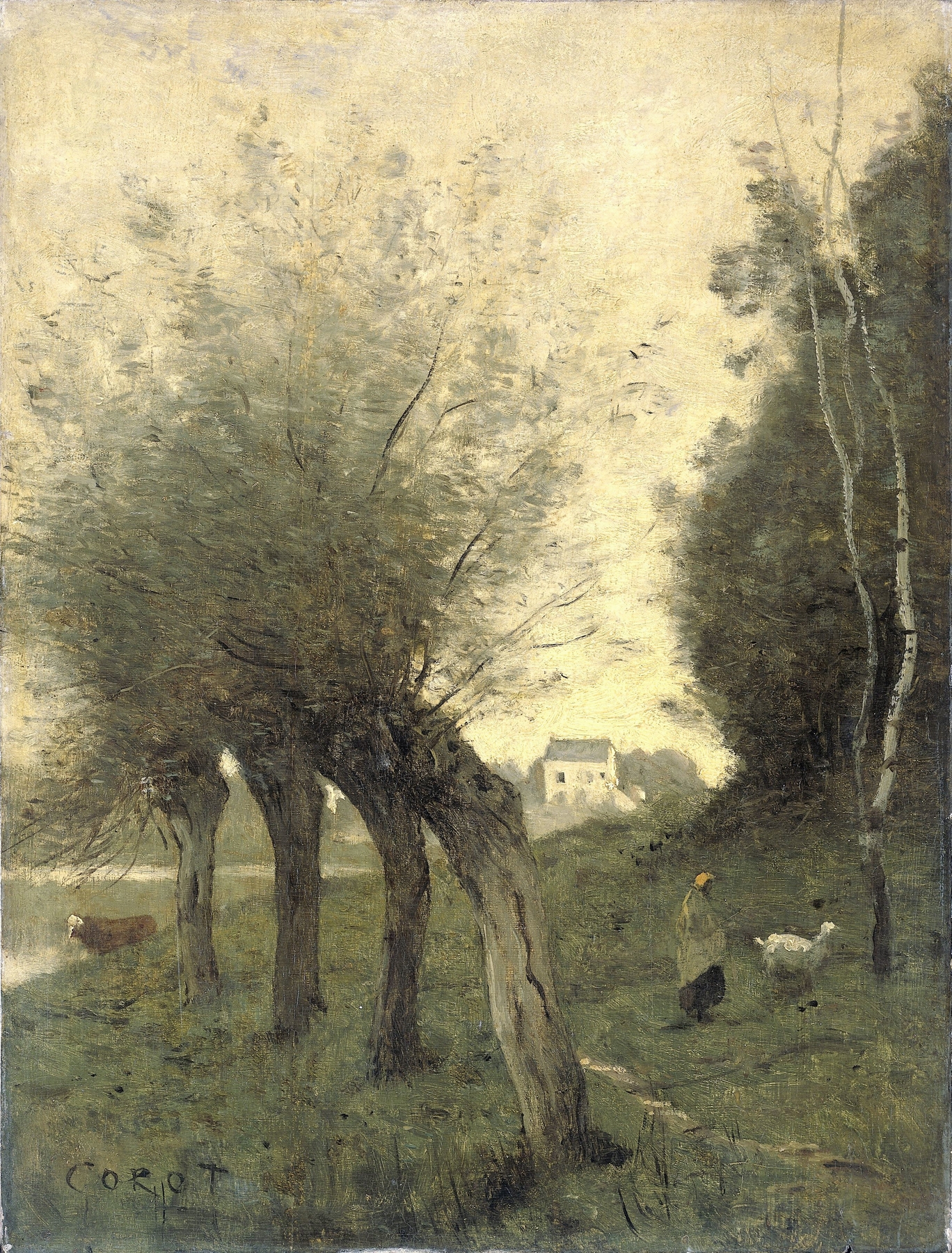
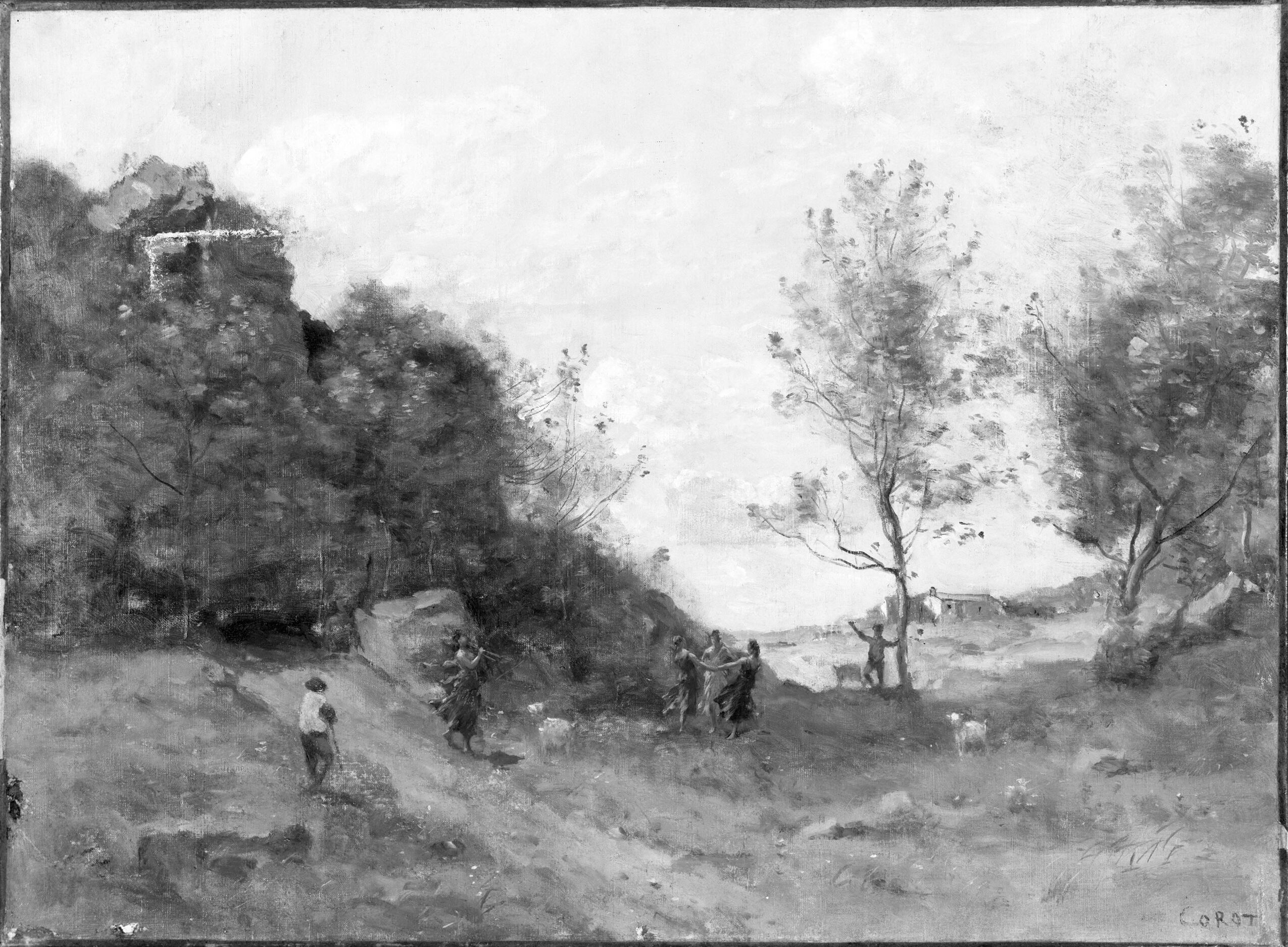
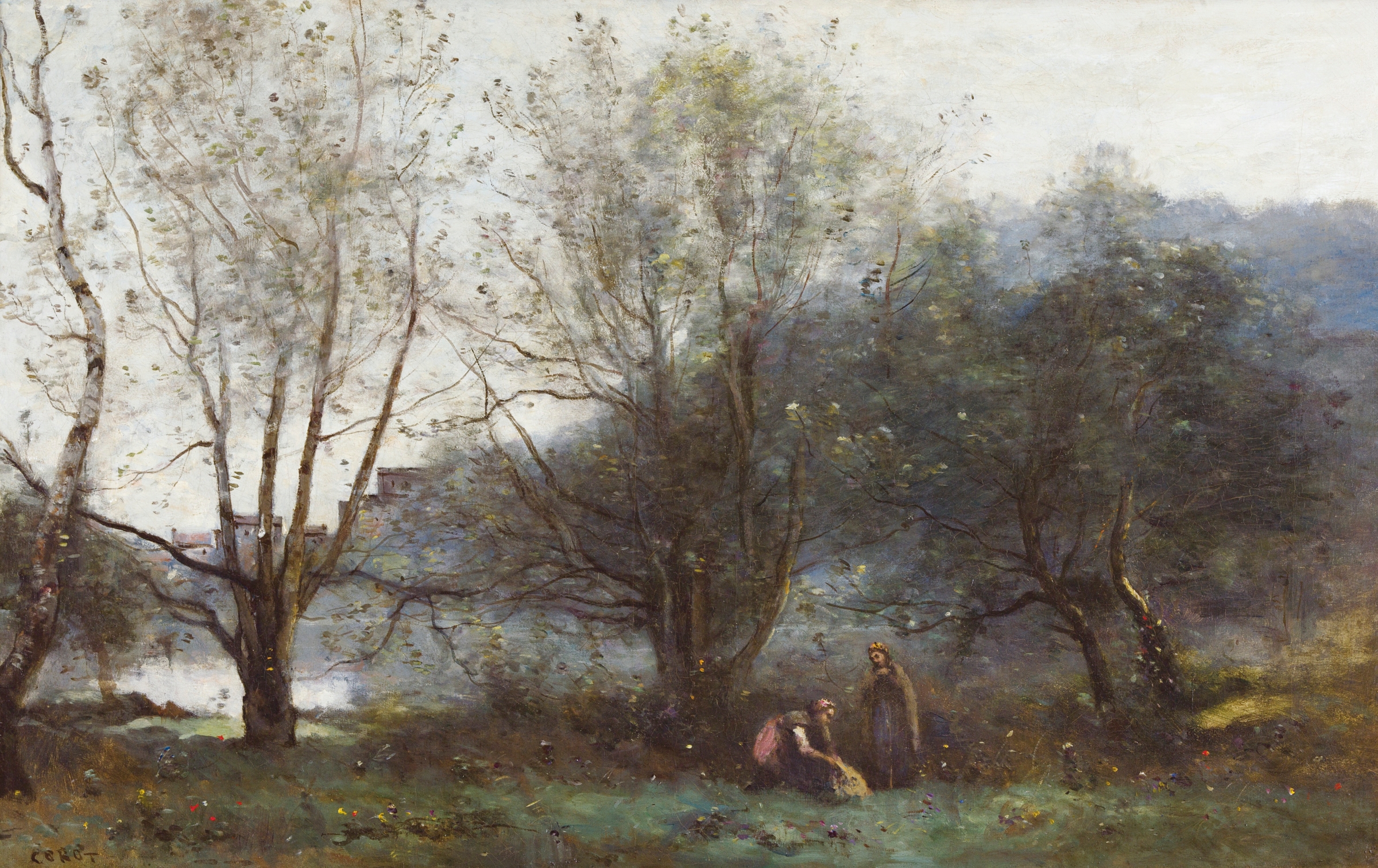
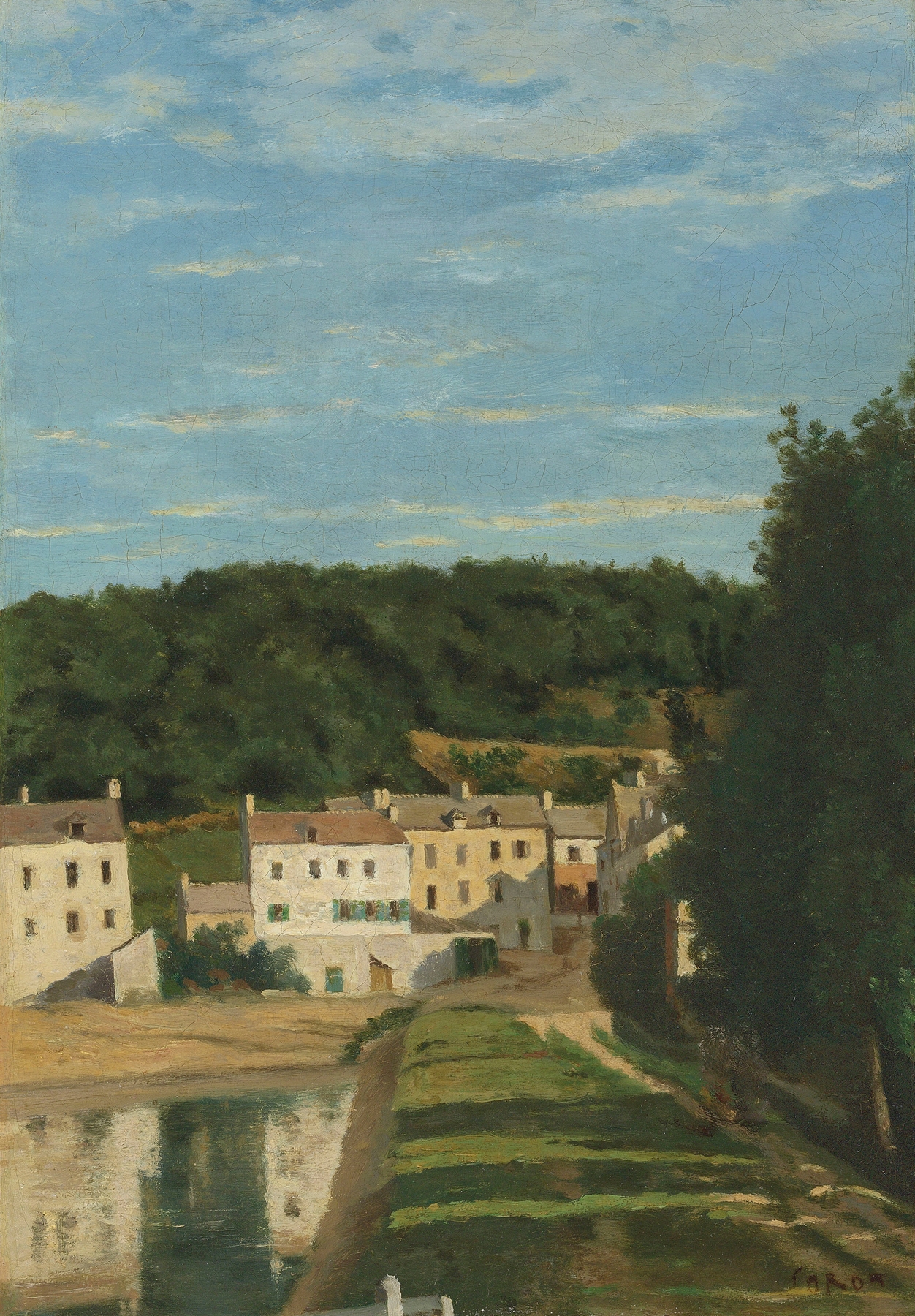
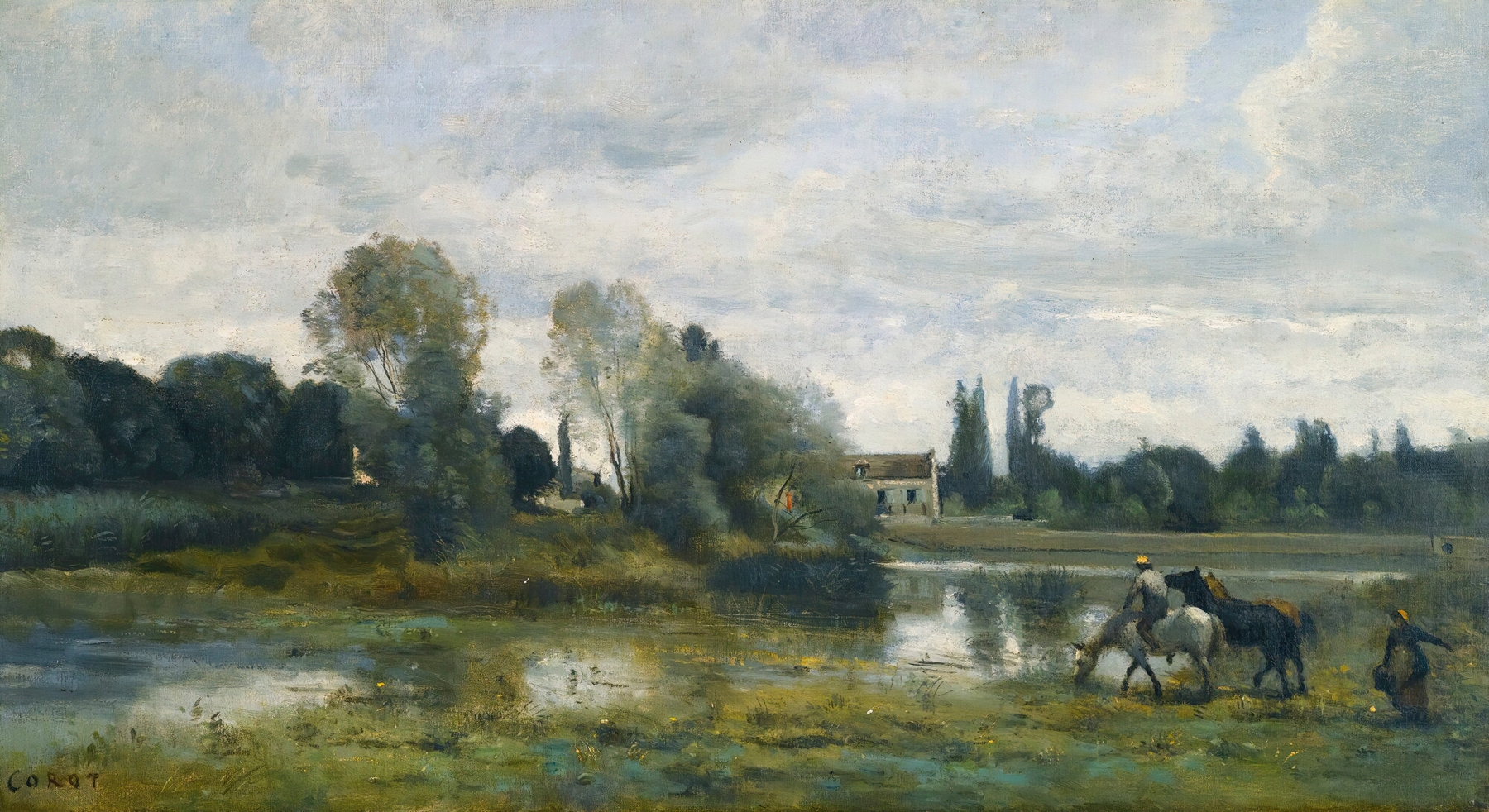
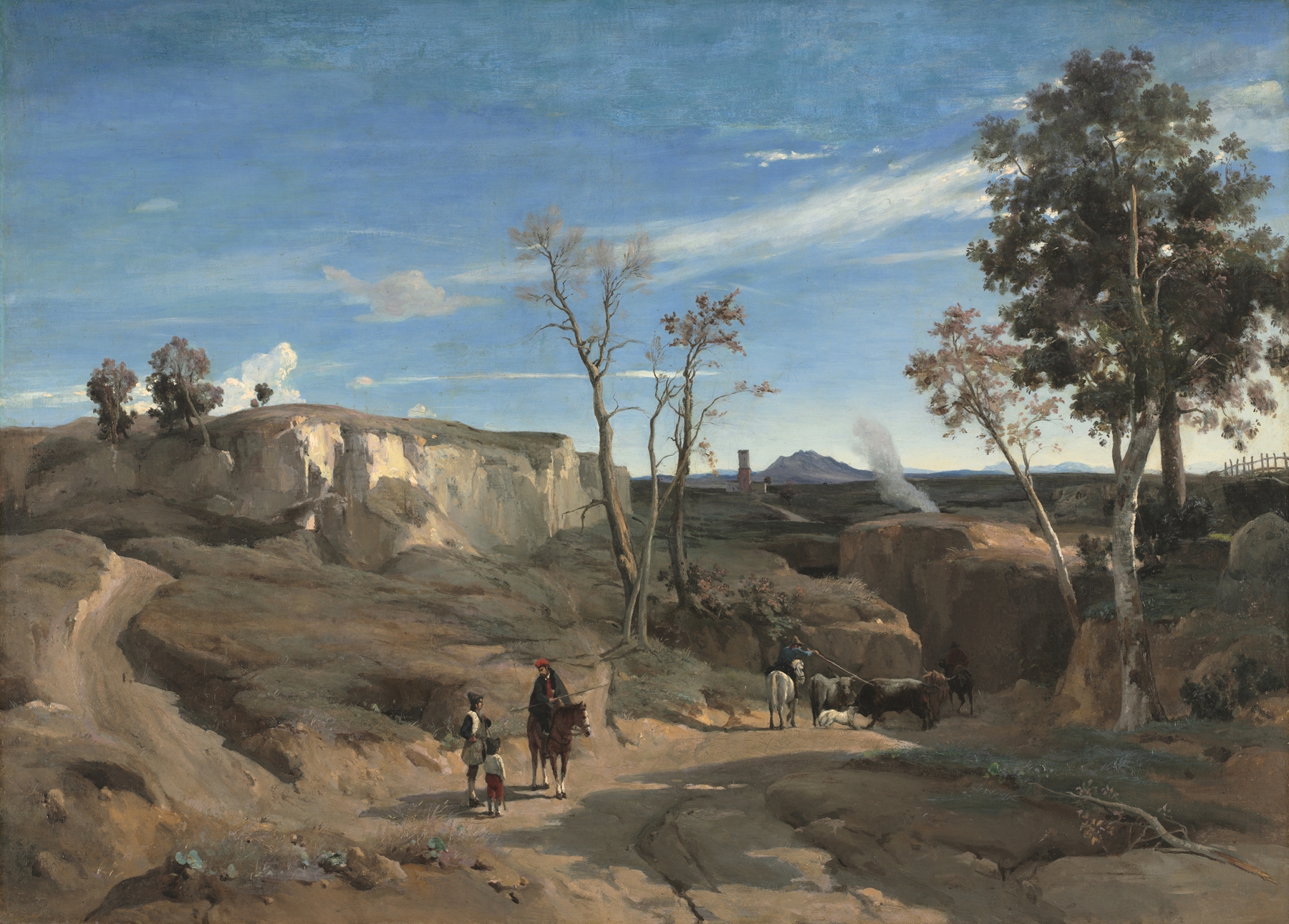
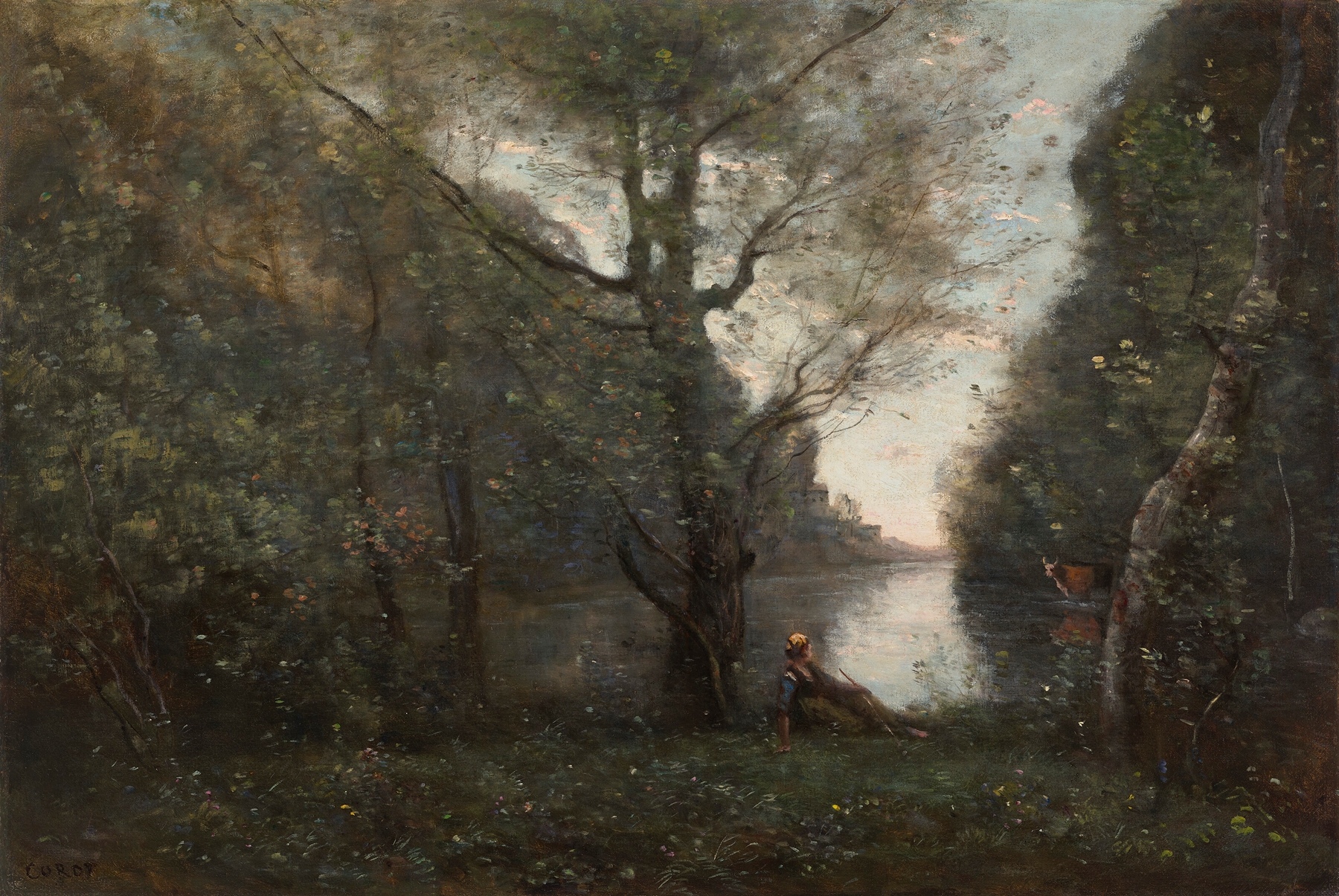
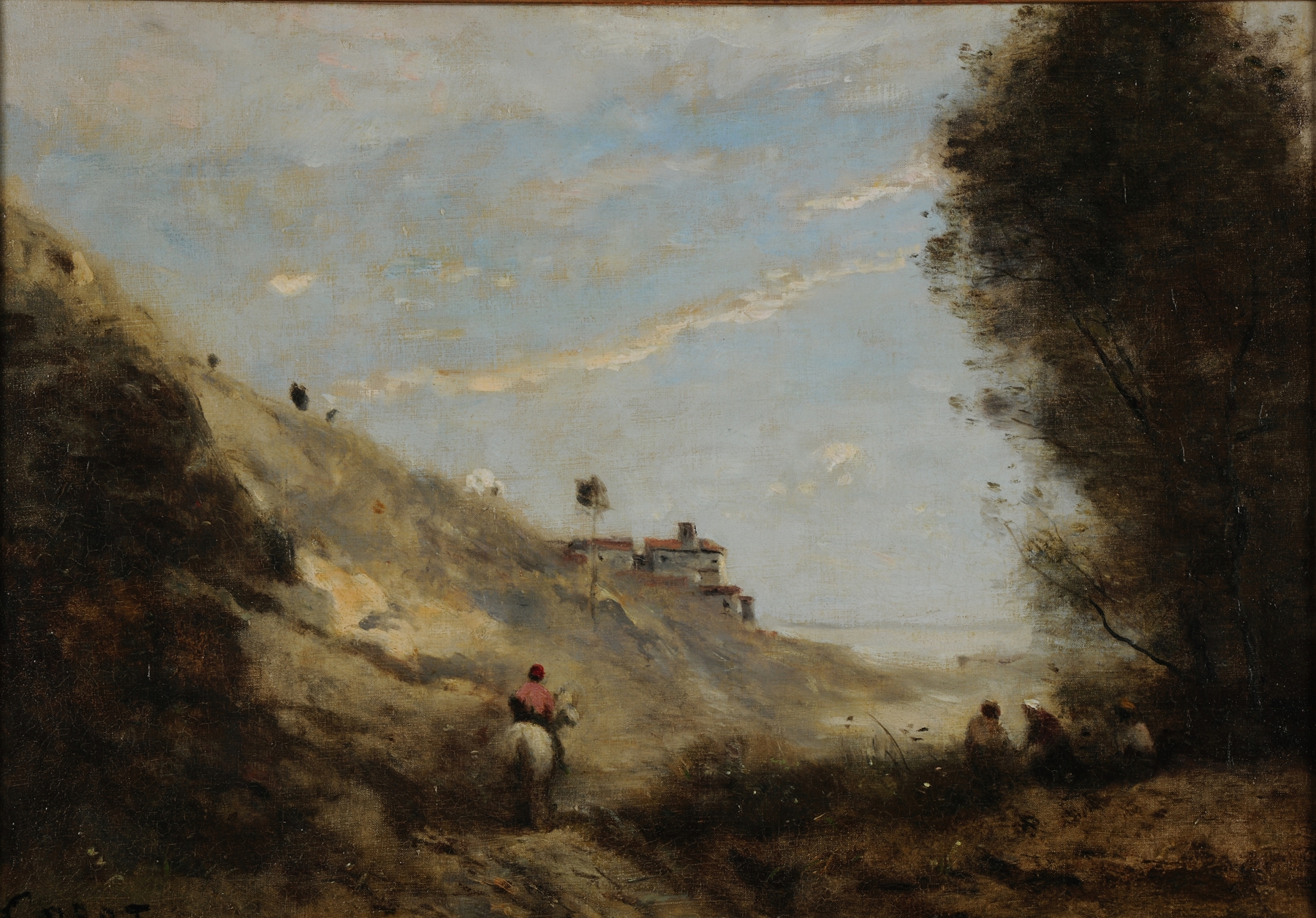
The canvas doesn’t lie — it simply waits. In the gentle embrace of light, Le vallon au cavalier reveals a serene moment suspended in time, where nature and humanity converge in harmony. Look to the left at the cavalier, a solitary figure riding through a tranquil valley, dappled sunlight filtering through the leaves. His posture, relaxed yet attentive, invites the viewer to share in the peace of this pastoral scene. The soft greens and warm earth tones blend seamlessly in a masterful display of brushwork, evoking the delicate interplay of light across the landscape.
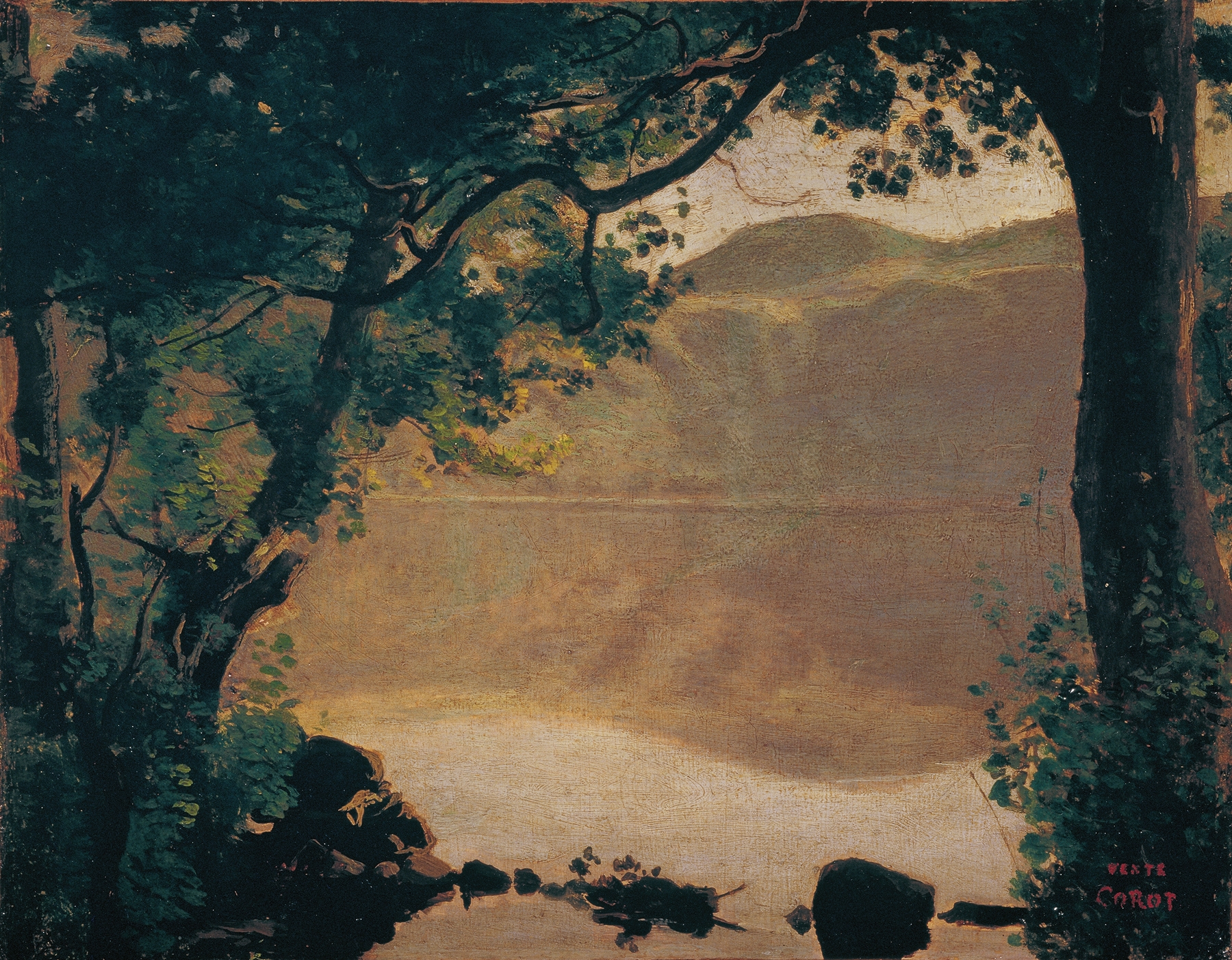
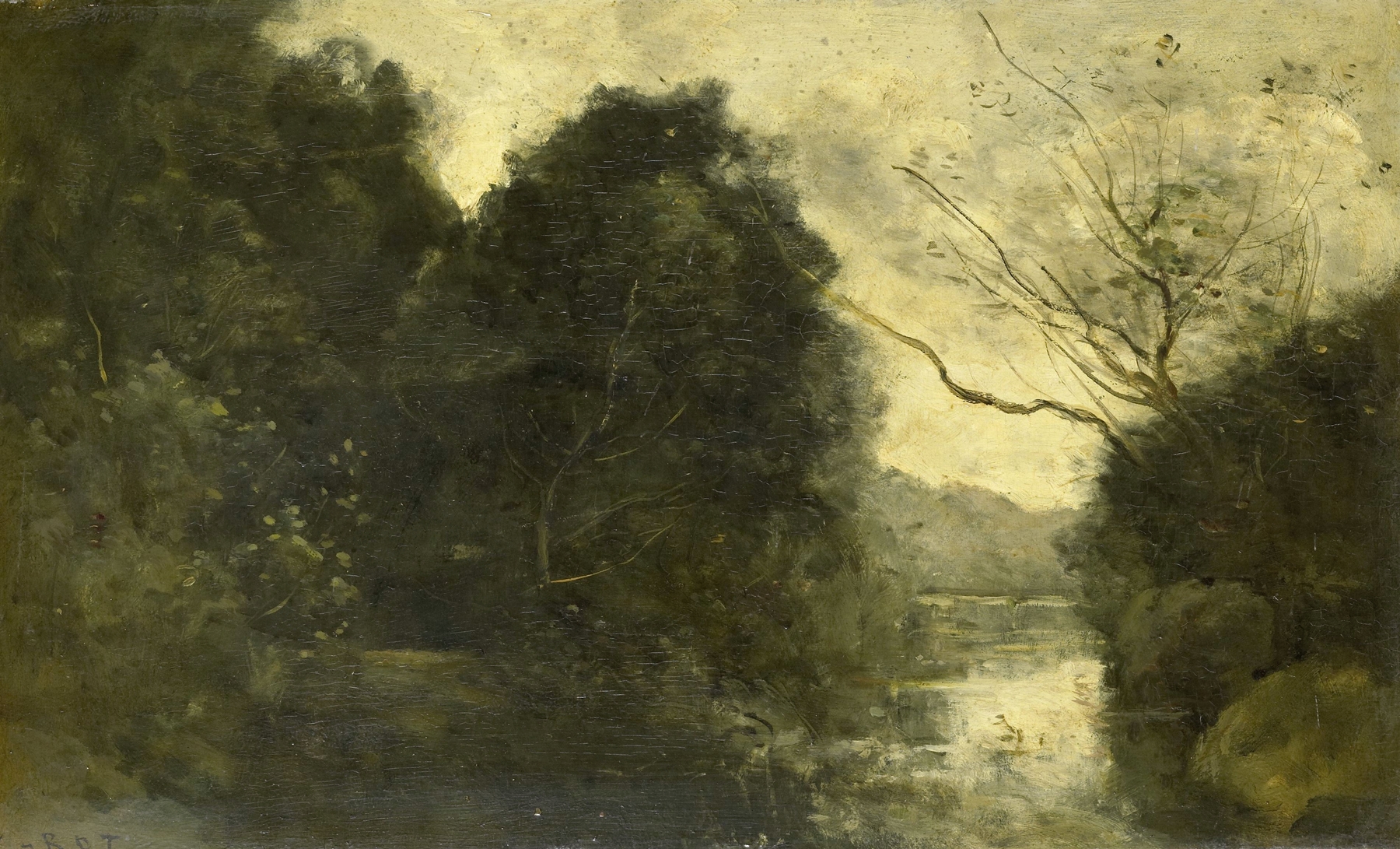
The reflections in the water add a shimmering depth, guiding the eye effortlessly into the painting’s lush surroundings. Yet, beneath the calm surface, there lies an unspoken tension. The cavalier, isolated amidst the vastness of nature, embodies both tranquility and solitude. The beckoning light suggests a connection to something greater, while the shadows hint at the fleeting nature of such moments.
Here, Corot captures a juxtaposition of serenity and introspection, illustrating the delicate balance between man and the environment. In 1843, Corot painted this work during a period of personal upheaval, navigating the crossroads of his artistic identity while grappling with the evolving landscape of the French art world. The Romantic movement was giving way to Realism, and his choice to depict an intimate connection with nature reflects a desire to transcend the chaos of contemporary life. In this painting, he masterfully encapsulates the essence of a moment, inviting us to pause and reflect.