Ville D’avray; L’abreuvoir Des Chevaux — History & Analysis
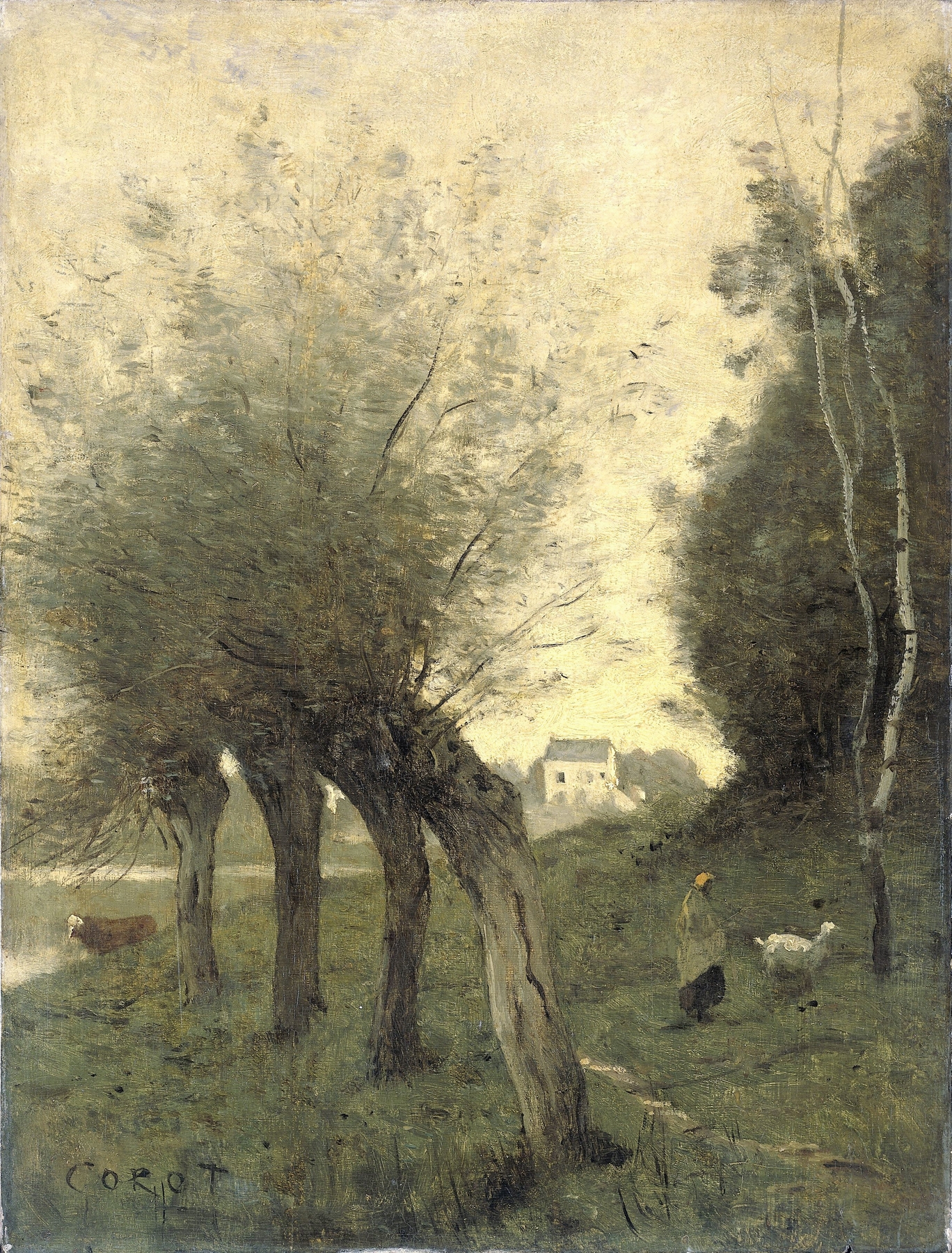
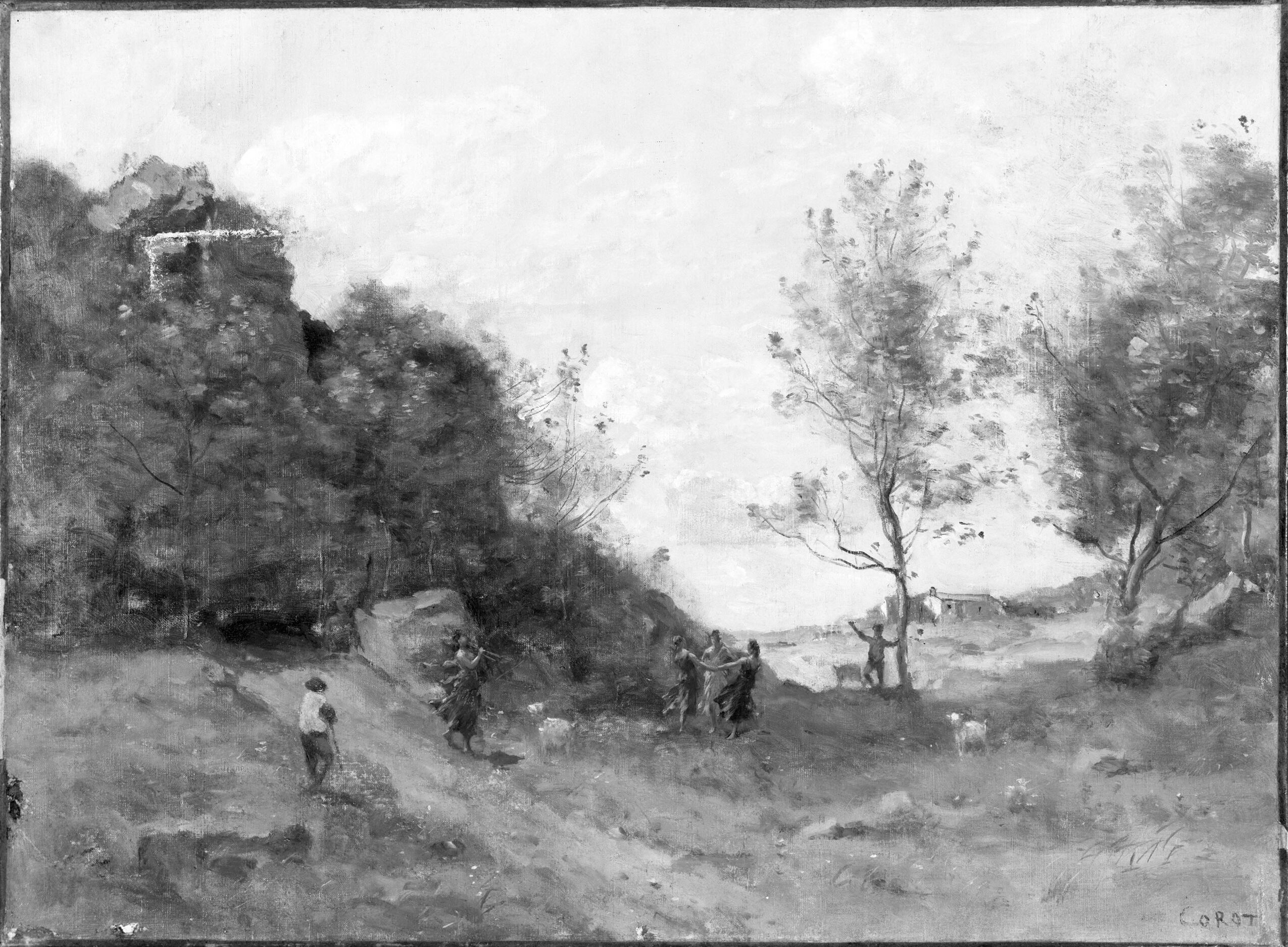
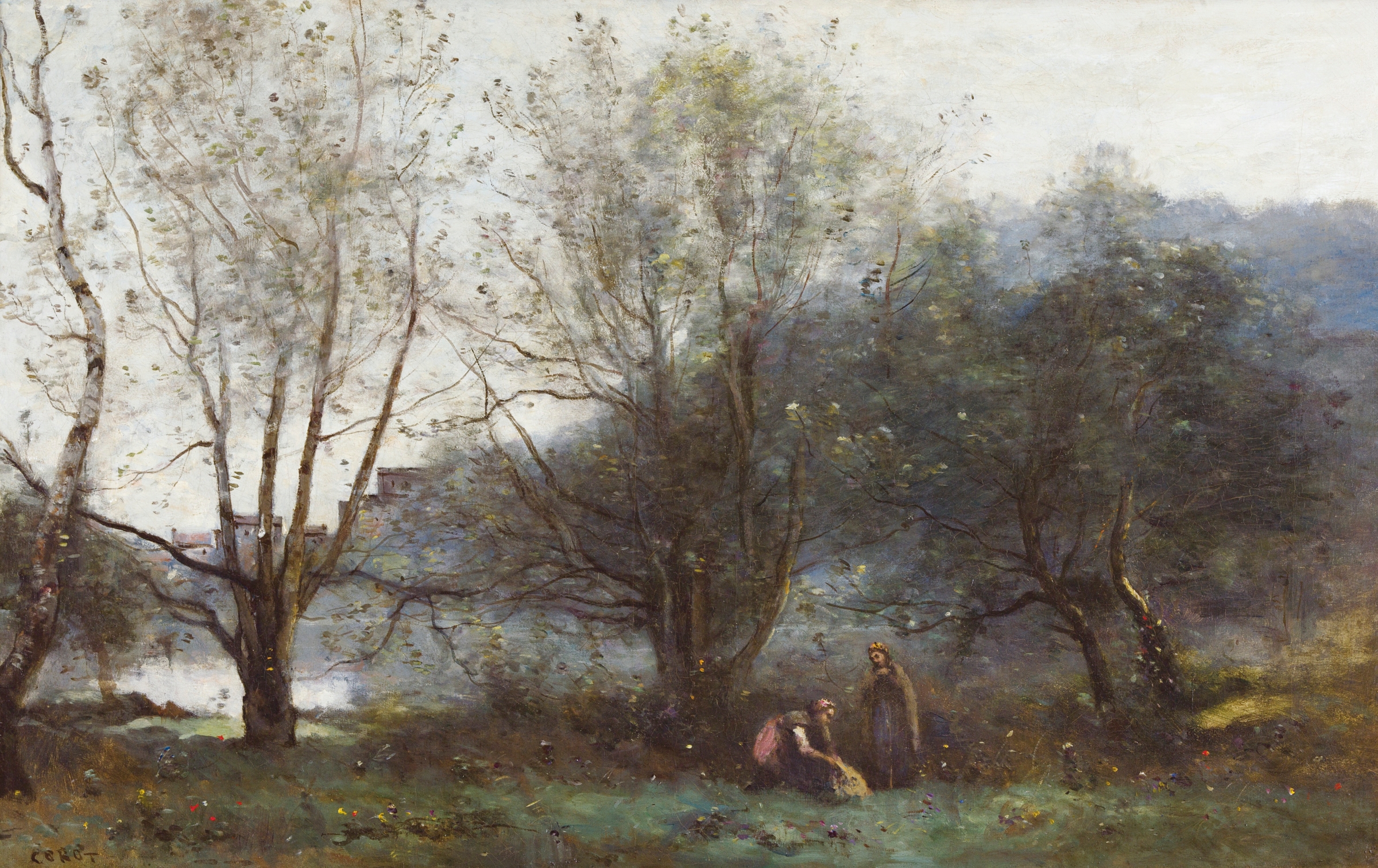
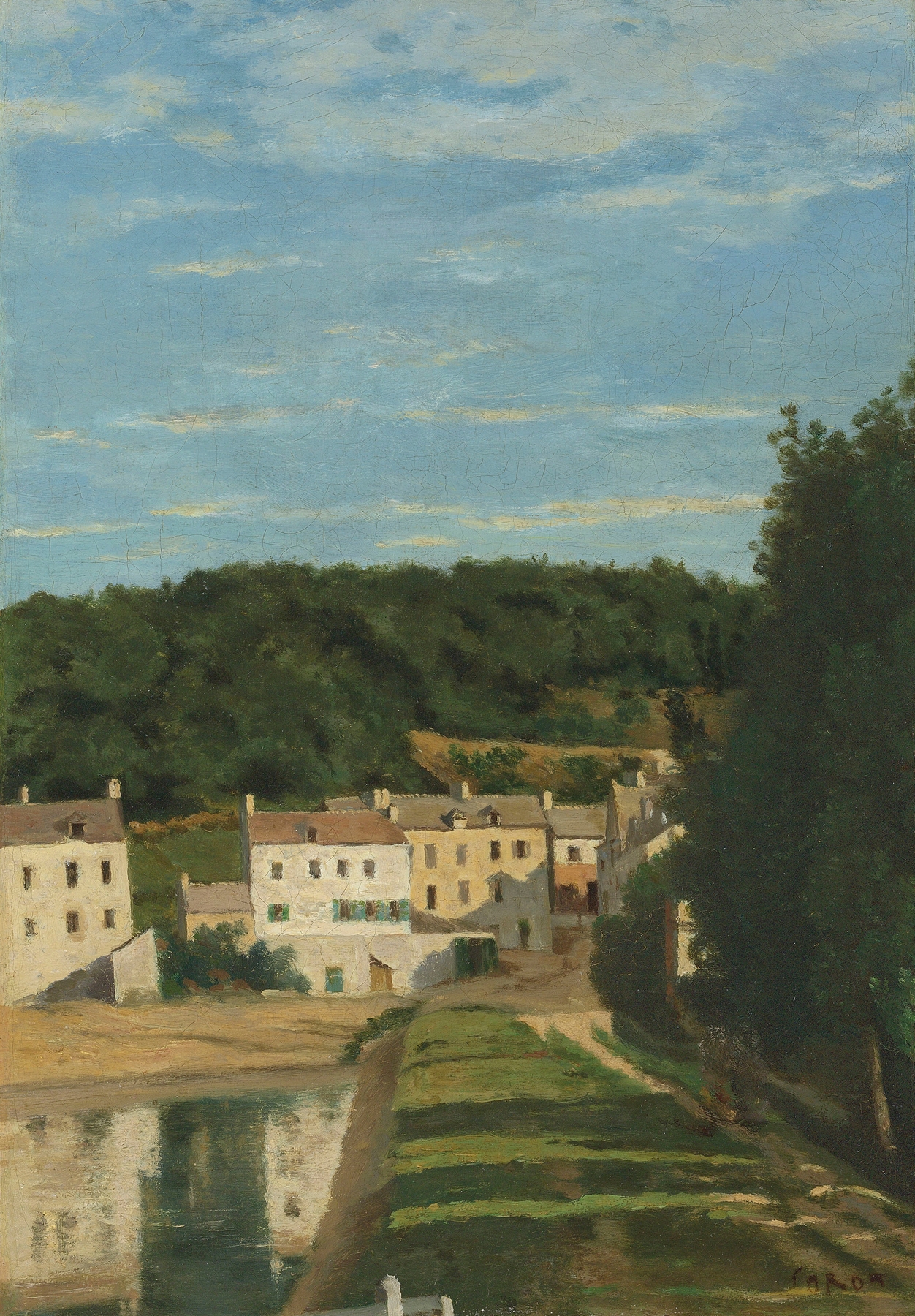
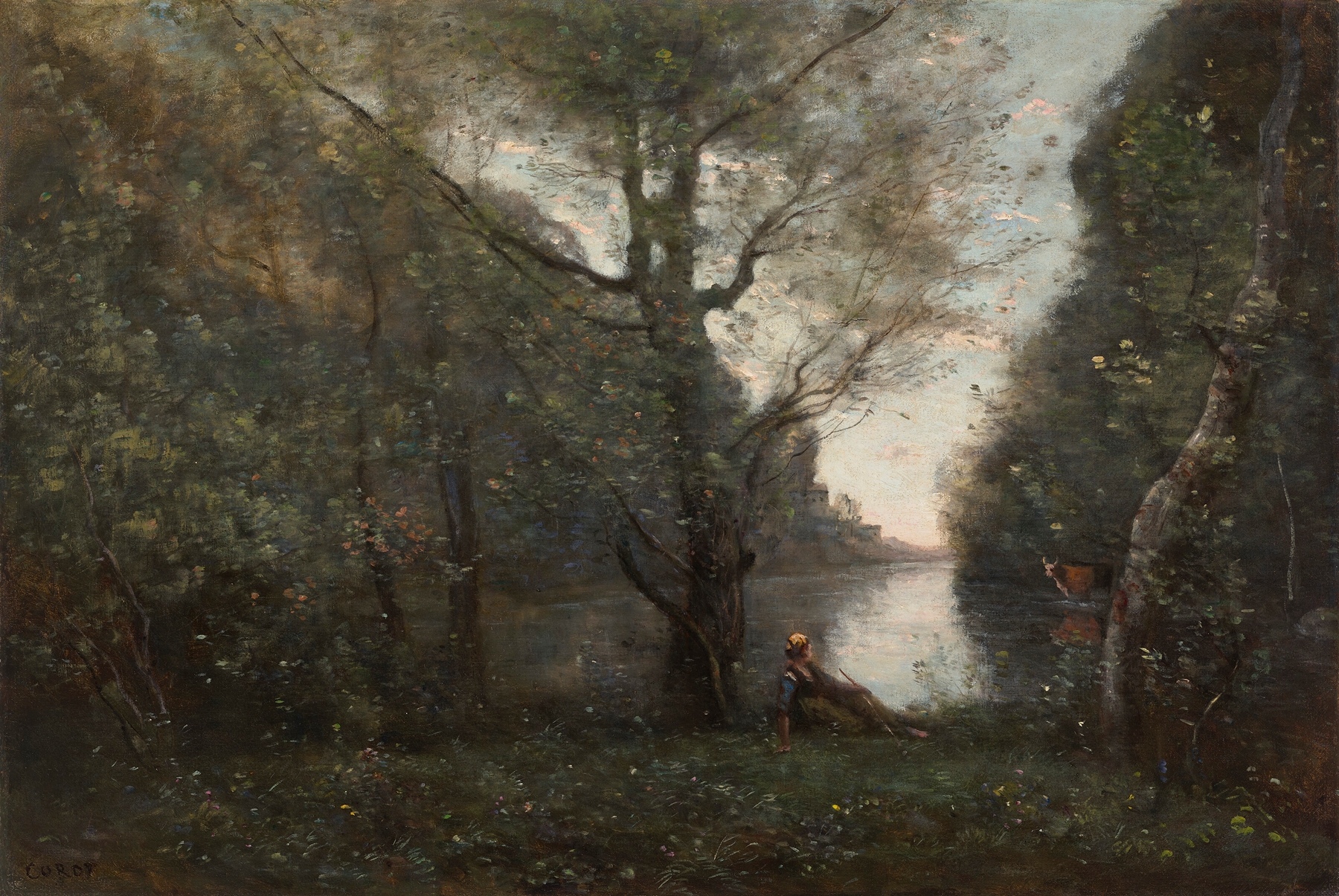
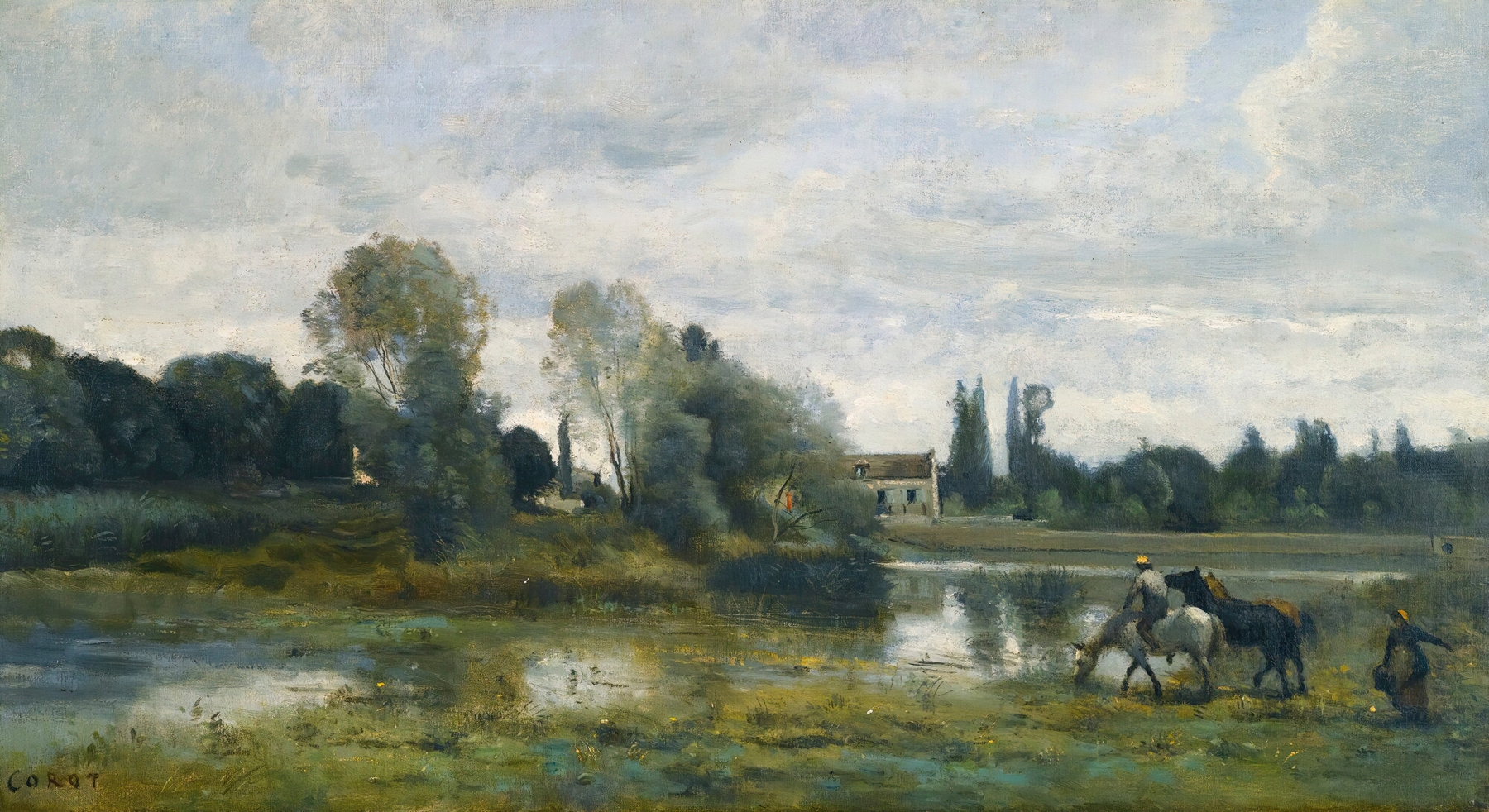
“Under the brush, chaos becomes grace.” In Ville D’avray; L’abreuvoir Des Chevaux, the transformation of nature into something sublime unfolds before our eyes. A serene landscape invites contemplation, a quiet testament to the power of perception and artistry. Look to the left at the gentle curve of the stream, where dappled light dances upon the water's surface, reflecting hues of emerald and azure. The trees, heavy with foliage, frame the scene in a lush embrace, their greens subtly varying from deep forest to bright spring.
Notice how the delicate brushwork adds depth to the sky, where soft clouds drift lazily, inviting the viewer to breathe in the tranquility. Each stroke feels intentional, capturing not just what is seen, but a fleeting moment in time. Hidden within this idyllic scene are deeper layers—the horses, poised at the watering trough, represent both life and stillness, a metaphor for societal harmony amidst nature’s chaos. The interplay of light and shadow highlights the transience of the moment, reminding us that beauty often lies in the ephemeral.
The reflections ripple gently in the water, suggesting a connection between the physical and the intangible, where time folds into itself. In the early 1860s, while creating this piece in Ville d'Avray, Corot sought to capture the essence of rural life amidst the growing industrial backdrop of France. His focus on landscapes during this period reflects a desire to preserve the natural beauty that was rapidly disappearing. Experimenting with color and light, he navigated the transition from the Romantic to the Impressionist movement, marking a significant evolution in his artistic journey.