Les Maisons Cabassud À Ville D’avray — History & Analysis
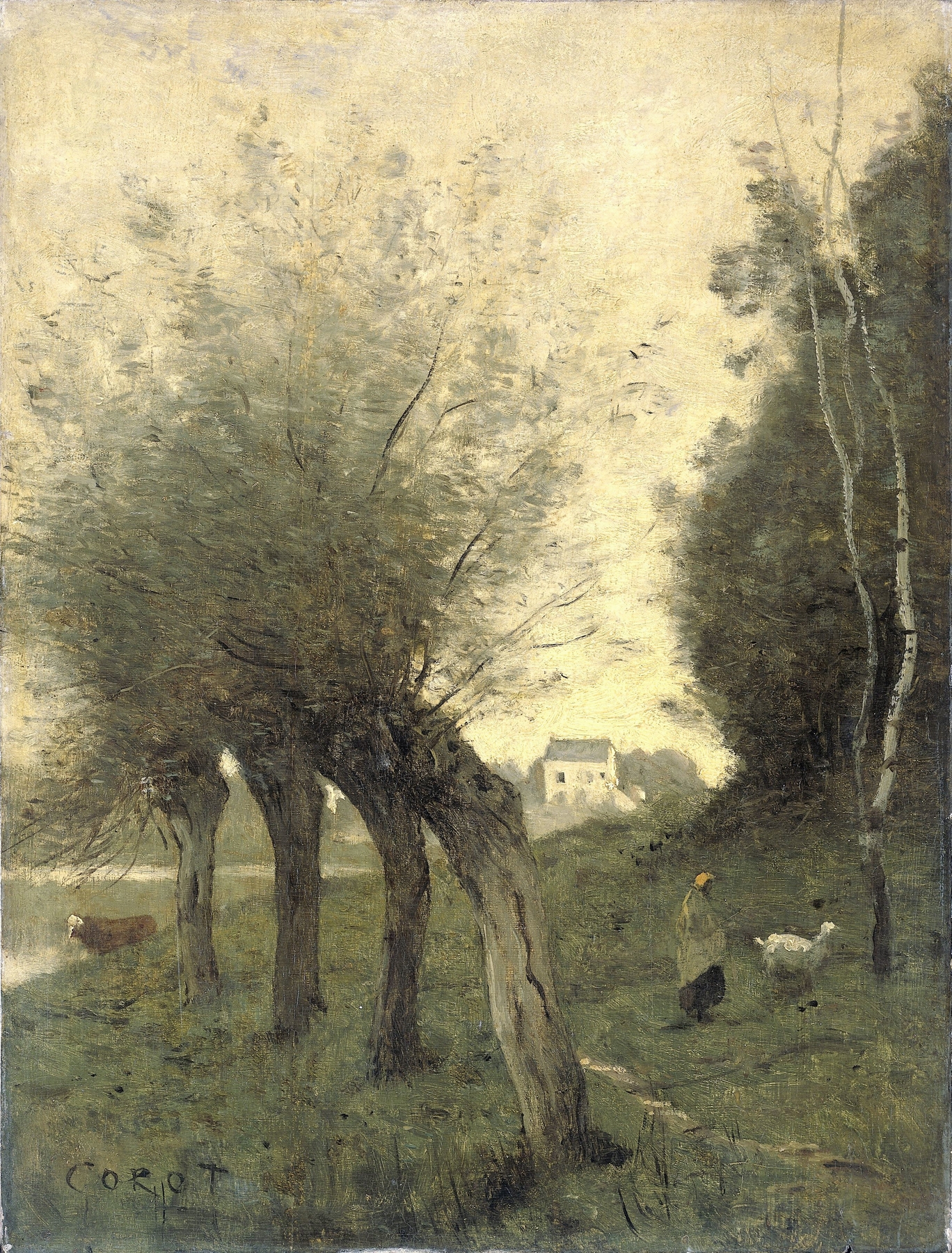
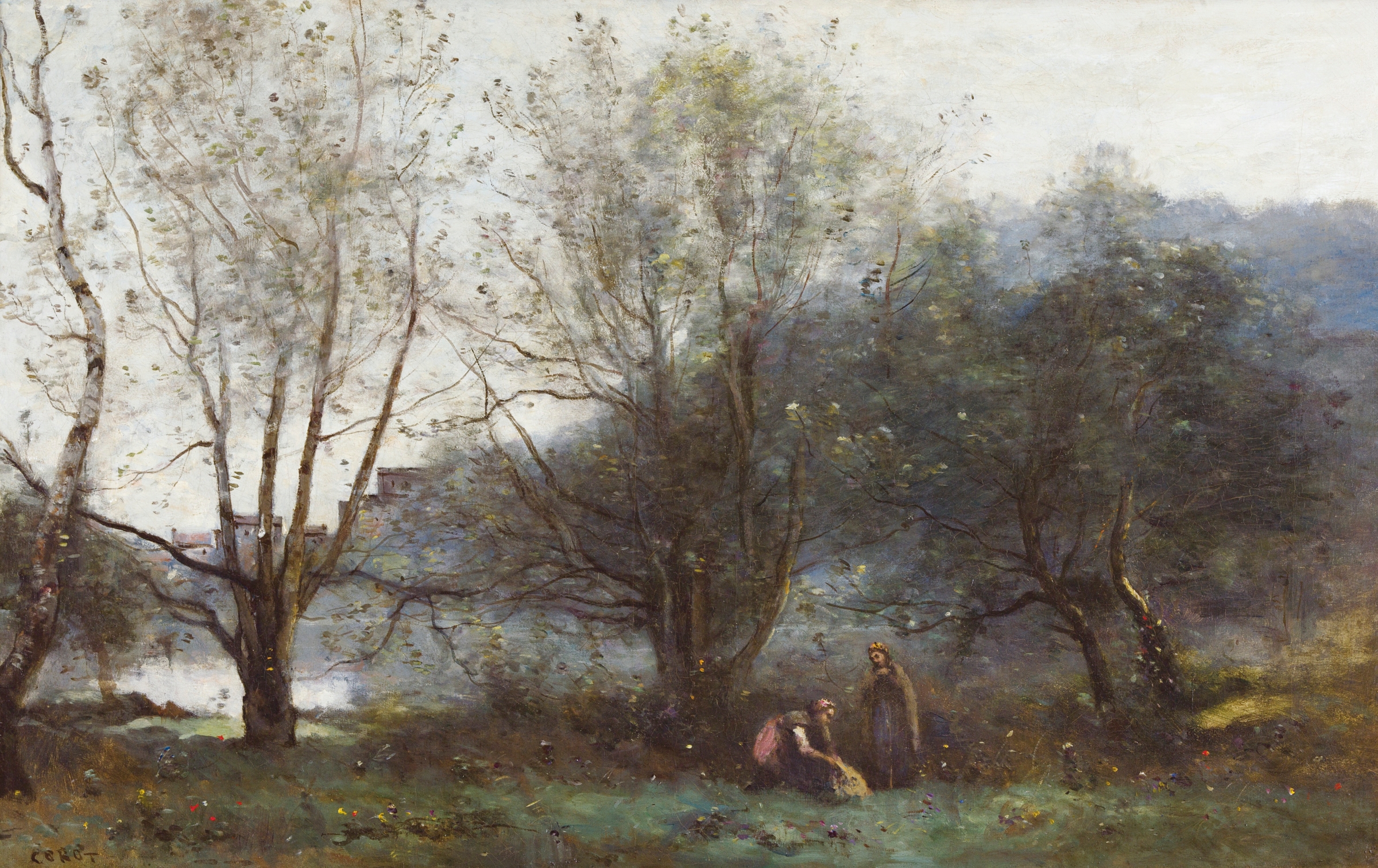
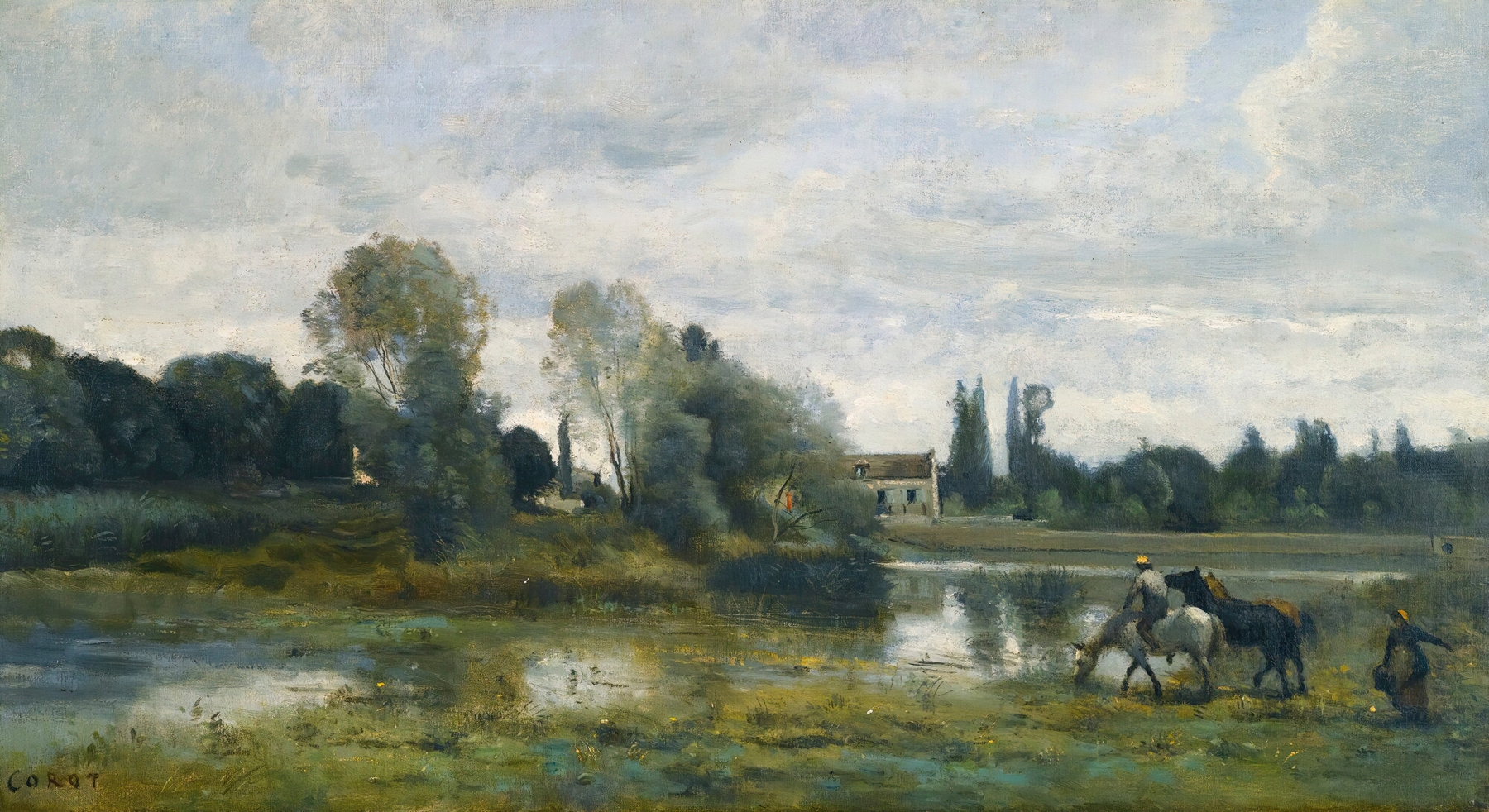
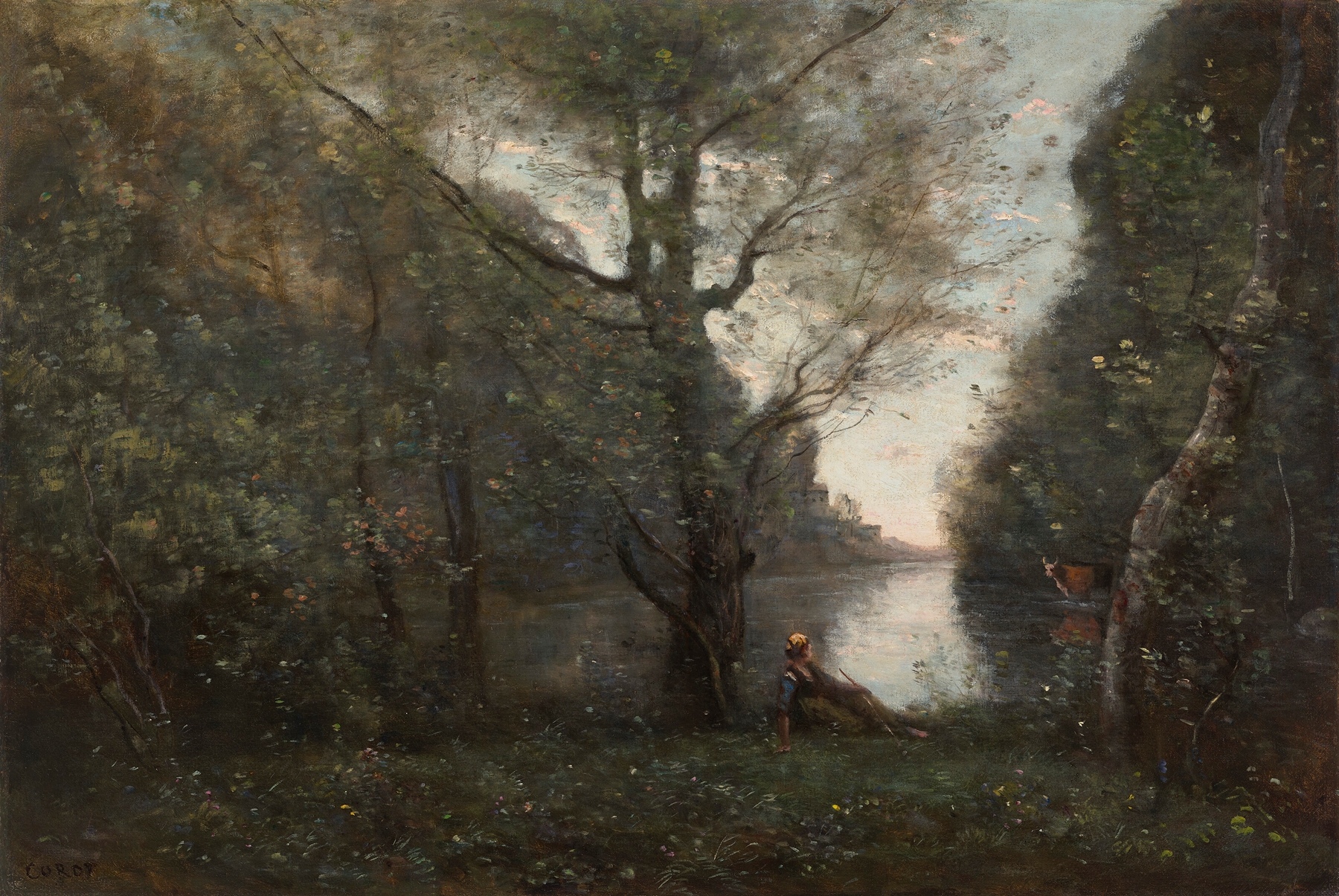
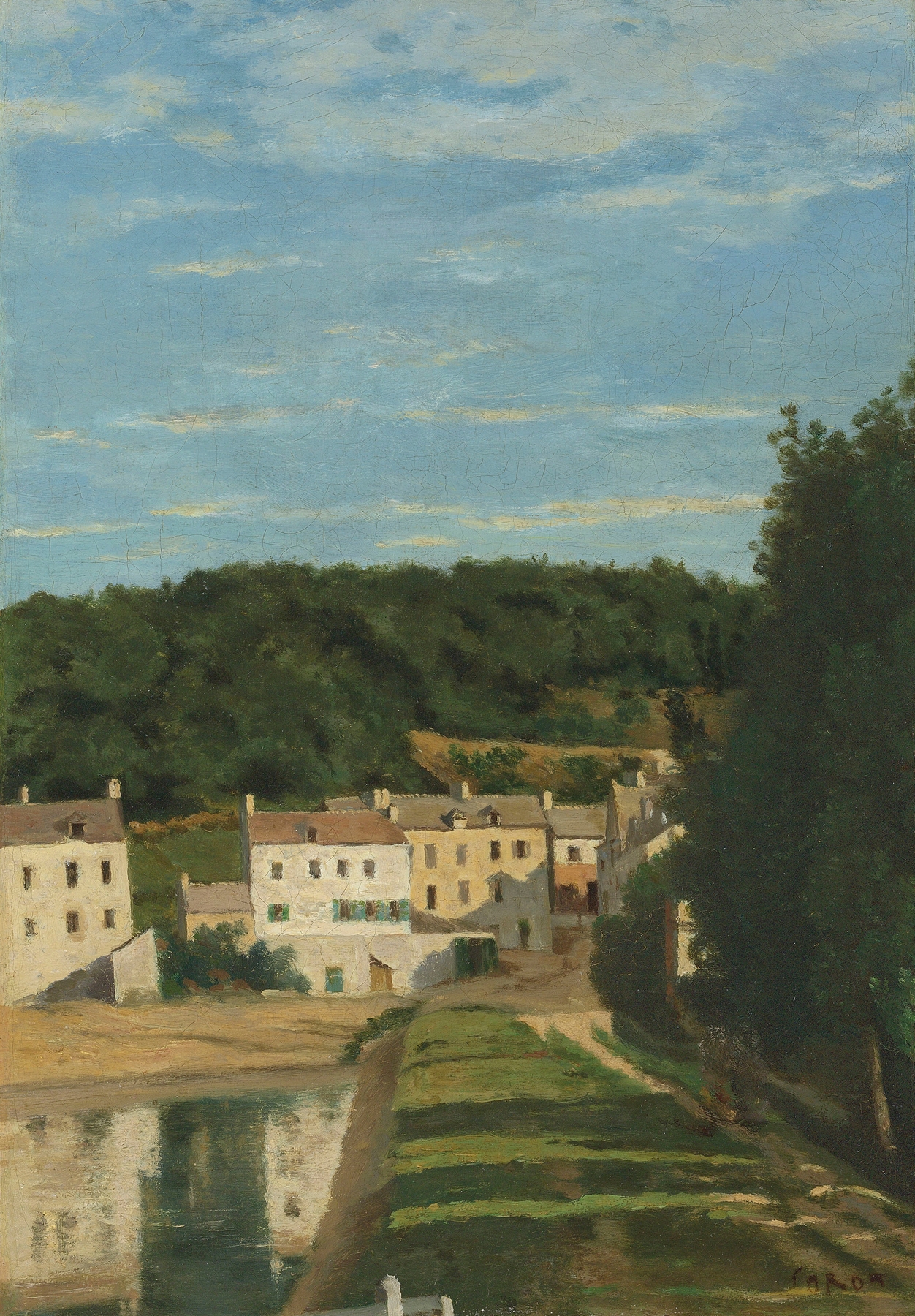
What if beauty was never meant to be finished? This notion resonates deeply in the mesmerizing hues of nature captured in this work, inviting us to ponder the fleeting moments that define our experiences. Focus first on the vibrant greens that dominate the canvas, where Corot's brushstrokes meld into a harmonious symphony of color. Notice how the soft, dappled light bathes the charming houses nestled amid the trees, creating a sense of warmth and tranquility.
The carefully layered shades evoke a lush landscape, guiding the eye toward the distant horizon where soft blues and grays hint at the sky above. Each stroke of paint captures the essence of a serene day, almost as if time itself pauses to admire the scene. Yet, beneath this idyllic surface lies a tension between the fleeting beauty of nature and the enduring presence of human habitation. The juxtaposition of the robust greenery against the delicate architecture suggests a dialogue between man and nature, where the vibrancy of life is set against the permanence of the structures.
Each detail, from the swirling leaves to the subtle shadows, tells a story of coexistence, reminding us that beauty is often transient and ever-changing. Created between 1840 and 1845, this piece emerged during a transformative period for the artist, who was exploring new techniques and light effects influenced by the burgeoning Impressionist movement. Working in Ville d’Avray, a village outside Paris known for its picturesque landscapes, Corot was deeply engaged with capturing the essence of the natural world. This work reflects both his personal evolution and the shifting tides in the art world, where the celebration of light and color began to take precedence over strict realism.