Les bords de la Marne — History & Analysis
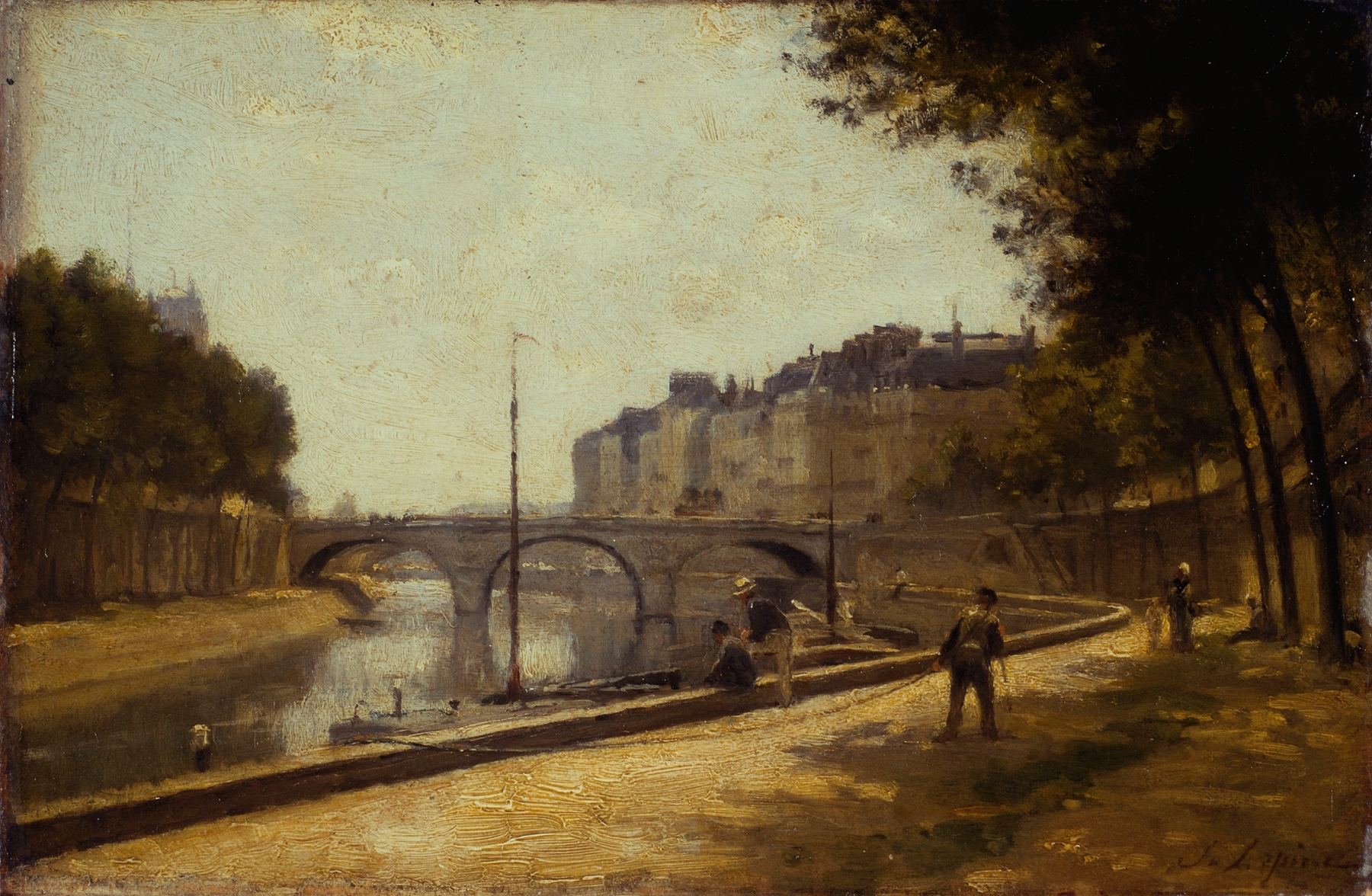
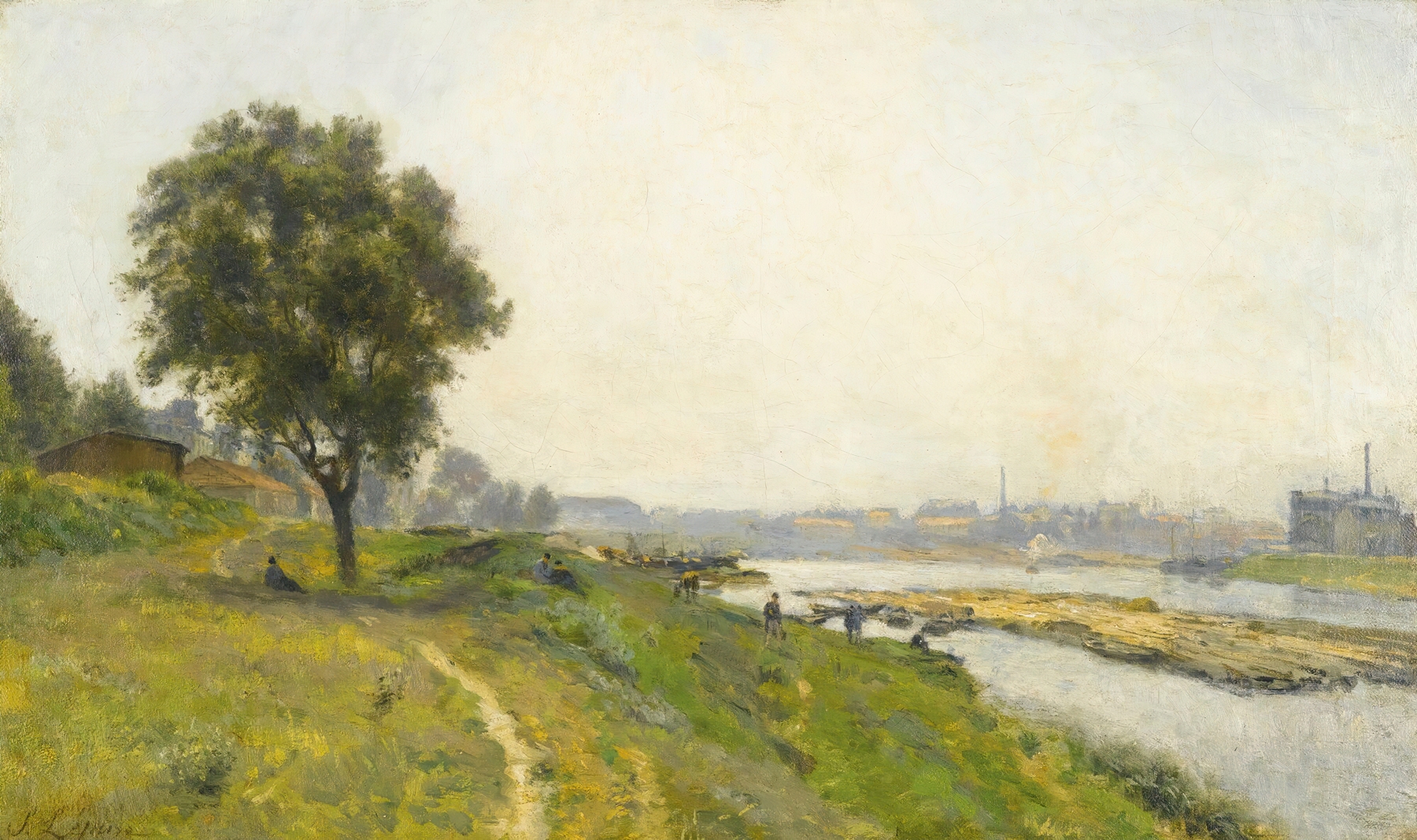
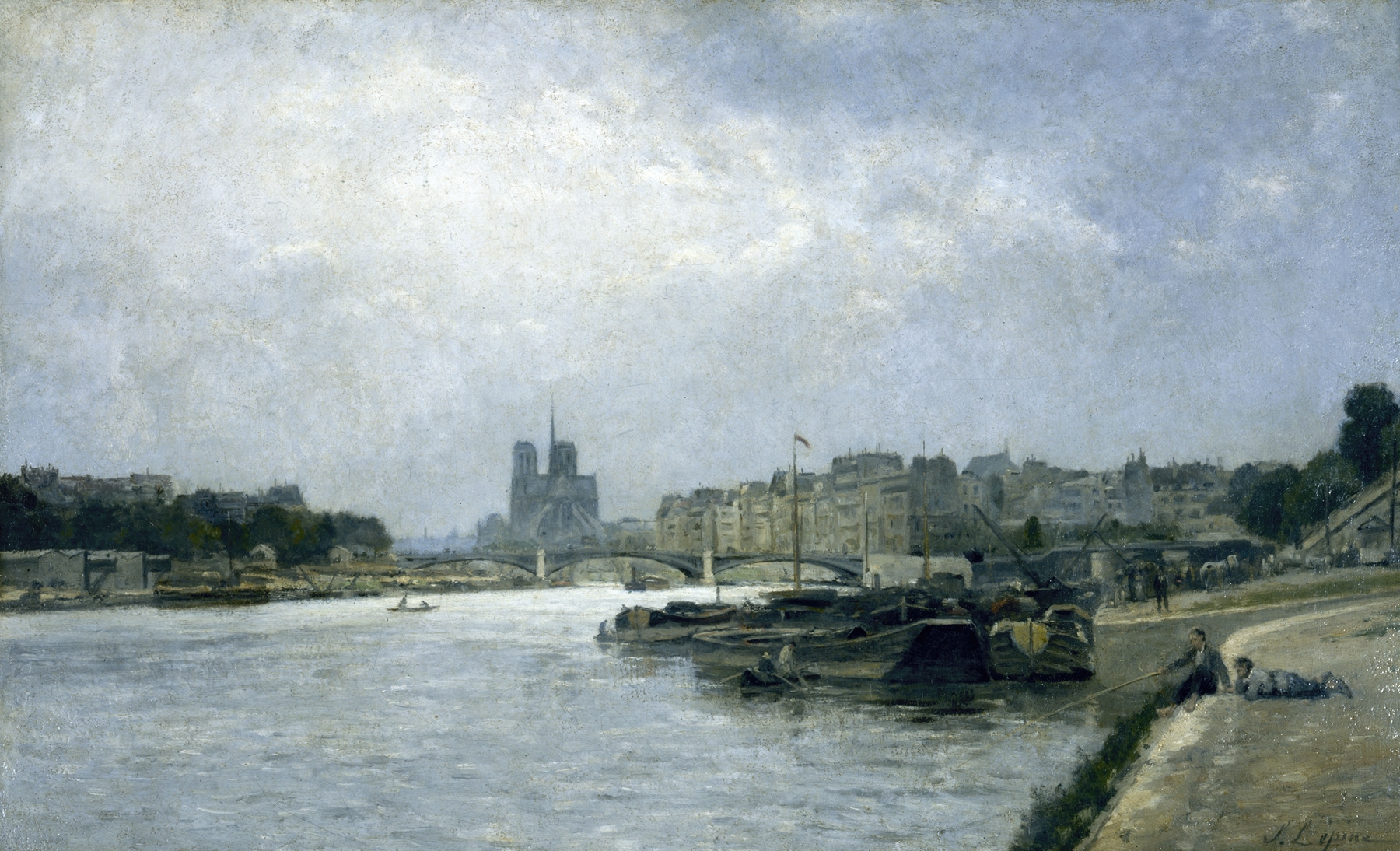
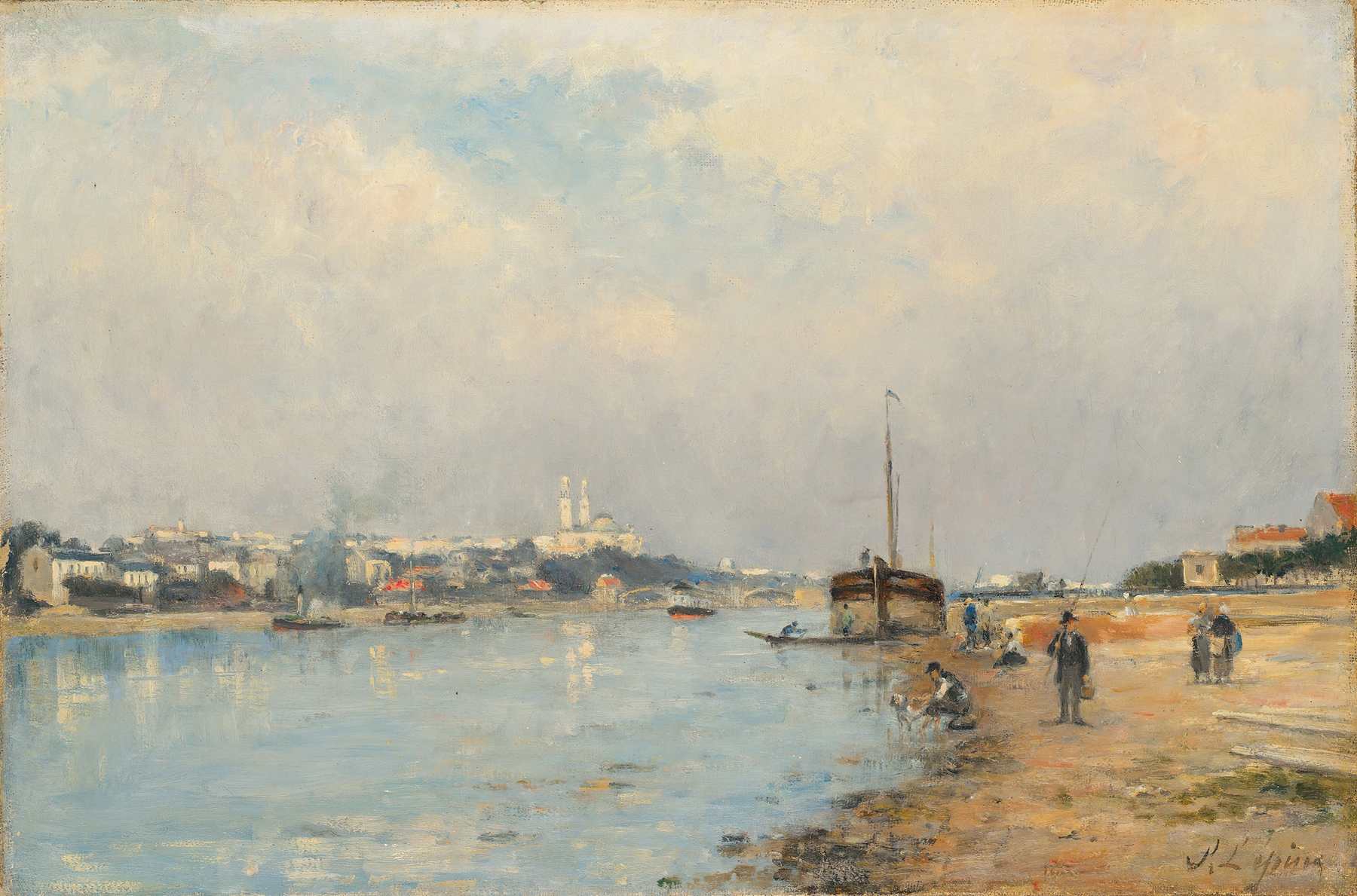
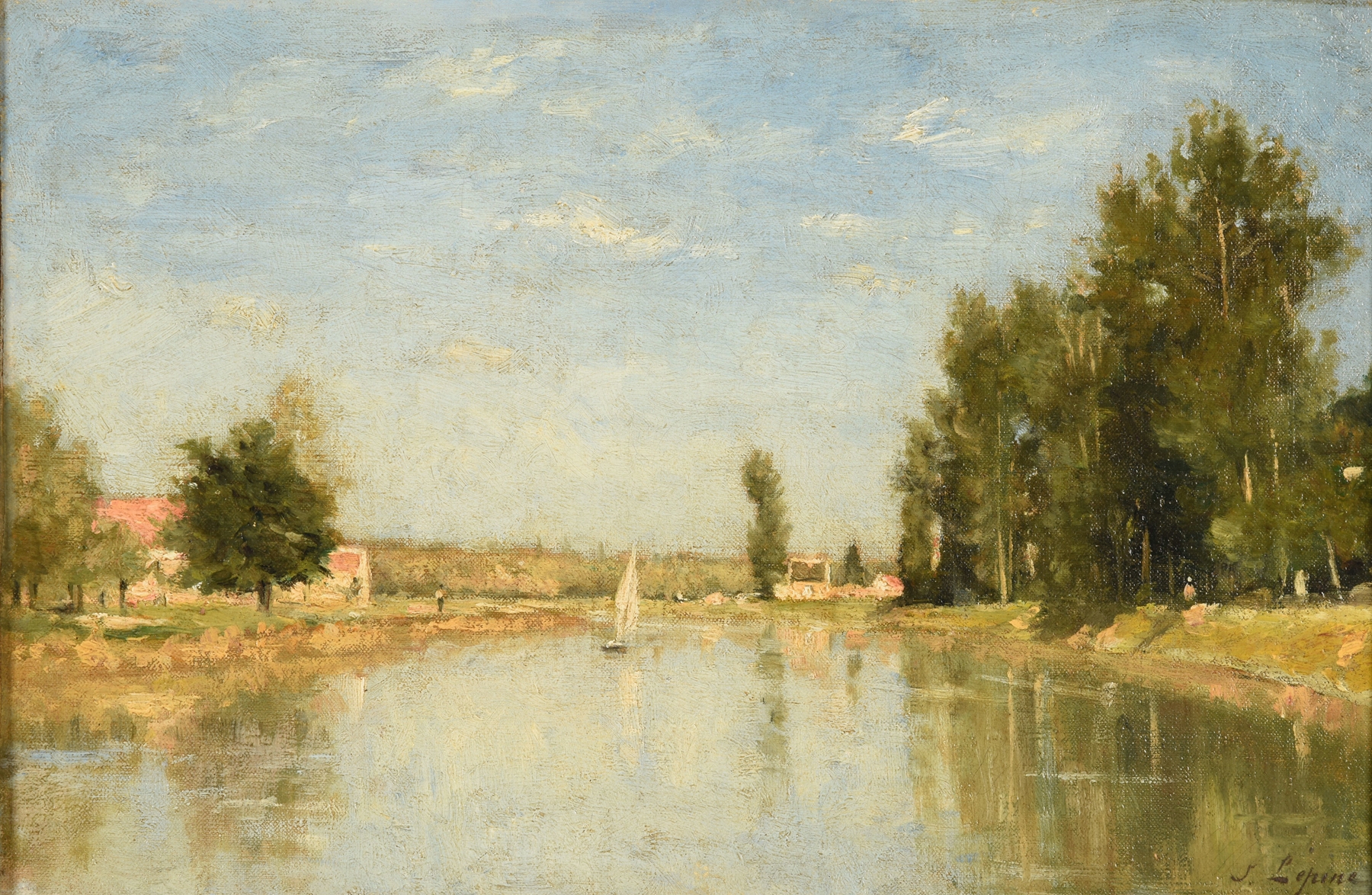
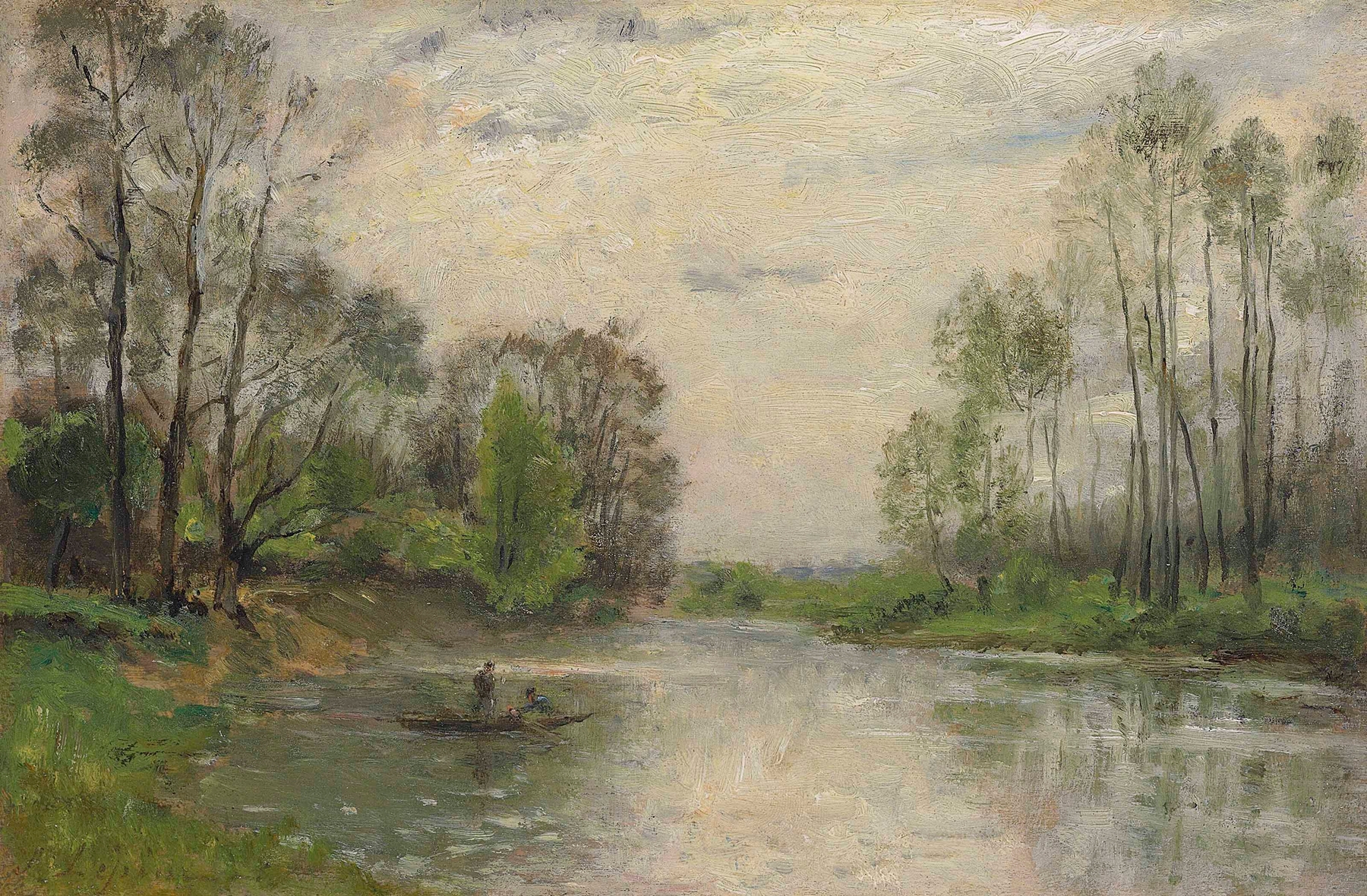
Can beauty exist without sorrow? This poignant question permeates through the essence of the landscape, where innocence lingers amid nature's quiet majesty. Look to the left at the gentle ripples of the Marne River, where soft hues of cerulean meet the delicate greens of the surrounding foliage. The water reflects a sky dappled with whispers of clouds, while trees frame the scene with lush, vibrant branches that seem to sway in a soft breeze.
Notice how the brushwork combines meticulous detail with a sense of fluid movement, evoking both tranquility and a fleeting moment, as if the viewer is privy to a private world untouched by time. Within this serene tableau lies a deeper narrative—an interplay between light and shadow that hints at the passing of time. The vibrant colors reflect both the beauty of nature and an underlying melancholy, suggesting that the innocence of such moments is transient. The solitary figure in the foreground, quietly engaged with the landscape, embodies the delicate balance between solitude and connection to nature, inviting contemplation about the fleeting nature of joy.
Stanislas Lépine painted this piece between 1878 and 1882, during a time when he sought to capture the essence of Impressionism while remaining rooted in realism. Living in France, he was surrounded by a burgeoning art movement that emphasized the importance of light and color. This painting embodies his desire to merge the beauty of the natural world with emotional resonance, reflecting both personal and societal explorations of beauty amidst the complexities of life.