Les Lavandières — History & Analysis
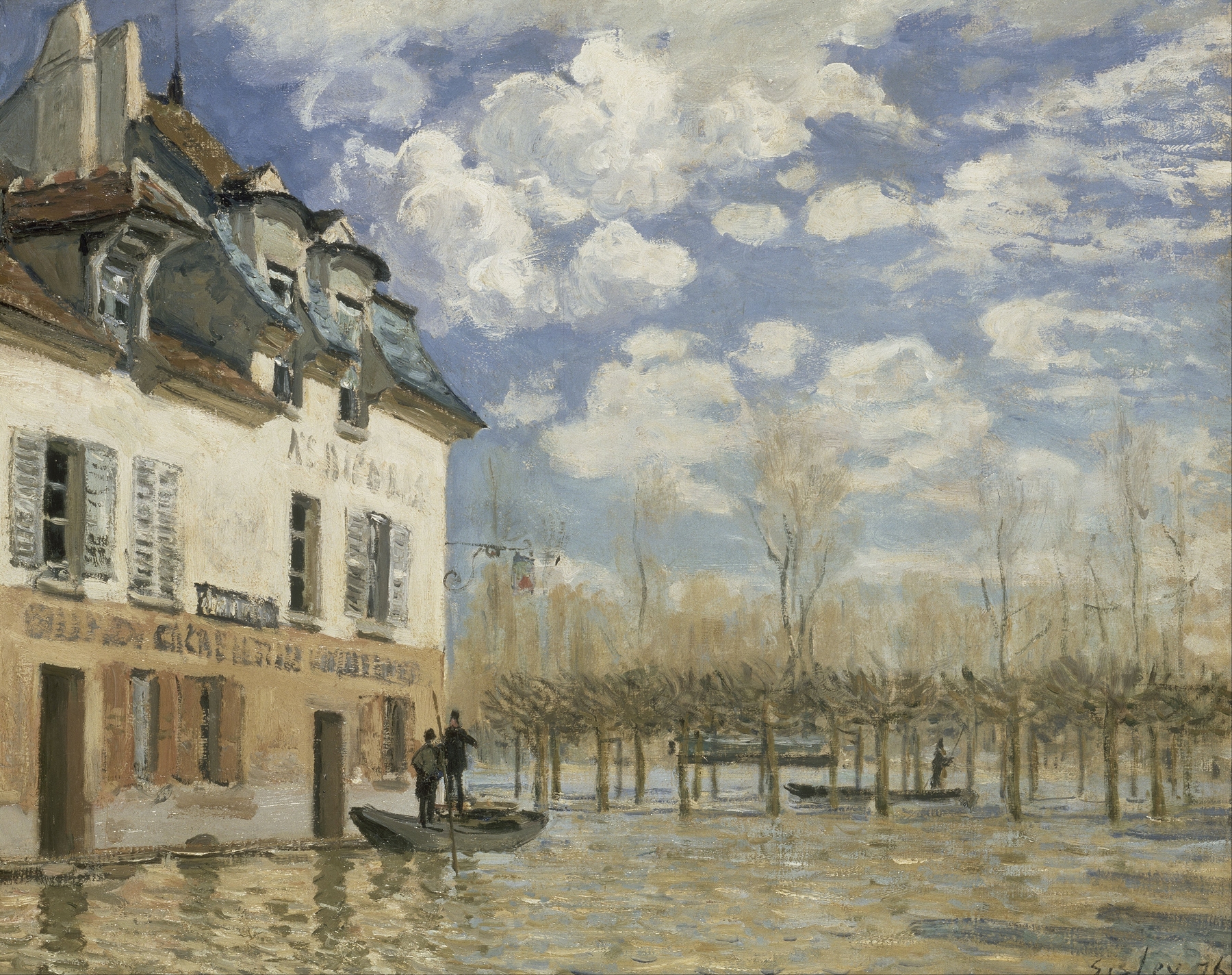
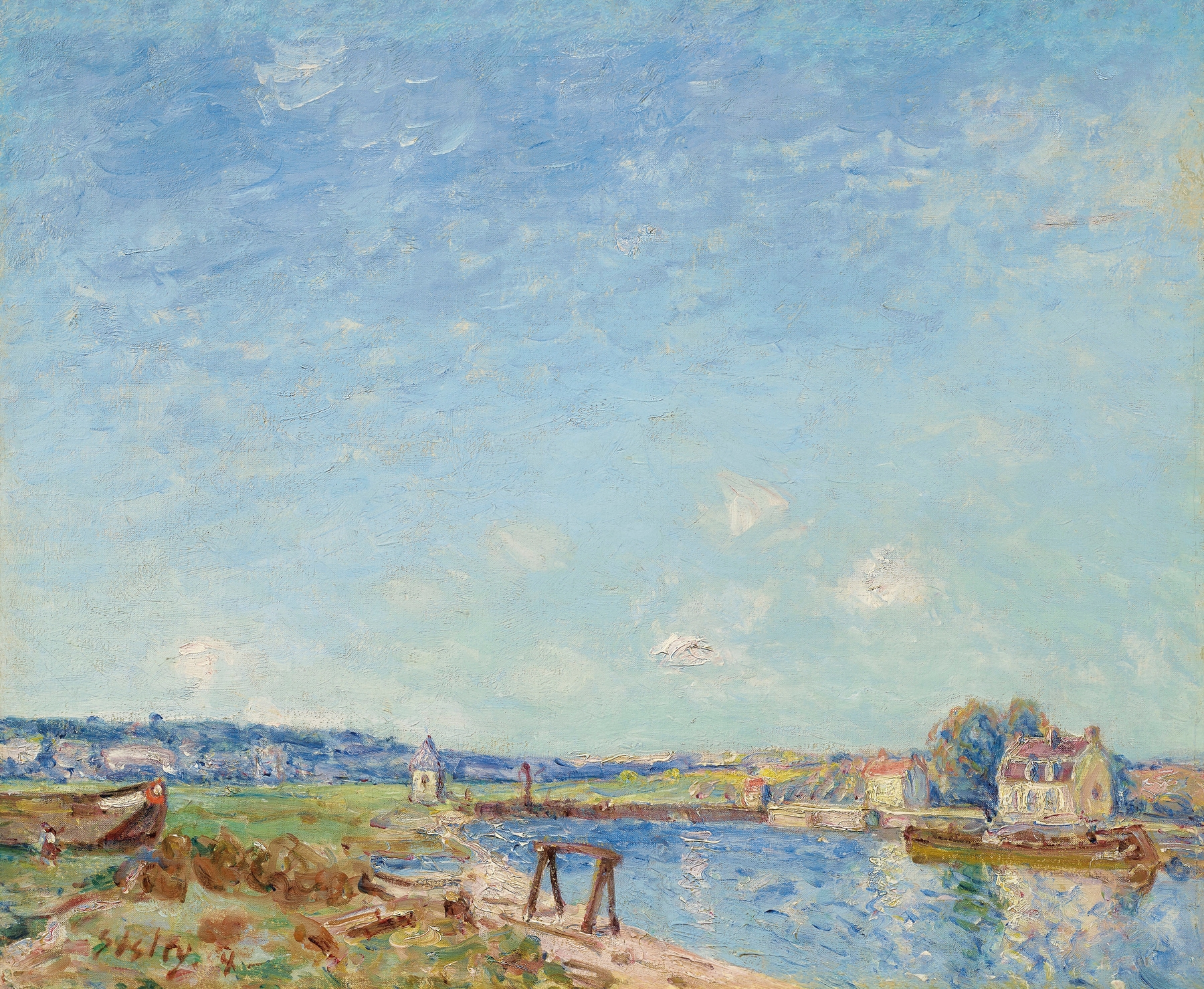
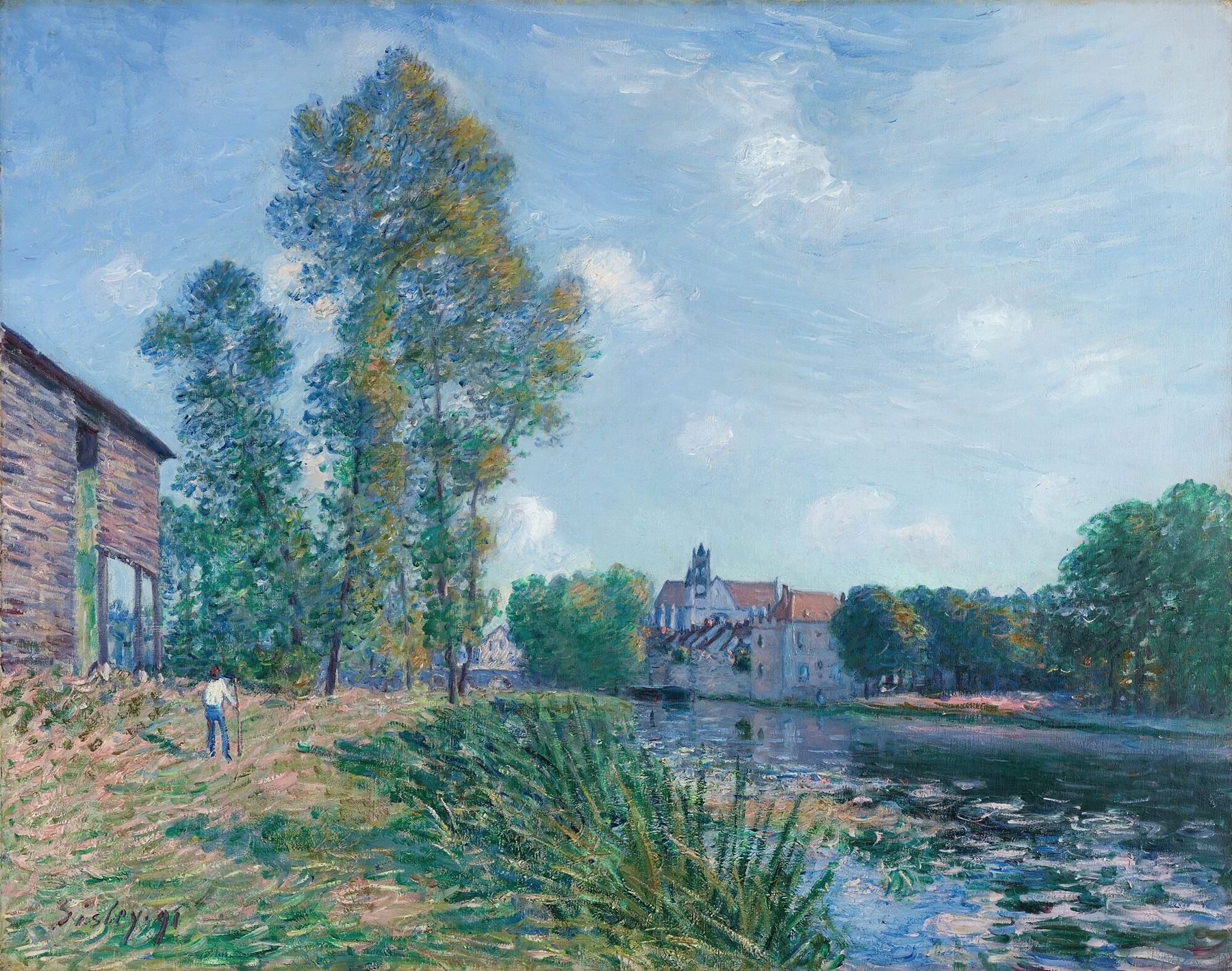
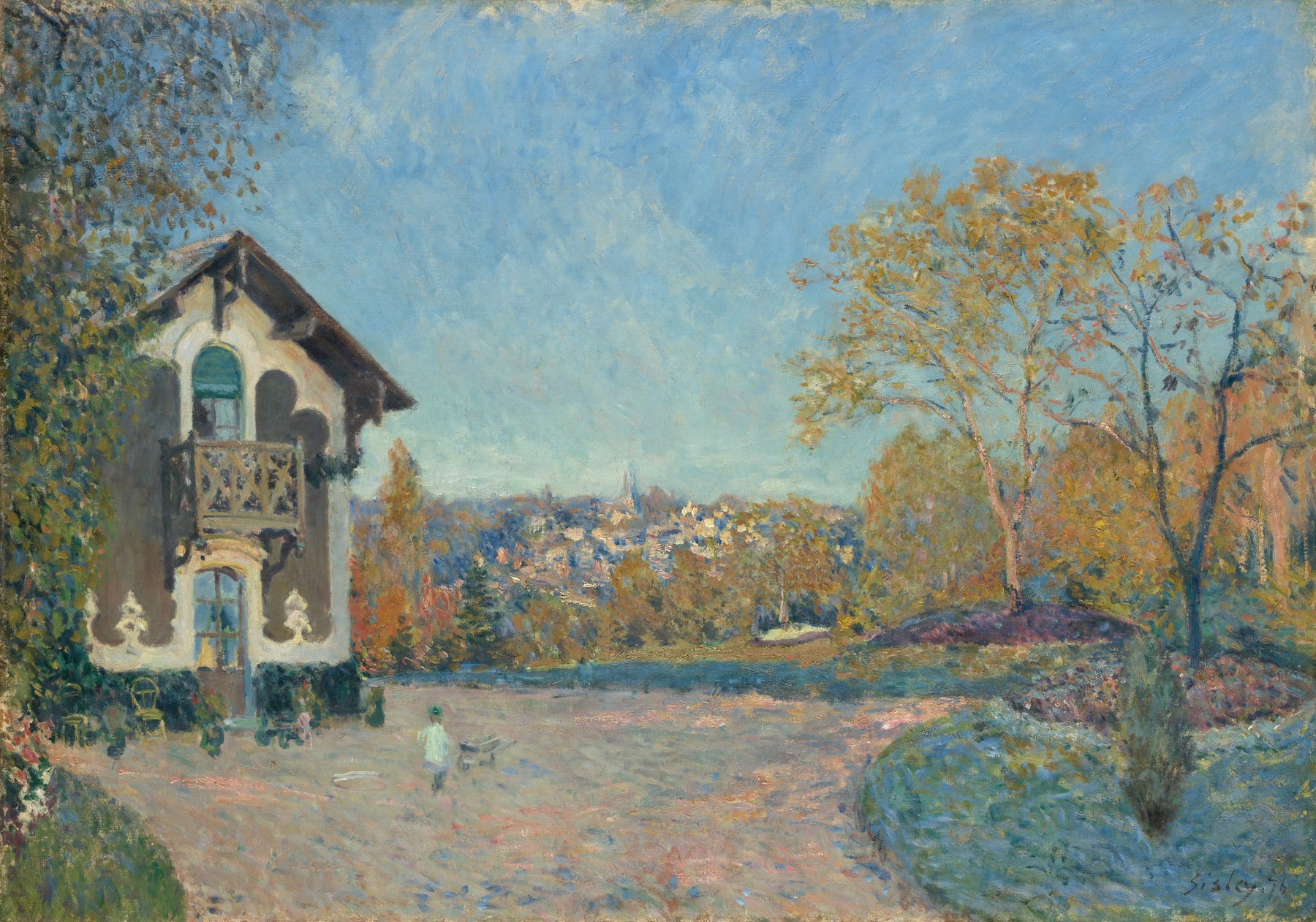
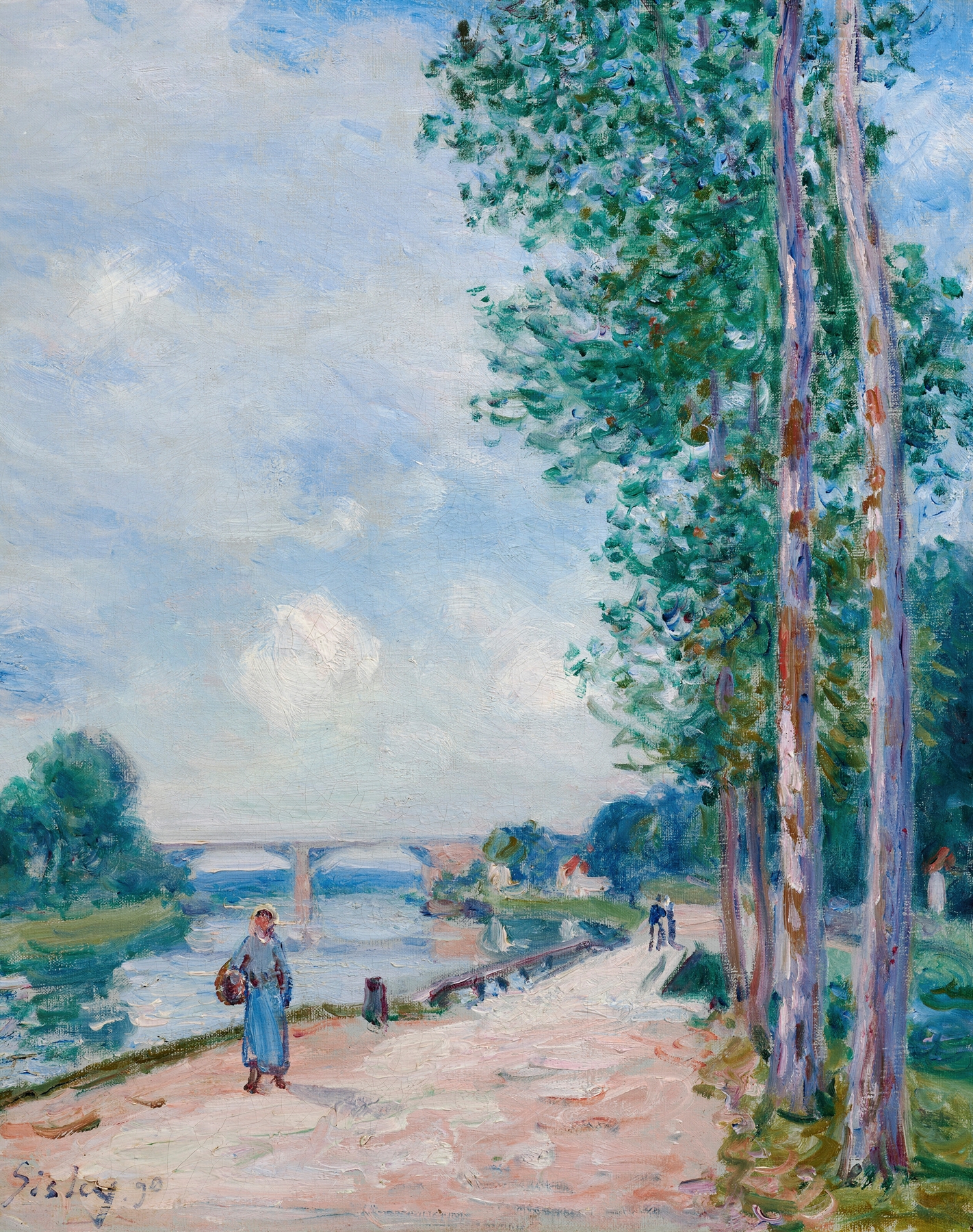
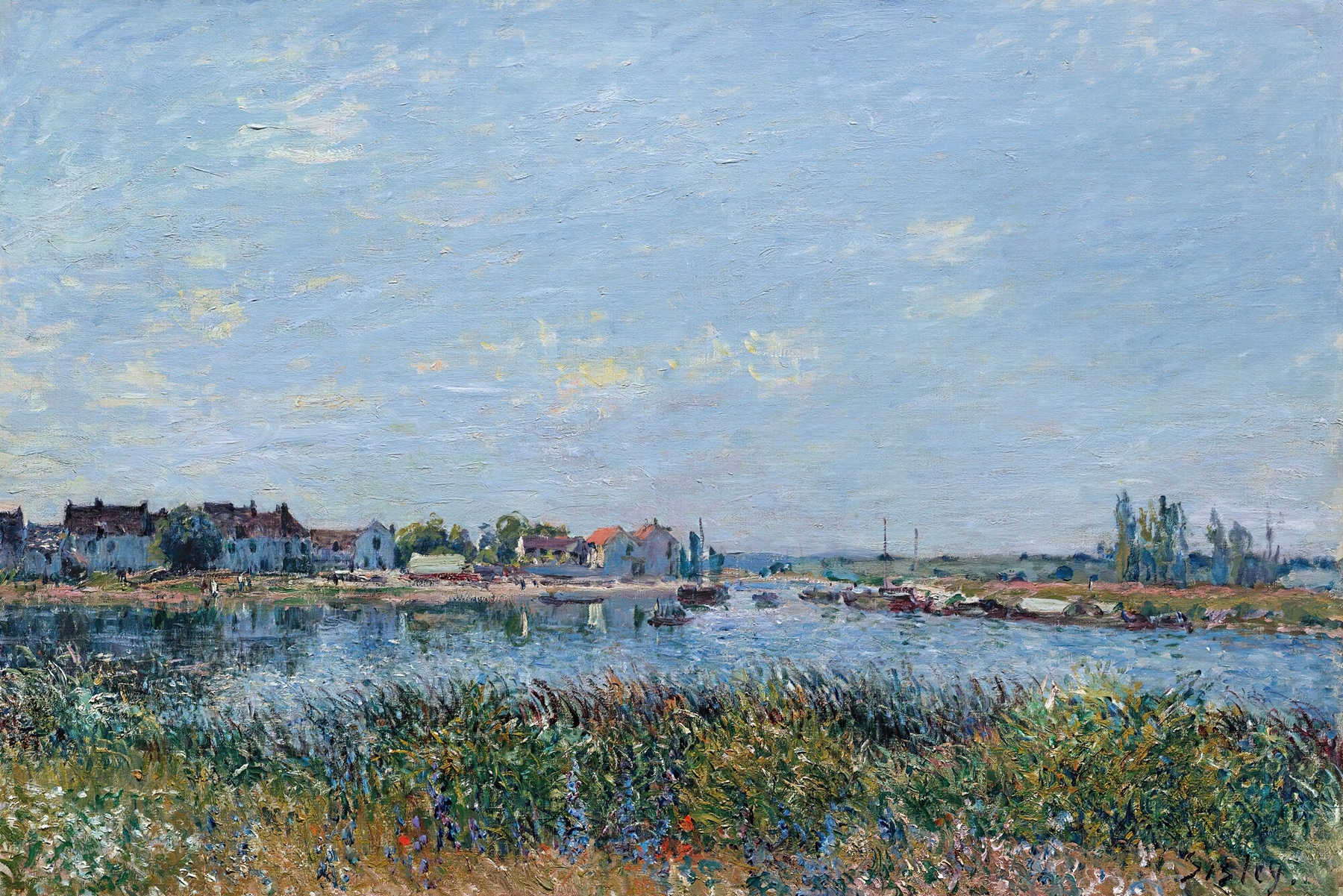
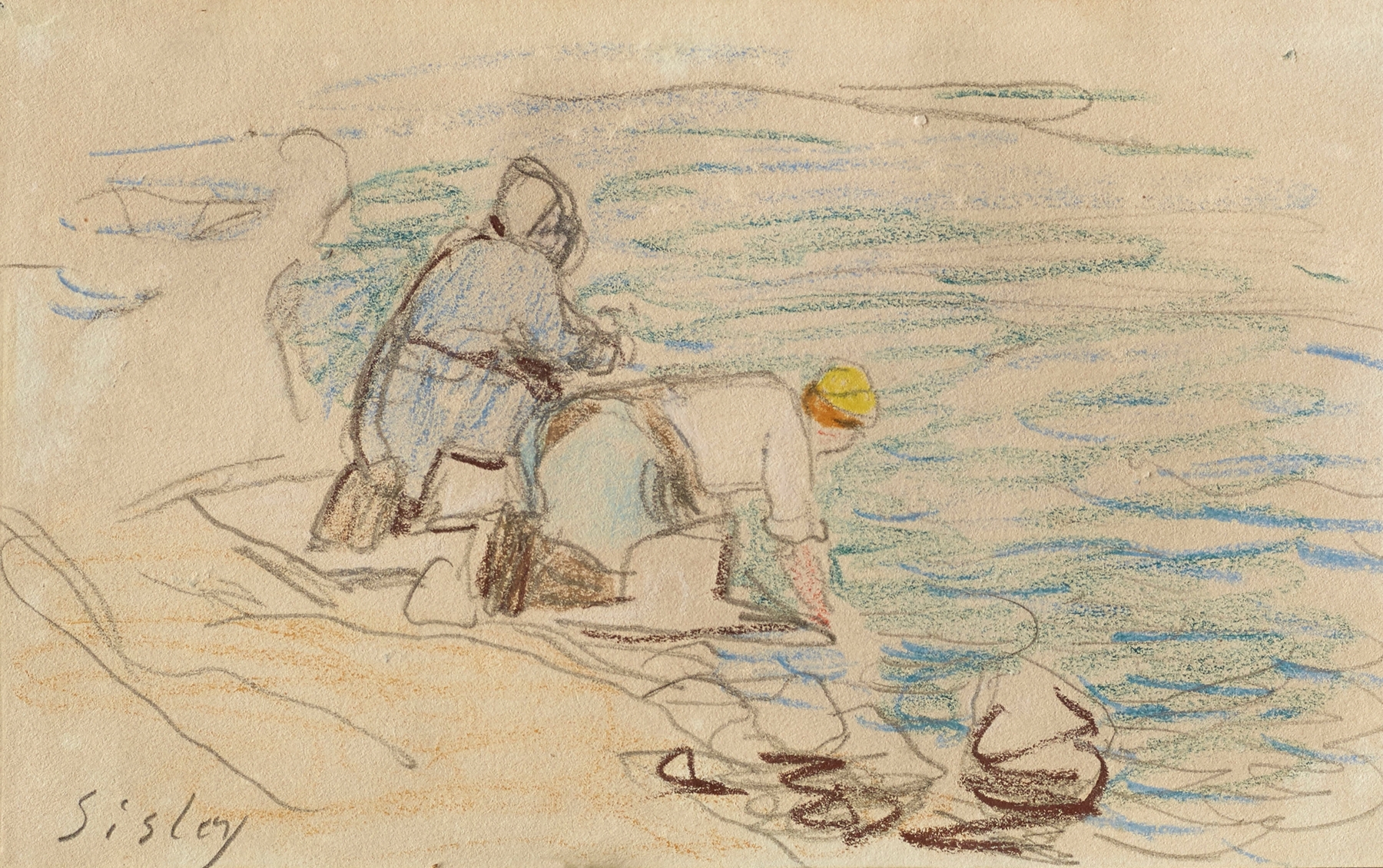
Can beauty exist without sorrow? In Les Lavandières, Alfred Sisley captures the delicate interplay of nostalgia and labor, a scene steeped in quiet reflection. The image invites us to ponder the lives of the washerwomen, their toil resonating with the echoes of past joys and hardships. Look to the left at the picturesque river, its gentle currents mirroring the soft blues and greens of the sky above. The women, clad in muted colors, emerge from the water like phantoms of memory, their movements fluid yet purposeful.
Notice how the light dances across the surface, creating shimmering reflections that blur the lines between reality and reminiscence. Sisley’s deft brushwork brings a sense of vibrancy to this seemingly simple task, infusing it with an ethereal quality that draws the viewer in. Beneath the surface, emotional tensions arise from the juxtaposition of labor and beauty. The women, engaged in a repetitive chore, embody resilience against the tranquil backdrop of nature, evoking a sense of longing for a time lost. The lack of overt facial expressions invites us to reflect on their inner lives—are they content in their routine, or does the weight of nostalgia linger in their hearts?
Each stroke serves as a reminder of the bittersweet nature of existence, where beauty is often intertwined with the burden of memory. Sisley painted this work during the late 19th century, a period marked by his dedication to capturing the essence of rural life in France. Immersed in the Impressionist movement, he thrived on the interplay of light and color, striving to convey fleeting moments that resonate with viewers. As industrialization progressed, his art became a poignant testament to the simplicity and depth of everyday experiences, offering a counter-narrative to the changing world around him.