L’esplanade des Invalides — History & Analysis
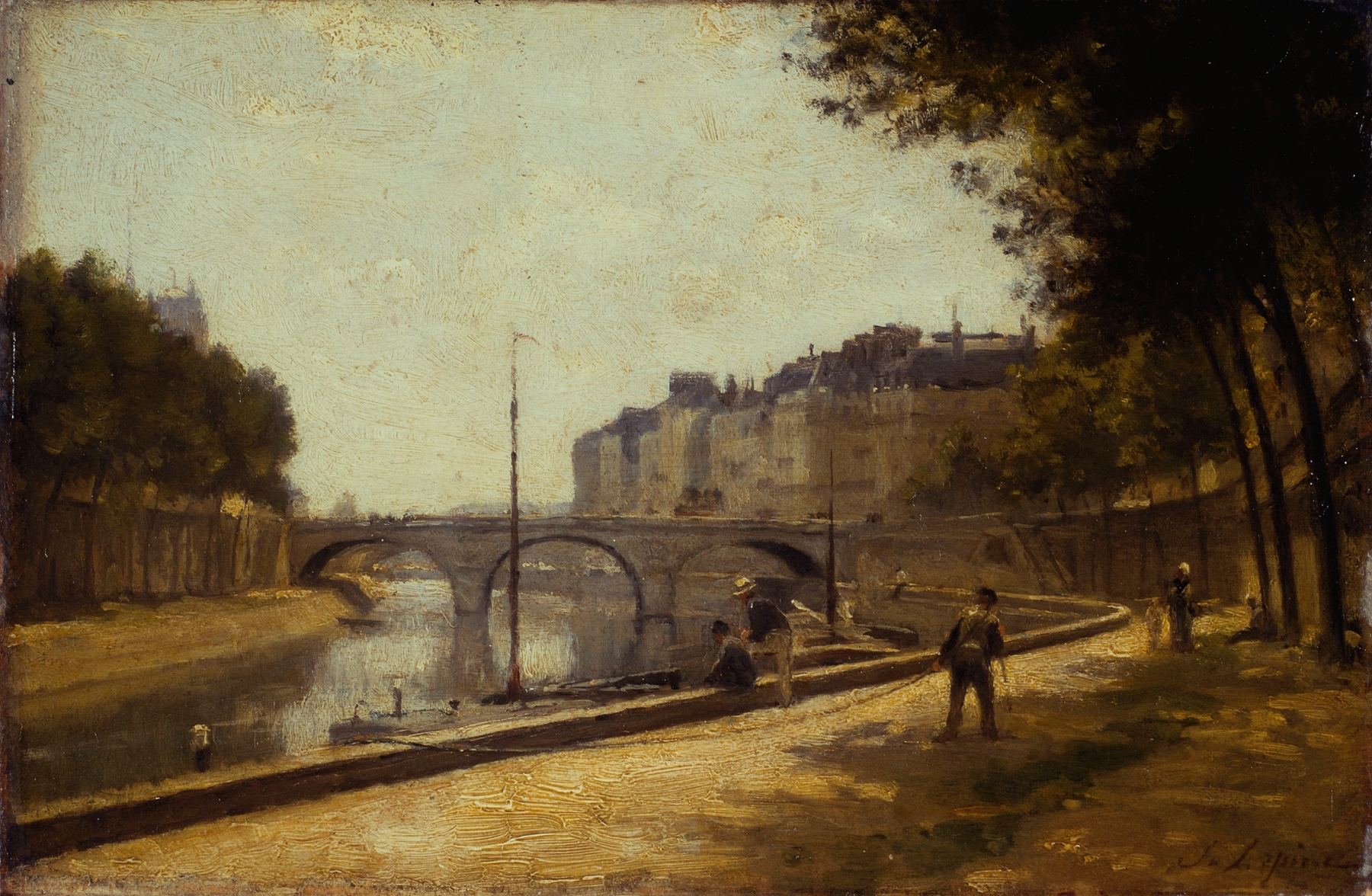
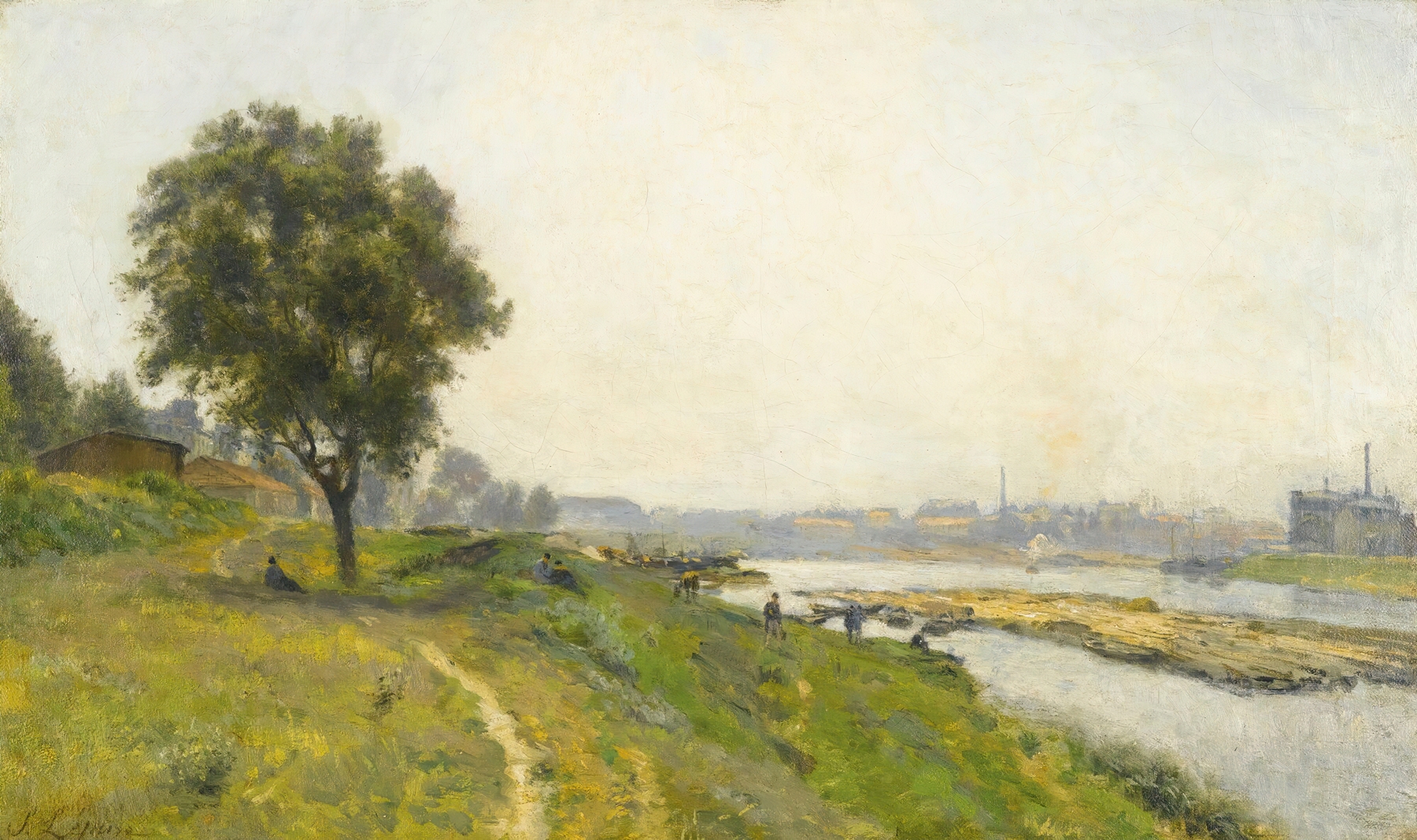
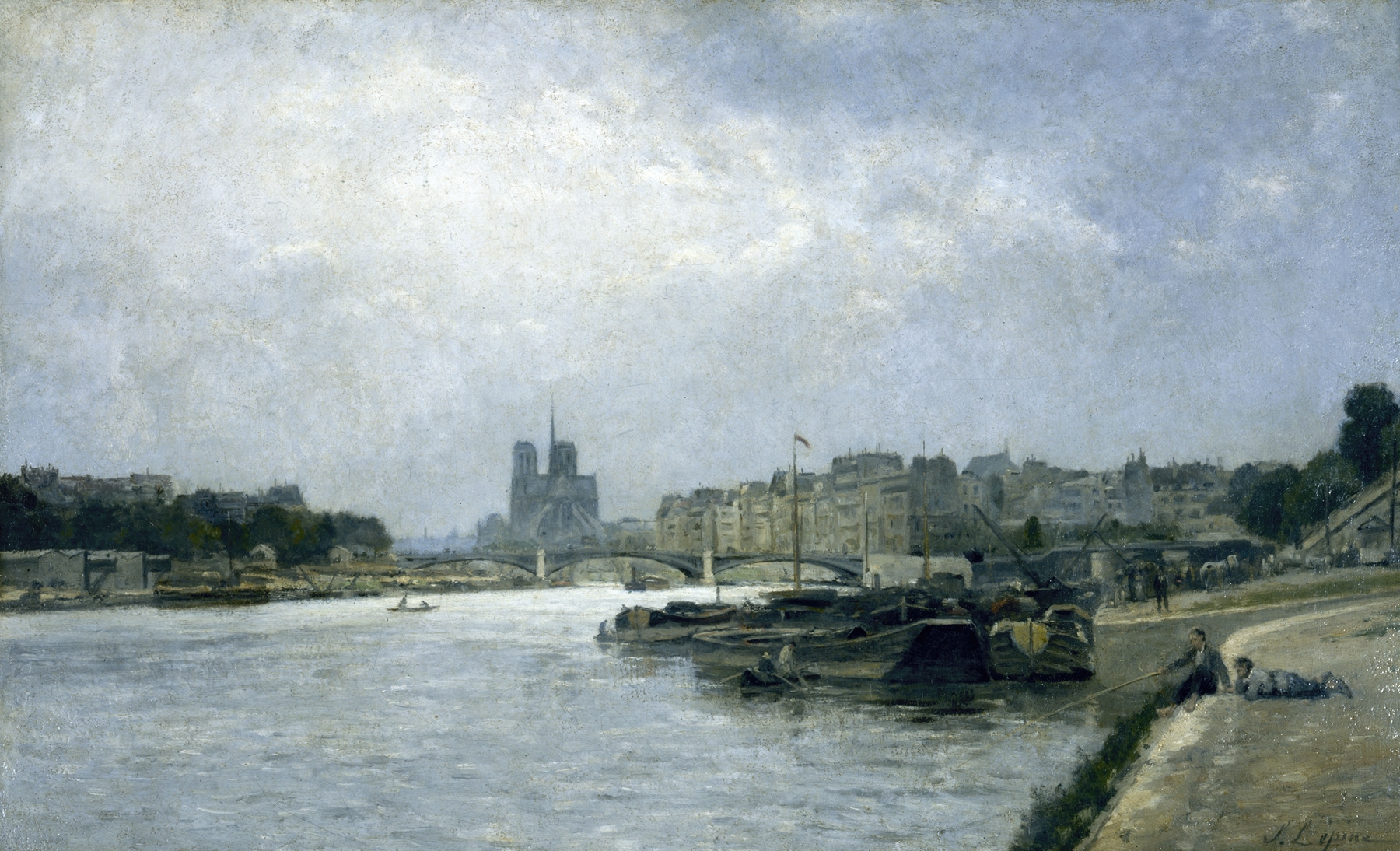
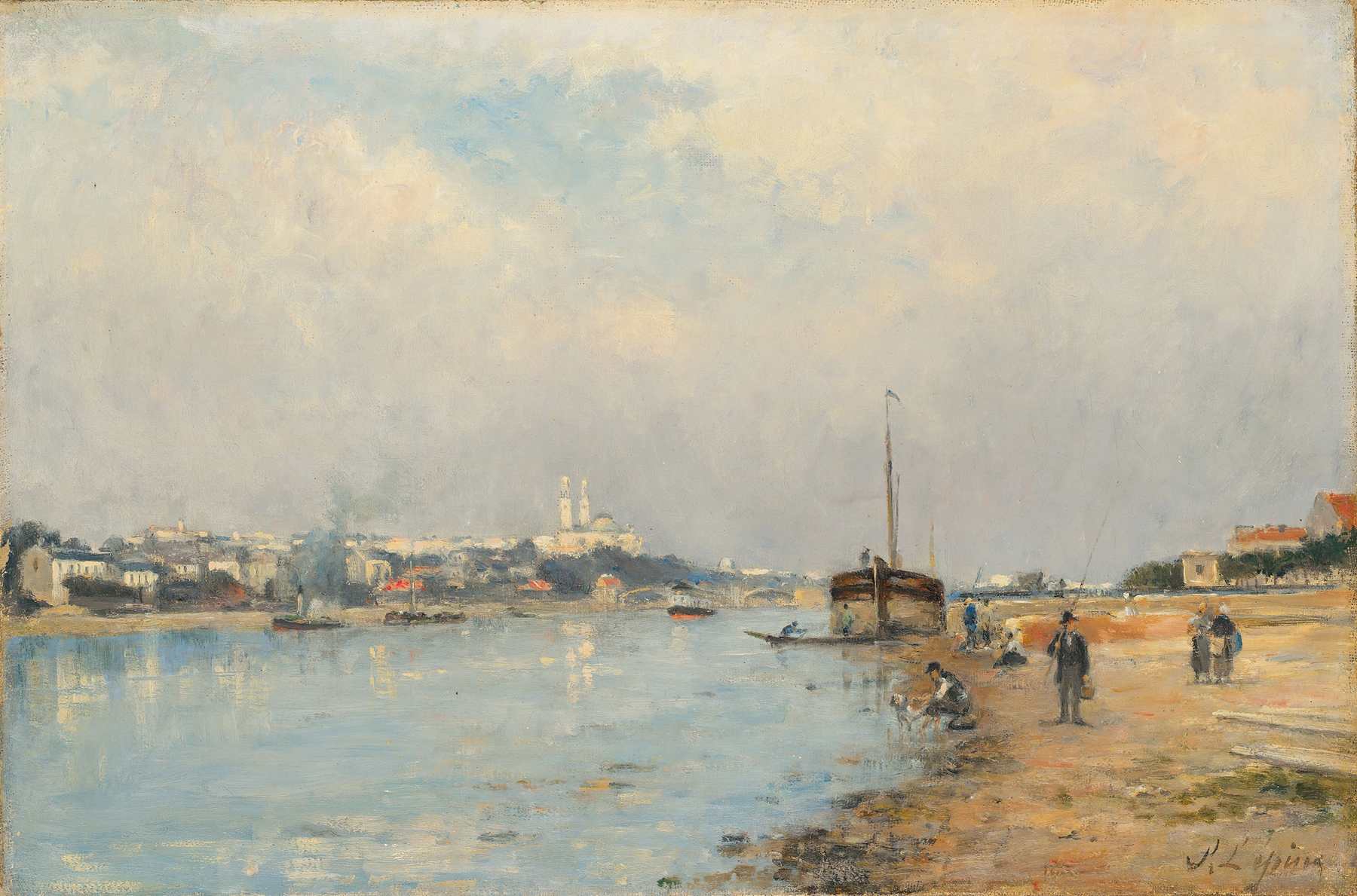
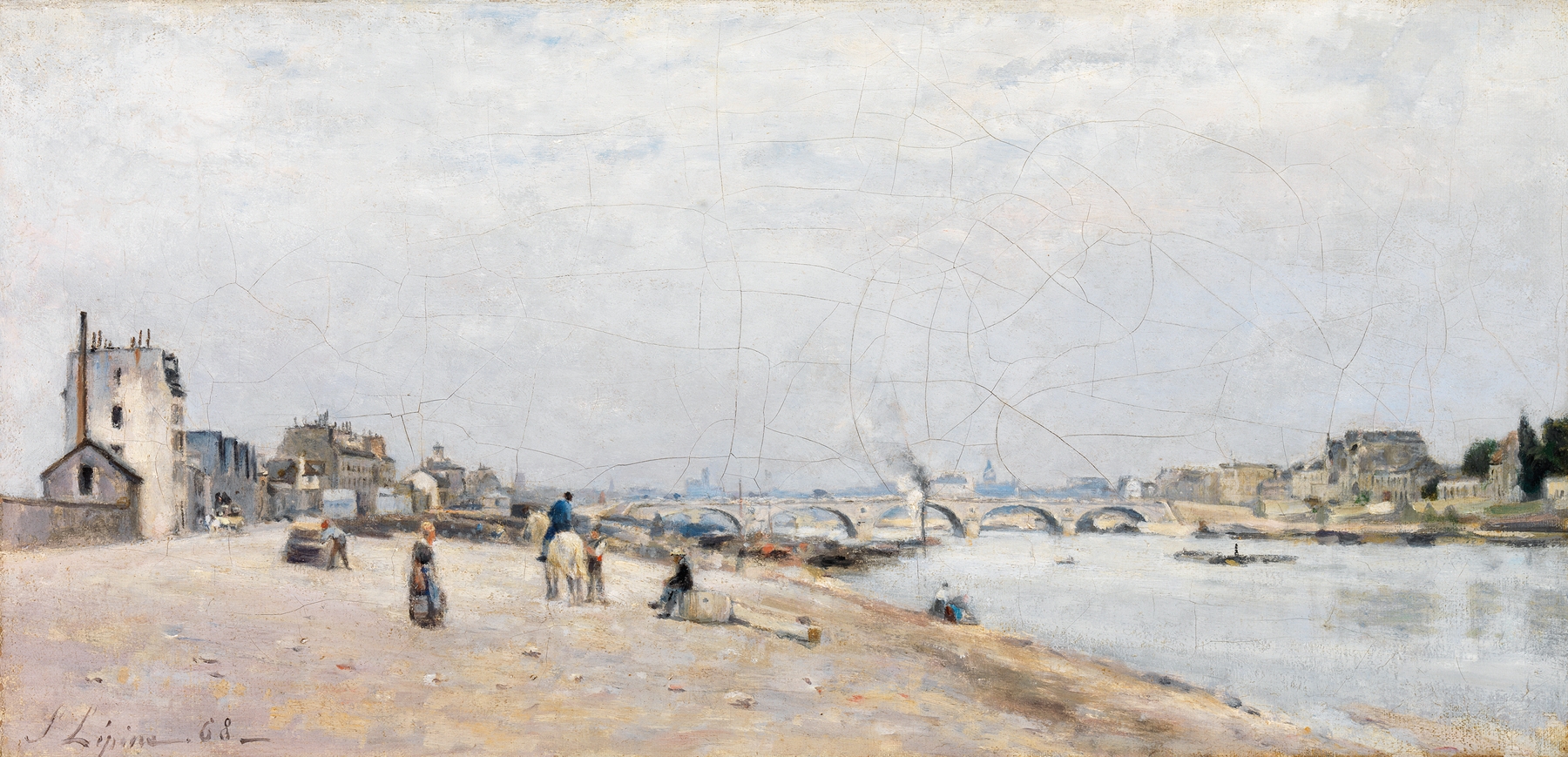
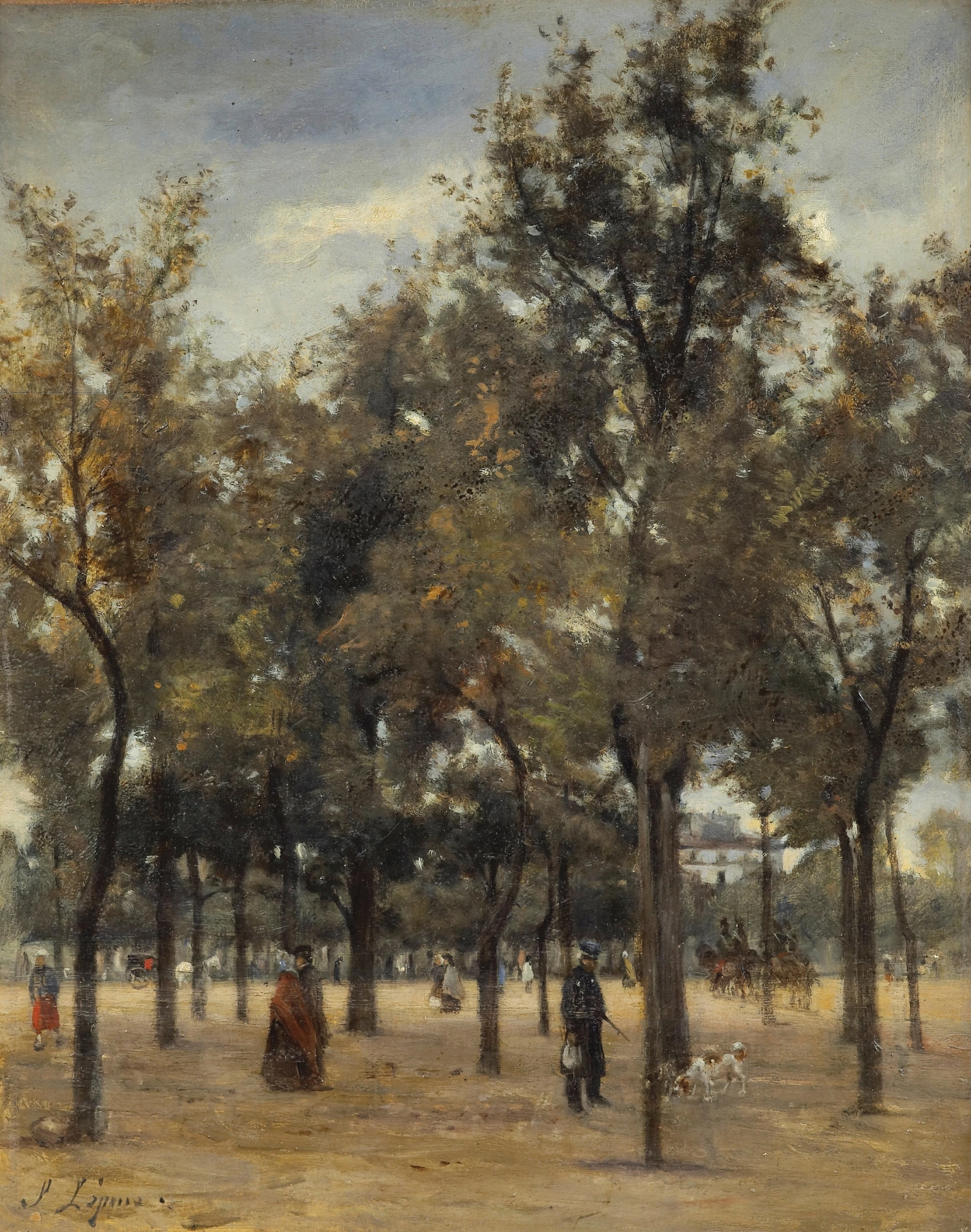
“Between color and silence, truth hides.” In a world saturated with noise, the unspoken often carries the most weight. Here, the canvas invites us into a profound exploration of absence, where voids and hues intertwine to reveal a hidden dialogue. Look to the foreground at the figures standing still, their forms cloaked in shadow. The muted palette of greens and browns gently melds with the softer blues of the sky, crafting a serene yet haunting atmosphere. The artist's precise brushwork captures both the stillness of the moment and the subtle play of light, illuminating the edges of the soldiers’ uniforms while leaving much of the scene in near-darkness.
It’s this contrast that guides your gaze deeper into the narrative, urging you to consider what lingers just beyond the visible. In this interplay between light and shadow, Lépine conveys a tension between presence and absence. The empty spaces around the figures speak volumes about their solitude and the weight of history. The composition is a silent meditation on the void, asking viewers to confront their own interpretations while hinting at the emotional echoes of war. Additionally, the placement of the figures suggests a disconnect, perhaps capturing the isolation felt in a bustling world, thus enriching the thematic layers with poignant depth.
Stanislas Lépine painted this work during a period marked by rapid change in France. Active in the late 19th century, he was deeply influenced by the evolving art movements around him. As the Impressionist wave surged, so too did the questioning of traditional methods. Lépine’s own style reflects a moment of introspection within the broader context of artistic innovation, a phase where the exploration of light and emotional resonance became paramount.