L’inondation à Longchamp — History & Analysis
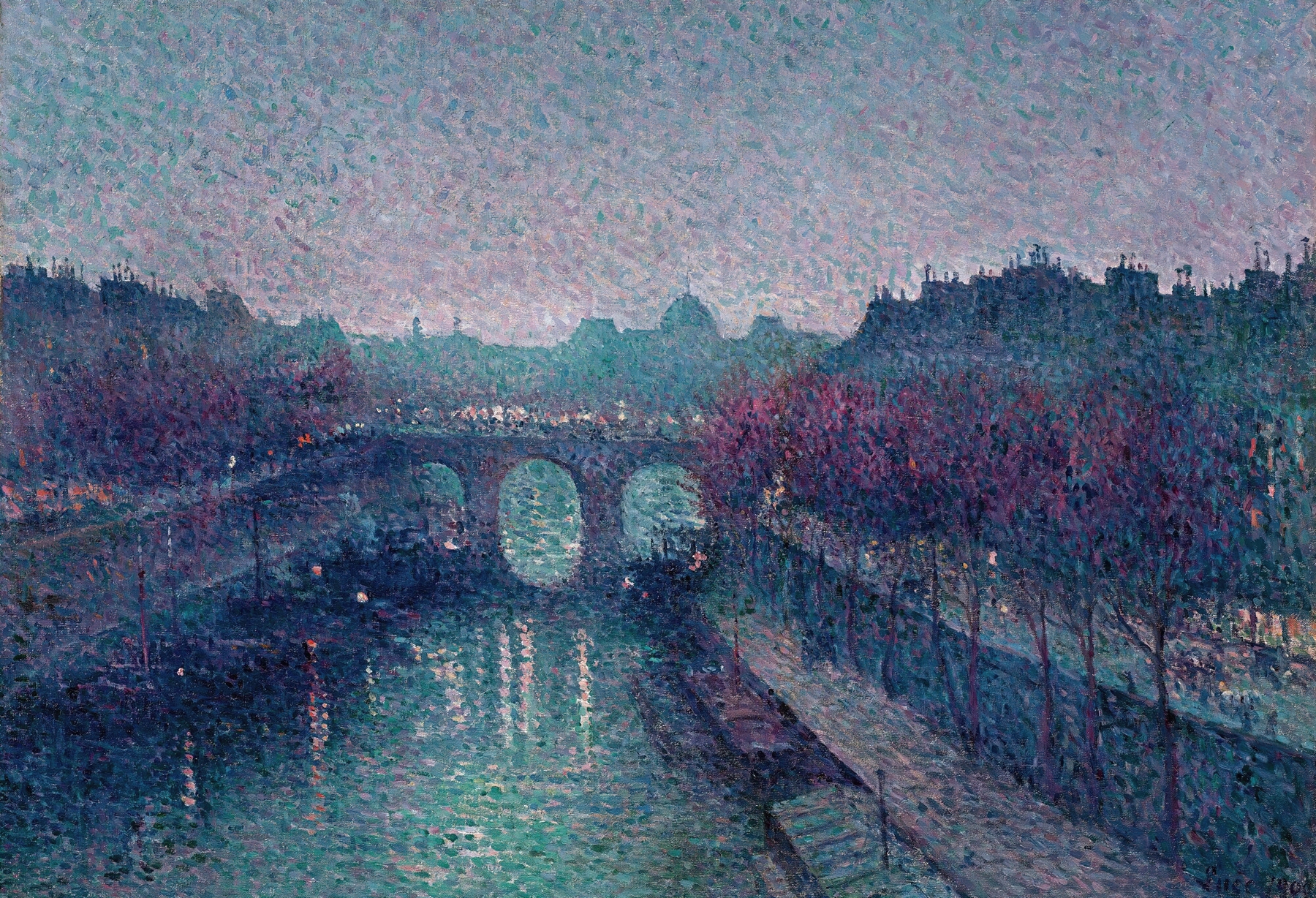
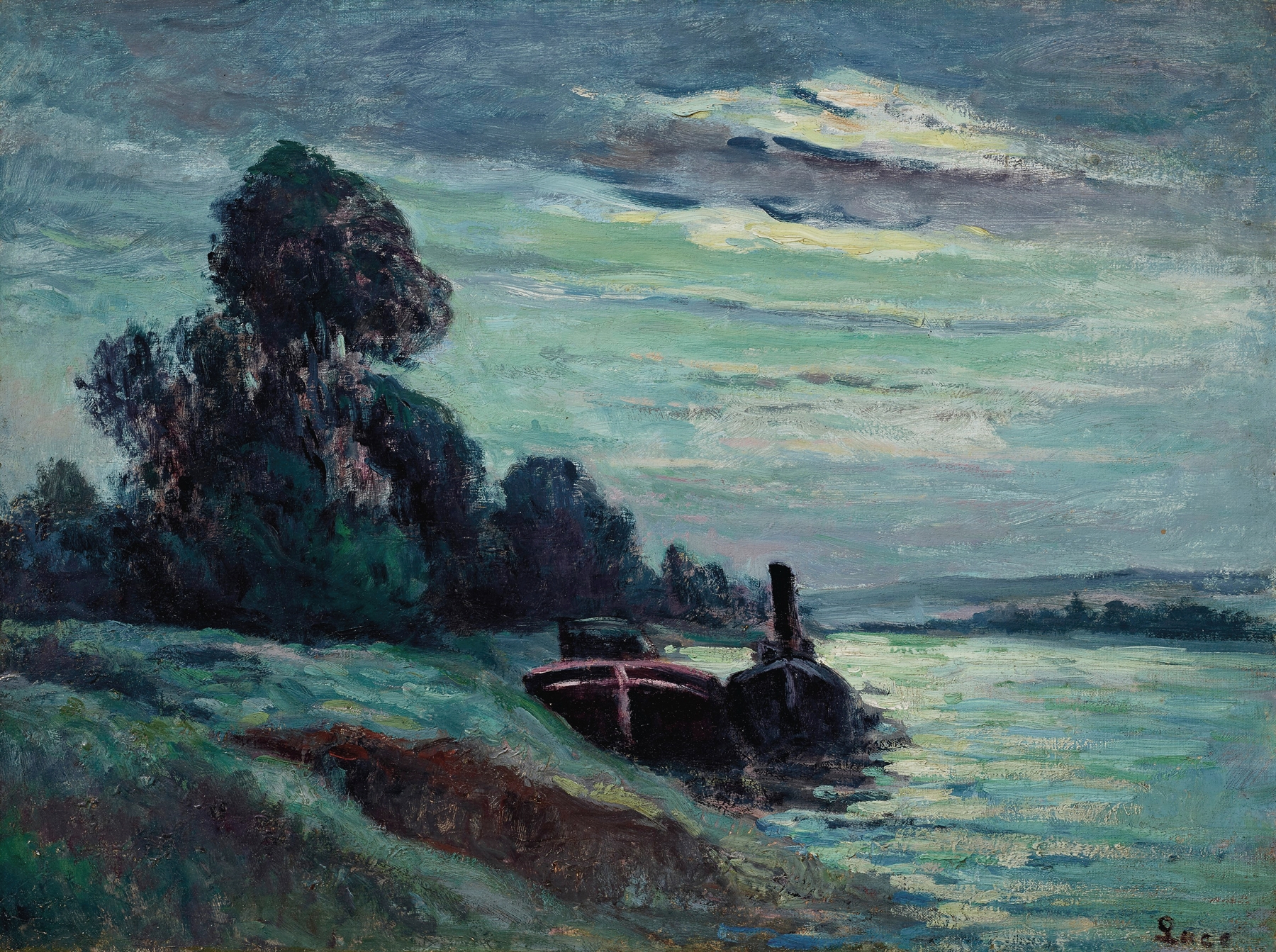
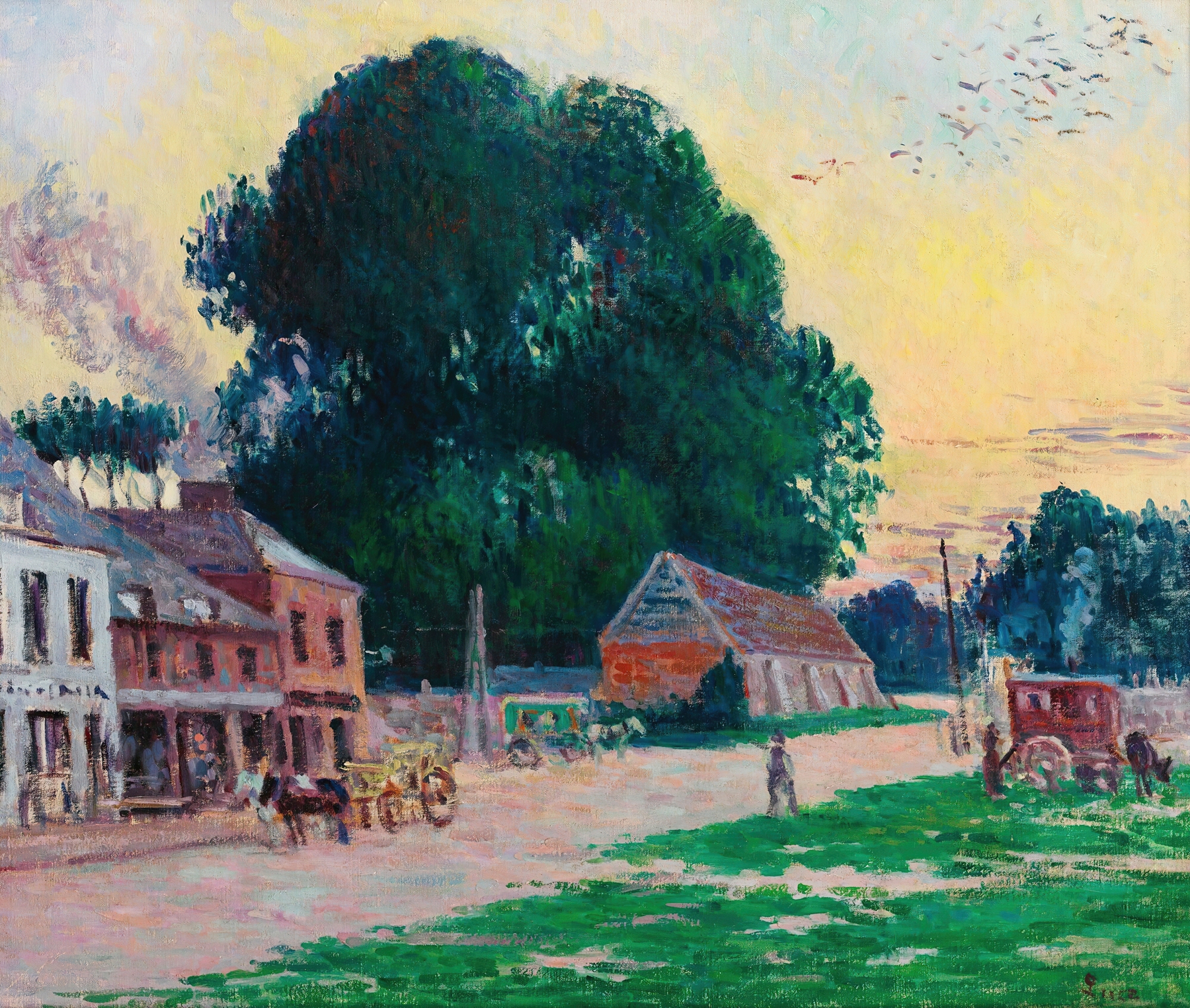
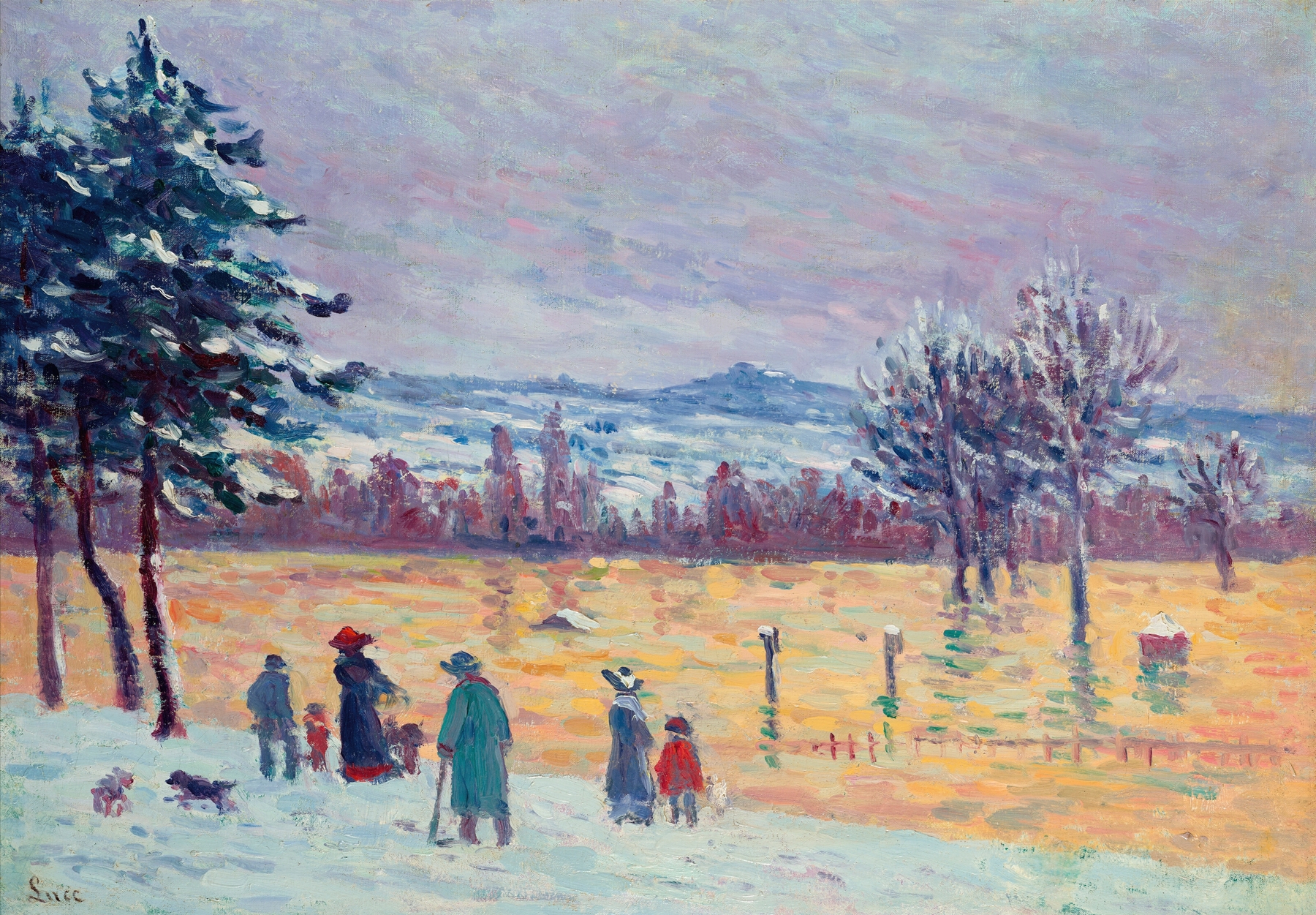
Can paint confess what words never could? In the quiet aftermath of a flood, a stillness pervades the canvas, echoing the profound solitude that often accompanies nature’s wrath. Look to the center of *L’inondation à Longchamp*, where the swirling waters embrace a desolate landscape. The muted blues and grays swirl together, creating a sense of motion that contrasts with the stark, silent buildings on the horizon. Notice how the light plays off the wet surfaces, highlighting the remnants of human existence amidst the chaos. The brushwork, both energetic and delicate, pulls the viewer's eye toward the horizon, where a ghostly town seems to mourn its inundation. Hidden within the watery depths are themes of isolation and despair. The lonely figures, small against the expansive backdrop, suggest vulnerability and confusion in the face of overwhelming forces. The juxtaposition of the tranquil sky and tumultuous water evokes a sense of emotional tension, as if nature has rendered humanity insignificant. Each stroke captures not just the flood’s physical reality but also the existential loneliness that follows in its wake. Maximilien Luce created this poignant scene in 1912, while living in Paris, where he was immersed in the vibrant art movements of his time. The early 20th century was a period of rapid change, with Impressionism evolving and new modernist ideas emerging. Luce, connected to the Pointillist technique of his mentor, took inspiration from both the beauty and turmoil surrounding him, channeling these experiences into a narrative of resilience in *L’inondation à Longchamp*.