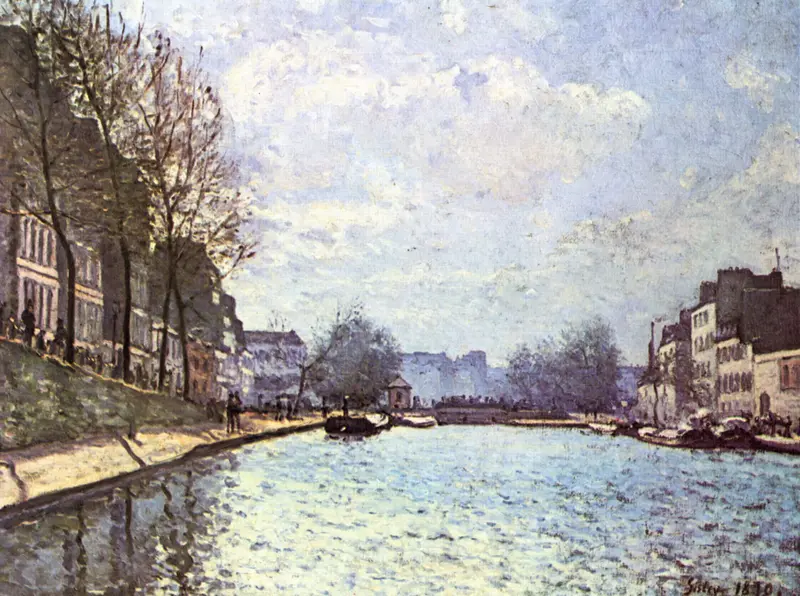
L’Institut; l’aile gauche avec le portique — History & Facts
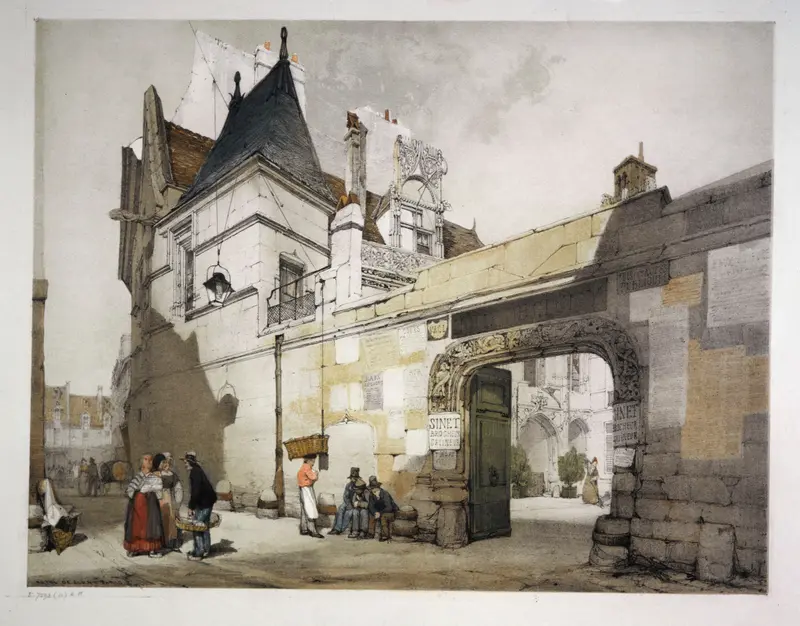
In the midst of architectural grandeur, whispers of decay linger beneath the surface of beauty. The remnants of a once-vibrant world invite us to ponder the passage of time, revealing a complex narrative of elegance intertwined with inevitable decline. Focus your gaze on the left side of the canvas, where the portico stands proud, yet hints of wear caress its columns. The delicate interplay of light and shadow enhances the intricate details of the architecture, inviting exploration of the peeling plaster and weathered stone.
Boys employs a muted palette, rich in earth tones, evoking a sense of nostalgia and serene melancholy that permeates the scene. Amidst the structured beauty, subtleties emerge. The fading brilliance of the architecture speaks to the larger theme of transience, a reminder that even the most exquisite creations are subject to the ravages of time. Notice the contrast between the solid, steadfast columns and the soft encroachments of nature, a metaphor for human ambition and the relentless forces of decay.
Each element, from the cracked surfaces to the ghostly shadows, resonates with a profound emotional tension, reflecting on what is lost and what endures. In 1834, Thomas Shotter Boys painted this work while living in London, a city at the height of its industrial revolution. The art world was shifting towards realism and impressionism, yet Boys remained captivated by the romanticism of architectural subjects. His dedication to documenting the vanishing beauty of structures amidst urban change was both a personal journey and an artistic commentary on the world around him, showcasing a time where beauty and decay danced perilously close.
More Artworks by Thomas Shotter Boys

Hôtel Cluny, Paris.
Thomas Shotter Boys
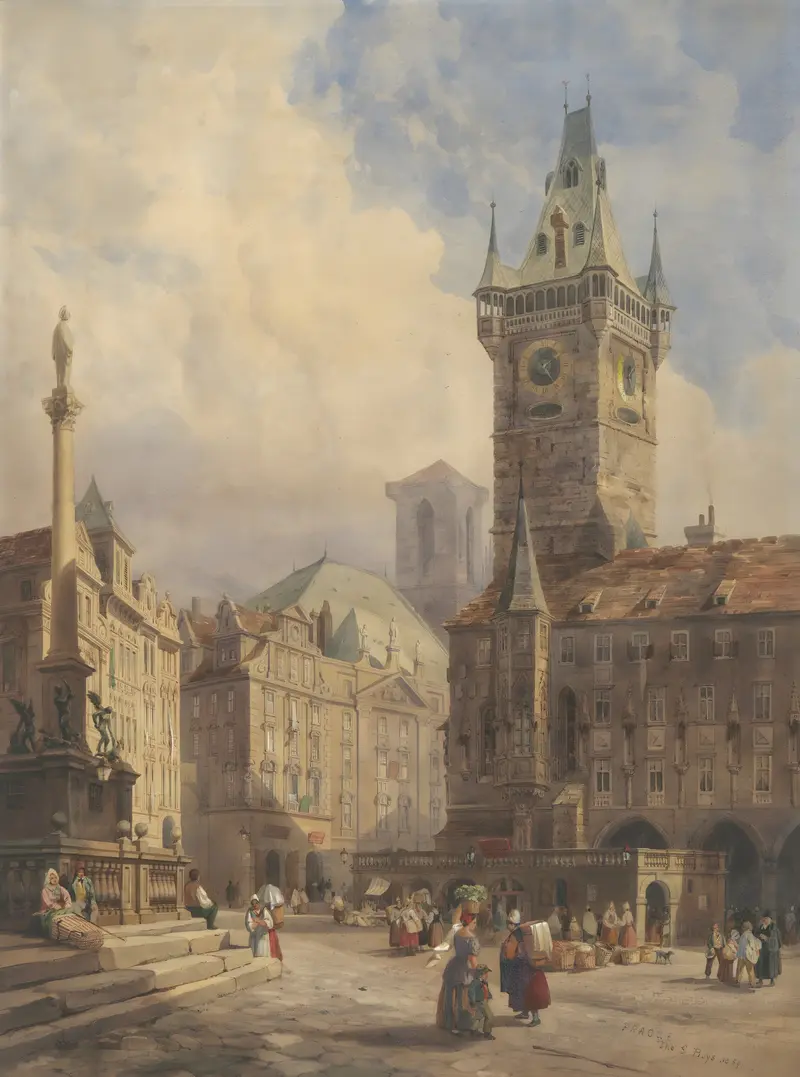
Rathaus from Old Town Square, Prague
Thomas Shotter Boys
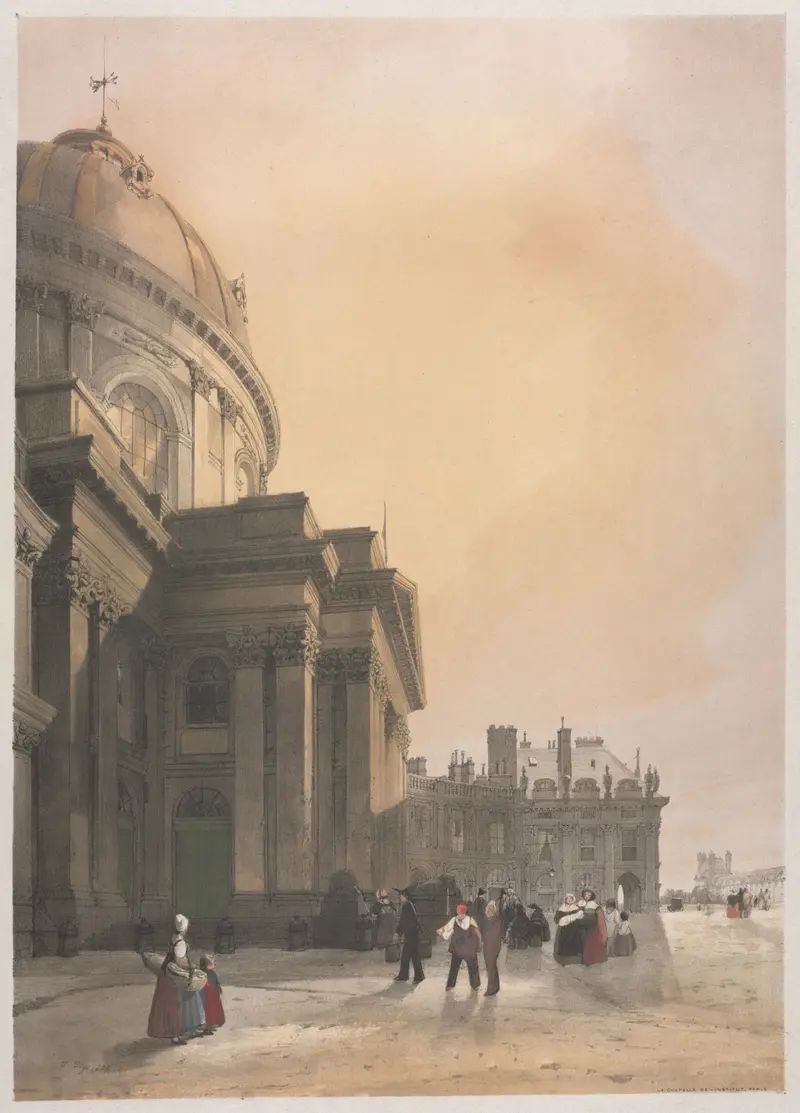
La Chapelle de l’Institut, Paris
Thomas Shotter Boys
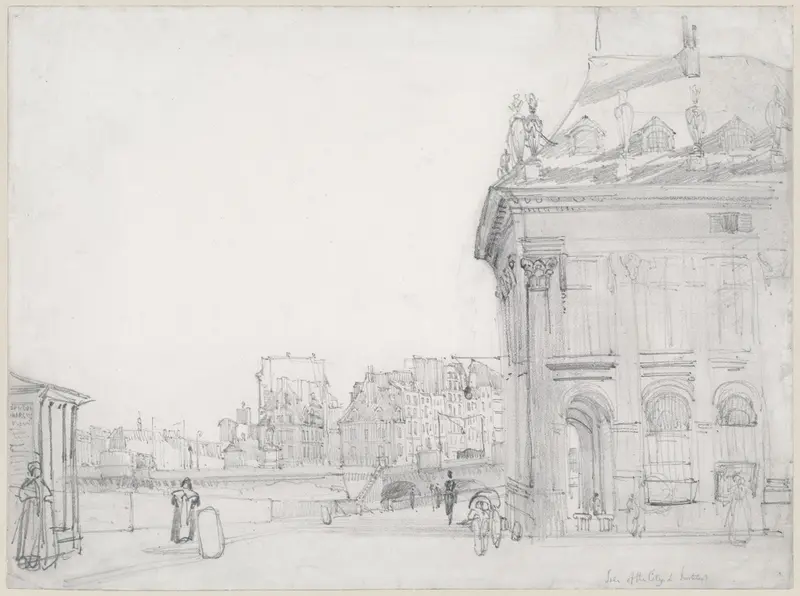
Ile de la Cité from the Institut, Paris
Thomas Shotter Boys
La chapelle de l’Institut, Paris
Thomas Shotter Boys
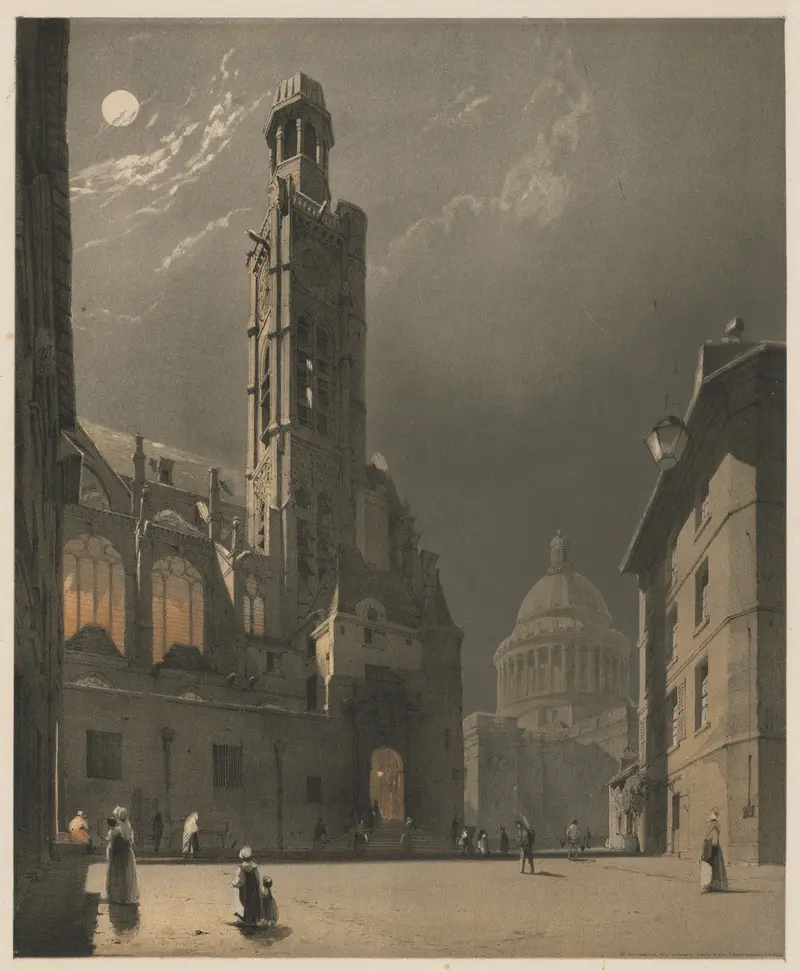
St Etienne du Mont and the Panthéon, Paris
Thomas Shotter Boys
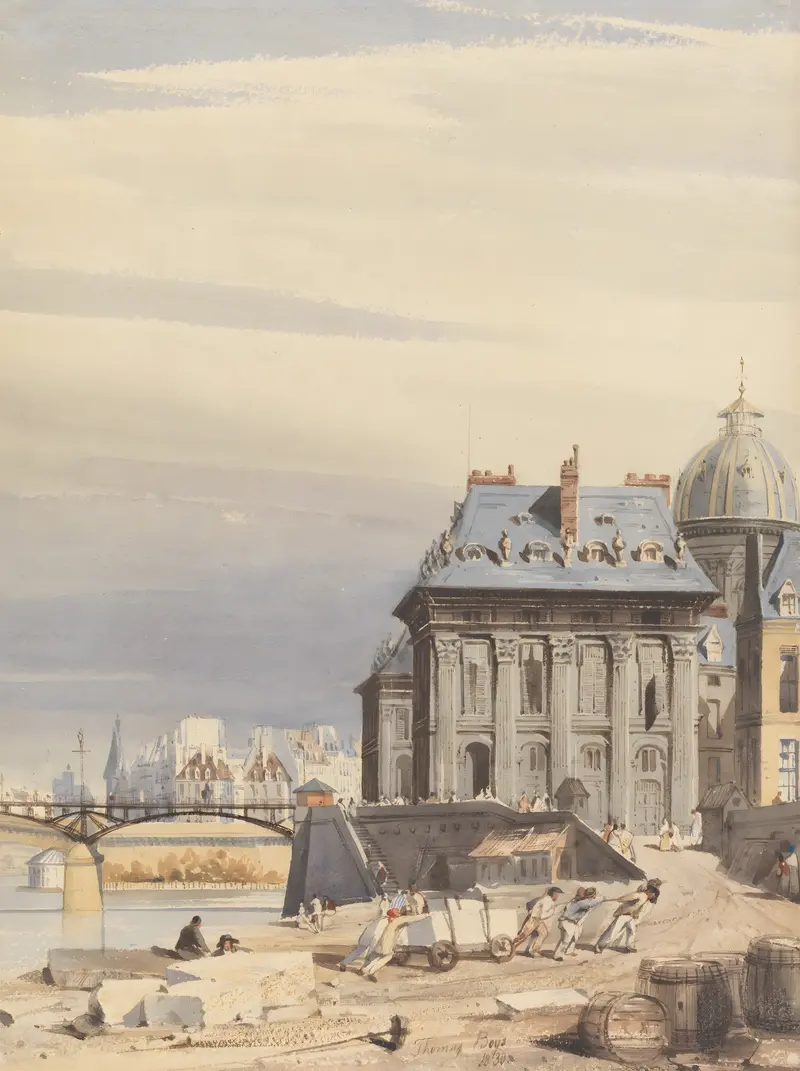
L’Institut de France, Paris
Thomas Shotter Boys
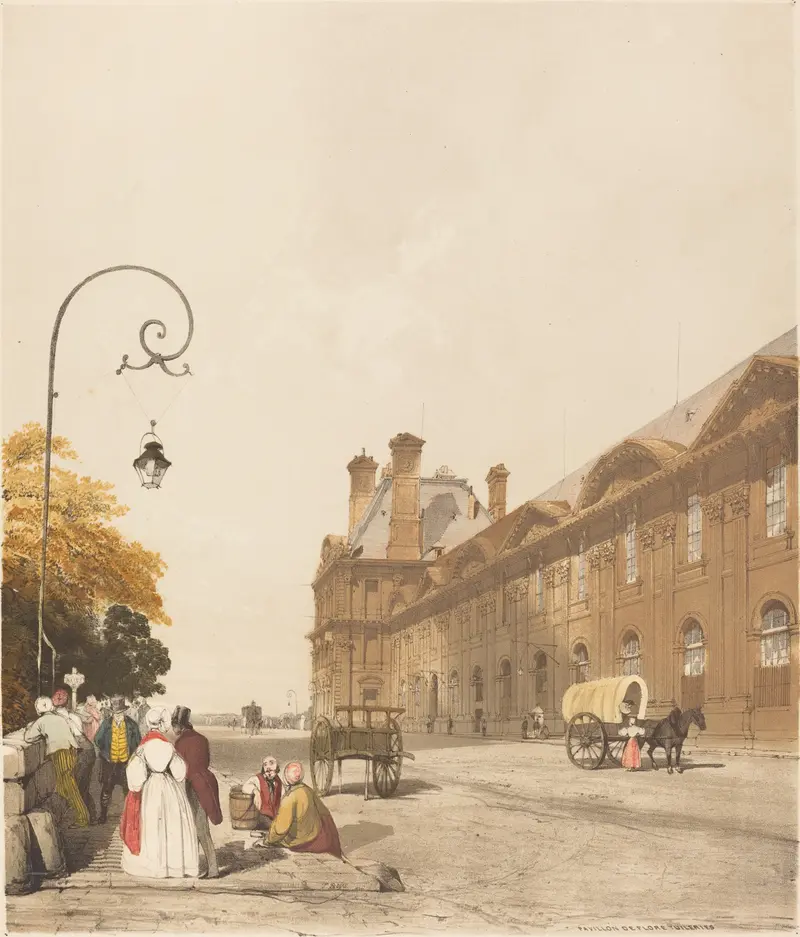
Pavillon de Flore, Tuileries
Thomas Shotter Boys
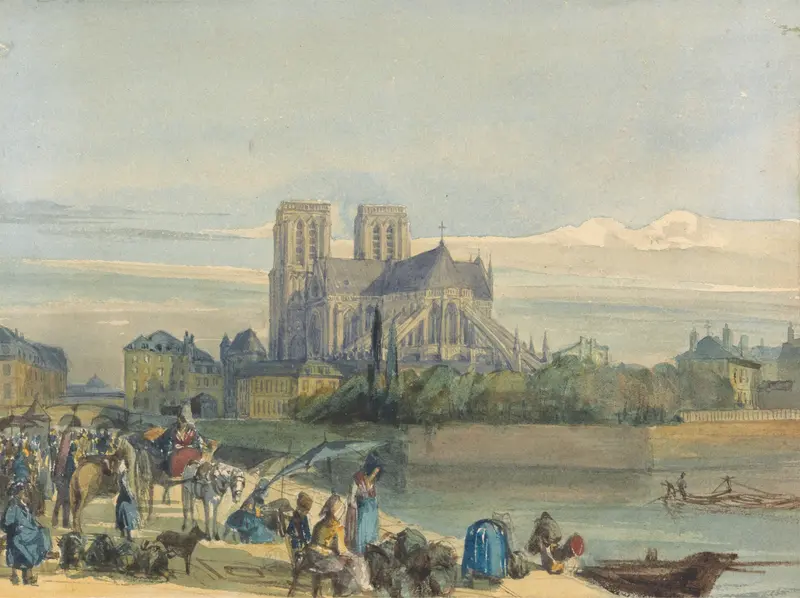
Notre Dame, Paris
Thomas Shotter Boys
Hôtel de Cluny, Paris
Thomas Shotter Boys