Low Tide, boat landing — History & Analysis
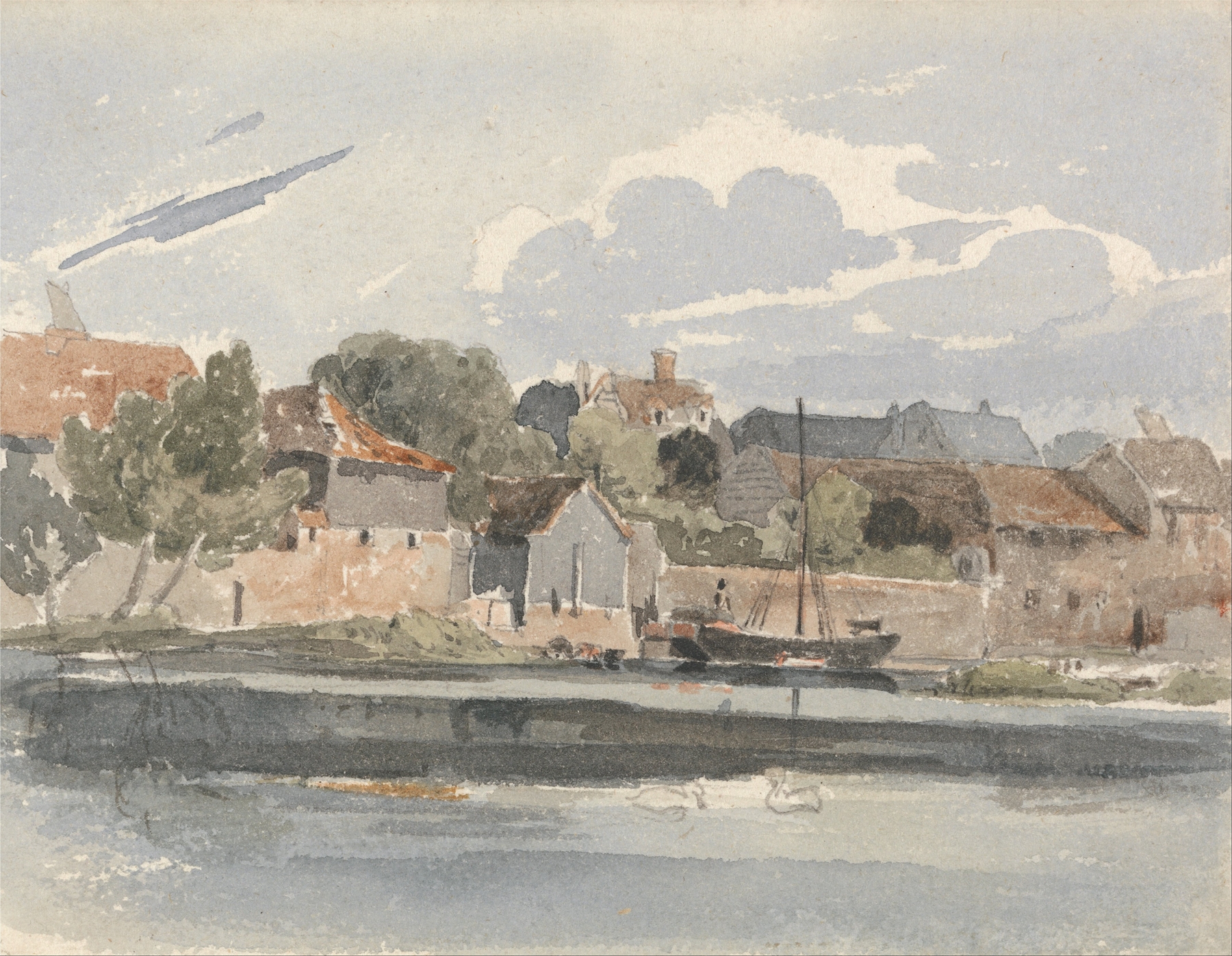
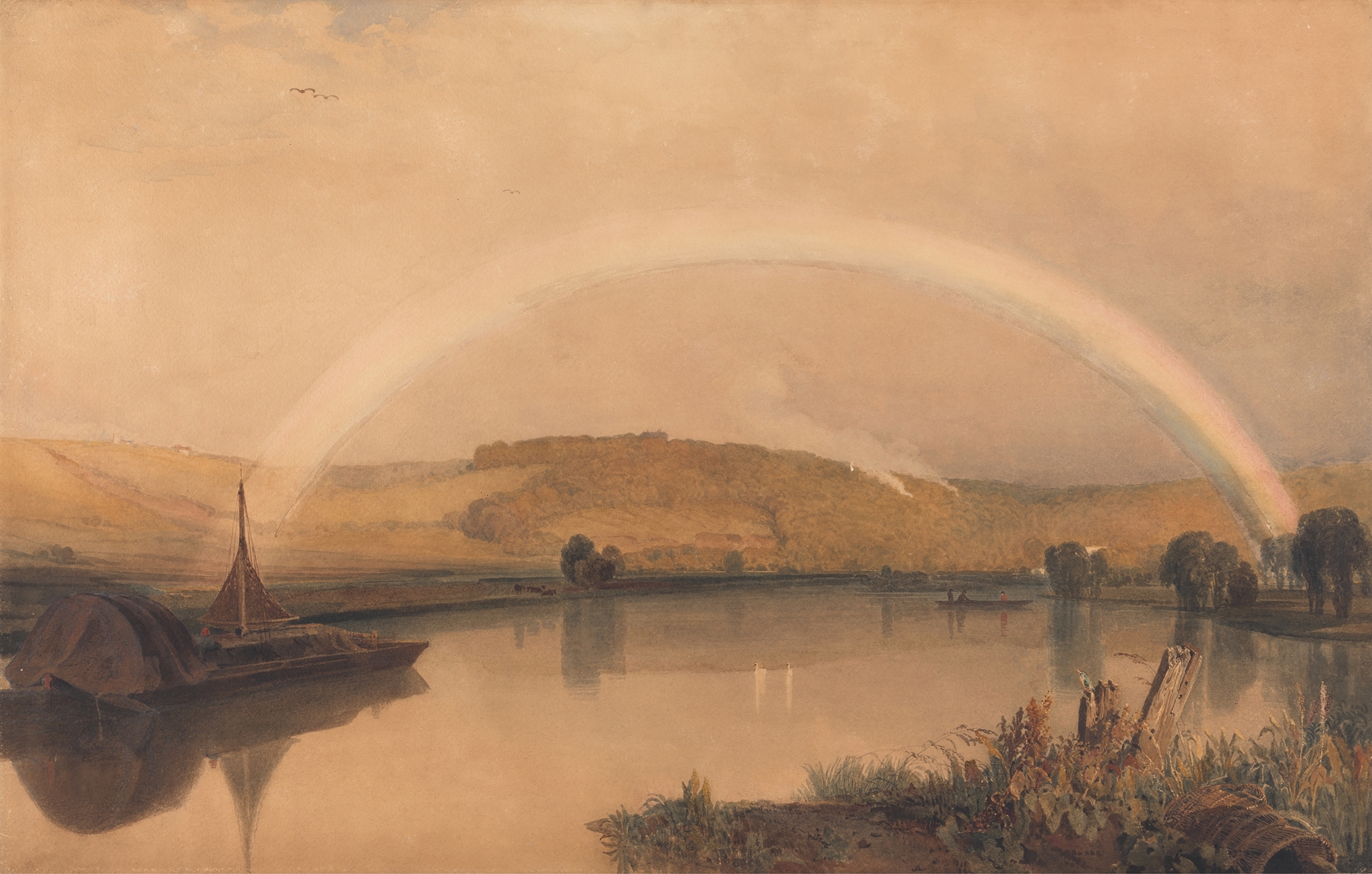
Is this a mirror — or a memory? The stillness of Low Tide, boat landing invites us to ponder the ephemeral nature of existence, encouraging contemplation of our own reflections in its tranquil waters. Look to the foreground at the gentle lapping of water against the rugged shore, where faded hues of blue and green blend seamlessly, invoking a sense of serenity and nostalgia. The light dances delicately across the surface, creating a shimmering effect that guides our gaze towards the distant horizon, where the sky meets the sea in a hazy embrace.
Notice how the composition balances earthy tones with subtle splashes of brighter colors, highlighting the natural beauty of the landscape while hinting at a deeper, almost dreamlike quality. Within this serene tableau lies a tension between the tangible and the intangible. The boats bob gently at their moorings, symbolizing both the promise of adventure and the weight of inaction. The absence of human figures creates a profound sense of solitude, suggesting that transcendence often arises from quiet moments spent in nature.
Each brushstroke seems to whisper stories of journeys taken and those yet to begin, inviting viewers to reflect on their own lives. Peter DeWint created this work during a period marked by significant shifts in the art world, particularly in the early to mid-19th century, when landscape painting was gaining popularity in England. His focus on the British countryside and surroundings was a reaction to the Industrial Revolution's encroachment, as he sought solace in the natural world. This painting exemplifies his mastery of capturing light and atmosphere, effectively transporting viewers into a moment that resonates with both beauty and contemplation.