Madonna and Child — History & Analysis
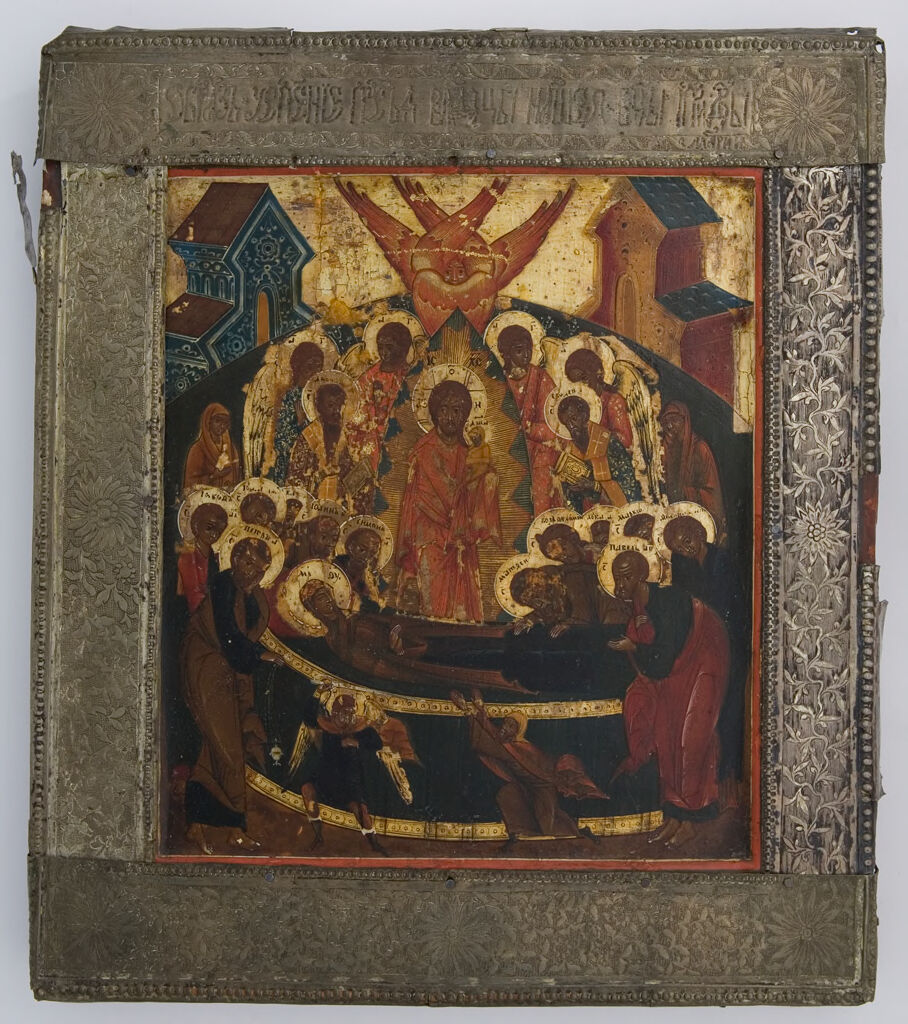
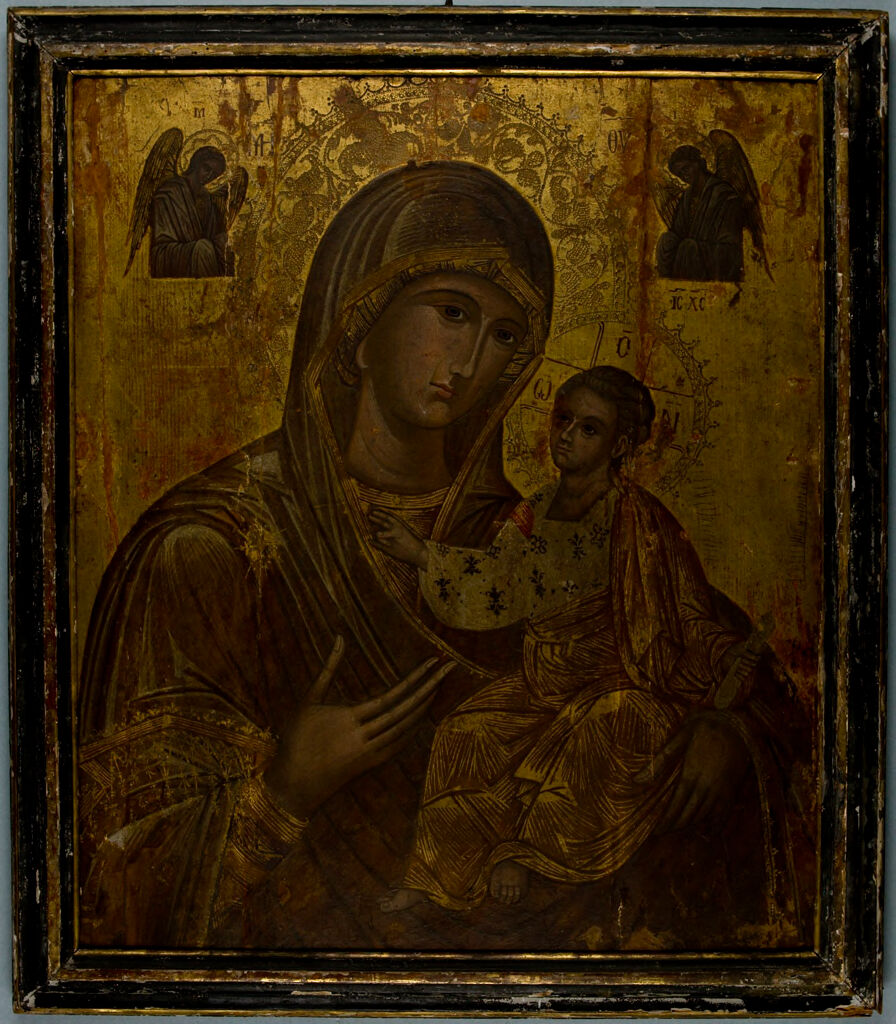
“The canvas doesn’t lie — it simply waits.” In the realm of illusion, the boundaries between the sacred and the ordinary often blur, inviting us to look deeper. Focus on the serene expression of the Madonna, whose gaze, tender and unwavering, draws us in. Notice how the delicate interplay of light and shadow accentuates the gentle contours of her face, enveloping her in a soft, divine glow. The richness of her robes, adorned in deep blues and radiant golds, contrasts beautifully with the innocent simplicity of the Child nestled in her arms, creating a harmonious visual balance that speaks to their intimate bond.
In the background, faint hints of drapery and architectural forms suggest a world beyond the figures, hinting at the divine setting of this moment. The delicate lines and rich colors convey a sense of warmth, while the juxtaposition of the child's vulnerability against the mother’s protective embrace evokes an emotional tension — the transient nature of life, yet the eternal quality of love. It is a reminder that in the stillness of this sacred moment, each brushstroke weaves a narrative of humanity and divinity.
This artwork emerged in the 15th century, a time when artists began to explore the blending of realism with spiritual representation. Often attributed to an unidentified artist, it reflects the transition towards greater emotional depth in religious art, paralleling the broader renaissance of creativity that reshaped European culture. In this context, the work stands as a testament to the evolving perception of the Madonna not merely as an emblem of divinity but as a profound symbol of maternal love.