Man met tulband en hoog opstaande kraag — History & Analysis
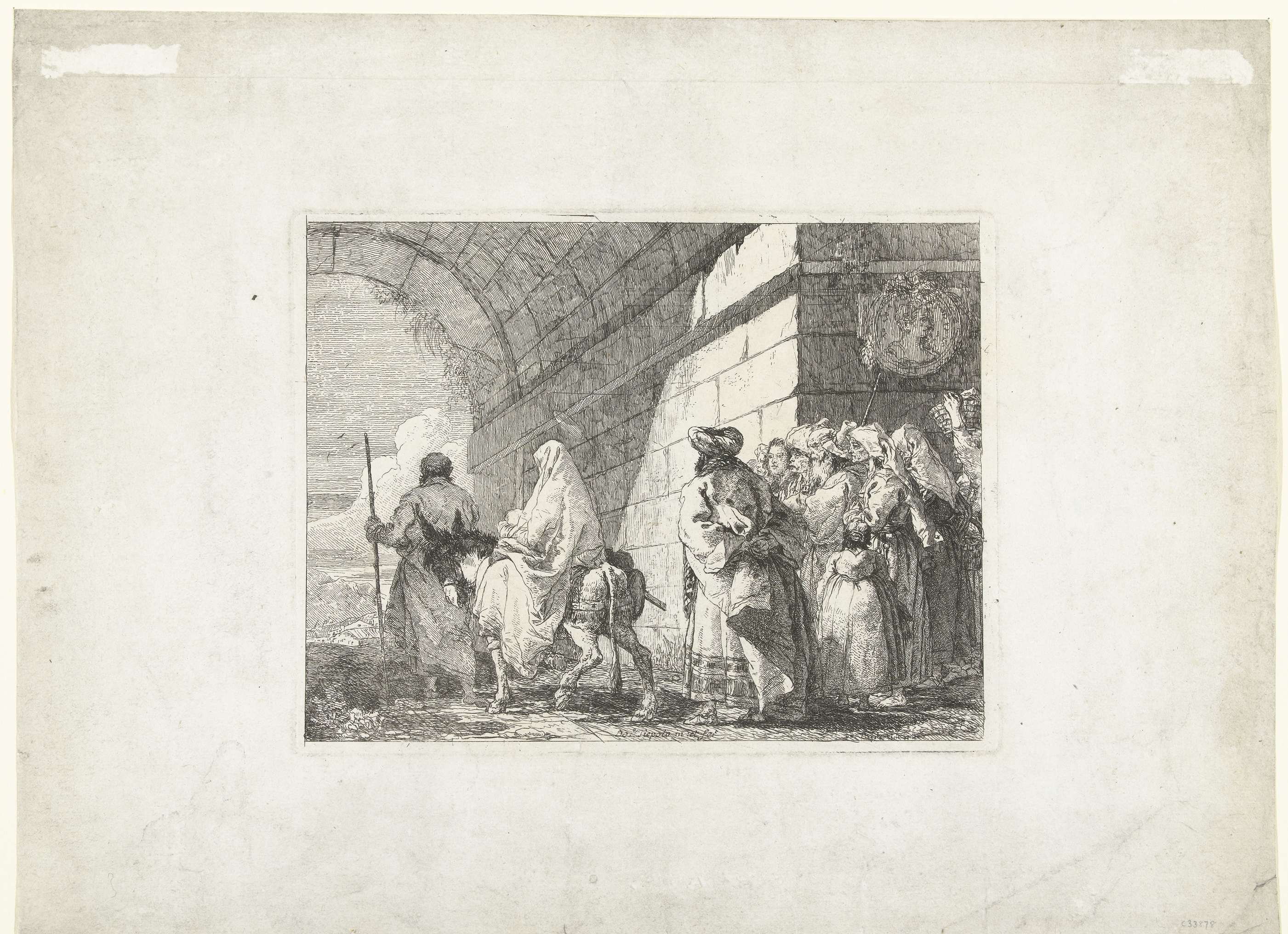
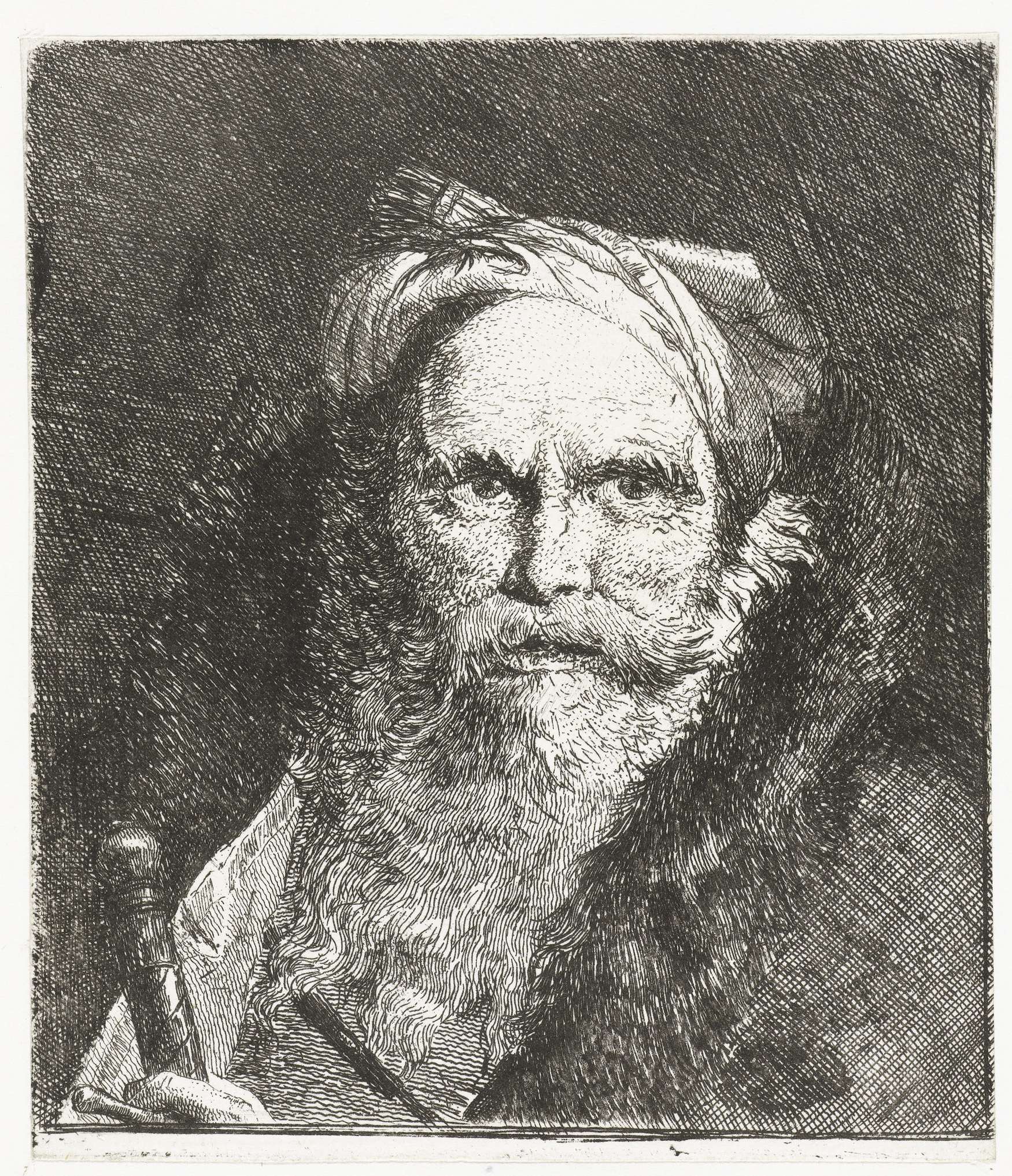
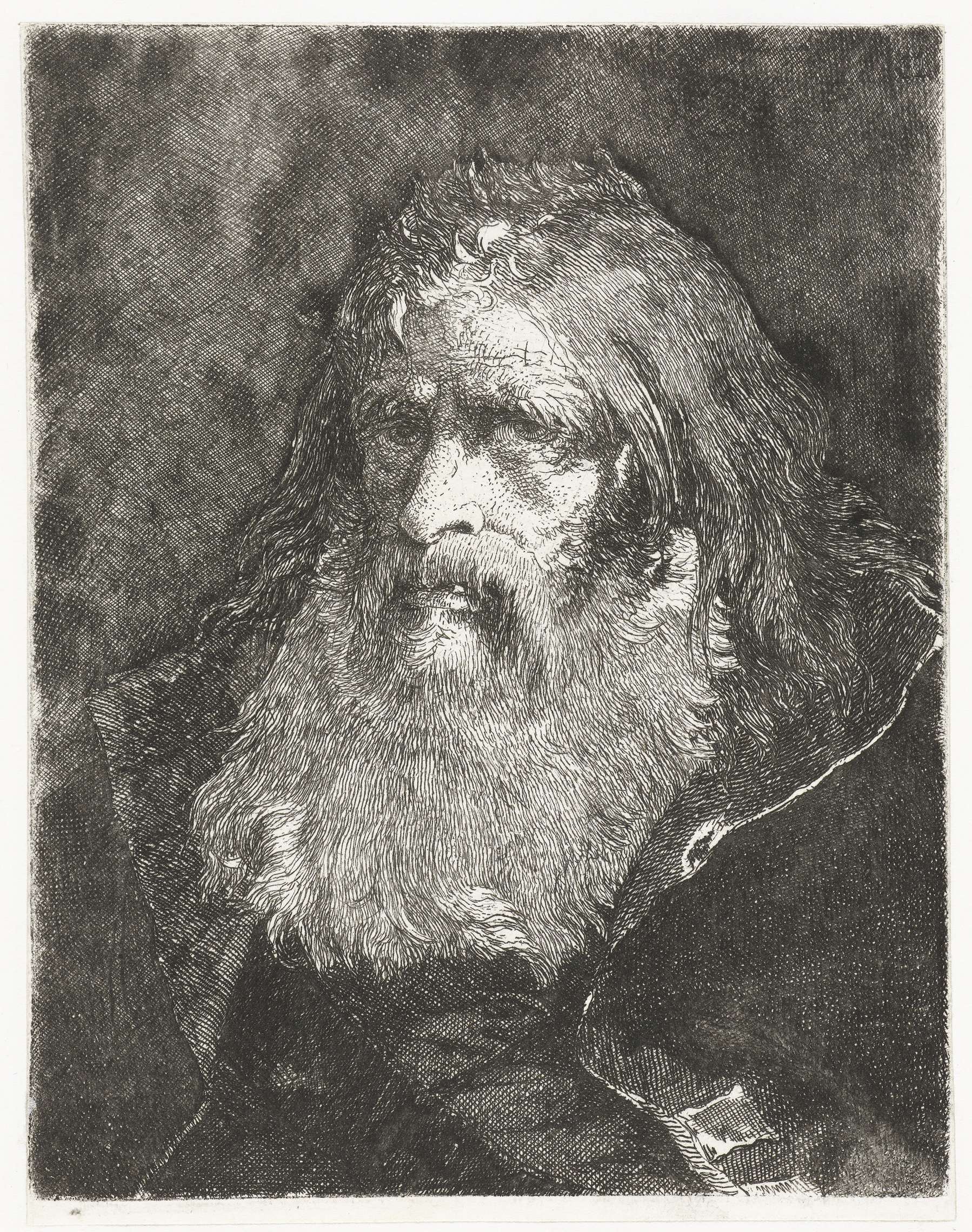
Could beauty survive in a century of chaos? In Man met tulband en hoog opstaande kraag, Tiepolo captures a moment that seems to pause time, allowing the viewer to reflect on elegance amidst the tumult of the 18th century. Look to the left at the figure’s intricately patterned tulband, a striking contrast to the smooth texture of the high collar. The soft, natural light delicately illuminates his face, casting shadows that highlight his contemplative expression. The palette, dominated by warm earth tones, draws the eye while whispering of intimacy and depth, effectively portraying the dignity of the subject.
Notice the subtle way the folds of fabric converge, creating a sense of tension that enhances the poised yet introspective atmosphere of the composition. Hidden beneath the surface of this portrait lies a complex interplay of cultural identity and personal introspection. The tulband symbolizes the rich tapestry of influences during a time of globalization, suggesting a blending of tradition and modernity. Meanwhile, the high collar, emblematic of European fashion, serves as a reminder of societal expectations.
Together, these elements reveal the emotional conflict of individual identity against the backdrop of political and cultural upheaval. In 1774, Tiepolo painted this work during his later years in Venice, a city grappling with its fading glory in a rapidly changing world. As the Enlightenment surged and new ideas about art and humanity emerged, the artist found himself navigating both personal and artistic challenges. This painting stands as a testament to his ability to encapsulate the nuances of his time, reflecting the dual nature of beauty—fragile yet enduring.