Mannen laden graanschoven in een boot — History & Analysis
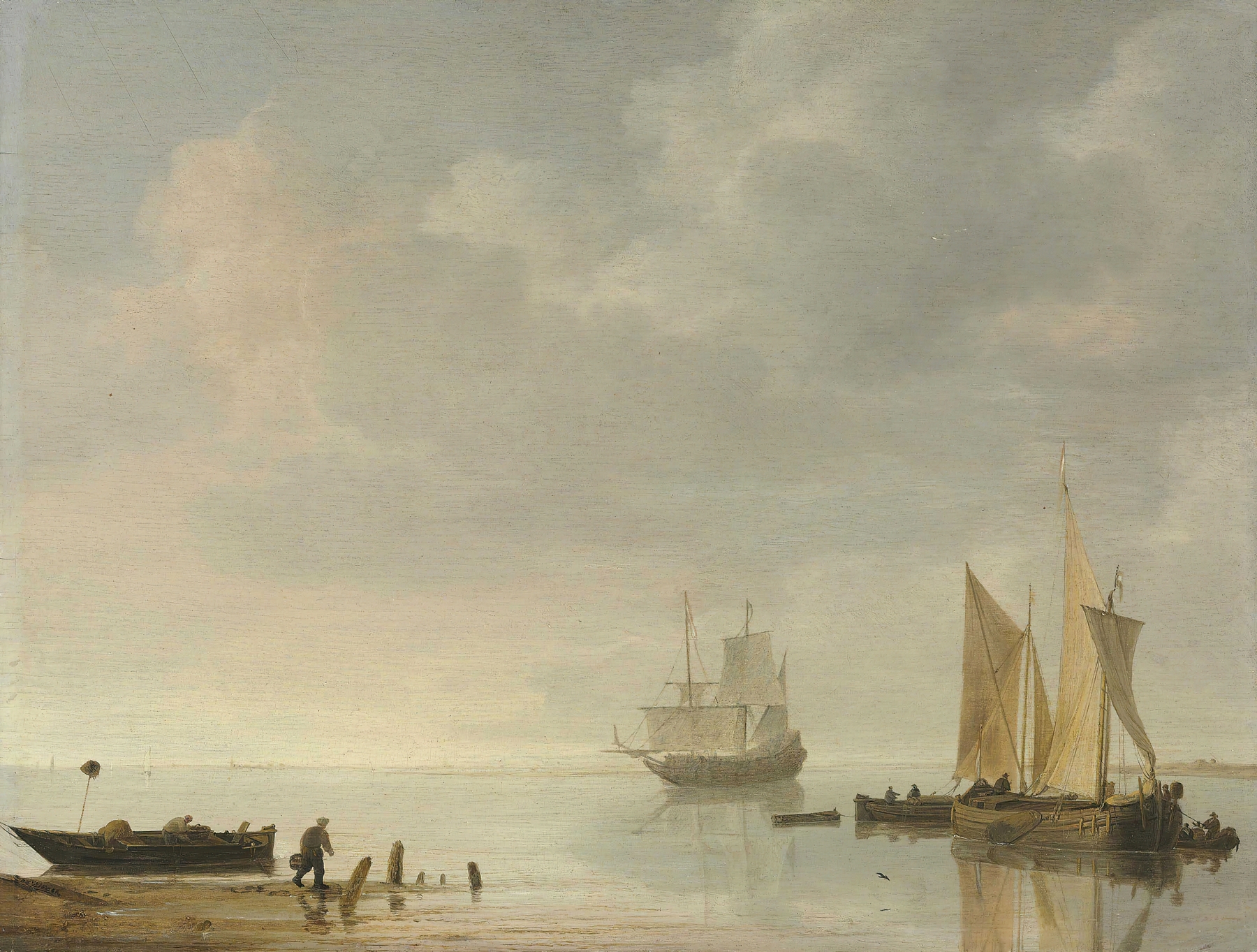
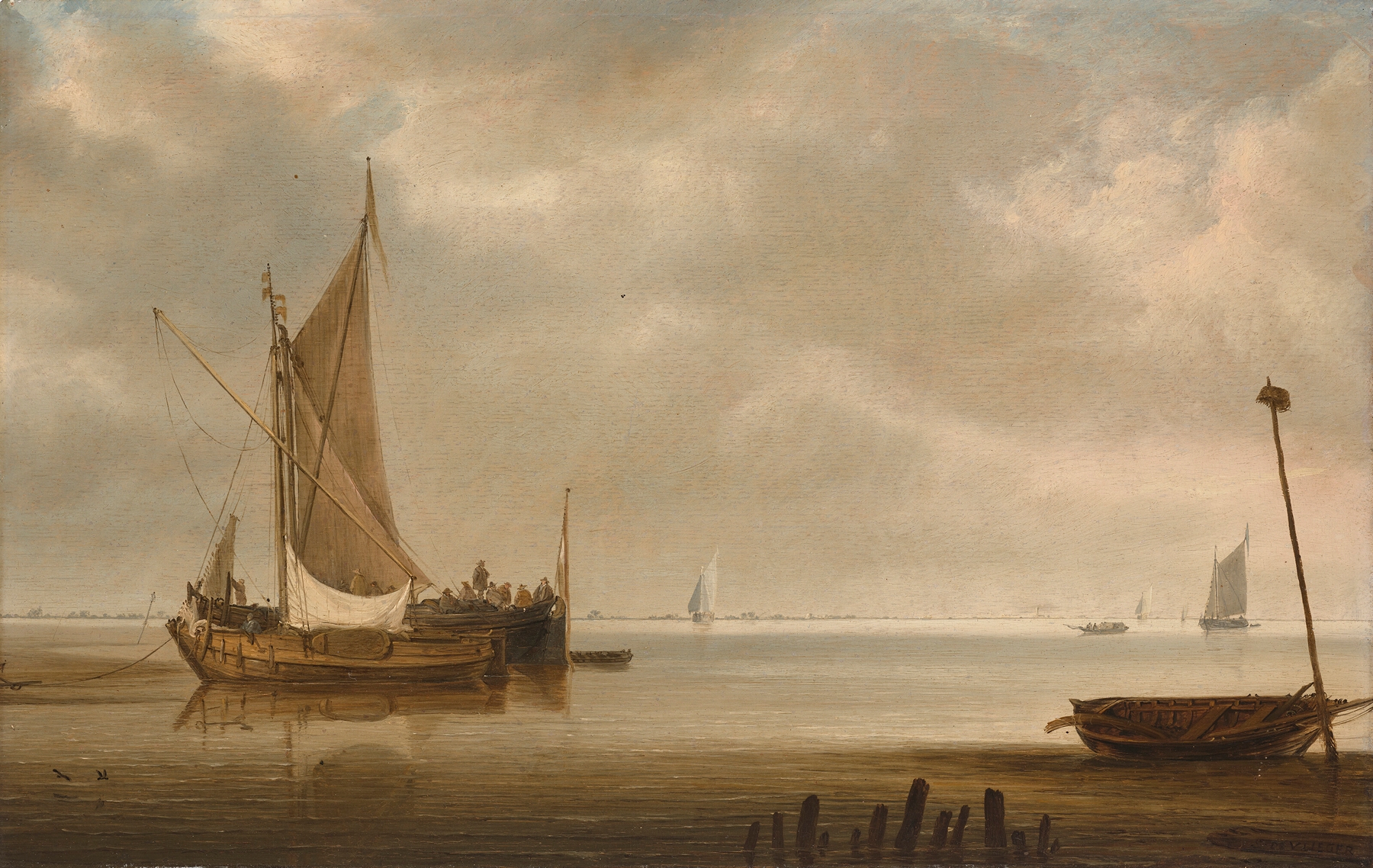
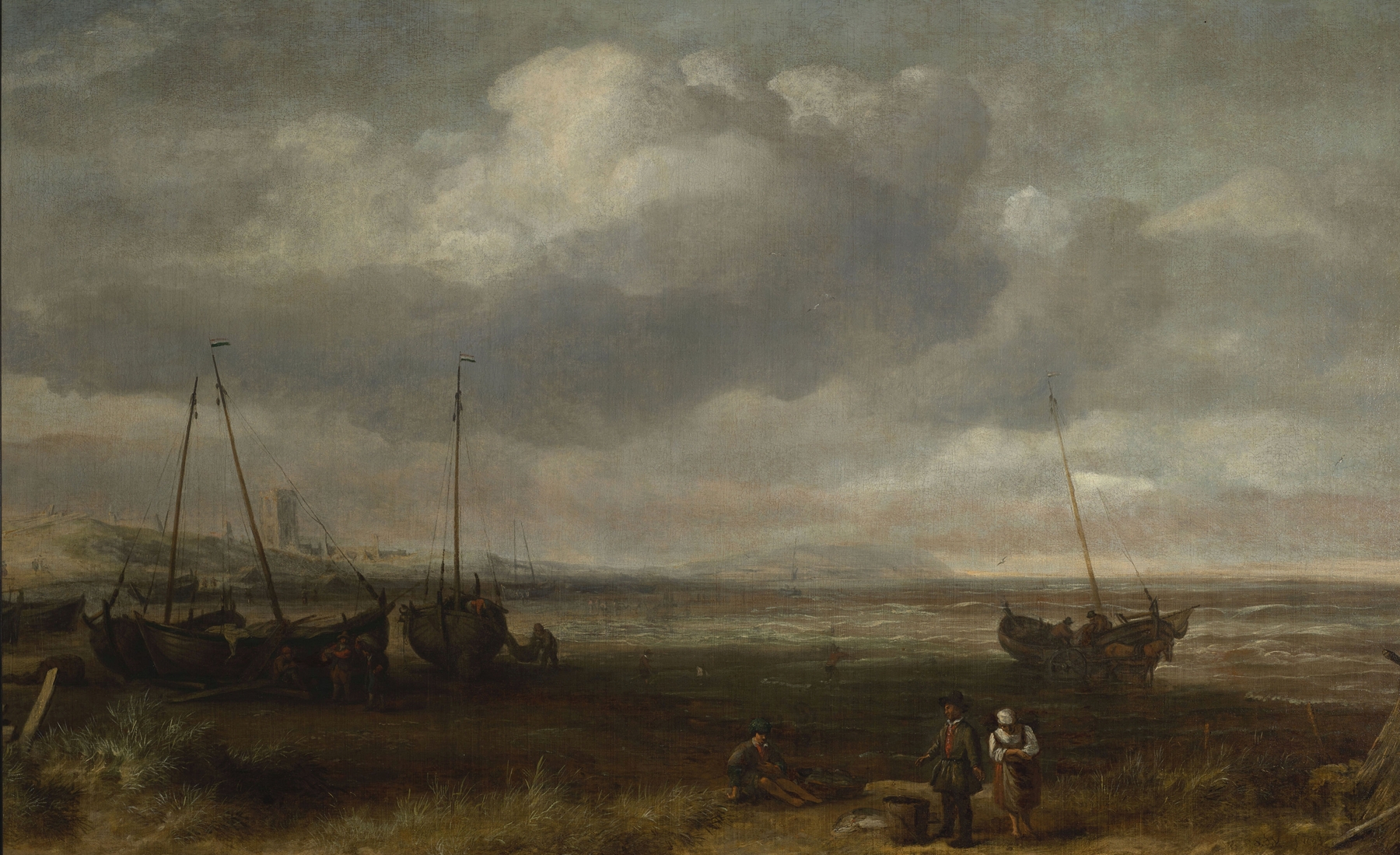
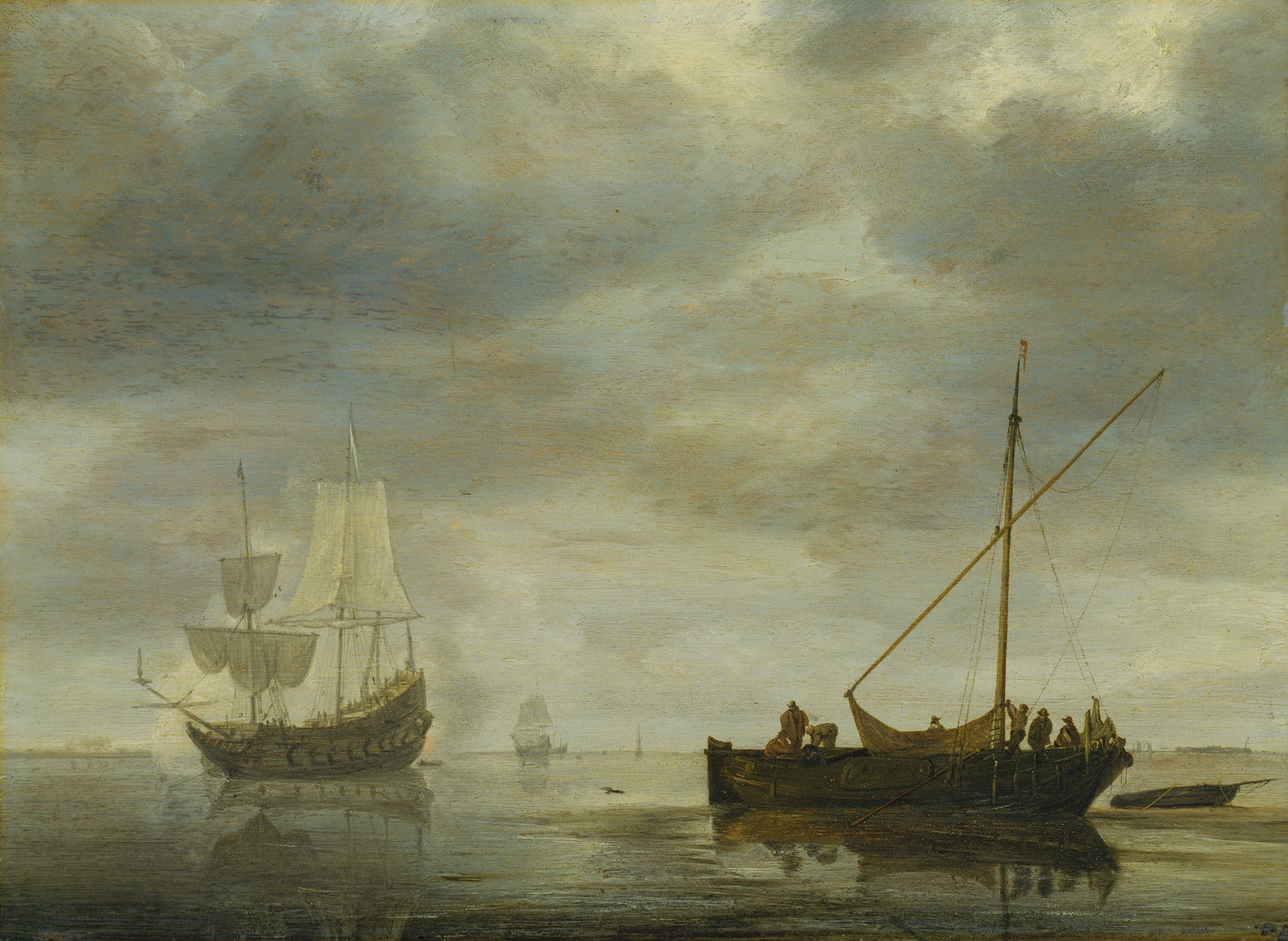
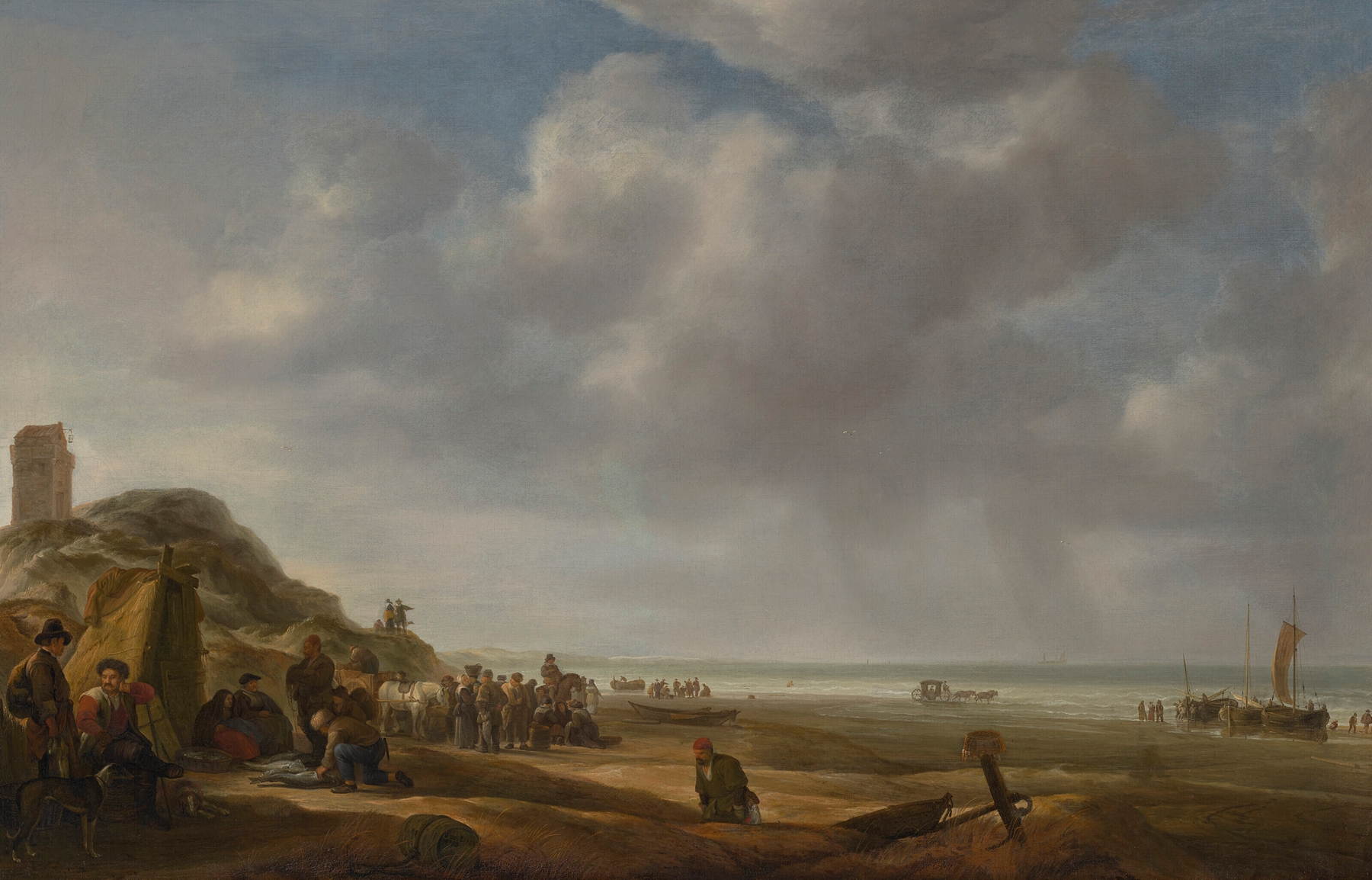
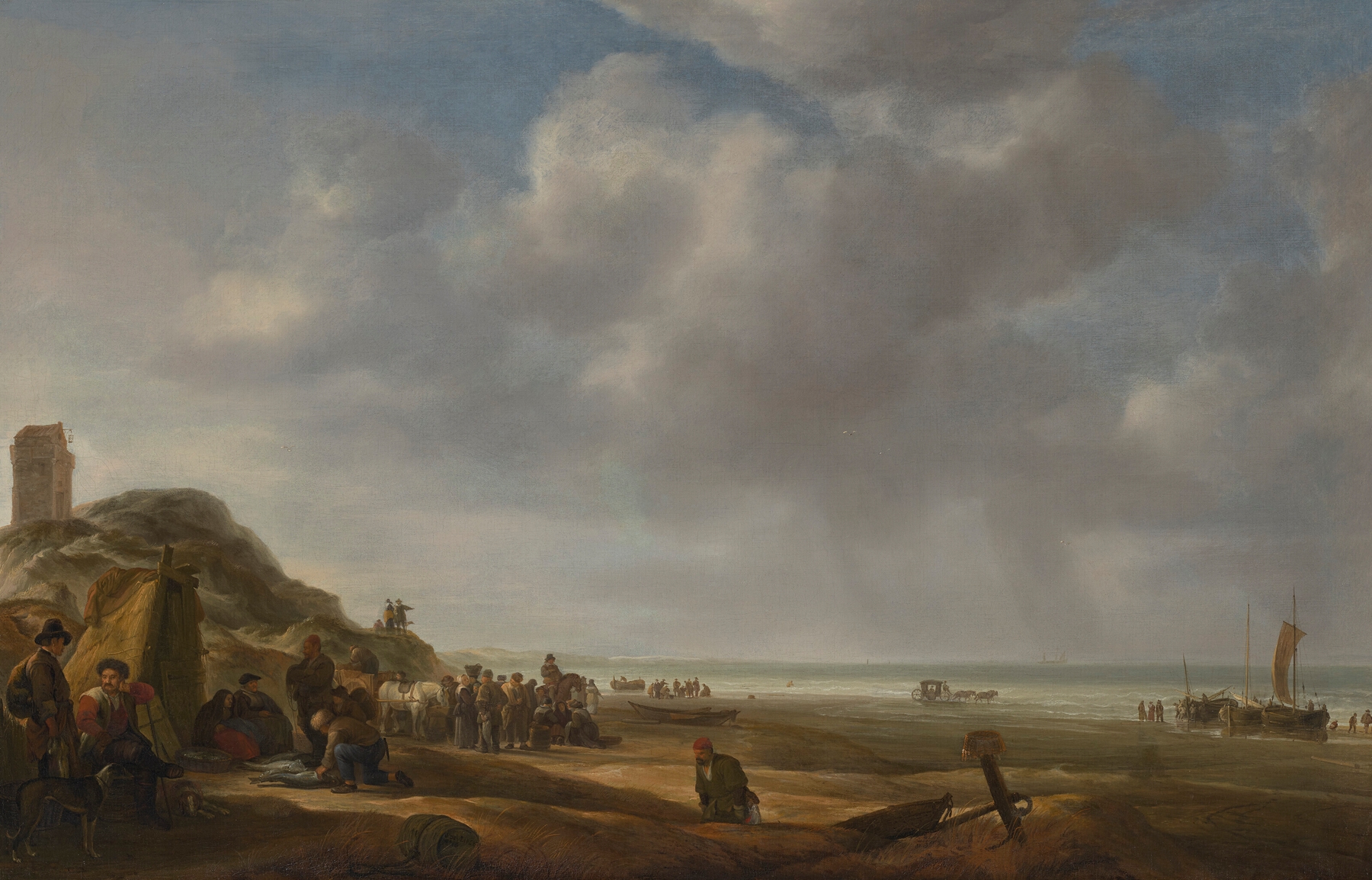
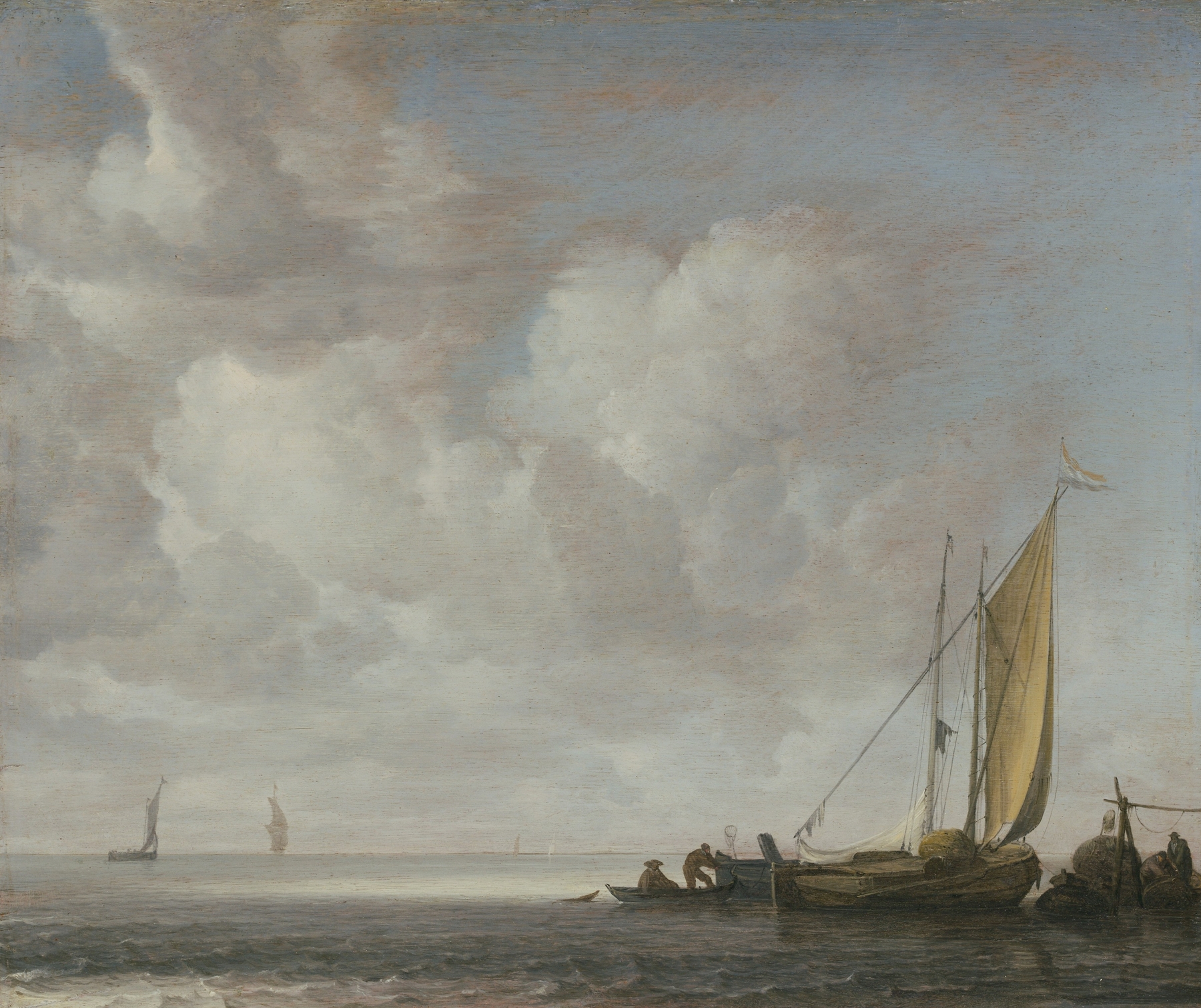
“Under the brush, chaos becomes grace.” In Mannen laden graanschoven in een boot, time is encapsulated in the delicate dance of labor and nature's bounty, reminding us of the ephemeral yet cyclical nature of existence. Focus on the figures in the foreground, their muscular forms bent beneath the weight of golden sheaves, while the gentle ripples of water catch the low sunlight. Notice how the artist uses a warm palette, with earthy ochres and soft greens, to convey a sense of harmony between man and nature. The boat, a sturdy vessel cradling the grain, serves as a platform for both labor and livelihood, drawing the eye to its sturdy outline against the expansive horizon.
The interplay of light and shadow reveals a deeper narrative about human toil and the passage of time. The workers’ hands, rough and calloused, speak to generations of harvest and struggle, while the tranquil water reflects a moment frozen in time, signifying the fleeting joy that accompanies hard work. In the background, the soft hues of the sky create a contrast between the labor of the present and the promise of future harvests, hinting at the cyclical nature of life.
Simon de Vlieger painted this scene during the early 17th century, a period marked by the rise of Dutch realism and a focus on everyday life. Working in the Netherlands, he captured the essence of rural labor amid a thriving economy, reflecting both the beauty and the toil of the agrarian society. This piece illustrates the artist's capacity to blend realism with a profound sensitivity to the environment and the role of humanity within it.