Marine (Constantinople) — History & Analysis
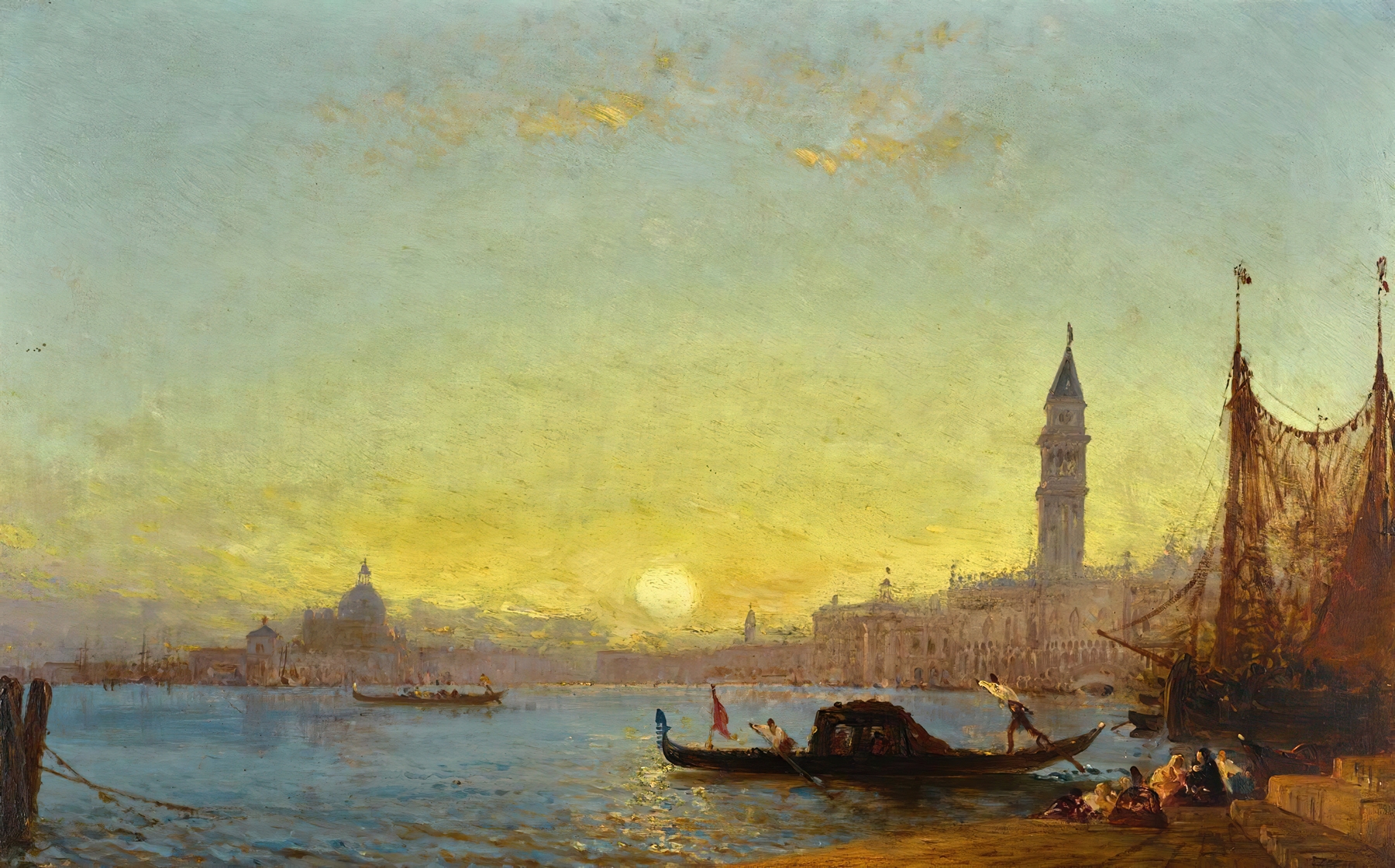
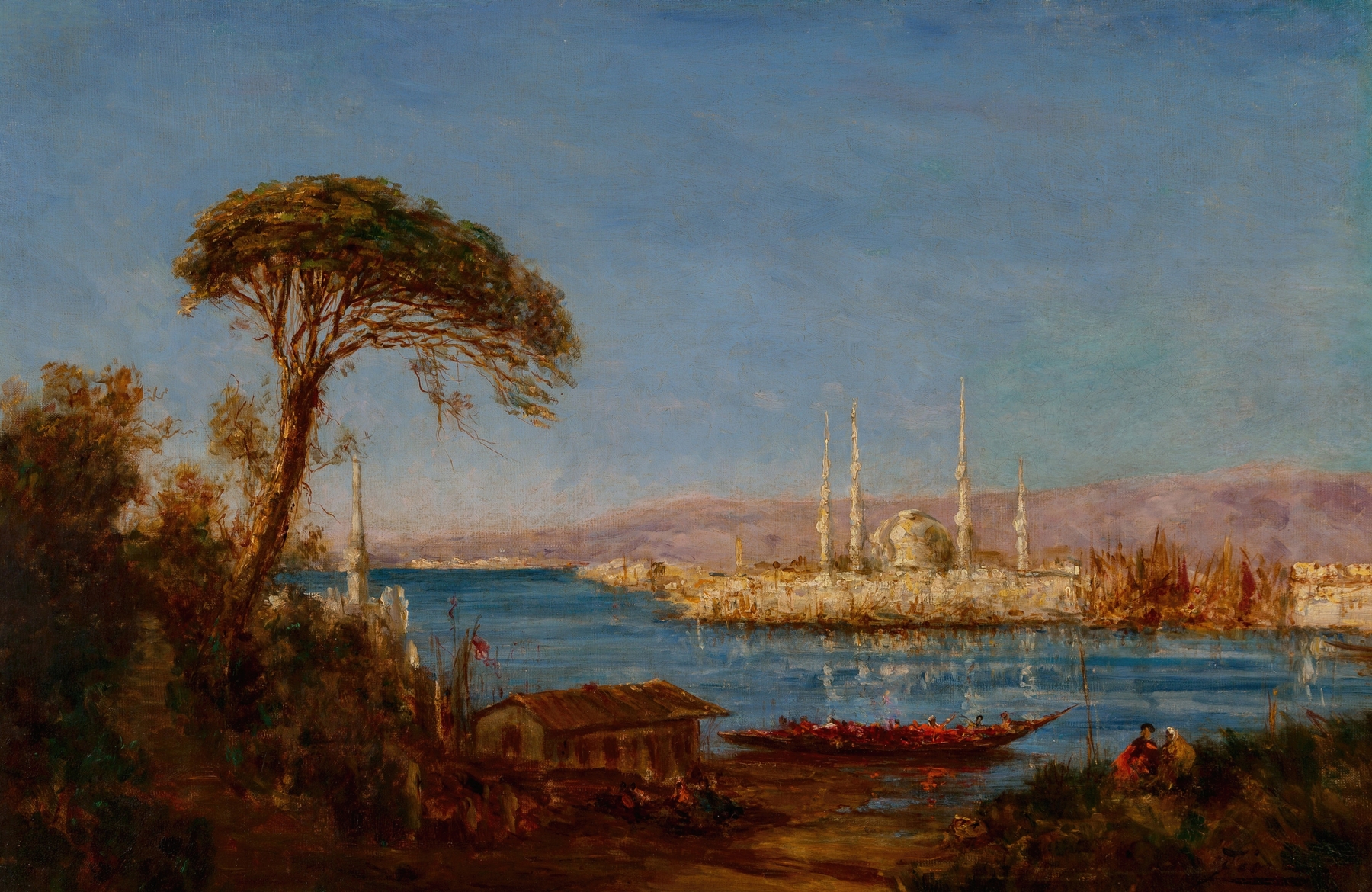
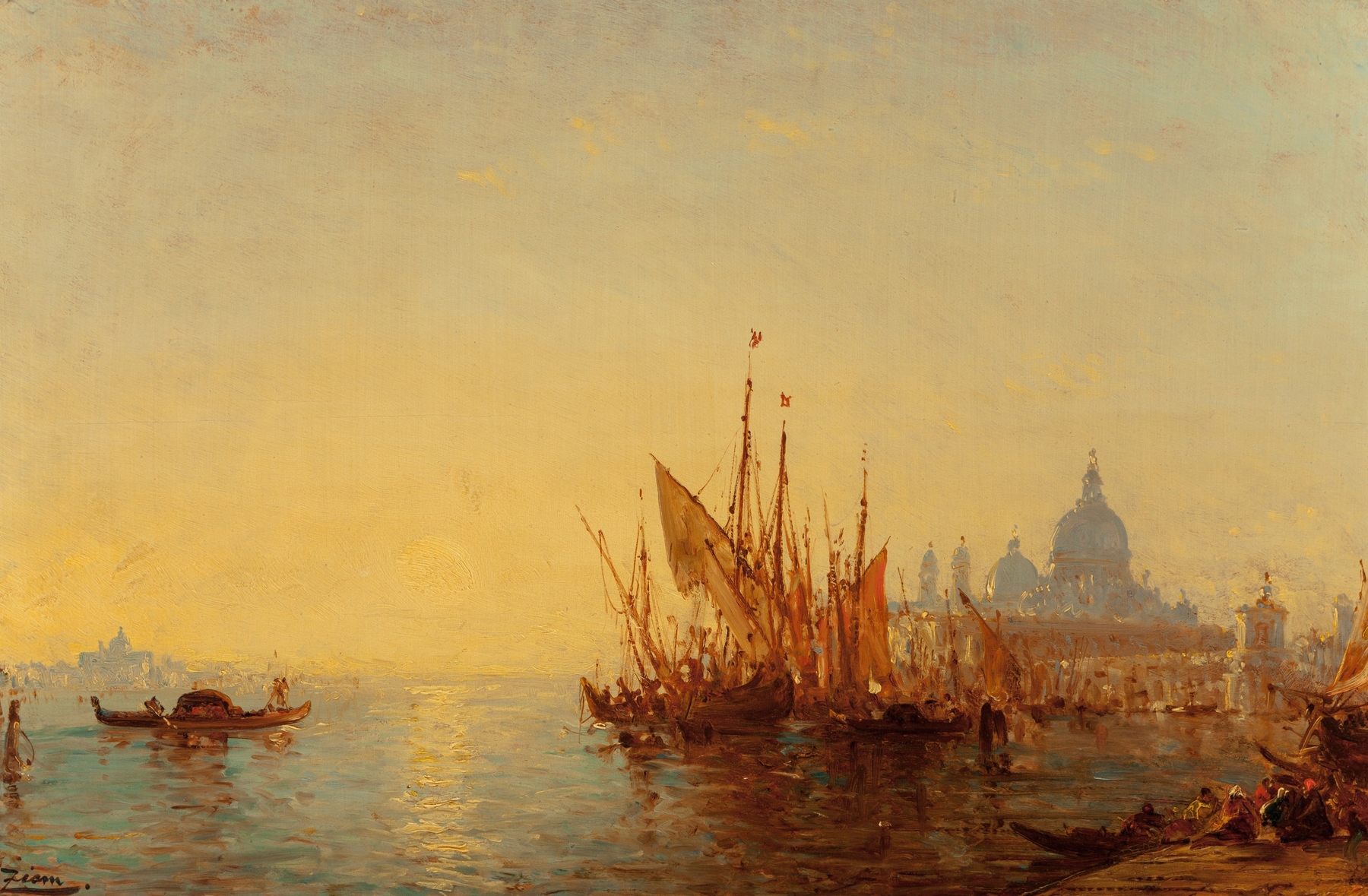
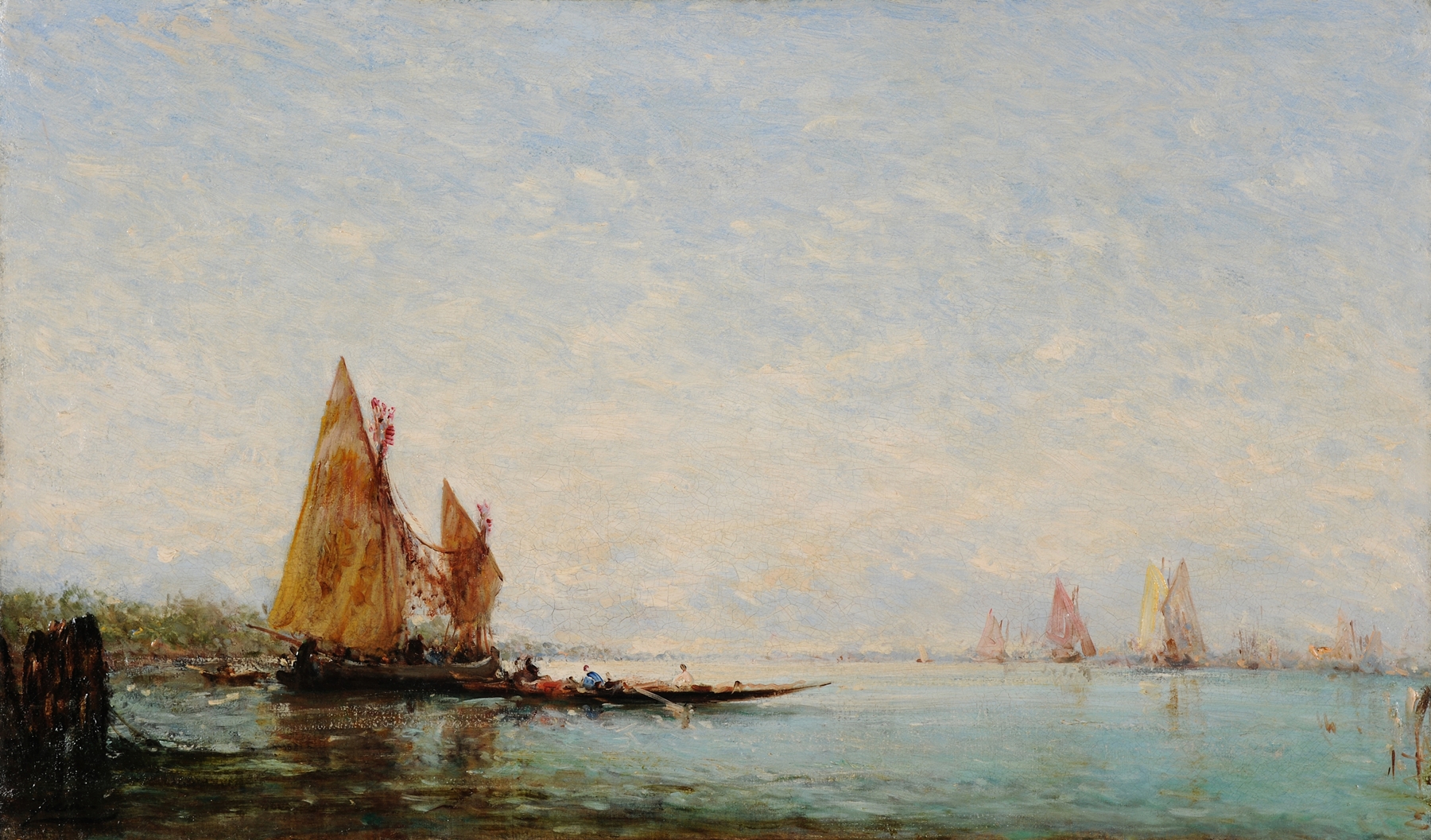
Where does light end, and longing begin? This question resonates deeply within the realms of existence, mirroring the ebb and flow of the world captured in the serene yet poignant hues of Marine (Constantinople). Look to the horizon, where soft blues and golds blend seamlessly, drawing your eye into an ethereal sunset. The tranquil waters stretch beneath this luminescent sky, their surface glistening with reflections that dance in a gentle breeze. Notice how the limpid waves quietly cradle boats that drift like fleeting thoughts, their sails hinting at adventure while evoking a sense of inevitable departure.
The composition whispers of tranquility, yet the colors speak volumes of an aching beauty, reminding us of the transient nature of life. As you delve deeper, the scene reflects more than just a moment in time; it embodies the tension between hope and melancholy. The flaring colors of the sky suggest a day well-lived, yet they also herald the arrival of dusk—a powerful reminder of mortality. The boats, though set against a backdrop of vibrant life, stand as symbols of journeys that may never return, evoking the bittersweet reality of lost possibilities.
Each brushstroke invites reflection on the dualities of existence: light and shadow, presence and absence. Félix Ziem painted Marine (Constantinople) before 1890, during a period when he was deeply inspired by the landscapes of the Mediterranean. Living in France, he absorbed the influences of Romanticism while developing his unique approach to color and light. This work reflects not only his mastery of seascapes but also the broader artistic shift toward impressions of nature, where the fleeting moments of life become eternal through the eyes of the beholder.