Mill on the Brandywine, Delaware — History & Analysis
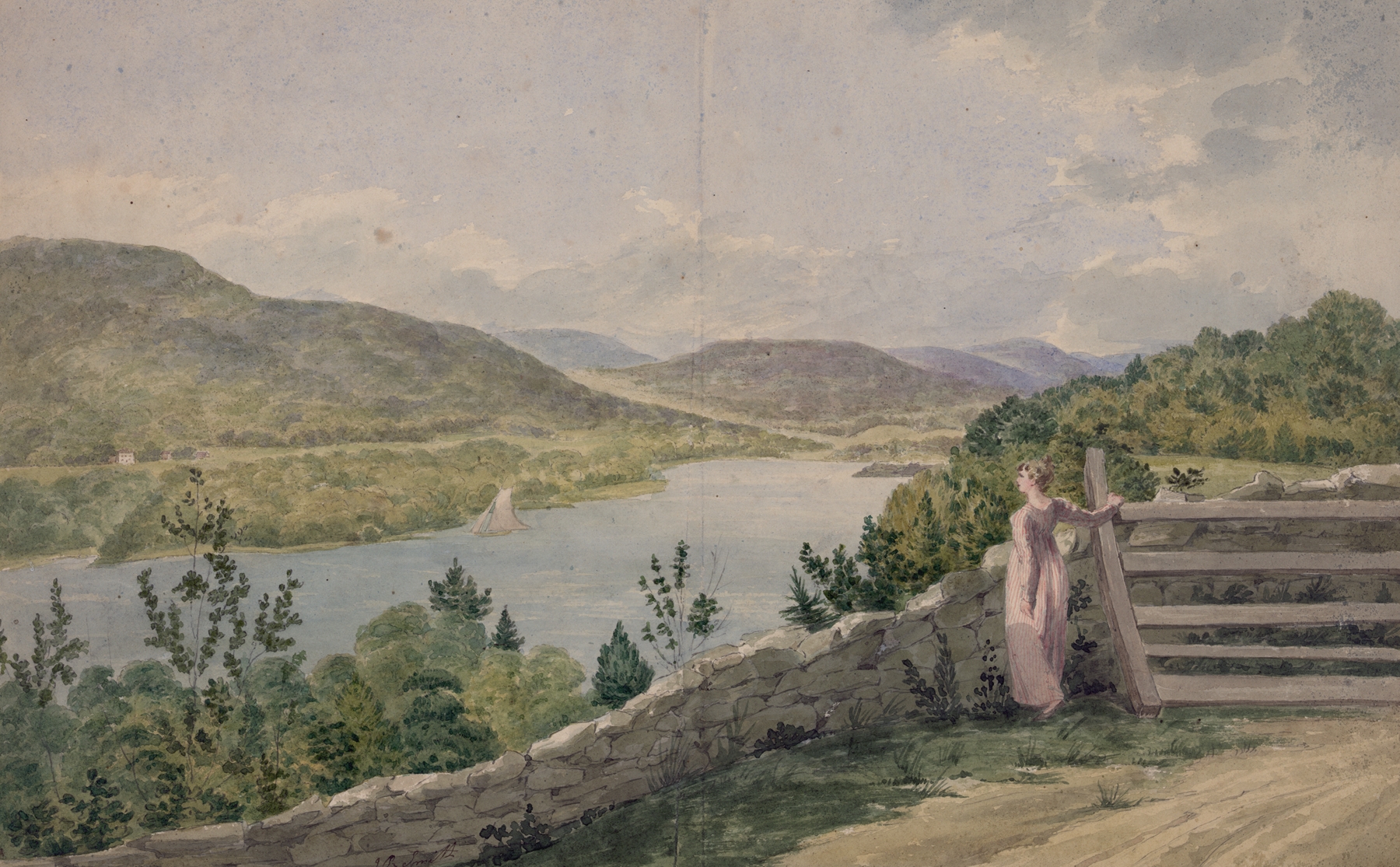
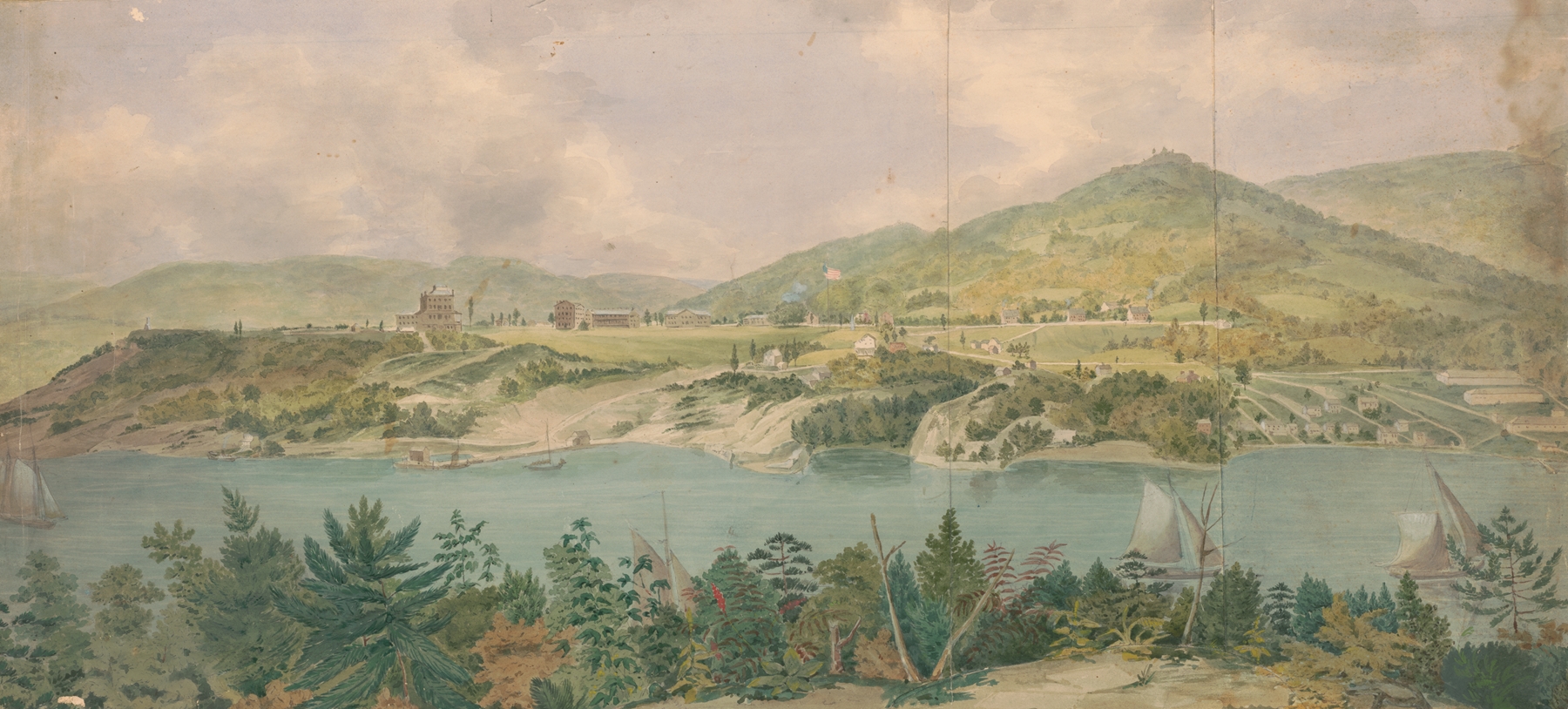
“Under the brush, chaos becomes grace.” In the world of art, obsession manifests itself in the meticulous details that breathe life into an otherwise static scene. Mill on the Brandywine, Delaware captures not just a moment, but an unyielding dedication to the harmony of nature and human endeavor. Look to the left, where the mill stands resolute against a backdrop of gentle hills. Notice how the delicate brushwork creates a rhythmic flow in the water, mirroring the movement of the trees swaying in the breeze. The light spills over the landscape, illuminating the worn textures of the mill's wooden structure, lending a warm glow that speaks of hard work and persistence.
Take in the muted palette, where earthy greens and soft browns meld seamlessly, evoking a serene yet vibrant natural world. Beneath the surface lies an emotional tension between tranquility and industriousness. The mill, while a symbol of progress and innovation, stands as a solitary testament to human obsession with harnessing nature. There’s a contrast between the calm waters and the potential chaos of milling grain—the push and pull of nature versus industry.
The scattered leaves in the foreground hint at the seasonal cycles, suggesting a fleeting relationship between man’s ambition and the relentless passage of time. John Rubens Smith painted this work in 1828 while residing in Philadelphia, during a period of artistic exploration and growth in America. As Romanticism began to flourish, he sought to celebrate both the natural landscape and the burgeoning industrial age. This piece reflects his fascination with the beauty found in everyday scenes, as well as his commitment to capturing the essence of American life amidst the changing tides of time.