Mountain landscape with a broken tree — History & Analysis
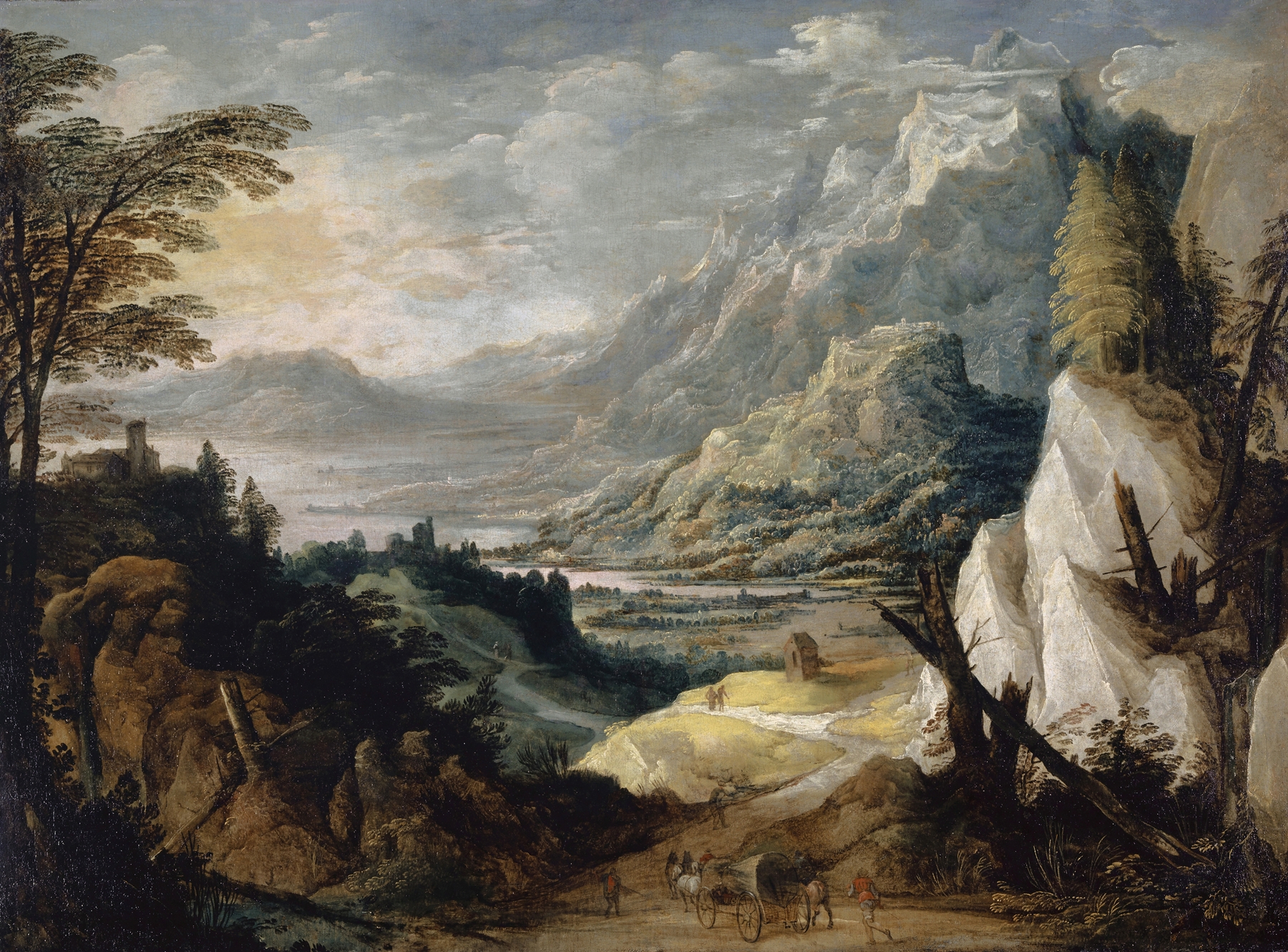
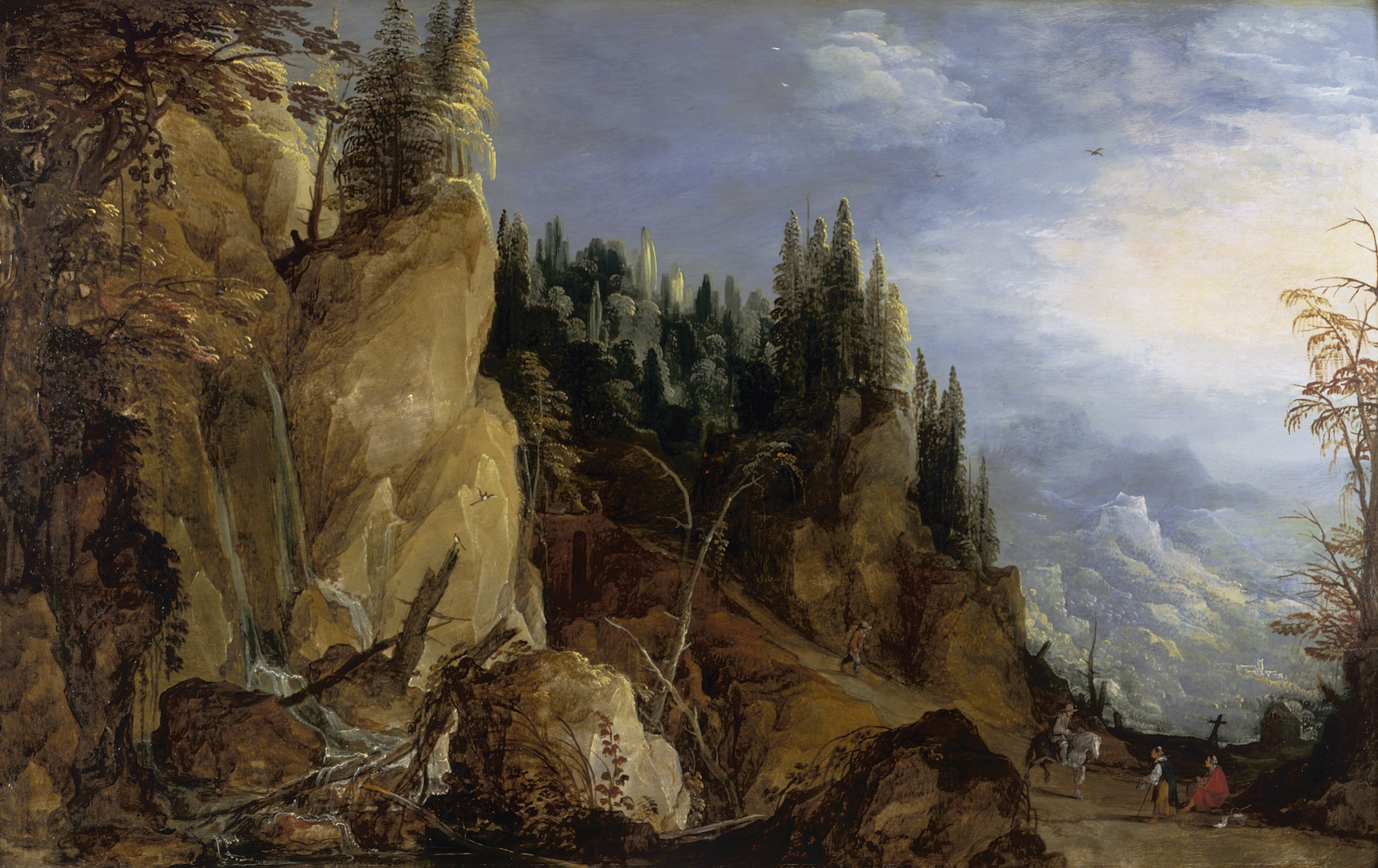
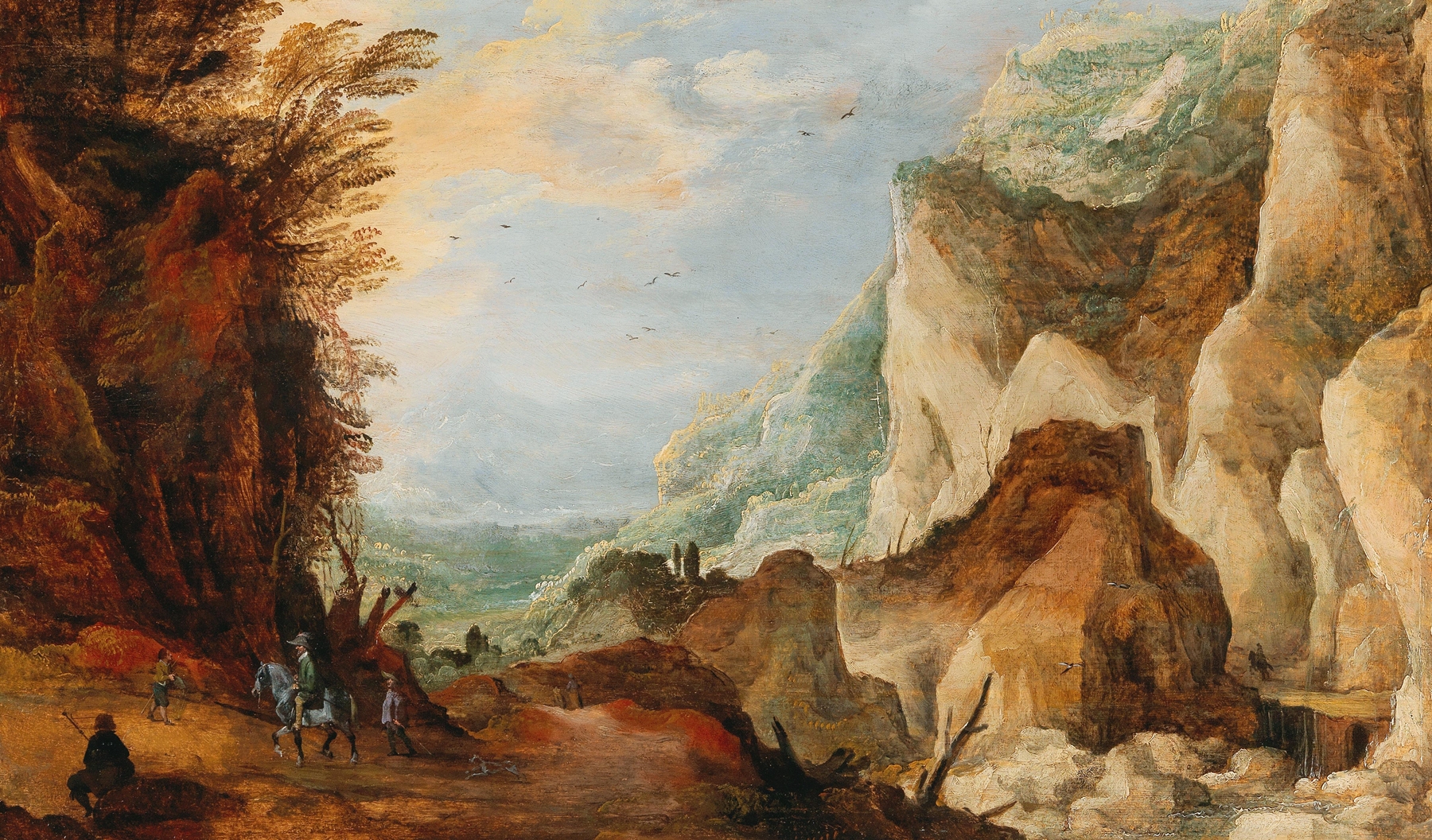
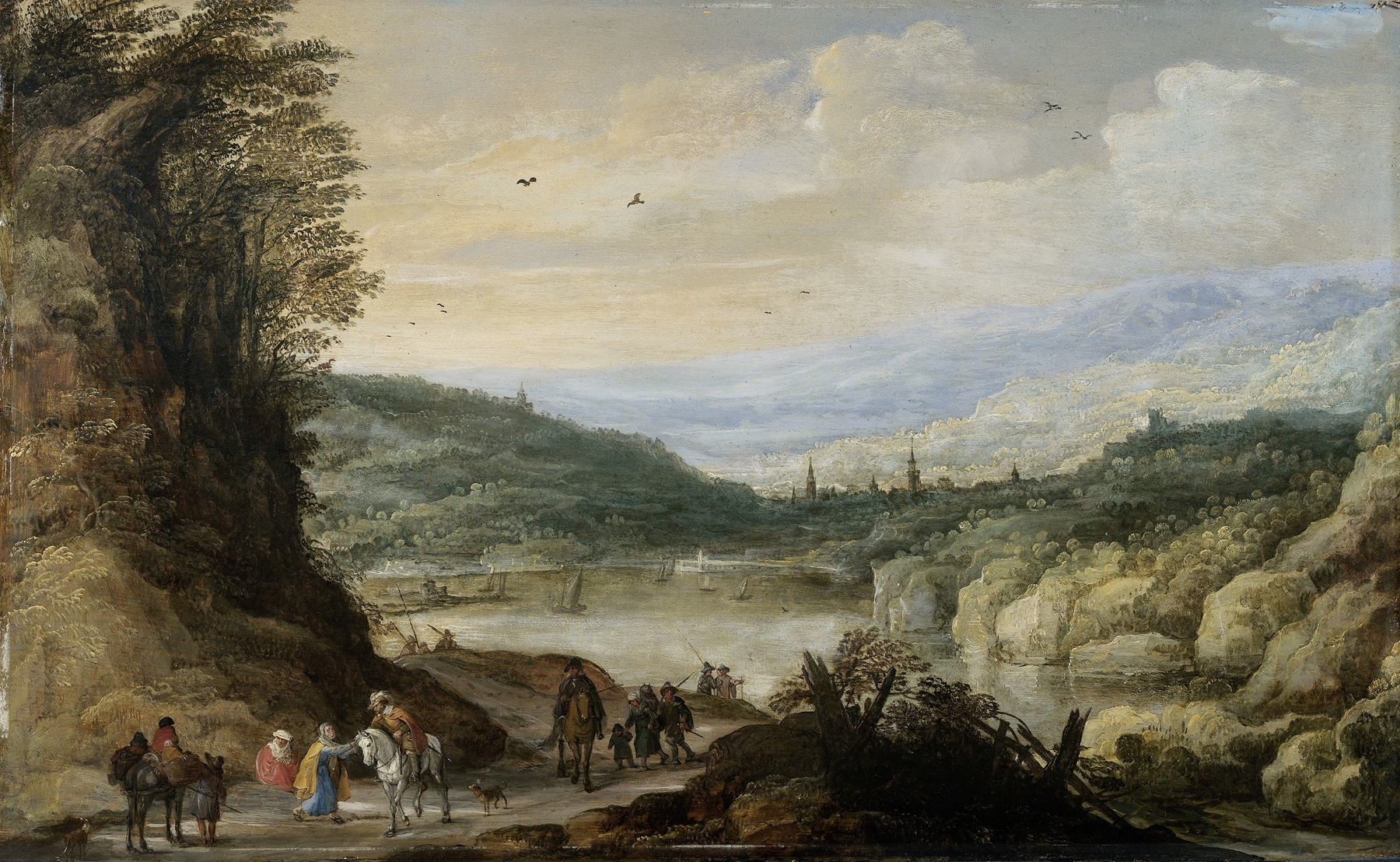
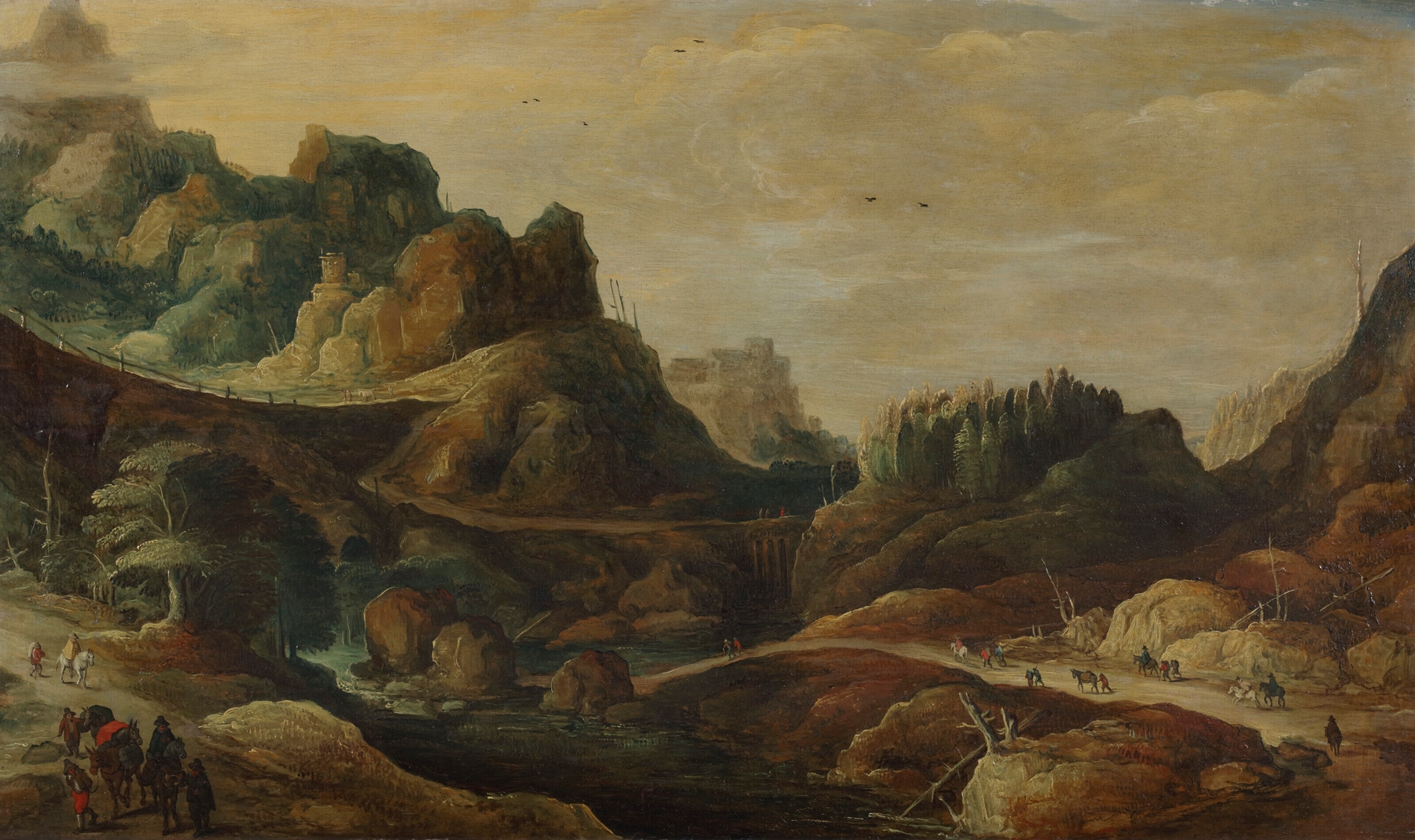
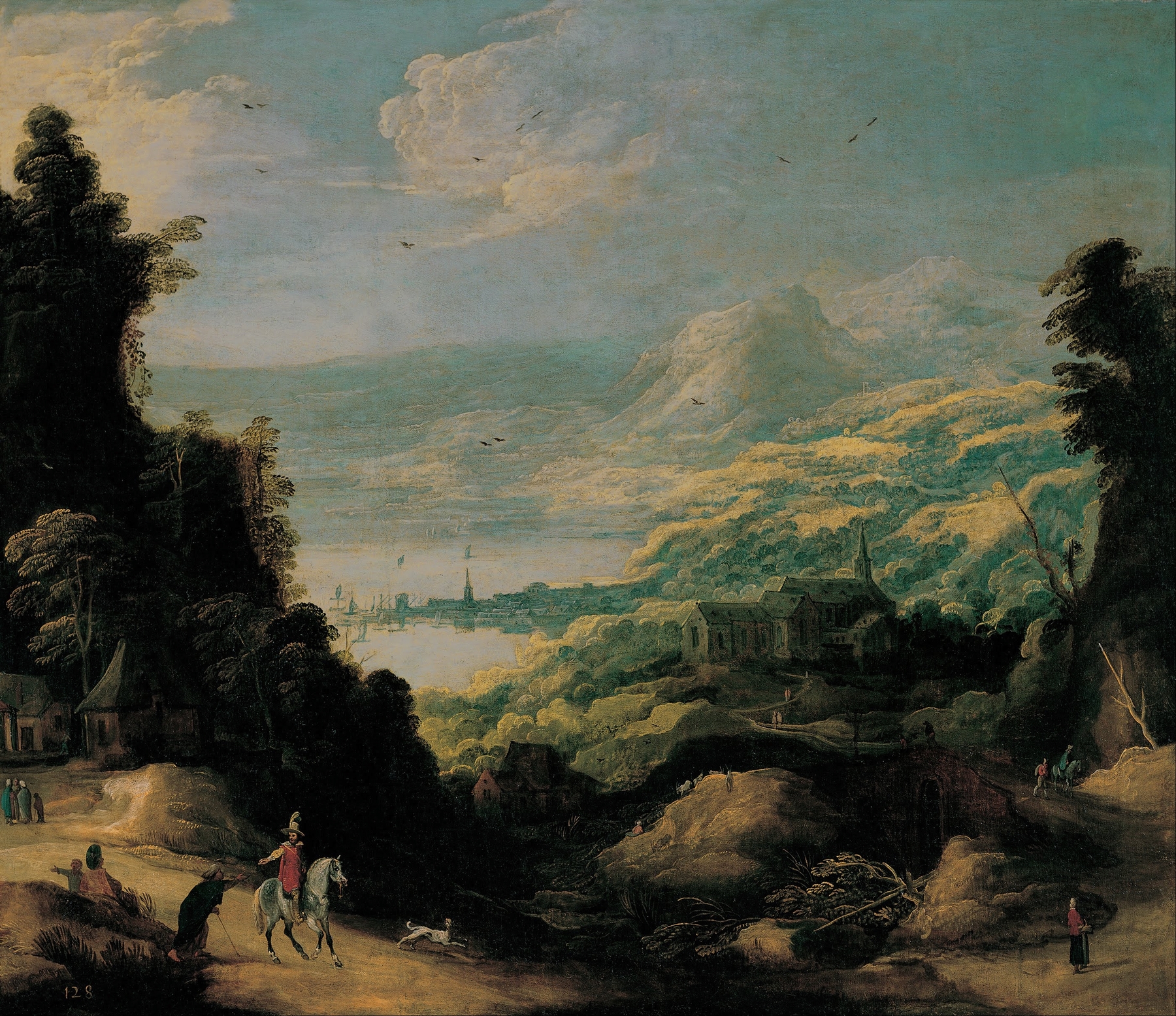
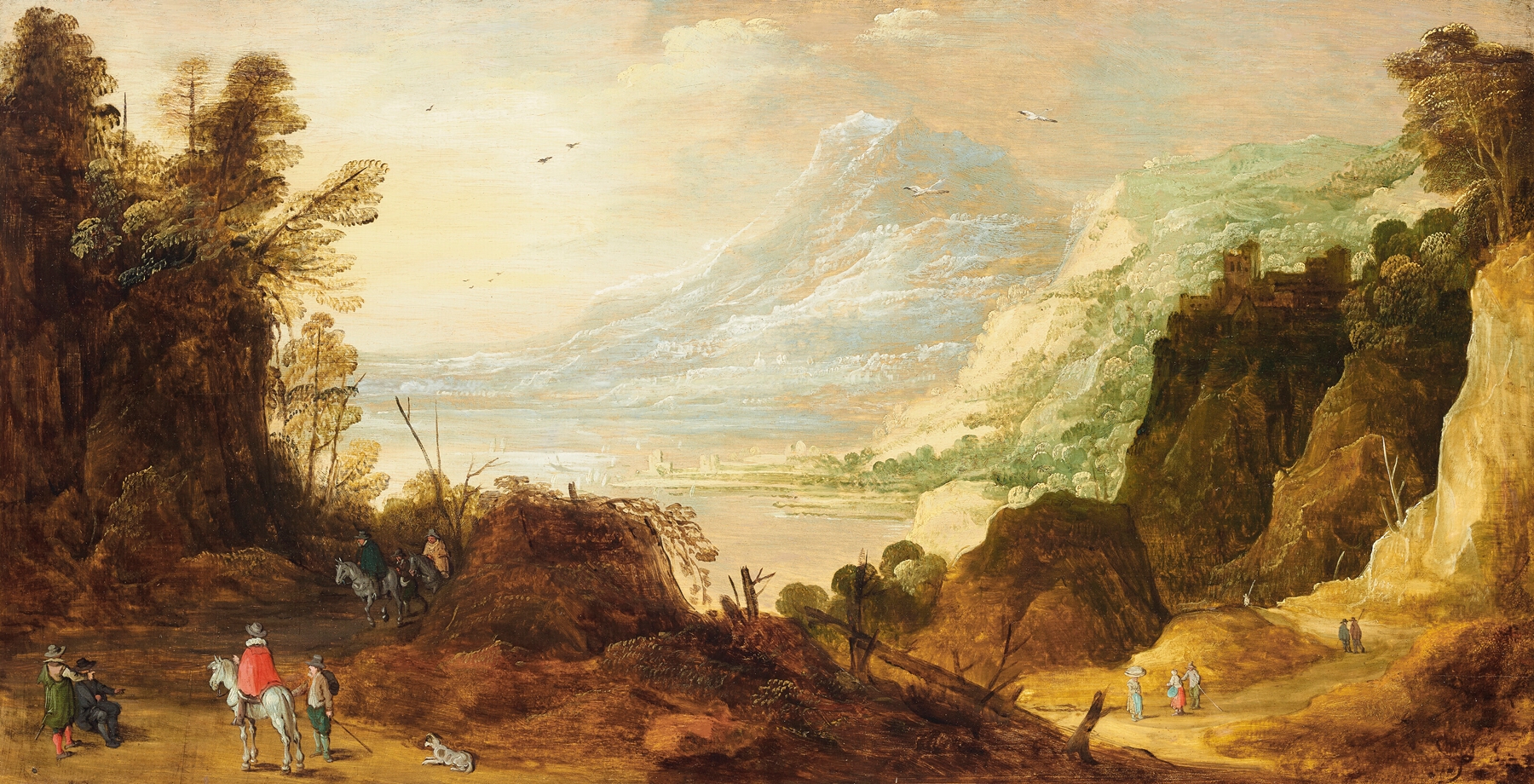
“Between color and silence, truth hides.” In the interplay of greens and browns, the essence of ecstasy emerges, whispering of both nature's beauty and its fragility. Focus on the foreground, where a broken tree leans dramatically, its gnarled branches reaching out like desperate hands. The vibrant palette of the mountain landscape contrasts sharply with the lifelessness of the tree, drawing the eye to the tension between life and decay.
Notice how the radiance of the sky illuminates the peaks, creating a breathtaking backdrop that both enhances and overpowers the somber figure at the front. The juxtaposition of the lush, rolling hills and the shattered tree brings forth a dialogue about impermanence and resilience. Here, the broken form becomes a poignant symbol of transformation—a reminder that beauty often flourishes alongside suffering.
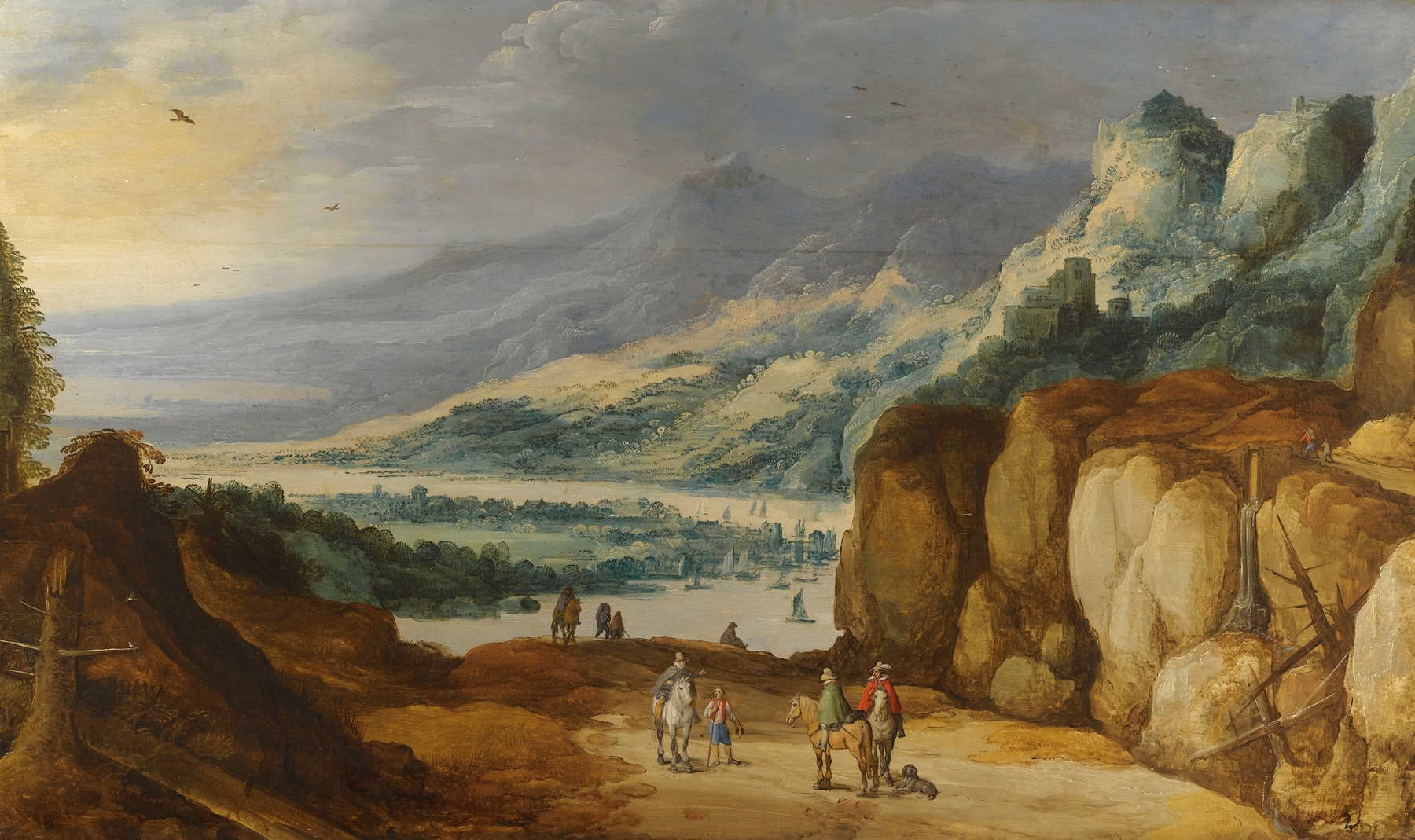
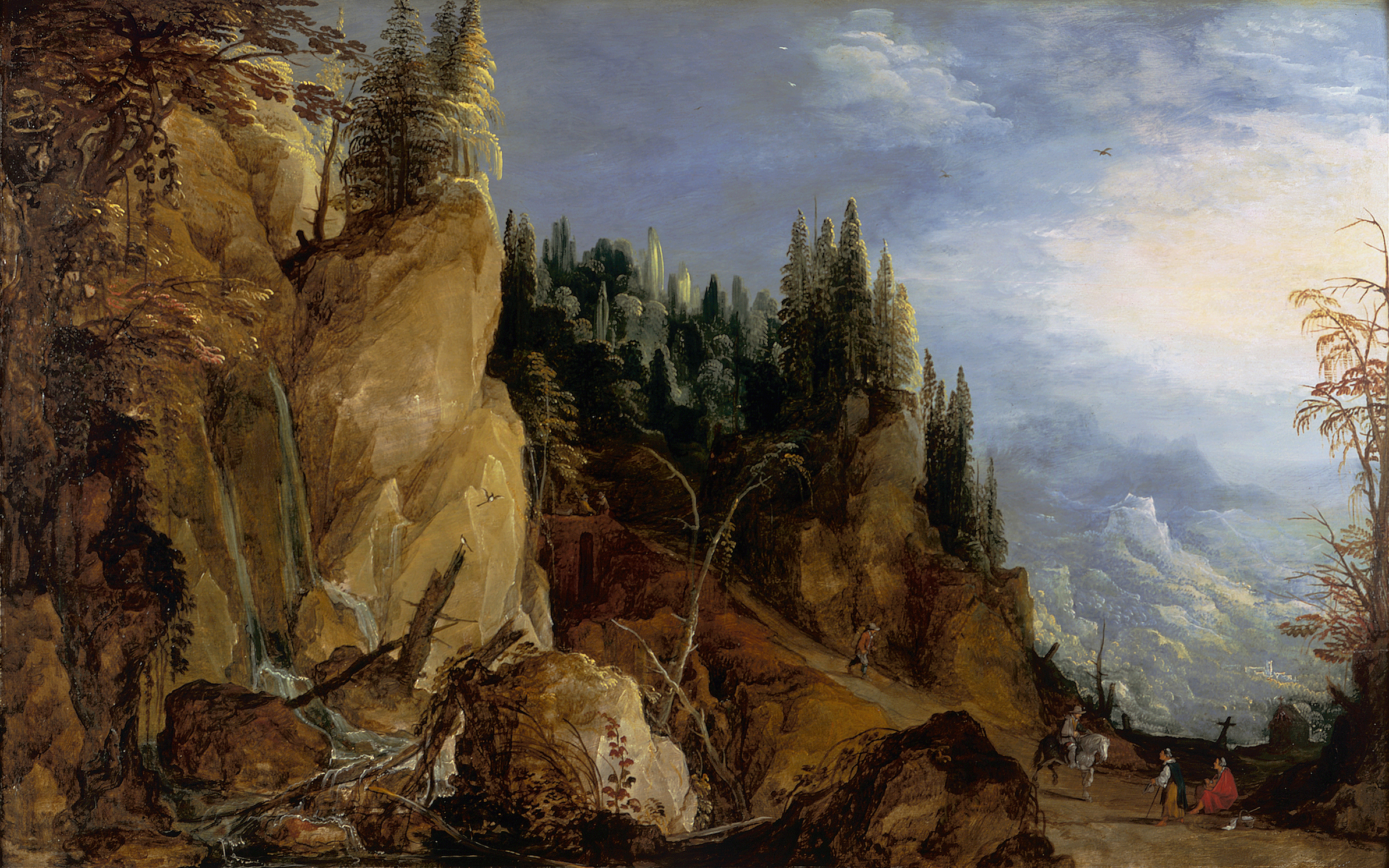
The layering of colors evokes a sense of depth, guiding the viewer through the emotional landscape of ecstasy intertwined with melancholy. Created between 1620 and 1629, this painting emerged during a time when Joos de Momper was deeply immersed in the Northern Renaissance’s exploration of nature. Living in a world that sought to balance human ambition with the majesty of the outdoors, the artist captured both serenity and struggle, reflecting the broader artistic movement that celebrated the interplay of light and shadow in depicting the earth's grandeur.