Mountain landscape with a caravan — History & Analysis
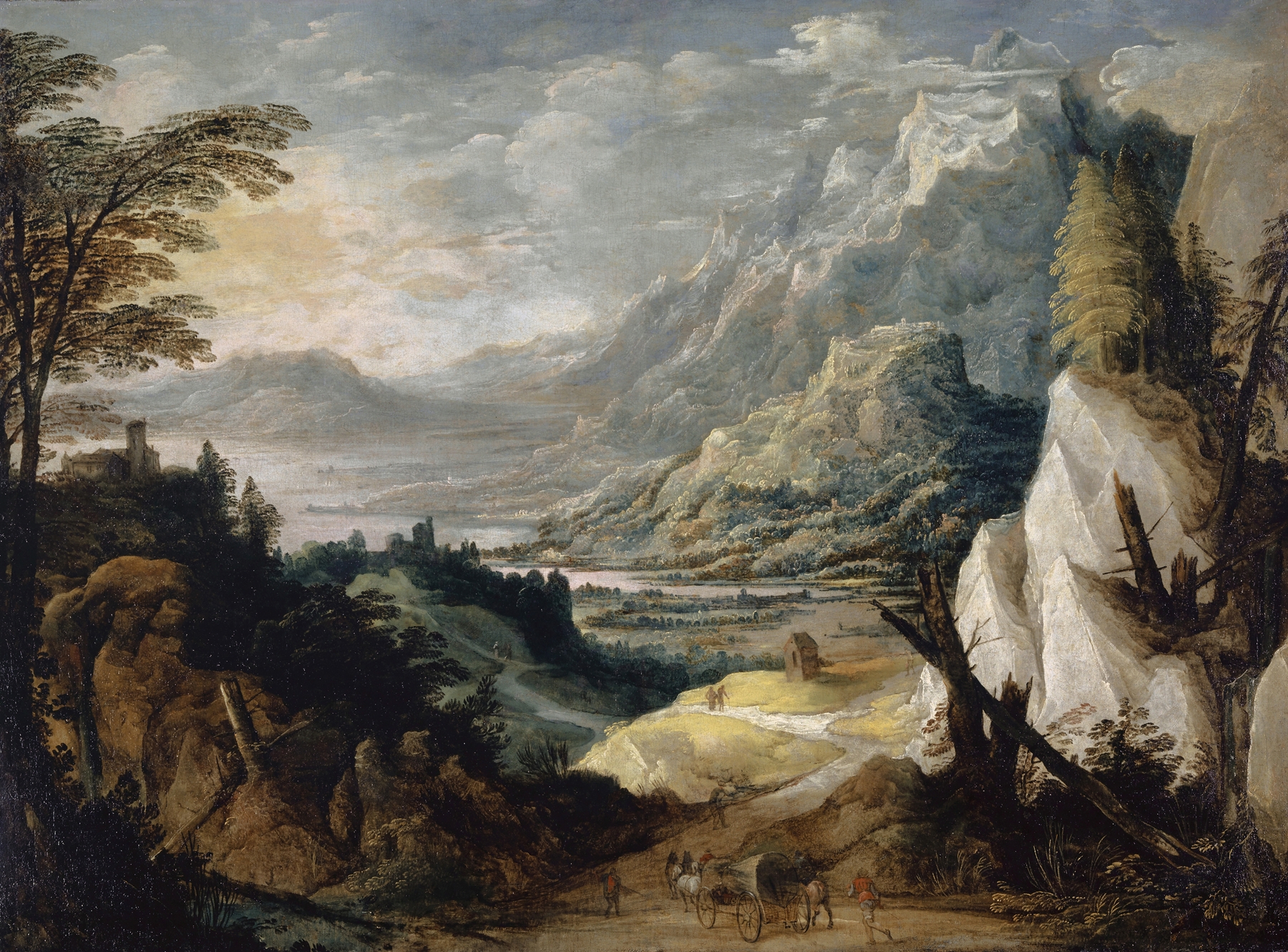
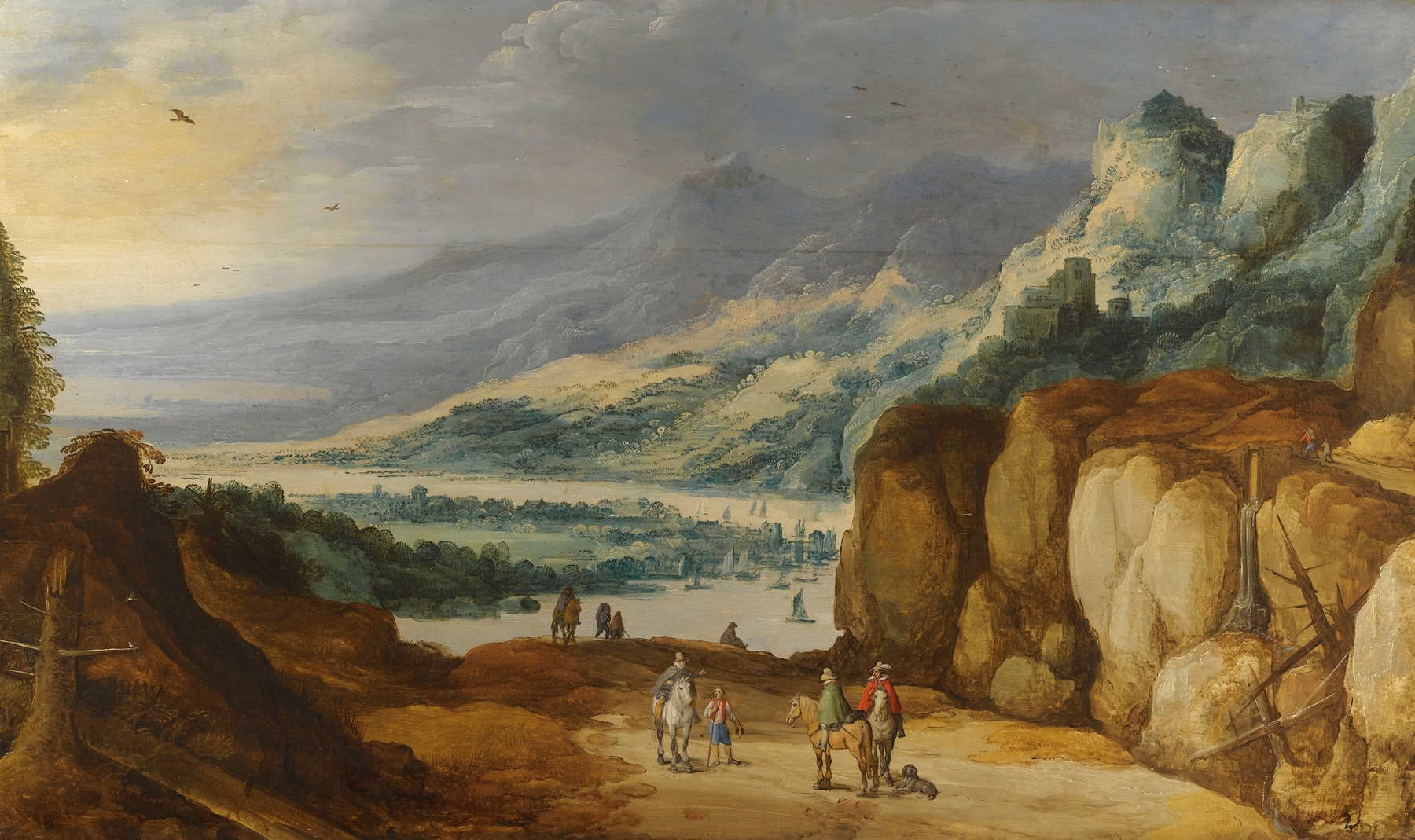
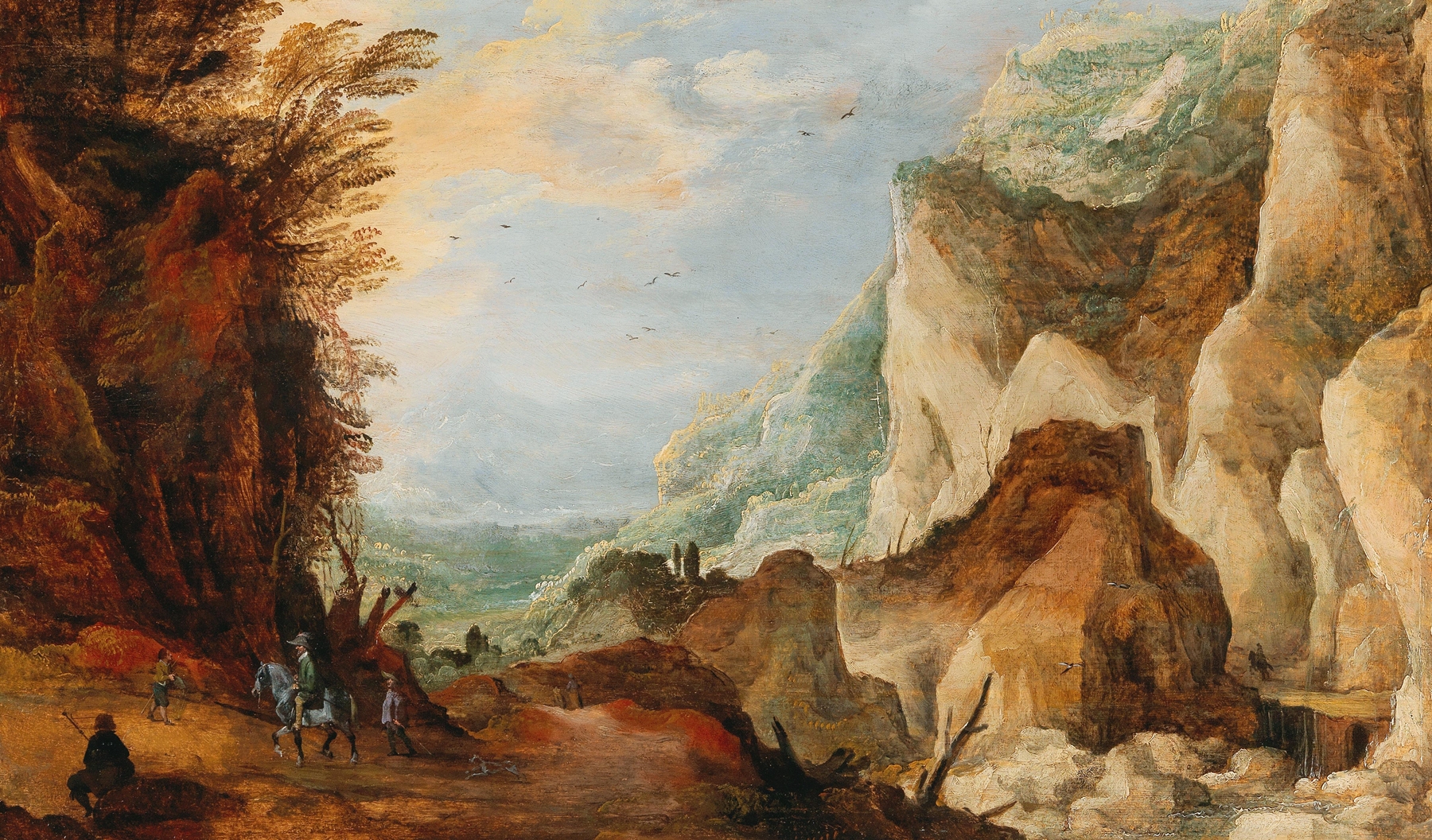
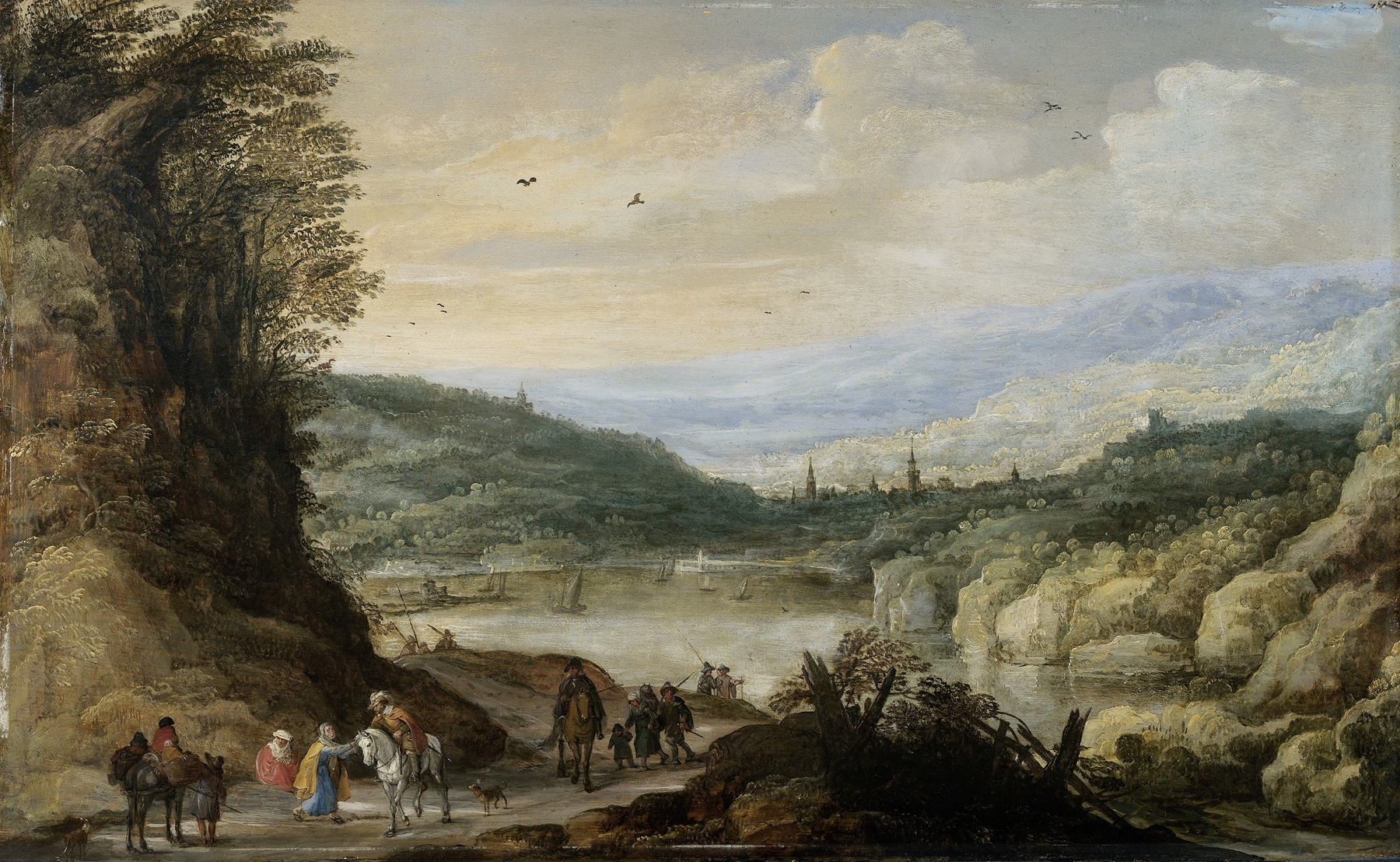
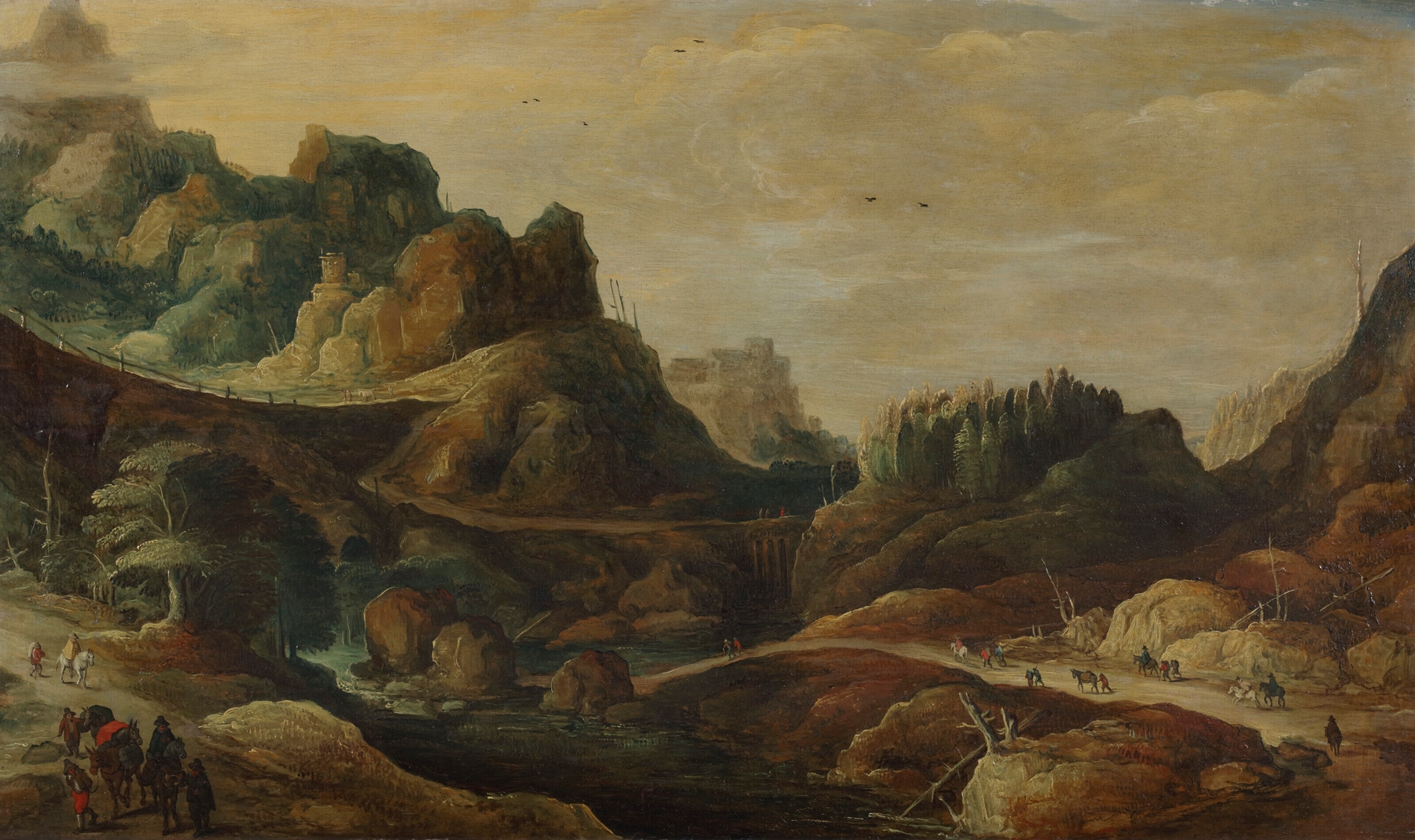
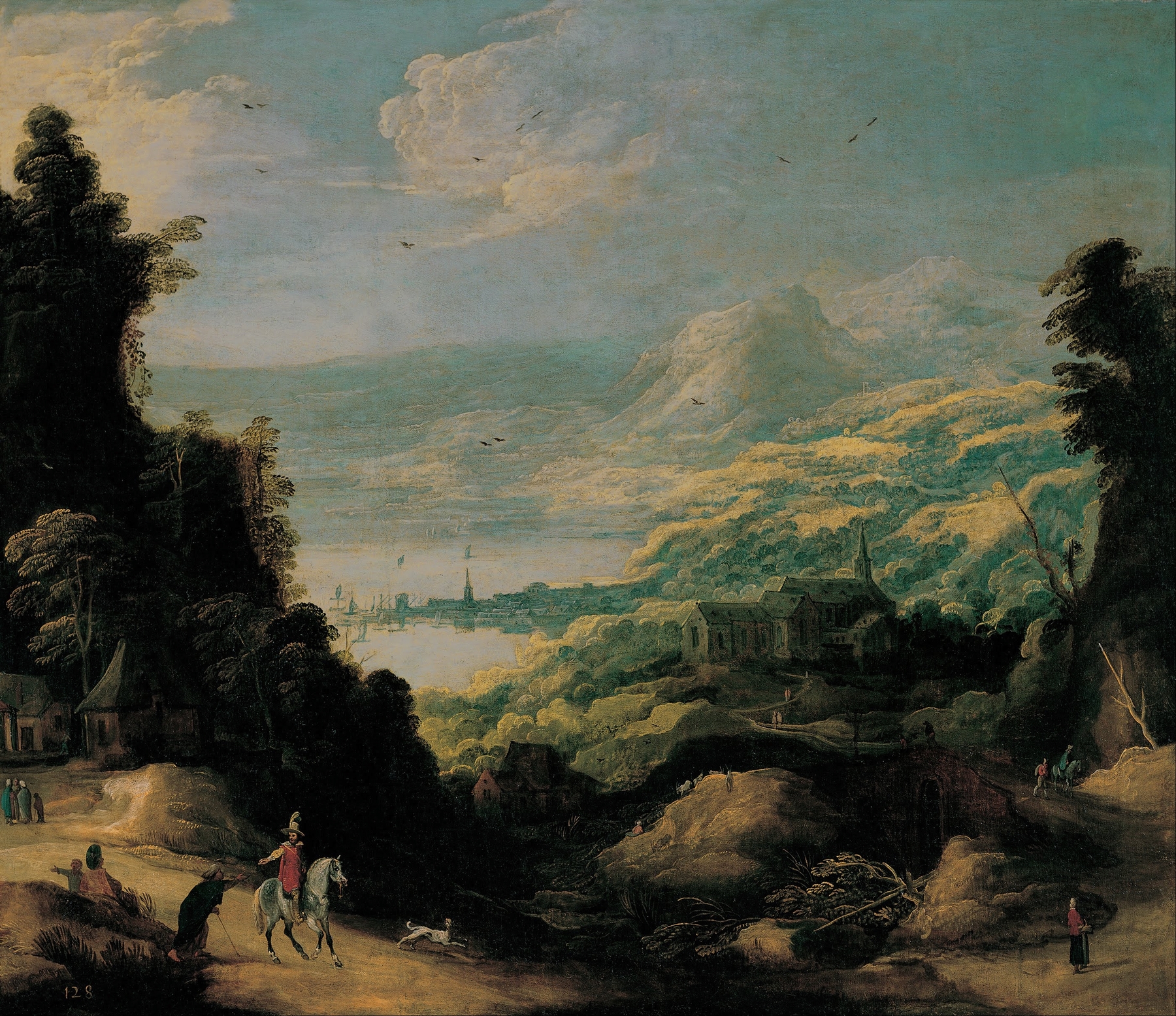
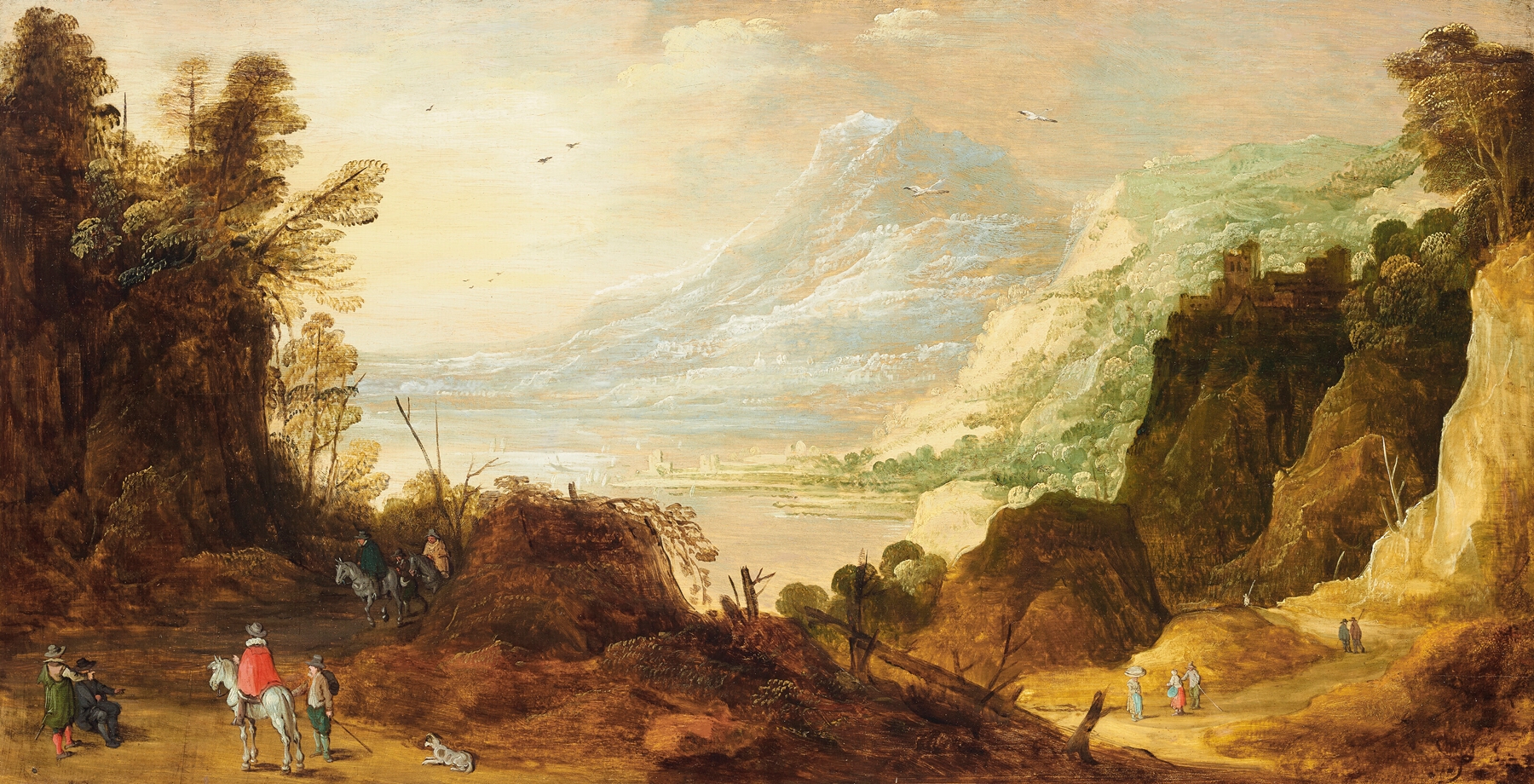
Who listens when art speaks of silence? In the serene embrace of Mountain landscape with a caravan, light becomes the voice, revealing both the majesty and the solitude of nature. Look to the far right, where the towering peaks rise in grandeur, their craggy edges softened by a gentle play of light. Notice how the sun filters through the clouds, casting a warm glow over the lush valleys and illuminating the caravan winding its way along the path.
The delicate greens and vibrant earth tones contrast with the cooler blues of the sky, inviting you to traverse the landscape as if you were part of the scene. Within this seemingly tranquil expanse lies a tension between human ambition and nature’s vastness. The caravan, a slender line of figures, symbolizes the transient nature of existence against the immovable mountains, suggesting a fleeting moment in the grand tapestry of life. The interplay of light and shadow enhances the emotional depth, hinting at both the hope of adventure and the uncertainty of the journey ahead.
Joos de Momper painted this piece between 1600 and 1610, during a period marked by a growing fascination with landscape painting in the Northern Renaissance. As he worked in Antwerp, the art world was undergoing significant transformations, with a shift towards capturing natural beauty influenced by human experience. This painting reflects both his artistic prowess and the era's embrace of the sublime, where light dances through the canvas, inviting contemplation.