Mountain Landscape with Rainbow — History & Analysis
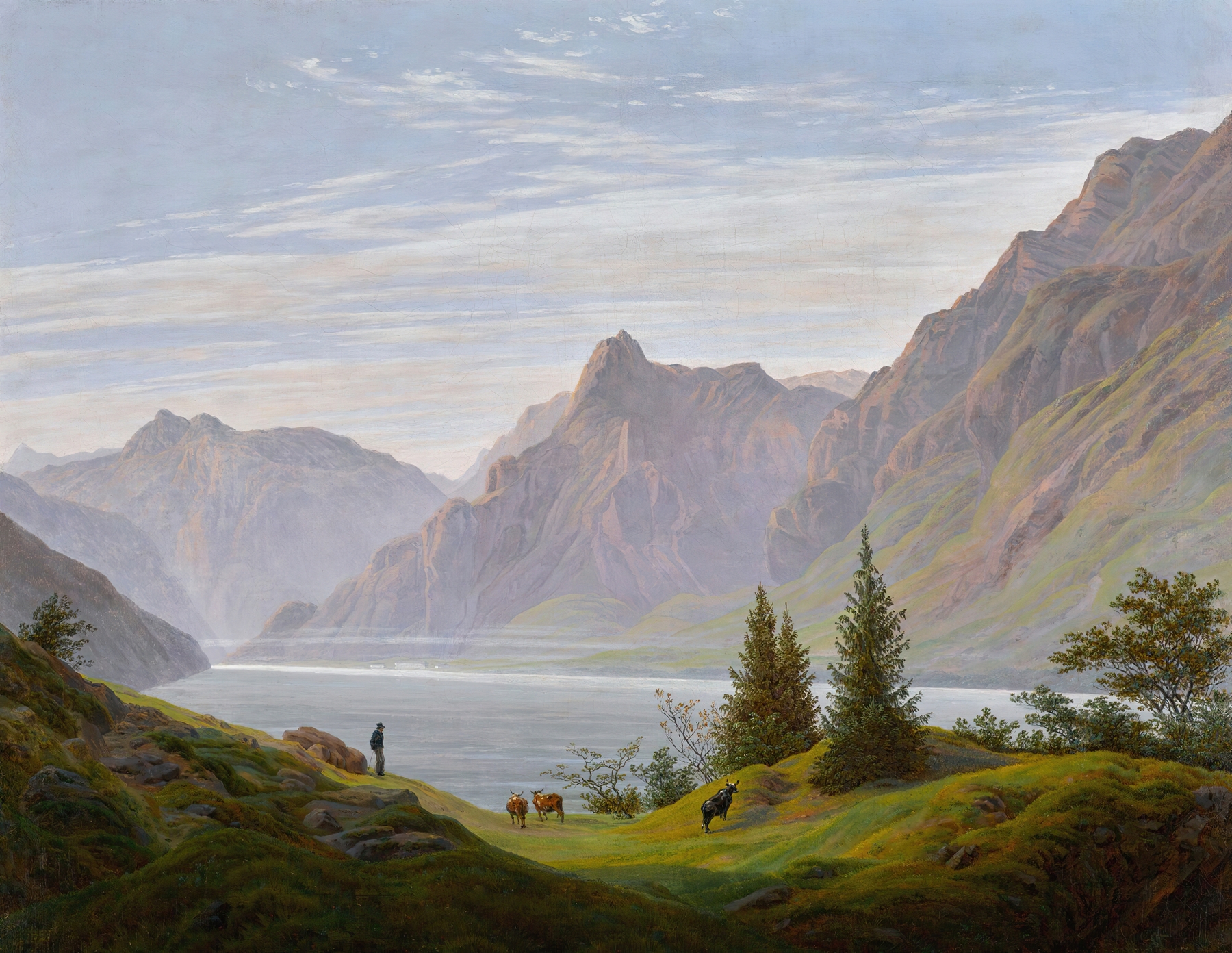
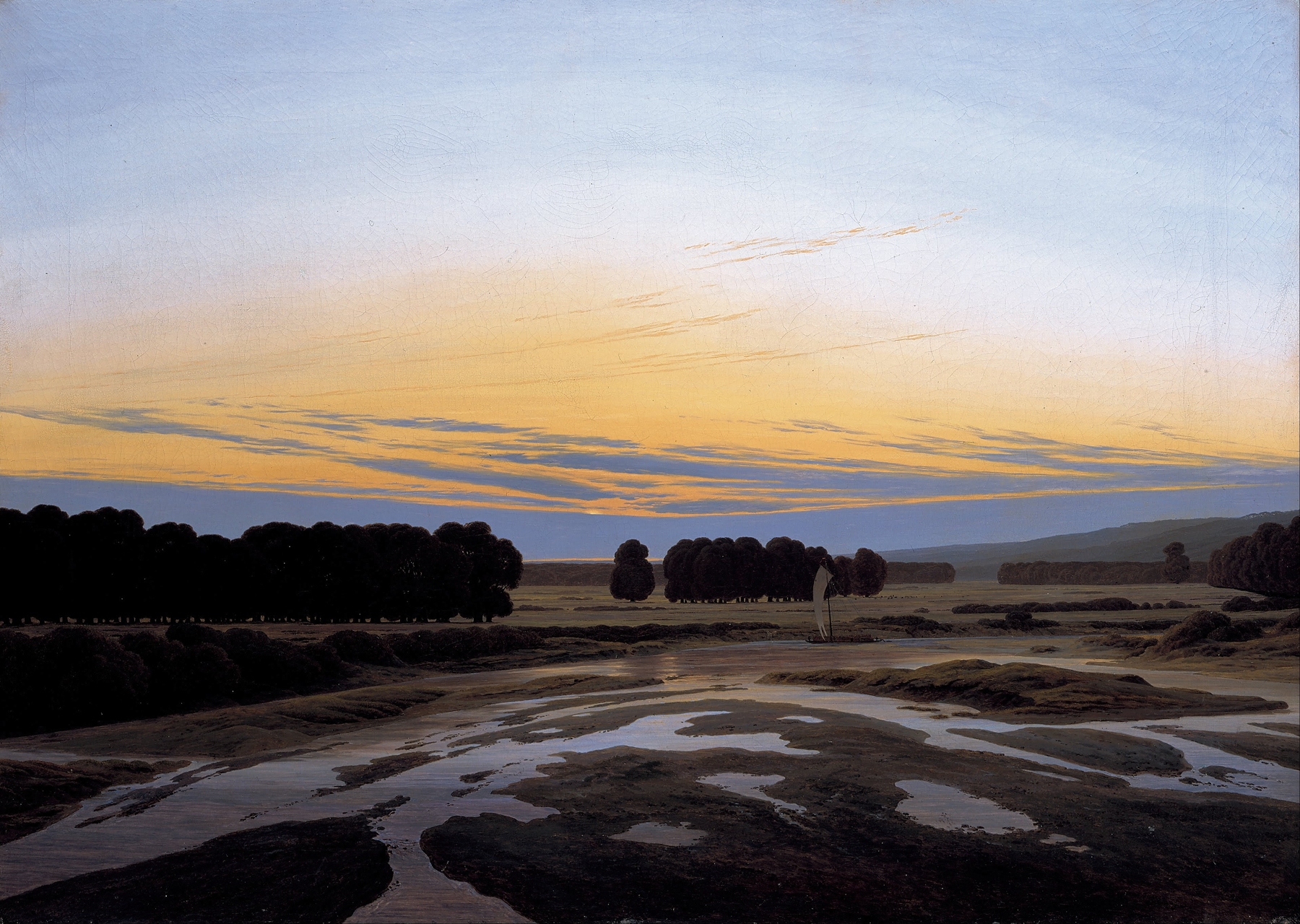
Can beauty exist without sorrow? In Mountain Landscape with Rainbow, the vibrant arch of color serves as a poignant reminder that joy often emerges from the depths of anguish, reflecting the human experience in its fullness. Look to the horizon where the rainbow bridges the rugged peaks, drawing your gaze upward. The rich greens of the foreground contrast with the cool, imposing grays of the mountains, creating a tension between the earth and sky.
Notice how the soft light cascades over the landscape, illuminating the foliage while casting shadows that hint at hidden depths beneath their beauty. The careful layering of colors evokes a sense of depth, pulling the viewer into the scene’s serene yet tumultuous ambiance. The emotional core of this work lies in its contrasts—between light and dark, hope and despair. The rainbow, a symbol of promise, arches over the stark mountains that stand resolute, suggesting that beauty can emerge even amidst hardship.
The scene speaks to the inner turmoil of the soul, where betrayal can coexist with the promise of renewal, reminding us that every joy carries the weight of its opposite. During the years 1809 to 1810, Caspar David Friedrich was deeply engaged in exploring Romantic ideals, focusing on the sublime and the profound emotional responses elicited by nature. He painted this work while living in Germany, a time marked by personal loss and the political upheavals of the Napoleonic Wars. The artist sought to convey the complexity of human emotion through his landscapes, positioning nature as both a source of solace and a reflection of the turbulent world around him.