Mountain view — History & Analysis
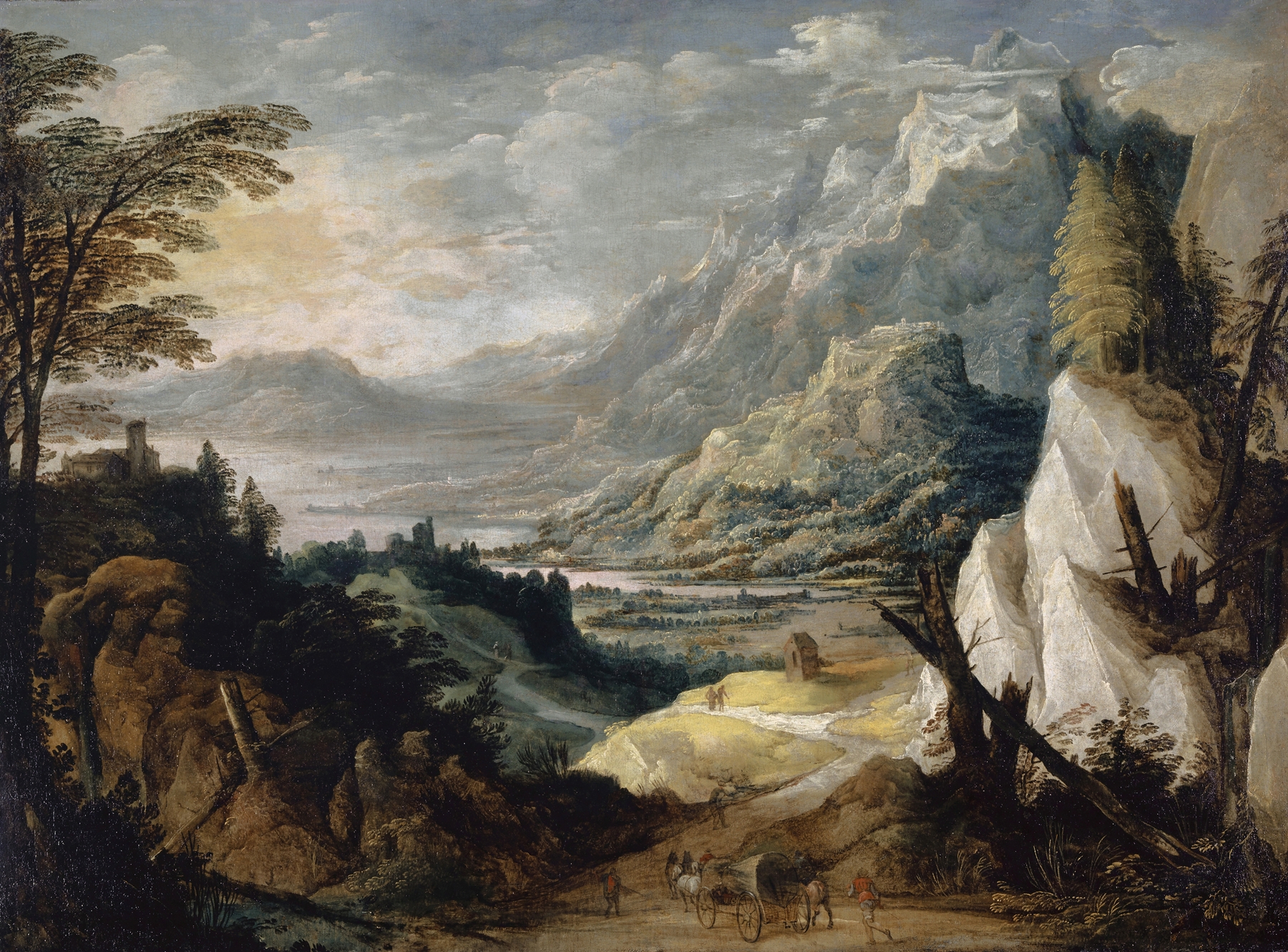
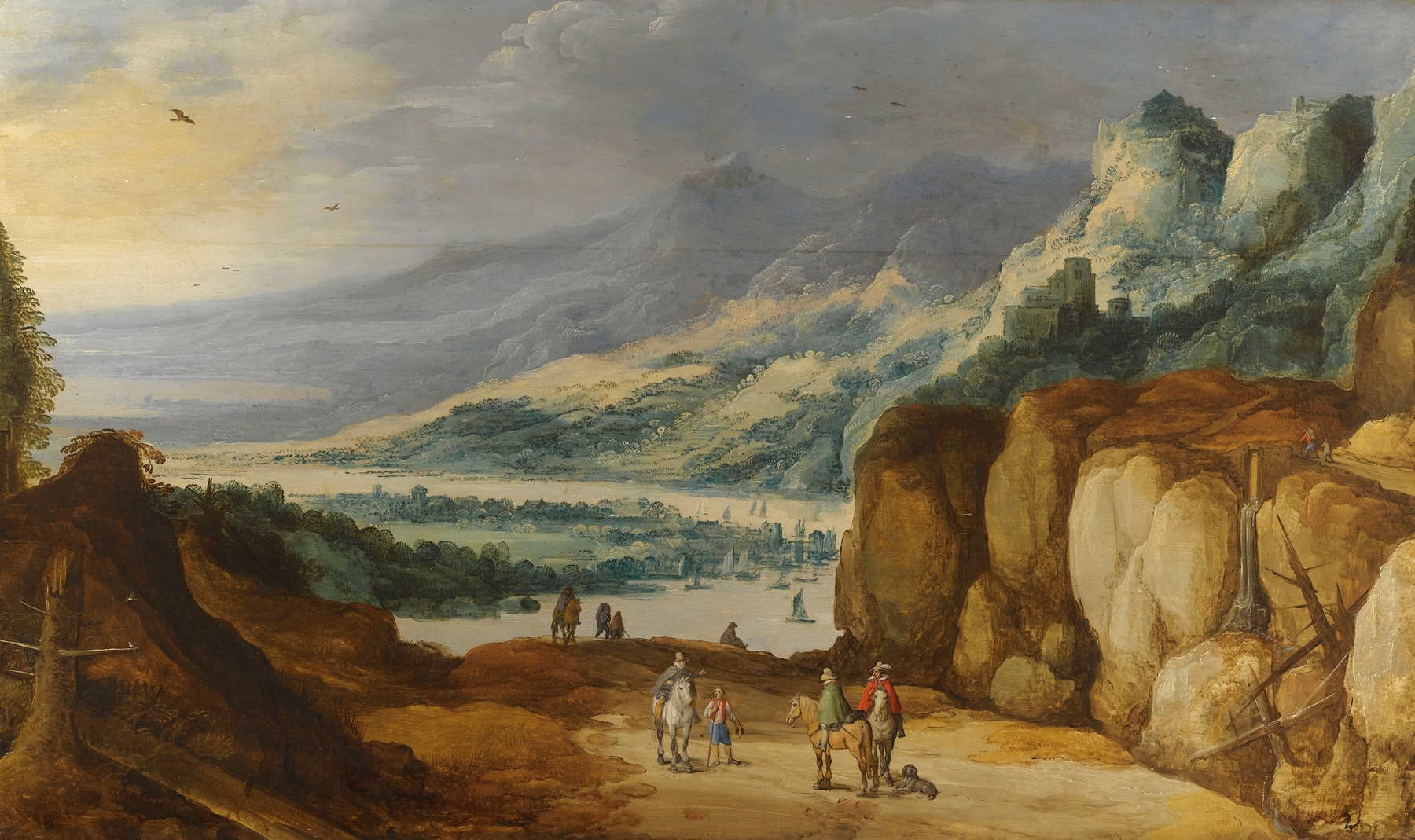
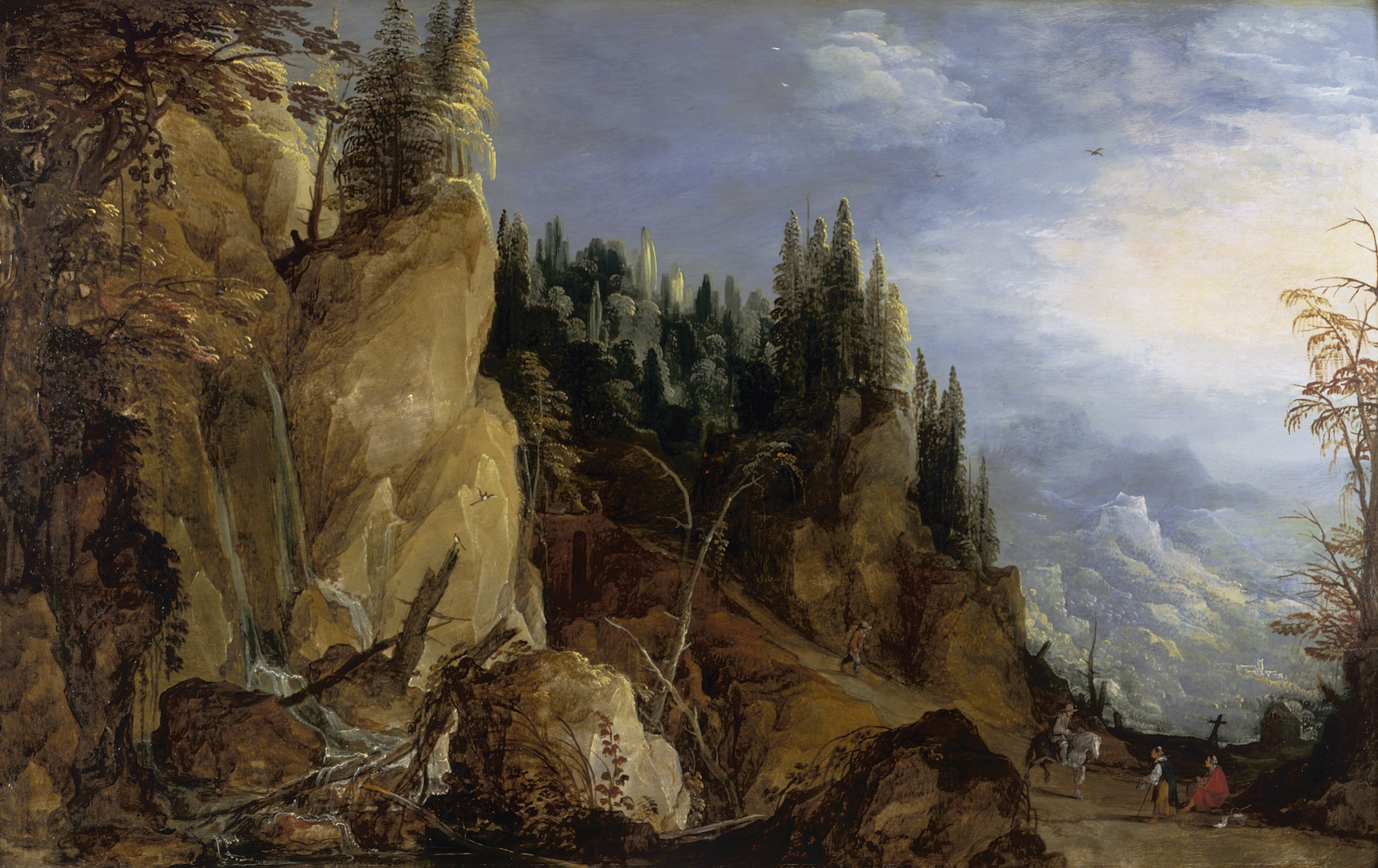
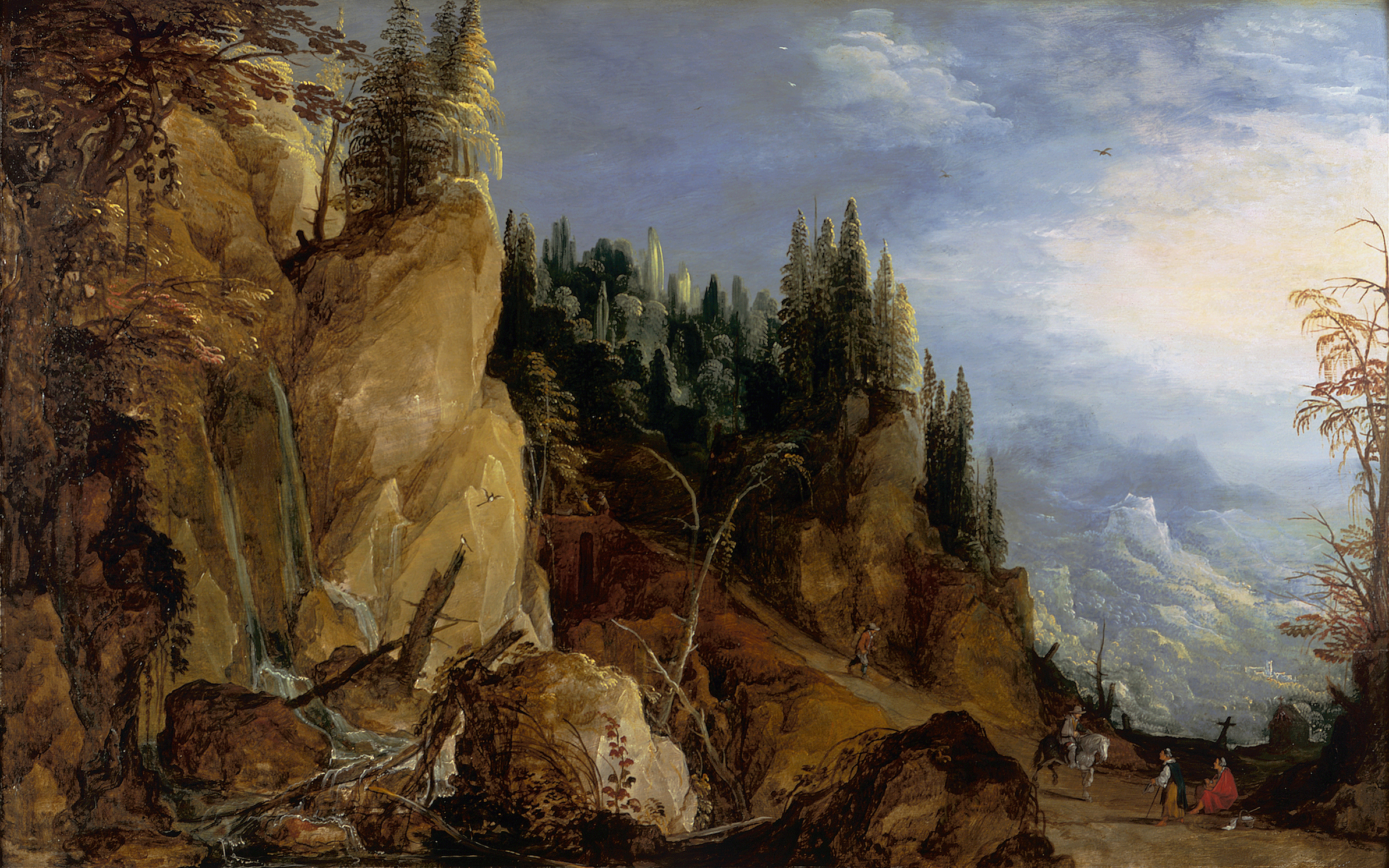
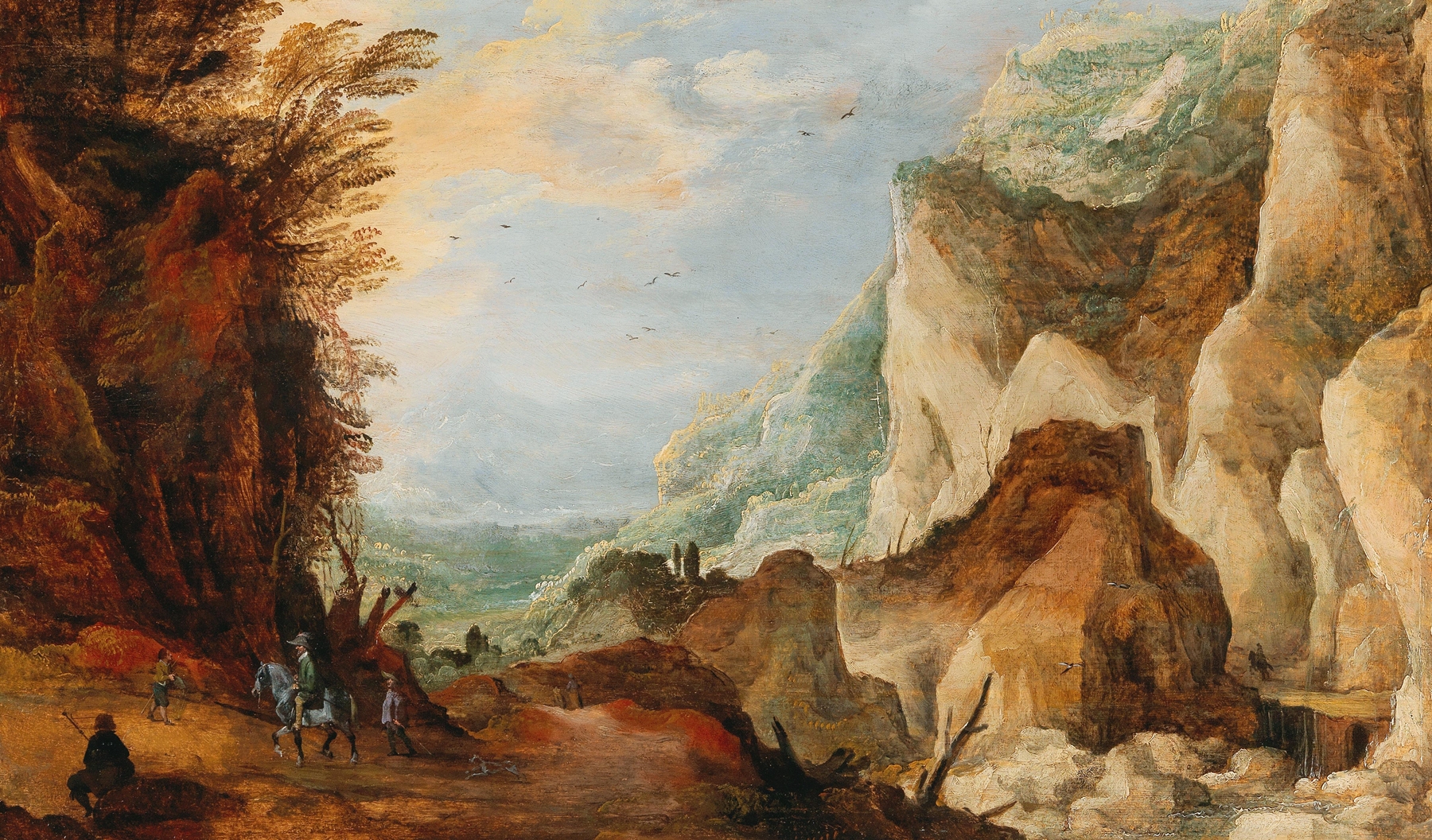
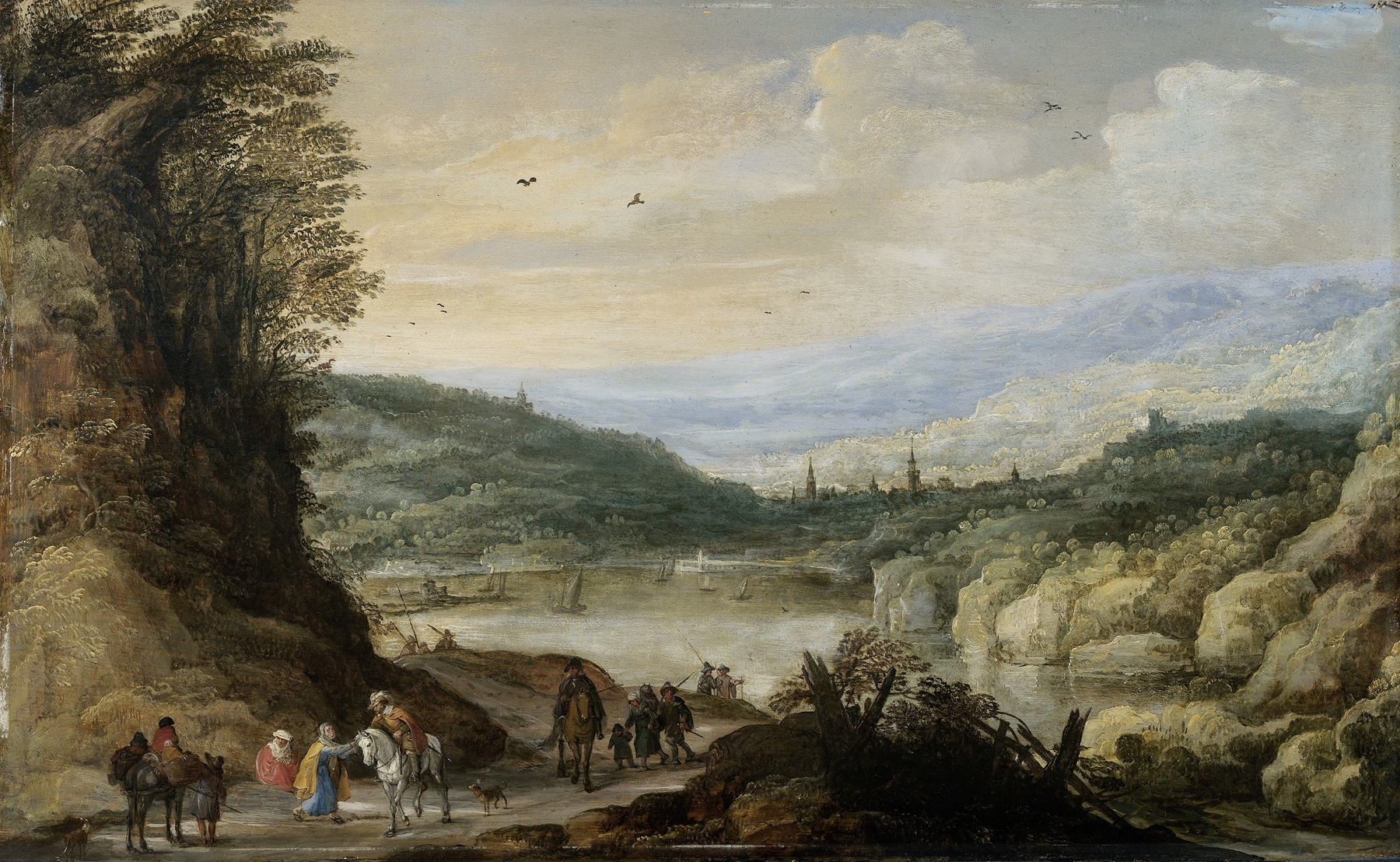
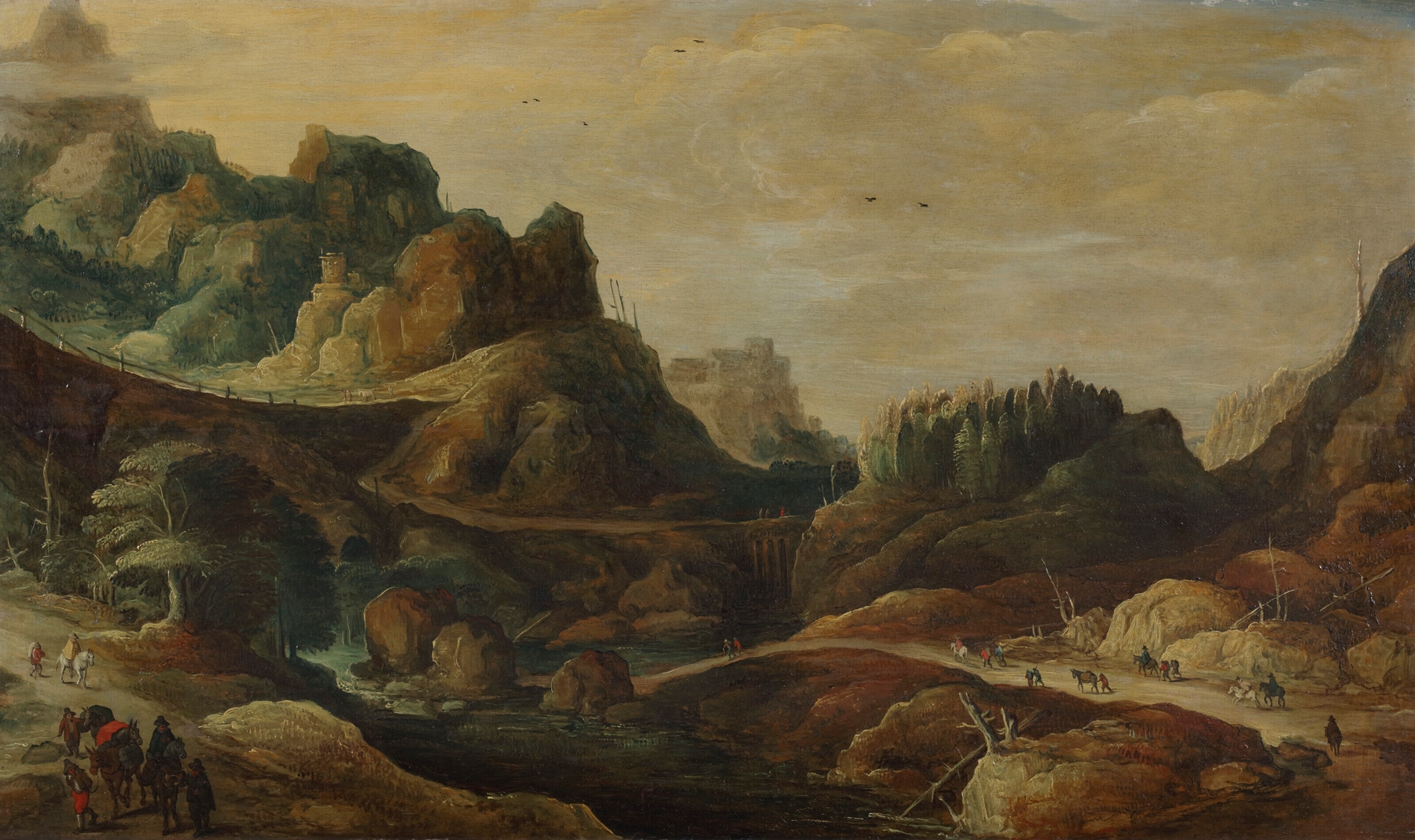
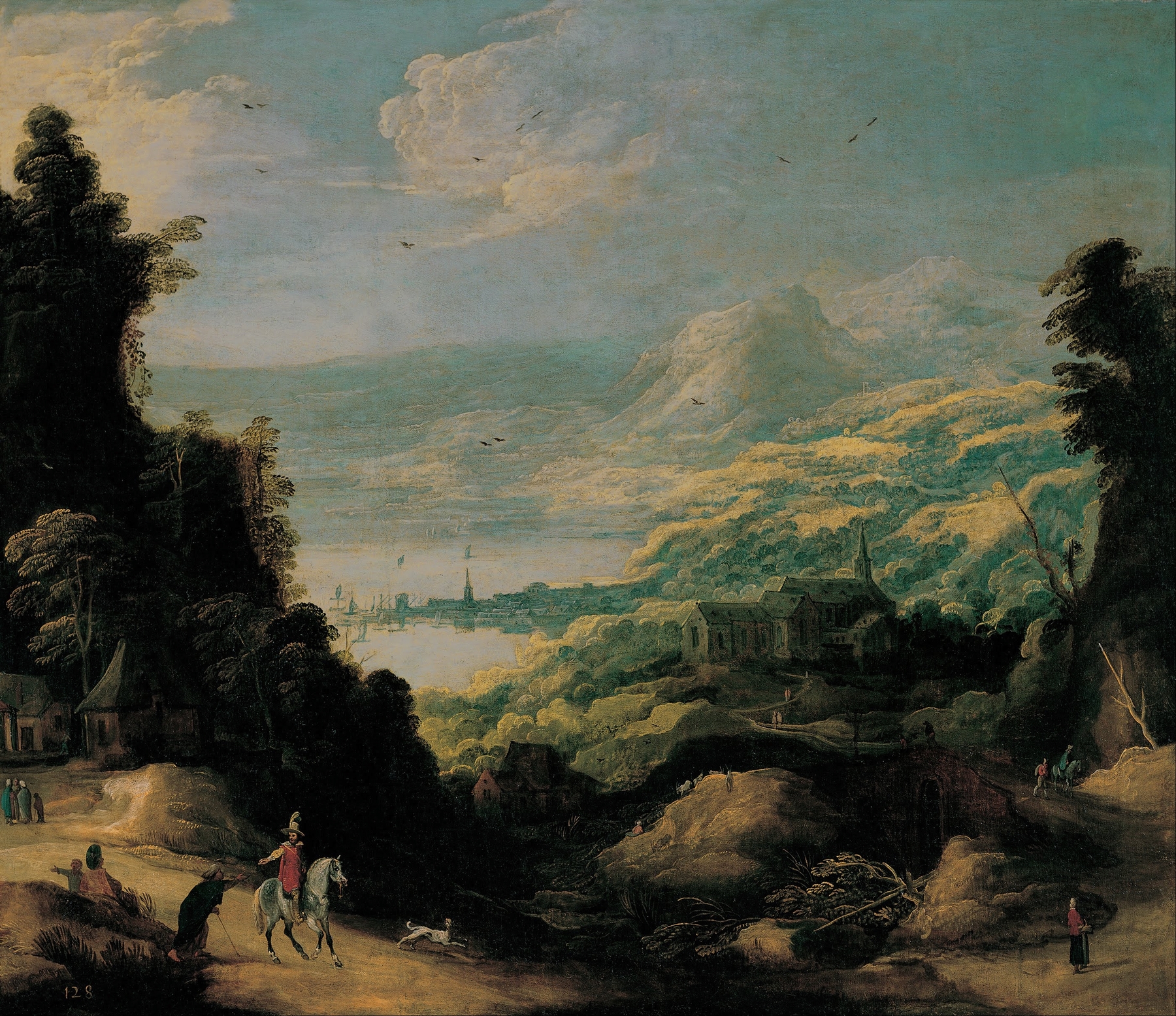
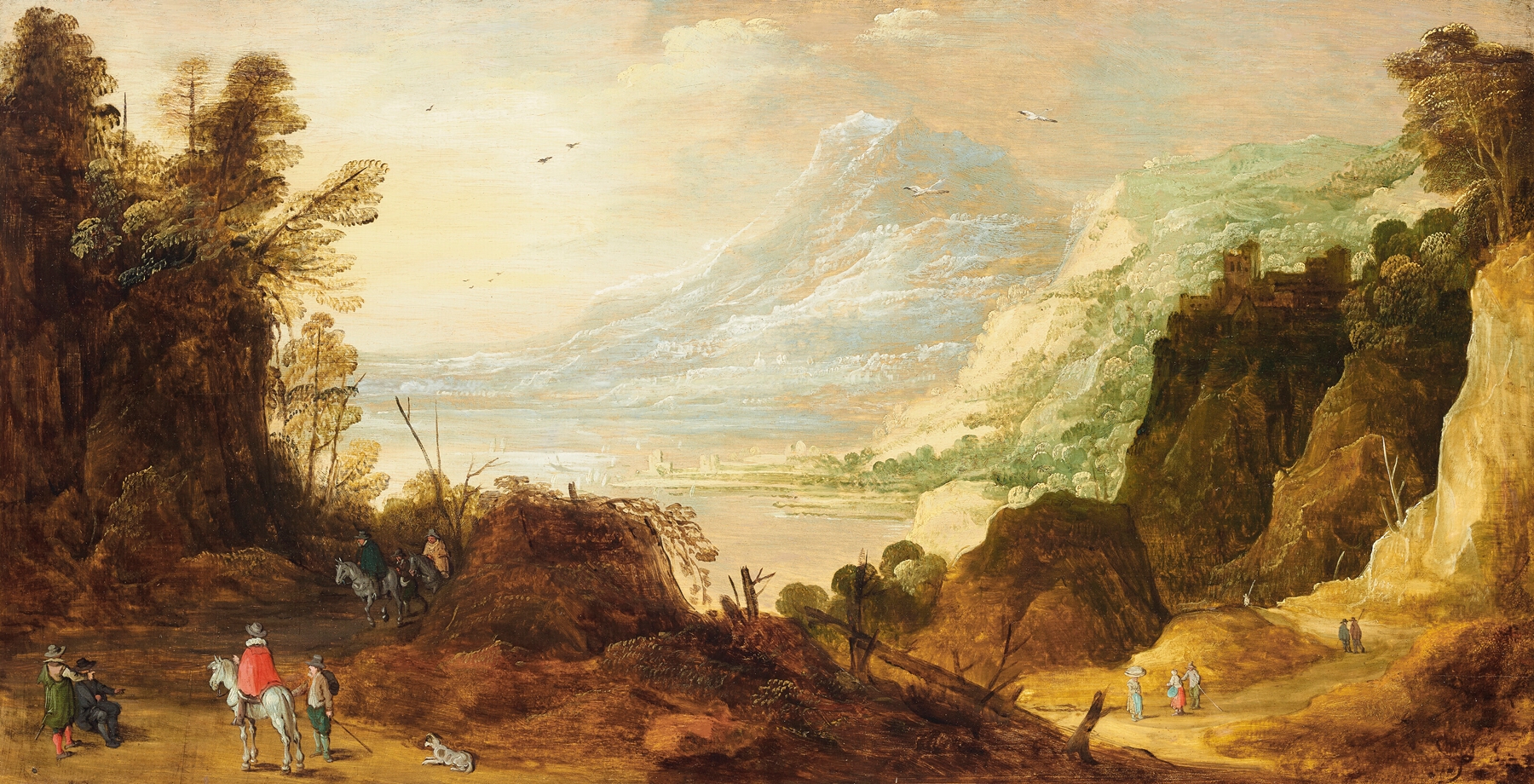
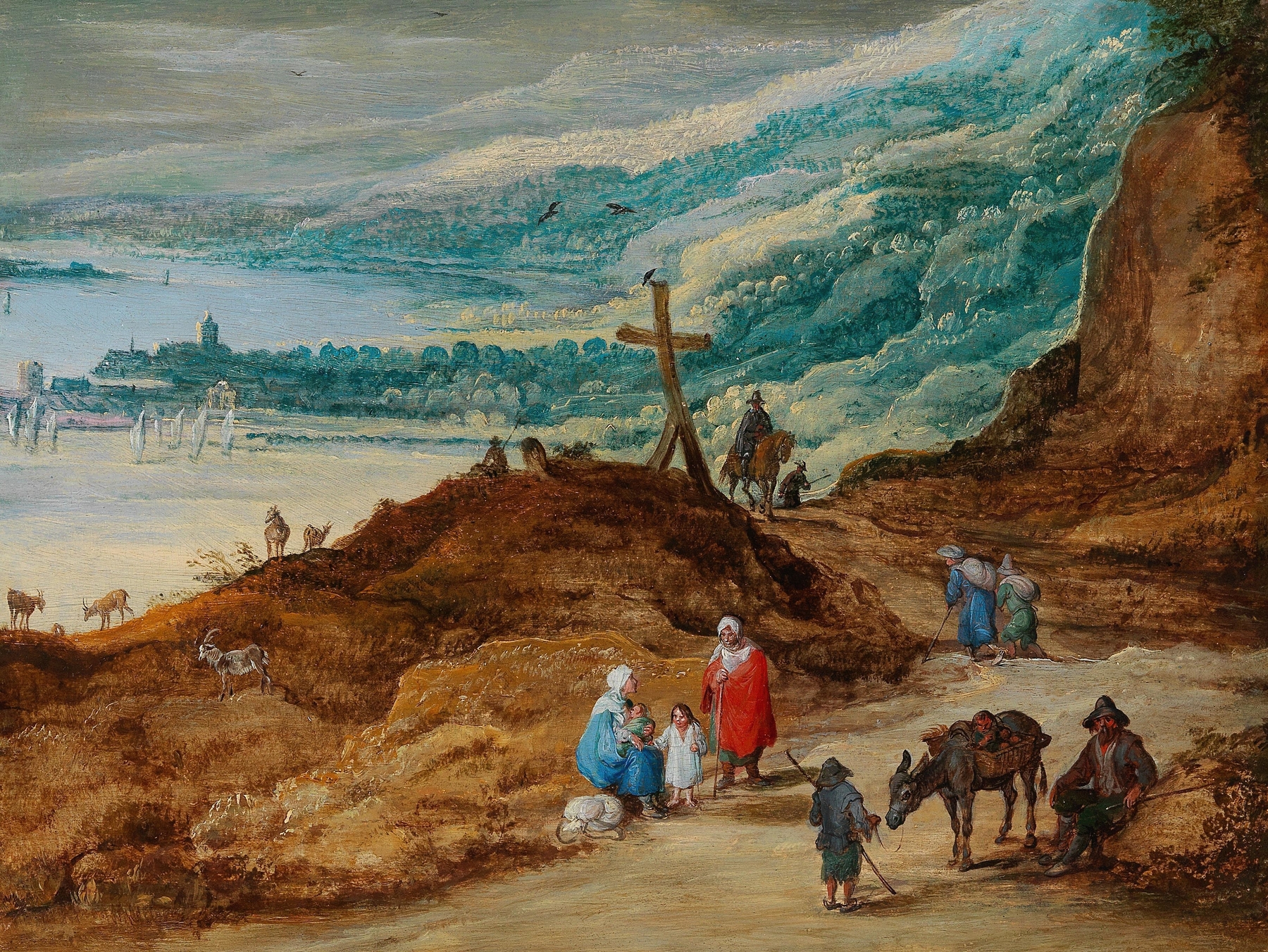
“To paint is to remember what time wants us to forget.” In our fleeting lives, hope lingers in the breath of the mountains, an eternal reminder of beauty that transcends our struggles. Focus on the majestic peaks that dominate the canvas, forming a dramatic backdrop against which life unfolds. The artist masterfully employs a palette of blues, greens, and earth tones, creating a sense of depth and atmosphere. Notice how the light filters through the clouds, illuminating patches of the rugged terrain and softening the features of the landscape.
Each brushstroke captures the transient qualities of nature, inviting viewers to lose themselves in the vastness of the view. As you explore the scene, consider the contrasts at play—the stillness of the mountains against the hint of motion in the swirling clouds. There’s a dialogue between the solid, unyielding rocks and the ephemeral beauty of the sky, suggesting resilience in the face of change. The interplay between light and shadow evokes a sense of hope, illuminating the corners of the painting that might otherwise fade into darkness.
This emotional tension reminds us that even amidst uncertainty, beauty perseveres. Created during a period of transformation in the art world, this work emerged between 1590 and 1635, a time when Joos de Momper was deeply engaged in the rise of landscape painting. Working in the heart of the Northern Renaissance, he sought to elevate landscapes to a subject worthy of admiration, reflecting both the natural world and the human experience. His unique vision not only shaped the genre but also captured the timeless essence of hope that resides in nature’s splendor.