Movement — History & Analysis
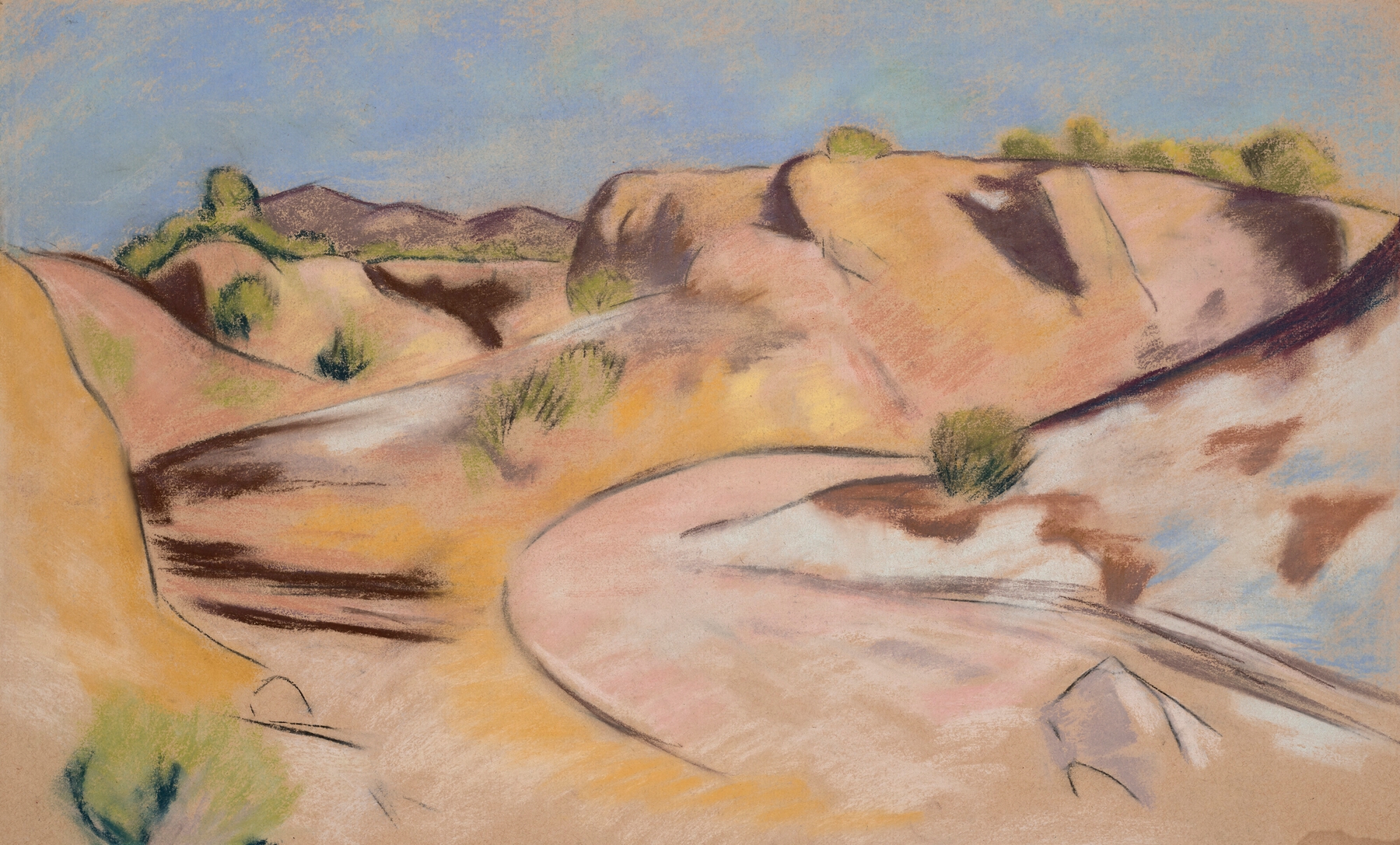
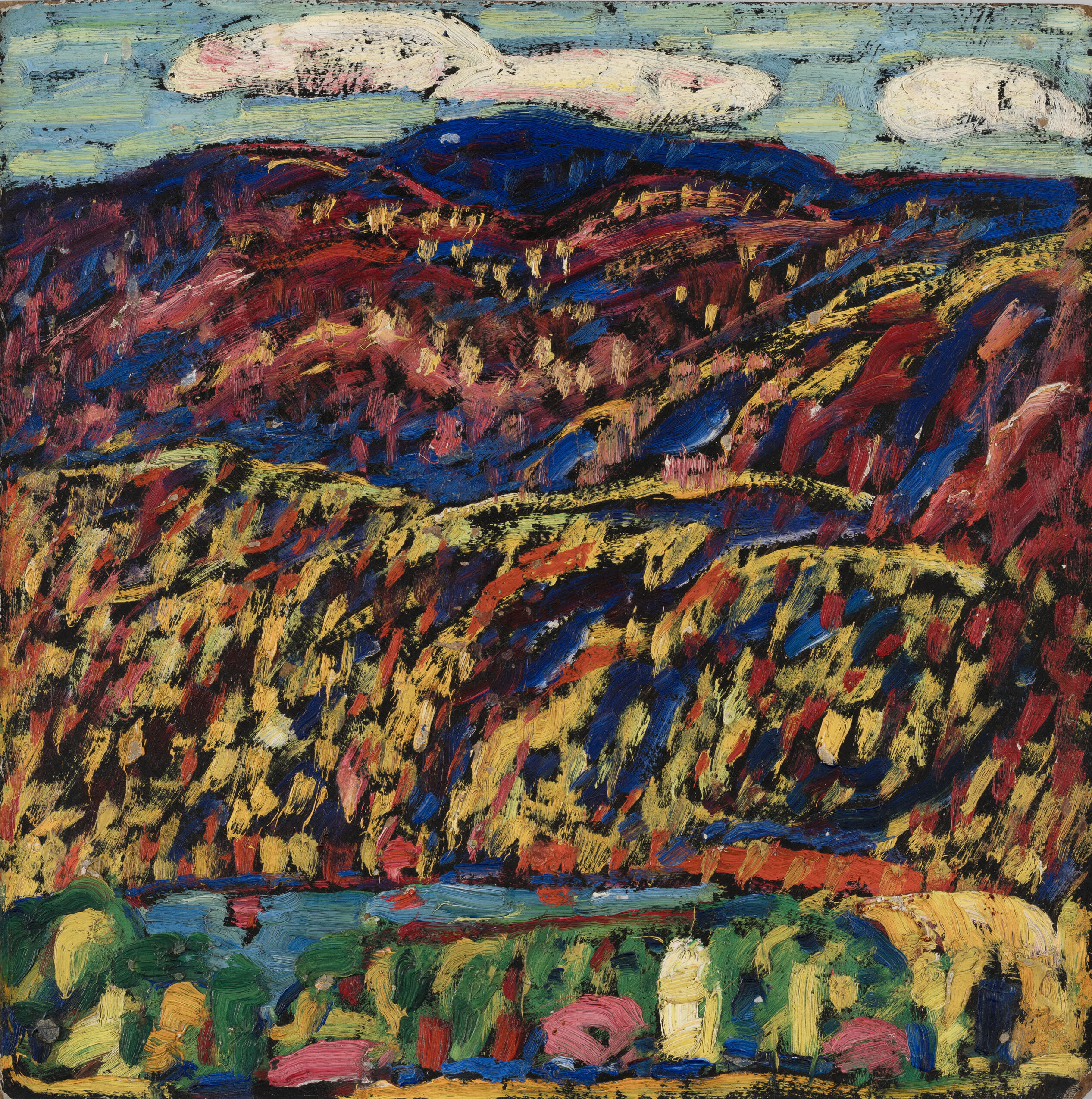
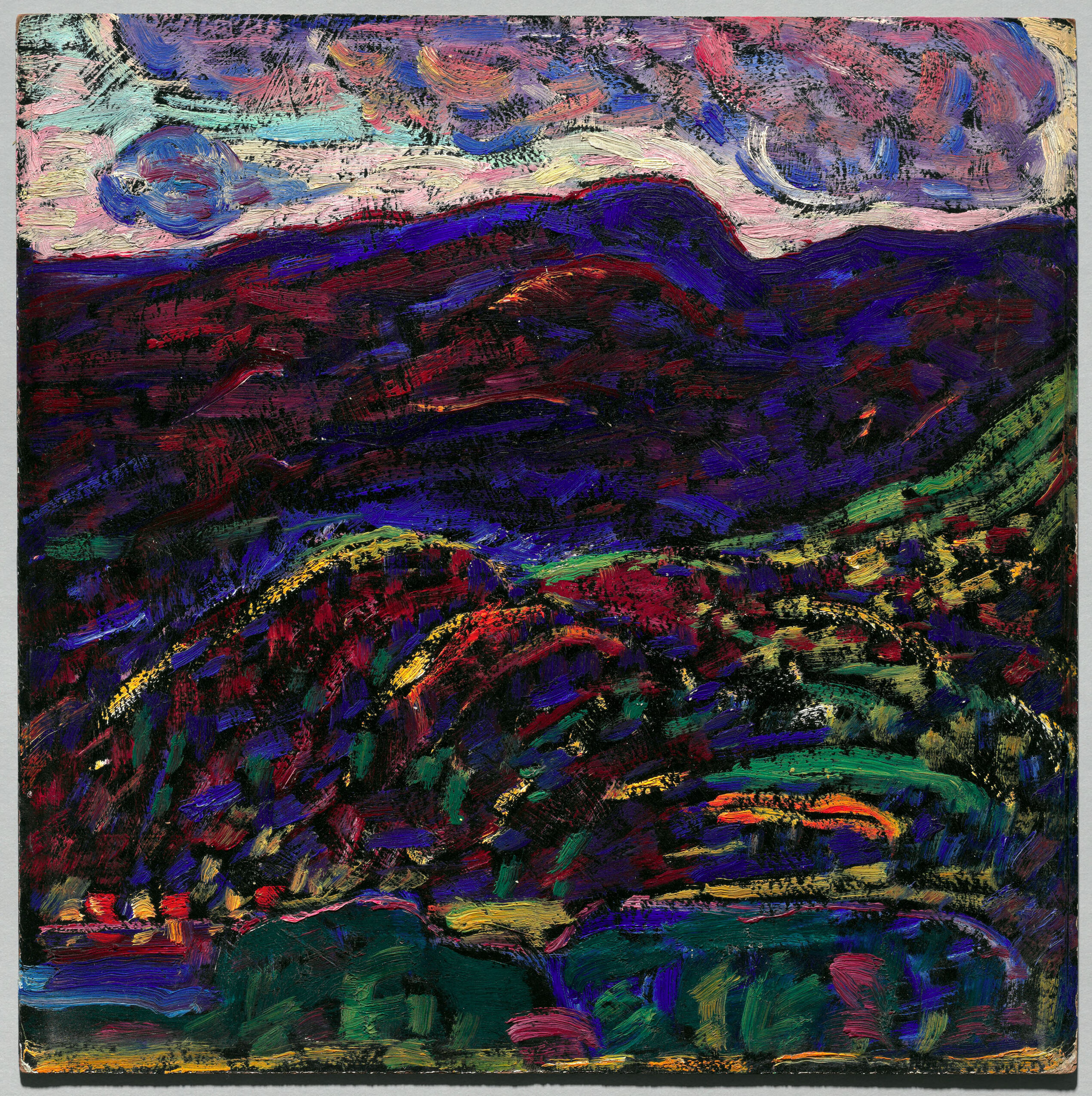
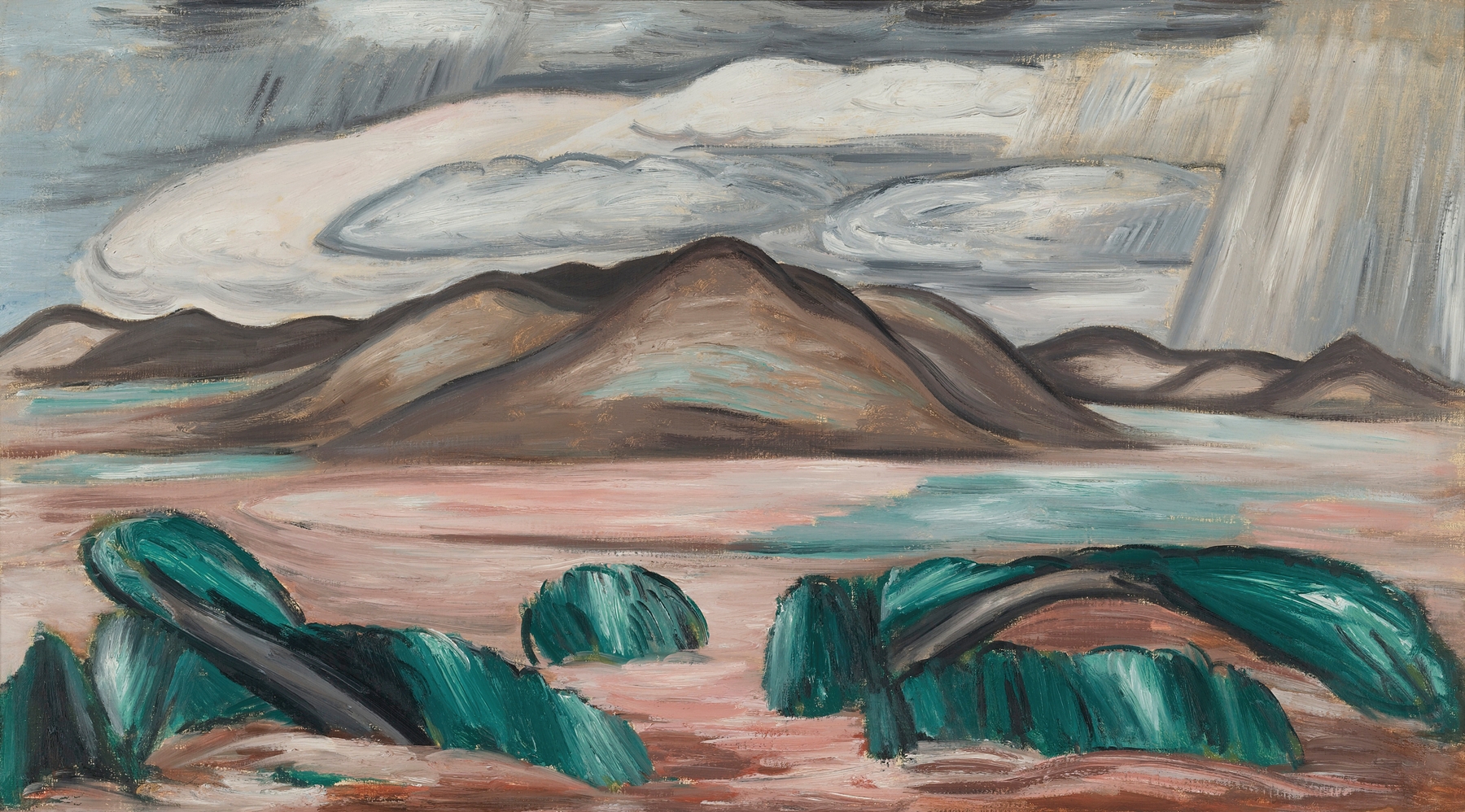
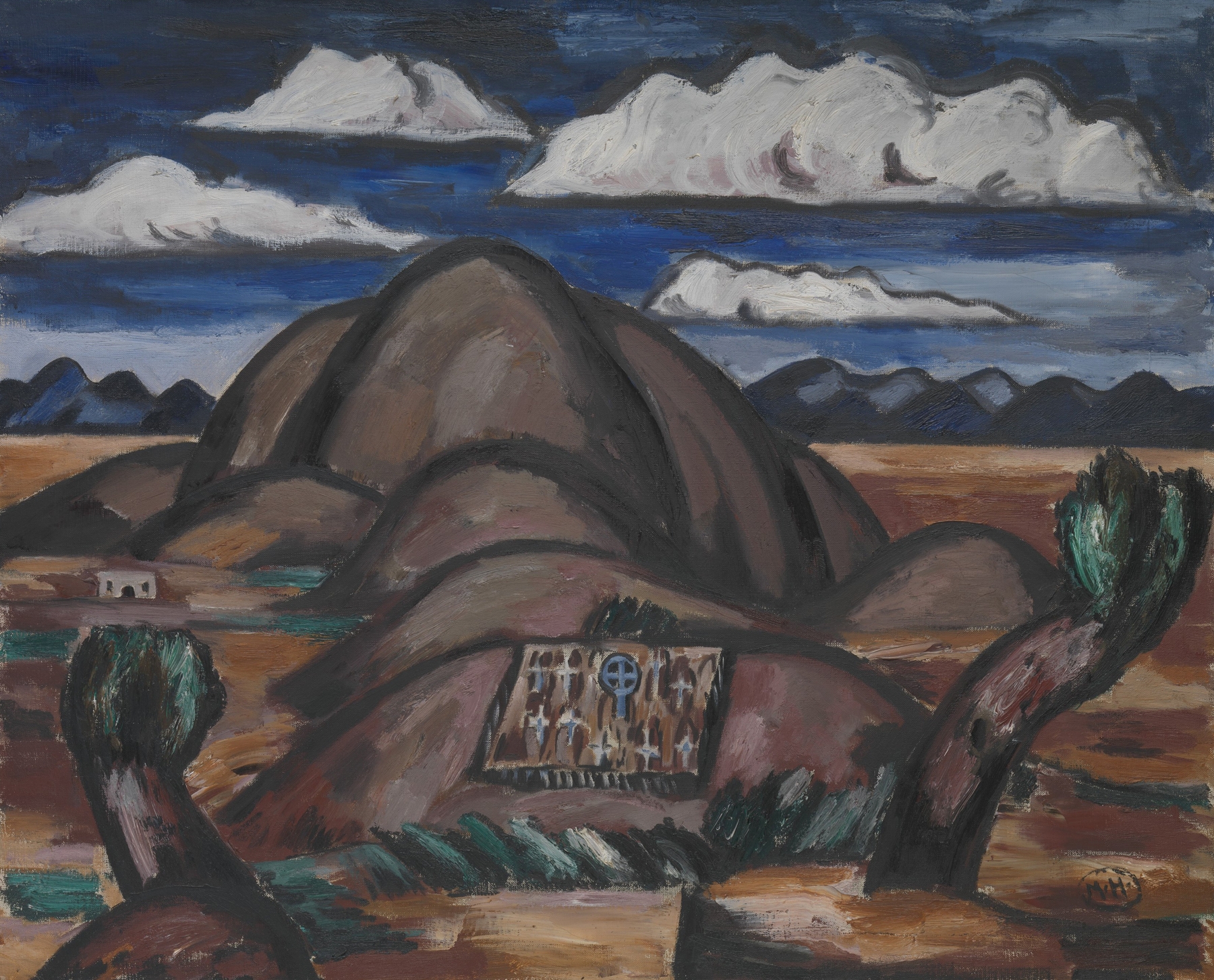
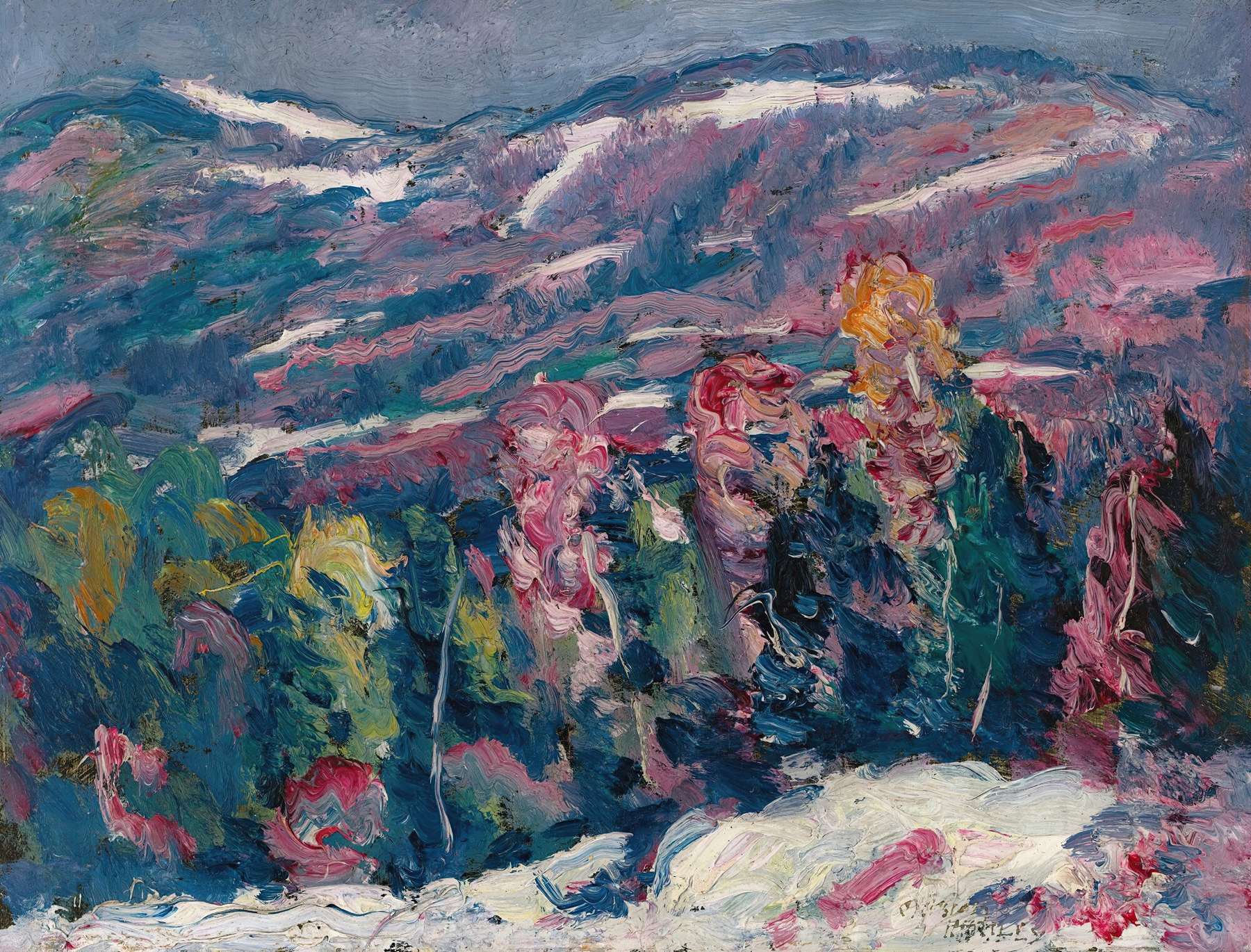
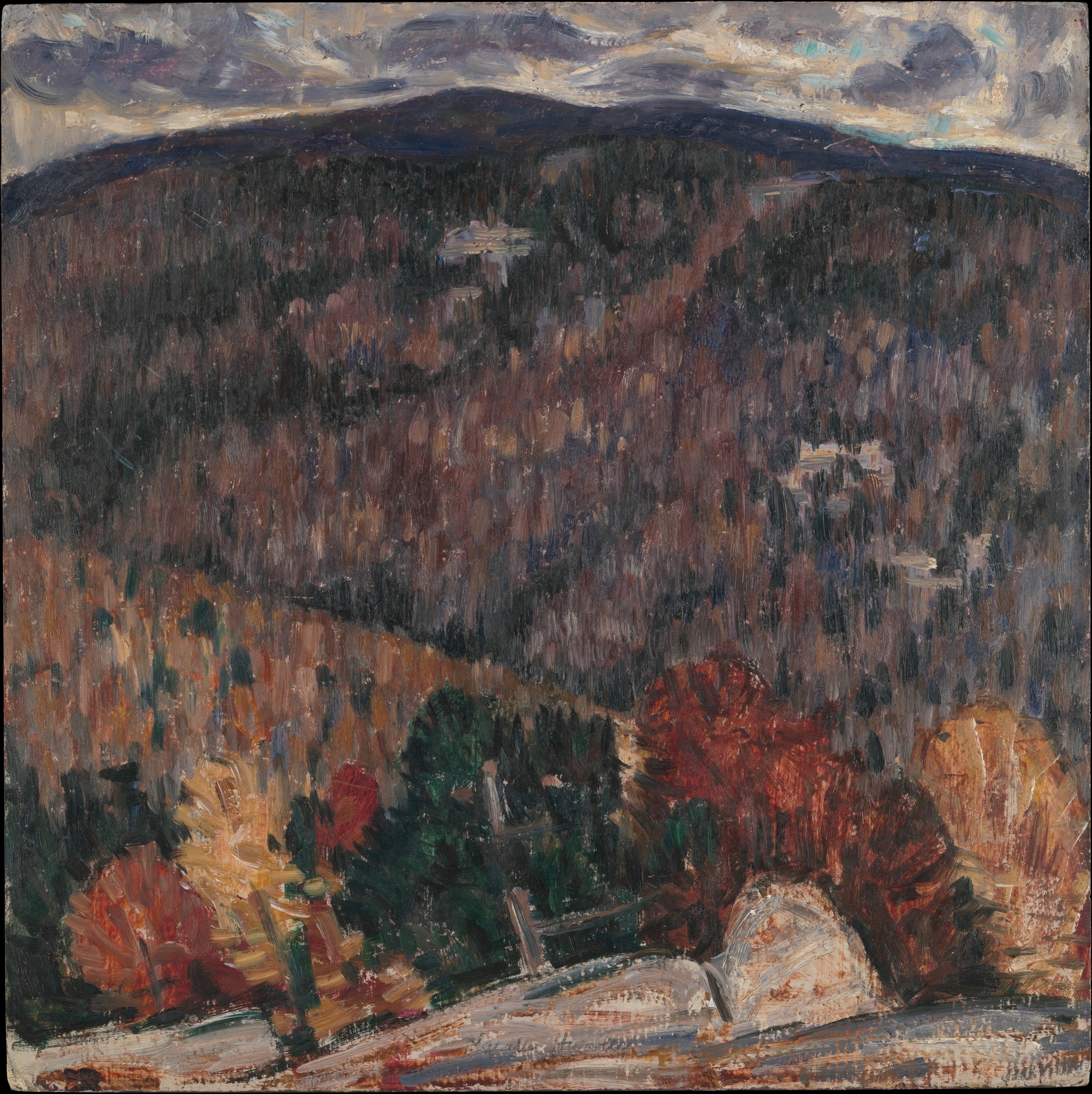
“The canvas doesn’t lie — it simply waits.” In the stillness of this moment, we are invited to contemplate the essence of dynamism captured in artistry. Here, movement transcends mere physicality, becoming a bridge between the seen and the felt. Look to the center, where bold, sweeping strokes create a sense of rhythm, almost as if the paint itself is vibrating with life. Notice how the colors pulse — deep blues and vibrant reds intertwine, suggesting a dance of energy.
The composition guides the eye outward, making one aware of the tension between bold lines and soft, flowing shapes, embodying the very essence of movement while inviting contemplation of the stillness that surrounds it. Delve deeper, and you will find contrasts woven into the fabric of the piece. The juxtaposition of swirling forms against a more structured background speaks to the conflict between chaos and order. The dark and light areas play off one another, evoking feelings of uncertainty and excitement, while the subtle texture of the paint surface hints at the artist’s emotional investment — a conversation between the mind and the medium.
Every brushstroke seems to echo the inner workings of the soul, making the viewer acutely aware of the transient nature of existence. In 1913, the artist was navigating his own journey of self-discovery and experimentation in the vibrant art scene of New York. Emerging from a time of deep introspection, he sought to capture the essence of life through abstraction. The world was on the verge of modernity, and the exploration of form and movement in this period profoundly influenced his work, embodying both personal evolution and the broader shifts in artistic expression.