
Mrs. Klapp (Anna Milnor) — History & Facts
The intricate brushwork of a portrait can conceal layers of emotional turmoil, as if inviting the viewer to look deeper into a seemingly serene exterior. Focus on the captivating gaze of Anna Milnor, whose poised demeanor and delicate features draw you in immediately. Notice how light cascades softly across her complexion, enhancing the warmth of her skin while casting shadows that hint at the complexities beneath. The gold fabric of her gown glimmers, juxtaposing the intricate lace around her collar, suggesting a life of privilege yet one weighed down by hidden sorrows. As you linger over the details, consider the subtle expressions reflected in her eyes—an interplay of vulnerability and strength.
The tension between her elegance and the slight downturn of her mouth suggests unspoken narratives of betrayal and unfulfilled desires. The ornate frame envelops her like a cage, symbolizing the constraints of societal expectations that can mask deep emotional strife. Created in 1814, the artist painted this work during a period when American portraiture was gaining prominence. Sully was navigating his own struggles in a rapidly changing art world, seeking to establish a distinctive voice amidst evolving tastes.
His choice to depict Milnor not just as a subject, but as an embodiment of emotional complexity speaks to the broader themes of identity and authenticity that defined his career.
More Artworks by Thomas Sully
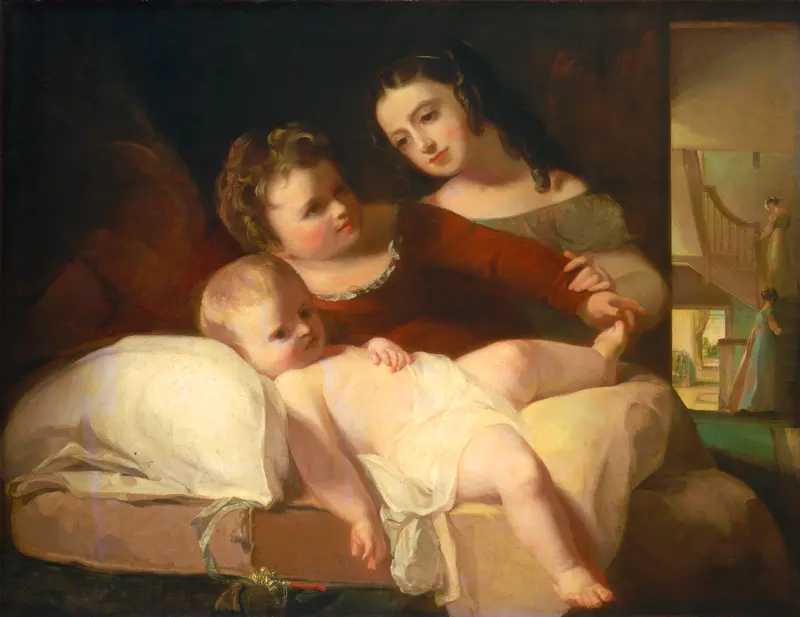
The David Children
Thomas Sully
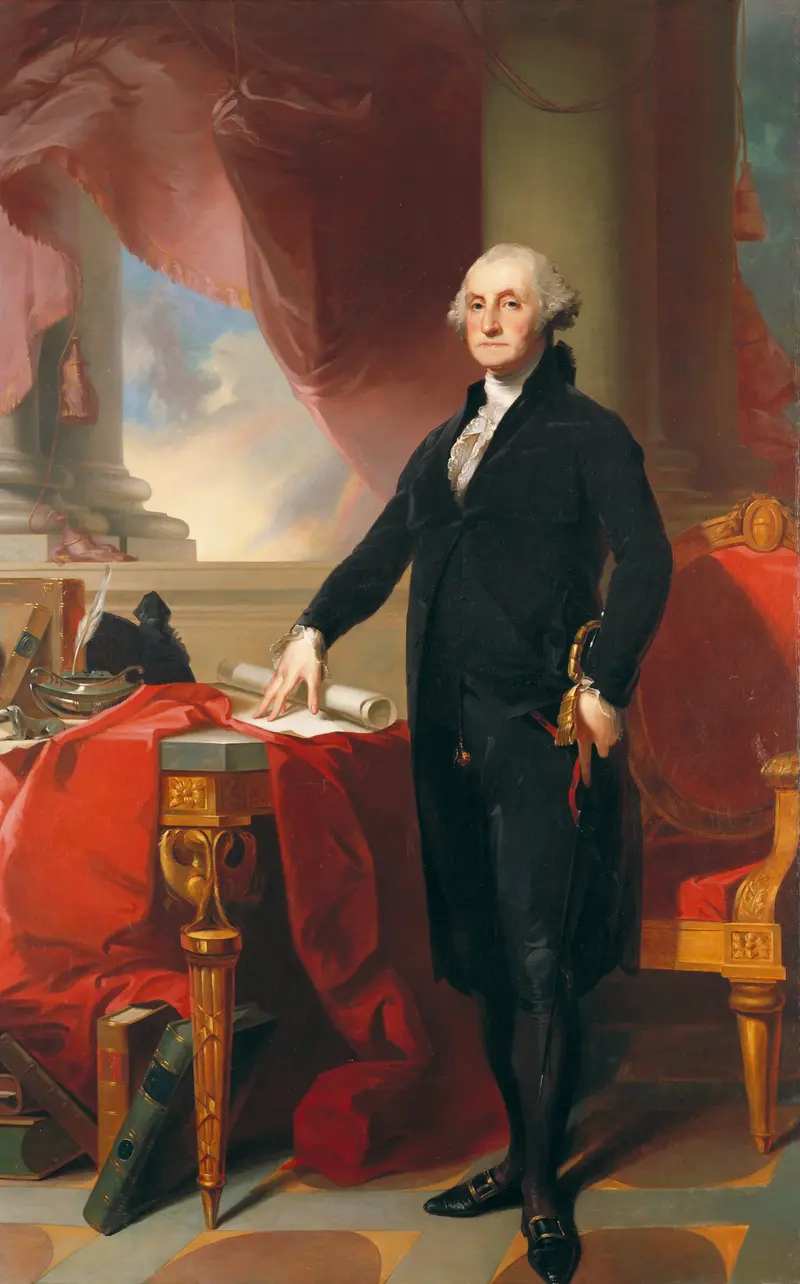
Portrait of George Washington
Thomas Sully
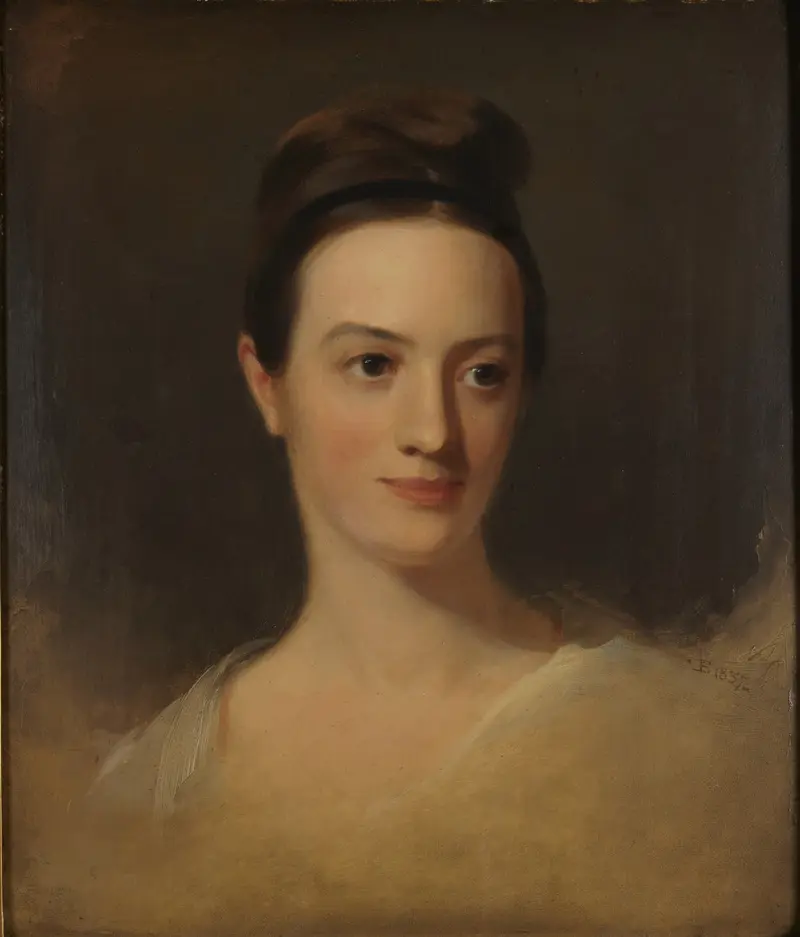
Mrs. William Alston (Caroline Thomas, daughter of Robinson Thomas)
Thomas Sully
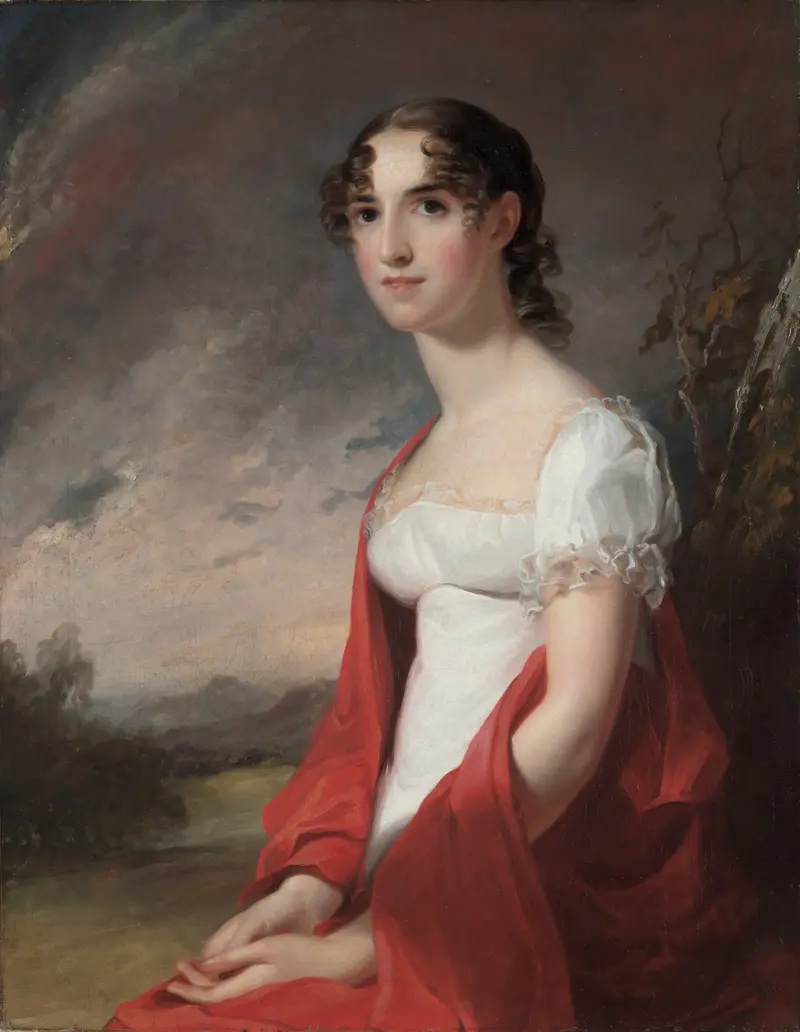
Portrait of Mary Sicard David
Thomas Sully
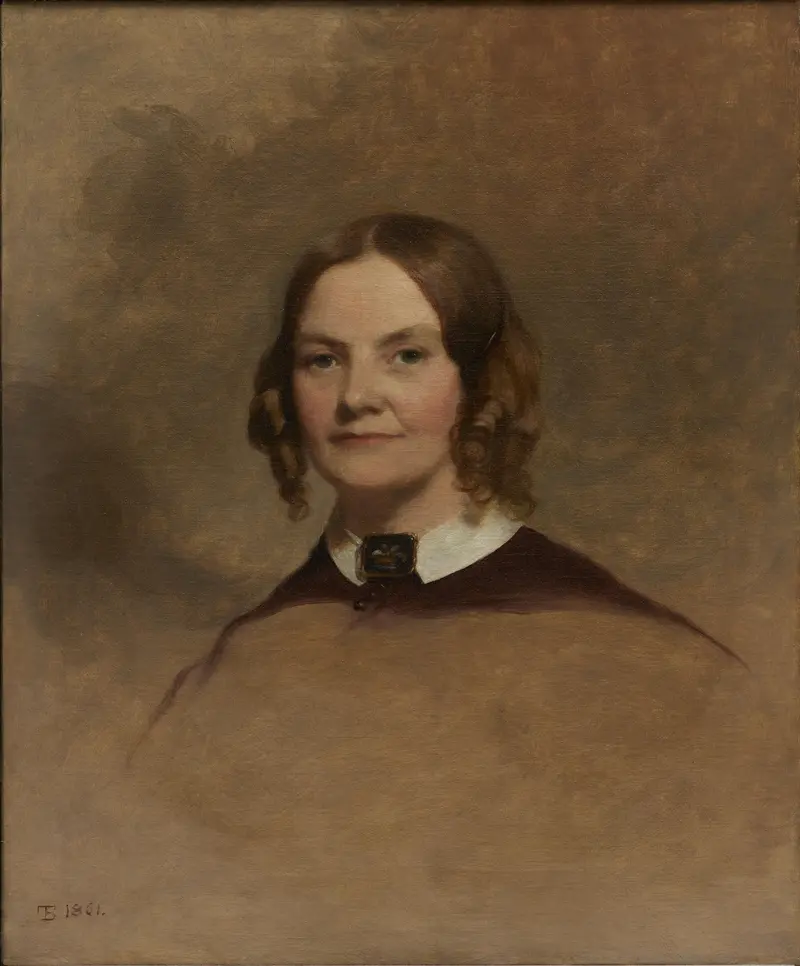
Portrait of Mrs. George H. Crossman
Thomas Sully
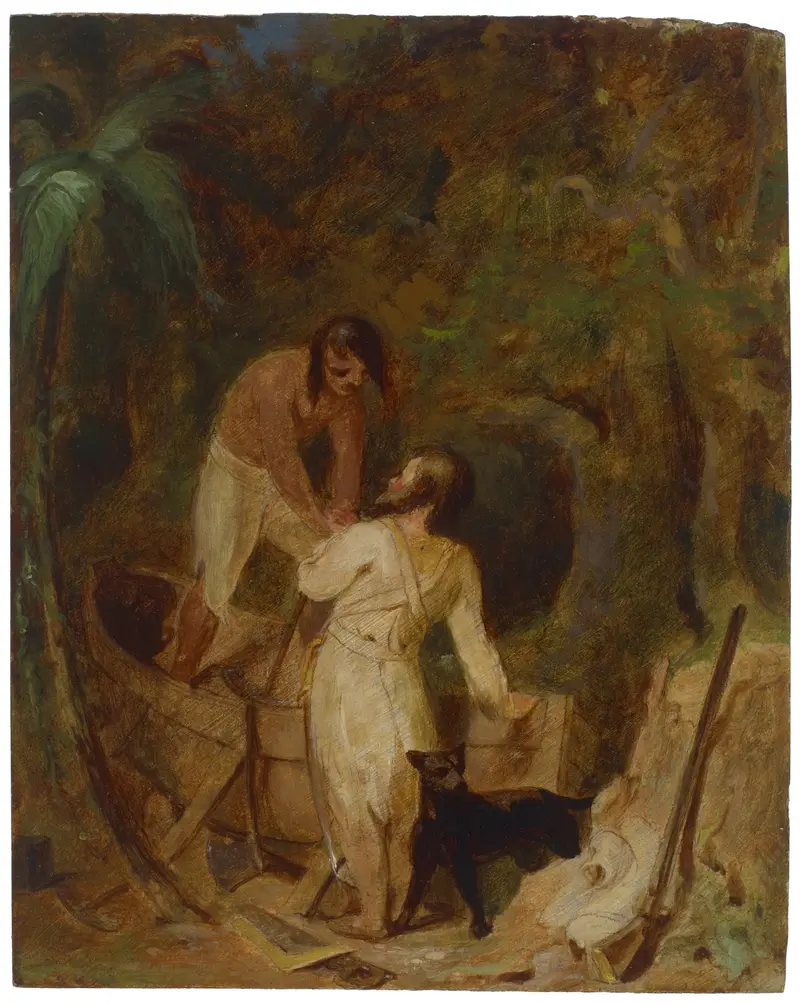
Boat Building by Robinson Crusoe and Friday
Thomas Sully
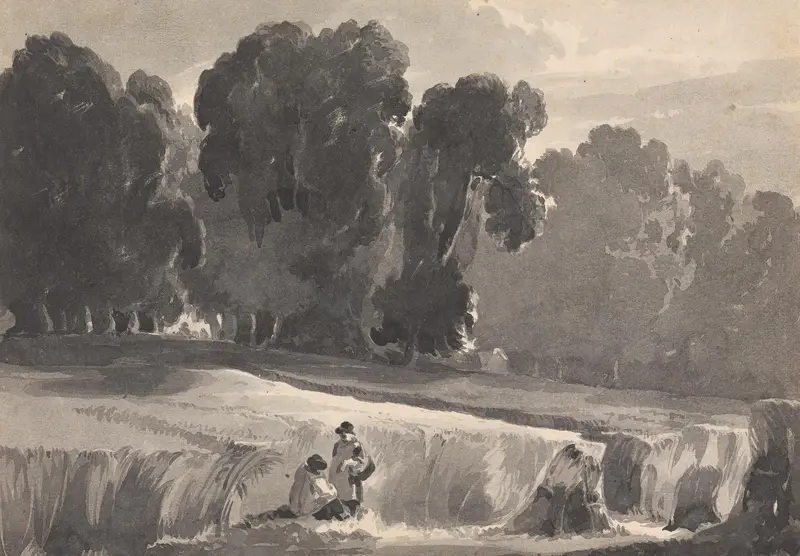
Landscape with Figures in Field
Thomas Sully
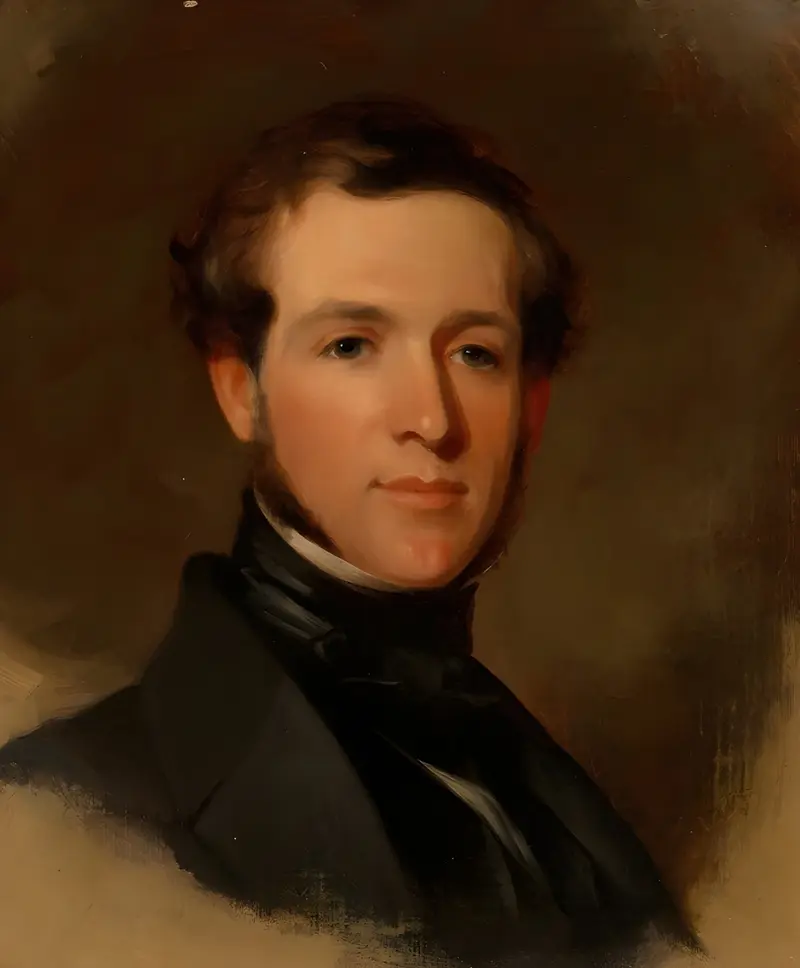
Jacob S. Snider, Jr.
Thomas Sully
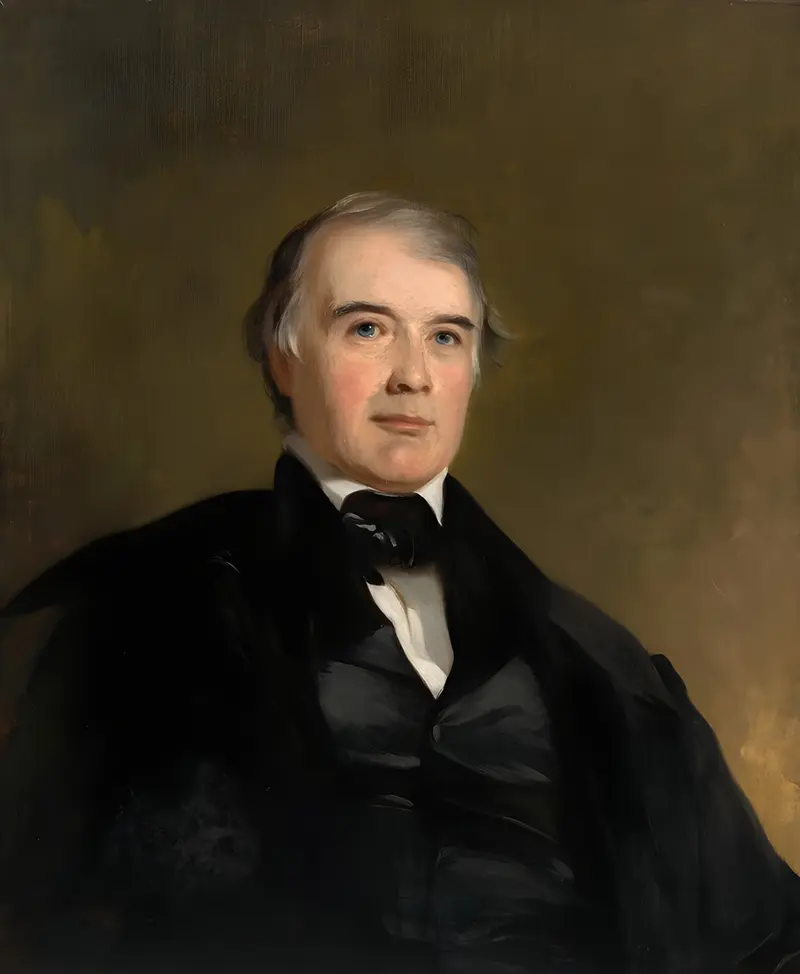
James Pollard Espy
Thomas Sully
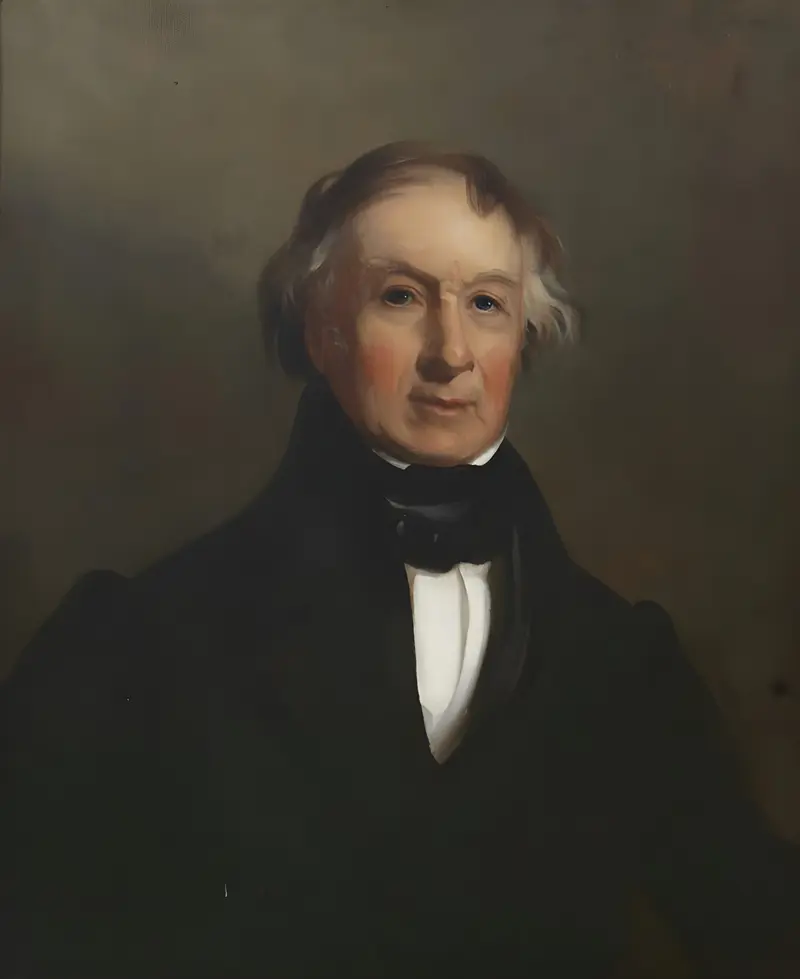
John Potter
Thomas Sully





