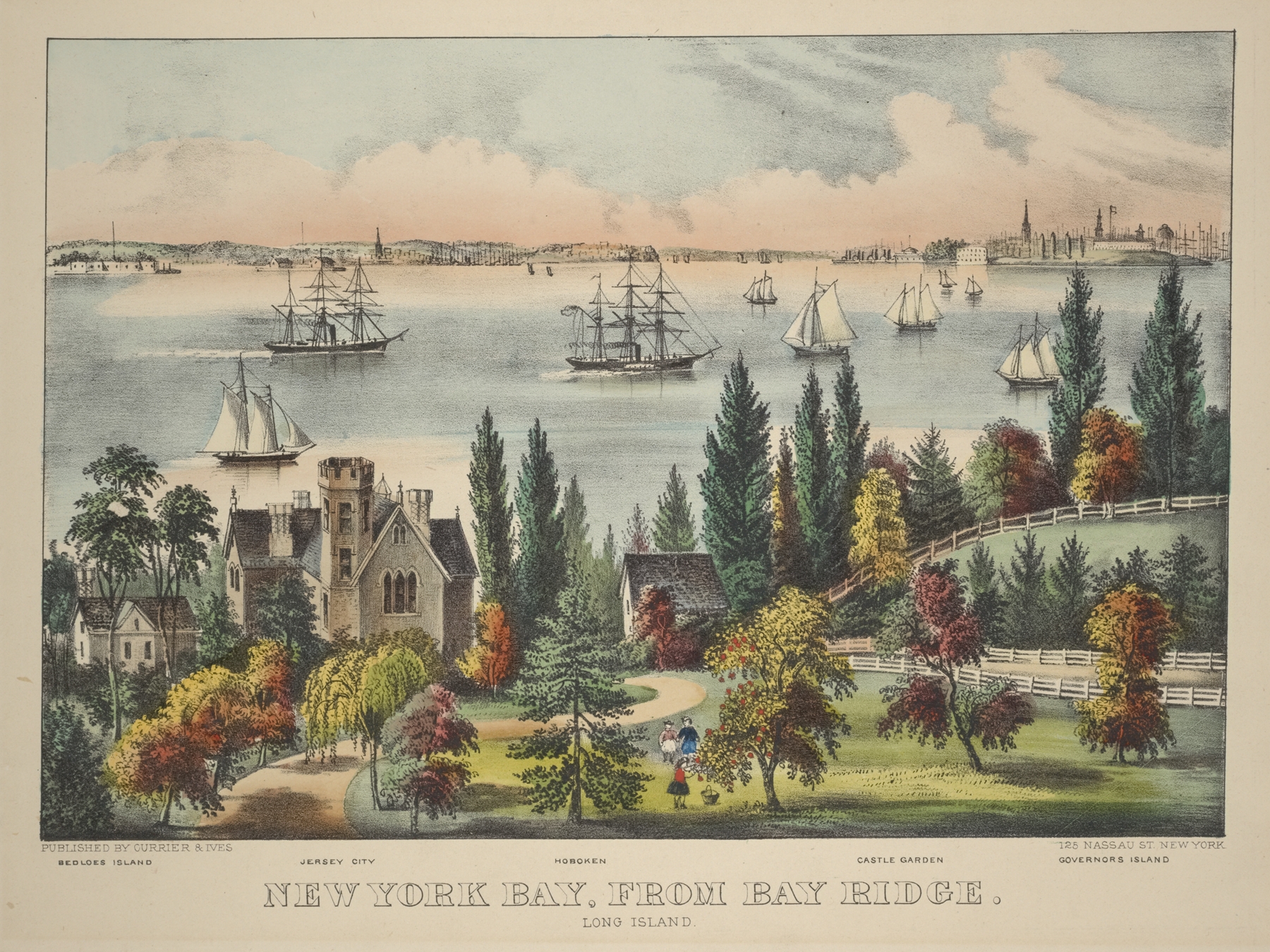
New York Bay, from Bay Ridge. Long Island. Bedloes Island, Jersey City, Hoboken, Castle Garden, Governor’s Island — History & Analysis
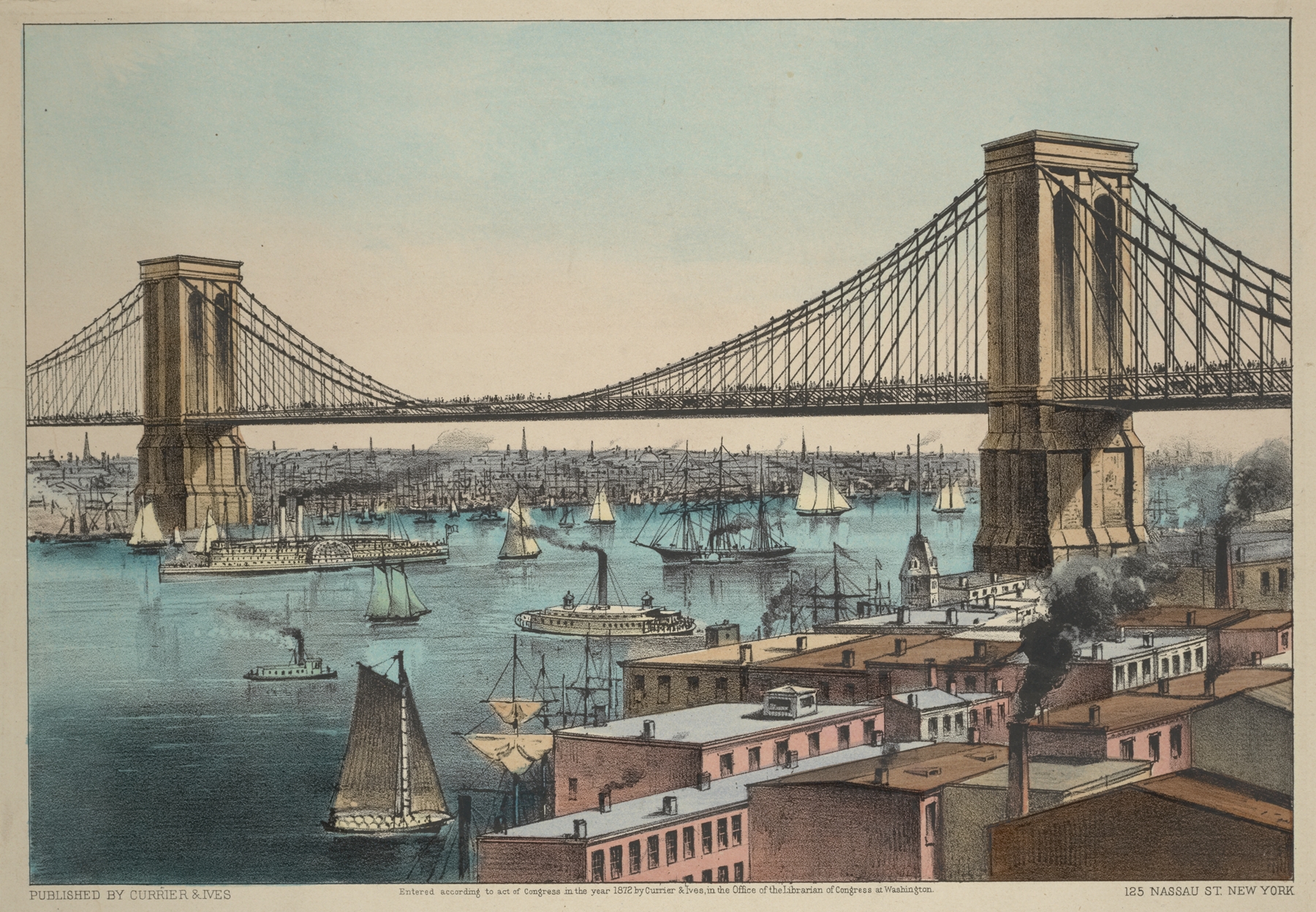
The soft rhythm of water lapping against the shore resonates with a quiet solitude. A mist hangs over New York Bay, where distant ships glide like phantoms across the surface. The horizon is an embrace of muted blues and greys, punctuated only by the faint outlines of islands that seem to both beckon and retreat. Look to the left; the gentle curves of the bay create a sweeping line that draws the viewer’s eye towards a lonesome figure gazing at the expansive water.
The foreground, with its careful detailing of rocks and grasses, contrasts sharply with the ethereal backdrop of the skyline. Notice how the artist uses a palette of cool tones, invoking feelings of distance and longing, while the faint brushstrokes in the sky suggest a fleeting moment in time, enhancing the sense of isolation. Within this landscape lies a poignant narrative of loneliness. The solitary figure stands apart, almost dwarfed by the vastness of the bay, reflecting the emotional weight of the urban experience at the turn of the century.
The interplay between light and shadow not only emphasizes the figure’s solitude but also suggests the bustling life beyond the horizon, generating a tension between presence and absence, connection and detachment. Created between 1870 and 1900, at a time when Currier & Ives was popularizing the American view through lithography, this piece encapsulates the transitional nature of urban life. The artist, known for depicting scenes of everyday life, was responding to a rapidly changing landscape, where industrialization was reshaping communities and reshuffling the dreams of many into something bittersweet, echoing the loneliness felt by individuals amidst burgeoning cities.