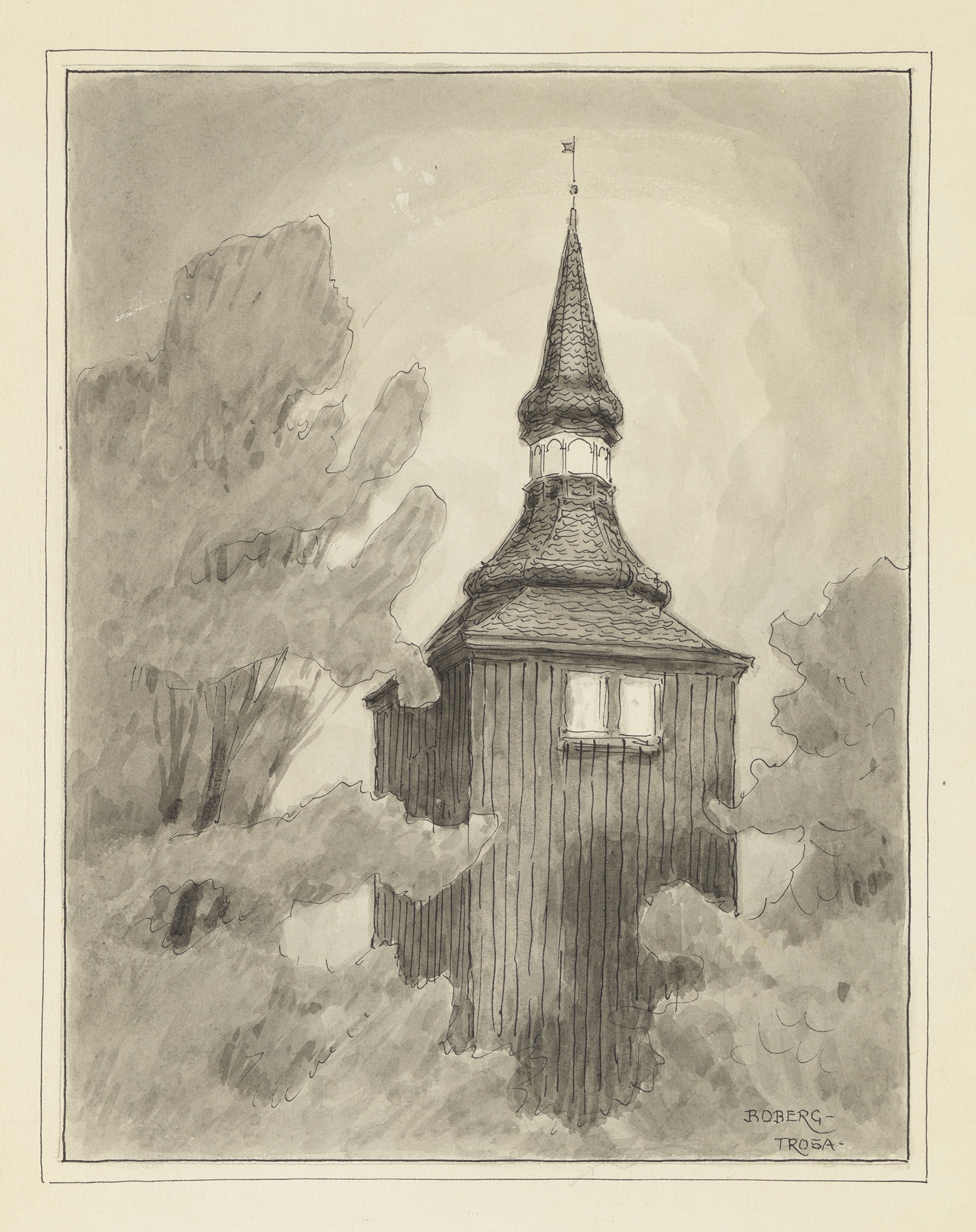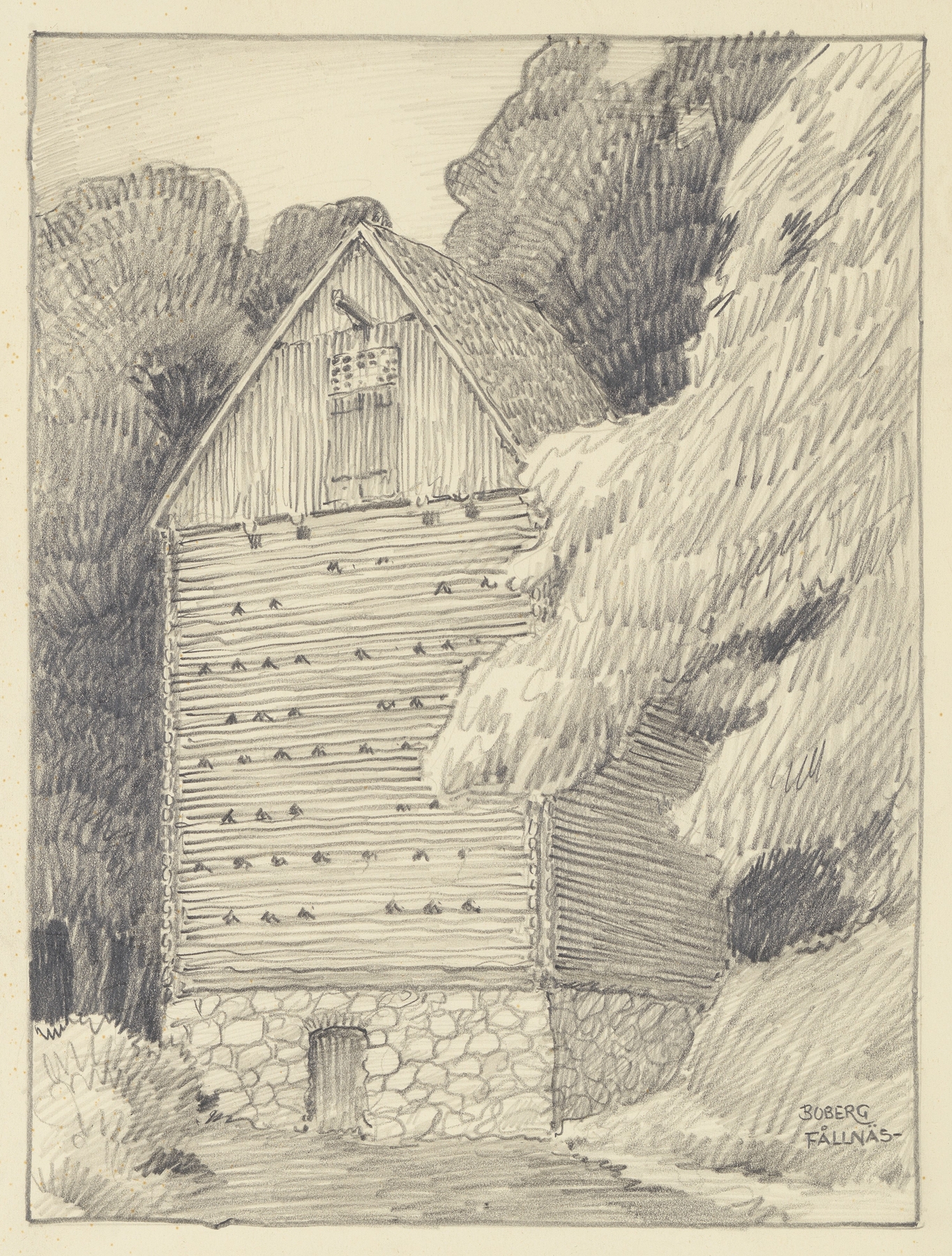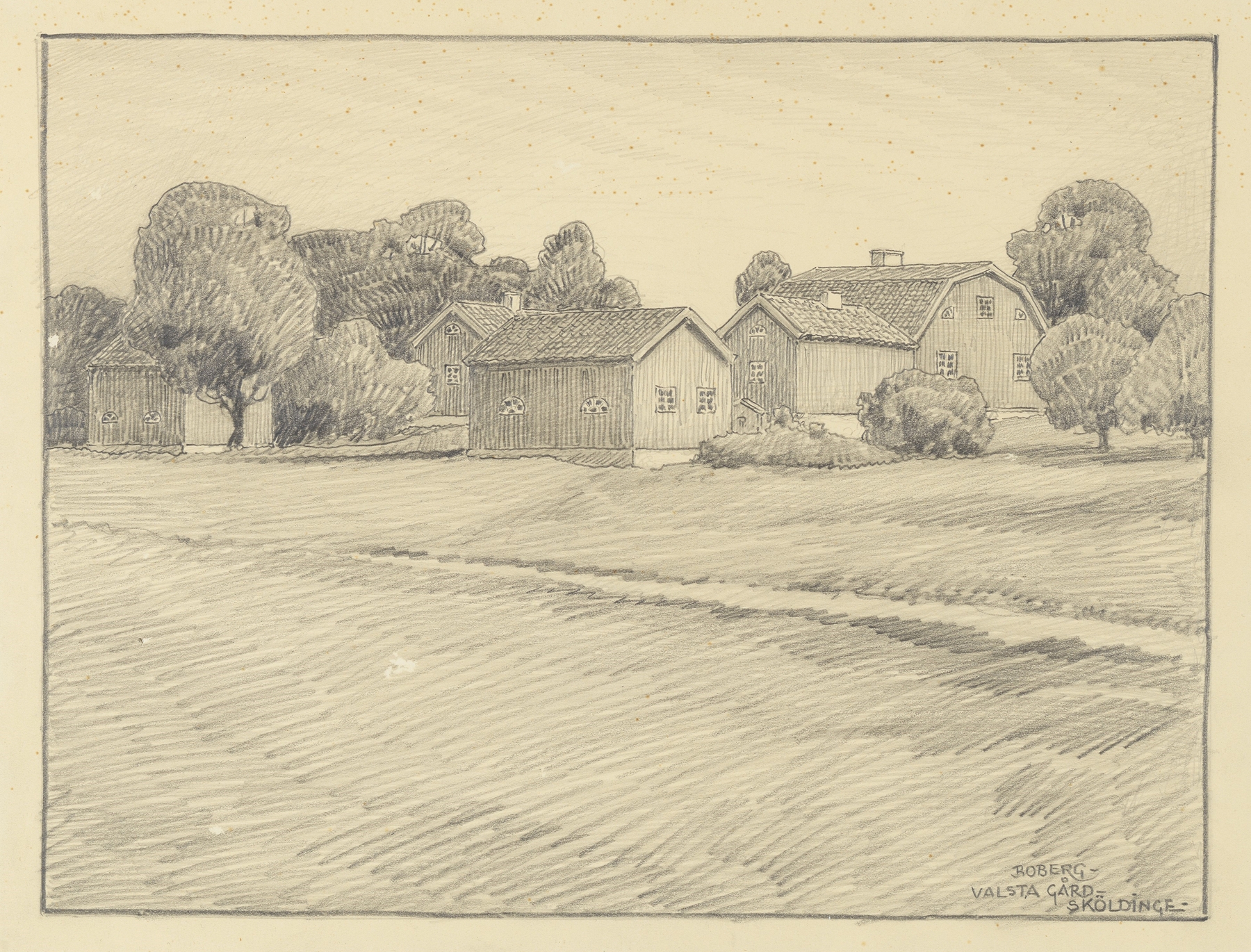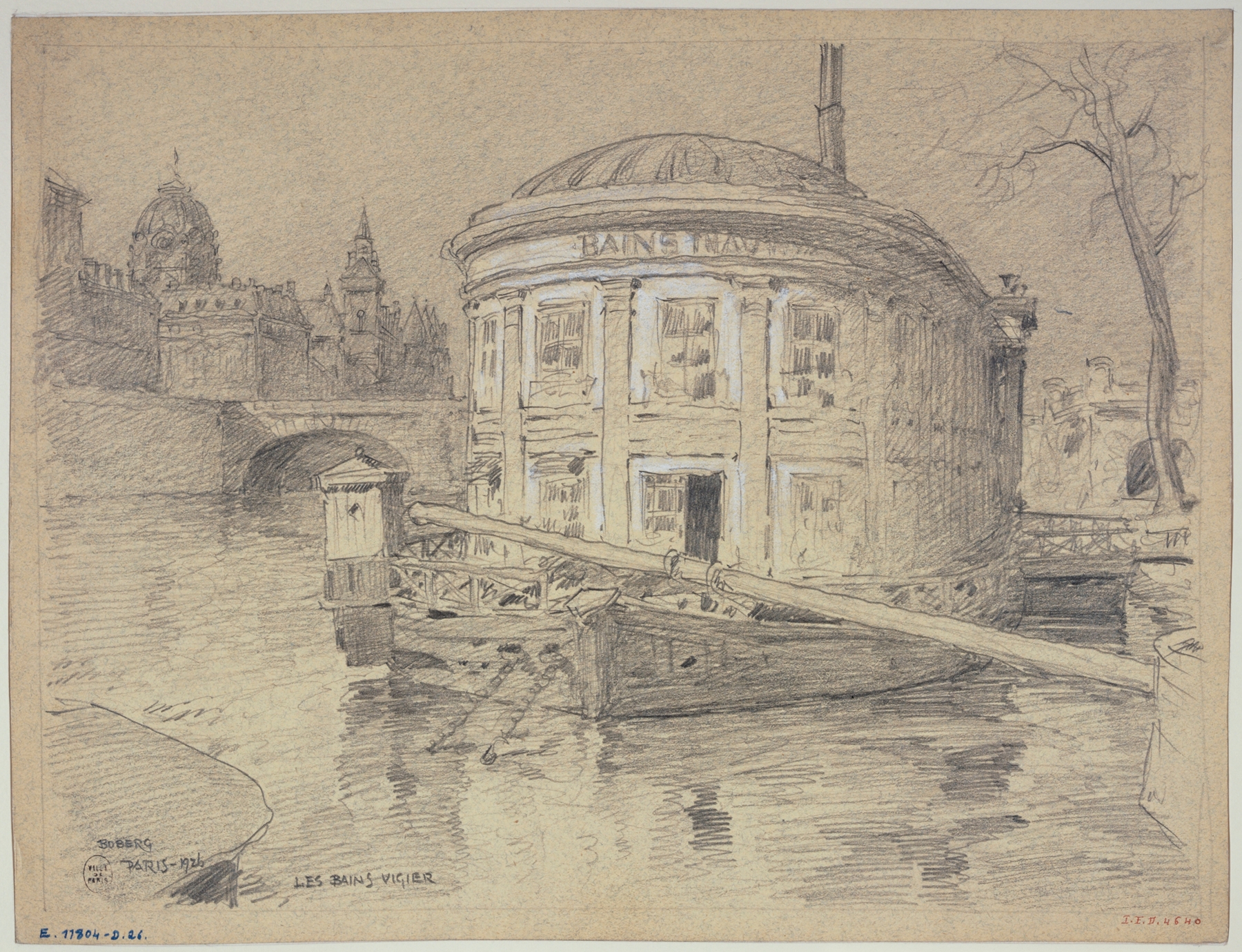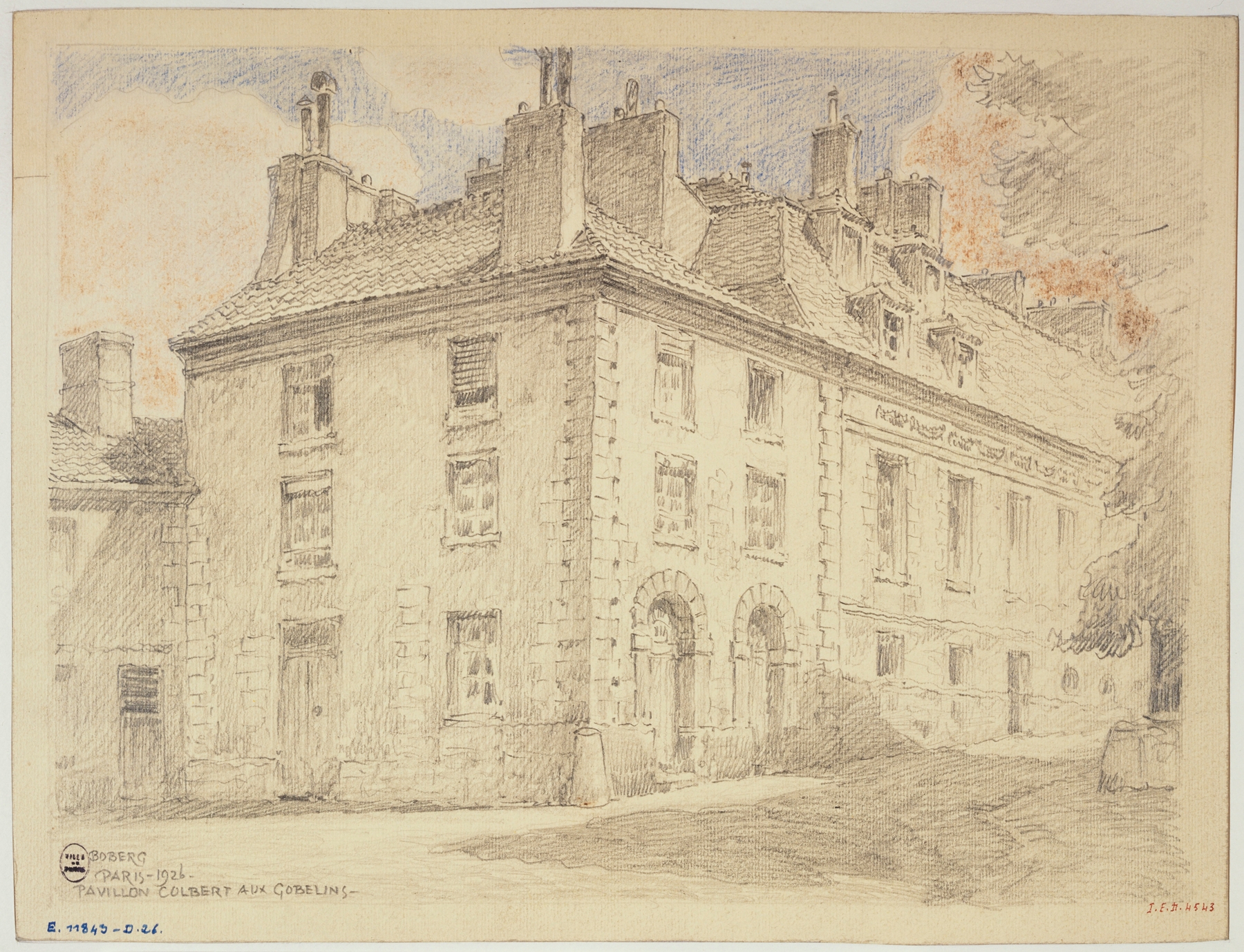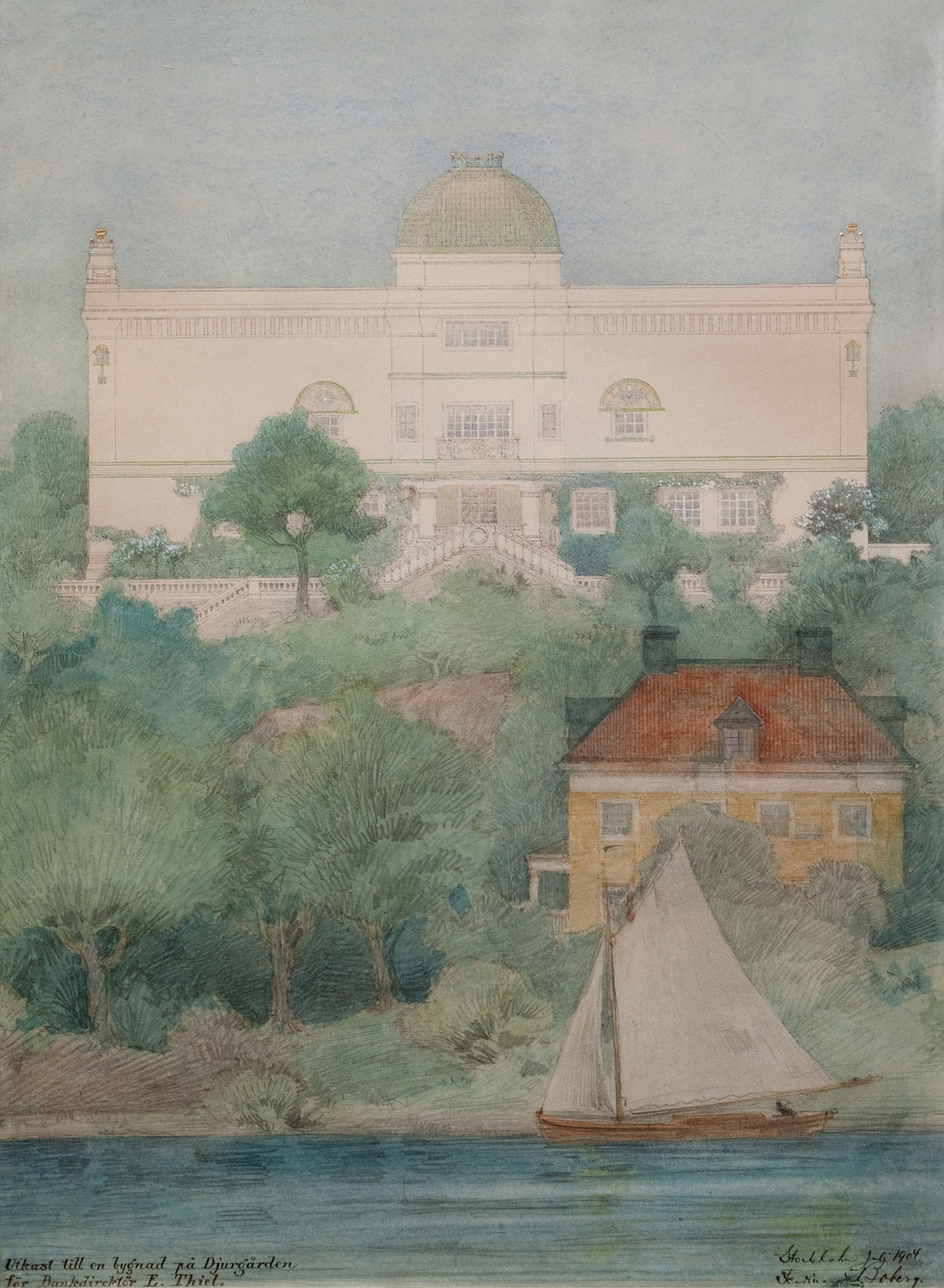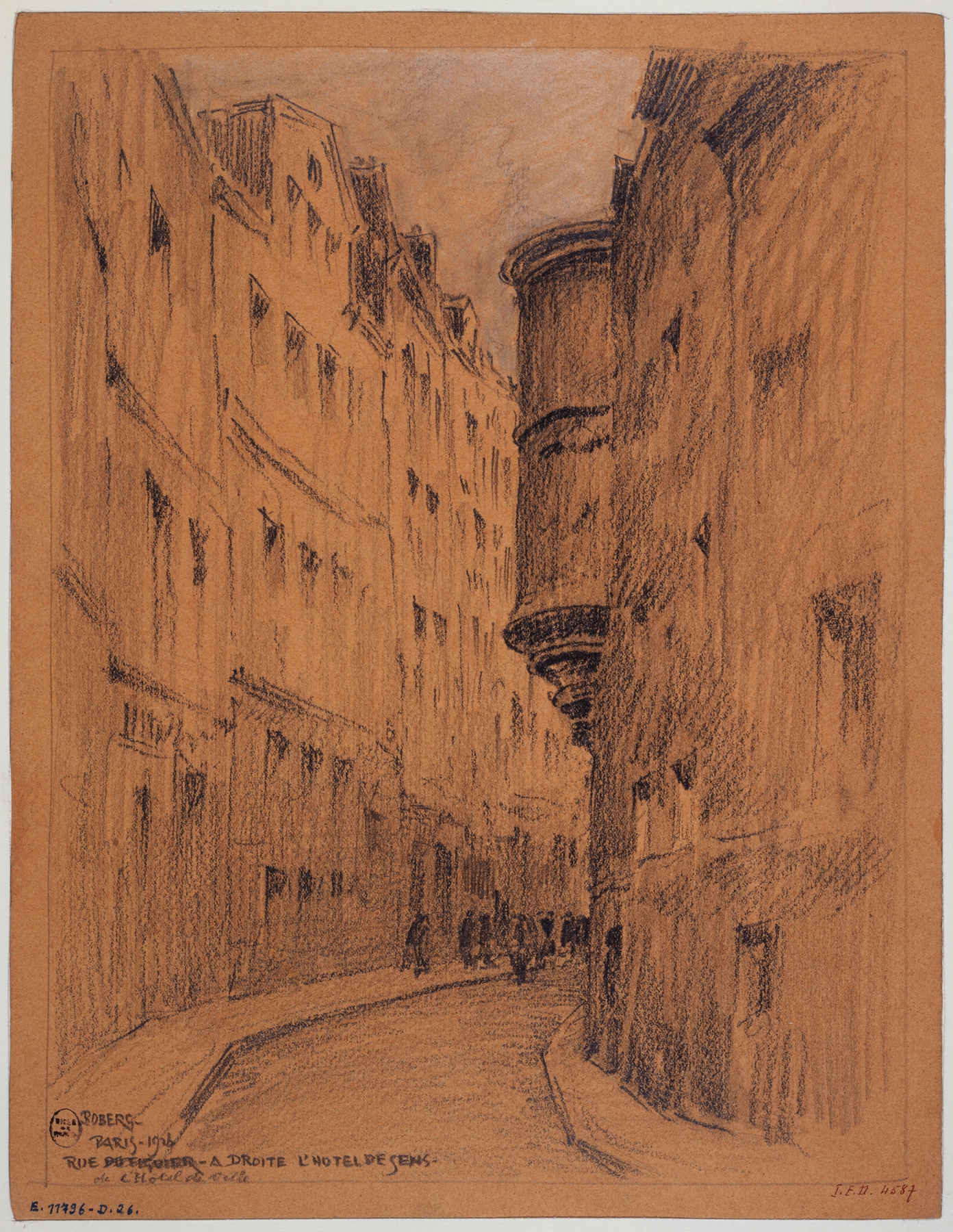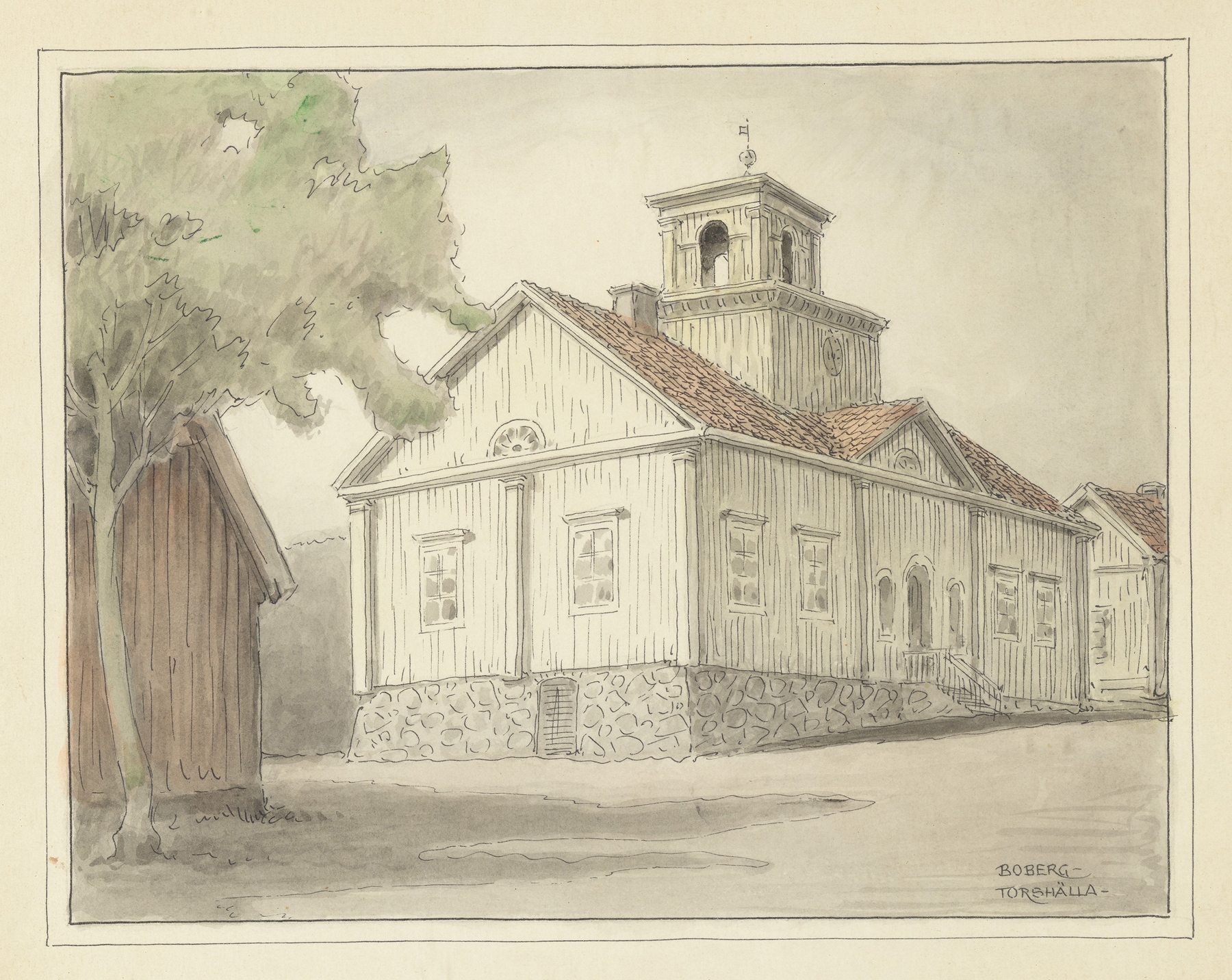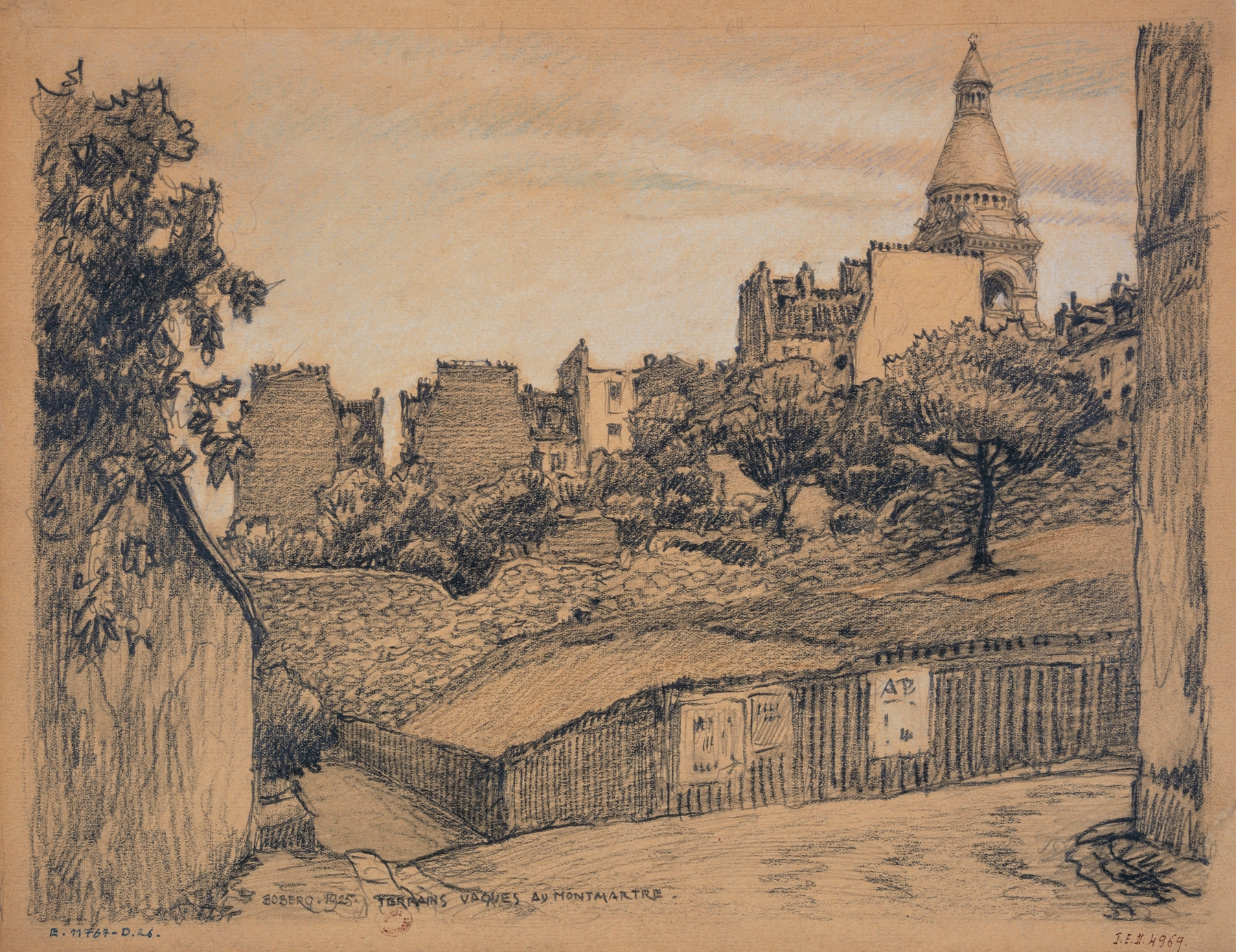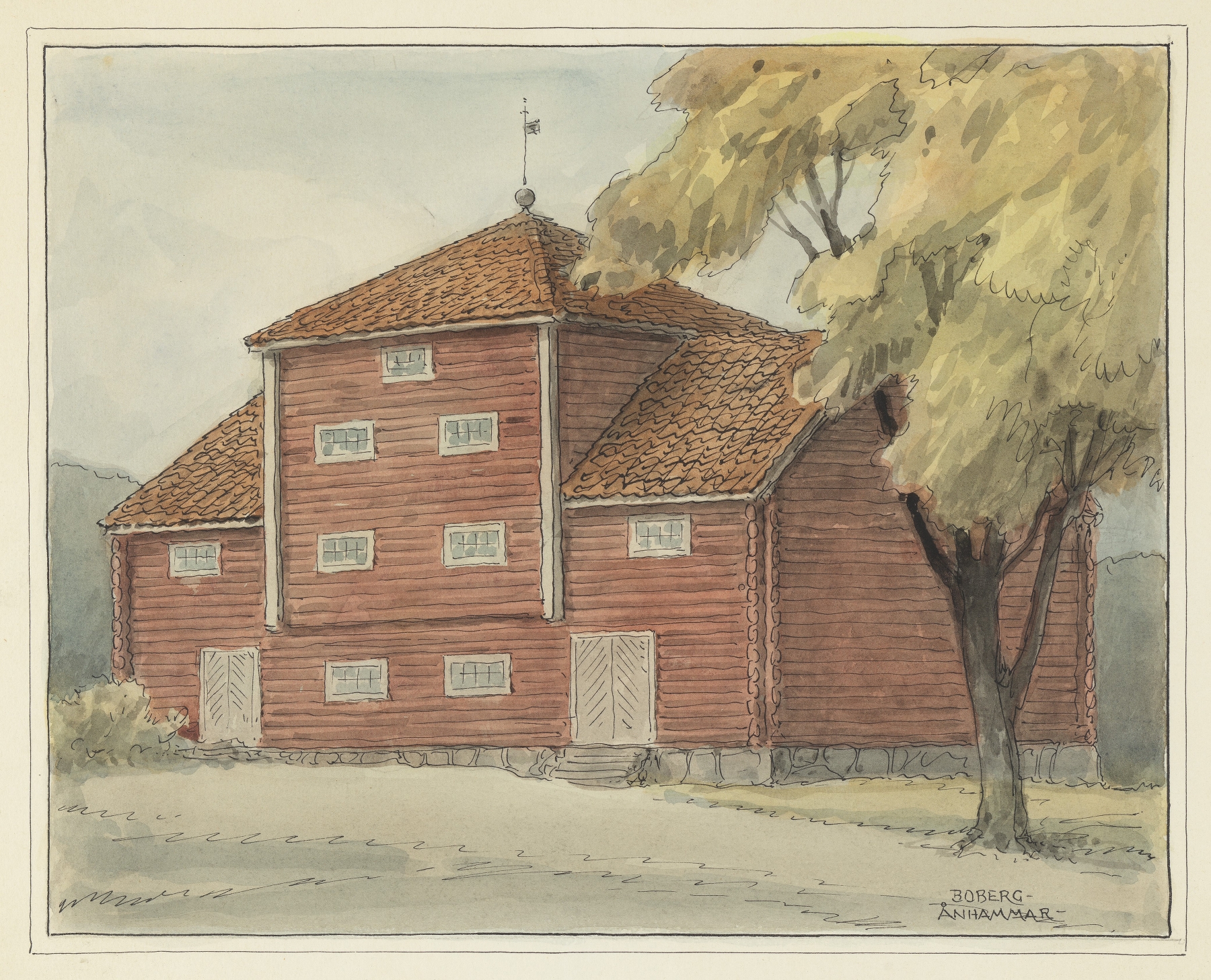
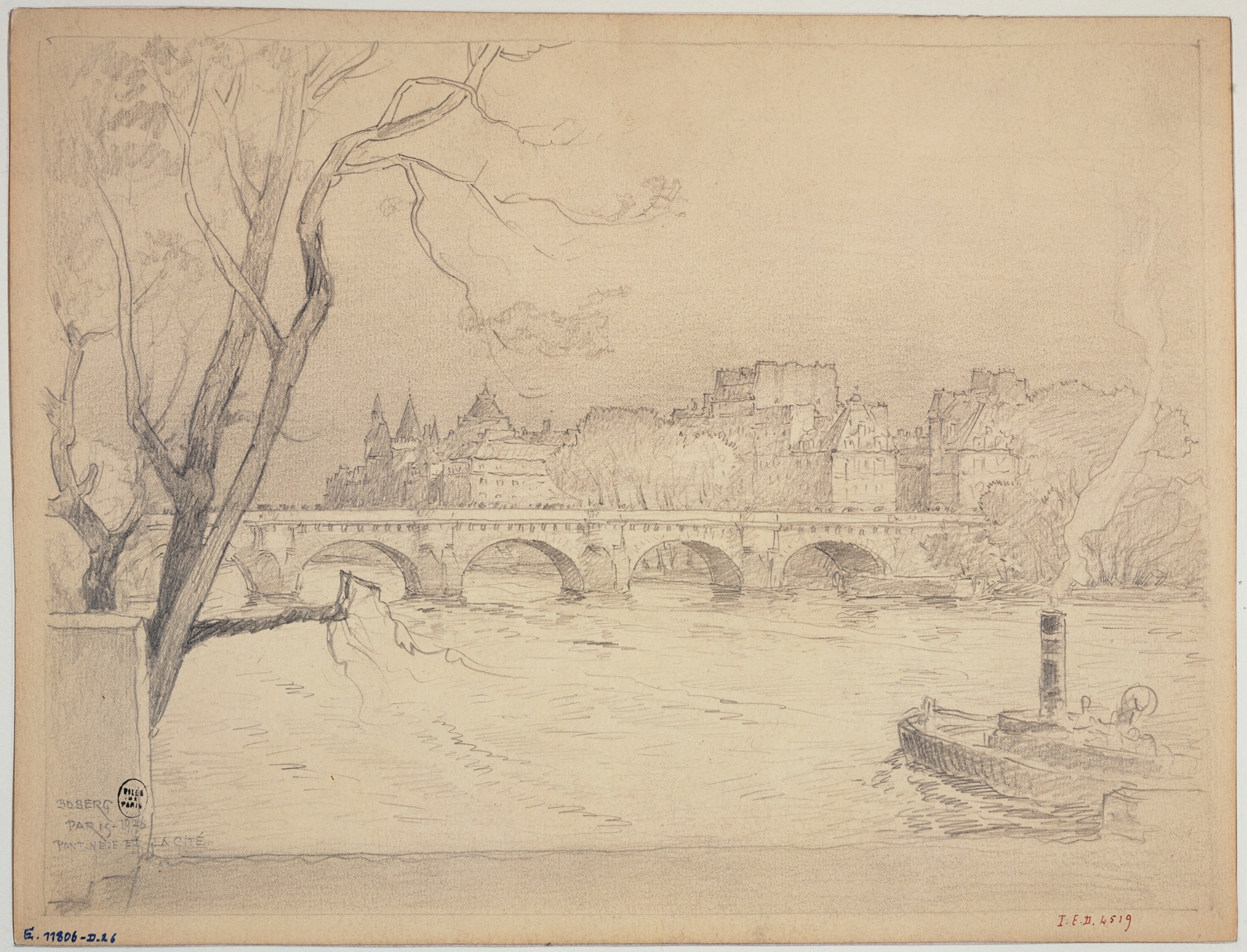
“To paint is to remember what time wants us to forget.” In a world surrounded by betrayal, the act of creation becomes a sanctuary—a way to confront the shadows that linger in our hearts. Focus your gaze on the gentle curvature of the landscape, where the land undulates like a breath, giving life to the serene setting. The warm hues of ochre and soft greens draw you in, while the striking contrasts of deeper shadows create an undercurrent of unease. Notice how the light dances across the surface, illuminating certain areas while leaving others cloaked in mystery, evoking a sense of both beauty and tension. Each brushstroke reveals the artist's intent—a juxtaposition between the tranquility of nature and the turmoil of human emotion. Amidst the beauty lies a profound sense of betrayal, as if the landscape itself whispers secrets long buried. Look closely at the uneven textures; they convey a sense of conflict between the idyllic surroundings and the darker undertones of despair. The horizon, though inviting, seems to beckon with a hidden agenda, suggesting that not all that glitters is gold. This duality captures the essence of vulnerability and the complexity of human relationships, allowing the viewer to reflect on their own experiences of trust and disillusionment. Ferdinand Boberg created this evocative piece between 1915 and 1924, during a time of significant upheaval in Europe post-World War I. The artist, known for his architectural prowess and affinity for natural forms, sought to blend elements of the external world with the internal emotional landscape. This period of his life was marked by exploration and introspection, as he grappled with the shifting tides of art and the deep scars left by war, all while seeking solace in the act of painting.