Northern Studies (The White Night) — History & Analysis
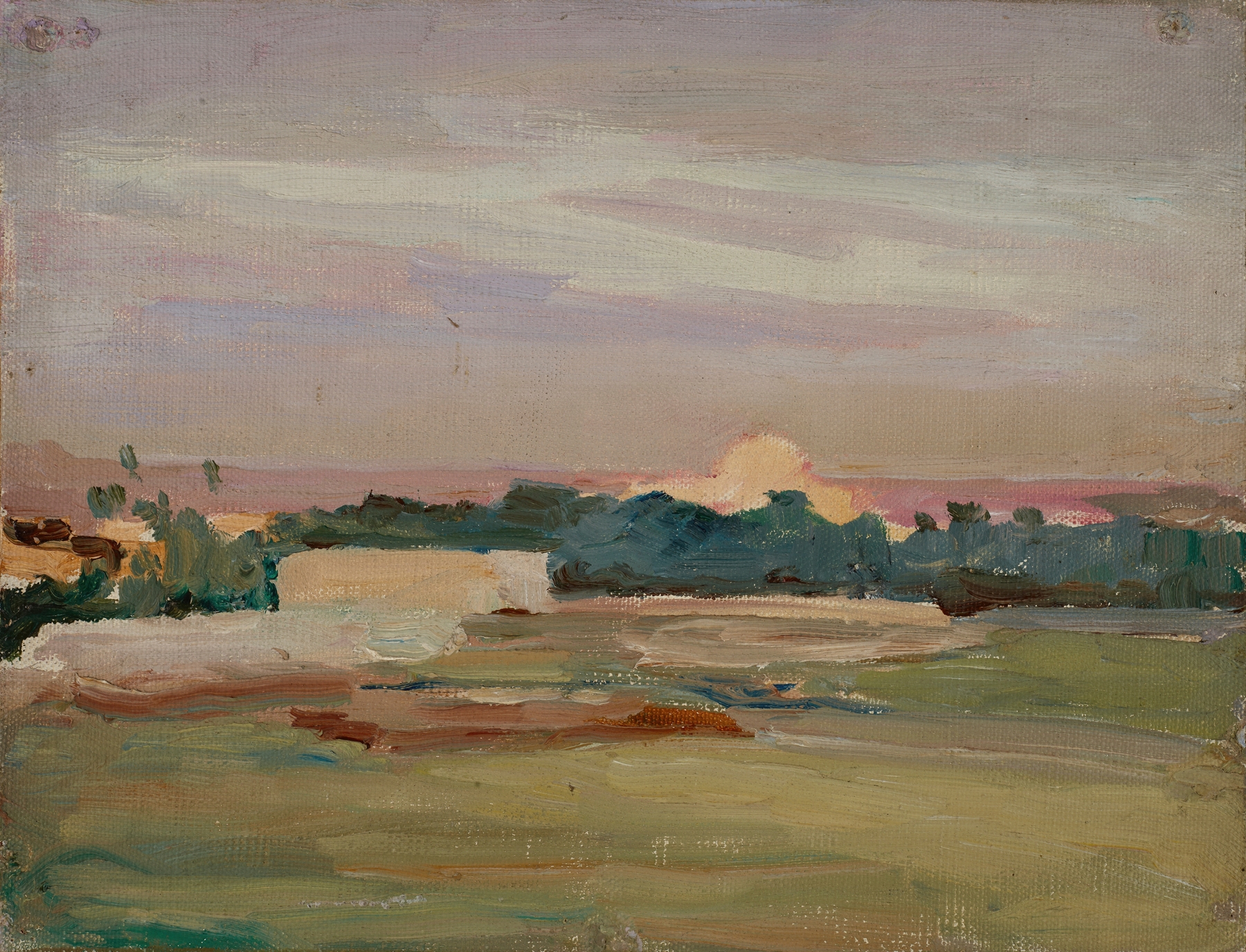
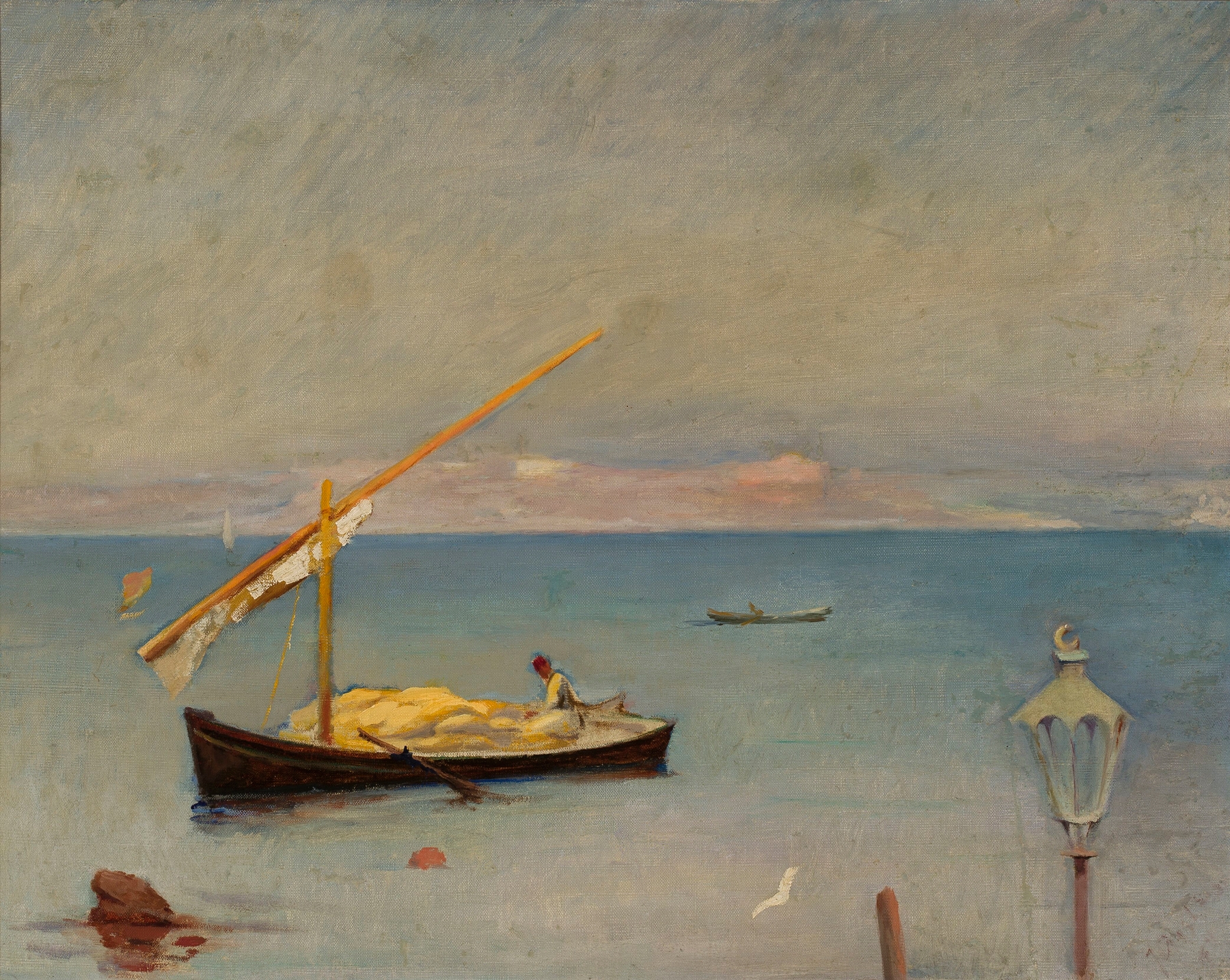
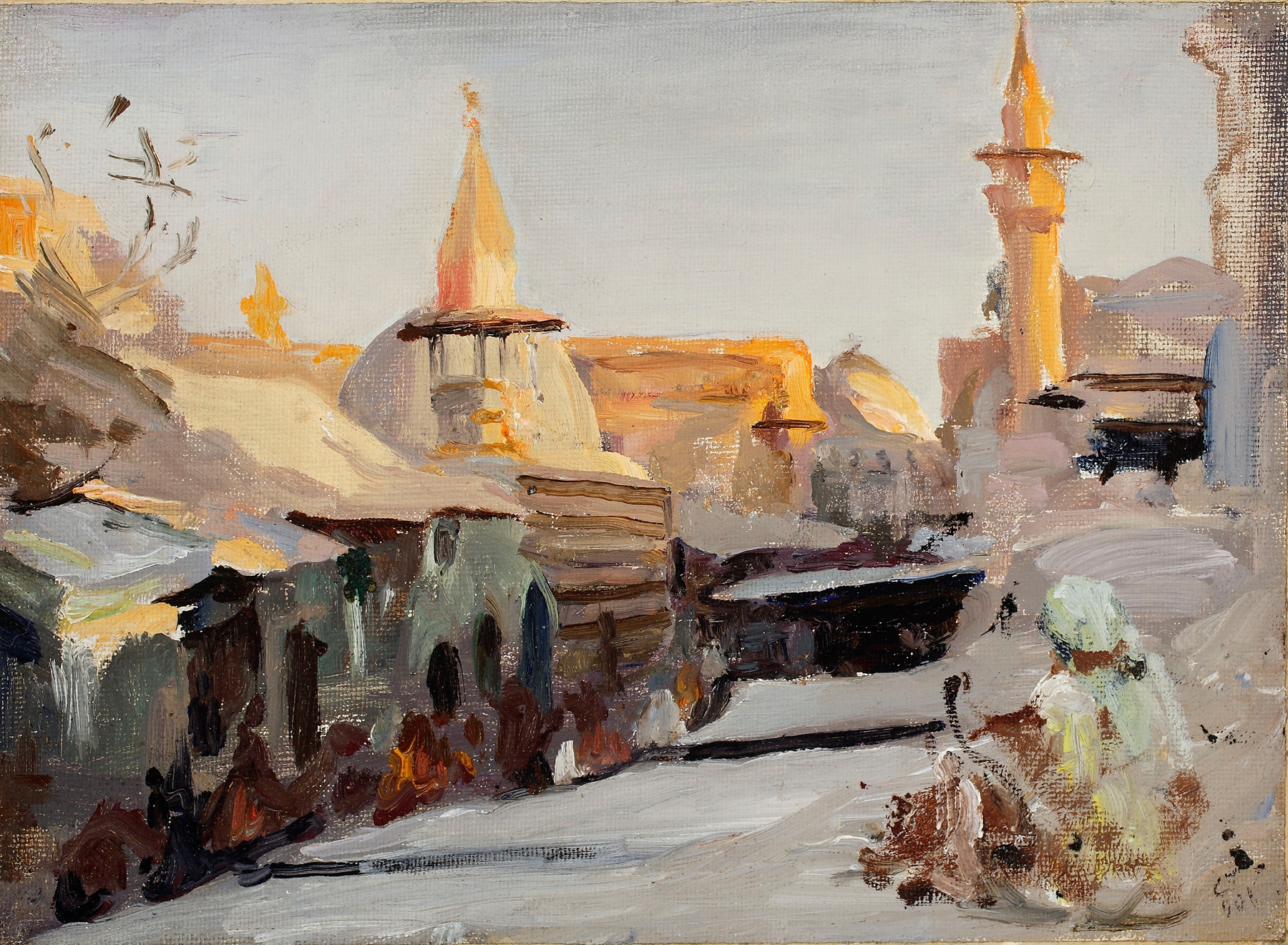
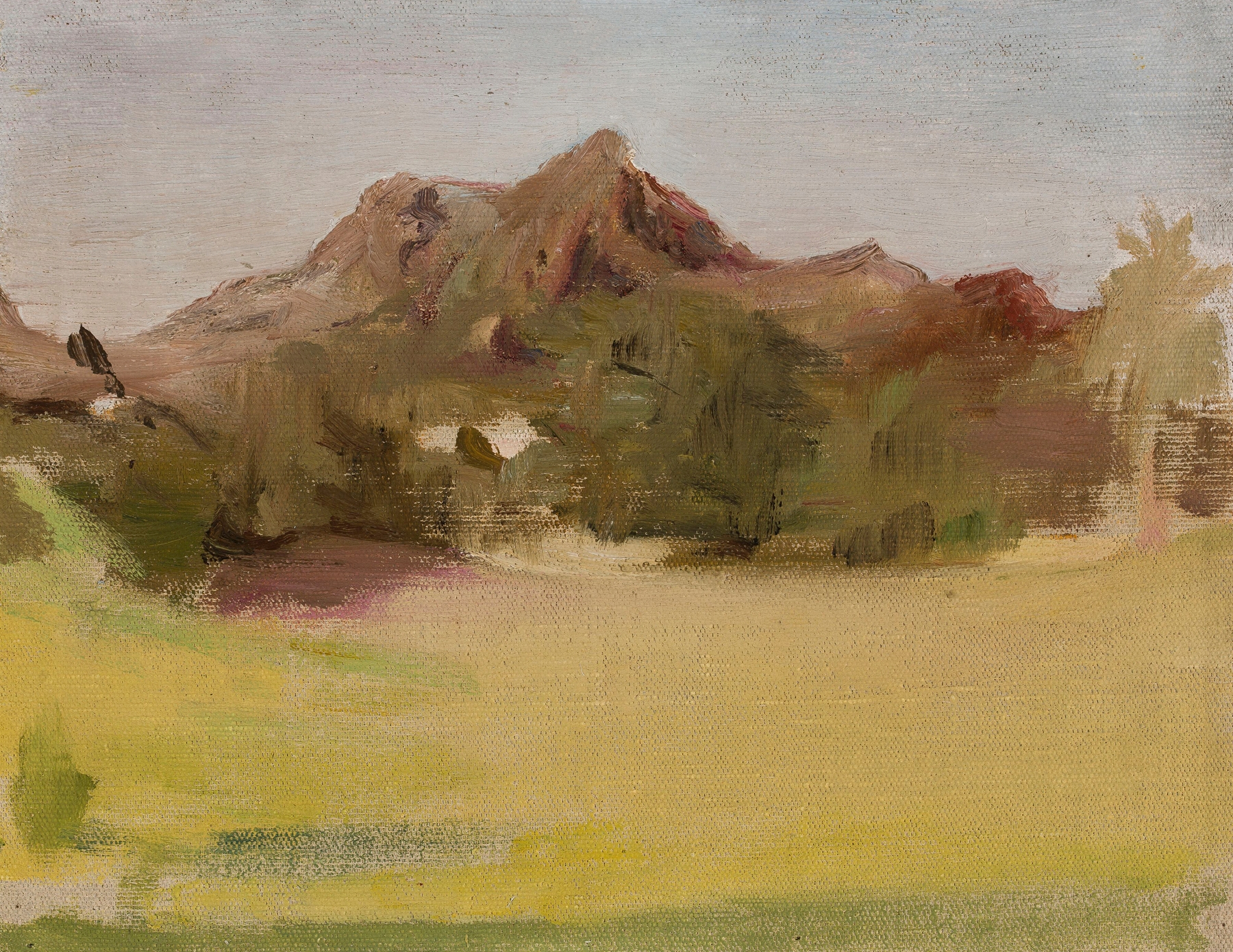
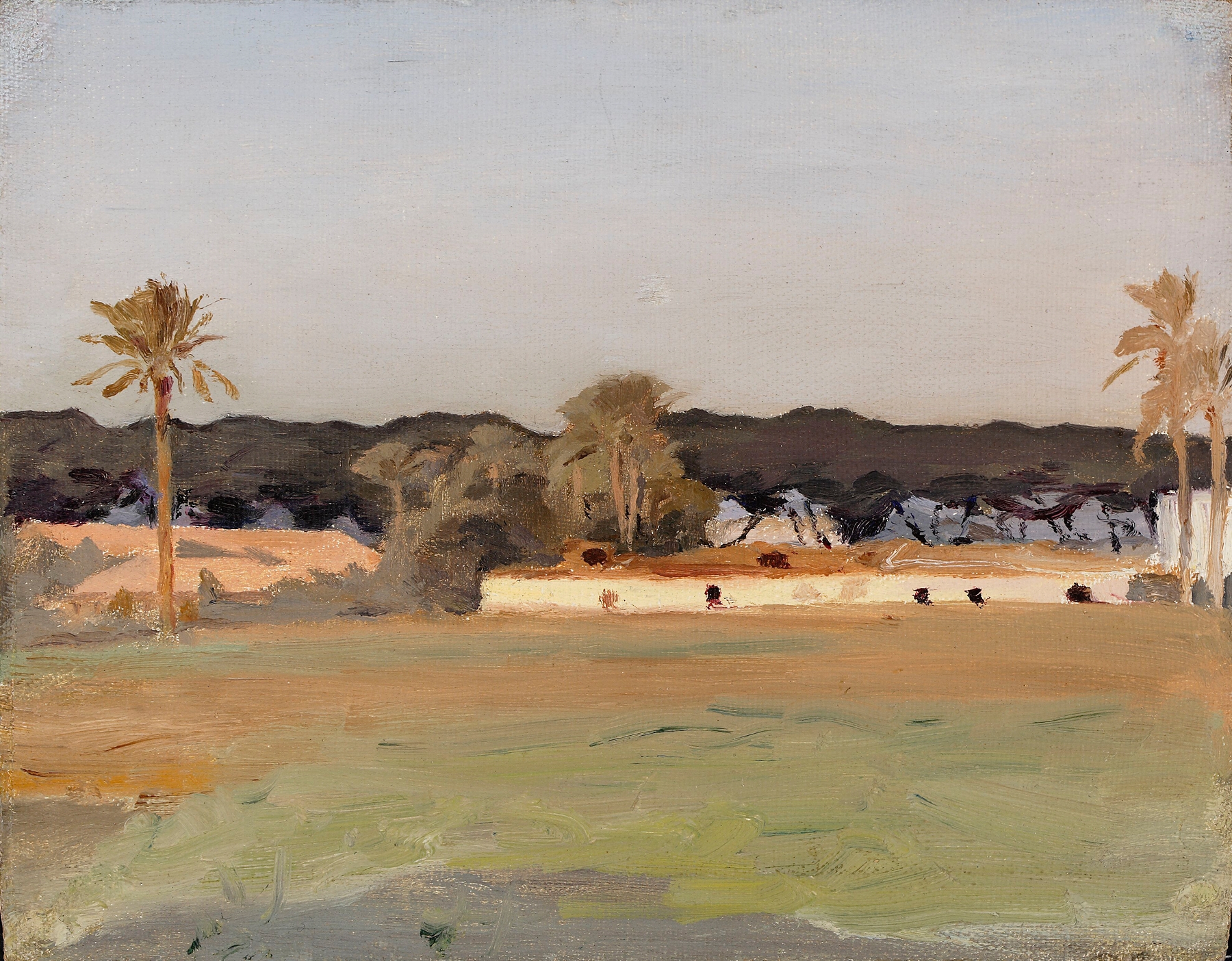
“Under the brush, chaos becomes grace.” In the vast embrace of the Northern landscapes, faith breathes life into the chaos of nature, revealing beauty in every stroke. Begin by focusing on the horizon, where the soft blues and whites of the sky blend seamlessly into the tranquil ground below. The ethereal light plays across the scene, illuminating the icy expanse and inviting your gaze to wander. Notice how the delicate brushwork captures the movement of clouds, creating a sense of serene stillness amid the rawness of winter.
The harmony between the cool and warm tones speaks to the artist's meticulous technique, inviting you to feel the freshness of a Northern dawn. As you delve deeper, the contrasts emerge—a tension between the stillness of the snow and the dynamic energy in the sky above. The soft, sweeping strokes of the clouds evoke an ethereal quality, while the grounded snow suggests resilience amidst hardship. This interplay of elements hints at the fragile balance of faith; it is both a refuge and a challenge, bringing forth a contemplative silence that resonates with the viewer's own experiences of uncertainty.
In 1908, Jan Ciągliński created this masterpiece while living in London, reflecting his fascination with the Northern Lights and the landscapes of his homeland. At a time when art was undergoing significant transformations, he sought to bridge the realism of the natural world with the spiritual essence inherent in every scene. His exploration of light and atmosphere captures the profound connection between the artist and the divine, inviting contemplation and reverence for the world around us.