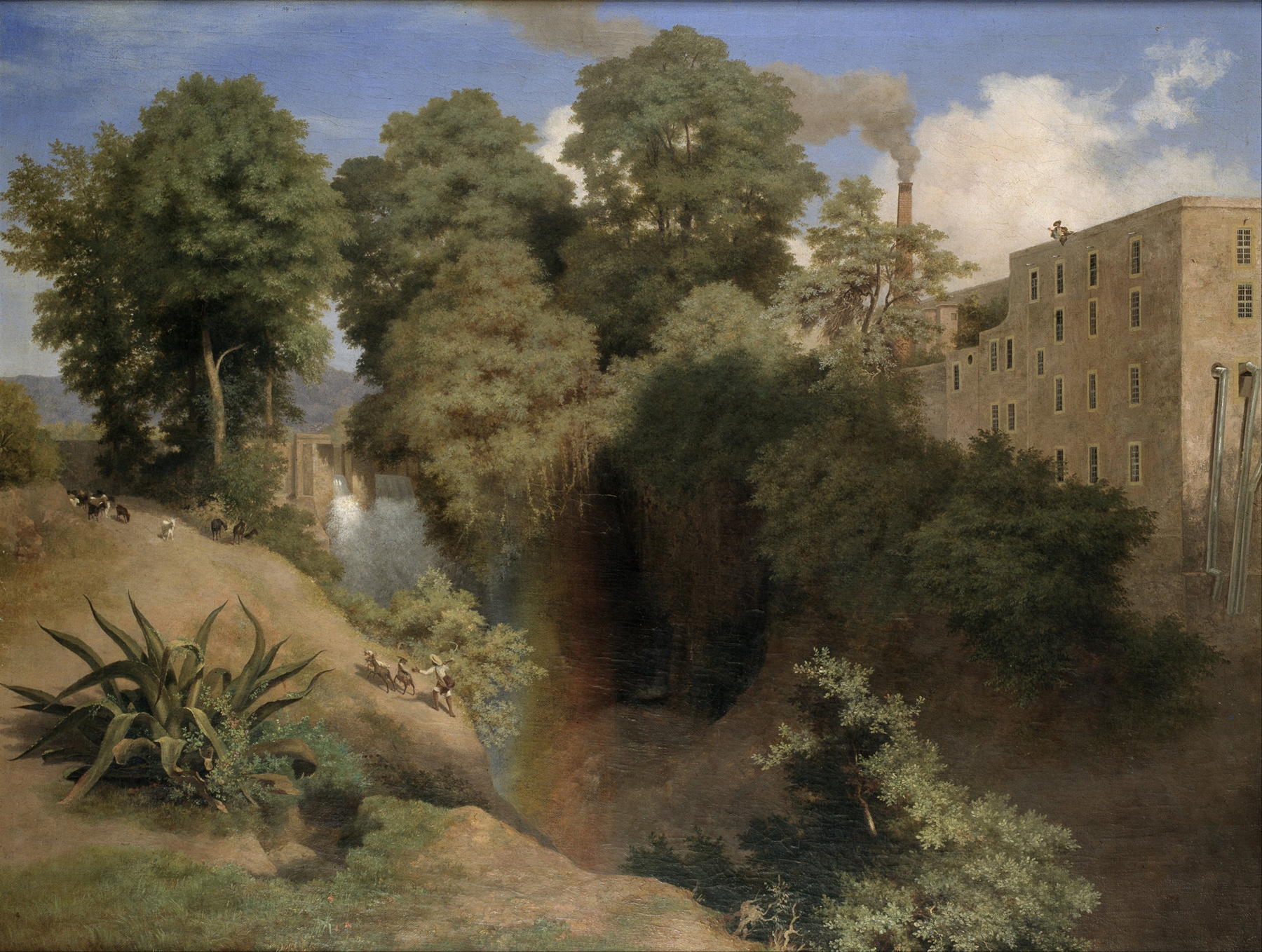
Oaxaca Cathedral — History & Analysis
Who listens when art speaks of silence? In the shadow of the Oaxaca Cathedral, an unsettling stillness hangs heavy in the air, whispering of fears both personal and collective. Focus on the cathedral’s looming façade, where the interplay of light and shadow creates a dramatic contrast. The warm ochres of the stone are punctuated by deep shadows that invite you to explore. Look closely at the intricate details of the carvings; they seem to hold stories of devotion and despair, each figure etched with a weight of history.
The surrounding landscape, lush yet ominous, cradles the structure like a guardian and a threat. Beneath the beauty lies a tension between reverence and trepidation. The towering spires evoke aspirations towards the divine, yet their imposing presence can also inspire a sense of dread. Nature encroaches, its verdant hues framing the man-made wonder, suggesting that the sacred and the wild are in a constant, fraught dialogue.
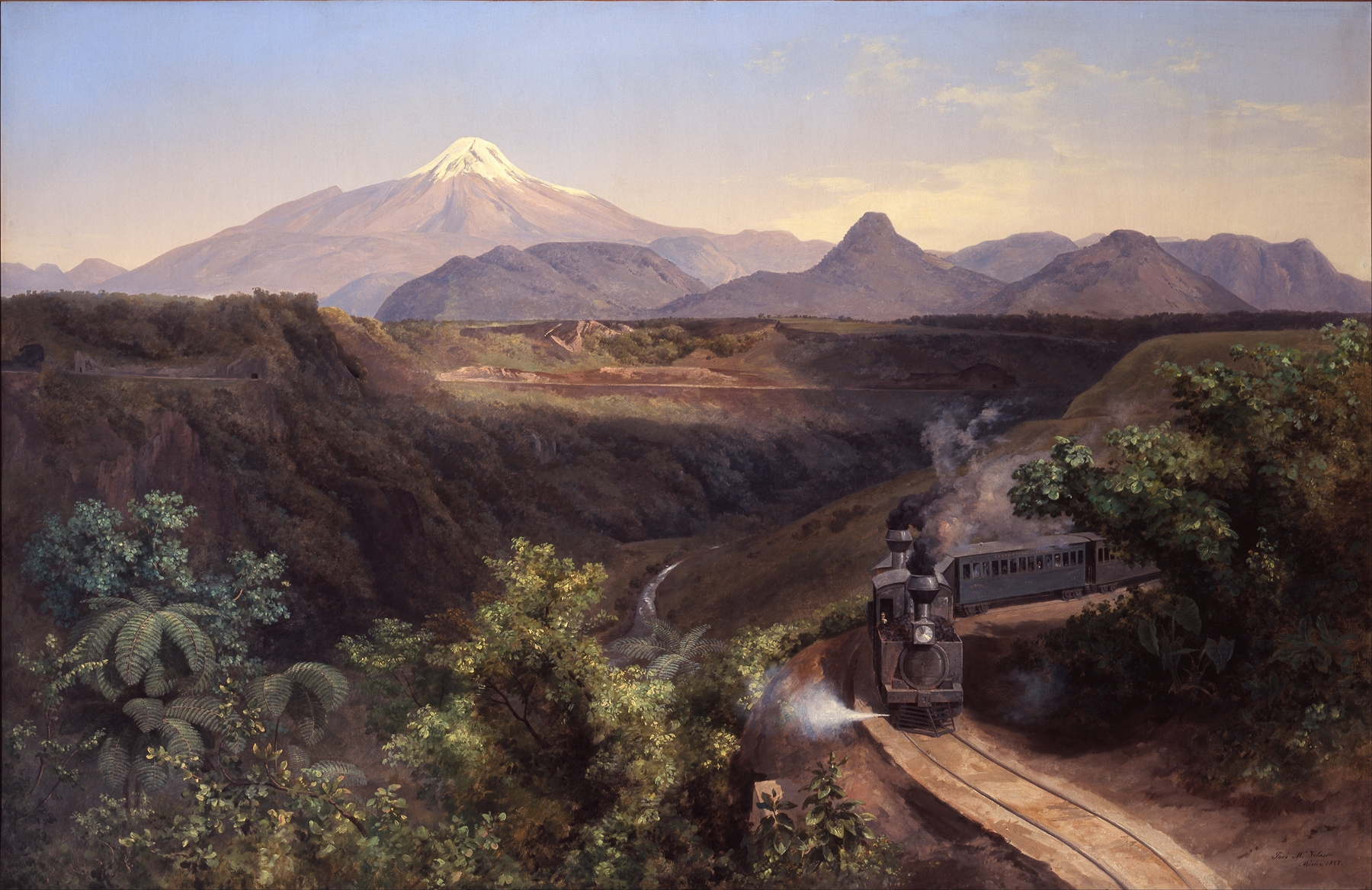
The cathedral becomes a vessel for existential contemplation, where fear is as palpable as faith. In 1887, Velasco painted this masterpiece during a time of political upheaval in Mexico. The country was grappling with the aftermath of the Reform War and a turbulent cultural landscape. Amid these challenges, the artist sought to capture the essence of his homeland, channeling both the beauty and the underlying unease of a nation at a crossroads, longing for stability yet aware of its fragility.