The Valley of Mexico from the Santa Isabel Mountain Range — History & Analysis
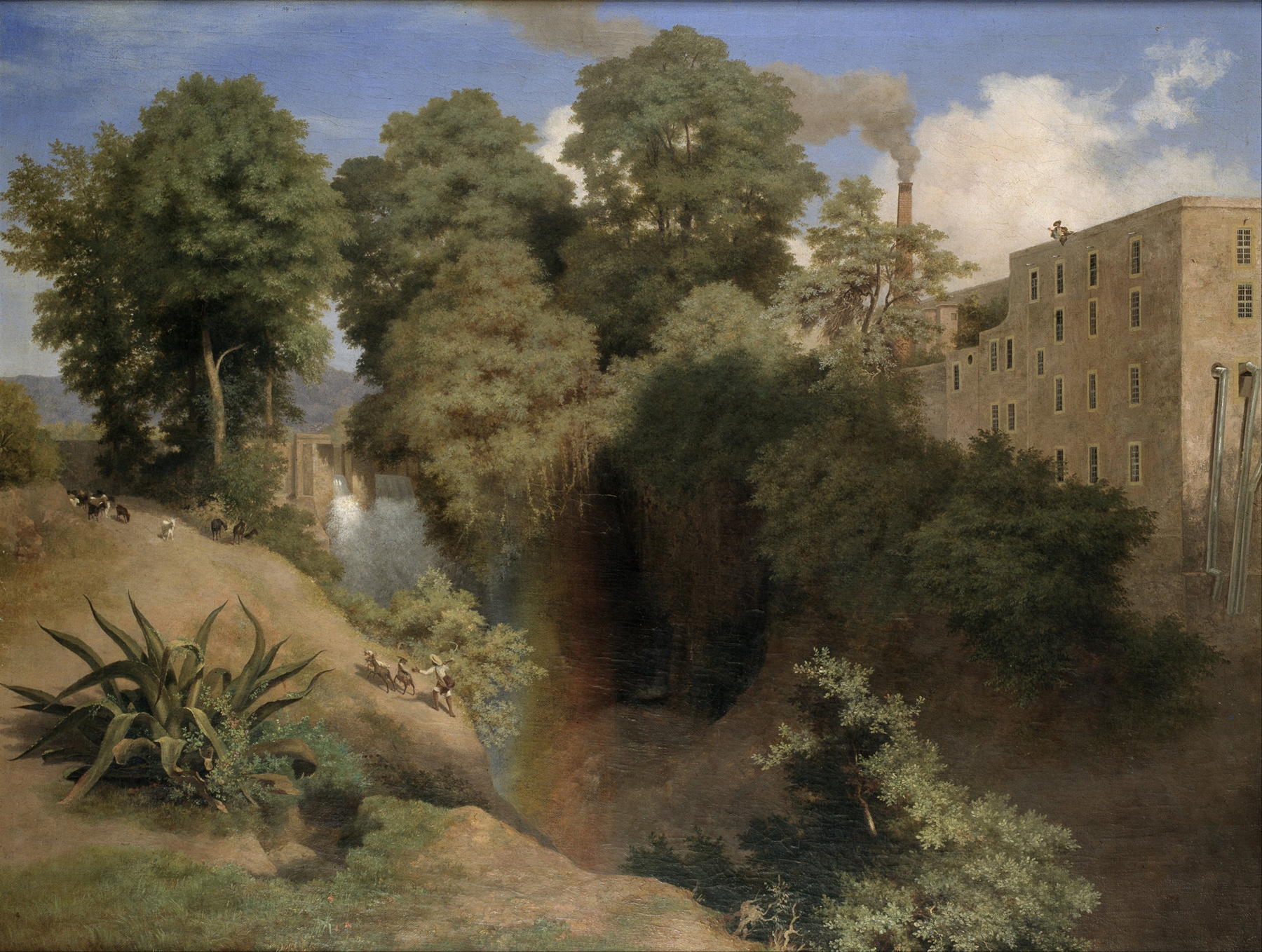
“Art reveals the soul when the world turns away.” In The Valley of Mexico from the Santa Isabel Mountain Range, the viewer confronts a serene landscape, yet beneath its tranquil surface lies an unsettling tension, hinting at the violence that shaped its essence. The lush greenery and soft clouds obscure the history of a land where turmoil once reigned, beckoning us to explore its depths. Look to the left where the horizon meets the delicate brushstrokes of the mountains, a palette of greens and blues that invite you in. Notice the meticulous detail in the foreground, where lush trees frame the scene, their shadows playing gently on the land.
The light bathes the landscape in a warm glow, casting a reverence over the valley below, while the distant peaks stand sentinel, watchful yet indifferent, to the stories hidden within their folds. As you delve deeper, consider the juxtaposition of beauty and violence, of peace amidst a historical landscape marked by conflict. The flowing rivers that snake through the valley evoke a sense of life and continuity, yet they also symbolize the blood of those who fought for the land. Velasco captures this duality; the idyllic scene belies the struggles that have shaped its character, urging the viewer to reflect on the cost of such beauty.
In 1875, Velasco painted this piece while residing in Mexico, a nation grappling with the aftermath of political upheaval and social change. His work emerged during a period when Mexican artists sought to establish a distinct national identity, showcasing the country’s breathtaking landscapes. This painting not only reflects Velasco's mastery of capturing natural beauty but also encapsulates the essence of a nation wrestling with its own tumultuous past.