The Mexico City Alameda — History & Analysis
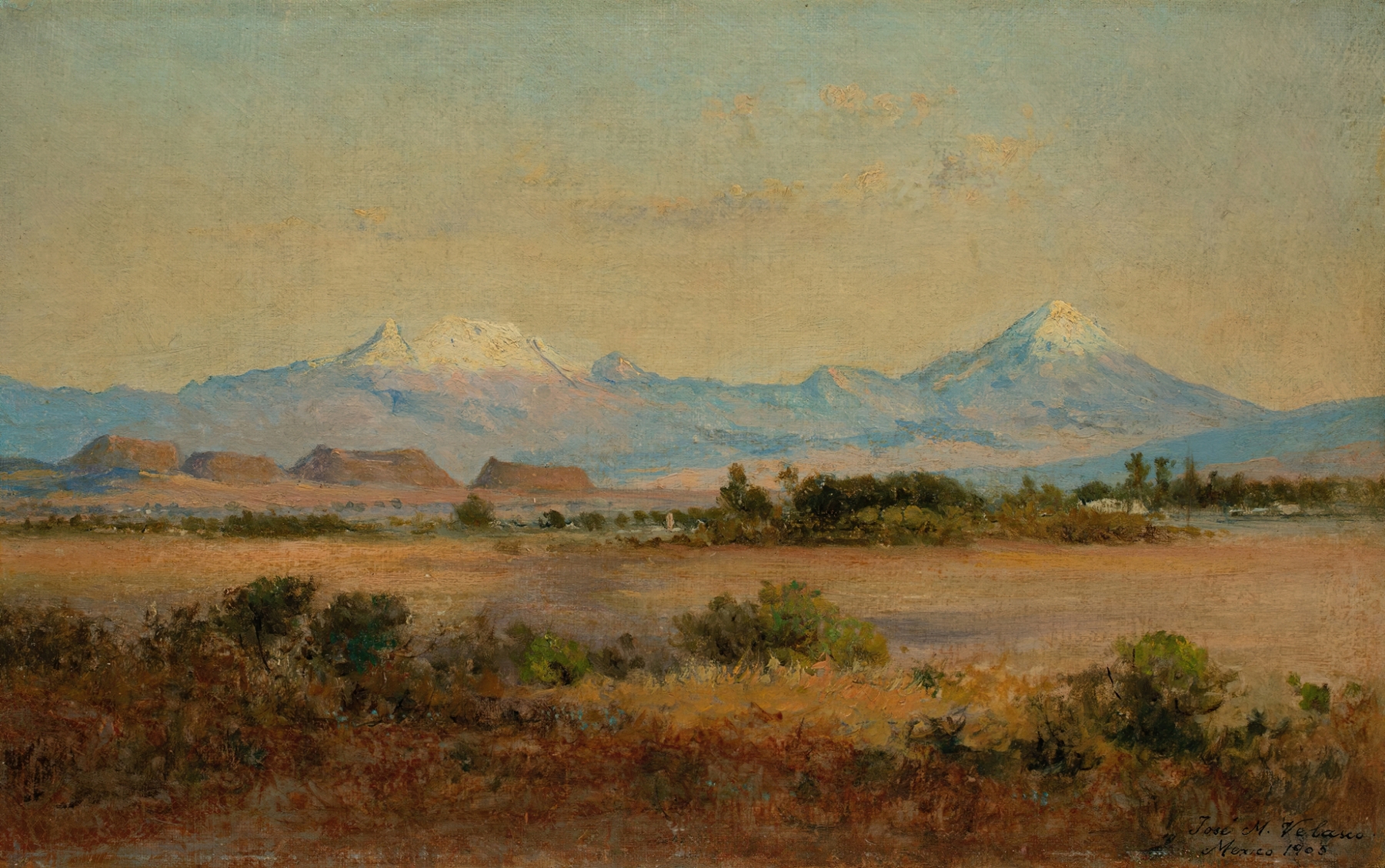
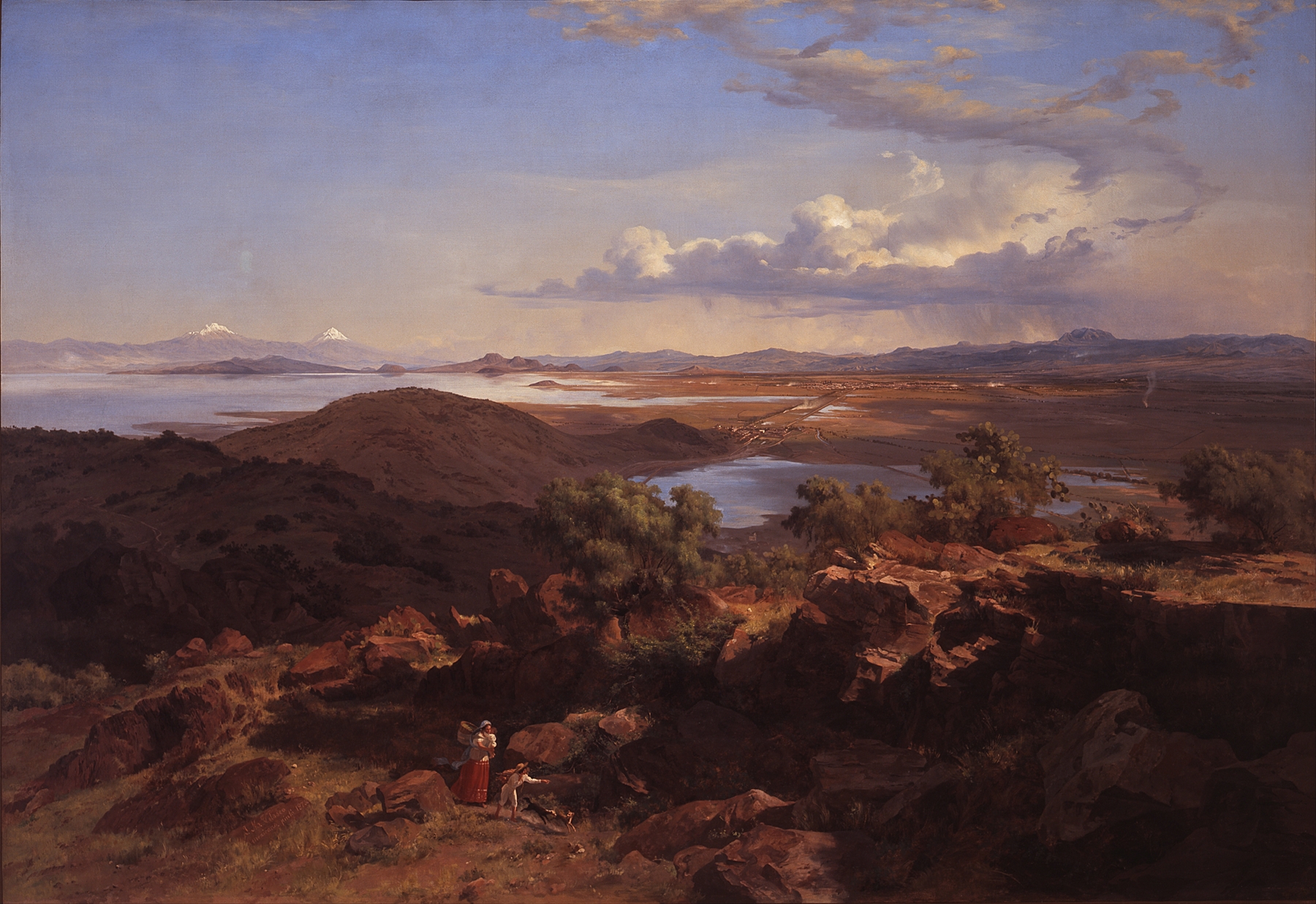
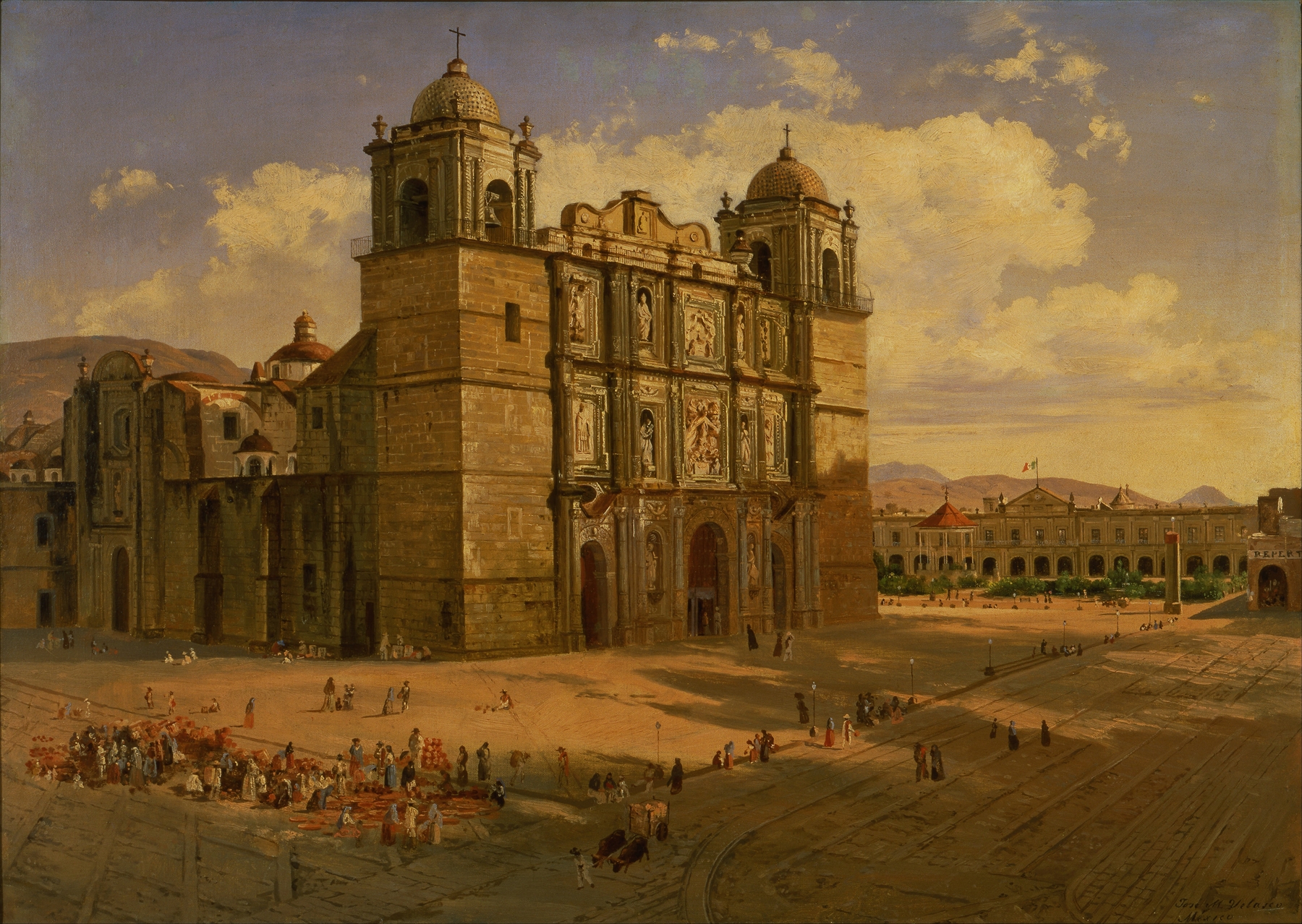
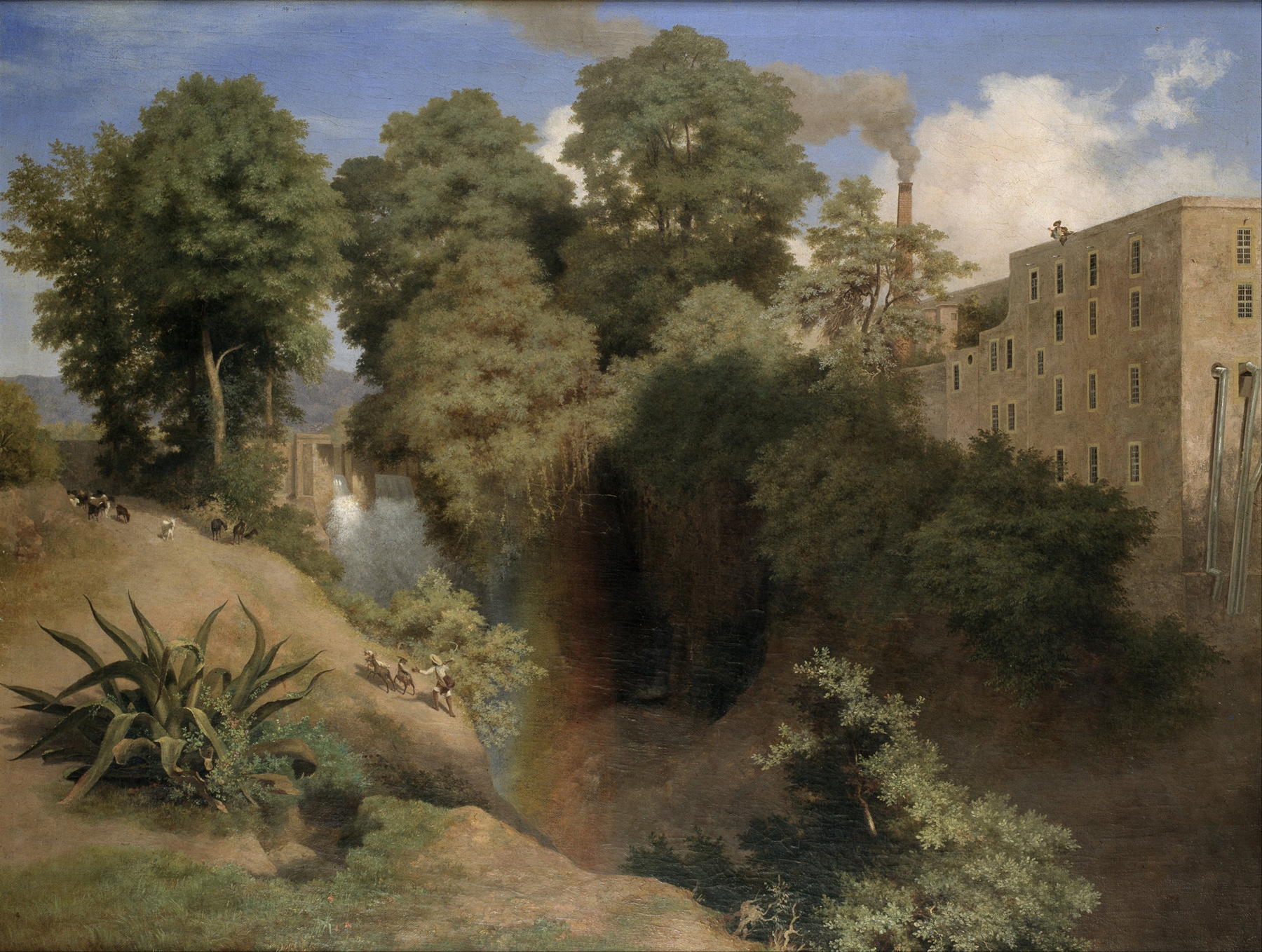
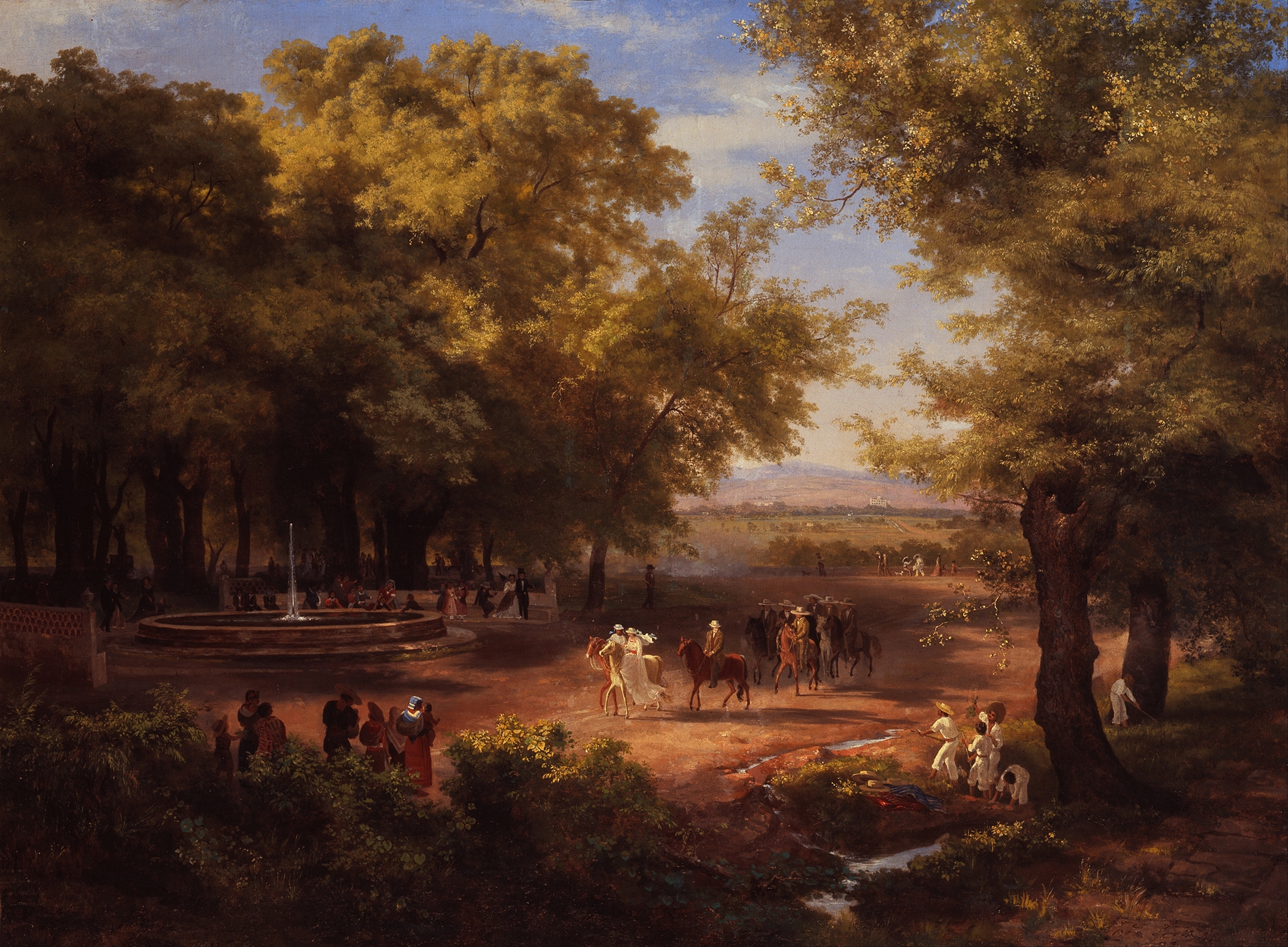
Did the painter know this moment would outlive them? In The Mexico City Alameda, an obsession with nature’s fleeting beauty unfolds, captured forever within the confines of canvas and paint. Focus on the vibrant palette that breathes life into the scene; lush greens intertwine with soft blues and warm earth tones. Direct your gaze to the tranquil water in the foreground, where reflections dance like whispers, hinting at a world beyond the observable.
Notice how the trees frame the composition, their branches reaching out like inviting arms, guiding your eye toward the figures strolling beneath the canopy, lost in their own reveries. Velasco’s technique, a masterful blend of realism and romanticism, invites the viewer to step not just into the painting but into a moment suspended in time. Beneath the surface lies a deeper tension—a juxtaposition of serenity and the passage of time. The figures, absorbed in their surroundings, embody a quiet communion with nature, yet they also remind us of life’s impermanence.
Each leaf, every ripple in the water, serves as a reminder that beauty, like moments, is transient. This duality evokes an emotional resonance, urging the viewer to reflect on their own connection to fleeting experiences. In 1866, Velasco painted this masterpiece while living in Mexico City, a period marked by political upheaval and a growing appreciation for landscapes among artists. The tranquil setting of the Alameda, amidst a world of chaos, reveals his yearning for stability and beauty in an ever-changing environment, solidifying his role in the evolution of Mexican art.