The Metlac Ravine — History & Analysis
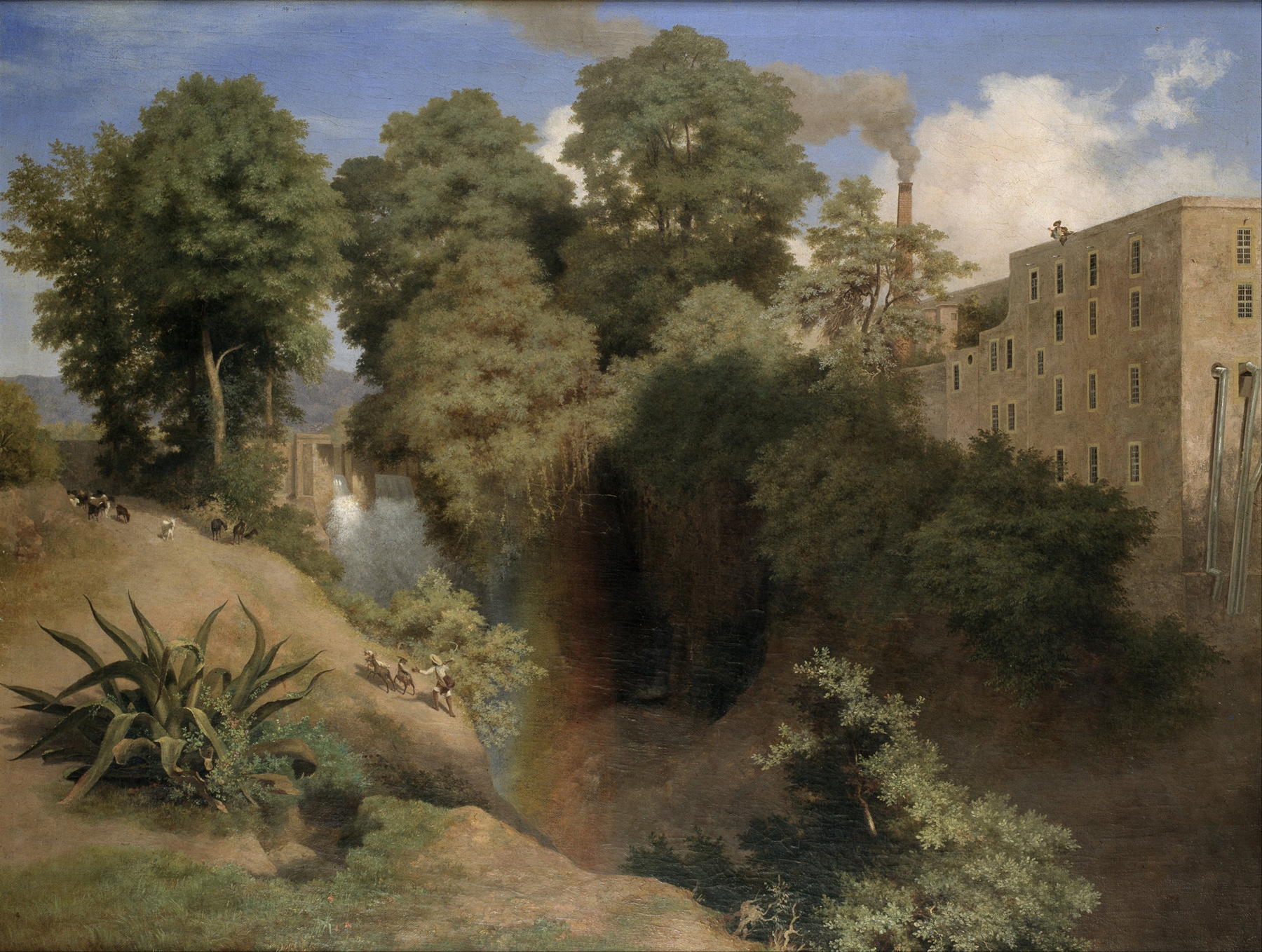
When did color learn to lie? The lush, vibrant hues of The Metlac Ravine invite us to question the veracity of nature itself, beckoning the viewer into a tapestry woven from imagination and reality. Look to the foreground, where the verdant foliage spills over the rugged cliffside, each brushstroke alive with movement. Notice how the light spills gently from above, illuminating the crevices and casting shadows that deepen the sense of depth and mystery.
The interplay of greens and earthy browns creates a harmonious blend, while the distant mountains serve as a more muted backdrop, emphasizing the ravine's raw beauty and inviting exploration. Beneath the surface, the painting speaks of contrasts—the delicate serenity of the foliage against the formidable rock formations, suggesting both fragility and strength. The way the trees bend slightly reveals the unseen winds, hinting at a world constantly shifting. This juxtaposition of vibrant life against the stillness of stone encapsulates the essence of creation itself, where beauty can emerge from the harshest of landscapes.
In 1893, José María Velasco stood in Mexico, creating a body of work deeply rooted in his love for the natural world. A key figure in the Mexican landscape painting movement, his art reflected a nation undergoing transformation. As industrialization spread, Velasco's focus on the beauty of untouched landscapes served as both an homage and a protest, capturing a pivotal moment in the evolution of art and identity in Mexico.