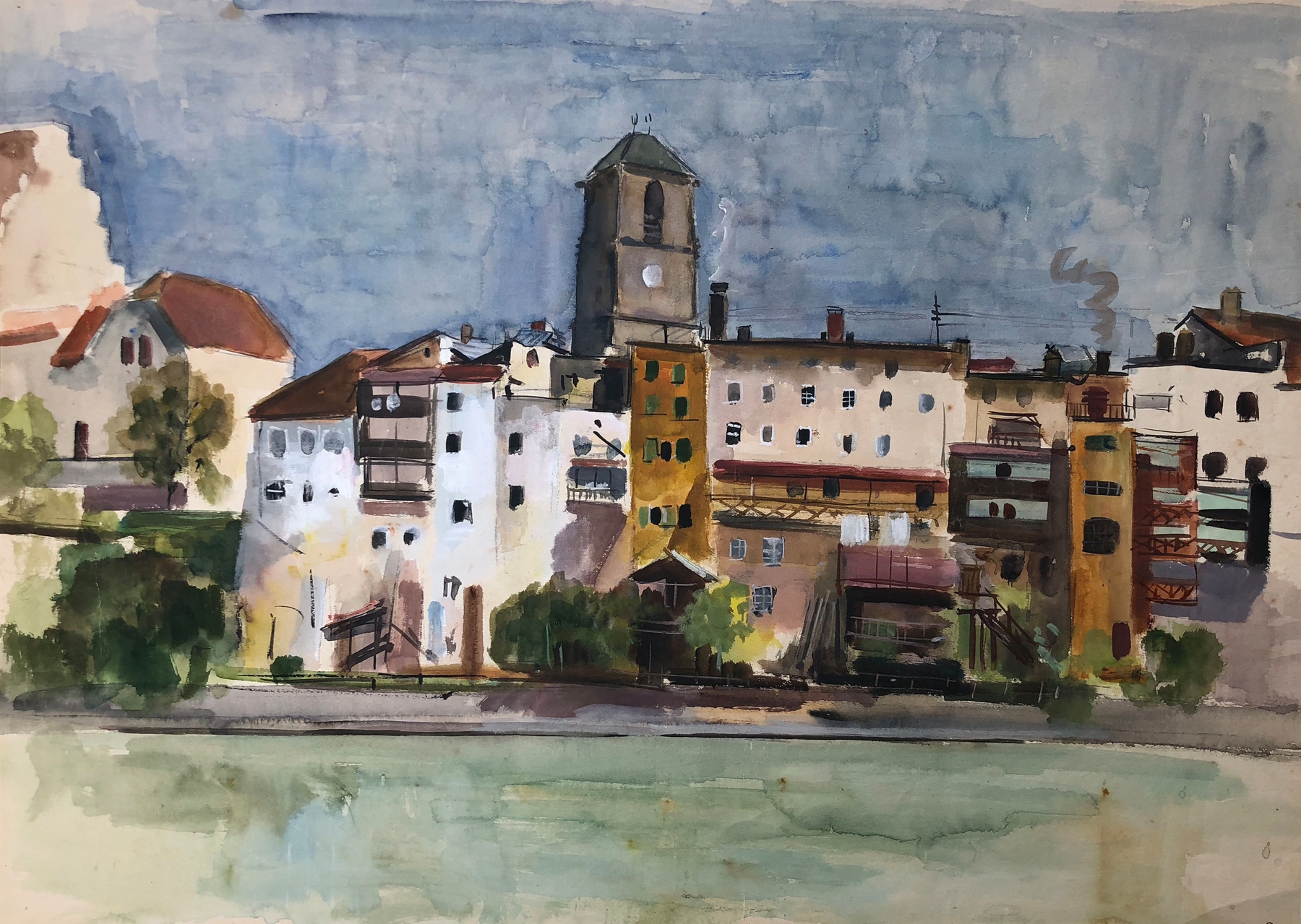
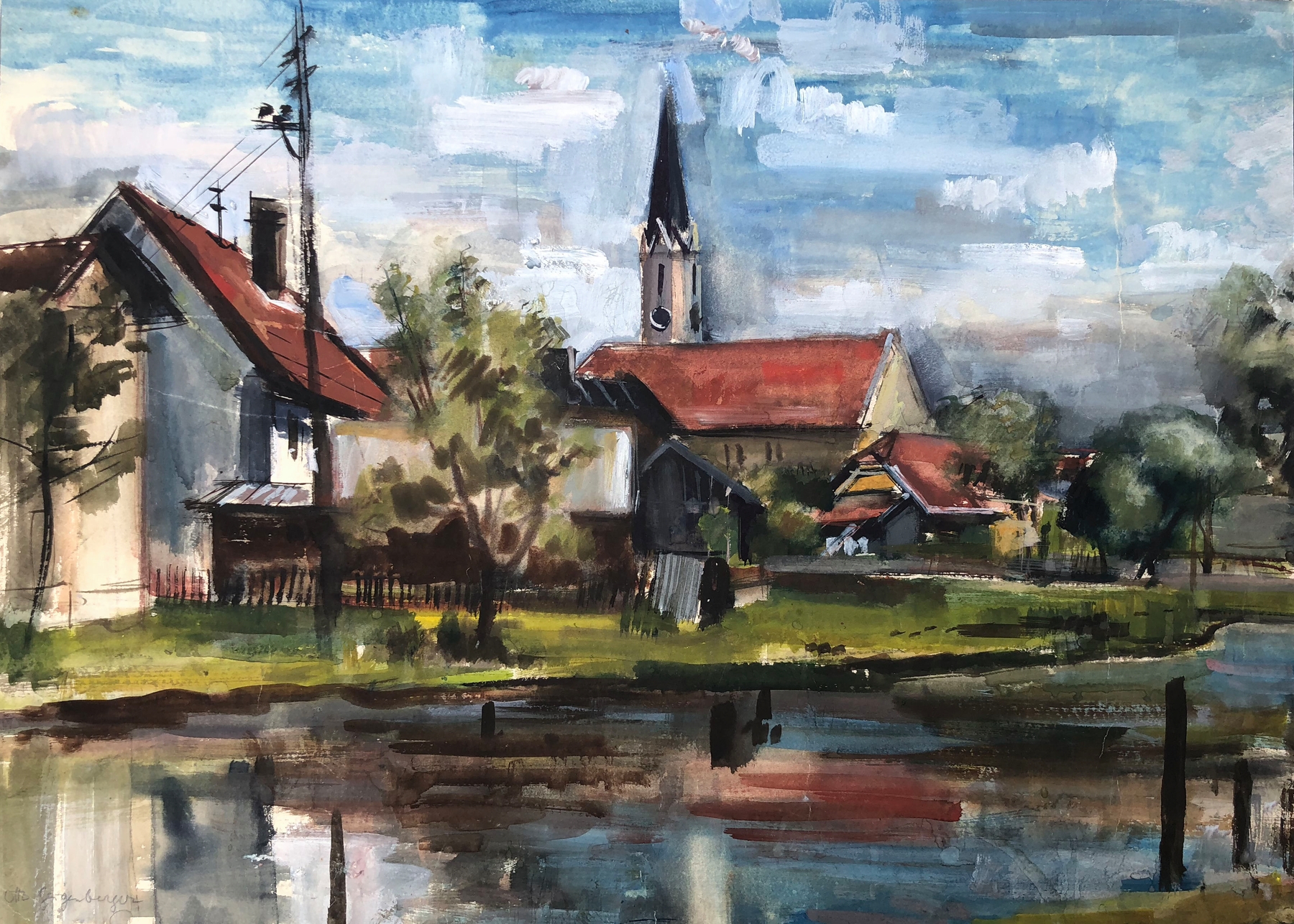
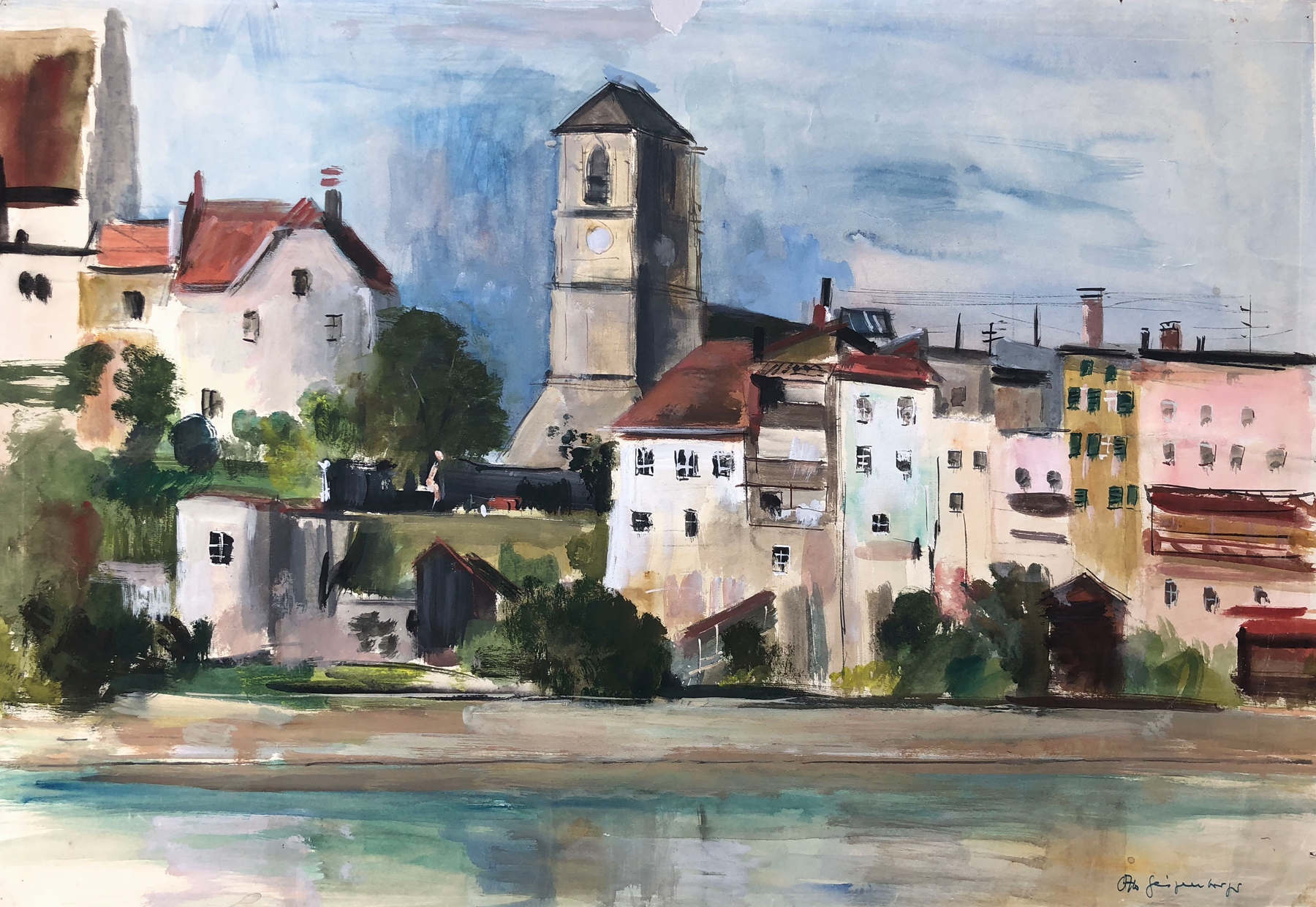
Odelsham bei Wasserburg am Inn — History & Analysis
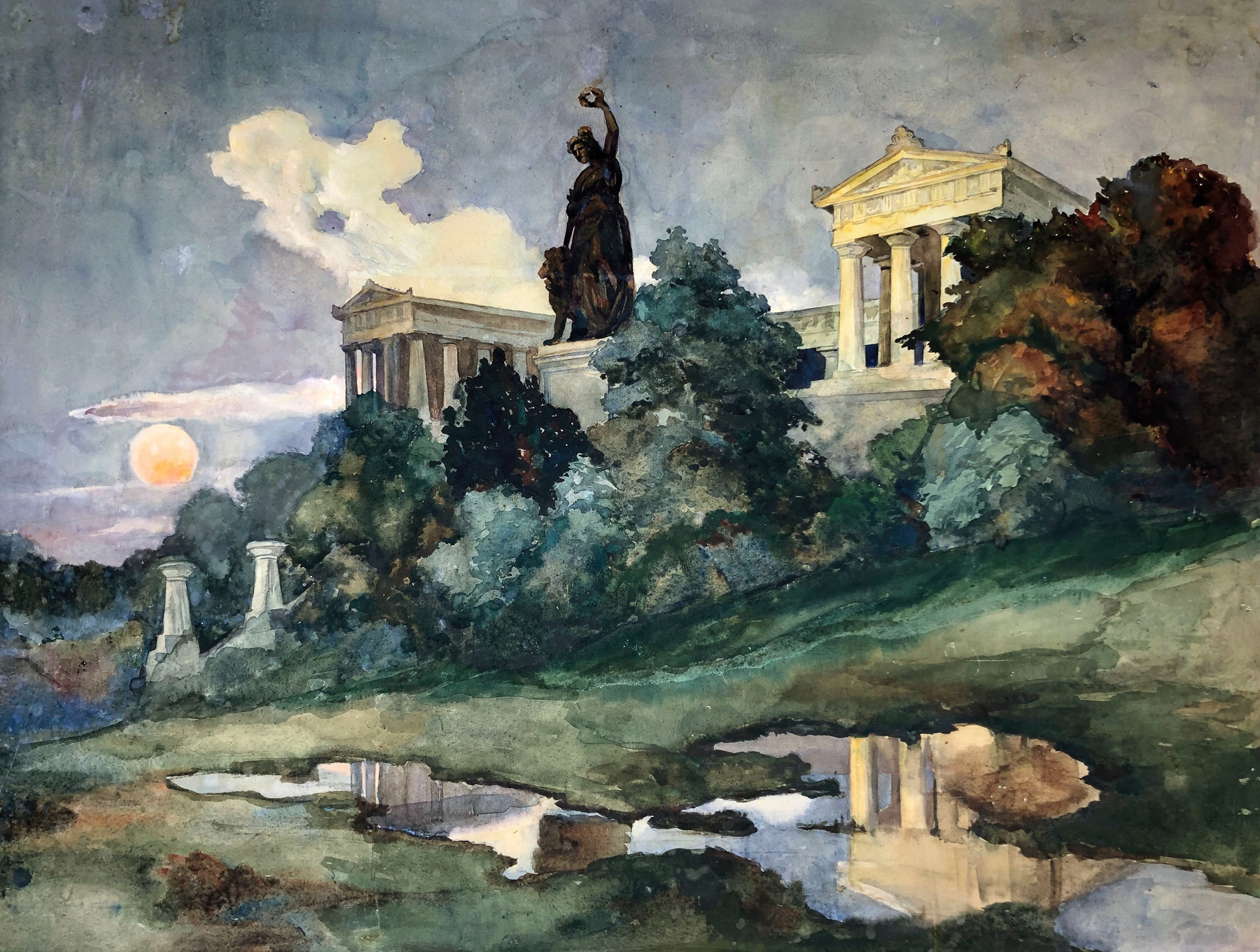
“The canvas doesn’t lie — it simply waits.” In moments of turmoil, it captures shadows of violence that linger in the air, almost waiting for release. This piece, born from the depths of conflict, echoes a tension that is palpable yet hauntingly restrained. Focus on the swirling clouds in the sky, where deep blues and ominous grays converge to form a brooding atmosphere. Notice how the strokes fluctuate between fluid and aggressive, reflecting nature’s duality — both serene and tempestuous. At the forefront, the landscape is intertwined with dark, twisted trees, their skeletal forms reaching like desperate hands against the weight of a foreboding horizon.
The use of stark contrasts invites the viewer to feel the unease that simmers beneath the surface. Delve deeper, and you’ll find an unsettling harmony between chaos and stillness. The muted colors serve as a backdrop for an invisible threat, while the barren ground hints at the aftermath of a struggle, perhaps suggesting a past marred by violence. Here, the tranquility of the natural world stands at odds with the emotional turmoil that seems to seep from the canvas, reminding us of the fragile balance between beauty and destruction.
Each brushstroke is a confrontation, a reminder of the persistent echoes of conflict. In 1944, Otto Geigenberger painted this piece during a tumultuous period in Europe, marked by the devastation of World War II. Living in Germany, he was influenced by the upheaval around him, a time when art became both an escape and a reflection of societal fears. This work manifests his response to the chaos of the era, capturing the essence of a world on the brink.