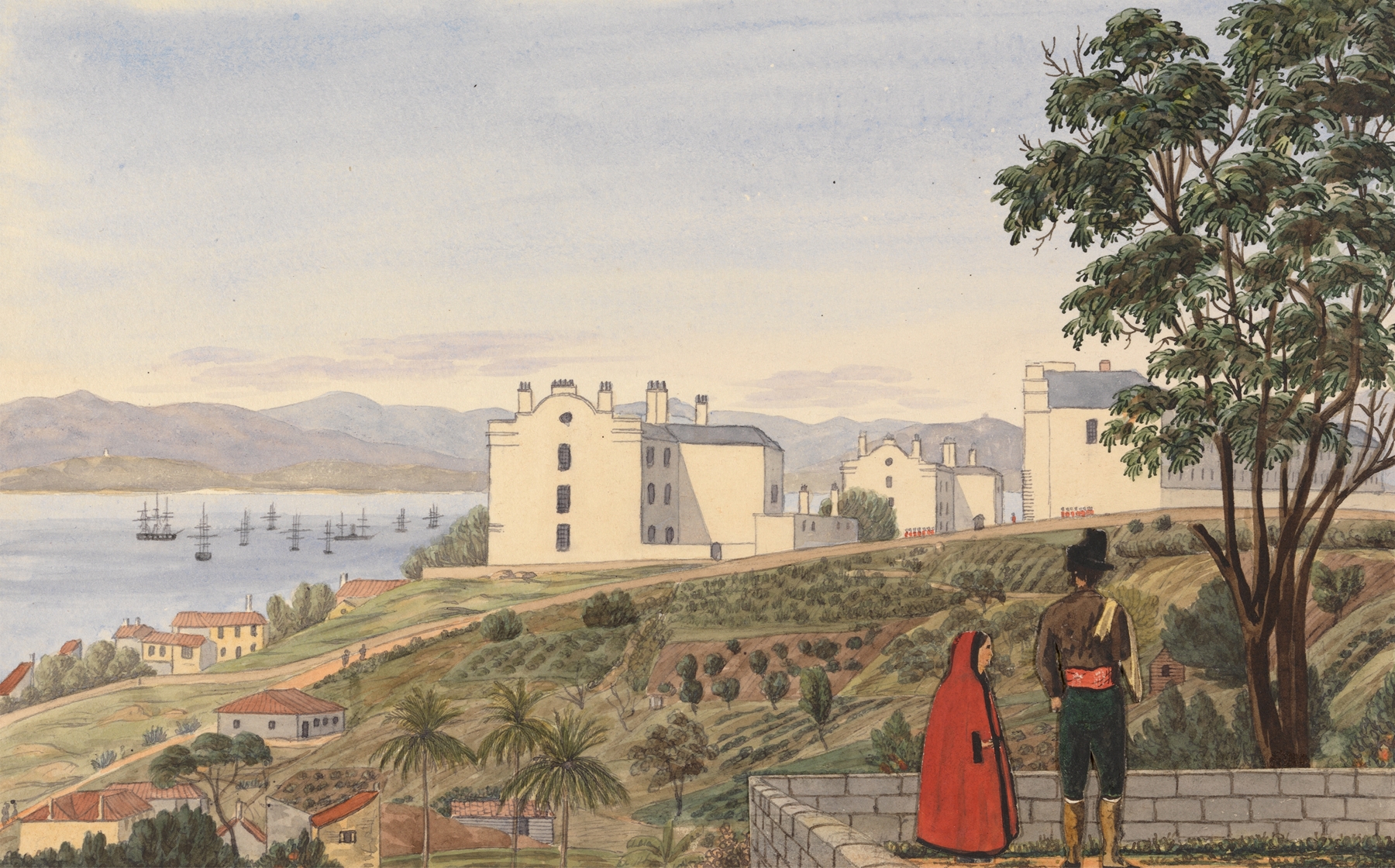
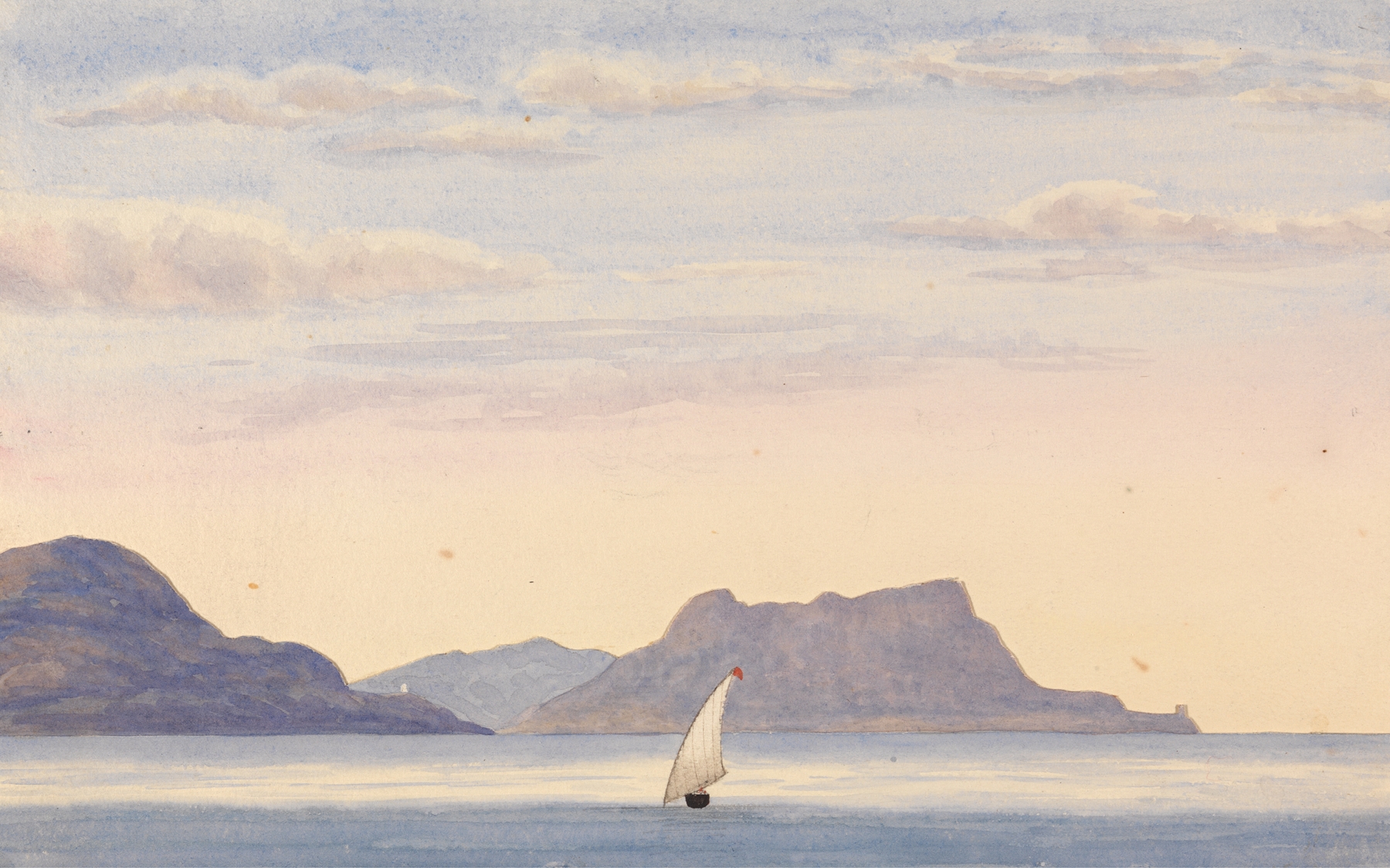
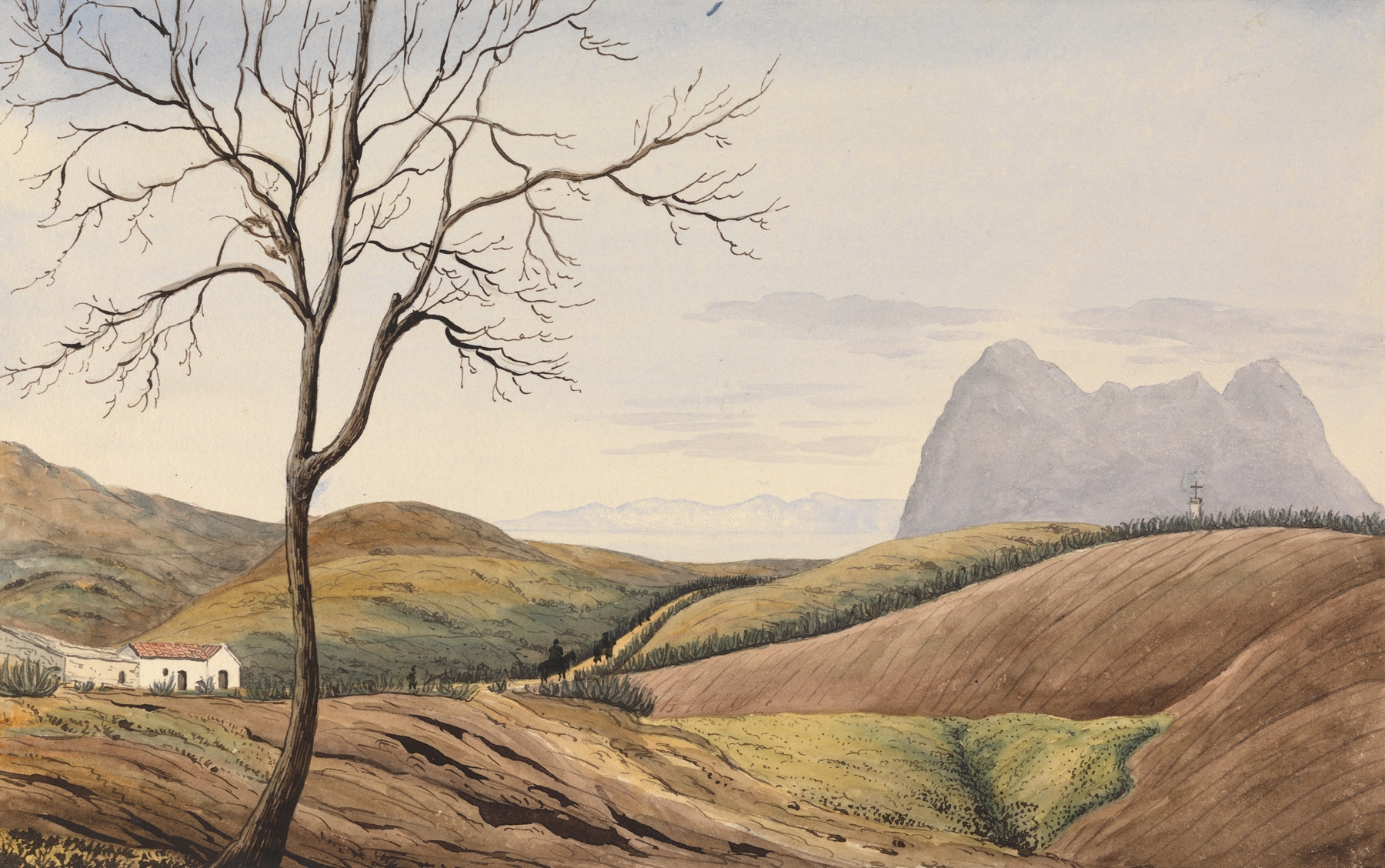
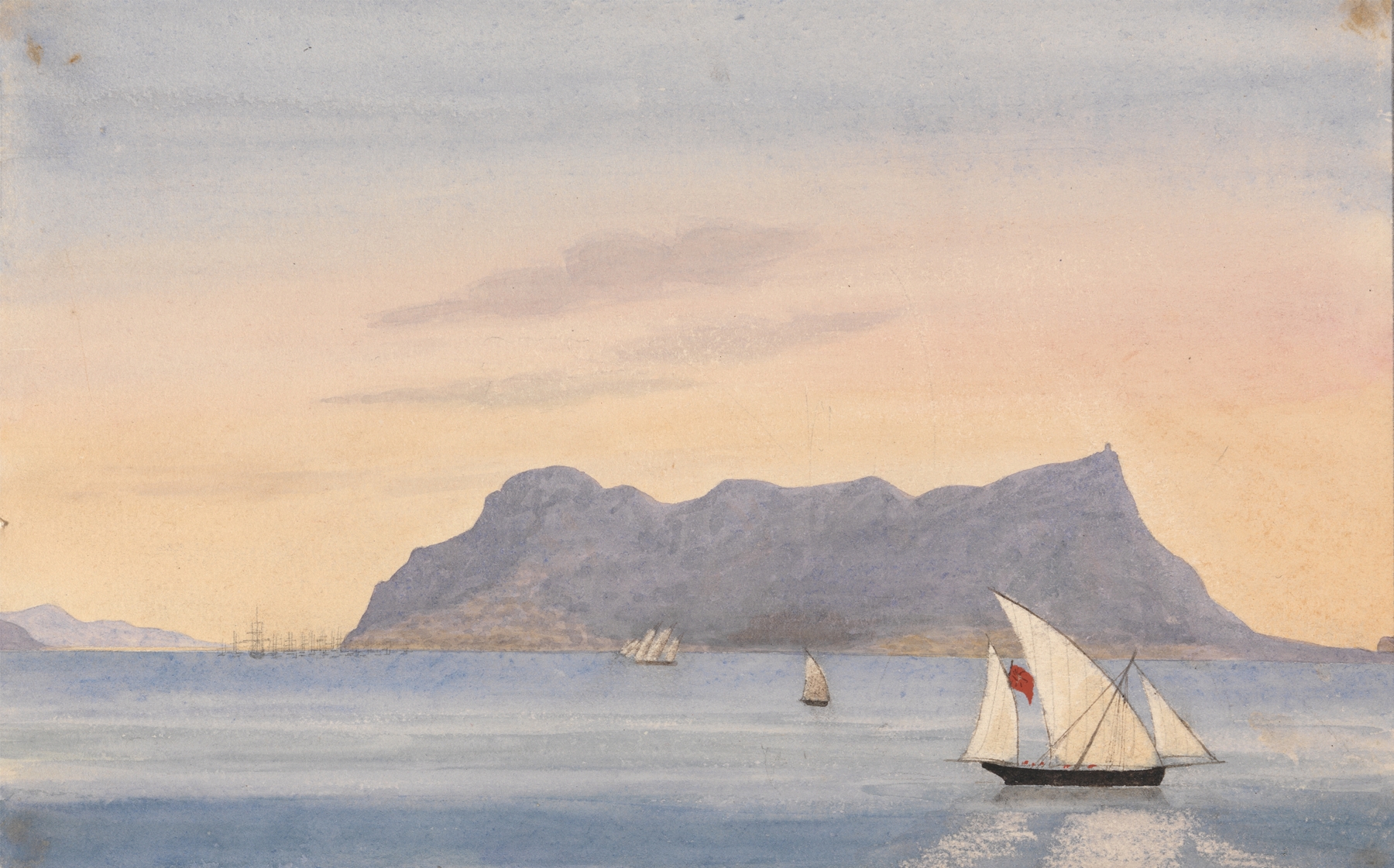
Officer’s Quarters and Casemate Barracks, Gibraltar — History & Analysis
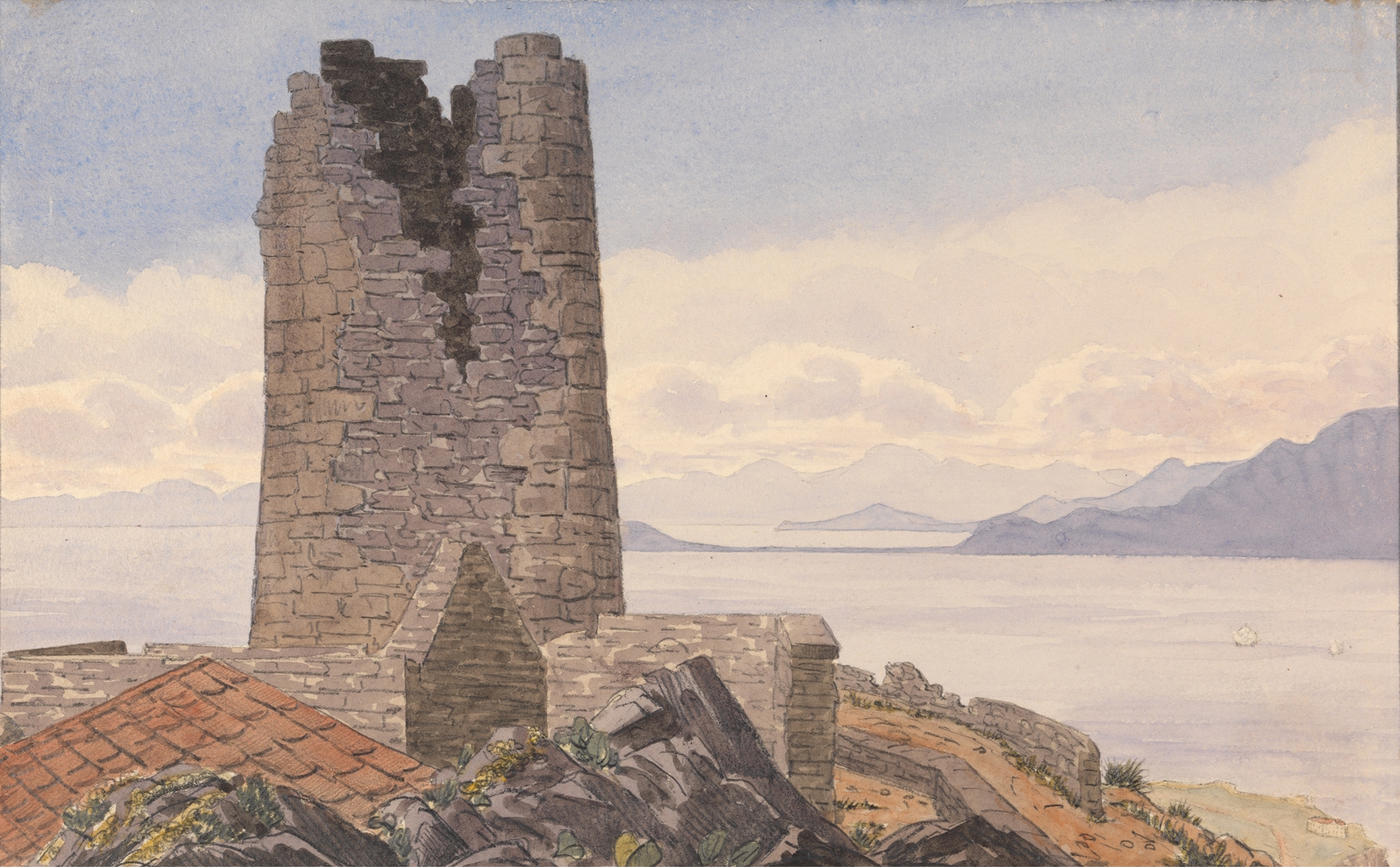
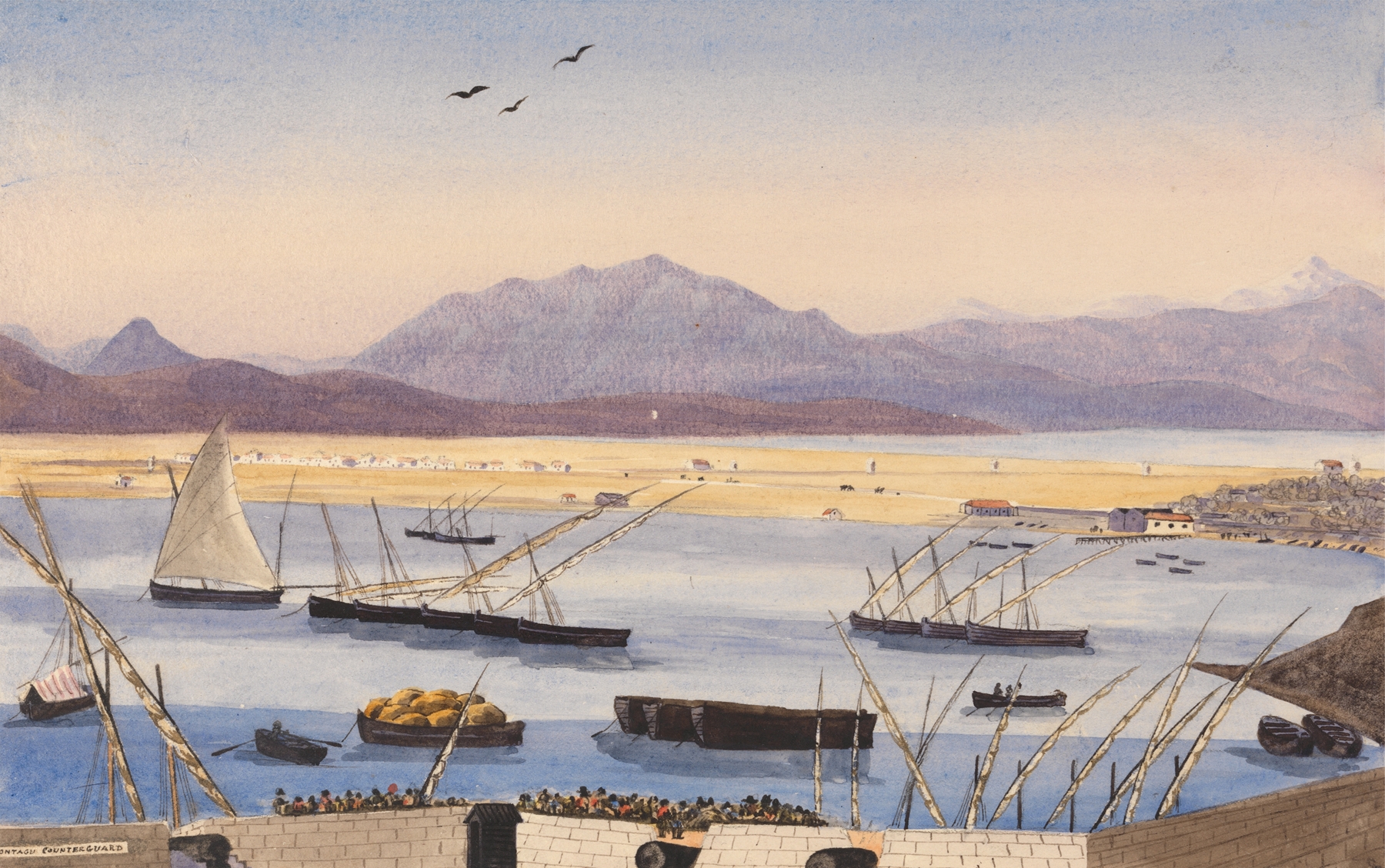
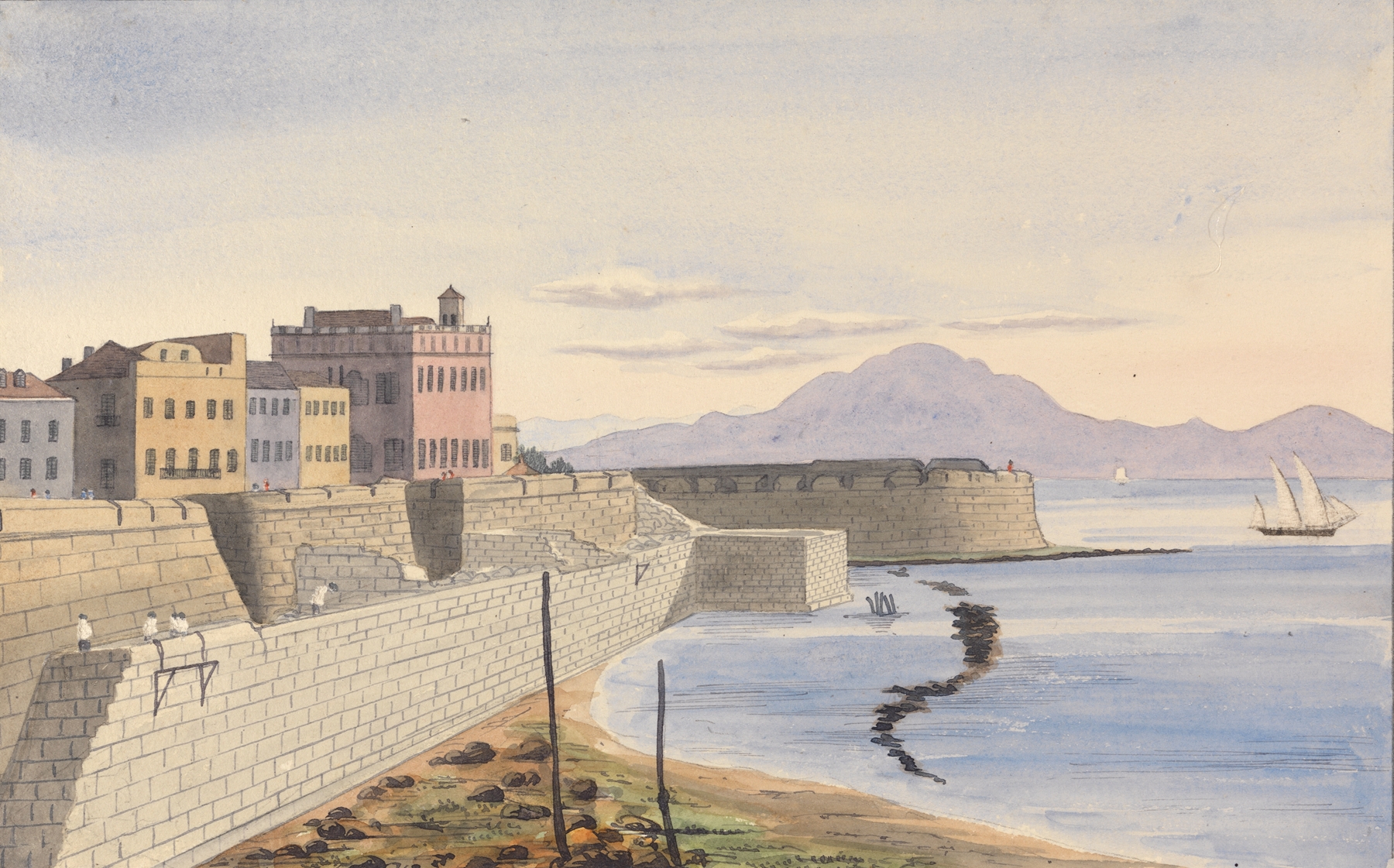
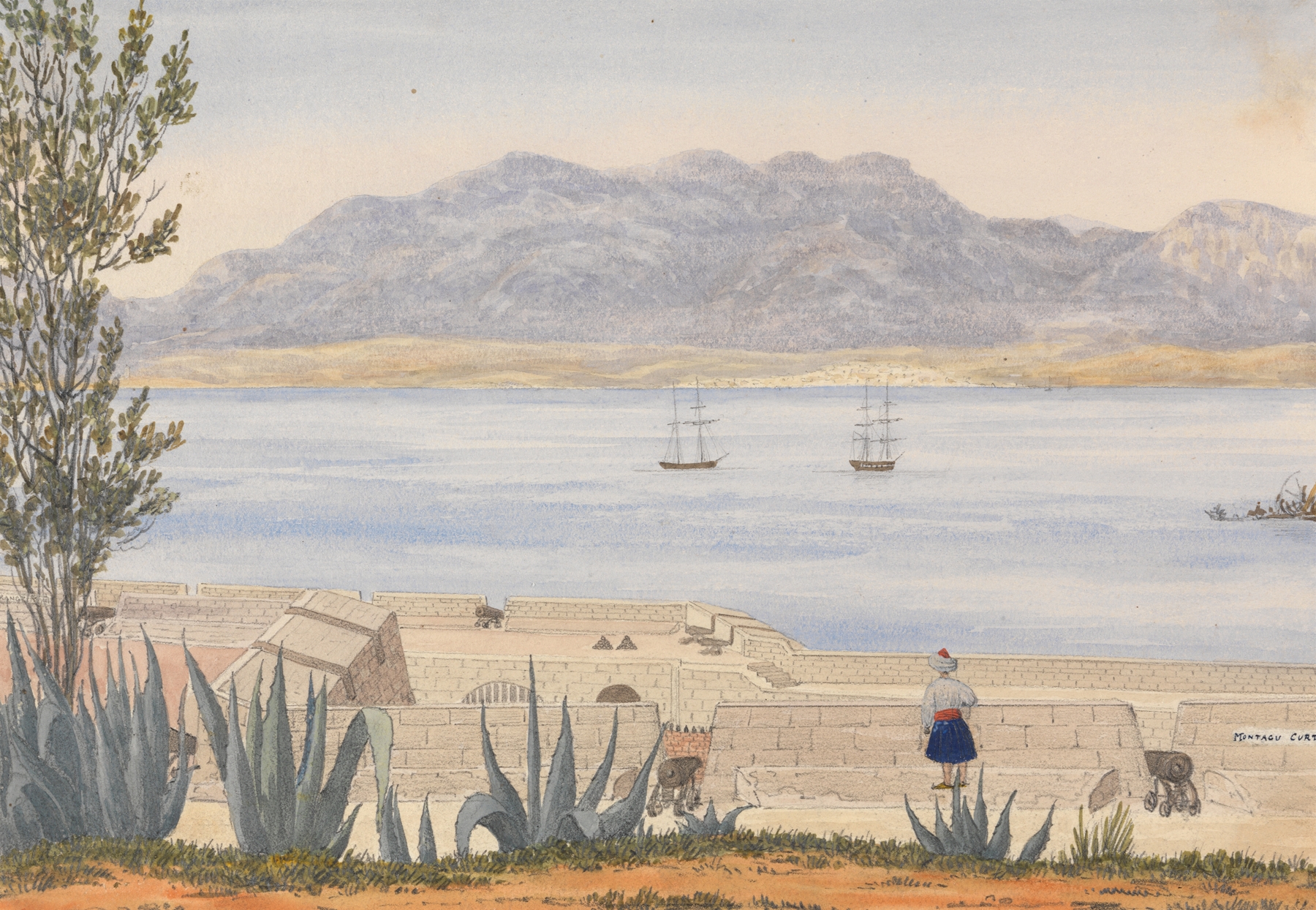
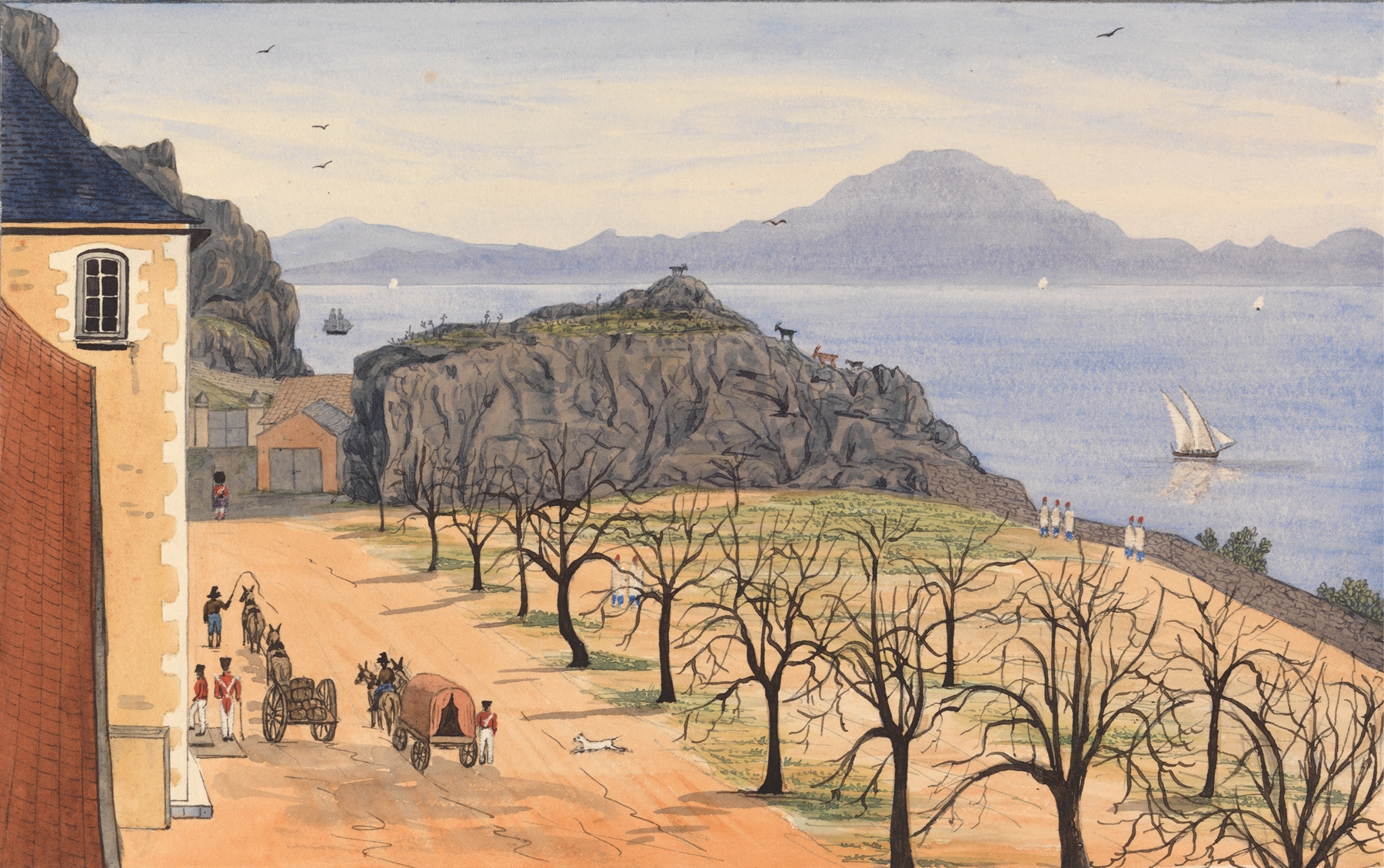
“Sometimes beauty is just pain, disguised in gold.” In the quietude of Gibraltar, madness and tranquility coalesce within the walls of military restraint. The stark contrast of structure and emotion invites reflection on the duality of existence beneath the fortified exterior. Look to the upper left of the painting, where the sunlight streams through windows, illuminating the orderly arrangement of furniture and the crisp uniforms that hang against the stark white walls. This interplay of light and shadow not only frames the scene but simultaneously evokes feelings of confinement.
Notice how the warm tones of ochre and deep blues create a sense of calm, yet the sharp angles and regimented spaces hint at the psychological turmoil lurking beneath the surface of military life. Delve deeper, and you'll find the whispers of isolation and madness intertwined within the meticulous details. The neatly folded blankets might symbolize the rigid control over soldiers' lives, while the fragmented reflections in polished surfaces suggest the fragmented identities of those who dwell within these quarters. There exists a tension between the serene environment and the inner turbulence, sparking a contemplation on the cost of duty and the fragility of sanity.
George Lothian Hall painted this work in 1843 during a time of shifting political landscapes and rising tensions in Europe. Living and working in London, he captured this moment in Gibraltar, a pivotal military outpost for the British Empire, at a time when the realities of colonialism and the harshness of regimentation were ever-present. This painting reflects not only the physical space of the officer’s quarters but also the psychological battlegrounds faced by those who served.