The Rock of Gibraltar from Algeciras (Spain) — History & Analysis
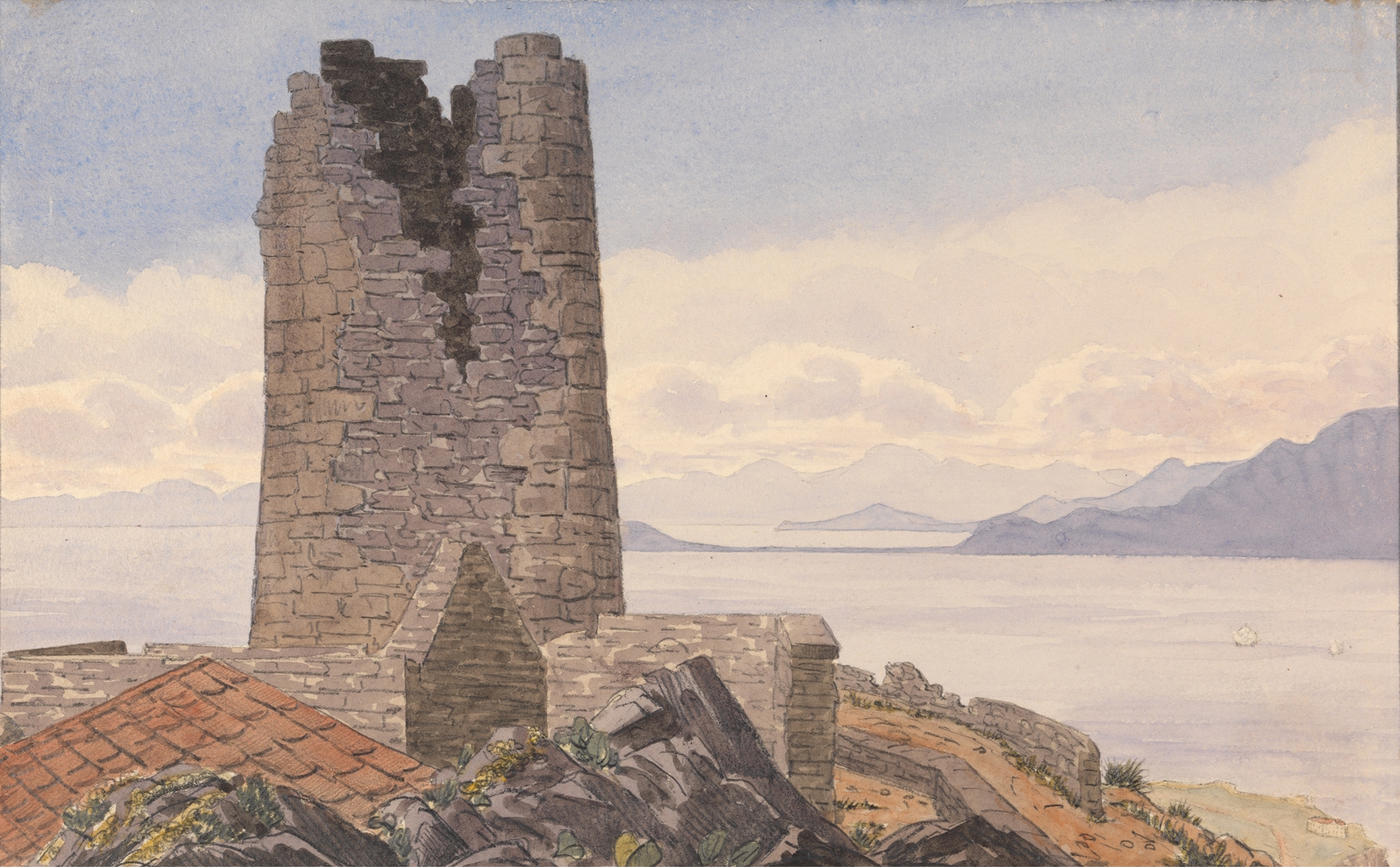
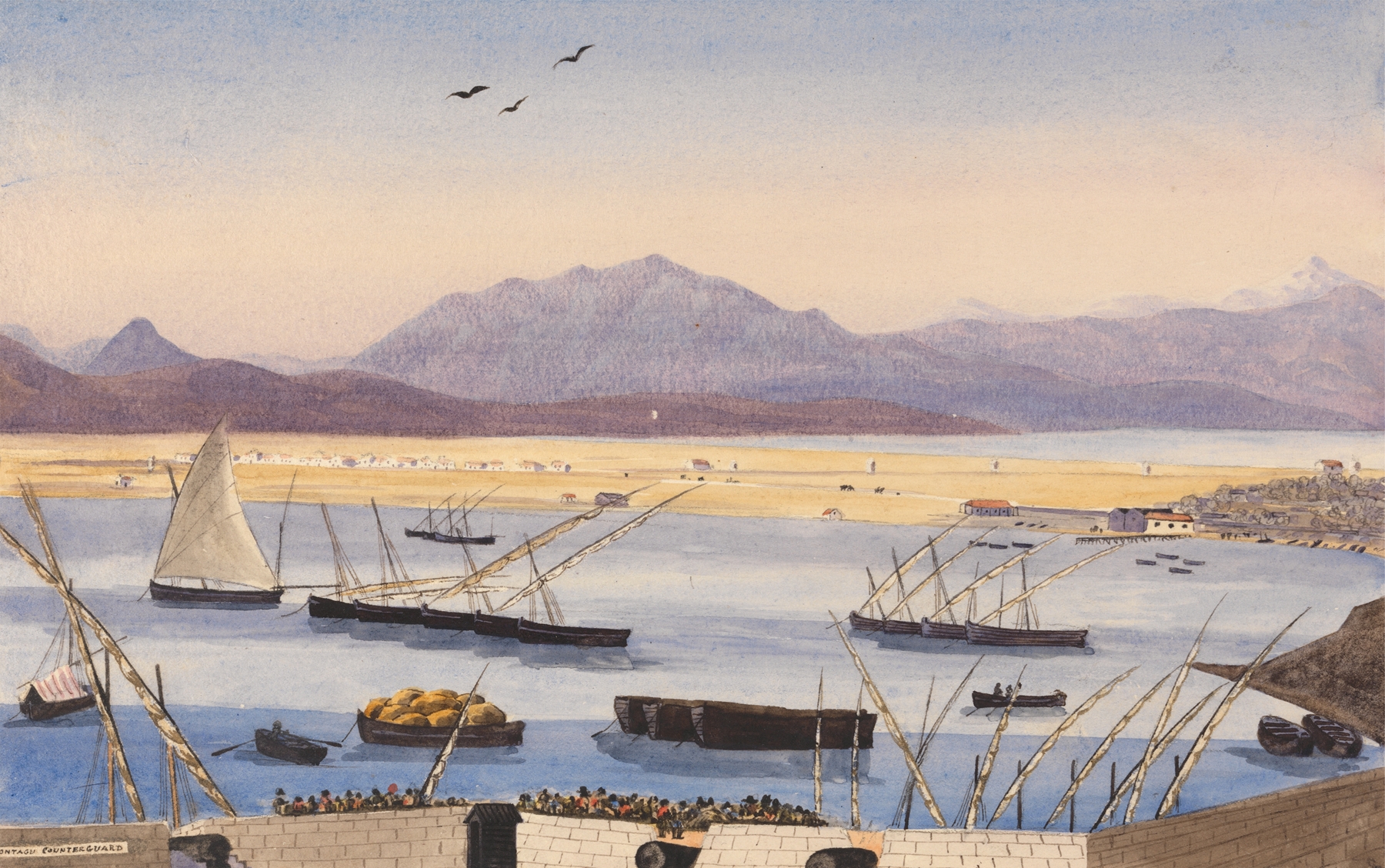
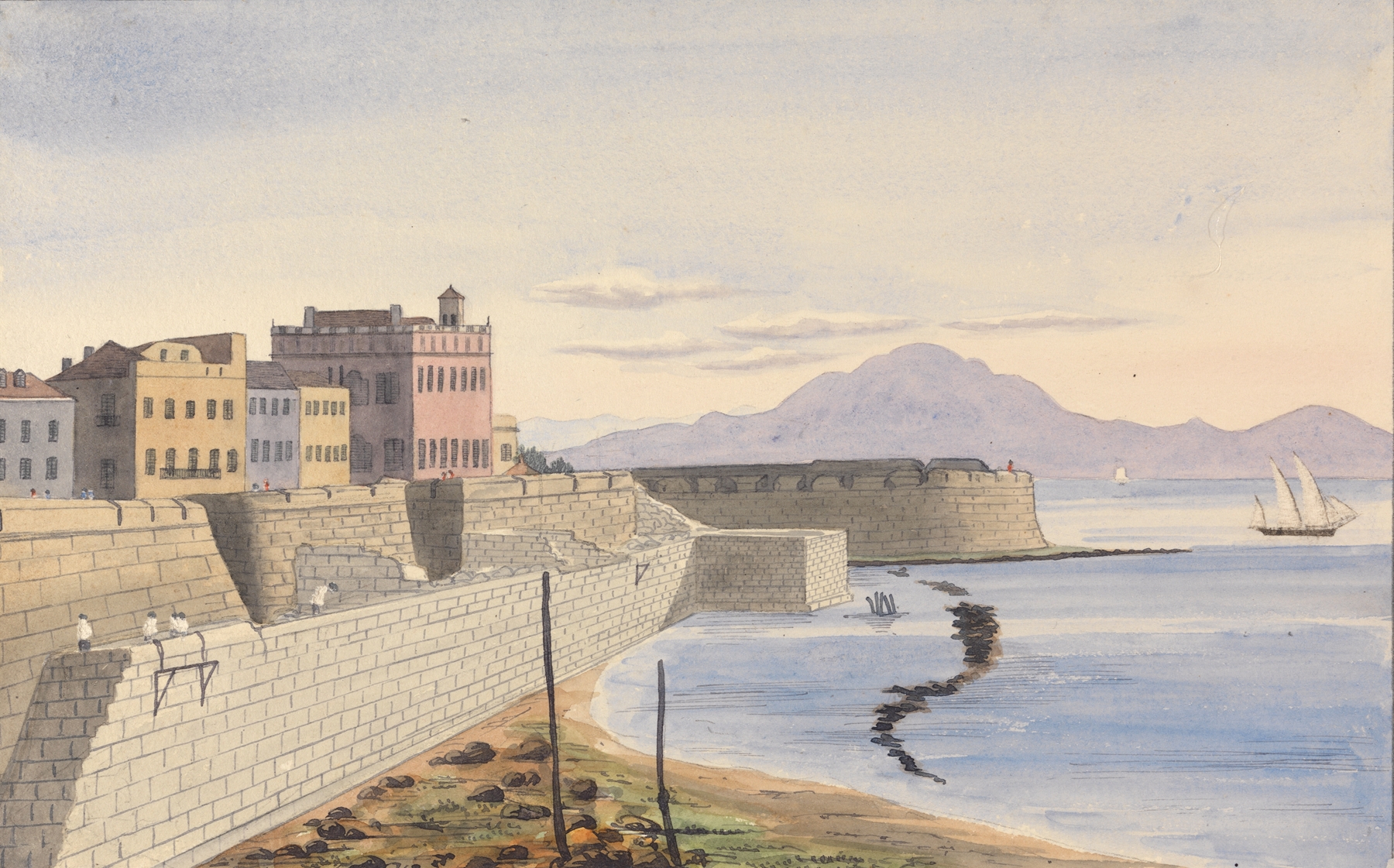
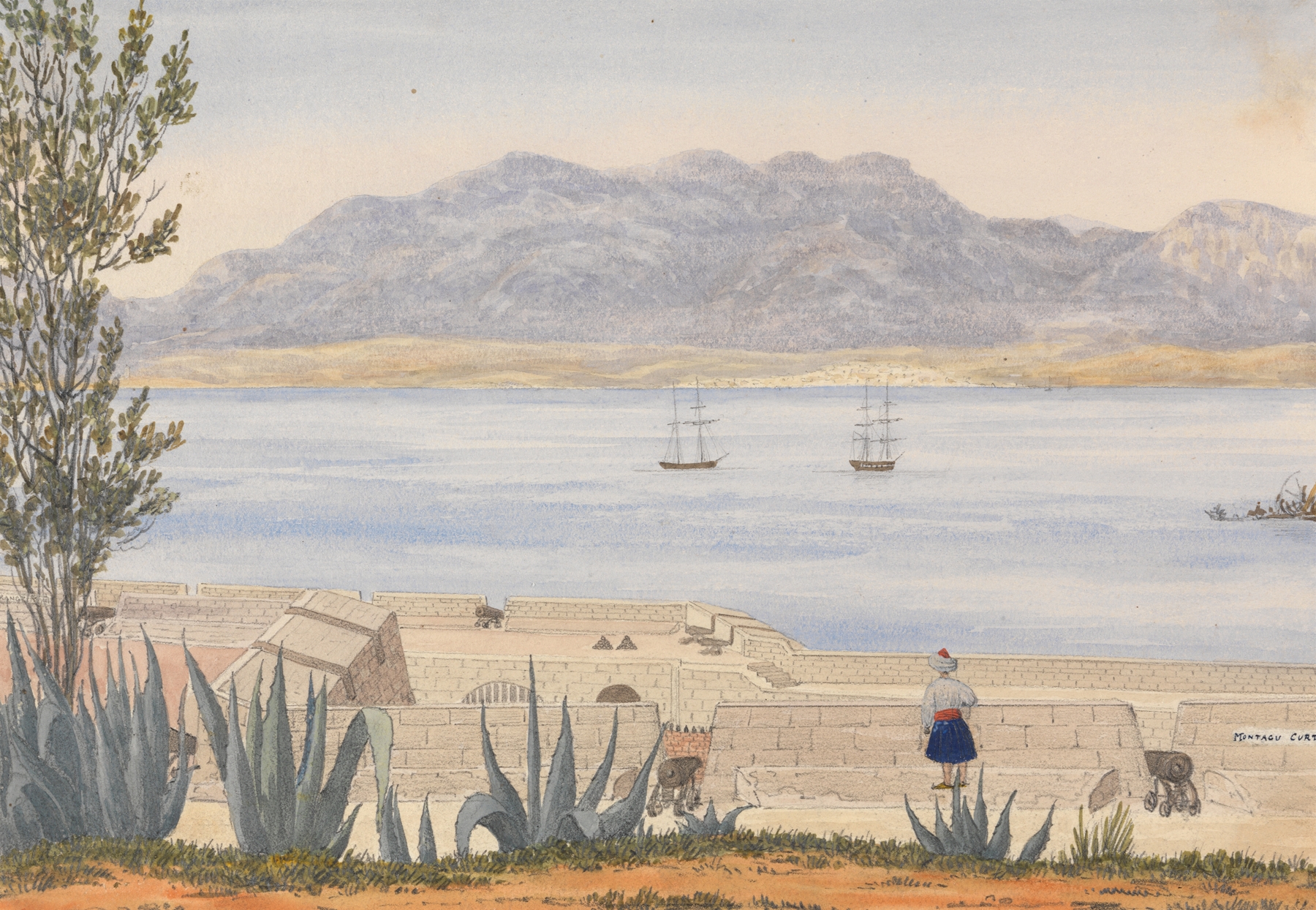
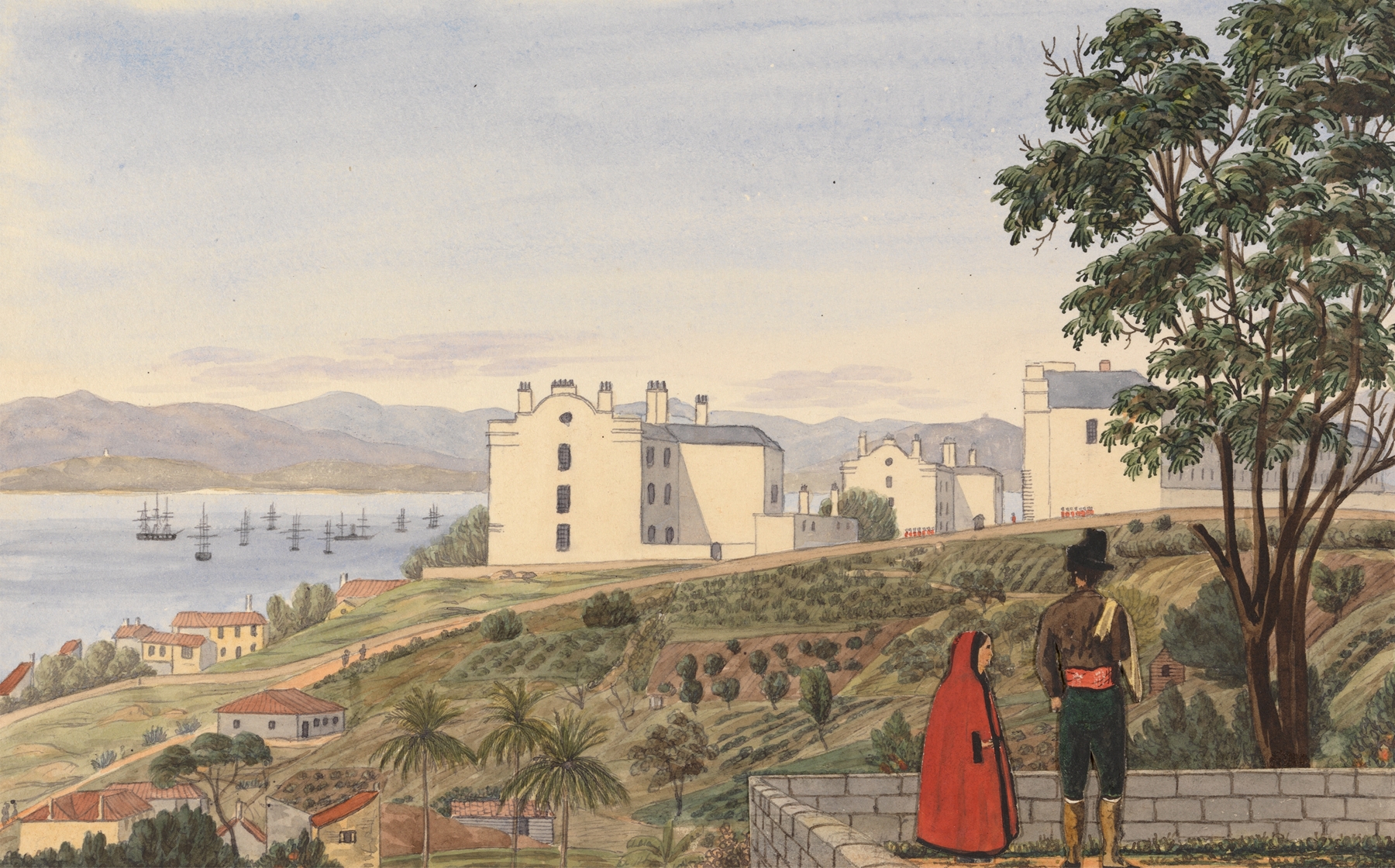
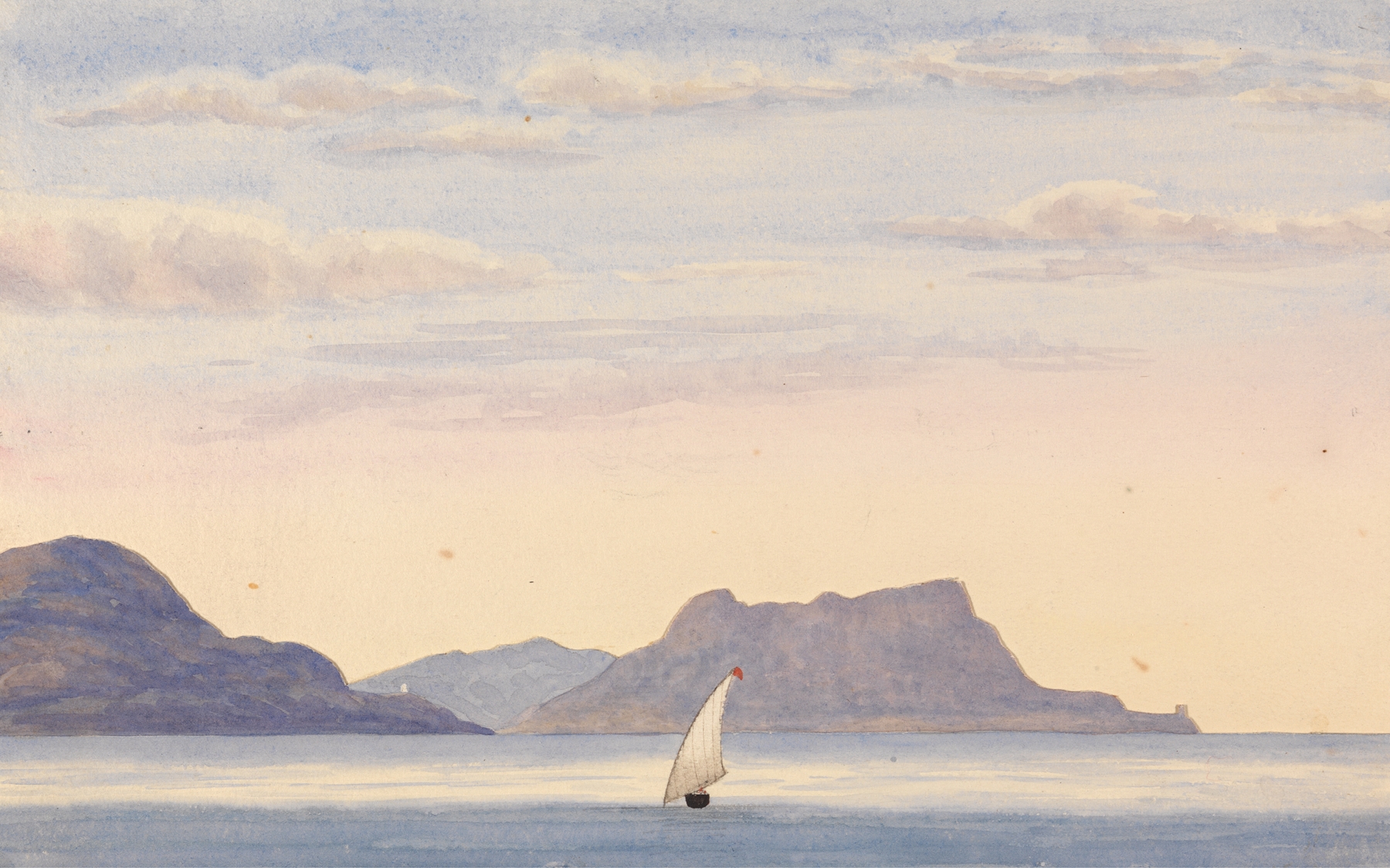
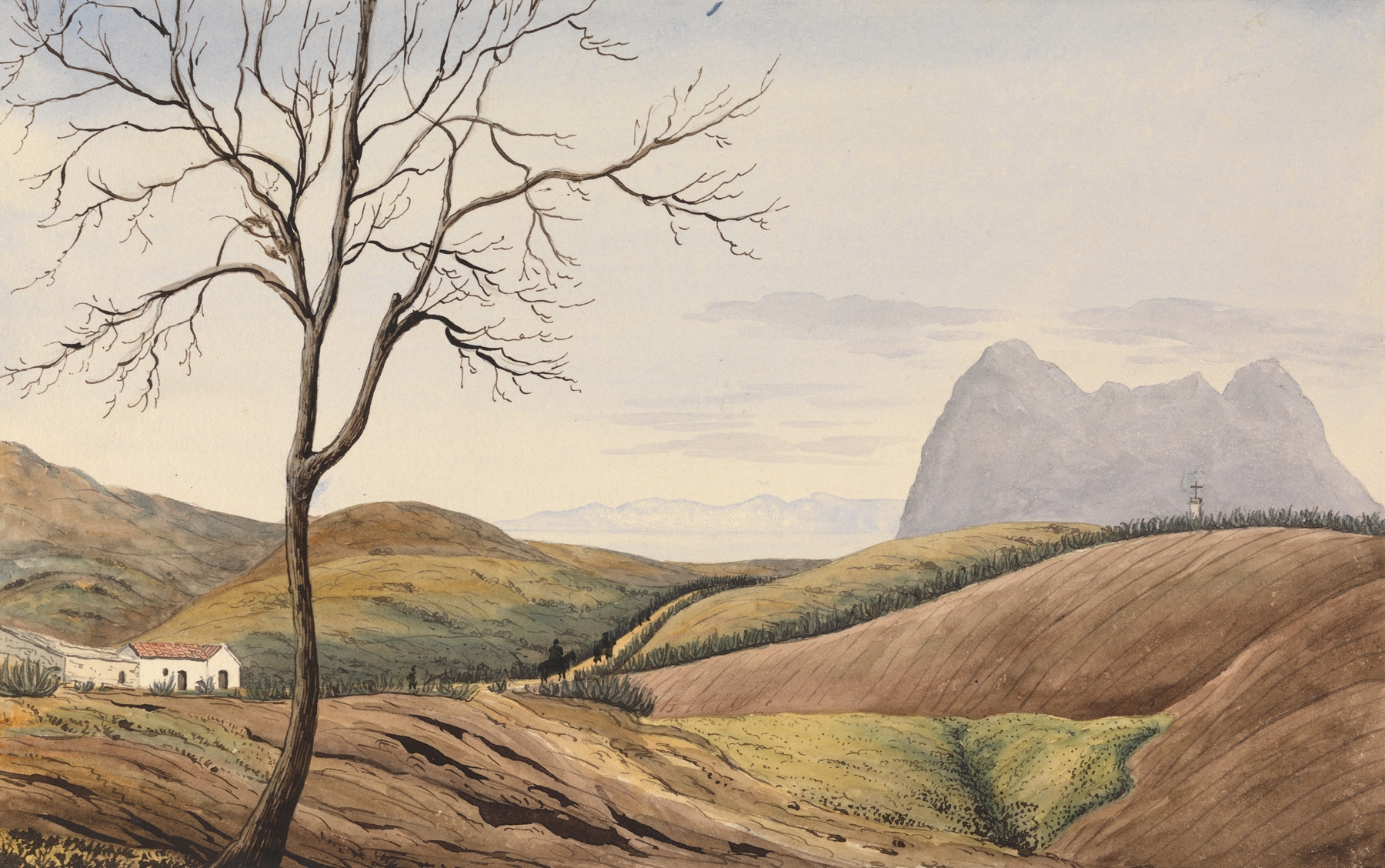
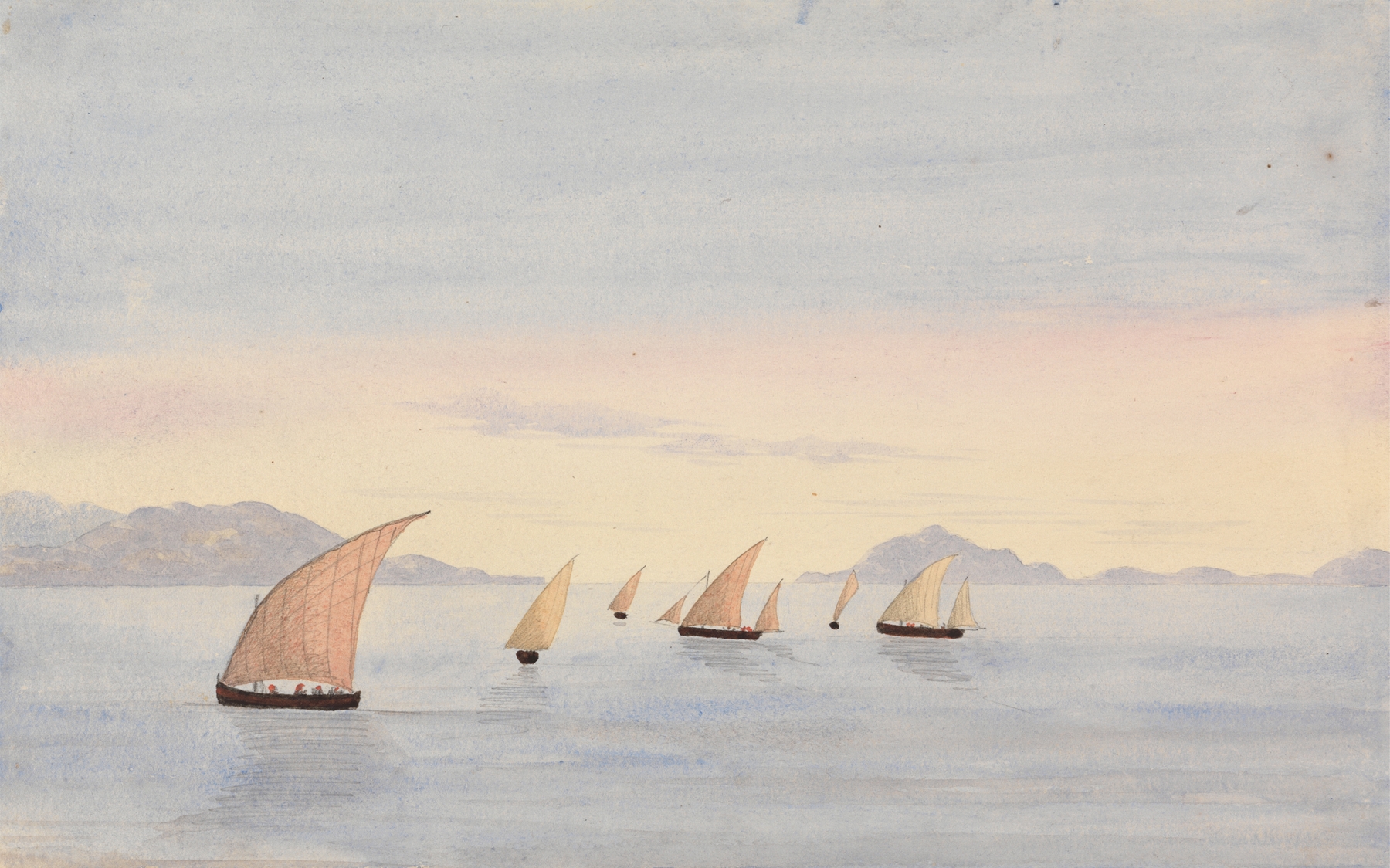
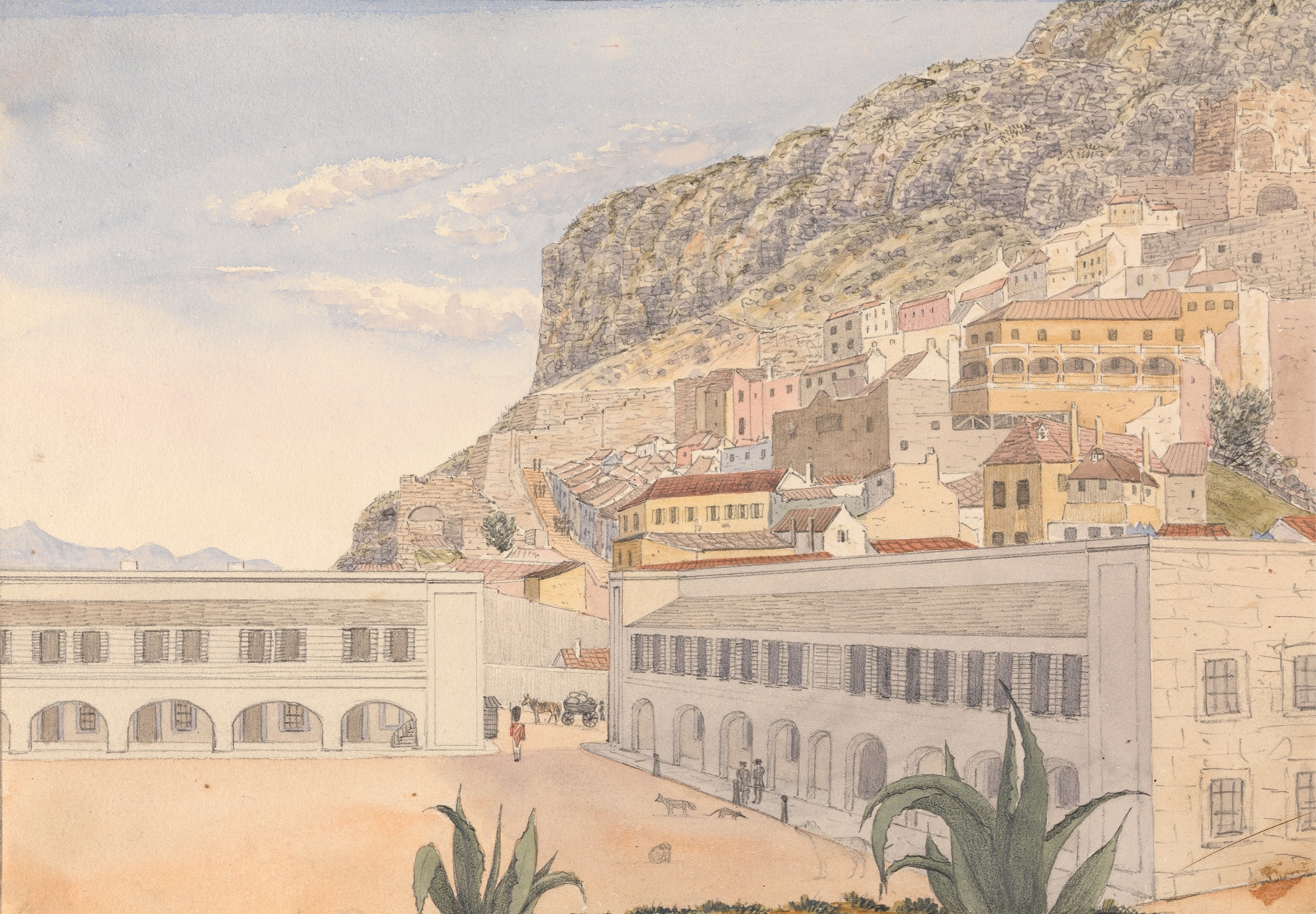
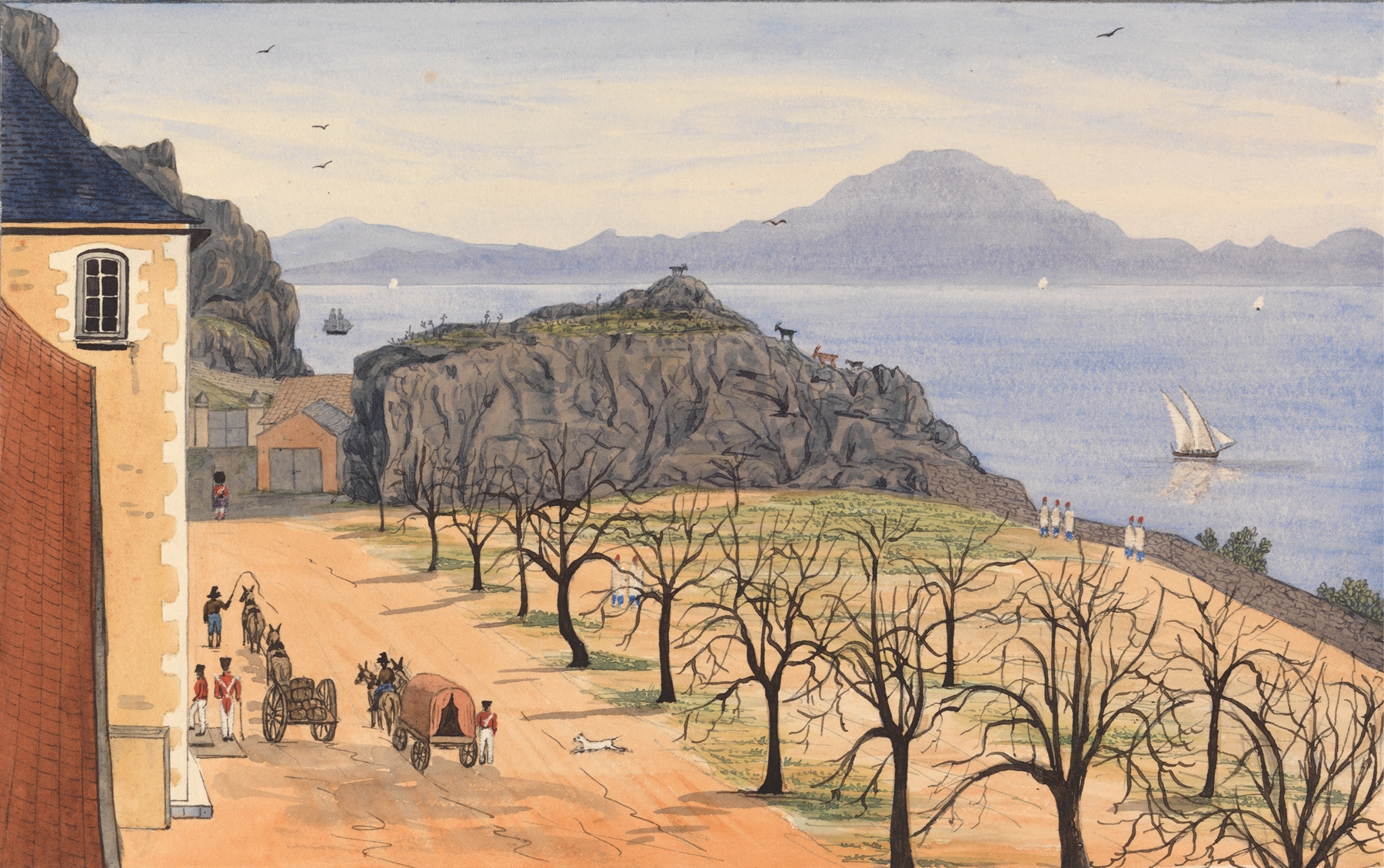
Could beauty survive in a century of chaos? A question that resonates through the stillness encapsulated in this serene landscape. In its silence, it speaks volumes about the enduring allure of nature amidst the tumult of human affairs. Look to the distant horizon, where the majestic Rock of Gibraltar rises, its rugged form contrasting with the soft, hazy sky. Notice how the muted palette of blues and greens envelops the canvas, evoking a sense of peace that almost feels tangible.
The brushstrokes are delicate yet purposeful, drawing your eye to the interplay of light on the water’s surface, shimmering with an ethereal quality. The gentle undulations of the landscape invite you to explore deeper while the quietude of the scene offers a moment of reflection. In the foreground, subtle details emerge: the quiet lapping of waves against the shore, the faint outline of a boat anchored in the distance, perhaps hinting at human presence yet emphasizing solitude. These elements are juxtaposed with the formidable Gibraltar, symbolizing strength and resilience against the backdrop of an ever-changing world.
This contrast between serenity and power captures a profound emotional tension, suggesting that even in stillness, life persists, grappling with its contradictions. George Lothian Hall painted this landscape in 1843, a period marked by significant transformation both in personal life and the art world. Living in England, he sought to express the beauty of nature while navigating the shifts of Romanticism. His works often highlight the tension between man and nature, a theme that resonates in this quiet yet powerful representation of a timeless scene.