The King’s Bastion, the Club House Hotel, Gibraltar — History & Analysis
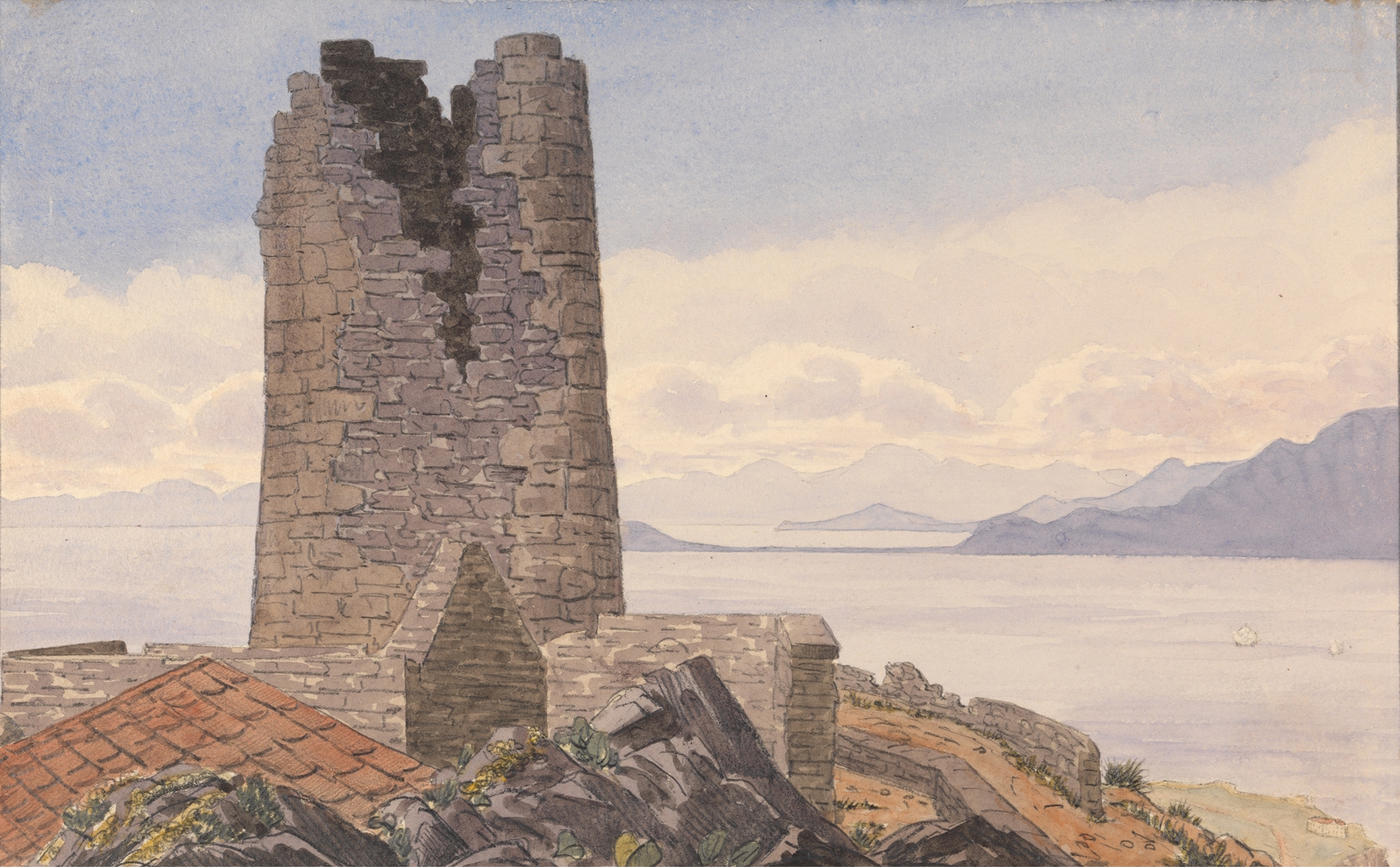
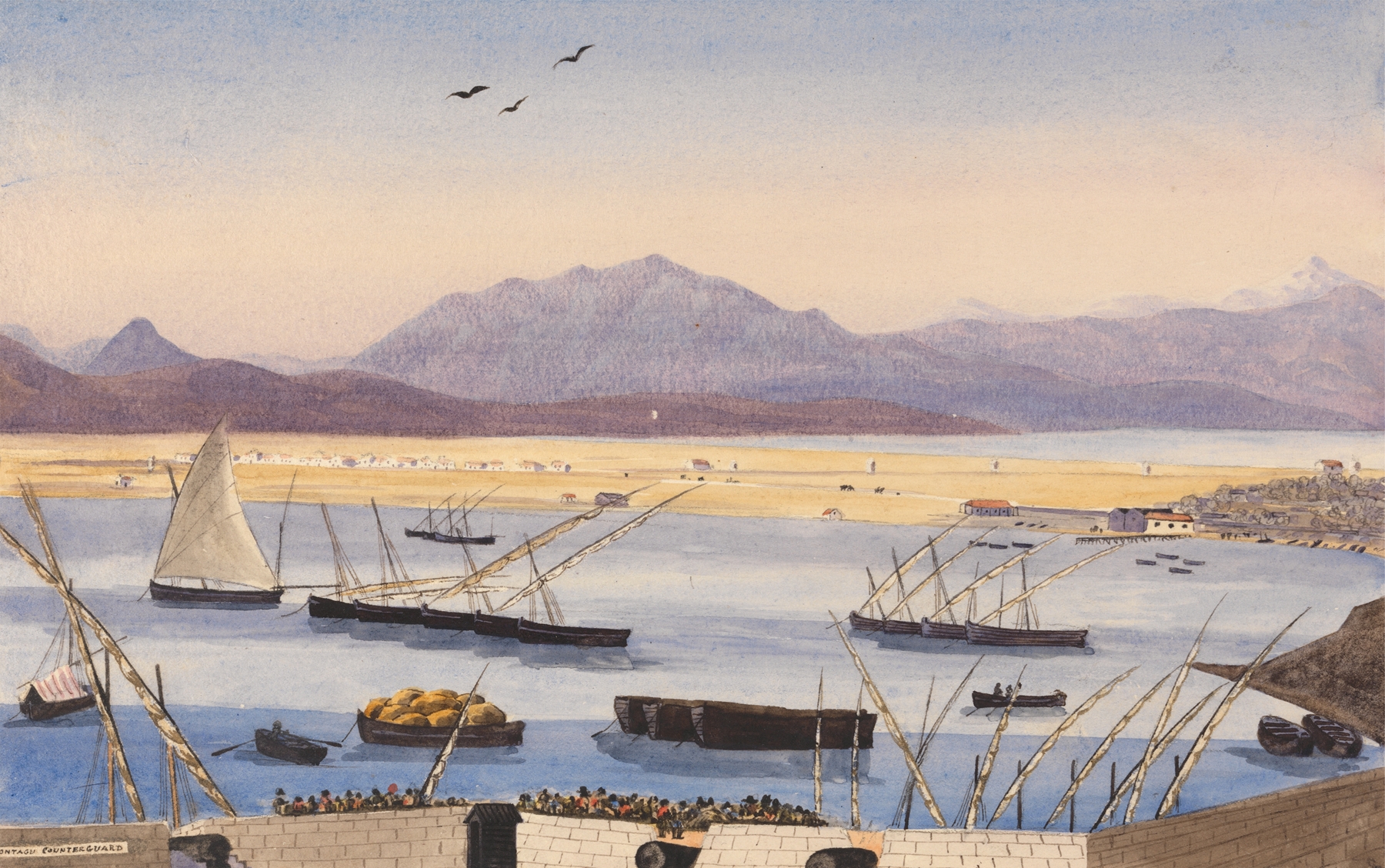
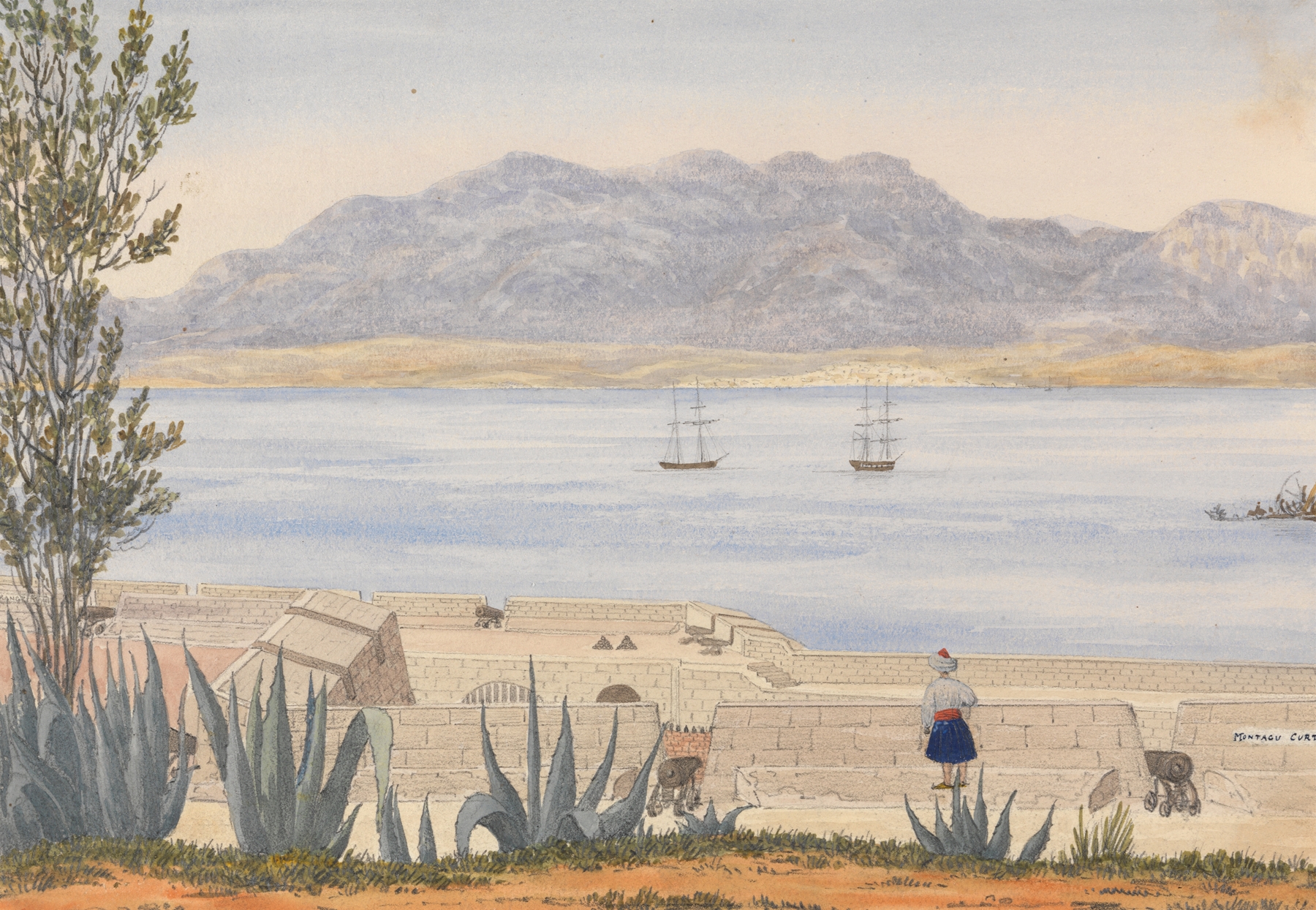
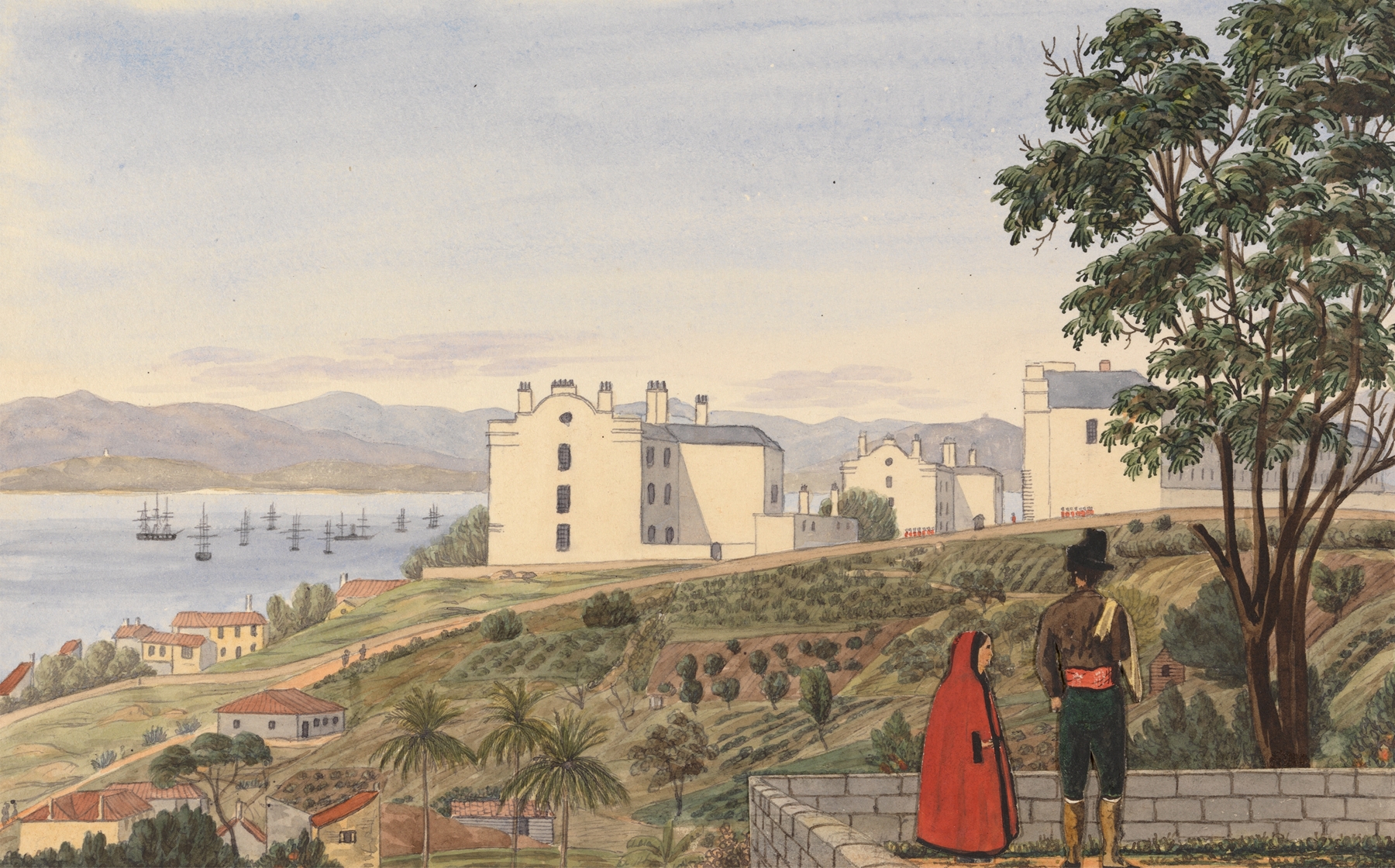
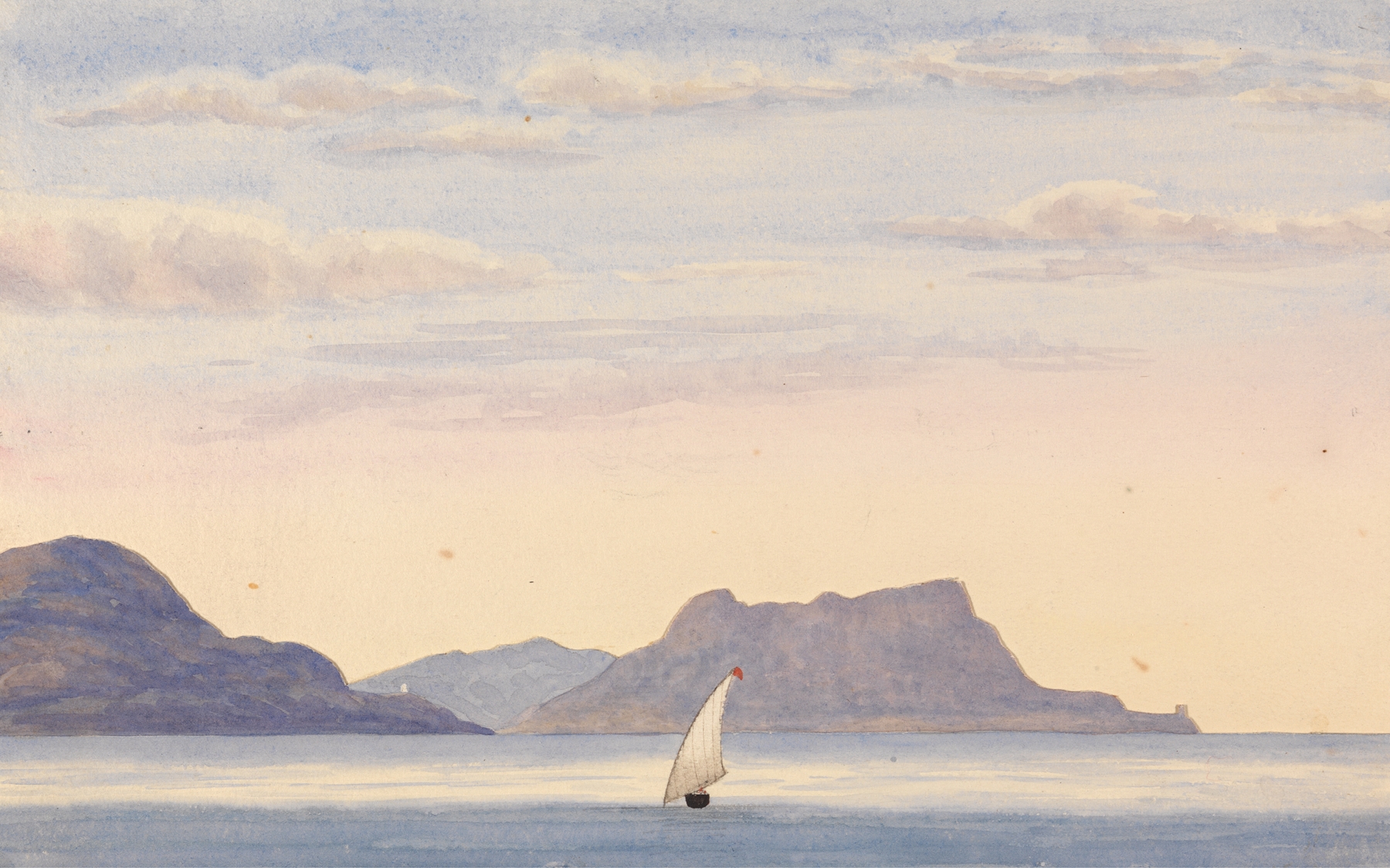
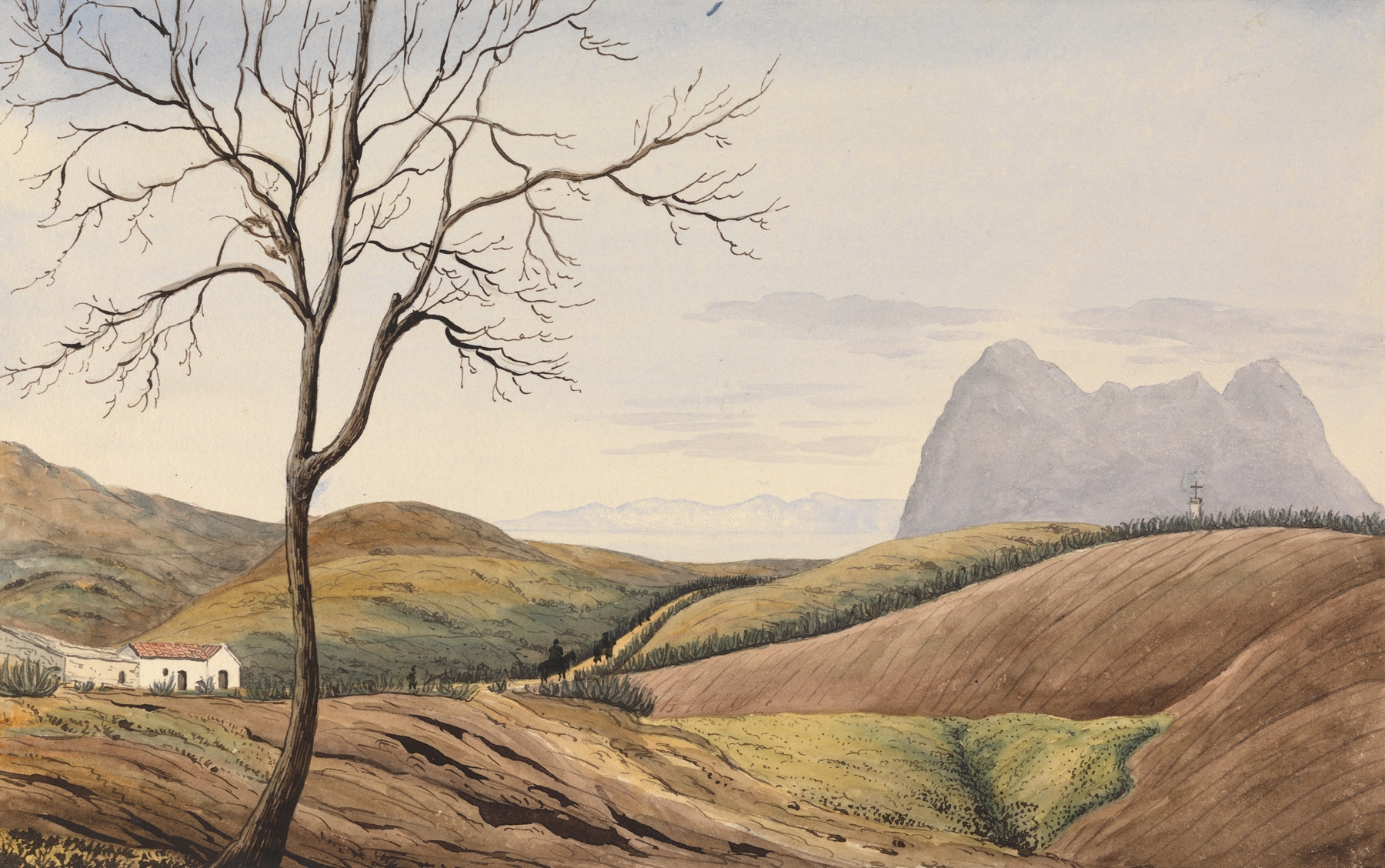
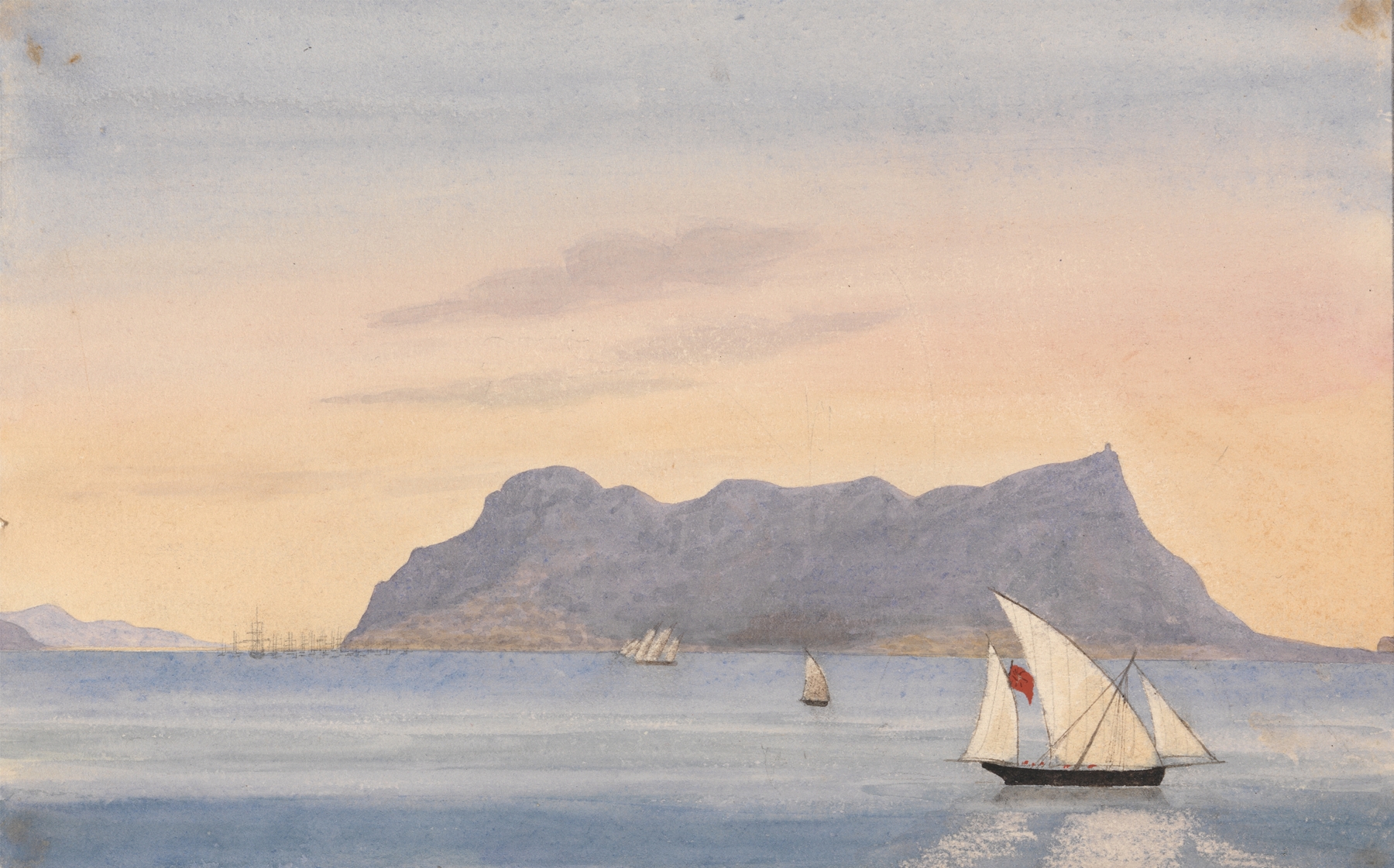
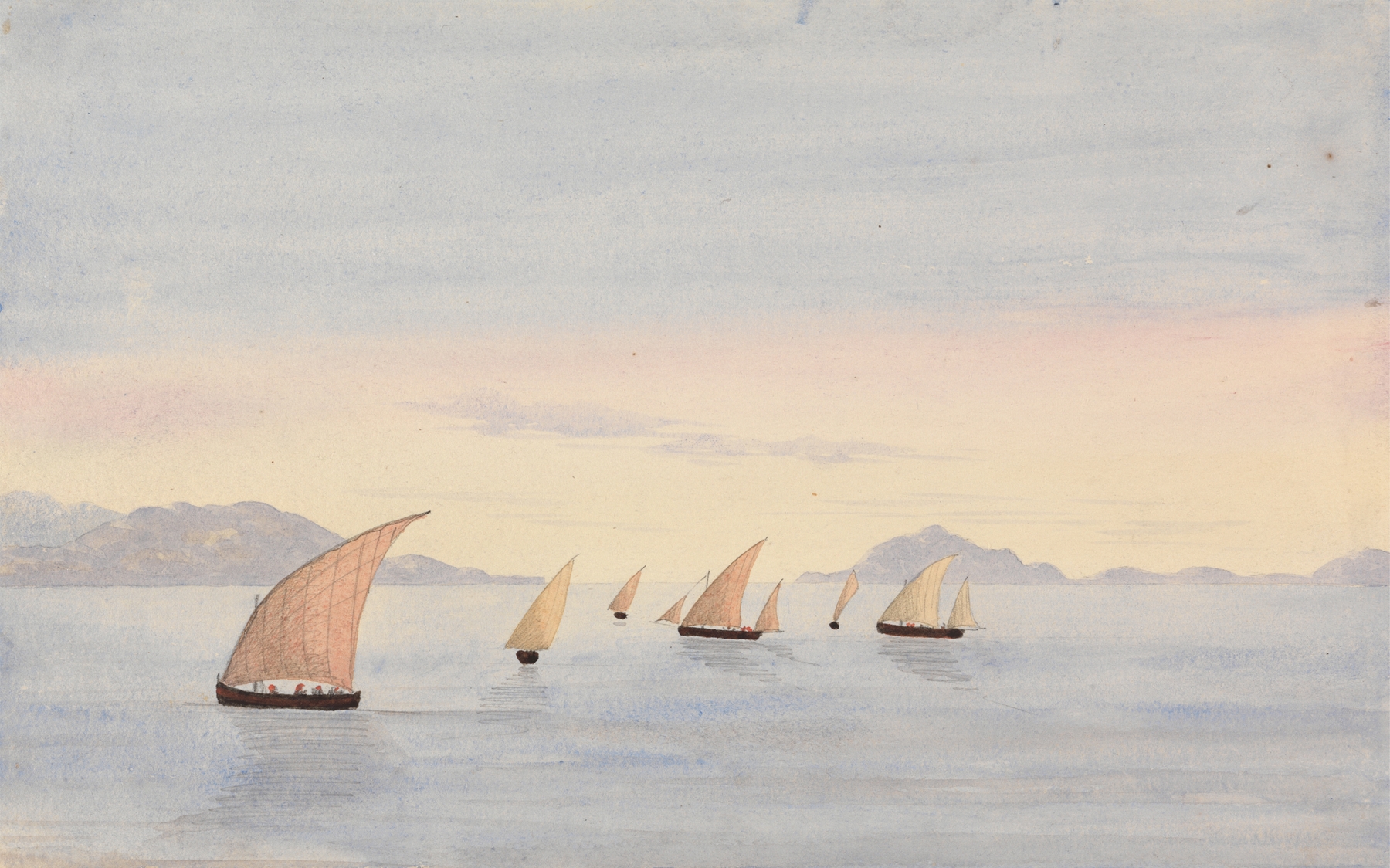
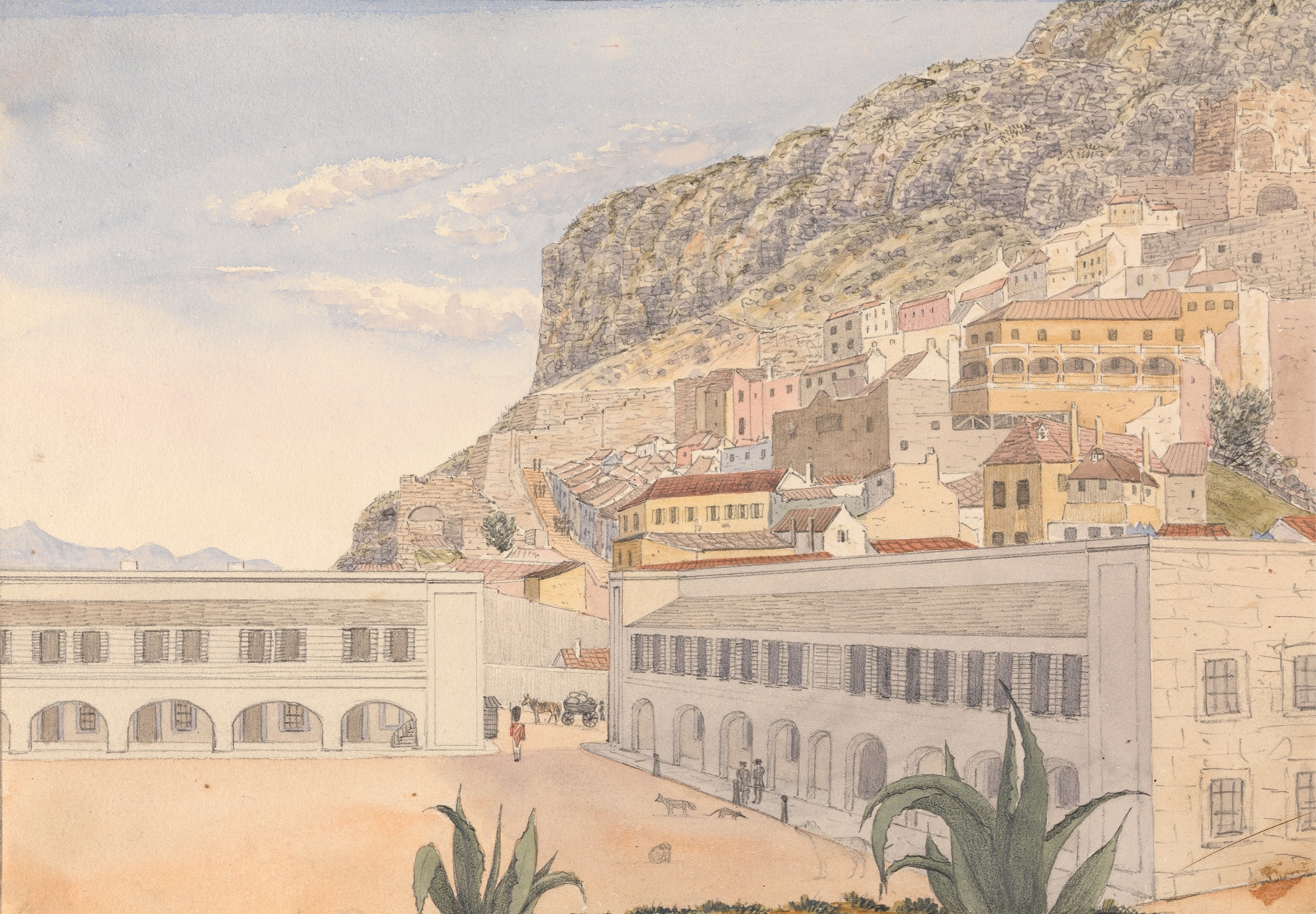
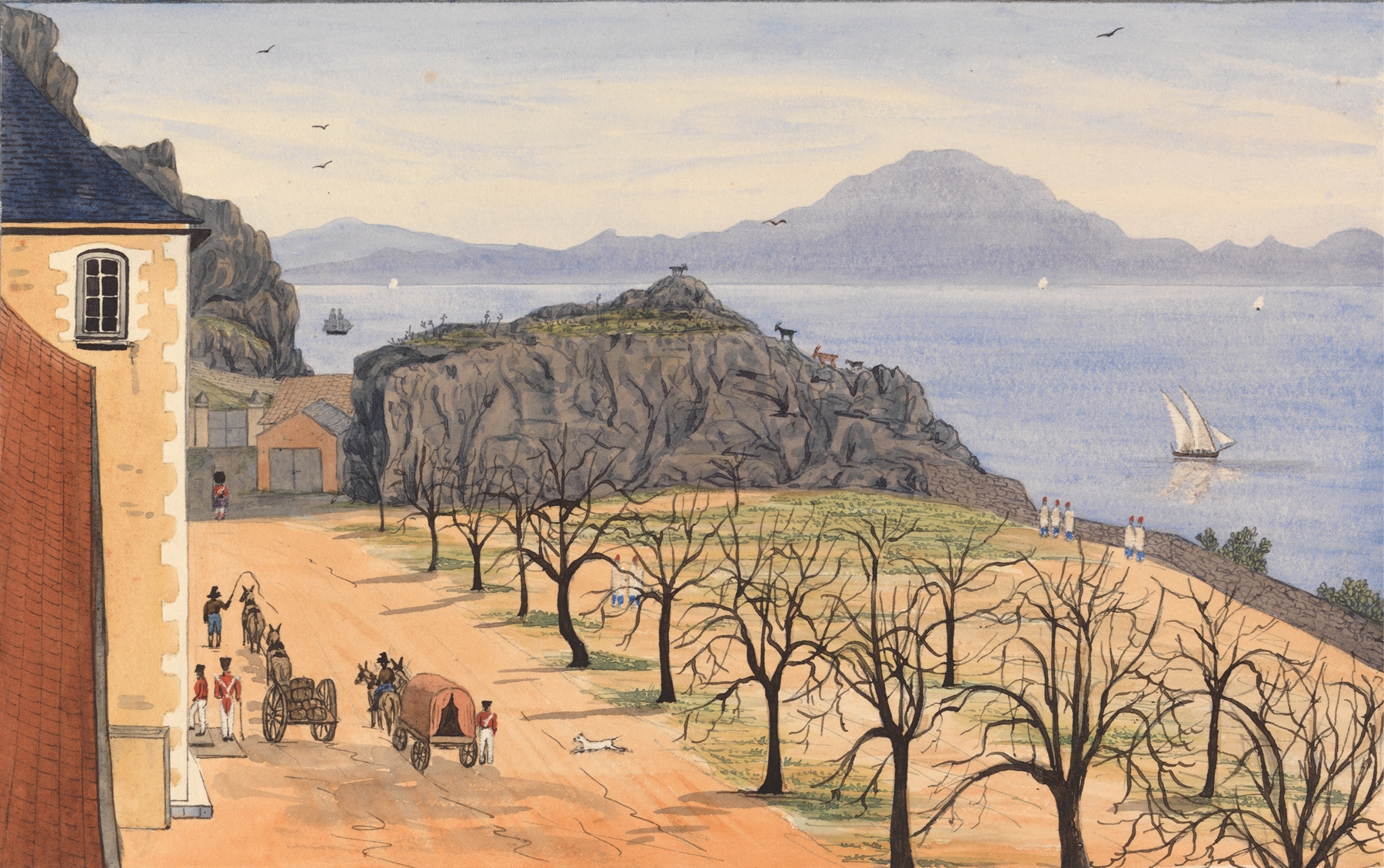
Did the painter know this moment would outlive them? In The King’s Bastion, the Club House Hotel, Gibraltar, legacy intertwines with the fleeting essence of time, capturing a world that whispers of history and grandeur. Look to the left at the imposing bastion, its weathered stones bathed in a soft, golden light. The artist's brushwork reveals a meticulous attention to architectural detail, inviting the eye to trace the contours of its ancient walls. Notice how the interplay of light and shadows creates a sense of depth, contrasting the solidity of the bastion with the delicate clouds above, lending an ethereal quality to the scene.
The inviting facade of the Club House Hotel draws your gaze toward a gathering of figures, their presence hinting at both leisure and historical significance. Yet beneath this serene exterior lies a narrative of resilience and change. The bastion, a remnant of military might, stands sentinel over the vibrant life of the hotel, suggesting a dialogue between the past and present. The distant horizon, painted in muted blues and soft whites, evokes a sense of longing, as if history itself is a character, quietly observing the modern world unfold.
The juxtaposition of the robust structure and the gentle human activity hints at the complexity of legacy—how monumental events cast shadows over the simplicity of human experience. George Lothian Hall painted this work in 1844, during a period of artistic exploration in Britain. Having settled in Gibraltar, he was inspired by the unique confluence of European and Mediterranean cultures. This painting emerged at a time when Gibraltar’s strategic significance and picturesque vistas were being celebrated, marking a period that would influence both Hall's career and the trajectory of landscape painting.