Cabrita Point – Rock of Gibraltar — History & Analysis
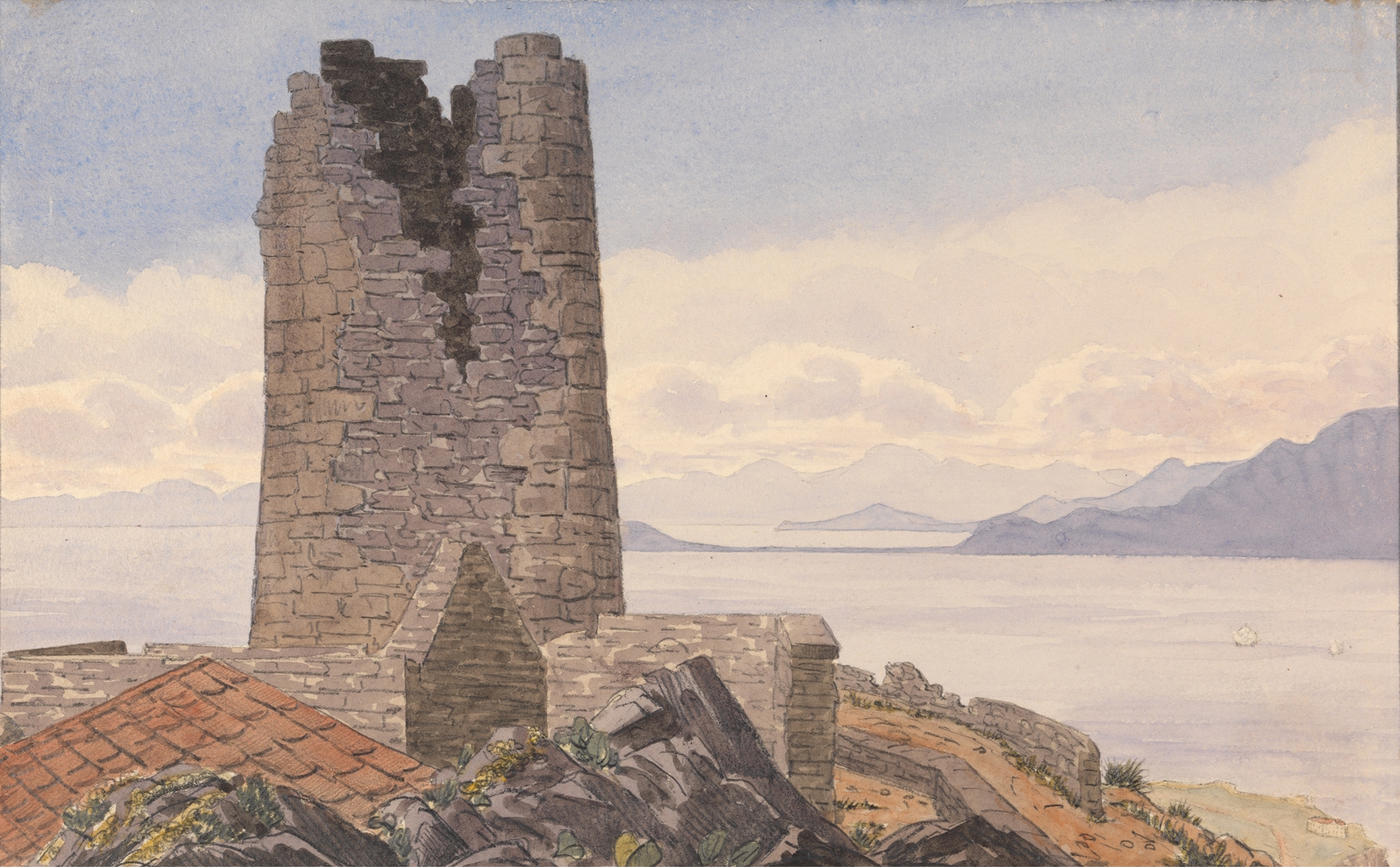
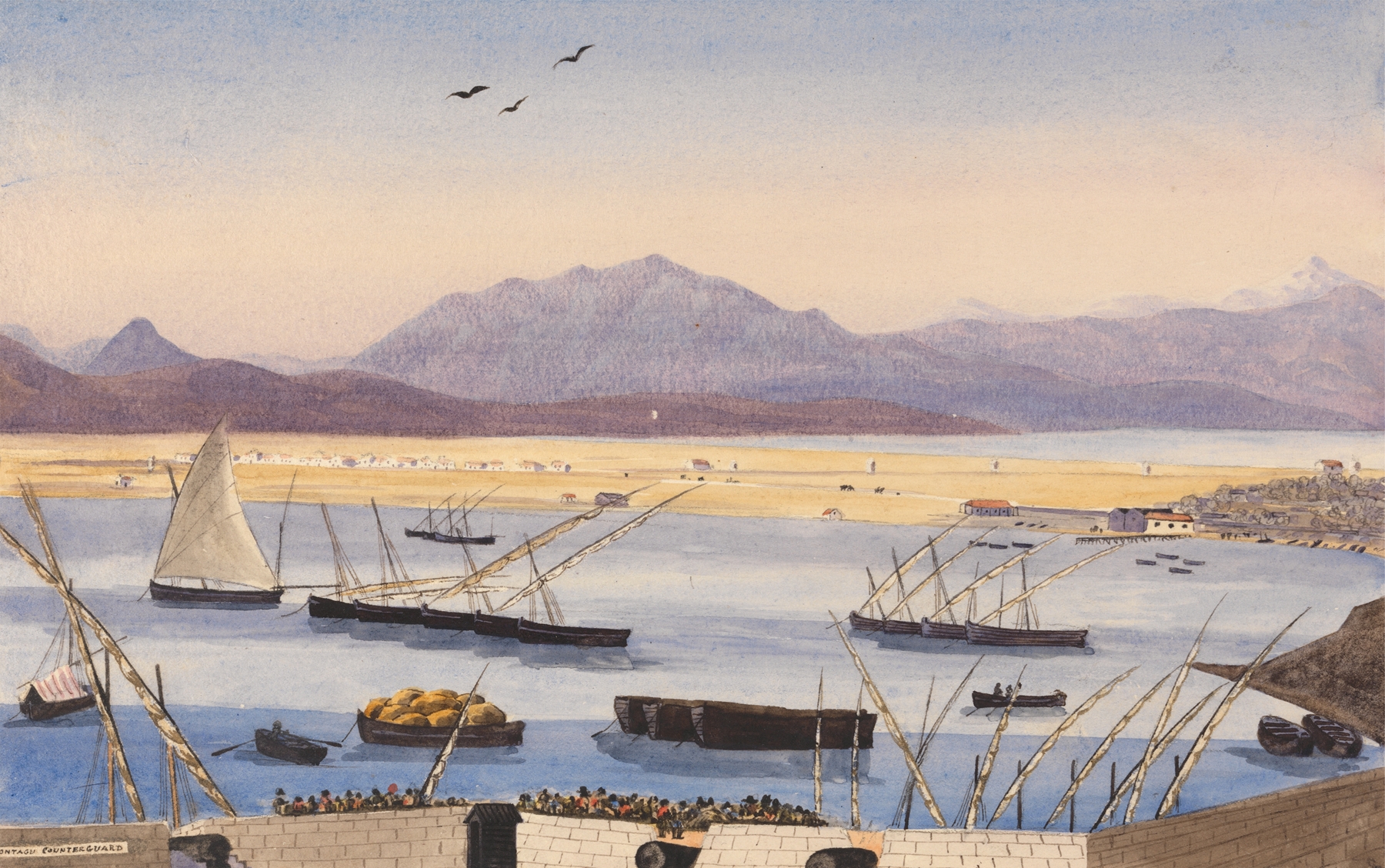
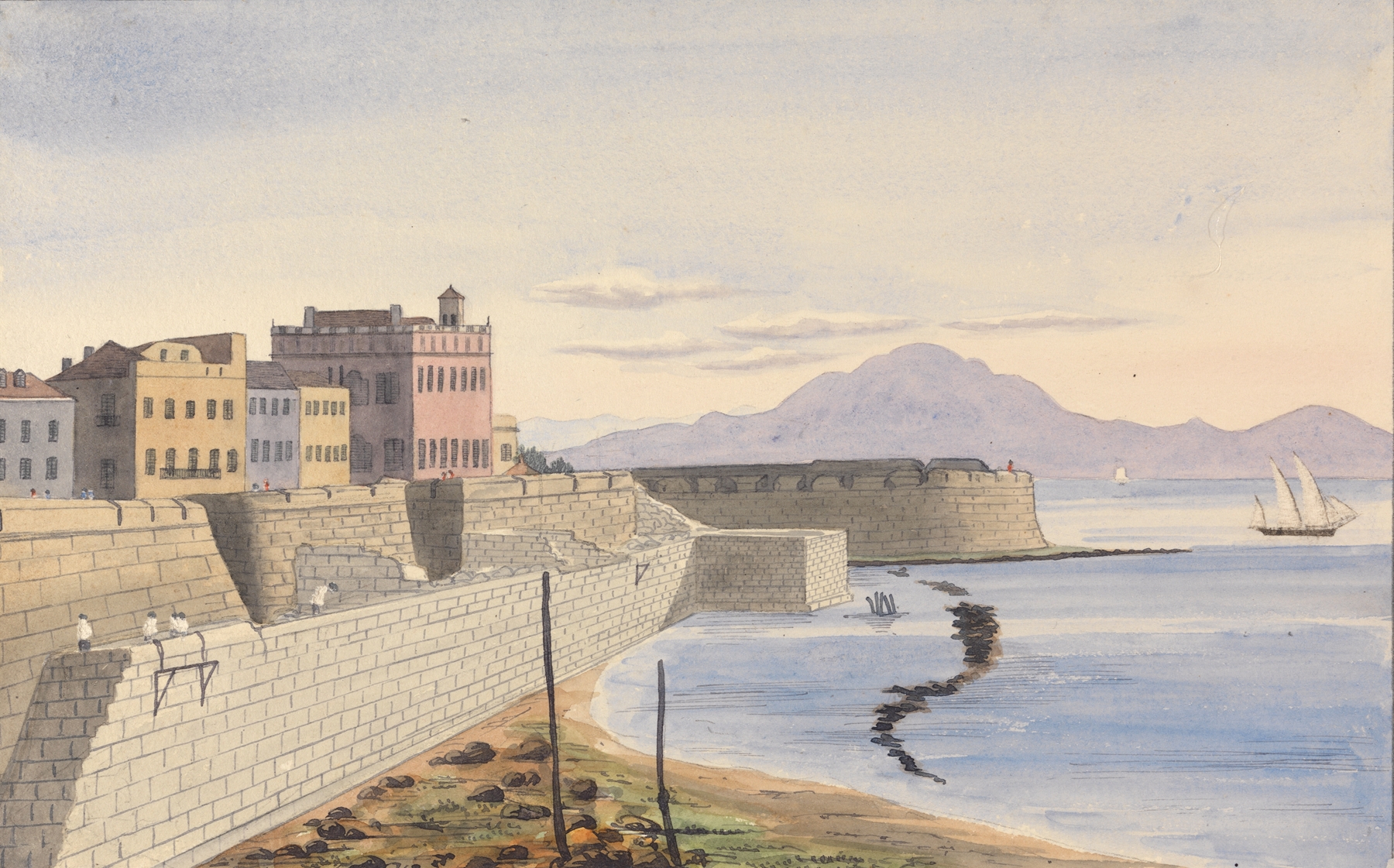
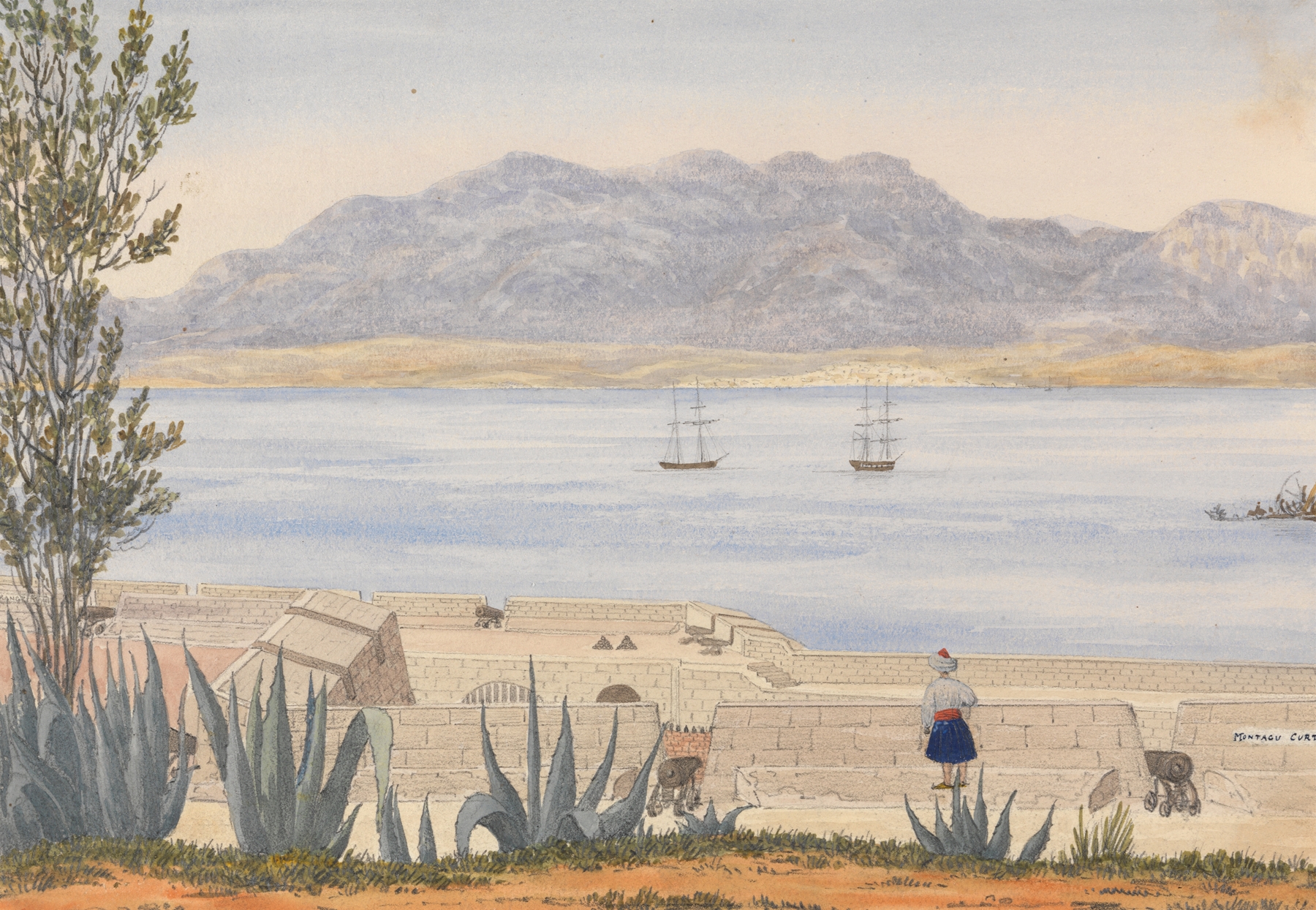
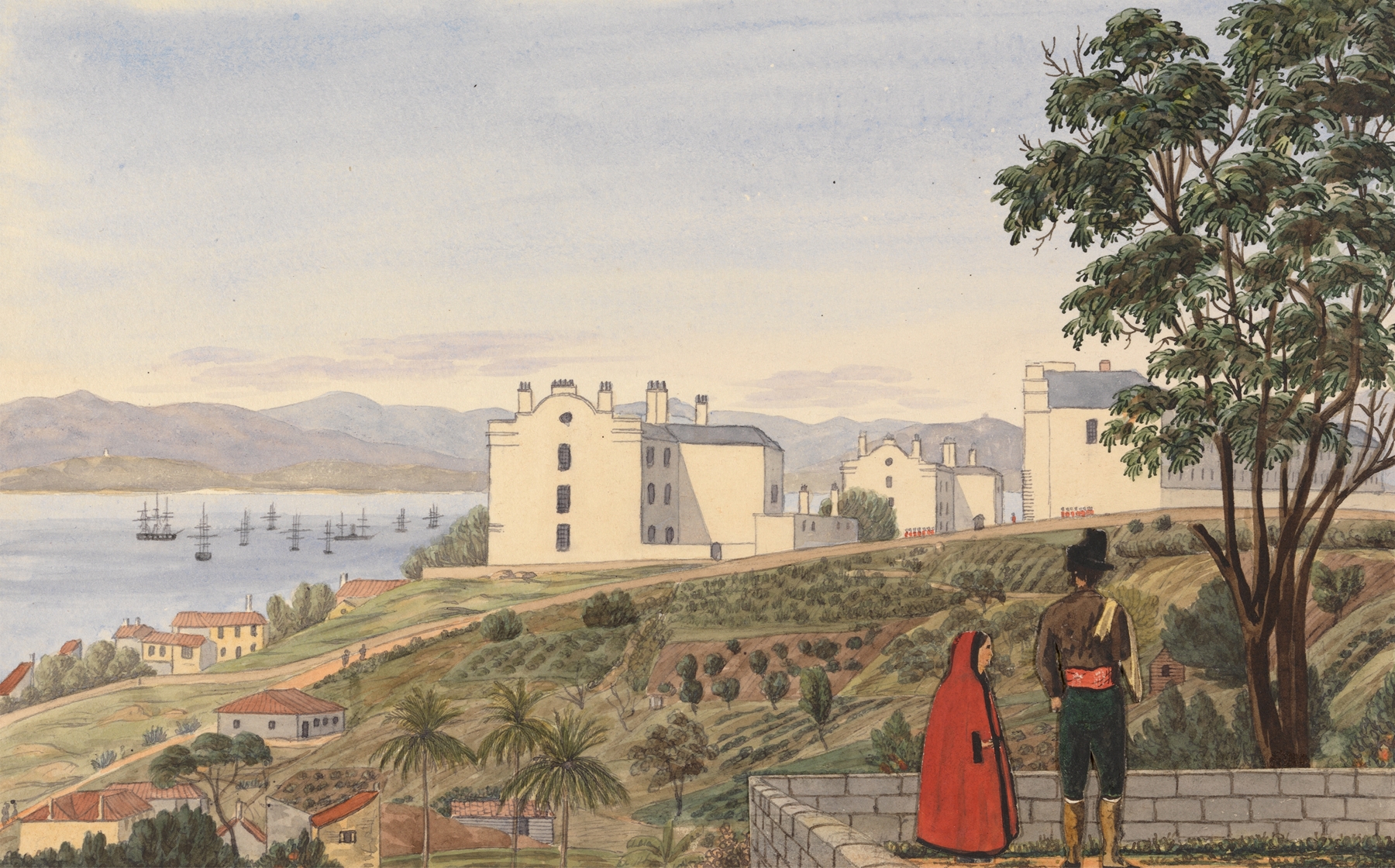
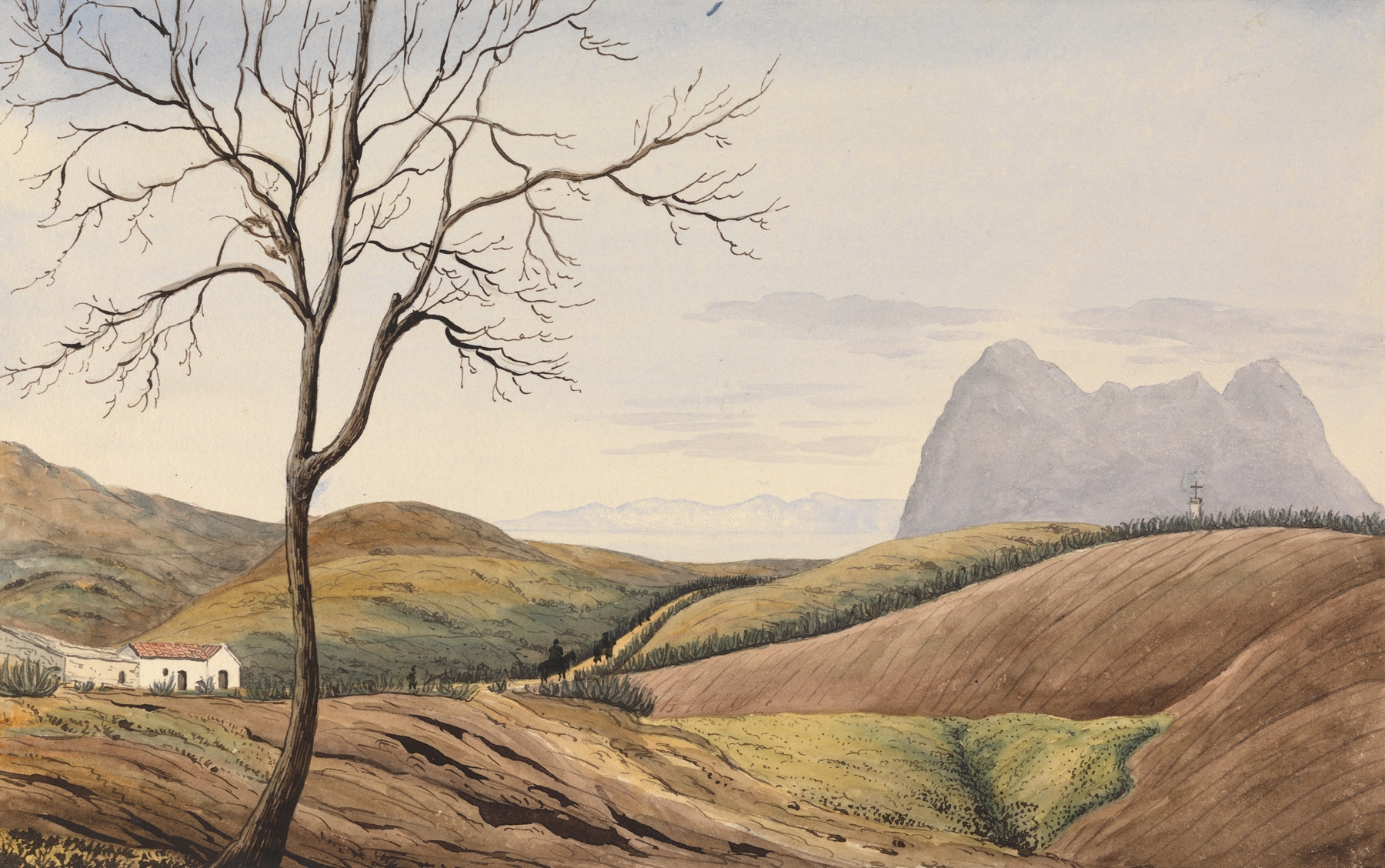
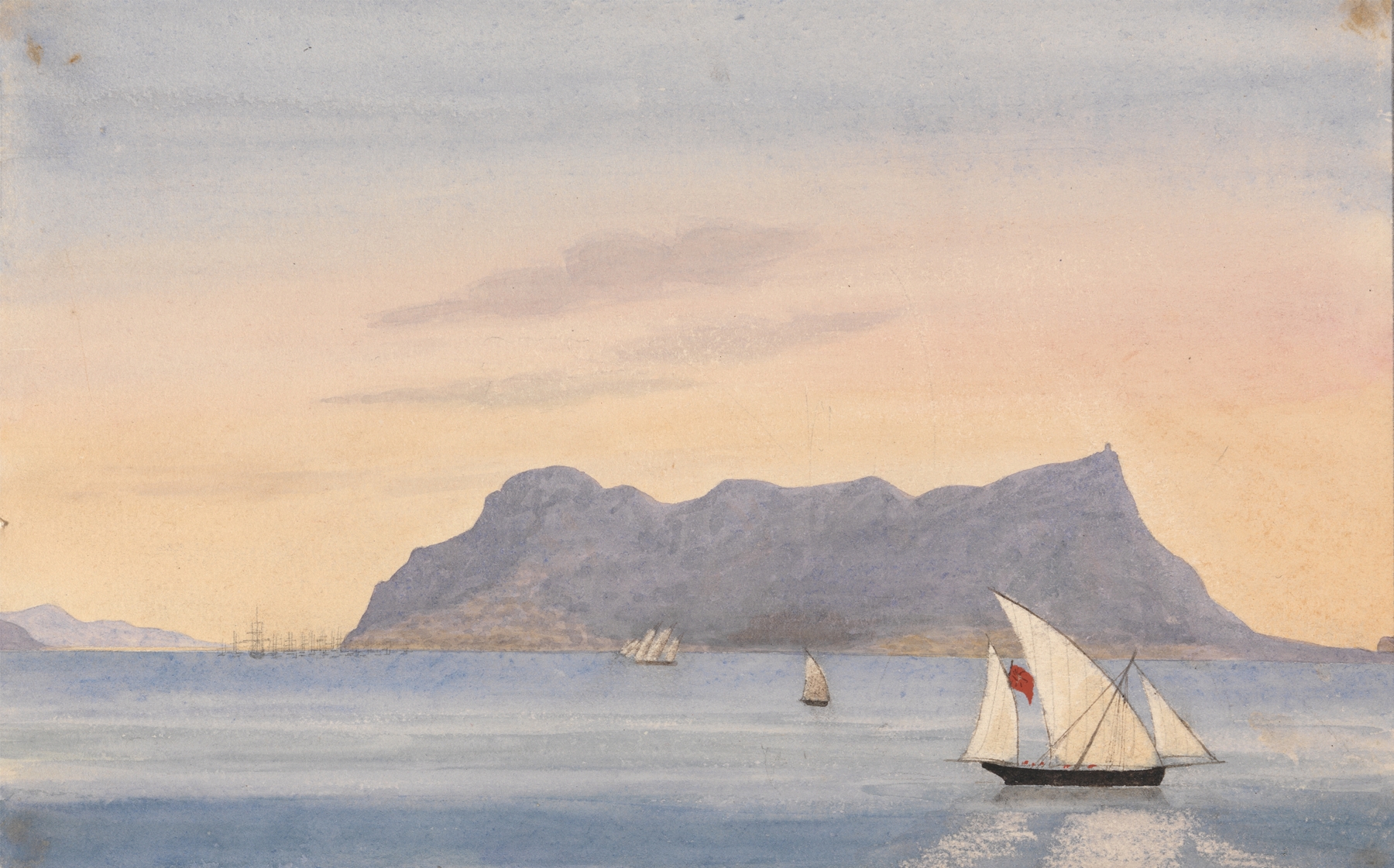
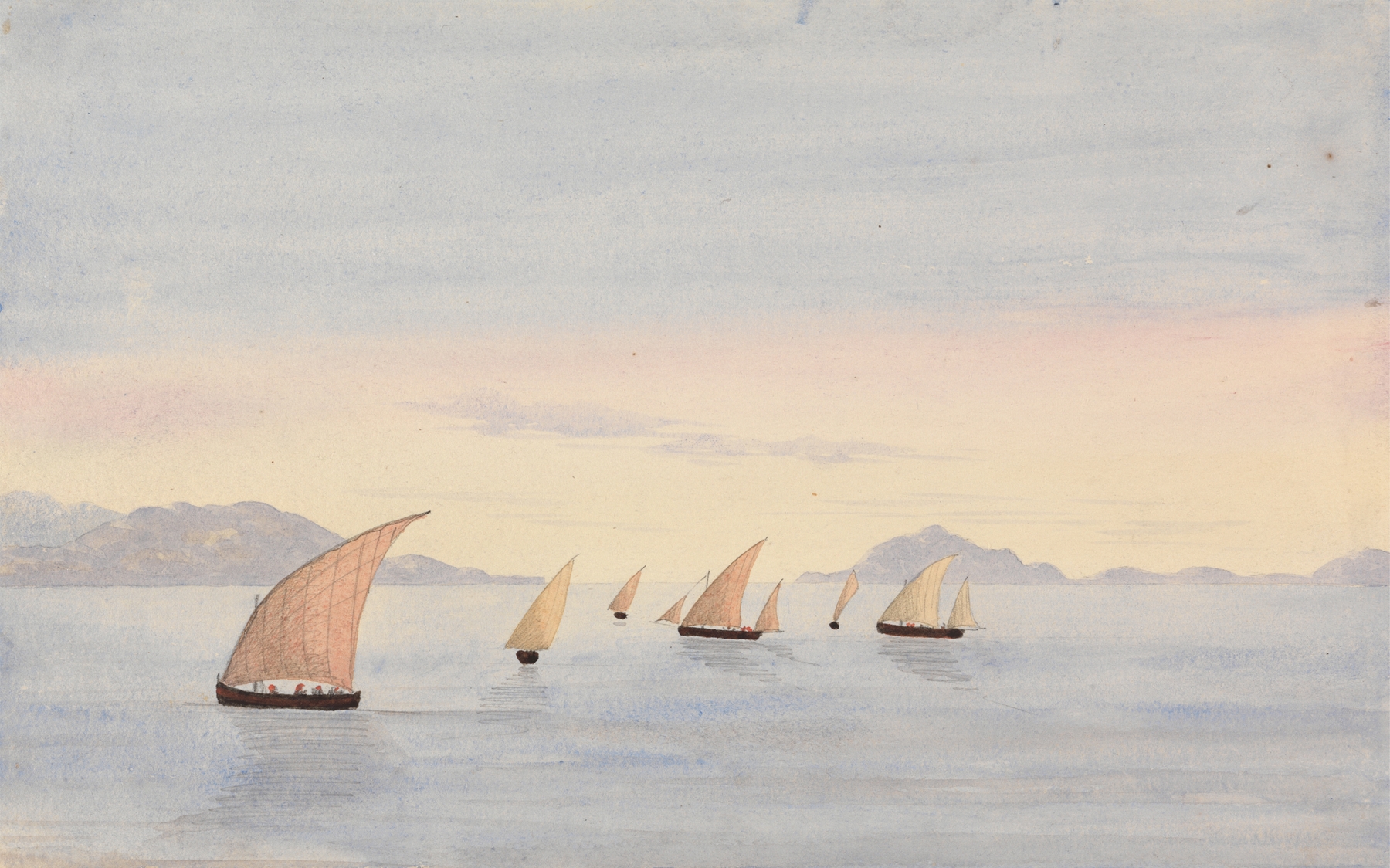
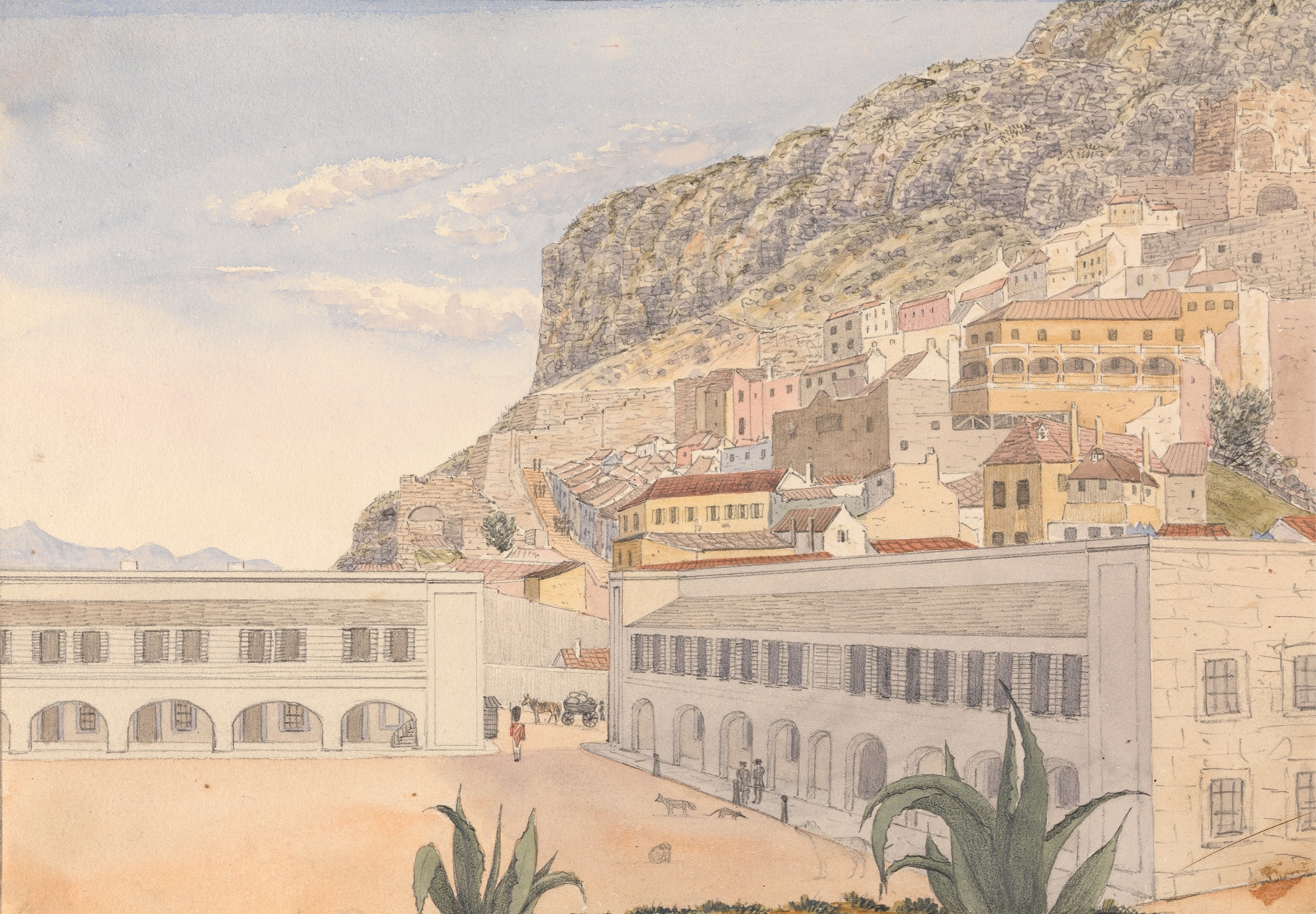
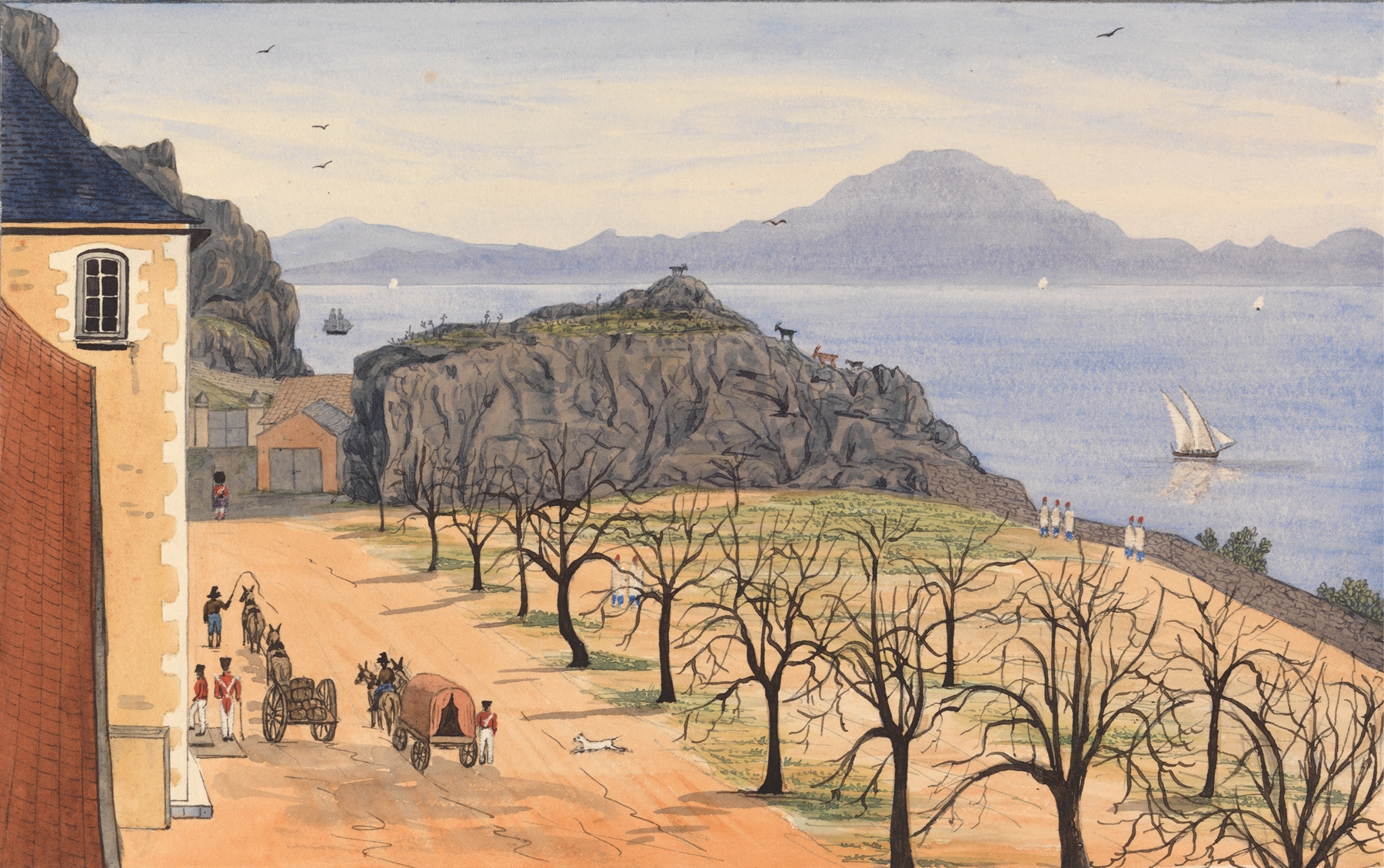
“Sometimes beauty is just pain, disguised in gold.” In the quiet stillness of a landscape, hope finds its way through the shadows of despair, illuminating even the darkest corners of existence. Look to the horizon, where the azure expanse of sky meets the rugged cliffs of Gibraltar, crowned with a warm glow that hints at a setting sun. The delicate strokes bring life to the rocky textures and the gentle waves lapping against the shore, drawing the viewer’s eye toward the interplay of light and shadow. The palette, rich with earthy tones, evokes a sense of nostalgia and longing, infusing the scene with a deep emotional resonance that invites contemplation.
Beneath its tranquil surface lies a profound tension—between permanence and transience, beauty and melancholy. The imposing rocks, steadfast against time’s relentless march, stand in stark contrast to the fluidity of the ocean, suggesting a battle between nature's might and the fragility of life. This emotional duality reflects the artist’s mastery in capturing not just a place, but also the complex feelings evoked by it, forcing us to confront the underlying currents of hope woven through strife.
George Lothian Hall painted this piece in 1843, during a time when the Romantic movement was flourishing across Europe. Living in England, he infused his landscapes with an emotive depth that resonated with the era's quest for finding beauty in nature amidst the industrial changes of the time. As he stood before the majestic Rock of Gibraltar, Hall not only captured the physical landscape but also the zeitgeist of an age grappling with its own complexities.