On the Hudson — History & Analysis
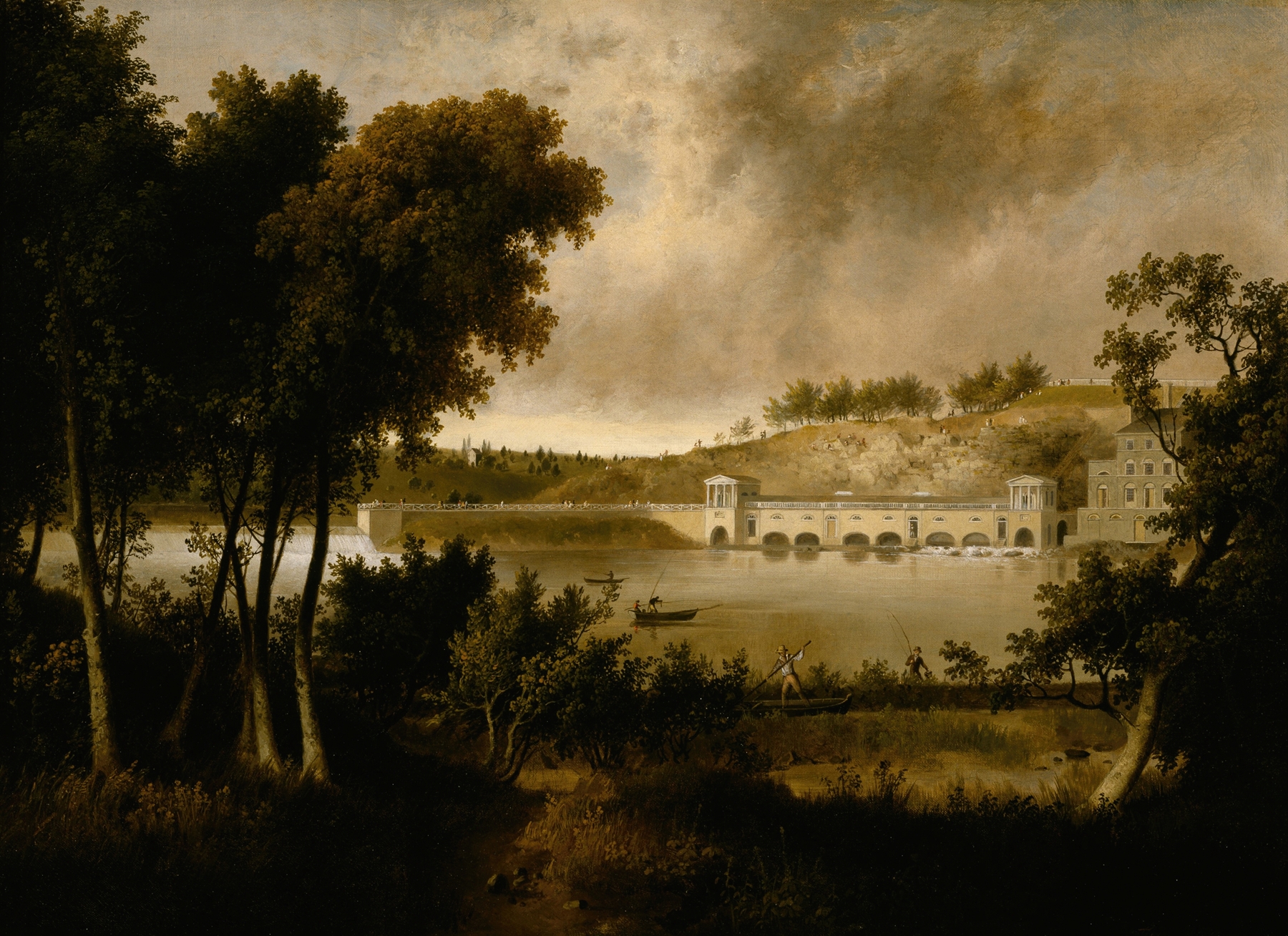
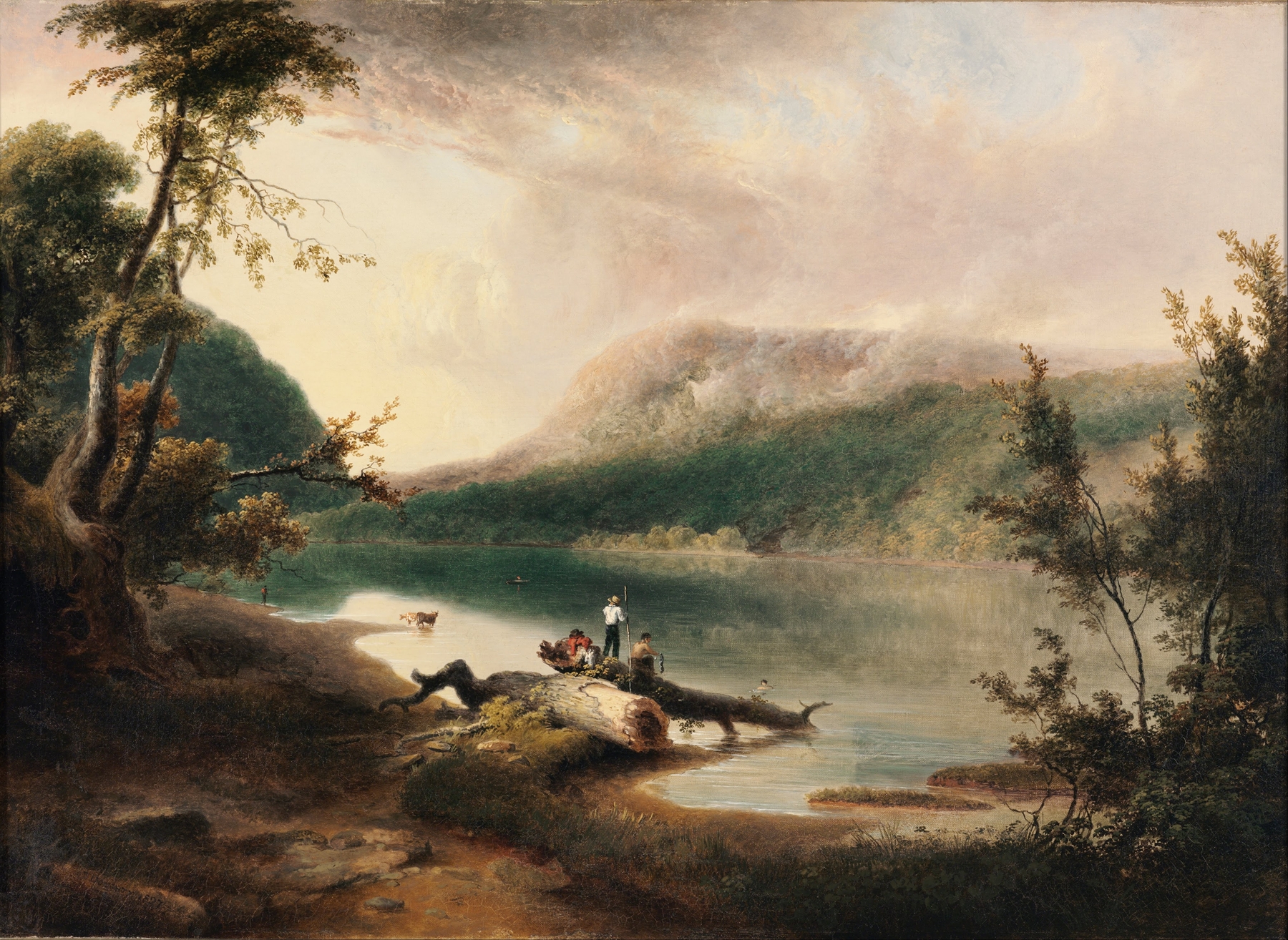
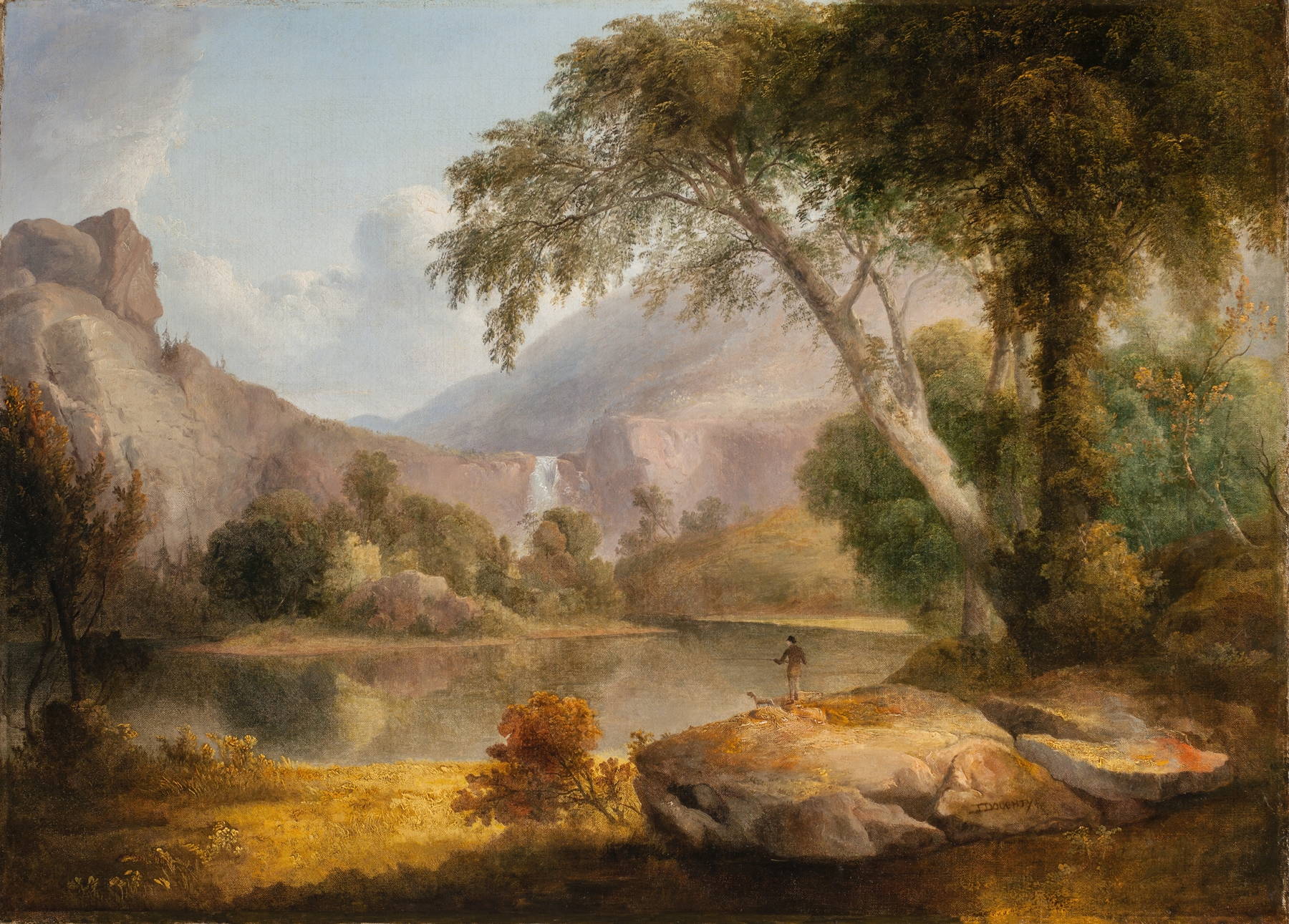
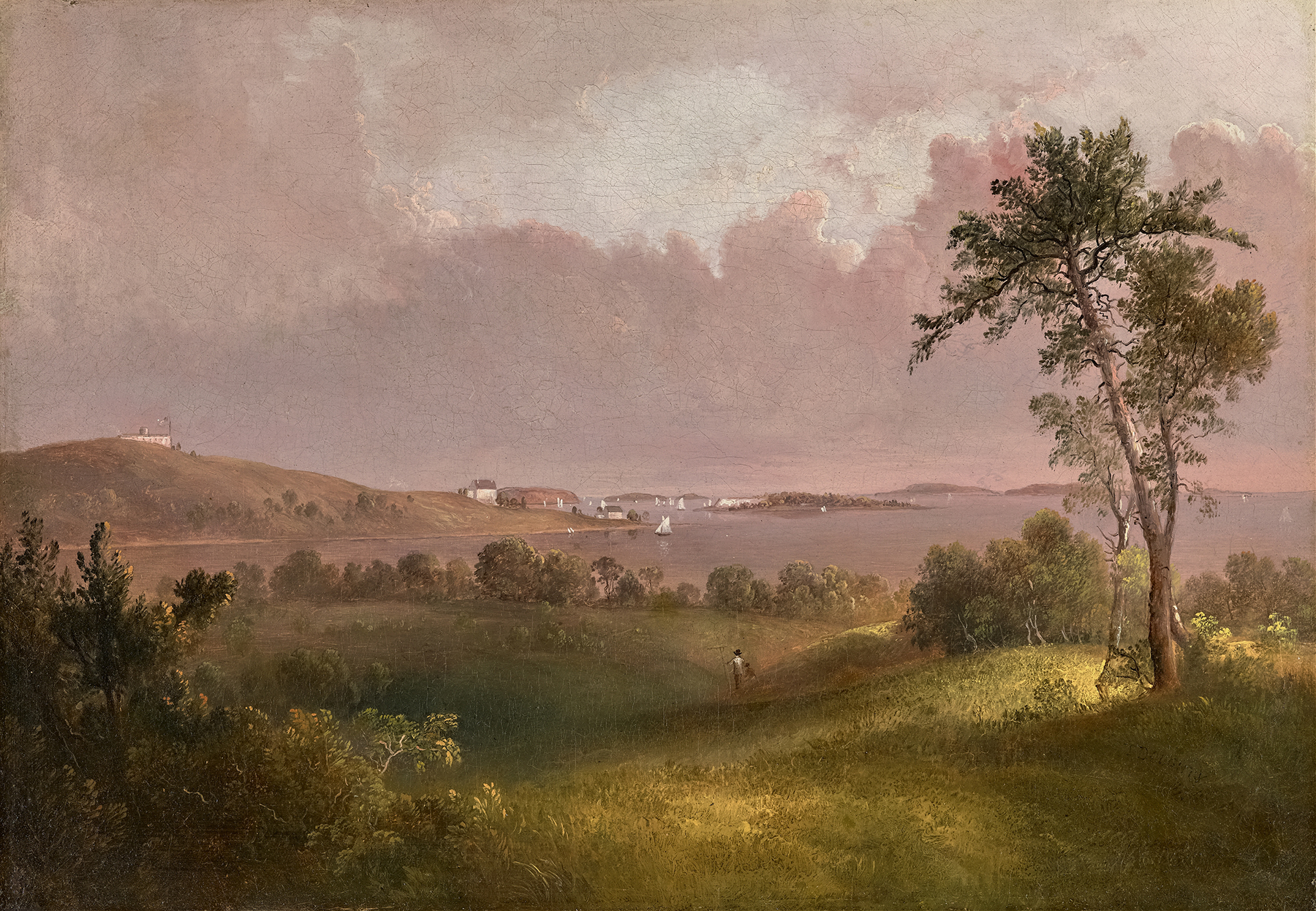
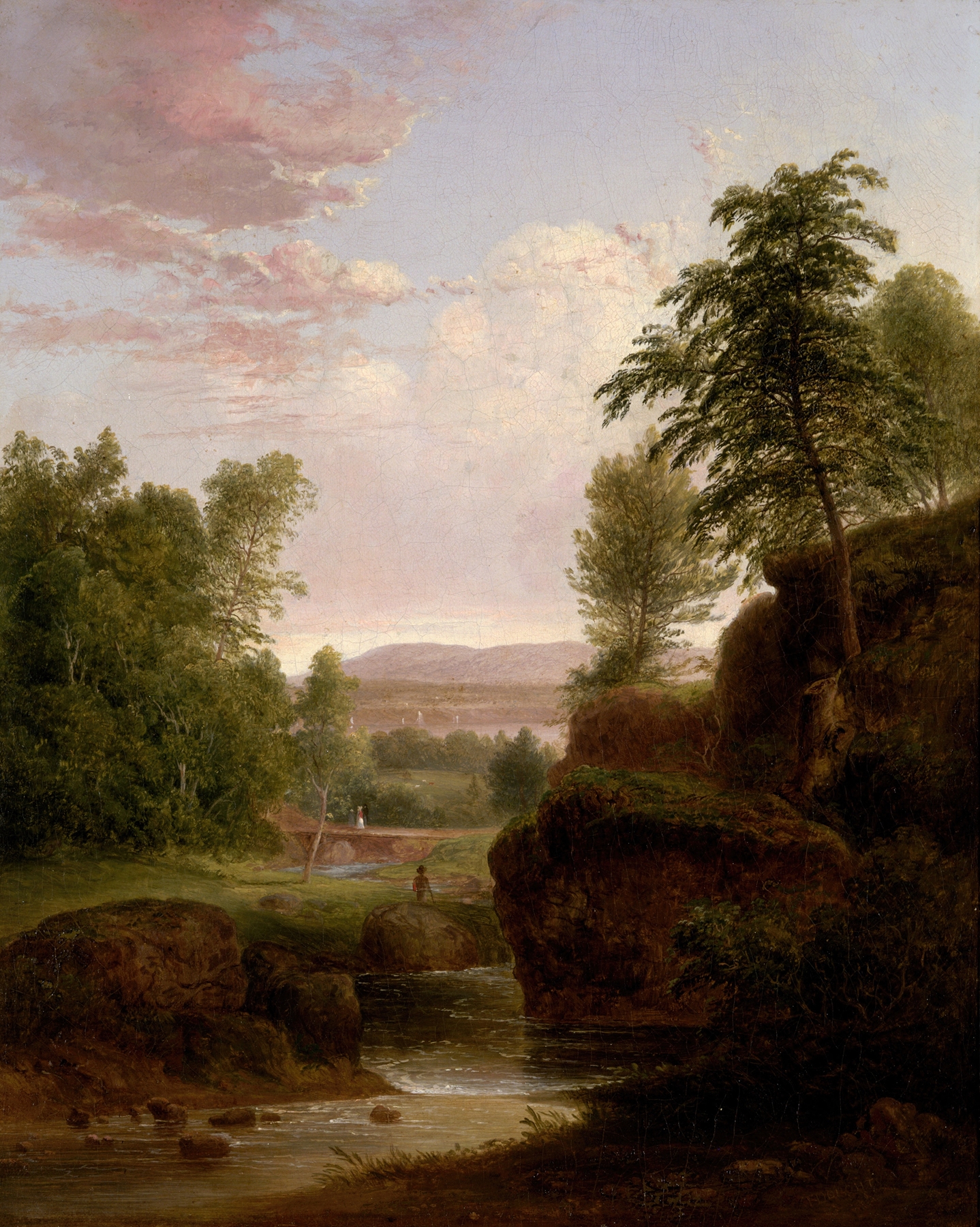
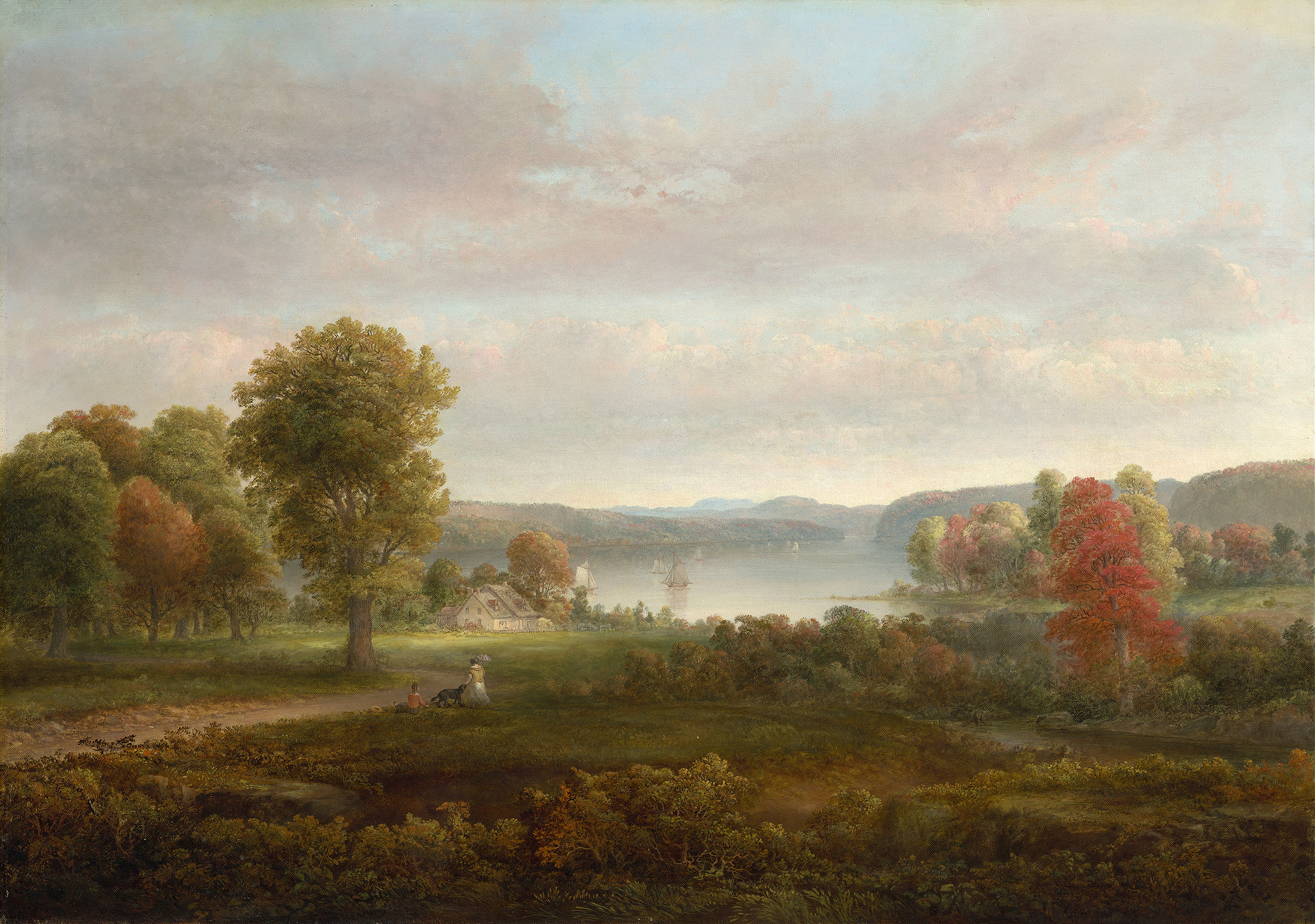
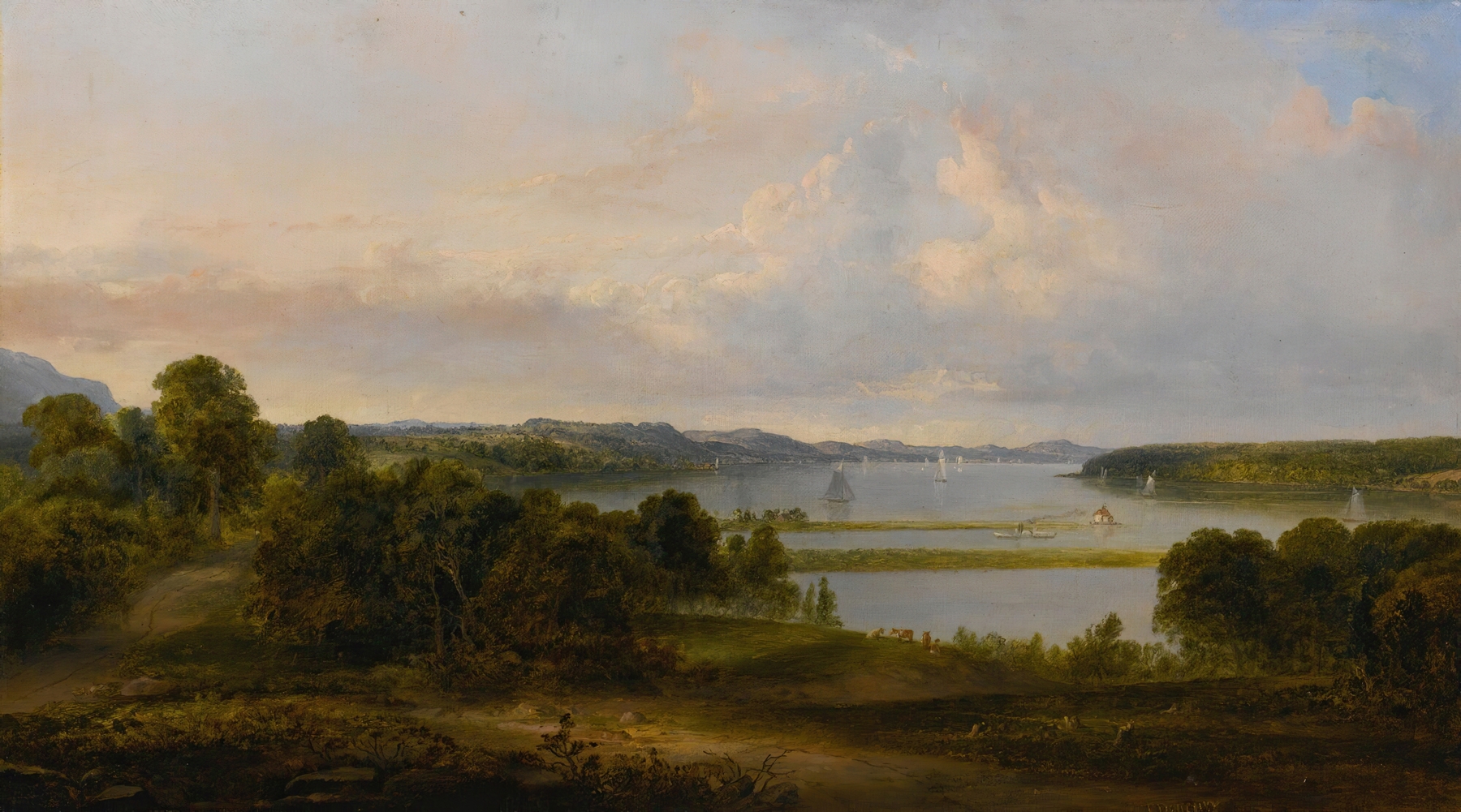
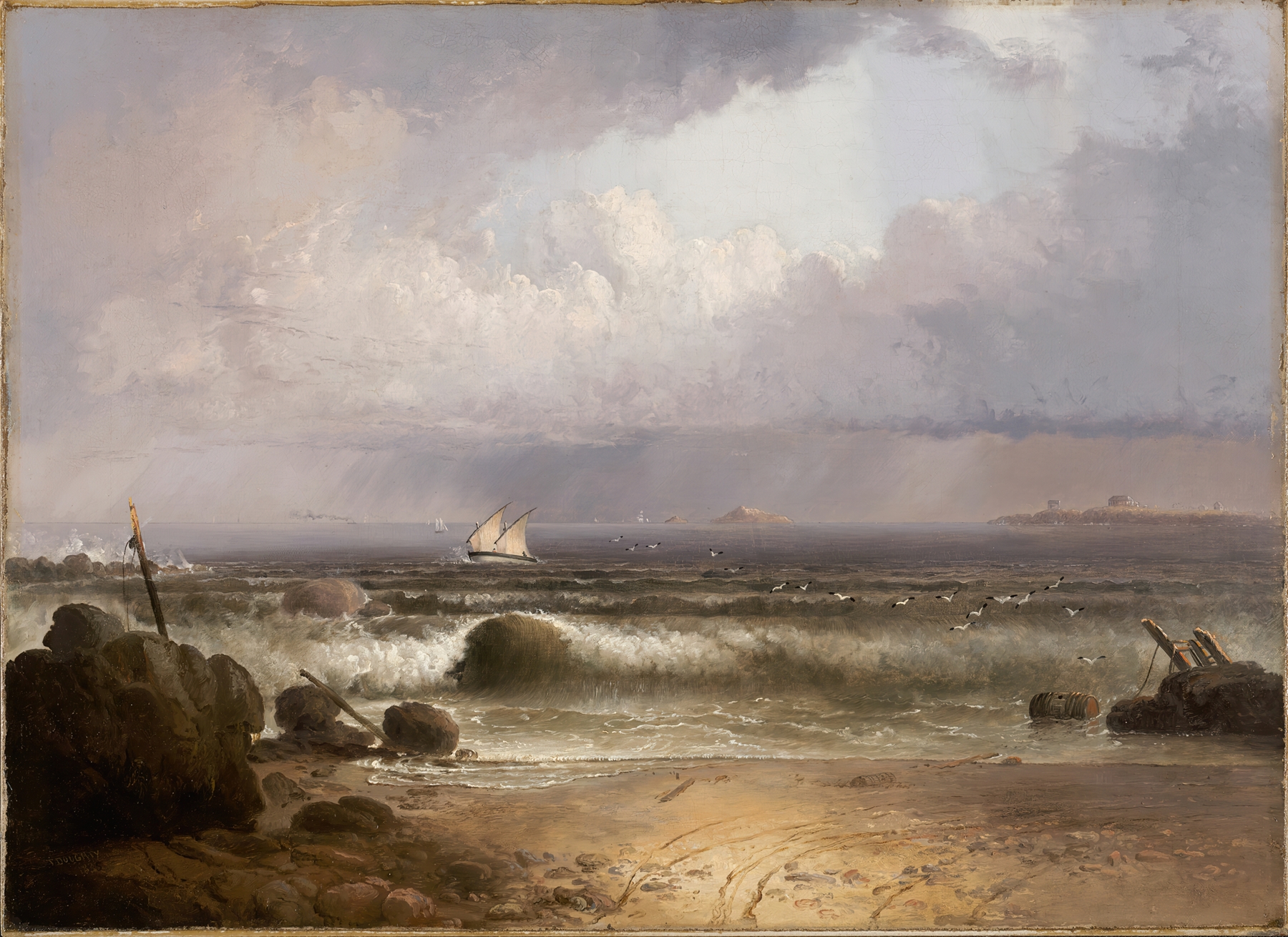
“Under the brush, chaos becomes grace.” In the soft embrace of early morning, the light spills over the landscape, transforming the ordinary into a symphony of color and form. Look to the foreground, where gentle ripples in the Hudson reflect the awakening sky. The artist's delicate brushwork captures the languid flow of water, while the pastel hues blend seamlessly into one another. Notice how the light falls upon the trees, their leaves kissed by the sun, creating a dance of shadows and illumination that invites the viewer deeper into the scene.
Each stroke reveals meticulous attention to detail, drawing the eye toward the horizon where the land and sky meet in a soft, dreamy haze. Beneath the serene surface lies an emotional tension, a contrast between tranquility and the inherent wildness of nature. The stillness of the water juxtaposes the vigorous strokes of the trees, suggesting a harmony between chaos and grace. This interplay speaks to the beauty of fleeting moments, capturing the essence of a landscape that feels both timeless and ephemeral, as if the scene could dissolve into memory at any moment.
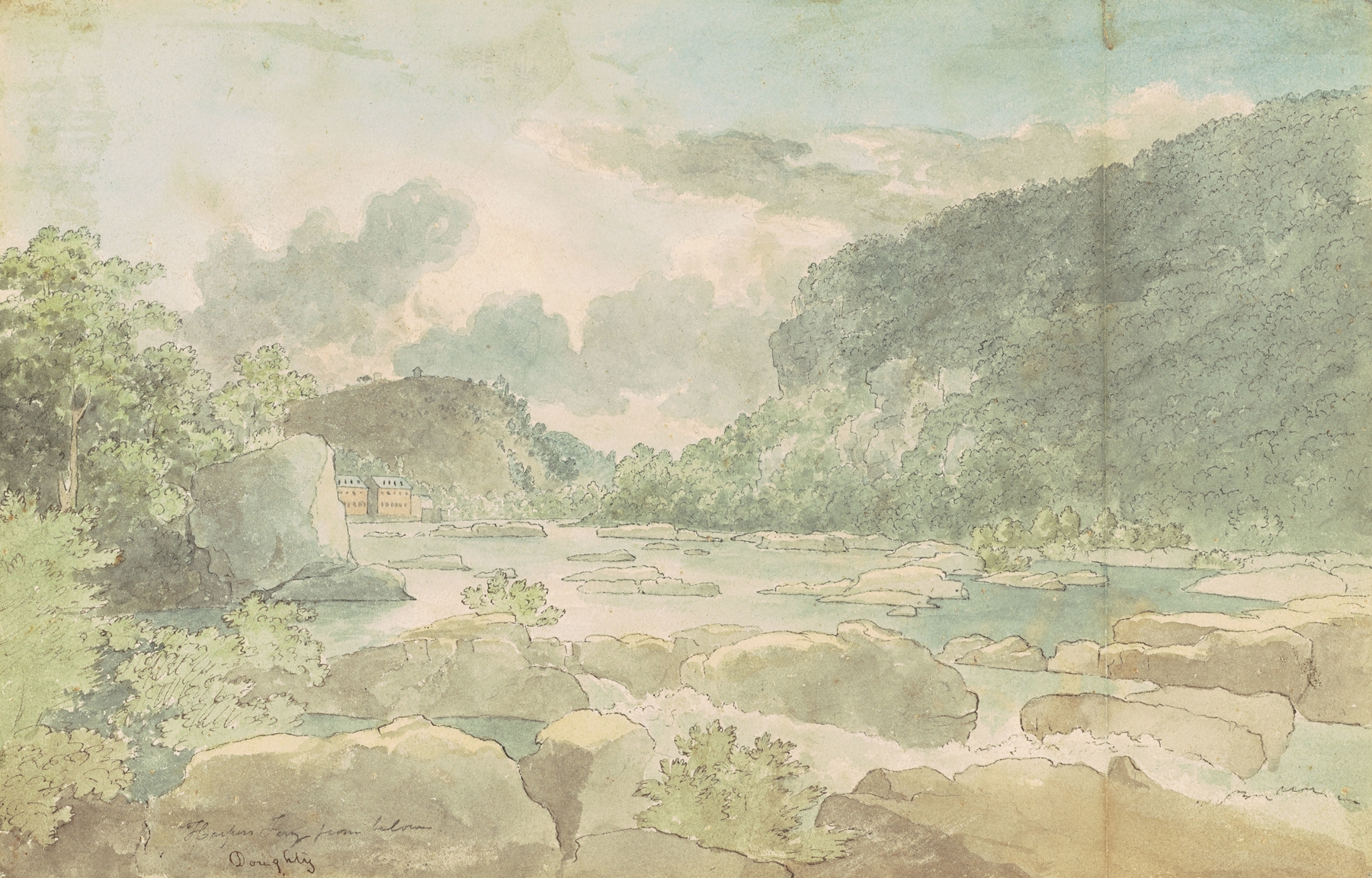
Created between 1830 and 1835, this work emerged during a transformative period for the artist, who was deeply influenced by the Hudson River School's romanticism. Doughty painted during a time when America was experiencing rapid expansion and exploration, mirroring the evolving relationship between humanity and nature. His carefully rendered landscapes reflect a growing appreciation for the sublime beauty found within the American wilderness, positioning him as a pivotal figure in early American art.