On the Sweetwater near the Devil’s Gate — History & Analysis
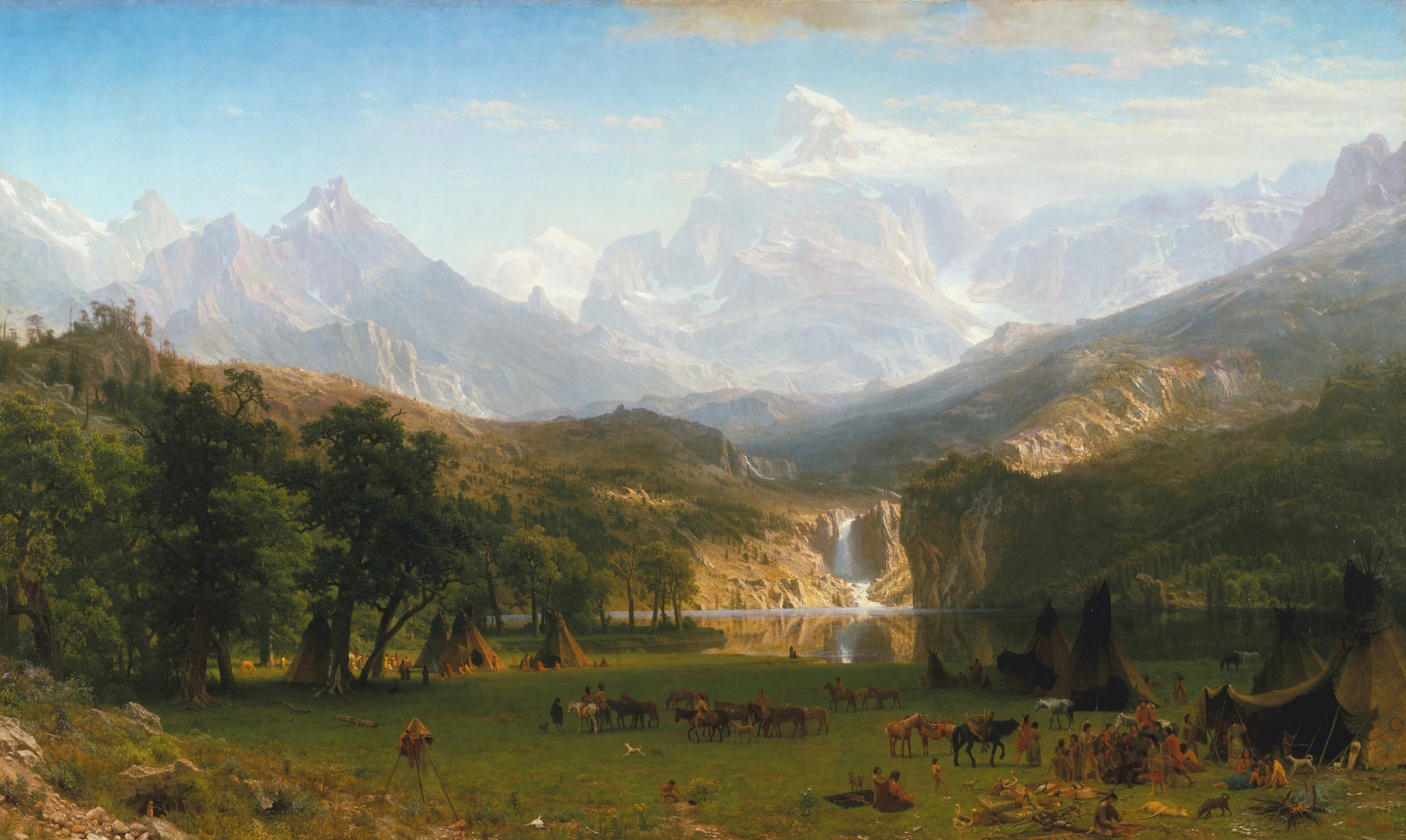
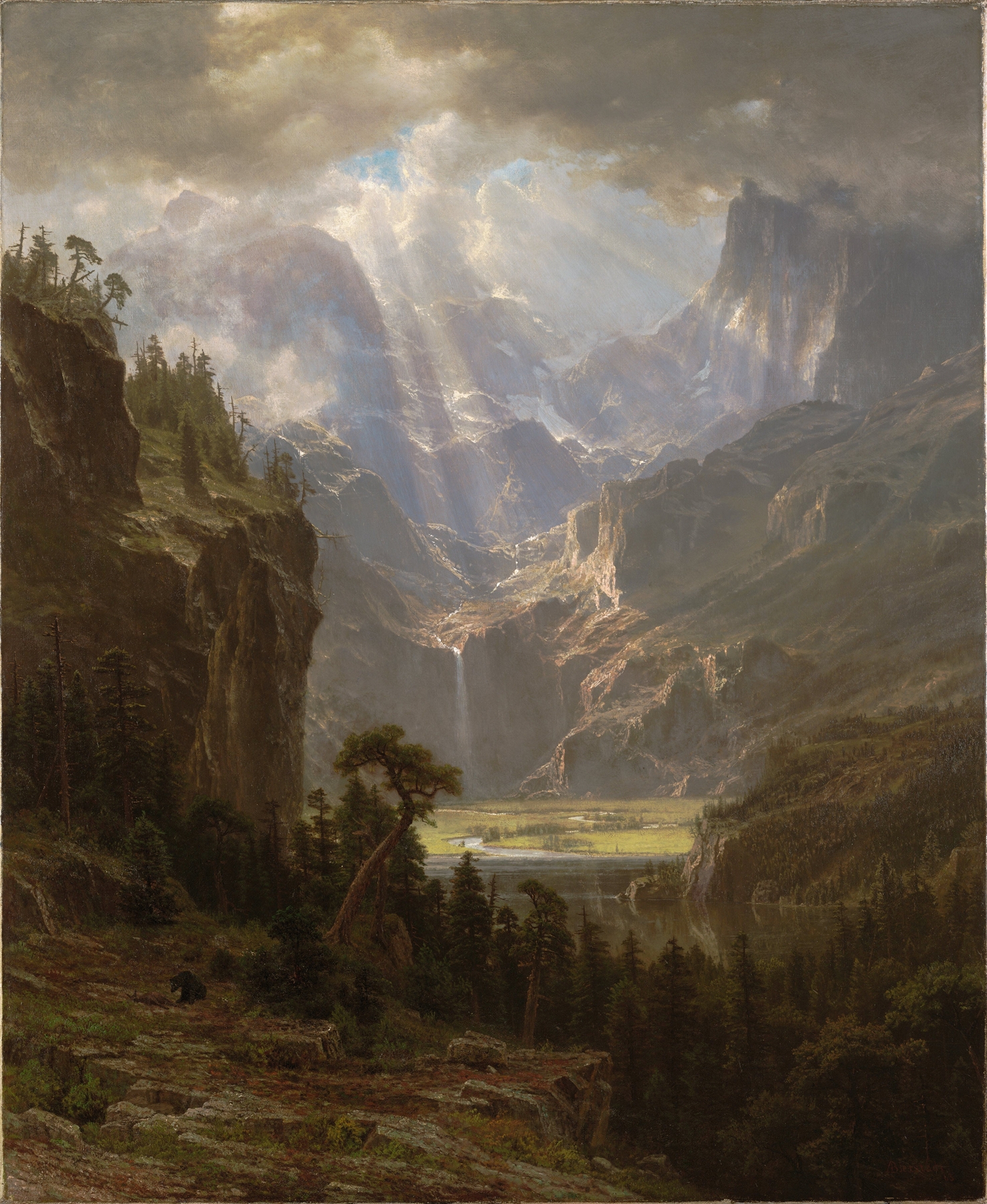
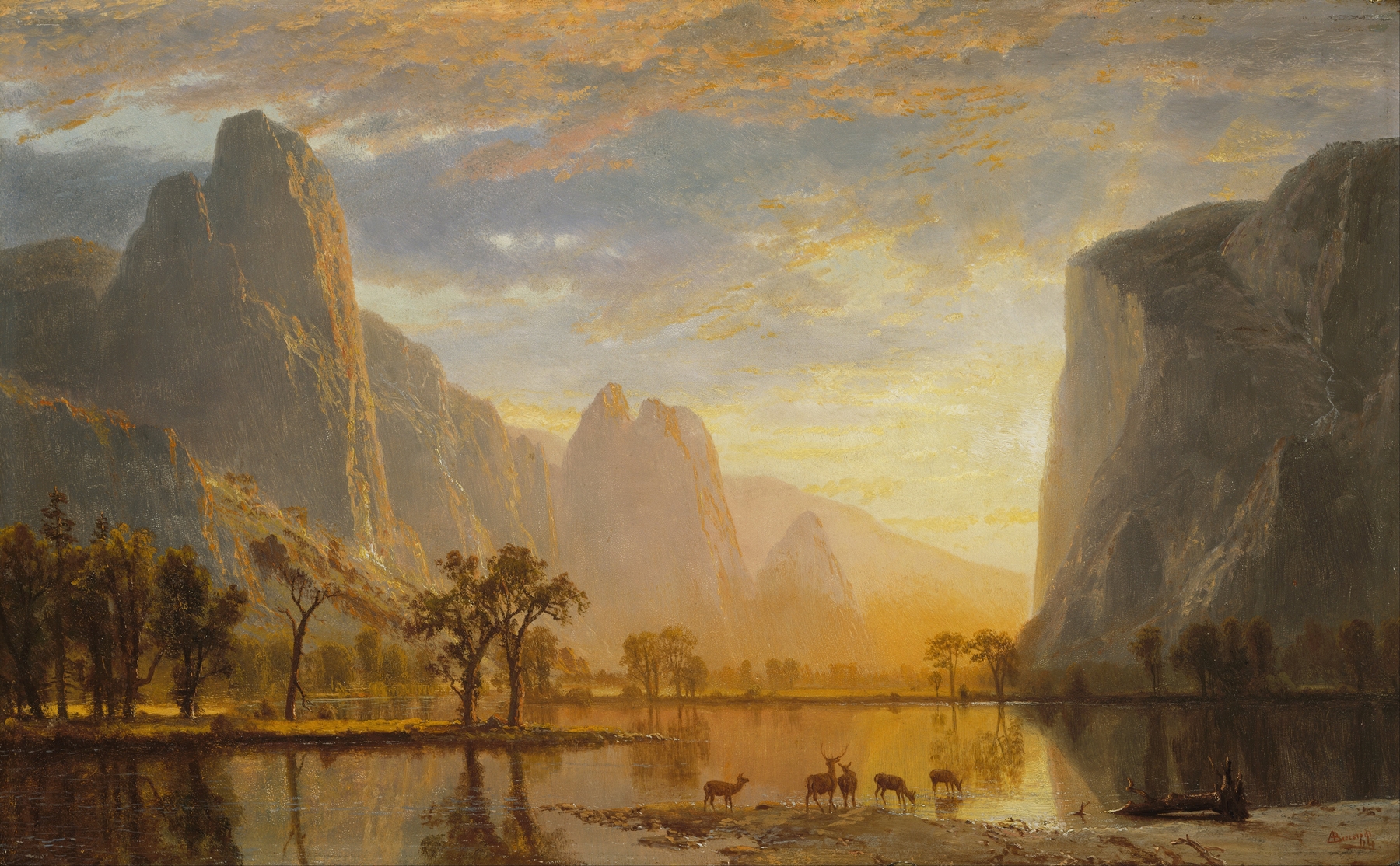
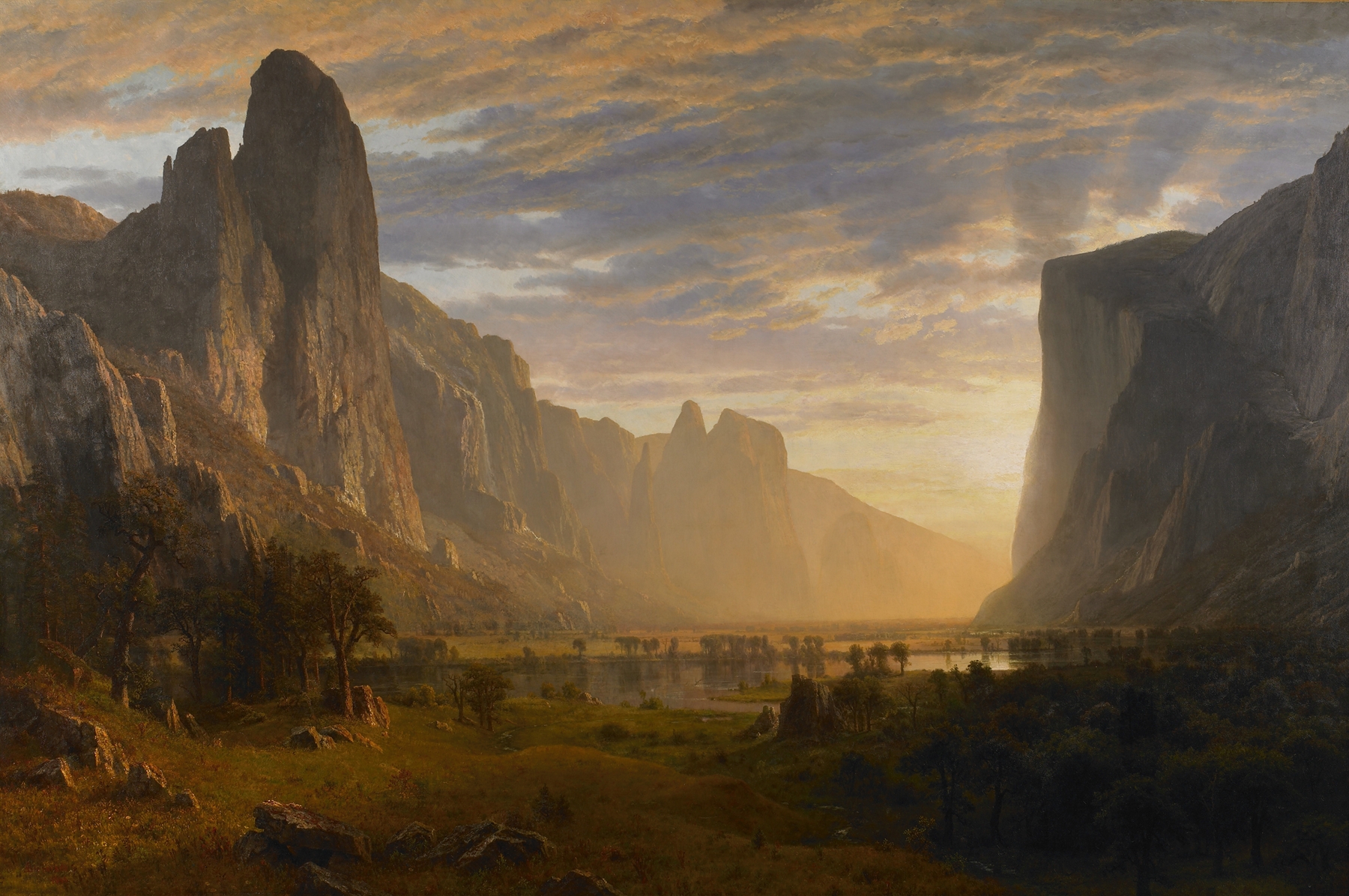
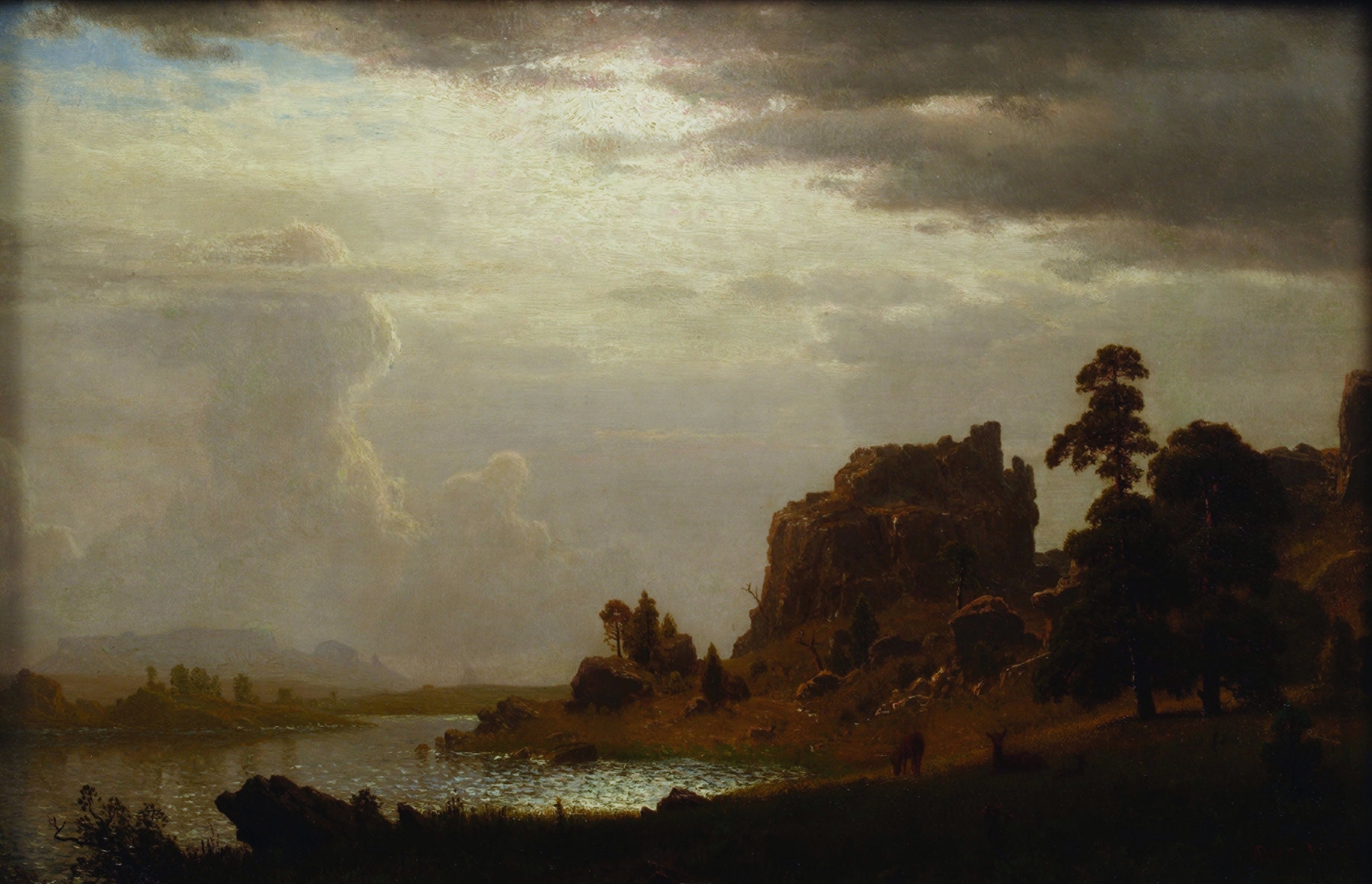
“Every silence here is a confession.” In this vast landscape, emptiness speaks volumes, inviting deep reflection and stirring the soul. Look to the center where the river glistens like liquid silver, flowing serenely toward the distant mountains. The meticulous detail in the foreground, with lush grasses bending in a gentle breeze, contrasts starkly against the towering cliffs that loom beyond. Notice how the light plays across the scene, illuminating the water's surface while casting shadows that deepen the valleys, creating a dynamic tension between the vibrant life and the wild, untamed wilderness. The interplay of color enhances the emotional depth of the painting. The dark, brooding mountains evoke a sense of foreboding, hinting at nature's power and mystery, while the bright sky suggests hope and possibility. Each brushstroke carries a weight of solitude, reflecting a journey through both the physical landscape and the inner terrain of the human experience. The delicate balance between the tranquil river and the imposing rocks serves as a metaphor for the dual facets of existence—serenity intertwined with turmoil. In 1860, Bierstadt painted this piece during a time when westward expansion was shaping America’s identity. Having just returned from a trip to the Rocky Mountains, he sought to capture the majestic beauty of the American landscape. This period marked the peak of the Hudson River School movement, where artists celebrated nature’s grandeur and its ability to evoke profound emotional connections, further challenging the viewer to confront their own sense of place within the vastness.