On the Thames — History & Analysis
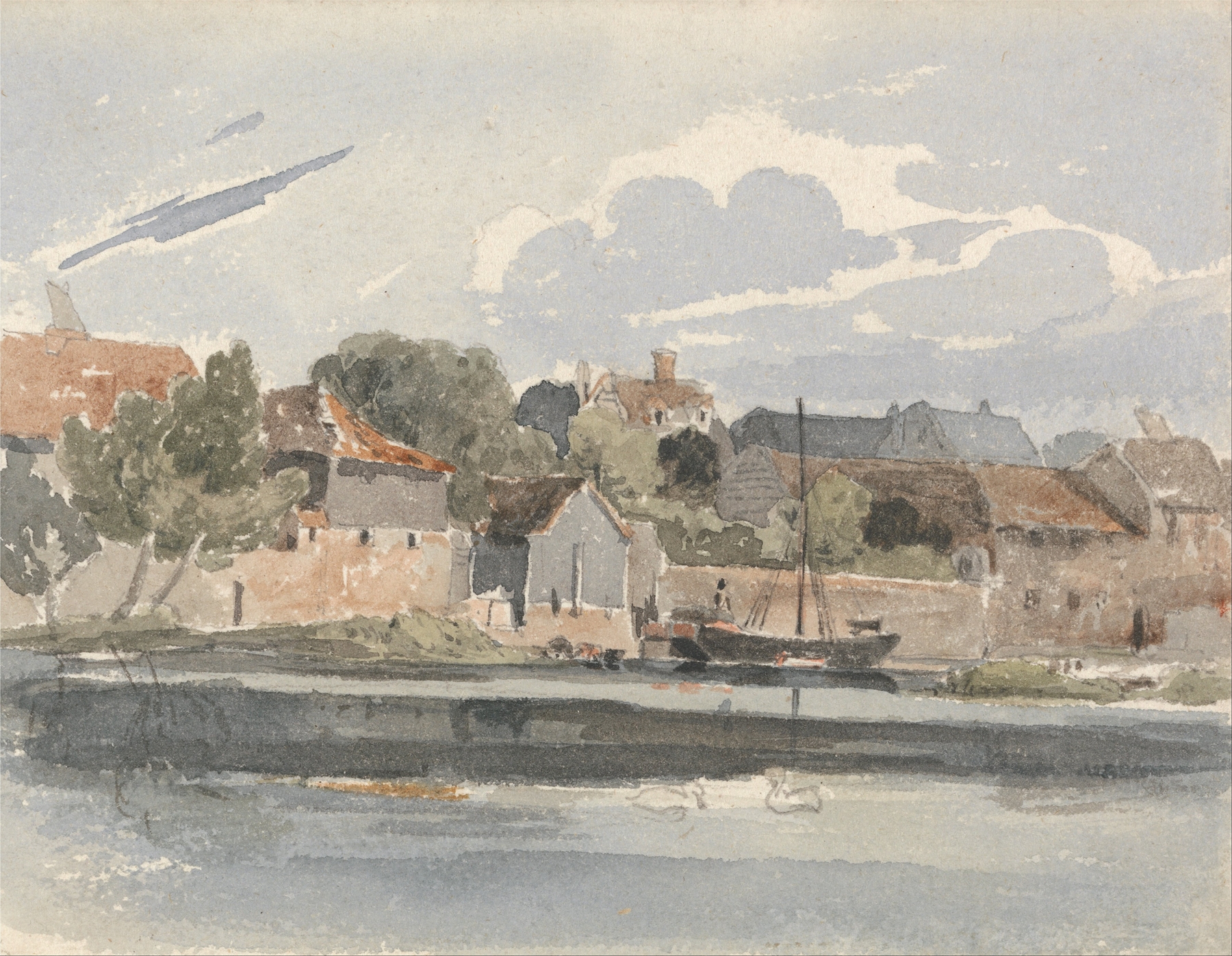
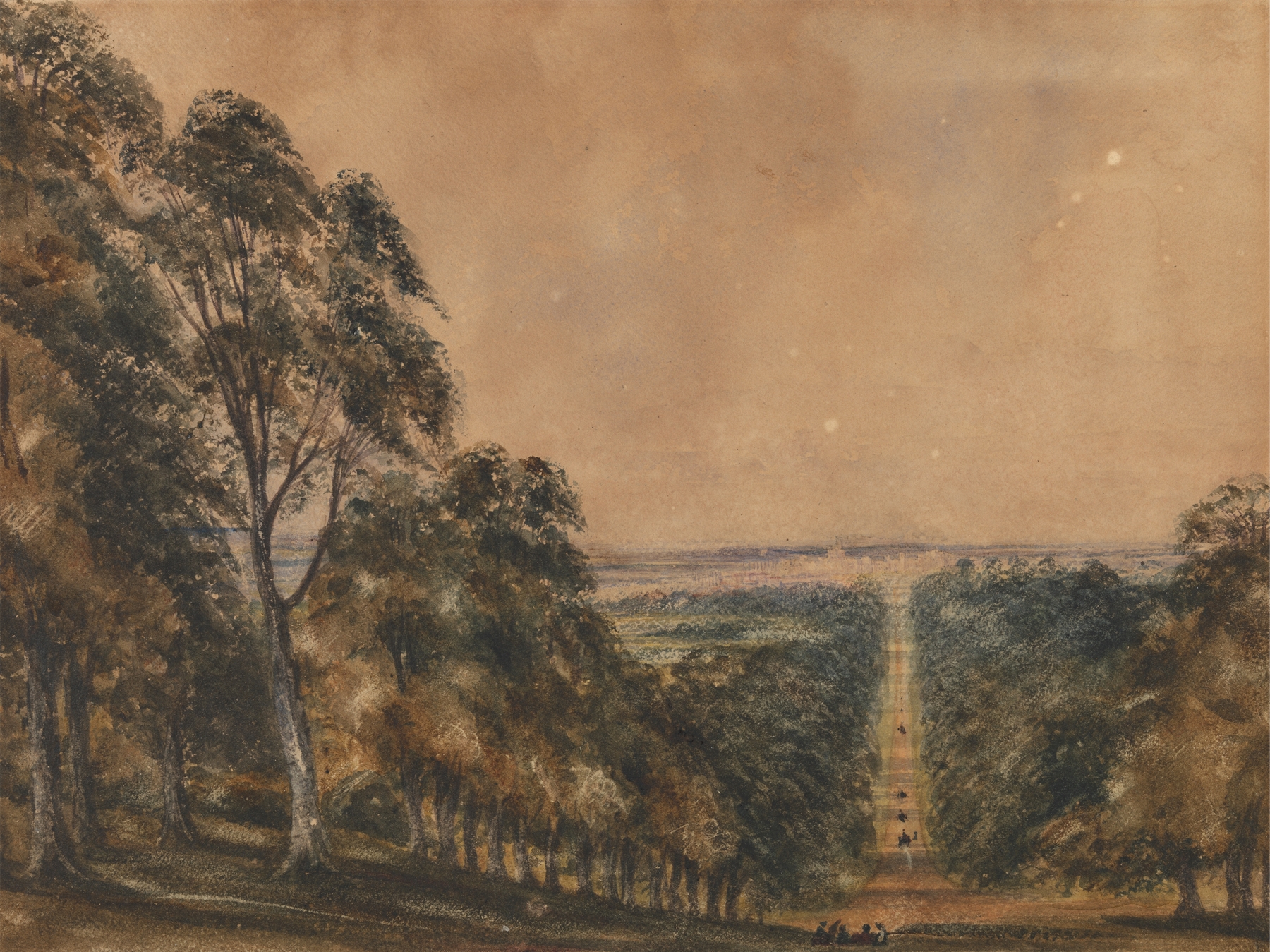
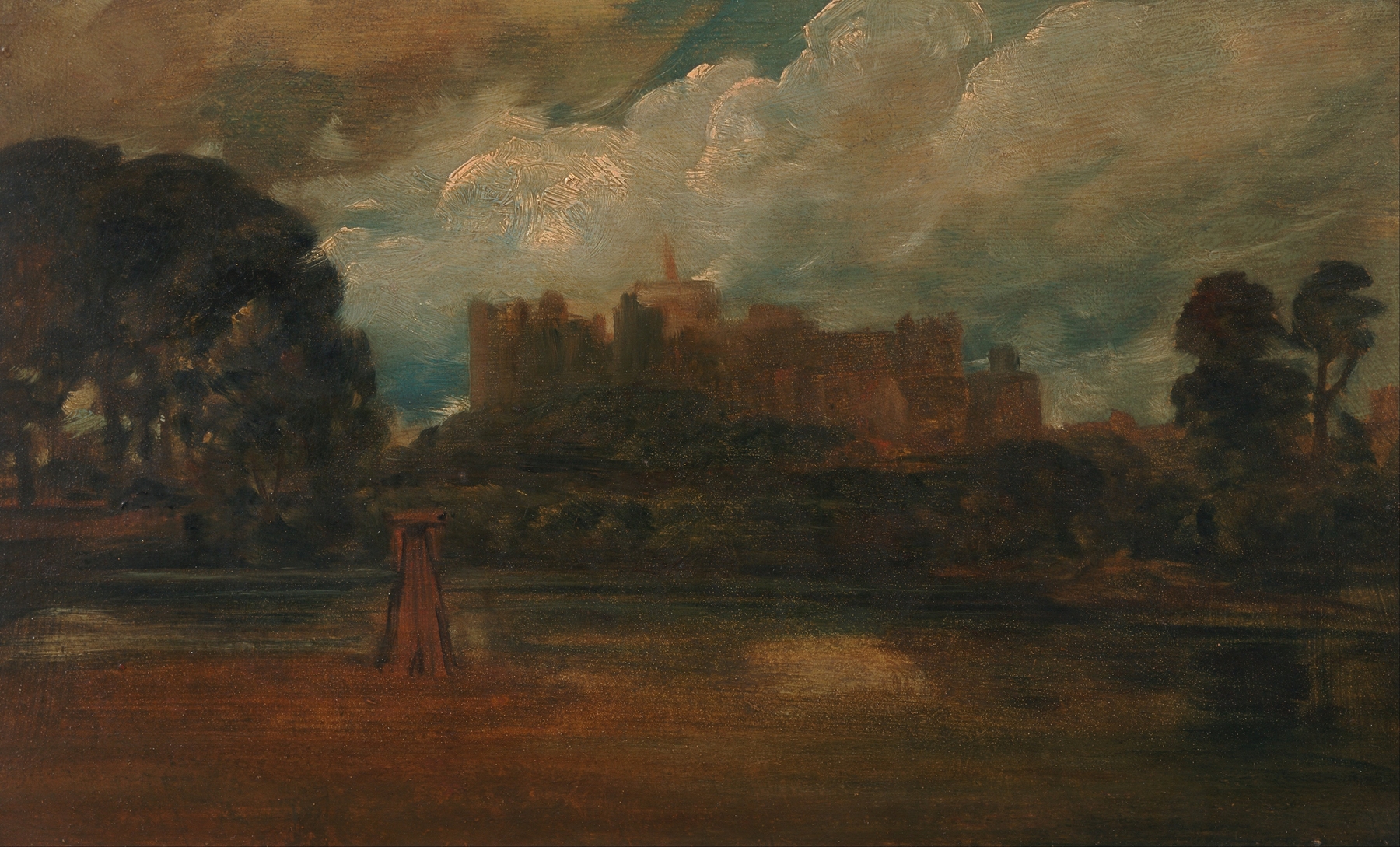
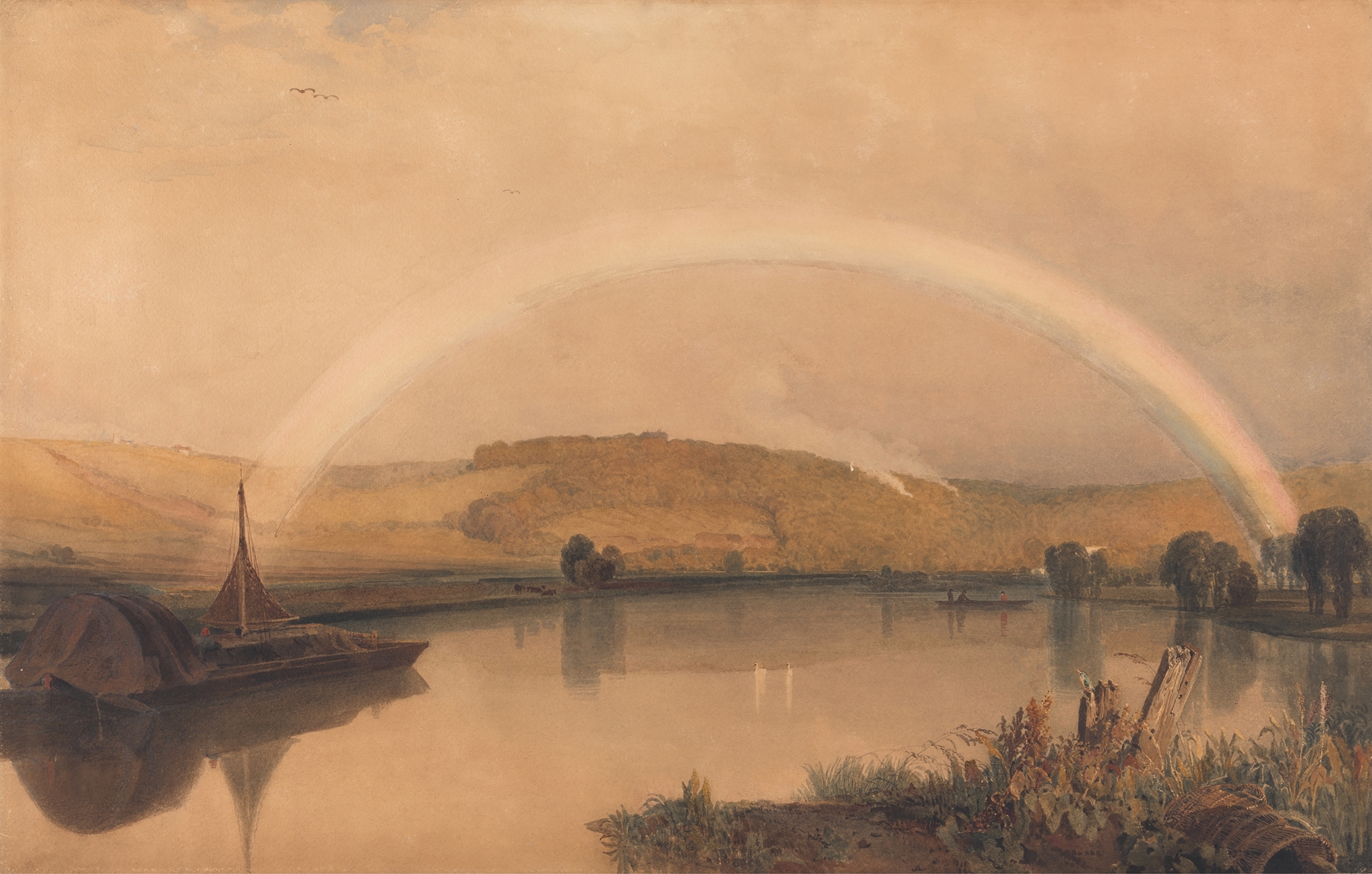
When did color learn to lie? This question lingers as one gazes upon the tranquil yet enigmatic waters of the Thames, where reflections ripple with secrets from the past and whispers of legacy intermingle with the present. Look to the bottom of the canvas where the muddy banks merge with the shimmering river, framed by soft hues of grey and earthy browns. The sky, a delicate blend of blues and whites, casts a unique light that dances on the water, creating a sense of movement that invites contemplation.
Notice the subtle strokes of paint that reveal both the stillness of the scene and the vibrant life lurking beneath its surface. Every brushstroke seems to pulse with stories, drawing the viewer deeper into the historical tapestry woven by time. Diving deeper, the contrast between the calmness of the water and the fleeting boats reveals an emotional tension—a balance of permanence and impermanence. The boats, though momentary visitors, symbolize the passage of time, cradling echoes of human endeavor against the ever-shifting backdrop of nature.
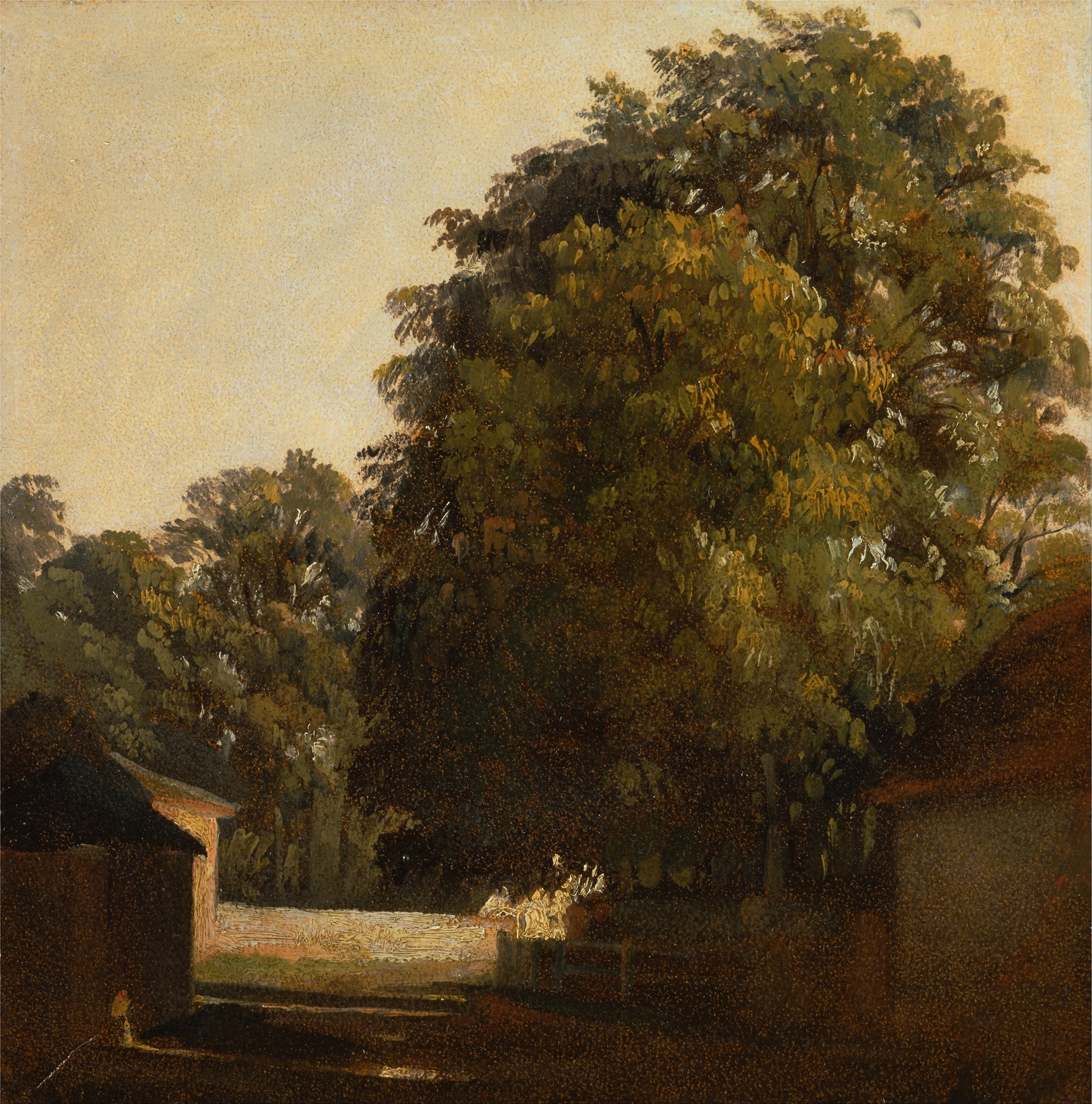
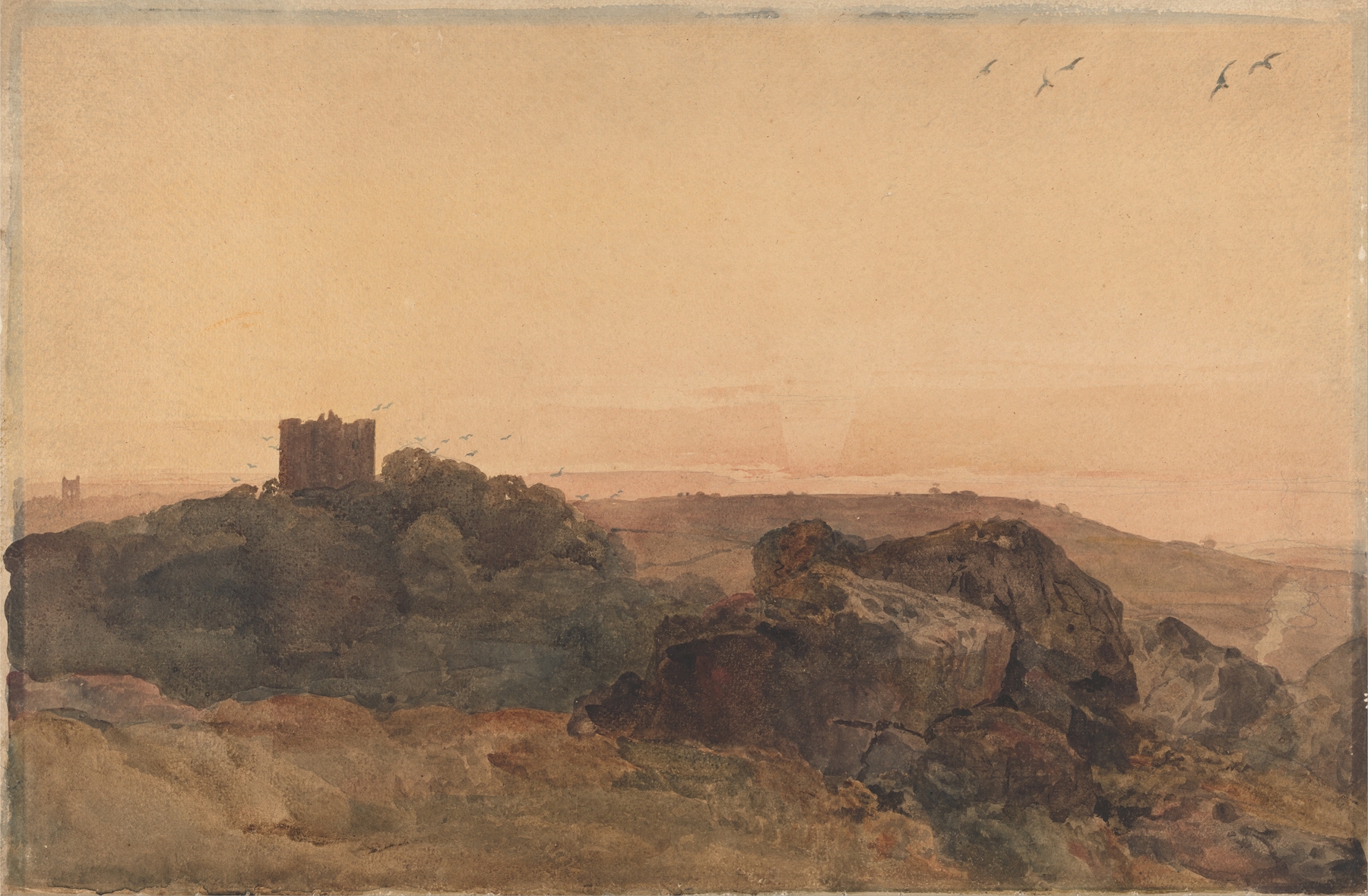
This juxtaposition urges reflection on what it means to leave a mark on a world that is constantly in flux, where every hue might conceal a truth or a lie. Peter DeWint created this work during a period of artistic transition in the early 19th century, likely around the 1820s. While landscapes began to embrace Romantic ideals, he remained rooted in a style that celebrated realism and natural beauty. His observations along the Thames captured not just a physical landscape, but a deeper connection to the heritage of the English countryside, embodying the legacy of a world caught between nostalgia and change.